
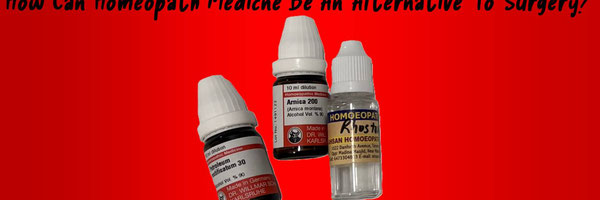
How Homeopathic Treatment Can Be An Alternative To Certain Surgeries
Umar Arain
Calgary Islamic School, Akram Jomaa Campus
Grade 8
Presentation
Problem
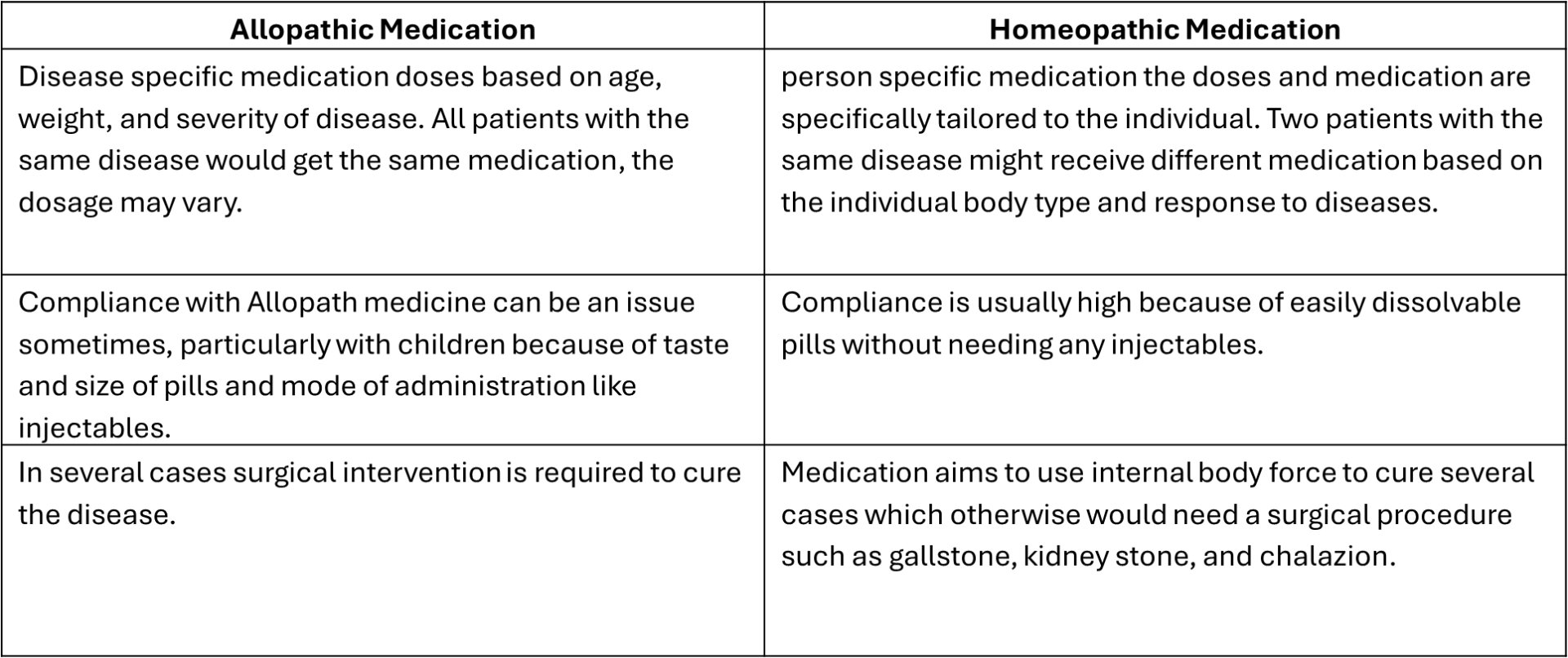
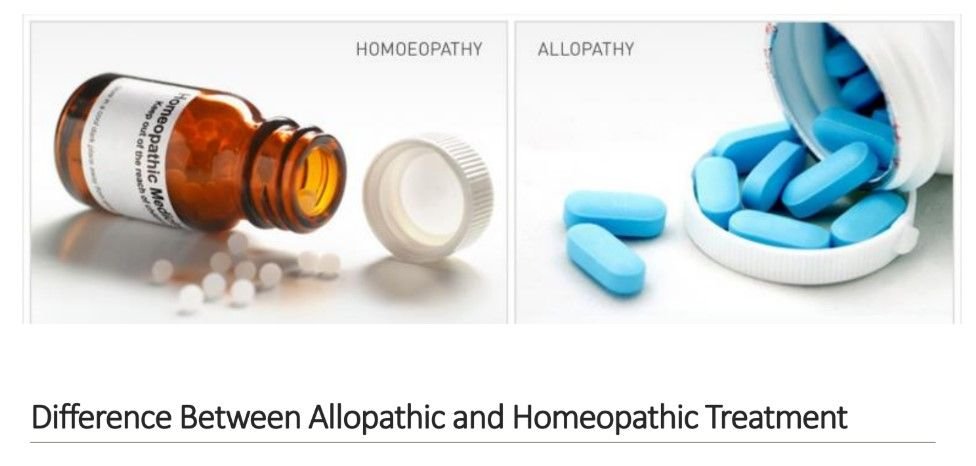
I researched about how Homeopathy treatment of disease was developed by Samuel Hahnemann in 18th century. Dr Hahnemann was a physician of traditional Allopathy medicine but was not fully satisfied with the way of treating diseases. He did some research to determine how certain herbs could be potentize (diluted) to cure a disease which produces similar symptoms as the herb would create. The idea was based on the principle of “like cures like”. The concept is to give the medication in a very diluted form to cure the disease. The more diluted the substance is the higher the potency the Homeopath remedy is for example one part of medicine is diluted with 99 percent of alcohol it gives the potency of 1x. I have also researched the differences of Allopathic medicine and Homeopathy. Allopathic medicine usually focuses on the disease itself by using drugs or surgery to treat or suppress a disease. In contrast, Homeopathy focuses on the patient as a whole by stimulating the self healing process using diluted substances that mimic the symptoms which is usually gentler on the patient. I have also learned about vital force and how it works. The vital force is considered the life energy in a human that sustains the body and mind and enables self healing. When the vital force is strong and balanced, the body will be able to recover quickly from illness. A disease is seen as a disturbance in the vital force, leading to symptoms that reflect the body’s attempt to restore balance. There is no surgery that is 100 percent free from any risk so any surgical procedure involves some kind of risk which could vary from the type of disease and type of surgical procedures so if there is any other alternative therapy system that could reduce the need for surgery it should always be explored and considered the risks and benefits of using the alternative therapies. I did some literature search to find out how Homeopathy may cure certain surgical cases. It made me more curious about why it has not been utilized as much in the healthcare system as I could benefit. Therefore, I decided to work on a case study as an example and compared it with the traditional health care system of medicine to see what knowledge I can add through this scientific project to benefit my society.

Method
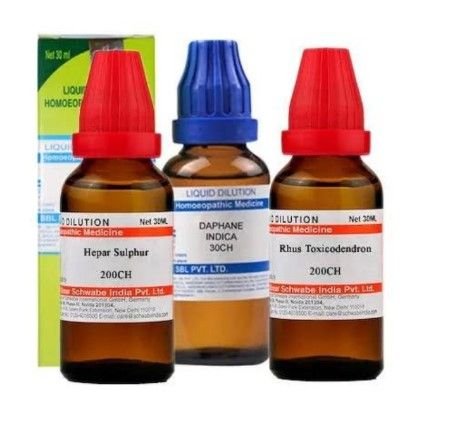
I have been thinking about doing some research one Homeopathy as it makes me curious about why it has not been used as much in the healthcare system as I could benefit. During my last summer vacation, I did some volunteer work at my grandfather Homeopathy clinic in Toronto. After reviewing multiple cases, I noticed that patients who have conditions which usually require surgery have been cured completely using homeopathy medicine. So I decided to conduct a case study and present those cases in this science fair as an example of potential benefit that Homeopathy may provide to the healthcare system in Alberta which is highly overburdened. So far Ontario is the only province where Homeopathy is a regulated profession.
This is the main key research question I came up with. “How Can Homeopathy Medicine Be An Alternative To Surgery?”
I started literature search on Homeopathy and particularly focused on PubMed (Medline) database and Google Scholar to look for relevant articles. I looked at the background literature on Homeopathy as well as some latest research to find any clinical trials on Homeopathic medication. I researched about how homeopathy has been developed by Samuel Hahnemann. It has been developed by using some herbs which caused a set of symptoms in human so when he diluted the same substance, it helped curing the similar set of symptoms in human which come form a disease. Basically the whole thing is based on the principle of “like cures like”. The more diluted the substance is the higher the potency the homeopath remedy is for example one part of medicine is diluted with 99 percent of alcohol it gives the potency of 1x. I have also researched the differences of Allopathic medicine (traditional medical system) and homeopathy. Allopathic medicine usually focuses on the disease itself by using drugs radiation or surgery to treat or suppress a disease condition. While homeopathy medicine focuses on the patient as a whole by stimulating the self healing process using diluted substances that mimic the symptoms which is usually gentler on the patient. I have also learned about vital force and how it works. The vital force is considered the life energy in a human that sustains the body and mind and enables self-healing. When the vital force is strong and balanced, the body will be able to recover quickly from illness. A disease is seen as a disturbance in the vital force, leading to symptoms that reflect the body’s attempt to restore balance. There is no surgery that is 100 percent free from any risk so any surgical procedure involves some kind of risk which could vary from the type of disease and type of surgical procedures so if there is any other alternative therapy system that could reduce the need for surgery it should always be explored and considered the risks and benefits of using the alternative therapy’s. so far Ontario is the only province that has regulated homeopath medicine.

I came across several cases where Homeopathic treatment cures the patient who needed surgery such as Gall Bladder stone, lipoma (fat deposition), enlarged glands, and others. I particularly included two cases here for this research (case 1 with Chalazion and case 2 with kidney stone) to demonstrate as example of how these confirmed cases who were scheduled for a surgery were cure by Homeopathic Treatment.
Research
The key research question was “How Can Homeopathy Medicine Be An Alternative To Surgery?” The single most common misconception about Homeopathy is that Homeopathy is only a placebo effect. Some scientific studies also report this as their conclusions. However, there is little justification is how the placebo effect could cure infants and young children who are unaware of which medicine they are taking! Lack of awareness is a major cause of under-utilization of Homeopathy as a very large proportion of patients are unaware of Homeopathy as an alternative medical treatment Another common reason for not utilizing Homeopathic medication is the fear of unintended consequences. There is not a lot of research on Homeopath medicine so people are afraid that it might cause unintended consequences, side effects etc. Lack of interest from healthcare authorities/leaders to explore the benefits of Homeopathy in complementing the existing healthcare system is the key obstacle in underutilization of Homeopathy and not understanding the differences between Allopathic Medication (Traditional Healthcare System) and Homeopathic Medication.
Data
There were several cases of patients that were treated by homeopath medicine who initially needed surgery. I picked two cases where surgery was the only option in the traditional healthcare system and there was no medication available to cure the condition without performing surgery.
CASE # 1 Chalazion
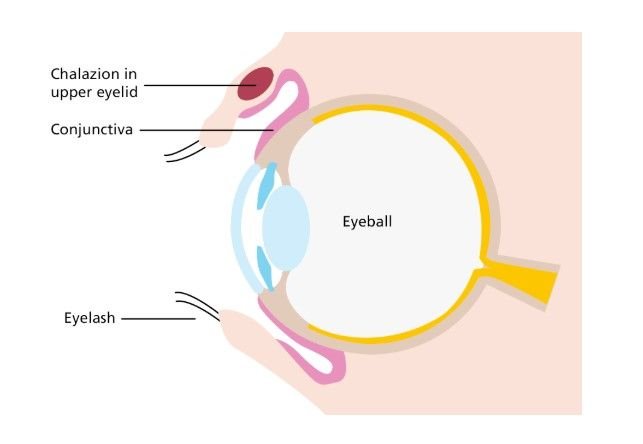
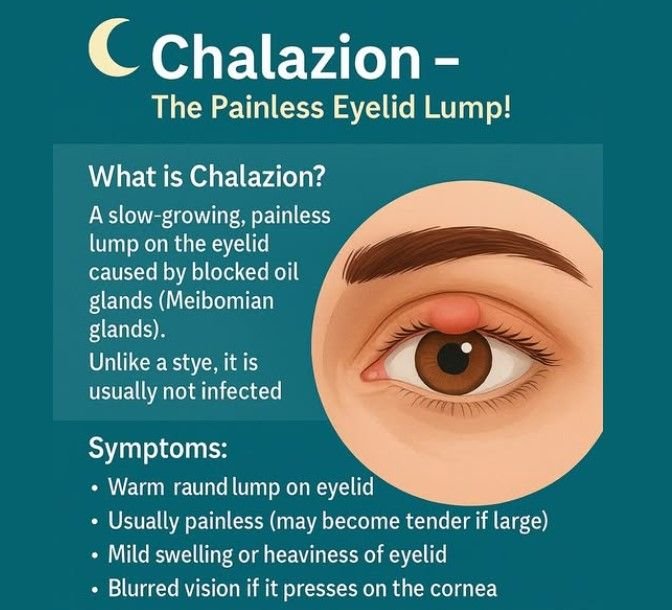
A confirmed case of Chalazion that needed surgery was included in this case study. Chalazion is a painless firm lump on the eyelid caused by a blocked oil gland, which needs to be drained surgically. When the patient first presented to the eye hospital with the complain of a lump on his eye the healthcare provider informed him that the only available cure is a surgical process to drain the blockage and was given an appointment for performing the surgical process. The patient was a young man and did not have any surgical process in the past so there was a lot of anxiety to get a surgery done on him, so he started looking to explore other options not available in the standard healthcare system. One of the options he considered was consulting a homeopath practitioner and discussed his medical issue in detail the homeopath practitioner informed that the homeopath system of cure is a complimenting medicine which may not be able to fully replace the standard healthcare system but there are good chances that the patient condition could be cured with a few days of medication without needing surgery. After the consent process the patient agreed to try homeopathic treatment plan which was provided for four weeks. There was certain dietary restriction during homeopathic treatment such as avoiding coffee, sour foods and some spicy foods which were suppose to antidote the effect of homeopathic medicine. The patient started noticing decrease in the lump size after fifteen days and it completely disappeared in about twenty days. The patient followed up with the practitioner over the phone who advised him to stop the medication as the general rule is no homeopath remedy is required after the disease is cured.
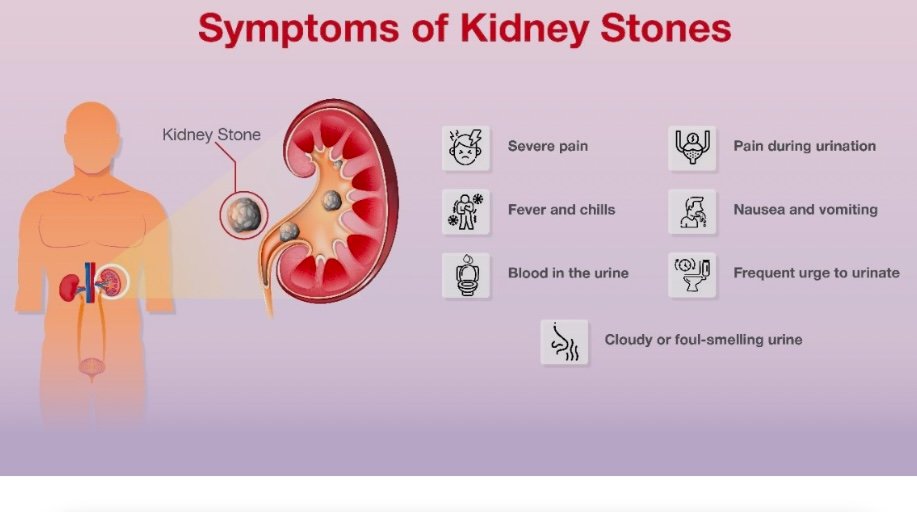
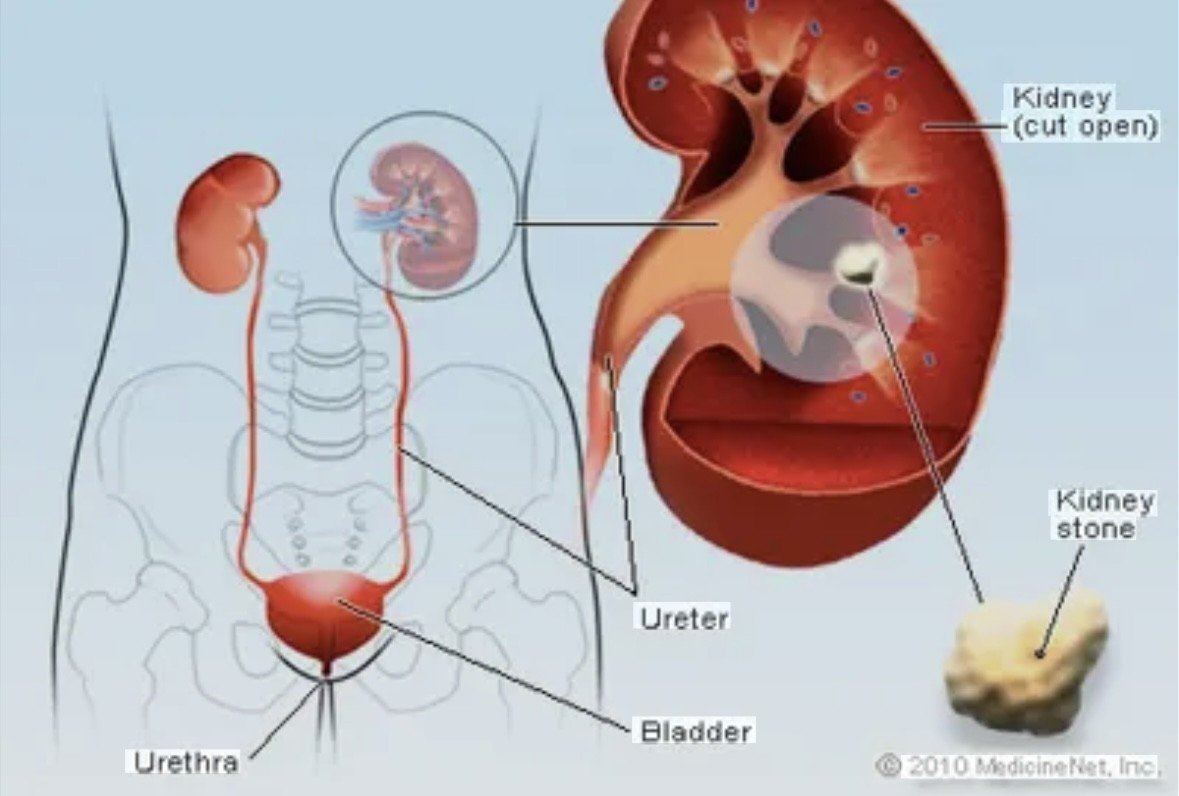
Case Study # 2 - Kidney Stone Another case of a patient with a large kidney stone who needed surgery was successfully treated with homeopathic medicines without needing surgery. A female patient 17 years old started severe pain around her left side of the abdomen. The pain was very sharp and only relieved temporarily after taking pain killers. The patient also felt changes in her urine colour and frequency. Patient presented to a primary care physician who referred for a number of diagnostic tests such as abdomen ultrasound, followed by a CT scan. Other basic tests include urine analyses, and blood some blood tests. There was no past history of any chronic disease or surgery in this patient. After the imaging and laboratory findings, it was the presence of a large stone around the edge of the kidney was diagnosed. The stone was significantly large that the only possible cure suggested was an elective open surgery of kidney to remove the stone. And the patient was given the date for the elective surgery to remove the kidney stone. Meanwhile a family friend of the patient introduced her about homeopath medication and suggested to see a homeopath practitioner for a possible cure without needing a surgery. She visited the homeopath practitioner and provided the necessary details about her disease condition the homeopath practitioner inquired her about the overall patient habits, physical activity, sleep details, along with the information about the nature of the pain. This is because homeopath way of treatment is different and it focuses on overall human body rather than only looking at one specific disease condition in the body. Thus, two patients with the same disease might receive different homeopath medicine based on their overall nature (sometimes referred to as aura in homeopathy). To work perfectly, homeopathic medicine must be chosen to match how an individual’s system works, how it reacts to stress and illness. Different people with the same illness can react differently to remedies.
After taking complete history of this patient the homeopath practitioner provided medication and asked for excessive water intake; it was also suggested to keep using pain killers as per need while the stone was still causing irritation. The homeopathic medication was initially suggested to take four times a day and the practitioner asked to call if anything changes in terms of her symptoms. After initiating the homeopath medication, the patient noticed the expulsion of her kidney stone on the third day of starting the medication. This all happened just four days before her elective surgery was scheduled. The patient went back to the primary care physician and informed about the expulsion of the stone and immediate relief of pain and other associated symptoms which was surprising for the physician as well. The diagnostic investigation tests were quickly performed again to ensure there was no stone that remained in the area. The elective surgery was cancelled after confirming the patient was cured without needing a surgery.
Conclusion
These case studies are only a few examples out of several patients who benefit from Homeopathic method of treatment. My study demonstrate how Homeopathic treatment could support the healthcare system of Alberta. There is a small number of research studies on Homeopathy medicine, and there is a need to do more clinical trials to determine the effectiveness of Homeopathy in different disease conditions. More research is needed to determine how well Homeopathy can fill in the gaps in the current healthcare system. Homeopath medicine is NOT meant to fully replace the standard healthcare system it is rather a support system for our already overloaded healthcare delivery system. For example, if as little as 10% of cases can be dealt with Homeopathic treatment, it may not only significantly reduce pressure on the current healthcare system but may also avoid unnecessary surgeries with homeopathic pills that are safe and body friendly. With the recent years of long waiting list for surgical procedures in Alberta and other provinces (sometimes waiting goes beyond 12 months period), there is a need to think outside the box to explore other disease cure system such as Homeopathy. This also raises a big question about not getting anything for 12 months while waiting for a surgery is better or trying an alternative therapy which could potentially reduce the need for surgeries. Assuming the scientific literature claim of Homeopath remedies acts only as a placebo, is there any harm in trying those "placebo" pills during the long wait time of months when the patient is not getting any treatment while waiting for surgery? I thought that this platform of the science fair could be my very first step of creating the awareness among academics. I would like to take it further to the other levels of healthcare authorities in the future to demonstrate the examples of case studies that were cured by homeopathy without needing any surgeries.

Citations
Kayne SB (2006) Homeopathic pharmacy : Theory and practice. Edinburgh; New York: Elsevier Churchill Livingstone. 386 p Linde K, Clausius N, Ramirez G, Melchart D, Eitel F, Hedges LV, Jonas WB. Are the clinical effects of Homeopathy placebo effects? A meta-analysis of placebo-controlled trials. Lancet. 1997 Sep 20;350(9081):834-43. Mercer SW, Reilly D. A qualitative study of patient's views on the consultation at the Glasgow Homoeopathic Hospital, an NHS integrative complementary and orthodox medical care unit. Patient Educ Couns. 2004 Apr;53(1):13-8. Samuel Hahnemann. Sixth Edition of Organon of the Medical Art, Aphorism 11, p.66. Schmidt JM. Believing in order to understand: Hahnemann’s hierarchisation of values. Homeopathy. 2008 Jul;97(3):156-60.
Shang A, Huwiler-Müntener K, Nartey L, Juni P, Dorig S, Sterne JA, et al. Are the clinical effects of Homoeopathy placebo effects? Comparative study of placebo-controlled trials of Homoeopathy and Allopathy
Dezső Csupor, Klára Boros, and Judit Hohmann. Low Potency Homeopathic Remedies and Allopathic Herbal Medicines: Is There an Overlap? PLoS One. 2013; 8(9): e74181.
Acknowledgement
I highly acknowledge my grandfather Muhammad Aslam who is a licensed homeopath practitioner in Ontario. The case examples presented in this research are based on his over 50 years of clinical practice. I also acknowledge support of my class teacher (Jyothi Nambiar) and my parents.