

How Does Dehydration Impact The Human Body
Usman Arain
Calgary Islamic School, Omar Bin Al-Khattab Campus
Grade 6
Presentation
Hypothesis
Research Question: How does short-term (<30 mins) physical activity impact hydration on the skin and heart? Hypothesis: As little as 20 minutes physical activity significantly changes the amount of hydration in the skin and heart.
Introduction Dehydration is the result of not drinking enough water according to body needs. Hydration is important for many different reasons. One reason is it allows body organs to function at optimum level. Several studies I reviewed stated that dehydration can lead to health problems such as heart related risks, brain related risks, skin dehydration and muscle weakness. One study I reviewed concluded that dehydration affects mostly the lower half of the body after conducting an experiment. Another study I reviewed (Eric Db Goulet, et al 2012) recommended drinking 5-10 mL/kg body weight 2 hours before exercise for endurance athletes. That study also stated that in exercises lasting less than 1-hour dehydration does not decrease endurance, but athletes are recommended to mouth rinse with sports drinks and in exercises lasting over an hour and which fluid is readily available, drinking according to thirst will maximize endurance and performance. However, I hypothesize that a moderate amount of as little as 20 minutes of physical may impact the hydration status of human body.
Daily Water Intake The daily water intake varies by age and by activity level These are just general recommendations: Children ●1-3 years: About 1.3 liters (5.5 cups) ●4-8 years: About 1.7 liters (7 cups) ●9-13 years: About 2.4 liters (10 cups) for boys, 2.1 liters (9 cups) for girls ●14-18 years: About 3.3 liters (14 cups) for boys, 2.3 liters (10 cups) for girls Adults ●Men: About 3.7 liters (16 cups) ●Women: About 2.7 liters (11 cups) Activity Levels ●Moderate Activity: Increase intake by about 0.5 to 1 liter. ●High Activity: Increase intake by about 1.5 to 3 liters
Research
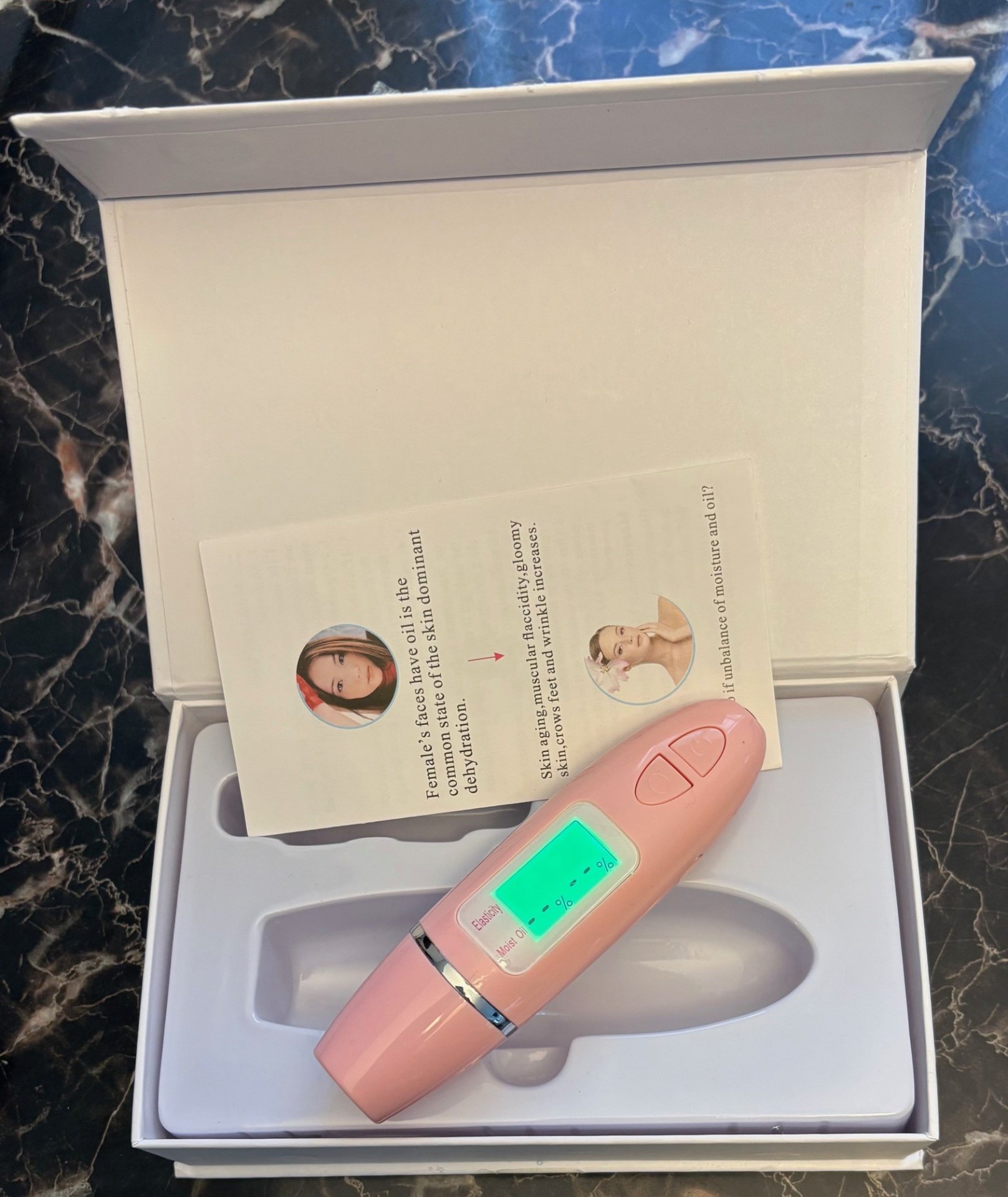
This study was conducted in the Calgary region on 4 volunteer research participants in February of 2026. I conducted an experimental before and after experimental study on healthy human research participants to measure the hydration status before and after 20 mins physical activity. I included myself and three other family members to measure hydration status. I used brisk walk as the intervention of physical activity. The outcome was measured through skin hydration and body vitals including heart rate and respiration rate. I tested all four participants to determine if age and height had any impact on the measurements. To measure hydration level, I used a digital skin hydration tester, which provides accurate results and used by aesthetic professionals. It is a non-invasive testing device which is used on thin skin areas such as face and arms. The device was pilot tested 5 times to ensure accurate result before using it on the study participants. Other measures included heart rate, respiratory rate, before and after the intervention (20 mins brisk walk). The data provided an insight into how the hydration levels are impacted because of physical activities. The study participants provided informed consent and I provided information about the study procedures and the instruments for measurements. The involvement of their estimated time involved to participate in the study was also explained to the study participants.
Variables
The key variables in the analysis were age, gender, height and weight. The effect of confounding variables was determined to see any impact on the outcome. The outcome variables included heart rate, respirator rate, and skin hydration level measured by a digital hydration measuring device. The data were compared using mean readings before and after the intervention. The normal heart rate for 10 – 13 years old = 70 – 100 beats per minute The normal heart rate for adult (18+) = 60 – 100 beats per minute
The normal respirator rate for 10 – 13 years old = 12 – 22 per minute The normal respirator rate for adult (18+) = 10 – 20 per minute
Procedure
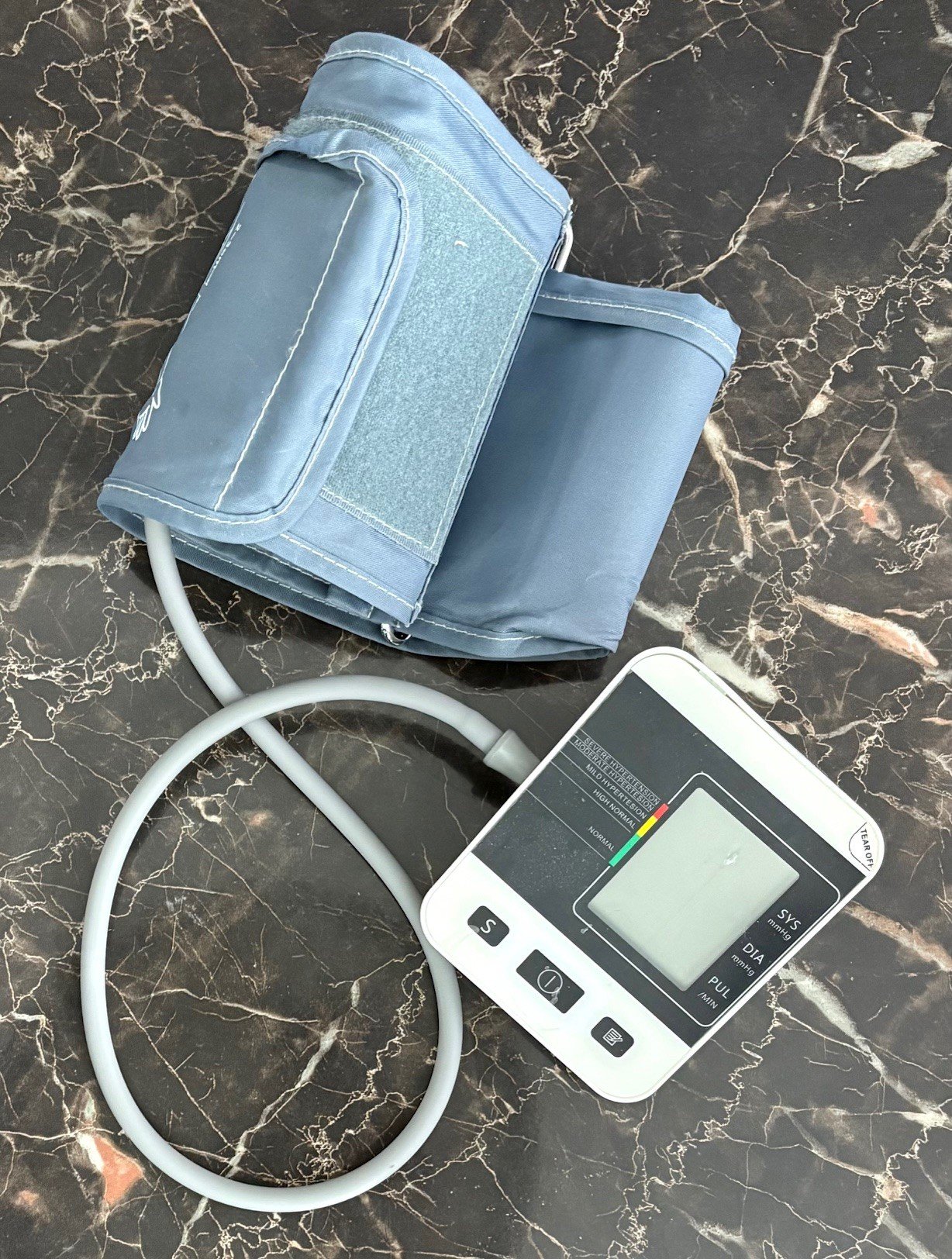
The Intervention: 20 mins uninterrupted moderate indoor physical activity (brisk walk) at room temperature over 3 days. No eating or drinking (such as water sips) was allowed during the period of intervention. The same intervention was used for all study participants. During every record, I set a 20 min timer for the intervention of brisk walk (moderate level physical activity). I always used the skin hydration machine on the same spot for every participant. To check the respiration rate, I counted chest and abdominal movement per min. The same person was always checking the respiration rate. The heart rate was measured by a digital monitor.
DIGITAL SKIN HYDRATION MEASURING DEVICE
Heart Rate Measuring Device
Observations
Results
A total of 4 research participants is included in this experimental research study. 75% were male, and 25% female. All 4 participants were healthy and had no medical conditions affecting physical activity or water intake. 2 participants were adult, (18+) and 2 participants were children under the age of 13. The average weight the average weight of the children participants is 33.0kg. The average weight of the adult participants was 69.5kg. The average height of the children participants 59 inches. The average height of the adults was 62.5 inches.

Analysis
The detailed analysis of before and after readings of all participants of three days are presented in these figures below. The first figure shows combined data from all participants which shows increase in heart rate and respirator rate after the intervention and decrease in skin hydration levels. Other figures show data for children only which had more impact on heart rate and less on skin hydration compared to adult group where the skin hydration changes were more impacted. The charts for male and female did not show much difference showing less or no variations due to gender.


Conclusion
CONCLUSION This experimental study has demonstrated the impact of mild to moderate short-term (<30 mins) physical activity on the hydration status of different body organs. The impact on the hydration status of skin and heart varies significantly by age groups. Therefore, the requirement of water intake also varies by different age groups and sufficient water intake is required to maintain the health status of skin and healthy heart functioning. However, gender did not play any role in terms of any changes in hydration status of skin and heart before and after the physical activity
ABSTRACT Introduction: Dehydration is the result of not drinking adequate water according to body needs. During exercises, adequate water is important to maximize endurance and performance. Usually it is recommended that exercises lasting less than 1 hour is not much affected by dehydration. However, in this study, I am testing if moderate amount of physical activity for as little as 20 mins can impact hydration status of the body.
Methods: I did a before and after experimental research study on 4 participants (including myself). The intervention was 20 mins, uninterrupted indoor brisk walk at room temperature. The measurements included heart rate, respiration rate, and skin hydration using a digital device to compare the changes in the hydration status before and after the intervention.
Results: A total of 4 research participants included in this experimental research study. 75% were male, and 25% female. All 4 participants were healthy and had no medical conditions affecting physical activity or water intake. 2 participants were adult (18+yrs) and 2 participants were children under the age of 13 yrs. The average weight the average weight of the children participants was 33.0kg. The average weight of the adult participants was 69.5kg. The average height of the children participants 59 inches. The average height of the adults was 62.5 inches. The analysis for all participants showed significant increase in heart and respiratory rate and decrease in skin hydration after the intervention. Children group had more visible effect on heart rate and less on skin hydration while adult group had more visible change in skin hydration and less in heart rate. Analysis by gender did not show any variations.
Conclusion: This experimental study has demonstrated the impact of mild to moderate physical activity on the hydration status of skin and heart. The impact varies significantly by age group, but no variations were observed by gender. Thus, it is recommended to appropriately hydrate with every physical activity to prevent negative impact on skin and heart.
Application
● We often recommend regular physical activity to maintain overall body health but, at the same time we often ignore to include hydration as a necessary part of physical activity which is also highly important. ● Although hydration for almost all body is important, skin and heart are 2 of the organs which are immediately affected by the changes in hydration level. ● Mild to moderate level of short-term (<30mins) physical activity may also need hydration to keep the body organs fully functional. This is particularly important for areas like Calgary where air humidity is less and dehydration often lead to health issues such as migraine.
Sources Of Error
●The study was conducted on 4 people, so there could wider variation of people. So in the future the same study could be conducted on a larger number of participants. ●The measurements used for the hydration status were all non-invasive to ensure the safety of the participants. However, more accurate findings could be obtained with higher levels of technology or by using blood samples or urine samples. ●This study only measures the hydration status of organs like skin and heart, but almost every organ in the body may impact by the changes in hydration levels, but only some are measured in this study.
Citations
Judelson, D.A., Maresh, C.M., Anderson, J.M. et al. Hydration and Muscular Performance. Sports Med 37, 907–921 (2007). https://doi.org/10.2165/00007256-200737100-00006
Sawka MN, Cheuvront SN, Kenefick RW. Hypohydration and Human Performance: Impact of Environment and Physiological Mechanisms. Sports Med. 2015 Nov;45 Suppl 1(Suppl 1):S51-60. doi: 10.1007/s40279-015-0395-7. PMID: 26553489; PMCID: PMC4672008.
Eric Db Goulet, Dehydration and endurance performance in competitive athletes, Nutrition Reviews, Volume 70, Issue suppl_2, 1 November 2012, Pages S132–S136
L. Kilpatrick-Liverman, J. Mattai, R. Tinsley, J. Wu. BookHandbook of Cosmetic Science and Technology. First Published2009. Edition3rd Edition. Pages16 Trangmar, S.J., González-Alonso, J. Heat, Hydration and the Human Brain, Heart and Skeletal Muscles. Sports Med 49 (Suppl 1), 69–85 (2019). https://doi.org/10.1007/s40279-018-1033-y
Maffulli N. Making weight: a case study of two elite wrestlers. Br J Sports Med. 1992 Jun;26(2):107-10. doi: 10.1136/bjsm.26.2.107. PMID: 1623355; PMCID: PMC1478935.
Maughan RJ, Shirreffs SM. Dehydration and rehydration in competative sport. Scand J Med Sci Sports. 2010 Oct;20 Suppl 3:40-7. doi: 10.1111/j.1600-0838.2010.01207.x. PMID: 21029189.
Edmonds CJ, Foglia E, Booth P, Fu CHY, Gardner M. Dehydration in older people: A systematic review of the effects of dehydration on health outcomes, healthcare costs and cognitive performance. Arch Gerontol Geriatr. 2021 Jul-Aug;95:104380. doi: 10.1016/j.archger.2021.104380. Epub 2021 Feb 17. PMID: 33636649.
Modelling the effect of hydration on skin conductivity. L. Davies, P. Chappell, T. Melvin,. Davies, L., Chappell, P. and Melvin, T . (2017), Modelling the effect of hydration on skin conductivity. Skin Res Technol, 23: 363-368. https://doi.org/10.1111/srt.12344
Martínez-Noguera FJ, Cabizosu A, Alcaraz PE, Marín-Pagán C. Effects of pre-exercise glycerol supplementation on dehydration, metabolic, kinematic, and thermographic variables in international race walkers. J Int Soc Sports Nutr. 2024 Dec;21(1):2346563. doi: 10.1080/15502783.2024.2346563. Epub 2024 Apr 27. PMID: 38676933; PMCID: PMC11057399.
Rodrigues R, Baroni BM, Pompermayer MG, de Oliveira Lupion R, Geremia JM, Meyer F et al Vaz MA. Effects of acute dehydration on neuromuscular responses of exercised and nonexercised muscles after exercise in the heat. J Strength Cond Res. 2014 Dec;28(12):3531-6. doi: 10.1519/JSC.0000000000000578. PMID: 24942173.
The IThe Importance of Hydration. March 1, 2019 by Safecare
Acknowledgement
I highly acknowledge the support from my teacher Mrs. Hadil El-Cheikh, and my parents who helped and supported me throughout my project. I also acknowledge the volunteer participation of my study participants who performed physical activity and allowed me to obtain measurements before and after the intervention to calculate hydration status.