
How Heart Rate Affects Cognitive Functions
Alina Bayanati, Alveera Ashiq
Westmount Mid/High School
Grade 5
Presentation
Hypothesis
We hypothesize that if our participants have a lower heart rate, then they will perform better. This is because the heart will pump more oxygen to the brain.
Research
THE HEART
The heart [1] is a muscular organ about the size of a fist that acts as a pump to circulate blood, oxygen, and nutrients throughout the body. The right side of the heart pumps oxygen-poor blood to the lungs while the left side of the heart pumps oxygen-rich blood to the rest of the body.
Structure
- Chambers: The heart has four chambers: the right atrium, the left atrium, the left ventricle, and the right ventricle
- Septum: A muscular wall that separates the heart into its right and left sides, preventing deoxygenated and oxygenated blood from mixing
- Valves: Four valves - the tricuspid, pulmonary, mitral, and aortic - work like one-way doors, opening to allow blood to pass through and closing to prevent backflow
Function
- Pumping blood: The heart's main function is to pump blood, which carries oxygen and nutrients to all parts of the body
- Electrical system: The heart has its own electrical system that controls the rate and rhythm of its contractions (heartbeats)
 Figure 1: Heart Diagram; showing what direction blood flows through [2]
The Brain
The brain [3] is a complex organ that acts as the body's central control system, processing information and coordinating all functions, from thoughts and emotions to breathing and heartbeat. The brain has three main parts—the cerebrum, cerebellum, and brainstem—each with specific jobs that work together to manage bodily and mental activities.
Structure
- Cerebrum: The cerebrum is the largest part of the brain, and it is located at the front and top of the skull.
- Cerebellum: The cerebellum is a part of the brain located at the back of the head, just above and behind where the spinal cord connects to the brain itself.
- Brainstem: The brainstem connects the brain to the spinal cord. It sits near the bottom of the brain. Midbrain is the top part of the brainstem. The midbrain is involved in several functions, including motor control, particularly eye movements, and the processing of vision and hearing [3].

Figure 2: Different parts of the brain
Brain Parts Related to Memory [5]
- Hippocampus: The Hippocampus is located deep in the brain. It is hidden within the medial part of the brain of the temporal Lobe. This part of the brain plays an important role in learning and memory formation. It is crucial for converting short-term memory into long-term memory and helps in assisting the retrieval of those memories when needed.
- Amygdala: Amygdala is a small, almond-shaped structure inside your brain. Fear is the main emotion that the amygdala is known to control. That’s why the amygdala is so important to survival. However, research shows that the amygdala contributes to more than just anxiety or fear. It also plays a role in the handling and using memory, which allows remembering certain things without knowing how they are learned.
Prefrontal Cortex: The prefrontal cortex is above and behind the eyebrows and forehead. It’s in the front part of the brain’s frontal lobe which affects attention, decision-making, emotions, and working memory.
 Figure 3: Parts that are related to memory [4]
How heart rate affects brain functions
Heart rate affects brain function through the signals it sends to the brain and the blood flow it provides. It influences thinking, emotions, and decision-making.
- During stress, heart rate increases and becomes irregular, and the brain releases hormones like adrenaline causing the body to start a fight-or-flight response. These fast and uneven heart signals can reduce higher-level thinking skills, while also increasing feelings of fear and anxiety.
- A calm and steady heart rate, often linked with positive emotions, supports clearer thinking, better memory, improved attention, and emotional stability.
Long Term Effects
- Over the long term, high heart rate and blood pressure can damage brain cells which raises the chances of developing dementia and stroke.
The Medulla Oblongata
The medulla oblongata is the bottom of the brainstem, connecting the brain to the spinal cord. It controls vital functions such as breathing, heart rate, and blood pressure.
- It acts as a crucial relay for nerve signals between the brain and the body. It’s essential to the body; damage to the medulla oblongata can stop the vital automatic life processes.
- Its key functions include cardiovascular control, respiratory control, autonomic reflexes and relay stations.
 Figure 4: Parts of the brain that are related to memory
Resting Heart Rate
Resting heart rate [6] is the number of times the heart beats per minute when at rest, a good time to check it is just before getting up. For most adults, a resting heart rate between 60-100 beats per minute is normal, however factors such as stress and hormones can affect your heartbeat. When it comes to resting heart rate, lower is better. It usually means that the heart is in better condition and doesn’t need to work as hard. A higher resting heart rate usually is linked to lower physical fitness and more.
Normal Heart Rate
Normal heart rate [7] changes with age. Children and teenagers have a faster metabolism than adults, in addition to having smaller hearts that must work harder to transport blood than adult hearts. As for adults, resting heart rate (RHR) increases until 40 years old. Athletes on average have lower heart rates than people in their age brackets.
Why Maximum Heart Rate Decreases as We Age
The heart [7], one of the body’s muscles, weakens with time, it becomes stiffer, which reduces its ability to pump blood through the body. This means, it can no longer beat as fast during physical activity and times of stress. An easy way to calculate maximum heart rate is to subtract the person’s age from 220, for example a 40-year-old’s max heart rate is estimated at 180 bpm. For woman, the Gulati formula (206 - 0.88 x age) can be used instead for a closer approximation. The older someone gets, the longer it takes for the pulse rate to get higher during exercise, and to slow down after exercise.
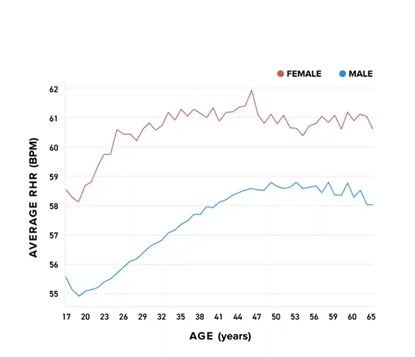 Figure 5: Average RHR (BPM) by age and gender
Why Heart Rate Increases When Distracted
During distraction heart rate increases. It’s often related to the body's "fight or flight" response [8].
The "Fight or Flight" Response
Distraction can sometimes be associated with anxiety, stress, or excitement; this activates the sympathetic nervous system. This is the same system that activates when you are in danger, leading to a cascade of physical reactions to prepare your body for action:
-
Hormonal Release: Hormones such as adrenaline is released by the adrenal glands
-
Increased Oxygen Demand: These hormones signal the body to temporarily increase heart rate and blood pressure to pump blood more efficiently to your muscles and vital organs
Heightened Awareness and Attention
-
Awareness of Bodily Functions: When someone is not actively engaged in a task or simply lying down at night, they may become more aware of bodily functions.
-
Brain-Heart Connection: Research indicates that the brain regions involved in alertness and analyzing bodily signals have a direct link to heart rate regulation.
In essence, the body's arising is physiologically linked to the cardiovascular system, causing heart rate to rise
Effect of High Heart Rate on Brain Cognitive Ability
A high heart rate can impair brain function. The heart sends constant feedback to the brain, and chaotic signals from a stressed heart "noise" the cognitive centers, making clear thinking difficult.
- Shift to Survival Mode: The sympathetic nervous system (SNS) activates the "fight-or-flight" response, raising heart rate to prepare muscles for action.
- Altered Brain Regions: High arousal can change the activity and makeup of decision-making centers, causing slower, less effective choices
- Disrupted Neural Communication: Uneven heart rhythms send jumbled signals to the brain, restricting with neural pathways needed for clear thought, memory, and learning, explains the HeartMath Institute.
In Contrast: A Healthy, Coherent Heart Rhythm Helps the Brain
- When the heart rhythm is coherent, it facilitates better cognitive function, emotional stability, and effective decision-making, supporting positive brain states.
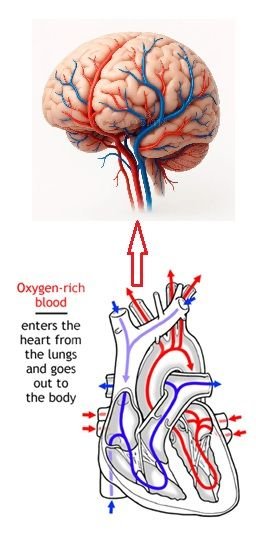 Figure 6: Heart-brain connectivity diagram [8] [9]
Variables
Manipulated Variable:
- Participants heart rate when doing the test
Responding Variable:
- Accuracy (How well the brain functions/cognitive performance in the two states of our participants)
Controlled Variable:
- Age
- Gender
- Surrounding Environment (Calm and Distracted)
- Oximeter
Procedure
- Bring two participants to a quiet place
- Give each of them one permission sheet and ask them to read it through and sign it if they want to participate, getting parents permission if needed
- Play calm music for 2 minutes
- Check their heart rate, note it on data sheet with all required information
- Tell them to start to memorize the first list of words, they have 1 minute to do this
- Take the word list away
- Tell them to write as many words as possible that they remember on the sheet, half of them have unlimited time to do this, and the rest have 1 minute
- Do this with each participant with the right word list, below 18 has one word list and above 18 has another word list
- Let them have a break
- Bring 5 participants from one age group to an unoccupied space
- Play music of their choice for 5 minutes, remember to keep it going for the whole time
- Repeat steps 4-7
- Check each data sheet and count how many words they got right
Observations
| Age | Heart Rate (Calm) | Heart Rate (Distracted) | Accuracy (Calm) | Accuracy (Distracted) | Accuracy Comparison % | Gender |
|---|---|---|---|---|---|---|
| 8 | 128 | 127 | 4/20 | 0/20 | -20% | Female |
| 10 | 83 | 93 | 13/20 | 11/20 | +10% | Female |
| 11 | 84 | 106 | 9/20 | 6/20 | -15% | Female |
| 12 | 99 | 100 | 5/20 | 6/20 | +5% | Female |
| 14 | 79 | 79 | 19/20 | 19/20 | 0% | Female |
| 15 | 104 | 110 | 13/20 | 12/20 | -5% | Female |
| 29 | 98 | 95 | 3/20 | 4/20 | +5% | Female |
| 34 | 87 | 99 | 12/20 | 11/20 | -5% | Female |
| 44 | 60 | 89 | 10/20 | 14/20 | +20% | Female |
| 47 | 69 | 74 | 9/20 | 6/20 | -15% | Female |
| 49 | 70 | 67 | 7/20 | 7/20 | 0% | Female |
| 43 | 77 | 86 | 9/20 | 8/20 | -5% | Male |
| 15 | 85 | 94 | 12/20 | 11/20 | -5% | Male |
| 58 | 82 | 97 | 10/20 | 10/20 | 0% | Male |
| 44 | 76 | 89 | 8/20 | 10/20 | +10% | Male |
| 41 | 67 | 76 | 11/20 | 12/20 | +5% | Male |
| 15 | 72 | 78 | 12/20 | 13/20 | +5% | Male |
| 9 | 78 | 95 | 7/20 | 3/20 | -20% | Male |
| 11 | 84 | 93 | 7/20 | 9/20 | +10% | Male |
| 54 | 63 | 62 | 9/20 | 10/20 | +5% | Male |
| 53 | 72 | 63 | 9/20 | 5/20 | -20% | Male |
Table 1: Participants heart rate, accuracy, for both states with accuracy comparison in percent
Analysis
Heart Rate by Age and Gender
In this experiment we found that our female participants had a higher heart rate than our male participants. For example, one of our female participants had a higher heart rate than one of our male participants, they were both 15 years old; the female had a heart rate of 104 bpm while the male had 72 bpm. We wanted to figure out why and this is because females have a smaller heart, so their heart takes more pumps to send more blood through the body than a male’s heart. We also observed that youth had a higher heart rate than the adults, and that as our participants got older, they had a lower heart rate. There were a few anomalies that we found, for instance a 54 year old male had a heart rate of 66 bpm while a 58 year old male got a heart rate of 82 bpm.

Figure 7: Heart Rate (BPM) by Age (In Years) – Female Vs Male
Heart Rate in Calm and Distracted Conditions
We observed that all the participants had a higher heart rate in a distracted condition than in a calm one. We figured that thanks to the medulla oblongata, part of the brainstem changed the heart rate of the participants to a higher one. For example, one of our female participants had a heart rate of 87 bpm in her calm state but a heart rate of 99 bpm in a distracted state.

Figure 8: Heart Rate (BPM) by Age (In Years) – Calm Vs Distracted
Accuracy in Unlimited Time
Our participants did better in the memory tests in a calm state than in a distracted state. We think that our participants' brain tried to remember the words to the song causing them to remember less words from the memory test. They also took more time to remember the words, but they still had a lower accuracy. For example, a female participant in her calm state, with an accuracy of 12/20 required 2 minutes and 52 seconds, however required 3 minutes and 8 seconds and had an accuracy of 11/20 for distraction. This means that they took more time to try and remember them, but accuracy still reduced in a distraction state. The lyrics probably made their brain fumble and forget the words on the list that they would have remembered without the music’s lyrics.

Figure 9: Accuracy Curve – Calm (Unlimited Time)

Figure 10: Accuracy Curve – Distracted (Unlimited Time)
Accuracy In Limited Time
From our restricted time tests, the participants had a lower accuracy compared to the unlimited tests because they had less time to write the list of words. Therefore, our participants experienced more stress during the tests, causing them to think in a rushed manner, which prevented their brain to focus. As it is clear in the graph, accuracy is higher when people are calm compared to when they are distracted. In older adults, it shows more decline under distraction, while younger participants show mixed responses which shows their thinking skills are still developing.
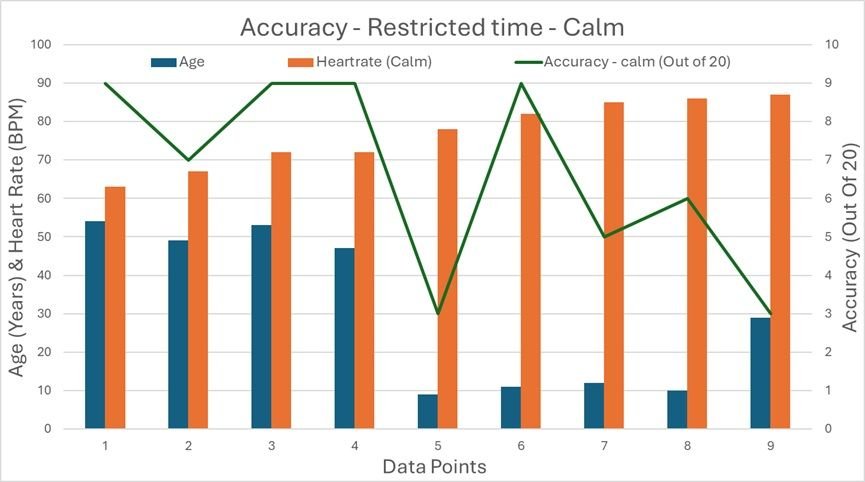
Figure 11: Accuracy Curve – Calm (Restricted Time)
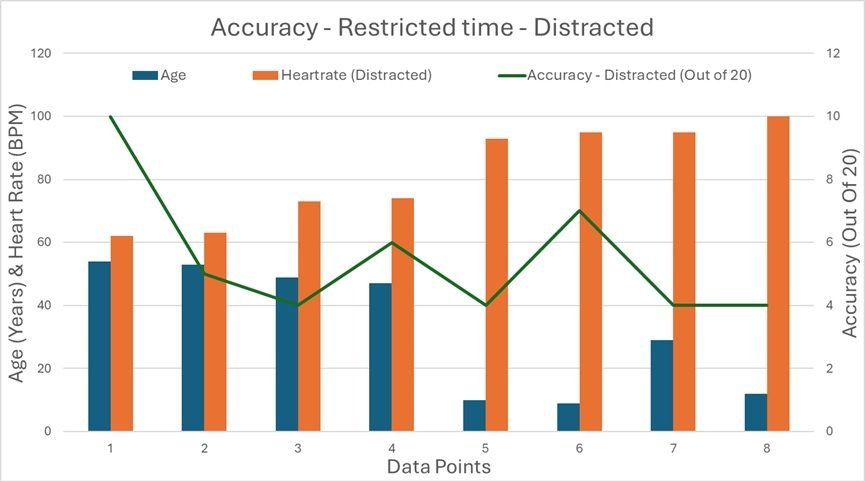
Figure 12: Accuracy Curve – Distracted (Restricted Time)
Accuracy Comparison
The participants percent accuracy is compared through a histogram. The graph shows that the accuracy typically decreases for the distraction state. However, certain participants had an increased accuracy or no change. For example, 13 participants percent accuracy reduced however 10 participants either increased or had no change.

Figure 13: Accuracy Comparison in Percent
Conclusion
The study of heart-brain communication has recently received higher attention due to evidence supporting its bidirectional nature. The traditional understanding of the heart-brain axis posits that the brain transmits signals to the heart to regulate cardiac functions. However, recent evidence suggests that the heart can also communicate with the brain, offering new insights into the bidirectional nature of this interaction. Environmental factors may indirectly affect cognitive functions through peripheral stimulation, thereby establishing a bidirectional relationship [11].
In result, our hypothesis was correct, with some deviations. Our participants did better in their calm state which was mostly their lower heart rate. We observed that most of the teens and mid-age participants had a higher accuracy than the younger individuals, and a lower heartrate. The younger participants had a higher accuracy. We generally thought that older ages had a harder time remembering information because as you age your brain volume decreases and this causes you to forget information more easily. Some people even mistake age-related forgetfulness for Dementia!
We got some unexpected results; they got a higher accuracy for distracted than calm. For example, a nine-year-old had an accuracy of 7/20 for distracted and 3/20 for calm. One of our participants said that in university his dorm room was loud, leading him to do better in a noisy environment.
Application
We can apply this information to the real world.
- In schools, calming students would make them less stressed before the test because if you are having anxiety before a test, you will most likely be going to do better.
- During sports, staying calm will help athletes make better decisions
- Overall, in everyday life, managing distractions allow the brain to work better
Sources Of Error
- At the beginning of the project, we used a same word list for both calm and distracted and after the data collection we saw that the participants' accuracy increased in the distracted state
- Different people get distracted in different ways
- Different heart rate measurement instruments give different heart rates
- Small sample size
Citations
[1] Cleveland Clinic. “Heart: Anatomy and Function.” Cleveland Clinic, Cleveland Clinic, 26 Jan. 2024, my.clevelandclinic.org/health/body/21704-heart
[2] Wikipedia Contributors. “File:Diagram of the Human Heart (Cropped).Svg.” Wikipedia, Wikimedia Foundation, 2022, en.wikipedia.org/wiki/File:Diagram_of_the_human_heart_%28cropped%29.svg
[3] Hines, T. (2018). Anatomy of the human brain. Mayfield Clinic. https://mayfieldclinic.com/pe-anatbrain.htm
[4] Lumen Learning. “Parts of the Brain Involved with Memory | Introduction to Psychology.” Lumenlearning.com, 2010, courses.lumenlearning.com/waymaker-psychology/chapter/parts-of-the-brain-involved-with-memory/.
[5] OpenStaxCollege. (2014, February 14). Parts of the Brain Involved with Memory. Pressbooks-Dev.oer.hawaii.edu. https://pressbooksdev.oer.hawaii.edu/psychology/chapter/parts-of-the-brain-involved-with-memory/
[6] American Heart Association. “Target Heart Rates Chart.” American Heart Association, 12 Aug. 2024, www.heart.org/en/healthy-living/fitness/fitness-basics/target-heart-rates.
[7] Meserve, Casey. “What’s a Normal Resting Heart Rate for My Age?” WHOOP, Whoop, 9 Dec. 2021, www.whoop.com/ca/en/thelocker/whats-a-normal-heart-rate-for-my-age/
[8] “HeartMath Institute.” HeartMath Institute, www.heartmath.org/
[9] “Circulation of Blood through the Heart.” Adam.com, 2024, sbrmc.adam.com/content.aspx?productid=117&pid=2&gid=19387
[10] Arm0949. “Brain Blood Circulation 3D Illustration Showing Arteries and Veins Network in Human Brain.” Dreamstime, 6 May 2025, www.dreamstime.com/brain-blood-circulation-d-illustration-showing-arteries-veins-network-human-high-quality-medical-detailed-image379065494
[11] Forte, Giuseppe, and Maria Casagrande. “The Intricate Brain–Heart Connection: The Relationship between Heart Rate Variability and Cognitive Functioning.” Neuroscience, vol. 565, 5 Dec. 2024, pp. 369–376, www.sciencedirect.com/science/article/pii/S030645222400705X, https://doi.org/10.1016/j.neuroscience.2024.12.004.
Acknowledgement
We would like to acknowledge our science fair coordinator, Ms. Heather Lai, and our parents for helping us think of this topic. Also, for helping us with make the graphs and giving us suggestions along the way. We want to give a special thanks to the people who participated in the data collection with great interest. We would also like to acknowledge the sites that we got our information from; it was extremely helpful.