
Plants vs. Liquids
Alex Vazquez Meza, Max McGivern
Jessica McGivern
Grade 5
Presentation
No video provided
Hypothesis
Hypotheses Which plant will do the best?
Max’s hypotheses: I believe the tomato juice plant will grow the best because it’s high in nutrients. It has a lot of vitamin C and is high in potassium and magnesium. It’s also organic and is 94% water. I predict the plant that will do the worst is Antiseptic Mouthwash because it’s really high in alcohol which could dry the seed, soil and plant out.
We each ranked our liquid predictions on a scale from 1-8, 1 being the least likely to thrive, 8 being the most likely to thrive.
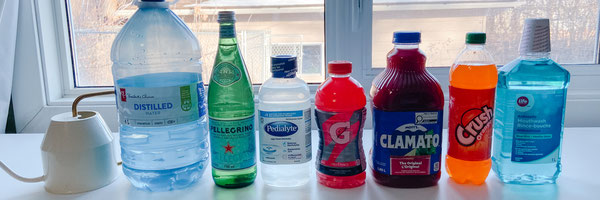
8: Tomato juice 7: Sparkling water 6: Distilled water 5: Pedialyte 4: Tap water 3: Orange crush 2: Gatorade 1: Antiseptic Mouthwash
Alex’s hypotheses: I predict that the Antiseptic Mouthwash plant will do the best because it’s made with mint, and mint is a plant so maybe the minerals in the mint will help it grow. Antiseptic Mouthwash also has fluoride, so maybe it can kill the germs in the plant. I believe the plant that will do the worst is Pedialyte because of its high concentration of sugar.
8: Antiseptic Mouthwash 7: Tomato Juice 6: Orange Pop 5: tap water 4: distilled water 3: sparkling water 2: Gatorade 1: Pedialyte
Research
Research and information
Liquids:
Tomato juice: Pros: Tomato juice can be good for plants because it’s high in nutrients, it has a lot of vitamin C, it’s high in potassium and magnesium, it’s organic, and it is 94% water. Cons: Tomato juice is rich in sodium which is not good for plants.
Orange pop: Pros: orange pop can be good for plants because the carbonation in the orange pop can boost plant photosynthesis and the sugar can serve as an energy source for microbes in the plant. Cons: orange pop can be bad for plants because of its sugary substance, acidity, and lack of essential nutrients which could cause dehydration in the plant.
Antiseptic Mouthwash: Pros: Mouthwash can benefit plants because of its antiseptic and anti bacterial properties which can kill diseases in the plant. Cons: Mouthwash can be bad for plants due to its high chemical levels and high alcohol content, which could disrupt the plants health.
Gatorade: Pros: Gatorade contains potassium and small amounts of phosphorus which is technically good nutrients for plants. Cons: Gatorade is not good for plants because it’s high in sodium (salt) which is bad for plants. Also it’s high amount of sugar can cause dehydration and encourage mold in the plant.
Distilled water: Pros: Distilled water can be good for plants because it is free from chemicals and provides a clean nutrient free environment. Cons: distilled water can be bad for plants because it lacks essential minerals for plants.
Sparkling water: Pros: sparkling water can benefit plants because of its magnesium, potassium, and calcium. It also contains high levels of carbonation which can boost photosynthesis and plant growth. Cons: sparkling water can be bad for plants due to its acidity which can damage roots and block out nutrients.
Tap water: Pros: tap water can benefit plants from its calcium, magnesium, and potassium that support cell structure and nutrients transportation. Cons: Tap water can be bad for plants because it has chlorine and fluoride. The chlorine can kill beneficial soil bacteria and the fluoride can cause leaf burning and browning.
Pedialyte: Pros: Pedialyte can benefit plants from it’s potassium and electrolyte content which can support root health. Cons: Pedialyte can harm plants because of its high contents of sugar which can cause dehydration and it pulls water out of roots instead of supplying it.
Seeds:
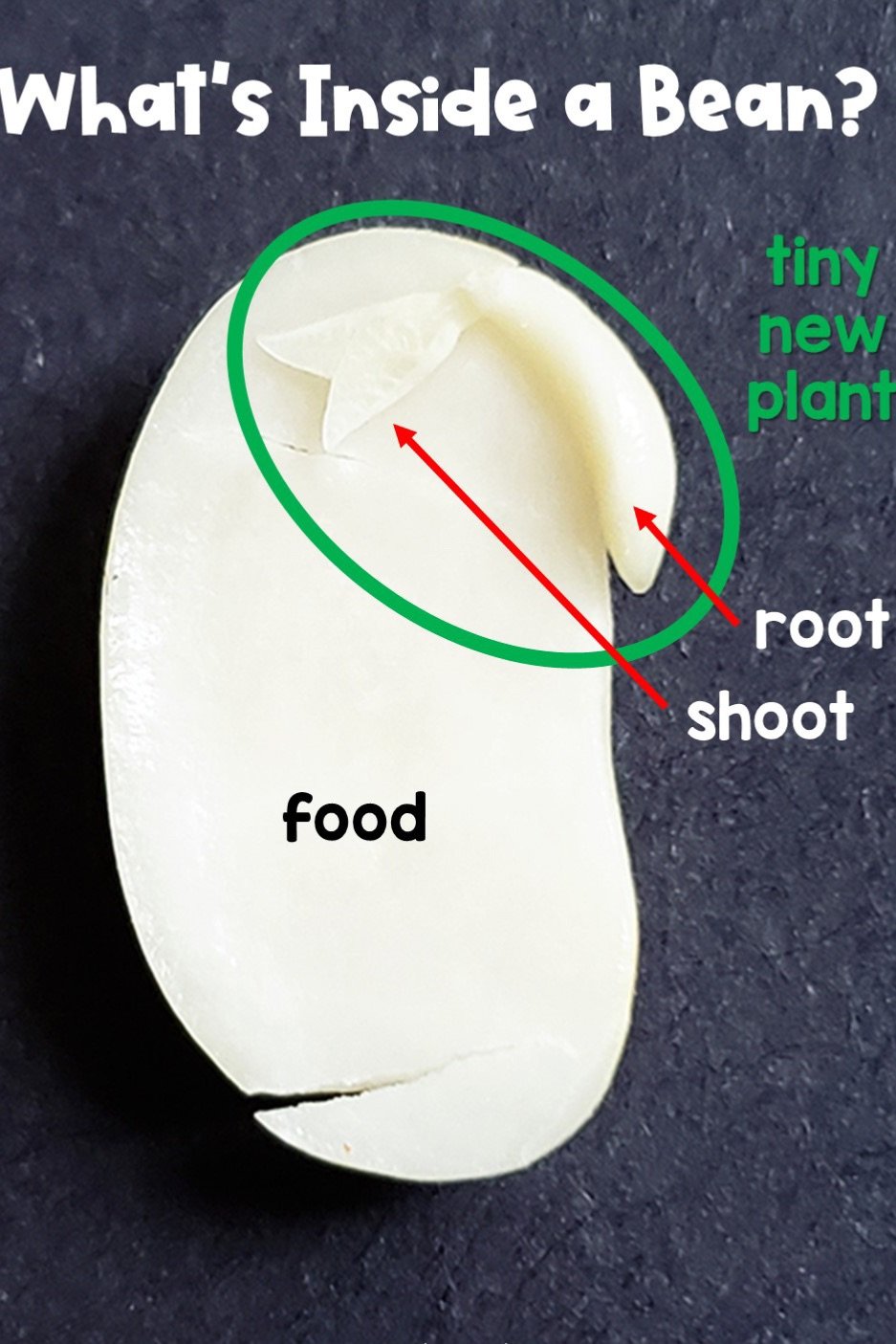
We researched the best type of seeds to use in this type of experiment, and decided on Pinto beans since they can easily grow indoors, and they grow quite quickly. We also found that soaking the beans overnight and then leaving them between two damp paper towels for a few days will increase our chances of success as this boosts the germination process. Once the seed germinates, we plant them in the soil and hope to see them sprout.
Variables
Controlled variables: -Temperature -Soil type/amount of soil -Seed type -Drainage/container size -Exposure to sunlight -Amount of liquid used -Planting depth -Plant location
Independent variables: -Type of liquid used
Dependent variables: -How much the seeds germinate -Days until sprouting -Plant growth/height -Number of leaves grown
Procedure
PART 1:
Step 1: Soak pinto beans in water overnight.
Step 2: Take the beans out of the water and put them in between two moist paper towels that we wet with water. Place paper towels with the seeds into a large zip lock freezer bag. Seal the bag and set it in front of a window with sun exposure.
Step 3: After 3 days we noticed the germination process had begun, and took the seeds out of the bag and planted them about an inch deep in soil in a potting plant with good drainage. We then watered each plant with 3/4 of a cup of each chosen liquid, distilled water, tap water, sparkling water, Gatorade, Pedialyte, orange pop, mouthwash and tomato juice.
Step 4: 2 days later we watered each plant again with 1/2 a cup of the various liquids. Measure each plant as they sprout and grow.
*For the next month we continued to water our plants every few days with 1/2 a cup of their various liquids.
PART 2:
Step 1: Soak more pinto beans in each chosen liquid overnight, distilled water, tap water, sparkling water, Gatorade, Pedialyte, orange pop, mouthwash and tomato juice.
Step 2: Take the beans out of the liquids and place them in between two moist paper towels that we wet with their select liquids. Place paper towels with the seeds into a large zip lock freezer bag. Seal the bag and set in front of a window with sun exposure.
Step 3: After 3 days we checked the seeds for germination. Some of the towels had started to grow mold, so we replaced them with new damp towels to try to prevent bacteria growth.
Step 4: After 2 more days we noticed the germination process had begun in only some of the seeds (Pedialyte, sparkling water, tap water, distilled water), and we took the seeds out of the bag and planted them about an inch deep in soil in a potting plant with good drainage. We then watered each plant with 3/4 of a cup of their liquids. We also planted the Gatorade seed just to see if anything happened.
*We continued to water the plants with 1/2 a cup of their various liquids for the next two weeks.
Observations
Observations
Part 1:
-When we first planted the plants and watered them, after a day the tomato juice plants soil was the one that had the most moisture. -After 3 days of the plants being planted the first one to sprout was the tap water plant. -After 4 days of the plants being planted the second one to sprout was the distilled water plant. -The morning we saw the tap water plant sprout it was tiny but after a few hours it grew a lot and grew about an inch in a few hours. -We noticed that the two plants, tap water and distilled water, were curling towards the sunlight as plants do because they grow towards sunlight. -The next plant that sprouted was the tomato juice plant. -The next plant that sprouted was the orange pop plant. -We observed that the tap water and distilled water plants grew significantly faster than both the tomato juice and orange pop plants. It took the tomato juice and orange pop plants approximately two full days after sprouting to grow an inch. -After about 10 days we noticed the tap water, distilled water and tomato juice plants were thriving, yet the orange pop plant looks dry and its leaves are shriveling and curling and falling off the stem. -Because of the tomato juice’s viscosity, we had to poke holes in the soil for the liquid to go down when we watered it. -Mouthwash, Pedialyte, Gatorade and sparkling water never grew a plant. When we dug through the dirt to try to find the seeds we found nothing in the Pedialyte dirt. In the Gatorade pot we found the seed shriveled and almost mushy. In the sparkling water pot we found half of the green seed shell as well as lots of roots throughout the pot. In the mouthwash pot we found the most well preserved seed that looked very similar to when we planted it. It was dyed blue and seemed dry. -After about a month the orange pop plant died. -On Feb 27, we noticed that the Tomato Juice plant was starting to flower, which then evolved into its own bean pod a few days later.
Part 2: After soaking the seeds between paper towels in their select liquids we observed: -Sparkling water germinated the best. -Tap water, Distilled water, and Pedialyte, germinated all about the same amount. -Orange pop did not germinate and the seed was dyed orange. -Gatorade did not germinate and the seed was dyed red. -Mouthwash did not germinate and was dyed blue and dried out. -Tomato juice was very very moldy, the seed was turning black and growing fuzz as well as black and green mold growing on the paper towel. -Sparkling water sprouted after 4 days. -Tap water sprouted after 5 days. -Distilled water sprouted after 7 days. -The growth with these seeds seemed to progress slower compared to the part one plant growth.
Analysis
Total Growth Chart Part 2 (in cm)
| Days | Sparkling Water | Gatorade | Pedialyte | Tap Water | Distilled Water |
|---|---|---|---|---|---|
| 1 | 0 | 0 | 0 | 0 | 0 |
| 2 | 0 | 0 | 0 | 0 | 0 |
| 3 | 0 | 0 | 0 | 0 | 0 |
| 4 | Sprout 2cm | 0 | 0 | 0 | 0 |
| 5 | 8cm | 0 | 0 | Sprout 0.5cm | 0 |
| 6 | 12cm | 0 | 0 | 3cm | 0 |
| 7 | 15.5cm | 0 | 0 | 6.5cm | Sprout 0.5cm |
| 8 | 16cm | 0 | 0 | 10.5cm | 1 cm |
| 9 | 18cm | 0 | 0 | 12.5cm | 2.5cm |
| 10 | 20.5cm | 0 | 0 | 15cm | 4cm |
| 11 | 21cm | 0 | 0 | 18cm | 7.5cm |
| 12 | 22.5cm | 0 | 0 | 19.5cm | 10cm |
| 13 | 23cm | 0 | 0 | 19.5cm | 13.5cm |
| 14 | 23cm | 0 | 0 | 20cm | 15cm |
Total Growth Chart Part 1 (in cm)
*We decided to conclude the experiment after one month of recording our plant growth although the tap water, distilled water and tomato juice plants were all still thriving.
| Days | Tap Water | Distilled Water | Sparkling Water | Orange Pop | Tomato Juice | Mouthwash | Pedialyte | Gatorade |
|---|---|---|---|---|---|---|---|---|
| 1 | 0 | 0 | 0 | 0 | 0 | 0 | 0 | 0 |
| 2 | 0 | 0 | 0 | 0 | 0 | 0 | 0 | 0 |
| 3 | Sprout - 0.5cm | Sprout - 0.5cm | 0 | 0 | 0 | 0 | 0 | 0 |
| 4 | 8cm | 10cm | 0 | 0 | 0 | 0 | 0 | 0 |
| 5 | 14cm | 16cm | 0 | 0 | 0 | 0 | 0 | 0 |
| 6 | 20cm | 22cm | 0 | 0 | Sprout - 0.5cm | 0 | 0 | 0 |
| 7 | 23cm | 27cm | 0 | Sprout - 1cm | 1cm | 0 | 0 | 0 |
| 8 | 25.5cm | 32cm | 0 | 9cm | 6.5cm | 0 | 0 | 0 |
| 9 | 28.5cm | 36cm | 0 | 12cm | 12cm | 0 | 0 | 0 |
| 10 | 31cm | 40.5cm | 0 | 16.5cm | 18cm | 0 | 0 | 0 |
| 11 | 34cm | 43cm | 0 | 21cm | 25.5cm | 0 | 0 | 0 |
| 12 | 38.5cm | 46cm | 0 | 22.5cm | 32.5cm | 0 | 0 | 0 |
| 13 | 40.5cm | 49.5cm | 0 | 23.5cm | 43cm | 0 | 0 | 0 |
| 14 | 42cm | 52cm | 0 | 24cm | 46.5cm | 0 | 0 | 0 |
| 15 | 45cm | 55.5cm | 0 | 25cm | 51.5cm | 0 | 0 | 0 |
| 16 | 48cm | 58.5cm | 0 | 25.5cm | 56.5cm | 0 | 0 | 0 |
| 17 | 50cm | 60.5cm | 0 | 26.5cm | 60.5cm | 0 | 0 | 0 |
| 18 | 53cm | 62cm | 0 | 27cm | 63cm | 0 | 0 | 0 |
| 19 | 56cm | 64.5cm | 0 | 27.5cm | 64.5cm | 0 | 0 | 0 |
| 20 | 58cm | 66cm | 0 | 28cm | 66cm | 0 | 0 | 0 |
| 21 | 60cm | 68cm | 0 | 28.5cm | 67cm | 0 | 0 | 0 |
| 22 | 61cm | 68.5cm | 0 | 29cm | 68.5cm | 0 | 0 | 0 |
| 23 | 62.5cm | 69cm | 0 | 29cm | 68cm | 0 | 0 | 0 |
| 24 | 63cm | 69.5cm | 0 | 30cm | 69cm | 0 | 0 | 0 |
| 25 | 64cm | 69.5cm | 0 | 30cm | 70cm | 0 | 0 | 0 |
| 26 | 65cm | 70cm | 0 | 30cm | 70.5cm | 0 | 0 | 0 |
| 27 | 65.5cm | 70cm | 0 | 30.5cm | 71cm | 0 | 0 | 0 |
| 28 | 65.5cm | 70.5cm | 0 | 30.5cm | 71cm | 0 | 0 | 0 |
| 29 | 66cm | 71cm | 0 | 30.5cm | 72cm | 0 | 0 | 0 |
| 30 | 66cm | 71cm | 0 | 30.5cm | 72cm | 0 | 0 | 0 |
| 31 | 66cm | 71cm | 0 | 30.5cm | 72.5cm | 0 | 0 | 0 |
Conclusion
After completing our experiment and analyzing our data we determined that yes, it is possible to water plants with alternative liquids other than water.
Part one of the experiment resulted in the tomato plant performing the best, with distilled water and tap water placing second and third. Part two of the experiment resulted in sparkling water performing the best, with tap water and distilled water placing second and third.
Although we experienced some success, it is probably best to use a base of water when growing most plants and adding mixtures of various nutrients dependent on their specific needs. Though the tomato plant performed the best, even producing its own bean pod, we still think it would be best to mix the tomato juice with water to dilute the liquid, therefore letting the soil stay hydrated and less risk for bacteria growth.
Application
This experiment shows that plants can be watered with different liquids but not all liquids. Only specific liquids can water plants effectively, and each one will have an entirely different effect.
Our experiment proved Max's theory that the nutrients in tomato juice helped the plant thrive and grow, but the sugars in orange pop, Gatorade and Pedialyte stifled their growth, as well as the alcohol in the mouthwash plant. The water and distilled water plants performed well and about the same as one another.
Sources Of Error
There are quite a few sources of error in this experiment that can affect the outcome. -Some seeds had germinated better than others, we could have waited a longer amount of time before planting -In part 1 We chose to germinate all our seeds in water in order to provide a good start, but we could have soaked them in the various liquids instead to see if they would still germinate. -We tried to plant each seed at all the same depth, about an inch deep, but there could be slight variations in each. -We kept our plants in a window with great sun and tried rotating them each day, so that they all would have equal sunlight, but some plants may have been exposed to slightly more sunlight than others. -We could have planted the pinto beans in different types of pots or different sizes. -We could have planted 5 seeds per liquid to see if they all performed the same.
Citations
Sources we used for research
https://www.gardenguides.com/12560070-will-listerine-harm-garden-plants/
https://www.youtube.com/watch?v=I1nxsqdrpCo
https://www.lovethatleaf.co.nz/blogs/plant-care-guides/watering-plants-with-carbonated-sparkling-water-growth-hack?srsltid=AfmBOorC-0v7-mgKMJjp_mF99IaN4Fgen5O7JcvhOMAiC0bRn6-RVBnK
https://youtu.be/_8Mm7JDttV0?si=w5e9CCJxmtzED4u3
https://www.frizzlife.com/fr/blogs/guide/tap-vs-distilled-vs-filtered-water-for-plants-which-is-best-water#:\~:text=FAQs-,1.,and%20works%20for%20everyday%20watering.
Acknowledgement
Max: I would like to thank my Mom for encouraging us, helping us gather supplies and for helping with the experiment. Thank you to my Dad and brother for also helping and for the enthusiasm.
Alex: Thanks to my family for the support and help, and to our teacher Mrs. Dumoulin for the words of encouragement.