
Prevention of Biofilm
Jaya Sabean, Raameen Alam
Queen Elizabeth High School
Grade 9
Presentation
No video provided
Hypothesis
There are most likely going to be two scenarios of the yeast growth affecting the simulations.
Scenario 1. We hypothesize that the agar plates will have yeast/bacterial growth on them without the use of the antibacterial methods, after applying the treatment on the materials we believe that it will prevent the yeast/bacterial growth from spreading onto the materials.
Scenario 2. We complete the experiment and it does not give us the predicted results. Yeast growth does not get affected by the attempted treatment on the simulation. *Yeast is representing the biofilm *Simulation represents parts of public transit that are frequently exposed to human touch resulting in a layer of biofilm. Some of these may include hand rails, seat cushions and buttons.
Research
-
Live Science:
-
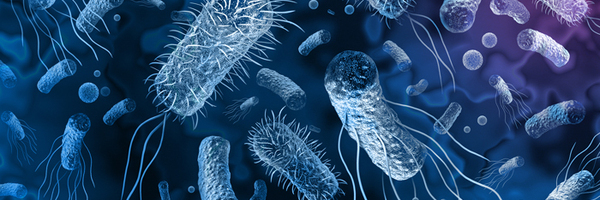
Biofilm is a collective layer of one or more types of microorganisms that can grow on many different surfaces. Microorganisms that grow biofilms include bacteria, fungi, and protists.
- Common biofilm can be found through dental plaque, pond scum. It has been seen that biofilm grows on minerals and metals. Biofilm can grow on plant tissues and animal tissues, and on implanted medical devices, such as catheters, and pacemakers.
- A common similarity between these surfaces is that they are wet. These environments are “periodically or continuously suffused with water” according to Microbe Magazine's article that was published in 2007. In conclusion biofilms thrive upon wet or moist surfaces.
-
Biofilm’s formation begins when microorganisms, such as bacteria come in contact with an appropriate surface and begin to put their roots down. Microorganisms produce a gooey substance known as extracellular polymeric substance (EPS), according to the Center for Biofilm Engineering at Montana State University. EPS is a network of sugars, protein, and nucleic acids ( Ex: DNA), which causes the microorganisms to stick together.
-
Osmosis:
-
Not all biofilms are harmful
- Biofilms are around 60-80% responsible for infections that affect the human body, particularly associated with medical devices.
- Indwelling catheters and implants (ex: pace makers, prosthetic heart valves, joint prostheses), offering a place for bacteria to attach and create biofilm.
- Examples of biofilm producing bacteria, Staphylococcus aureus, Staphylococcus epidermidis, etc.
-
Removing biofilms can be difficult to remove due to the sticky protective nature of the biofilm matrix.
-
ISSA:
-
Antimicrobial resistance is amplified by biofilms.
- Bacteria living in a biofilm can increase 10-1000 fold increase in antibiotic resistance compared to similar bacteria living in a planktonic state (unattached surfaces).
-
3 main drivers for biofilm to amplify AMR in bacteria is: 1
-
Resistance at the biofilm surface
- Resistance within biofilm microenvironments
-
Resistance of bacterial “persister” cells
-
Industries involved with diagnostics, cleaning, disinfection, sterilization, and construction must become involved with solving this issue.
-
Thor
-
In industrial manufacturing, biofilm can cause severe operational and economic problems
- The main one is biofouling, where biofilm accumulates on surfaces, such as, surfaces on pipelines, heat exchangers, and other equipment.
- This leads to reduced efficiency and increased energy consumption.
- Another example, in cooling water systems, if biofilm formulates, it can impede heat transfer. This causes frequent maintenance and cleaning.
- It doesn’t only affect operational costs but also leads to downtime, affecting the overall productivity.
- Biofilm can also lead to corrosion of metal surfaces, known as microbiology influenced corrosion.
-
Certain bacteria within biofilms produce corrosive substances that degrade the metal. This particularly affects the oil and gas companies.
-
PMC:
-
Pediatric infections, such as acute otitis media (AOM), otitis media with effusion (OME), adenoiditis, etc. Are infections that are prevalent with children.
- Often associated with biofilm producing pathogens, which is leading to recurrent and chronic diseases.
- Biofilm production by respiratory pathogens, which has been examined on the mechanism of how biofilm formulates, antibiotic resistance, and the challenges they represent in clinical treatment.
- There have been various antibiofilm strategies that have been promising with animal studies. However the clinical application with children has been limited.
Variables
Independent Variables:
- Natural spices: Clove infusion and Cinnamon infusion
- Eco- Friendly Variables: Aloe Vera gel and Beeswax
Dependent Variable:
- Baker's yeast
Controlled Variables
- tempreture
- location
- amount of time
Experiment is being conducted on agar plates
Procedure
Step 1: Preparing the Yeast solution
- Mix baker’s yeast with warm water
- Let it activate for 5-10 mins
Step 2: Preparing the Agar plates:
- Label each plate
- Take the solution, and spread an even layer across all of the agar plates (use the same amount for each plate)
- Close the lid immediately
- Let it sit for about 5- 10 mins MAX ( allows the liquid to be absorbed in the agar plates slightly, the surface becomes less wet, and prevents yeast solution from sliding or diluting).
- Ensure one agar plate only has the yeast mixture for comparison with the other tests.
Step 3: Preparing Water- Based Spiced Infusions:
- Heat water and add a cinnamon stick, allowing it to seep and then after strain the homemade cinnamon extract through a sieve.
- Do the same thing with the cloves, only this time crush the clove and then add it into the heat water. After strain the clove extract through a sieve.
- Allow both of these liquids to cool down.
Step 4: Preparing Treated Surfaces:
-
Natural spices:
-
Apply a thin and even layer of cinnamon extract to one steel square and polyester fabric square
- Apply a thin and even layer of Clove extract to one steel square and polyester fabric square
-
Allow to dry slightly ( to ensure it doesn’t drip)
-
Eco- Friendly Treatments:
-
Melt beeswax and then apply a thin coating on 1 steel square and 1 polyester fabric square. Let it solidify
- Apply an even layer of aloe vera gel to 1 steel square and 1 polyester fabric square.
Step 5: Apply surface to Agar plates:
- Take each treated surface square and then put it on the yeast- inoculated agar plate
- Press gently to ensure contact
- Close lid immediately
(DO NOT APPLY SOLUTION, AFTER THE SURFACE HAS CAME INTO CONTACT WITH THE AGAR PLATE)
Step 6: Incubation of plates:
- Incubate plates at a consistent temperature (Dark and warm place)
- Keep all plates in the same environment
- Incubate for 24-48 hours (DO NOT OPEN PLATES AFTER INCUBATION BEGINS)
Observations
Our experiment is in progress at the moment so we will not be able to document our observations on this platform. Everything will be completed and on the trifold for the competition.
Analysis
Analysis will be conducted after the experiment has occured, because we haven't been able to progress on the experiment. The experiment 's materials are still on the way.
Conclusion
Conclusion:
In conclusion based off our research, we realized and understood the impacts of biofilm on industrial equipment and the affects it has on our bodies. Through this understanding we realized that we should conduct this issue with a reoccuring element in human lives. In this case train stations are very impactful in human lives. However because of the risks of working with bacteria, we ultimately decided to make a simulation of this concept. We used stainless steel squares to represent the metal poles in train stations and fabric squares to represent the cushions on train stations.
(Our conclusion will be much more cleaner on our trifold and during the day of presentations, our experiments are still ongoing. Therefore we were not able to showcase the results in our conclusion).
Application
The research aspect of our project is very important to understand, due to the importance of understanding why biofilm prevention needs to occur and the harms it can conduct to our bodies. Therefore we believe that the best way to understand this concept more we should intertwine it with a common source of transportation for humans, which is transit. We then researched the connection of biofilm with transportation and infrastructure in general because of the impacts in may have on our bodies.
To test this theory we are going to make a simulation of this situation, by using materials that will not deliebrately harm our bodies. By doing so we will use stainless steel squares to represent the metal poles in the train and fabric to represent the cushions on the train. We then will make treatments with an infusion of cinnamon and clove.
Our research backs us up on the reasoning for this experiment, because it allows us to understand the issue of biofilm, which then will allow us to translate that knowledge through a simulation to represent the real life situation. Teaching us through the analogue experiment on what this real life situation may look like with transit.
From this project we can make an analysis and based off our analysis we can create a recommendation, on what the solution may look like from us students. This shows our analytical thinking for the betterment of future science.
Sources Of Error
Source of error. Next time we should mange our time more efficiently, due to the our busy schedules we weren't able to mange our time. That's why did our project later then we intended to, which is why for next time we will plan our time better.
For the experiments, because it's ongoing we still don't have anything for us to find an error.
Citations
- What Are Biofilms? | Live Science
- Biofilms: What Are They, Formation, Removal, and More | Osmosis
- Understanding the Hidden Danger of Biofilm - ISSA | The Association for Cleaning & Facility Solutions.
- Biofilm Challenges in Manufacturing: Economic impacts and cutting edge solutions | THOR
- ChatGPT, if there are any simple questions with the experiment itself.
- Biofilm Production and Its Implications in Pediatrics - PMC
Acknowledgement
In our science fair project we recieved significant support to help make this project come to life from the following people:
- Jaya Sabean
- Raameen Alam
- Maitreyi Raman
- Shah Alam
- Our teachers who are involved in science fair