
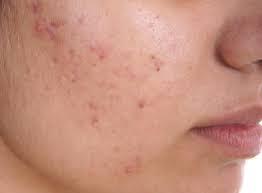
how to treat teenage acne
Keerat Kaur Sangha, Rena Wang
Delta West Academy
Grade 9
Presentation
No video provided
Problem
Over 90 percent of teens experience acne to some extent. This project is going to focus on understanding what causes teenage acne and how to treat it. Many teens with acne can develop a low self esteem, and no self confidence. We want people to know the real reasons why acne comes to be. We think it would help many people figure out what's best for the skin and health. We want to help people feel good and confident about themselves. There are cases where teens have acne and it's not just genetics, its low hygiene. This is why we are going to research what factors cause acne, what you can do to treat and manage acne. This is a problem because many teens with acne don't know how to manage it, and so they buy random products for their face. When they try the product it only makes there acne worse, because its not the right product for there face. It can cause scares, burns, or more acne. We feel teenagers need to be more educated with topics like acne, this is because many teenagers wear lots of makeup and sometimes they even sleep in it. This shows that they don't know the effects of what's in makeup and what it can do to ur face. We need to educate them on this so their skin stay healthy now and in the future.
Method
We made a survey that we had sent out to some of our teachers and students. Currently, we have already received some responses back that would be included in our project. We also plan to research different studies that have shown what the best way to treat teenage acne is. We will NOT be using or testing products on human subjects, we do not plan on testing anything on anyone. This involves researching scientific sources to better understand the biological causes of teenage acne. this includes increased oil production, clogged pores, bacterial growth, and inflammation during puberty. Based on our current research, several common acne treatments are identified and compared. These include, gentle cleansing routines, benzoyl peroxide, salicylic acid, and non-comedogemic skincare. These products proved to be the best solutions to treat teenage acne. This information was gathered from dermatology textbooks/information we found online, medical websites, and peer-reviewed articles to evaluate how each treatment works.They evaluate how each treatment can help to reduce oil, kill bacteria, unclog pores, and decrease inflammation. These were then analyzed to determine which treatments are most effective and are the safest way to treat teenage acne.
Research
People with oily skin are more prone to acne. oily skin clogs pores and leads to increased acne breakouts. The upside is oily skin that helps reduce wrinkles and allows you to have much thicker skin. Many people with oily skin should wash their face two times a day, wear sunscreen outdoors, not apply more moisture after washing your face, and try to keep your hands off your face. If you have dry skin, you can experience acne breakouts. If you do use acne products or creams and overuse them, then it can make your dry skin worse because of flaking. The good thing is that if you find a simple skin care routine for your skin, it will help you a lot. Dry skin can cause more wrinkles as you age. An upside is that you are less prone to acne with dry skin. The products you choose and your habits can either aggravate acne-causing factors (clogged pores, bacteria, inflammation) or help clear them. A proper routine for acne-prone skin generally focuses on being gentle, consistent, and using non-comedogenic (pore-clogging-resistant) products. Something else that has a big effect on teenage acne is your diet. If you're not eating healthy, then it can produce more bacteria in your face and cause more pimples and zits. Diet affects acne primarily through inflammation, hormone regulation, and oil production (sebum). High-glycemic foods (sugars, refined carbs) and dairy products are the main culprits, as they spike insulin levels and boost acne-promoting hormones. A diet high in processed foods can also increase inflammation, causing more frequent acne outbreaks. Sunscreen does not inherently cause acne for everyone, but certain formulations can trigger breakouts, particularly in acne-prone skin. Breakouts are usually caused by heavy, oil-based, or pore-clogging (comedogenic) ingredients in specific sunscreens rather than the SPF itself, which is essential to protect skin from UV damage. Not only teens get acne. Acne is most common in teenagers because puberty increases hormones like Testosterone, which make the skin produce more oil. Popping pimples affects your face in a very negative way. When you pop your pimples or zits, it causes the bacteria to get pushed down in your skin even more. Wearing makeup clogs your pores and traps oil in your skin, which causes your acne to get inflamed and worse, you can prevent your acne from getting worse from makeup by not sleeping in it or you remove it properly. Acne is not contagious; this is because Acne develops because of internal factors like hormones, excess oil production, clogged pores, bacteria already living on your skin, and inflammation. If you have pimples, the best thing to do is treat them gently rather than popping them. Pimples form when oil, dead skin cells, and bacteria clog a pore and cause inflammation. Using mild cleansers and acne treatments like benzoyl peroxide or salicylic acid helps reduce bacteria, unclog pores, and calm inflammation so the skin can heal. Picking or squeezing can push bacteria deeper and increase swelling or scarring. Gentle care and consistency help pimples clear more safely.
Data
The data for this project was collected from scientific studies, medical websites, dermatology sources, and a survey that we had conducted. On the survey, it shows that 40% of people have neither dry, nor oily skin, 60% of people care a lot about their skincare routine, 60% of people have a healthy diet while 40% doesn’t always have a healthy diet. 60% of people said that they think sunscreen can cause acne, yet they’re not too sure either. However, when we had asked them what they believe causes acne the most, 80% of them voted it to be genes, as the main cause. Information we have found online also shows that benzoyl peroxide and salicylic acid are the most commonly recommended acne treatments for teens, as they help reduce bacteria, unclog pores, and decrease inflammation. Gentle daily cleansing with non-comedogenic products also contributes to clearer skin. Studies indicate that consistent use of these treatments over several weeks can reduce the number and severity of pimples, while avoiding popping or harsh scrubbing prevents worsening of acne and scarring. Data from surveys and clinical studies consistently support that a combination of proper skincare routines and targeted topical treatments is the most effective approach for managing teenage acne.
Conclusion
In conclusion, acne is caused by many factors, including genetics, hormones, skin type, diet, and skincare habits. Our survey and research show that genes and puberty hormones increase oil production, which can clog pores and cause breakouts. Acne is not contagious and can affect both teens and adults. Oily skin is more likely to develop acne, because it produces more oil, while dry skin can become irritated if acne products are overused. Having a simple, gentle skincare routine that matches your skin type is important. Eating too much sugary, processed foods or dairy can also increase inflammation and worsen acne. Sunscreen does not cause acne by itself, but heavy or pore-clogging products can trigger breakouts. Popping pimples and not removing makeup properly can make acne worse and lead to scarring. Instead, using gentle cleansers and treatments like benzoyl peroxide or salicylic acid, along with being consistent and patient, is the best way to manage acne. Overall, proper care, healthy habits, and correct information are key to reducing breakouts.
Citations
-American Academy of Dermatology. (n.d.). Acne: Tips for managing. https://www.aad.org/public/diseases/acne -Mayo Clinic. (2024). Acne. https://www.mayoclinic.org/diseases-conditions/acne/symptoms-causes/syc-20368047 -Canadian Dermatology Association. (n.d.). Acne in teenagers. https://dermatology.ca/public-patient/skin-conditions/acne/ -Health Canada. (2023). Acne: Causes and treatments. https://www.canada.ca/en/health-canada/services/skin-health/acne.html - National Institute of Arthritis and Musculoskeletal and Skin Diseases. (2023). Acne. https://www.niams.nih.gov/health-topics/acne.
https://www.aad.org/public/everyday-care/skin-care-basics/dry/oily-skin https://www.mayoclinic.org/diseases-conditions/acne/symptoms-causes/syc-20368047
Acknowledgement
I would like to acknowledge my science teacher, Ms. Mills, for allowing me to work on this project in class. I would also like to acknowledge my principle, Mrs. Forrester; for helping me get this form and helping me understand how it works.
We would also like to acknowledge Dr. Danny Guo who is a renowned double board-certified cosmetic and surgical dermatologist with fellowship training in Mohs Micrographic Surgery, he also specializes in skin cancer, and treatments (acne, for example) and he has helped us by agreeing to our interview, where we asked him questions regarding teenage acne and the products being used for teenage acne. Dr. Guo was very enthusiastic to help us, and he was able to give us answers that allowed us to expand, and move forward with our project.