

Growing Savings Indoors: Can a Cabinet Garden Help Reduce Grocery Costs in Calgary?
Sophia Chan
Tom Baines School
Grade 9
Presentation
Hypothesis
If a cabinet garden is equipped with proper lighting and airflow, then it can grow edible vegetables indoors during Calgary’s winter and potentially reduce grocery expenses through homegrown produce.
Research
Calgary’s long, cold winters limit outdoor gardening to a few months per year. Indoor gardening offers a potential solution for year-round food production. LED grow lights provide the full spectrum of light needed for photosynthesis, while airflow helps prevent mold and disease. Cabinet gardens are compact and can be customized to fit small spaces, making them ideal for urban households. However, their effectiveness depends on environmental control, crop selection, and cost efficiency.
Variables
Independent Variables
- Lighting duration (changed from 12 to 16 hours/day)
- Airflow (fan speed increased slightly)
- Container size (small cups vs. 2L bottles)
- Plant spacing (reorganized on Feb 14)
Dependent Variables
- Plant growth (height, health, survival)
- Energy consumption (kWh and cost)
- Crop success/failure
Controlled Variables
- Cabinet environment (same lights, fans, location)
- Soil type
- Watering schedule (every 2 days)
- Seed source
- Indoor temperature and location
Procedure
Materials
- Indoor Gardening Cabinet (2-level)
- QuickGrow LED Grow Lights (x5) – $400
- Note that those used for this project are used Grow Lights that cost only $15 each. i.e. $80 instead of $400.
- 120mm PC Fans (x2) – $53
- Fan Mounts (x2) – $78
- Power Strip – $15
- Timer – $20
- Time-lapse Camera
- Plant Containers (bubble tea cups, 2L bottles, small pots, plastic tray with screen)
- Potting Soil
- Seeds: Han Yu radish, choy sum, green onion roots (grocery store)
- Power Energy Monitor
Total Setup Cost: $566 CAD + Cabinet Cost
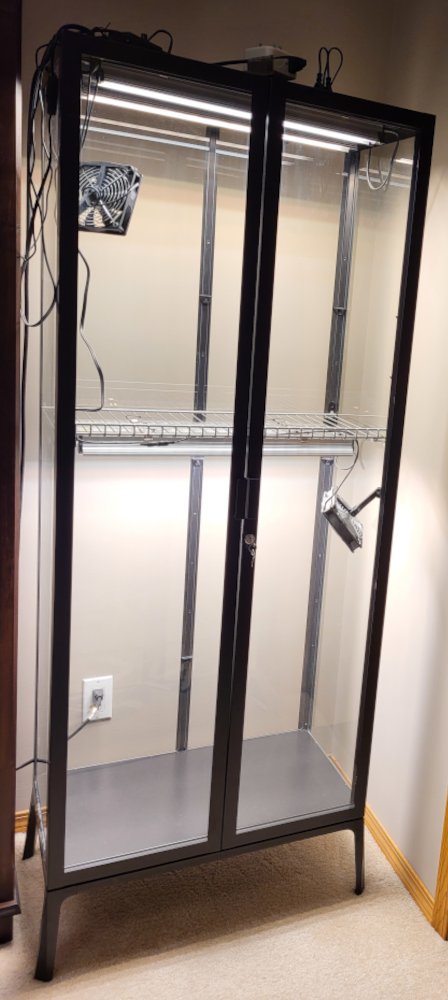 Diagram 1: Cabinet Garden Setup with LED Lights and Fans
“My cabinet garden setup with LED grow lights and fans. This enclosed space allowed me to control lighting and airflow for optimal indoor plant growth during Calgary’s winter.”
Diagram 1: Cabinet Garden Setup with LED Lights and Fans
“My cabinet garden setup with LED grow lights and fans. This enclosed space allowed me to control lighting and airflow for optimal indoor plant growth during Calgary’s winter.”
Steps
- Assemble the cabinet and divide it into two growing levels.
- Install LED grow lights and connect to a timer.
- Install fans for airflow; run continuously.
- Mount a time-lapse camera to capture growth.
- Plant Han Yu radish, choy sum, and green onion in various containers.
- Plant pea shoots in a tray on a plastic screen (no soil).
- Set lights to 12 hours/day; increased to 16 hours/day on Jan 28.
- Water plants every 2 days based on leaf turgor.
- Monitor plant health and spacing; rearrange as needed.
- Track daily energy use with a power monitor.
- Increase fan speed slightly on Jan 31.
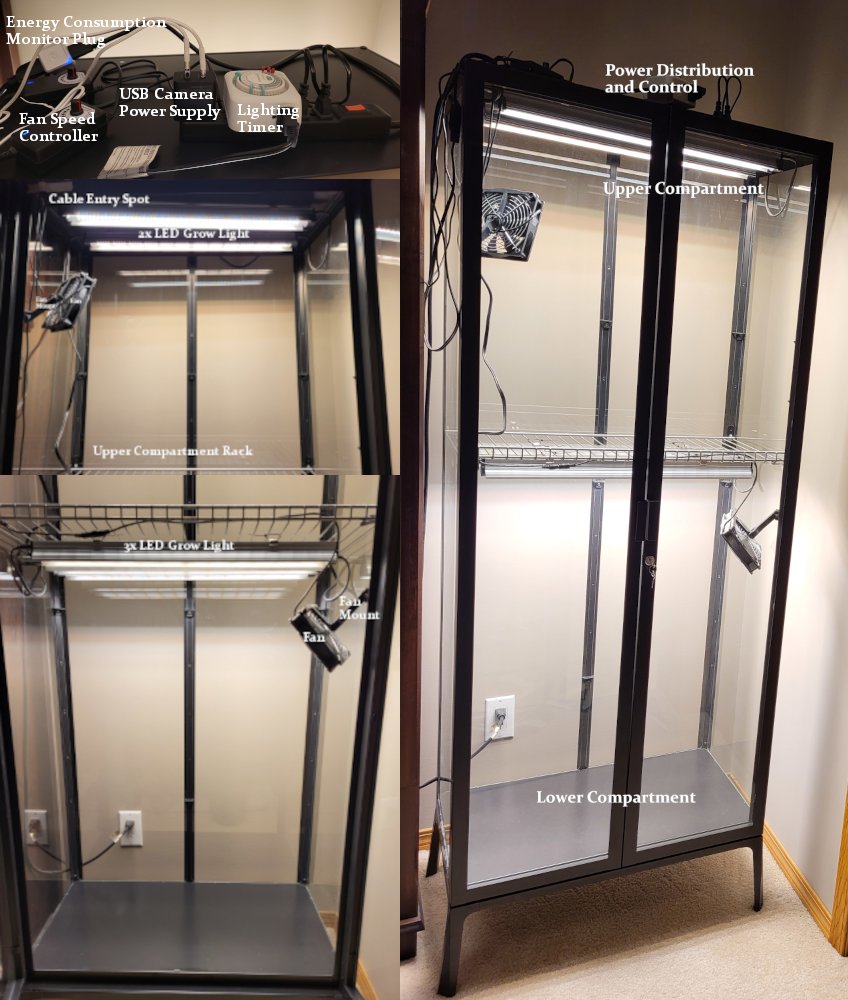 Diagram 2: Cabinet Layout with Labels
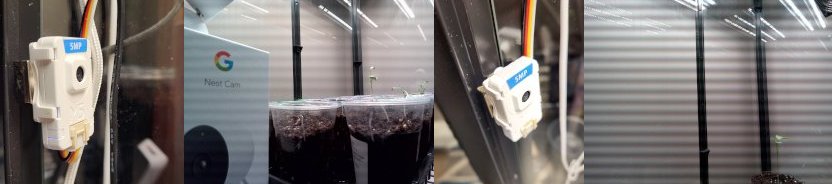 Diagram 3: Time-lapse Camera Setup (Left - Upper Compartment, Right - Lower Compartment)
Observations
Planting and Replanting Timeline
Throughout the experiment, I tracked plant development and made adjustments based on what I observed. The table below summarizes key planting and replanting events.
| Date | Action Taken |
|---|---|
| 4 Jan 2026 | Planted first batch of Han Yu radish, choy sum |
| 7 Jan 2026 | Noticed legginess and overwatering |
| 9 Jan 2026 | Planted Han Yu radish in 2L bottle; replanted a few choy sum |
| 12 Jan 2026 | Replanted choy sum seedlings to replace unhealthy radish |
| 16 Jan 2026 | Started to grow pea shoots in tray (no soil) |
| 21 Jan 2026 | Planted 2 more Han Yu radish in 2L bottles |
| 28 Jan 2026 | Increased lighting from 12 hours/day to 16 hours/day |
| 31 Jan 2026 | Declared pea shoot failure; started green onion regrowth |
| 14 Feb 2026 | Rearranged plants for better spacing |
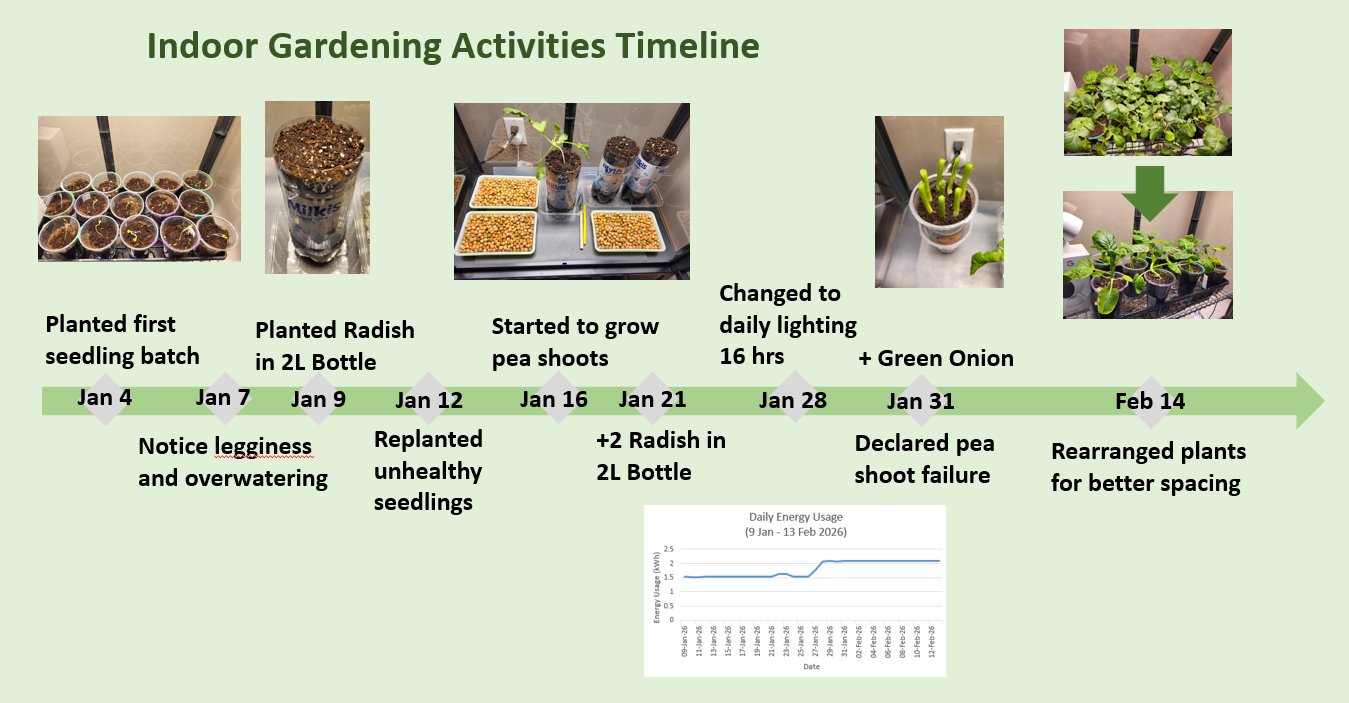 Diagram 4: Indoor Gardening Activities Timeline
Results
| Crop | Batch | Planting Date | Current Height | Status & Note |
|---|---|---|---|---|
| Han Yu Radish | 1 | Jan 4 | 5 - 15 cm | Stunted in small cups |
| Han Yu Radish | 2 | Jan 9 | 20 cm | Healthy in 2L bottles. Root is thickening |
| Han Yu Radish | 3 | Jan 21 | 7 cm | Still in early development |
| Choy Sum | 1 | Jan 4 | 8 - 10 cm | Recovered from legginess |
| Choy Sum | 2 | Jan 9, 12 | 4 - 6 cm | Healthy, slower growth |
| Green Onion | - | Jan 31 | Regrowing | Multiple harvests possible |
| Pea Shoots | - | Jan 16 | Failed | Mold and sogginess by Jan 31 |
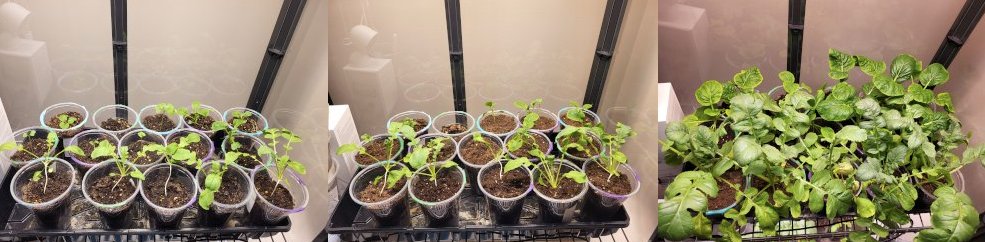 Diagram 5: Before-and-After of Choy Sum Legginess Recovery (Leggy 25 Jan -> Soil Top Up 27 Jan -> Recovery 12 Feb)
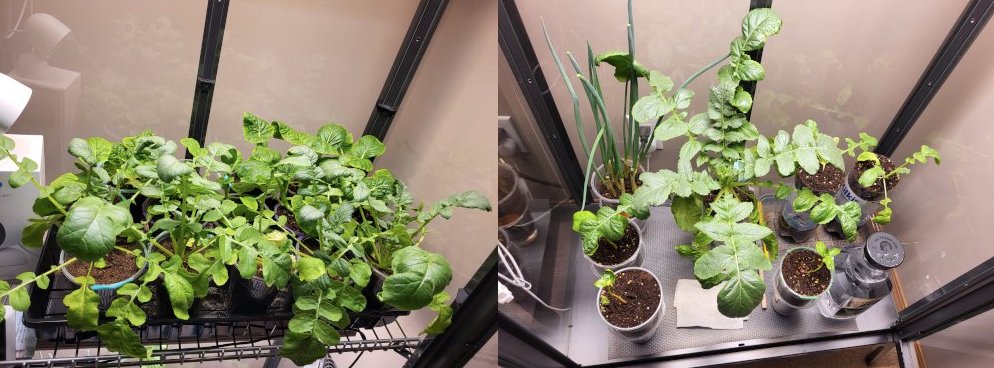 Diagram 6: Cabinet Before Reorganization for Spacing
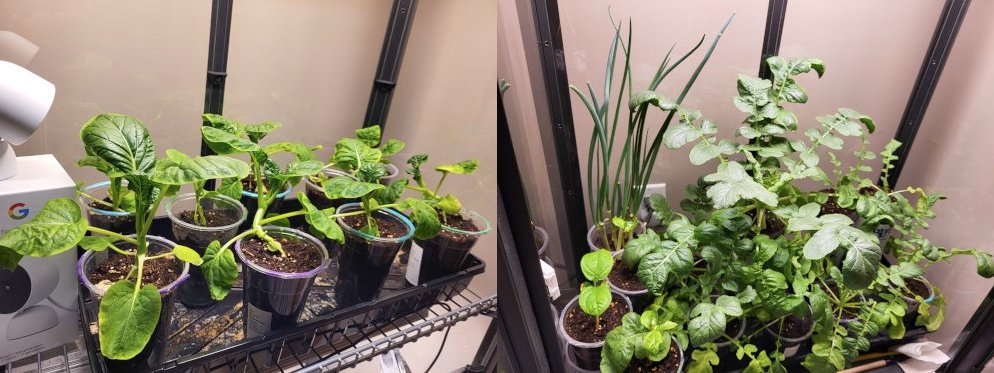 Diagram 7: Cabinet After Reorganization for Spacing
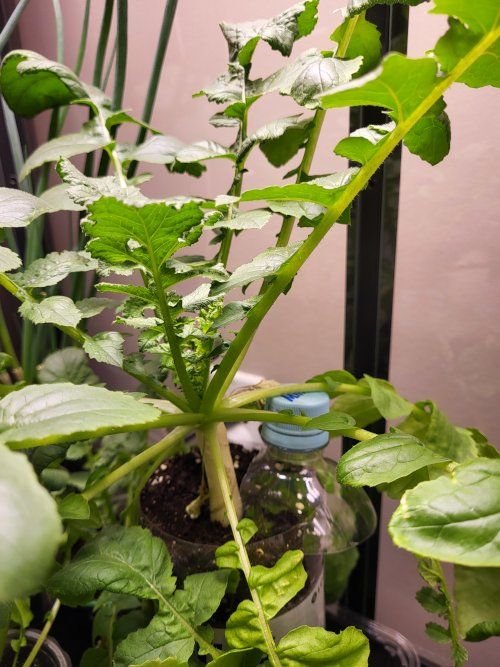 Diagram 8: Radish Root Thickening in 2-Liter Bottle
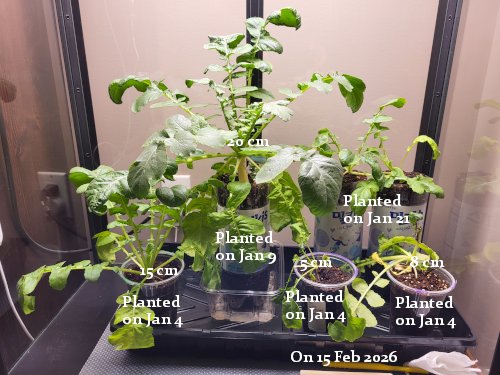 Diagram 9: Radish Growth Status on 15 Feb 2026
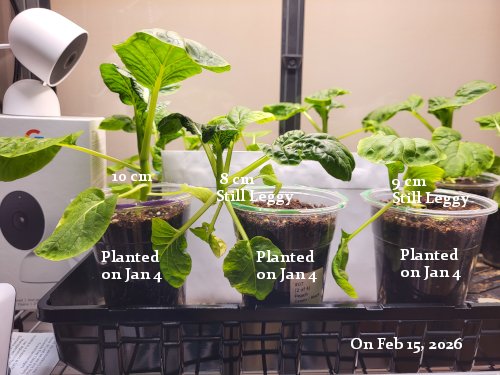 Diagram 10: Choy Sum Growth Status on 15 Feb 2026
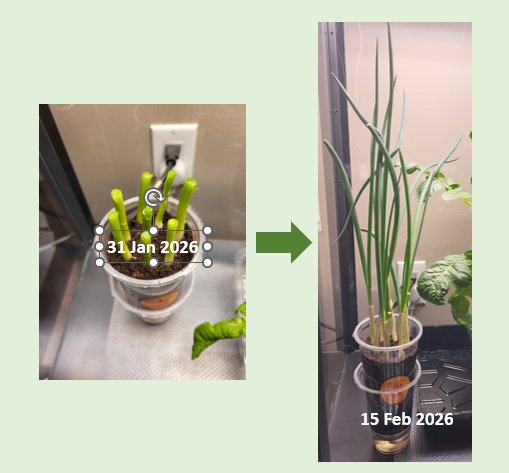 Diagram 11: Green Onion Growth Status on 15 Feb 2026
Analysis
Lighting
Increasing light from 12 to 16 hours/day significantly improved plant health and reduced legginess.
Container Size
Han Yu radish grew better in 2-liter bottles than in small cups.
Airflow
Slightly increasing fan speed helped reduce humidity and mold risk.
Watering
Top-watering every 2 days based on leaf turgor was mostly effective.
Plant Spacing
Rearranging plants improved airflow and light access.
Failures
Pea shoots failed due to poor drainage and excess moisture.
Energy Use
After increasing light hours, energy use rose by \~35%, but plant growth improved.
Energy Consumption and Cost Analysis
| Period | Avg. Daily Energy (kWh) | Avg. Daily Cost (@$0.07/kWh) |
|---|---|---|
| 9 - 27 Jan 2026 (12 hrs/day lighting) | \~1.54 kWh | \~$0.108 |
| 28 Jan - 13 Feb 2026 (16 hrs/day lighting) | \~2.09 kWh | \~$0.146 |
- Total Energy Used: 81.91 kWh
- Total Cost: $5.73
 Chart 1: Daily Energy Use (Jan 9–Feb 13)
 Chart 2: Avg. Daily Energy Use Before vs After Jan 28
Conclusion
This project demonstrated that a cabinet garden can support the early growth of edible vegetables indoors during Calgary’s winter. Although no crops were harvested by the Calgary Youth Science Fair deadline, the plants showed strong development, especially after key environmental adjustments. Choy sum recovered from legginess, Han Yu radishes grew better in larger containers, and green onions began regrowing successfully from grocery scraps. The results support the revised hypothesis: with proper lighting and airflow, a cabinet garden can grow vegetables indoors during winter. Increasing the light duration from 12 to 16 hours per day significantly improved plant health, while airflow adjustments and plant spacing helped reduce mold risk and overcrowding. Although moisture control was not automated, manual top-watering based on leaf turgor was generally effective. The failure of the pea shoots highlighted the importance of drainage and humidity management, offering a valuable lesson for future improvements. From a cost perspective, the system used an average of 2.09 kWh per day after lighting adjustments, costing approximately $0.15/day. While the initial setup cost was $859 CAD, the garden is expected to yield multiple harvests over time, potentially reducing grocery expenses and food waste. Overall, this project shows that cabinet gardening is a promising method for sustainable, year-round food production in cold climates. With continued care and future upgrades, such as improved moisture control or automated watering, the system can become even more efficient and productive.
Application
This project has real-world applications for urban households, especially in cold climates like Calgary. Cabinet gardens can help reduce grocery costs, increase food security, and promote sustainability by allowing people to grow fresh produce year-round. They also reduce food waste by regrowing kitchen scraps like green onions. With improvements like automated watering or humidity control, cabinet gardens could become a practical solution for apartment dwellers, students, or anyone with limited outdoor space.
Sources Of Error
| Source of Error | Lesson Learned |
|---|---|
| Overwatering | Early overwatering caused legginess and seedling failure |
| Humidity | Pea shoots failed due to excess moisture and poor drainage |
| Lighting | Initial 12-hour light cycle was insufficient for healthy growth |
| Time constraints | The experiment ended before full harvests could be measured |
| Manual Watering | Inconsistent watering based on visual cues may have affected results |
Citations
QuickGrow LED Grow Light Specifications
QuickGrow. (n.d.). LED lights combination. https://quickgrow.com/product/l-e-d-lights-combination/
ENMAX Easymax Electricity Rates
ENMAX. (n.d.). Easymax electricity and natural gas plans. https://www.enmax.com/electricity-and-natural-gas/easymax
Acknowledgement
I would like to thank my parents for helping me set up the cabinet and purchase materials, and my science teacher for providing guidance and feedback throughout the project.