

Psychological Factors Which Predict Whether Students Respond Adaptively or Maladaptively to Academic Failure
Kanza Khan
Joane Cardinal-Schubert High School
Grade 11
Presentation
No video provided
Problem
1.0 - Problem
An innumerable number of students are prone to facing academic failure feedback during their educational journey. Academic failure often makes itself known in various ways, unique to each and every adolescent, not necessarily limited to a grade lower than a 50%. In this study, academic failure is defined as when an individual receives performance results that disappoint their expectations or does not align with the time and effort they invested. However, every student handles their failure in distinctive ways; some bounce back from an unexpectedly low grade through the belief that they can do better on their next assessment while others, on the contrary, allow that grade to consume them and view it as a sign of their incapability.
Many adolescents tend to respond in diverse ways, which can be dissected into two perceptible groups; adaptive responses and maladaptive responses. Due to underlying psychological factors and prior experiences, some students demonstrate higher self-efficacy, optimistic beliefs on improvement and growth, and constant persistence, while others exhibit lower self-efficacy, disbelief in growth, and a lack of motivation to try when faced with an academic failure. This can impact an adolescent's confidence in their abilities, ambition to do their best attempt, and willingness to get back up after a setback, whether minor or major.
Adaptive responses, also known as active responses, are labelled as "healthy" ways to deal with stress. Adaptive responses to stress involve adaptive coping strategies that use cognitive and behavioural efforts to manage a situation, meant to provide long-term comfort to stress-inducing situations as an individual faces the problem head on, being effective in finding a coherent solution. Examples of this can include practicing mindfulness, seeking social support, and practicing time management skills. Adaptive coping mechanisms improve an individual's resilience and functionality by helping them manage their stress in constructive ways that reduce overall emotional distress and allow them to actively respond to challenges, contrary to avoidance-based responses.
Maladaptive responses, on the other hand, are known as "unhealthy" ways to deal with stress. Maladaptive responses to stress involve maladaptive coping strategies that use cognitive and behavioural efforts to manage a situation. They are meant to bring immediate comfort to stress-inducing situations, unlike adaptive responses, and they tend to be insufficient in determining a finalized solution to the stress-inducer. In many cases, this leads to individuals avoiding the problem entirely via procrastination, binge-eating, substance abuse, and so on, often harming themselves or others whether that be consciously or subconsciously. Rarely are stressors managed in an effective way with this response as they fail to address the root of the problem, resulting in strained relationships, emotional distress, and possibly chronic stress.
Individuals who respond adaptively do not necessarily face less pressure or stress from an academic setback. In fact, they might struggle initially when confronted by it, however the difference between an individually who responds in a healthy manner versus an unhealthy manner rely on factors such as grit and self-efficacy, which alter the trajectory of an individual's response. These factors can affect how an individual interprets and regulates their stress response.
Thus, it brings the question as to what factors most strongly predict whether students respond maladaptively or adaptively to academic failure feedback and how these signs are reflected in physiological stress markers.
References: (1)
Method
2.0 - Purpose
This study was conducted in order to deepen an understanding in how students of an adolescents' age reacts to unexpectedly-lower feedback, how these individuals are impacted, and the factors behind these responses along with discerning physiological stress markers that would make themselves known.
In order to complement the research done, a small-scale experiment was designed and executed to capture the nuances behind students who respond maladaptively and adaptively to academic failure feedback. The purpose of this study was to observe whether difficult tasks would affect how a student perceives themselves and their capabilities, along with how the deliberate failure would influence the behavioural and emotional responses of the student. The study would also examine how self-efficacy, persistence, and grit play a role in being predictive factors in determining how a student responds to failure.
This was a mixed-method study, where both quantitative data and qualitative data were collected and analyzed.
2.1 - Hypothesis
In this experimental study, it is hypothesized that students who display a greater sense of self-efficacy in the pre-task survey will show a lower drop of self-efficacy in the post-task survey, despite the task being difficult or unsolvable for them.
Factors being studied in this experiment are grit, self-efficacy, persistence, mindset, physiological responses (tension and heart rate), and feelings/engagement (emotional regulation).
2.2 - Participants
Four anonymous Grade 11 students, all aged 16, were recruited to take part in the experiment, having been given their consent forms the week before. They were told, individually, that the experiment will be used to determine the average capabilities of Grade 11 students in Math. The students were confirmed to have had Math 20-1 or Math 20 AP in the previous semester prior to being asked to take part in the study. There were two boys and two girls involved in this study. Take note that this is a small sample size.
2.3 - Study Description
Each student was assessed individually. Every student was either part of study group E1 or study group H2. In the study, all students were asked to first fill out a pre-task survey, which asked questions about their heart rate (which they had taken on their own via neck/wrist pulse), how they felt about their capabilities, and their overall self-efficacy and grit. Then were given the task itself, which was a short math sheet containing four questions to be completed within 15 minutes. Group E1 has received an intermediate, 20-1 level math worksheet while Group H2 received a difficult, 30-1 level math worksheet. After the 15 minutes, their worksheet was marked and handed back to them before they were asked to complete the post-task survey, which had asked them for their heart rate in that moment, how they felt during the task, if they felt successful, if they believed they could be successful in the future, a short reflection on their performance, and if they would like to continue their participation. Students part of Group E1 who wished to continue their participation were told that there was no additional sheet while group H2 would receive back their worksheets and be able to continue working on it for as long as they wished.
2.4 - Stress Induction
In the study, both groups were told this experiment would determine the average capabilities of Grade 11 students to cultivate motivation and add slight pressure to make them care to try hard enough. Both groups had a time limit to complete their task in order to mimic the academic environment and pressures students often endure when completing an assessment. Group H2 was expected to face additional stressors due to the more complex problems they received and were expected to be unfamiliar with many of the concepts introduced. It was also expected, in relation to the previous point, that they would need more time to work on the questions, resulting in lower-than-expected feedback.
2.5 - Measures
There were two types of measures being surveyed; physiological and psychological.
Psychological Measures
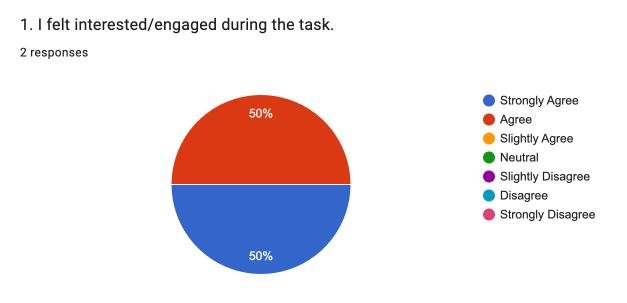
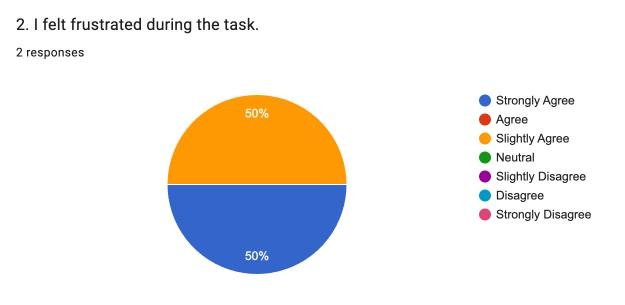
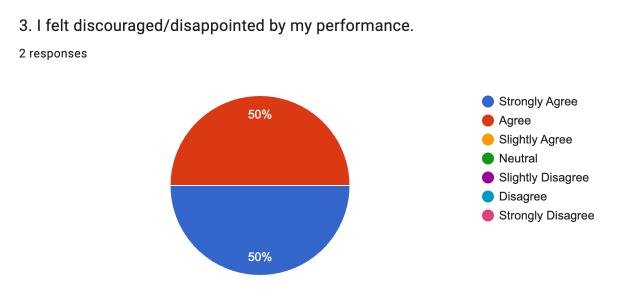
In the pre-task survey, both groups received questions evaluating their self-efficacy, grit, and mindset. In the post-task survey, both groups received questions evaluating their emotional response, self-efficacy, mindset, and persistence. It was predicted that Group E1 would most likely report higher self-efficacy and grit levels, along with a better mindset in the post-task survey while Group H2 would report lower levels of self-efficacy and grit, along with a worse mindset. It was also expected that Group E1 would feel more engagement and positive emotions in regards to the task, and they would be more willing to continue their participation as opposed to Group H2.
Physiological Measures
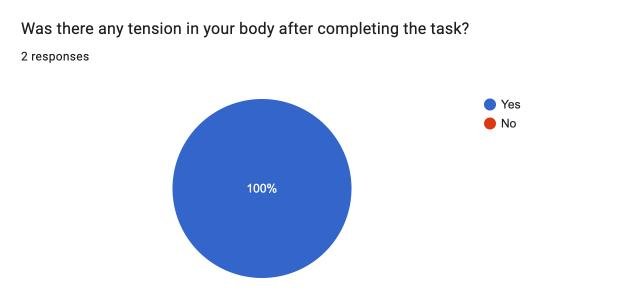
In the pre-task and post-task survey, both groups were asked to measure their heart rate. This was done via asking the participants to check for their carotid pulse (on their neck), and to count all the pulses for 15 seconds, then to multiply it by four to get an estimation of their heart rate. The expected result was that the students' heart rate would increase after doing the assessment, especially with Group H2. Participants were also asked in the post-task survey to self-report any newfound tension they might feel in their body. It was expected that participants in Group E1 would experience less-sustained tension while Group H2 would experience more stronger lingering tension.
2.6 - Defined Factors
The main factors which were observed throughout the entire experiment were self-efficacy, grit, mindset, emotional response/regulation, and persistence.
Self-efficacy can be defined as the belief in one's ability to improve their performance and to take actions towards attaining that level of performance. Higher self-efficacy leads to more persistence to complete a task, despite the roadblocks, while lower self-efficacy often leads to avoidance and procrastination. Grit can be defined as one having the determination and dedication to reach their long-term goals, including to put remain interested in those goals over time and to continuously put in the effort into achieving that goal, even when it becomes difficult. Mindset can be broken down into two types; growth mindset and fixed mindset. These are one's belief in the ability to adapt, grow, and change with time and experience, allowing one to set expectations based on these sets of beliefs. Having a growth mindset means one knows they are able to evolve with time and that they can overcome challenges they might come across, seeing them as opportunities rather than threats, allowing them to be more willing to reflect and learn from their past. Having a fixed mindset means one does not believe they are able to change with time; that what they are is who they will be for their entire existence and they cannot further develop the skill set they have. To them, it is inherently impossible to progress from the past. Often, this mindset leads to being hung up over mistakes and being easily demotivated to continue or put in effort when a setback is possible or has been experienced prior. In academics, a growth mindset often allows students to bounce back from a low grade and not tying the feedback to their limited capabilities, while a fixed mindset prevents students from making an effort to improve after a disappointing grade, personalizing the grade to define their self-worth and their overall abilities. Emotional regulation can be defined as how one manages their emotions and how they respond; specifically in this study it was about how participants managed their anxiety, frustration, and disappointment when they experienced poor academic feedback. Persistence can be defined as the willingness for one to continue, despite the struggles they might face. In a learning environment, this can be the voluntary and consistent effort one puts into their academics in order to receive the feedback they desire.
ETHICS NOTE: No real grades were harmed or affected and students were informed that the task, did not in fact determine the average Grade 11 students' capabilities in math after completion.
References: (3),(4),(5)
Research
3.0 - Research
3.1 - Failure as a Psychological Stressor
Stress is a response all humans have when faced with a threat or challenge. Stress encourages humans to respond behaviourally and/or psychologically to these threats, however the way an individual responds to such relies completely on the individual and their set of beliefs about themselves or their capabilities. Failure feedback behaves as a psychological stressor, instigating the brain's stress response. The brain is part of the central nervous system (CNS) along with the body's spinal cords, encompassing the preliminary stages of the response stress provokes. With the five senses, sensory neurons will send the information—such as a poor grade—to the amygdala, detecting emotionally significant stimuli along with coordinating fear and threat-related responses. The amygdala would send a neural signal to the hypothalamus as it perceives the low performance feedback as a threat, where the hypothalamus would further push this signal to the peripheral nervous system (PNS).
The PNS can be broken down into two components; stomatic nervous system (SoNS) and the autonomic nervous system (ANS). The SoNS encourages voluntary movements after receiving a certain neural signal while the ANS pilots involuntary movements. The ANS can then be broken down further; the sympathetic nervous system (SNS), the parasympathetic nervous system (PSNS), and the enteric nervous system (ENS). In this study, the focus is on the ANS and the SNS, which are significant elements in the stress response. The neural transmission travels through the autonomic nerves to the adrenal glands, specifically the medulla adrenal glands, triggering the pumping of hormone epinephrine (adrenaline) into the blood. The signal goes to the SNS of the ANS, triggering the fight-or-flight response. When the fight-or-flight response is triggered, alertness and activity is heightened due to an increase in breathing rate to support greater oxygen intake, leading to the physiological responses of an increase in heart rate and blood pressure in relation to the arteriolar blood vessels facing vasoconstriction (reduced diameter) in order to prioritize blood flow to essential organs such as the brain.
Catecholamines, which are groups of hormones that include adrenaline, dopamine, and norepinephrine, are released in substantial amounts. Adrenaline, being the most closely related to the fight-or-flight response, is released in large amounts to increase heart rate and blood pressure while dopamine is released in relative amounts in order to encourage the body to adapt to various environmental stimuli. When dopamine breaks down, it becomes norepinephrine, providing similar results to adrenaline while being released in smaller amounts. The hormone vasopressin is also released when the body is under physical and/or psychological stress, being synthesized in the hypothalamus and stored in the pituitary glands. Vasopressin binds to the blood vessels' receptors, in turn causing an increase in vasoconstriction, increasing blood pressure as well. Serotonin, another hormone released when the human body is under stress, is responsible for emotional regulation, as a lack in the hormone often leads to anxiety, depression, and other health issues, since it impacts one's overall happiness, learning, memory, sleep, and more. Such hormones are all released to bring the body to a state of homeostasis. This all occurs before the brain can completely comprehend what has occurred.
The stress response does not end there. The HPA axis, which consists of the hypothalamus, pituitary glands, and adrenal glands, are activated. The HPA axis utilizes hormonal signals to keep the nervous system pushing when a threat is still present. The hypothalamus would distribute the corticotropin-releasing hormone (CRH), intending for it to advance towards the pituitary gland via the bloodstream, where the adrenocorticotropic hormone (ACTH) is produced. The ATCH exists in order to signal to the adrenal glands to release the cortisol they produce in small but constant amounts, causing an increase in blood sugar levels to provide energy, maintained alertness, and suppressed non-essentials such as immunity and digestion.
After the body determines that the threat has passed, then cortisol levels decrease while the PSNS weakens the stress response.
Not all stressors that people experience are necessarily negative; stressors, if kept within moderation, can "improve [...] energy, cardiovascular health, boost endurance, and sharpen cognitive function" (9). Although, if stressors are left unchecked, it can cultivate completely opposing results. For example, acute stress from fight-or-flight responses tend to be fleeting and a direct response to a threat, momentarily adding physiological stress to adapt to the threat, honing cognitive processing long-term. This can be like project deadlines for a class. However, sustained stress activation from a fight-or-flight response can lead to chronic stress, building up physiological and psychological stress over a extensive period of time, such as consistent pressure to perform academically well by peers, which without relief can lead to chronic stress.
References: (6),(7),(8),(9),(10),(11),(12),(13),(14),(15)
3.2 - Adaptive Versus Maladaptive Coping
When faced with a stressor such as failure feedback, there are minimal chances every individual will react in identical ways. Responses to failure cues can be broadly categorized into adaptive and maladaptive responses. Both, as previously mentioned, are behavioural and cognitive efforts to manage stress, however they both offer two contrasting long-term results.
It has been observed in a as study by Steffen Moritz, Anna Katharina Jahns, Johanna Schröder, Thomas Berger, Tania M. Lincoln, Jan Philipp Klein, and Anja S. Göritz that in order for an individual to react to stressors—such as academic failure—in a productive way, it is more pragmatic to reduce maladaptive coping mechanisms rather then to solely strengthen adaptive ones. An online survey was conducted, composed of The Patient Health Questionnaire-9 (PHQ-9), the Obsessive-Compulsive Inventory revised (OCI-R), the Paranoia Checklist, and the Maladaptive and Adaptive Coping Styles (MAX) questionnaire, where 2200 people took part in to create the data. Maladaptive coping mechanisms were found to be strong predictors of mental health problems and psychopathologic indicators, whereas adaptive coping mechanisms were often found to co-occur with emotional suppression, weakening the apparent protection of adaptive responses against depression, stress, and other psychological disorders. It was also discovered that when an individual utilizes a large range of coping strategies, they are often found to exhibit more psychological symptoms in general, as overly broad and inconsistent coping types would result in emotional instability and reactive coping as opposed to intentional and proactive coping. Overall, this study captures the intricate link between psychological disorders and the types of responses to stress, and how maladaptive coping mechanisms stand with psychological distress in contrast to adaptive coping strategies.
One of the most well-acquainted coping strategies that tie in with maladaptive responses to academic failure feedback is rumination; when an individual replays negative emotions or memories without searching for a solution. It is commonly referred to as "overthinking". Due to replaying negative memories constantly, this can lead to or heighten psychological disorders an individual experiences increasing psychological stressors. Such coping methods can be beneficial for a temporary and short-period of time by making one feel like they are analyzing the situation while also being destructive in the long-term by being hyper-fixated on something without making an effort to minimize the stress caused, avoiding the confrontation. Within the context of academic failure, a student who might ruminate does not process the experience in a way that could lead to improvement, rather they remain fixated on the memory, lacking any effort to take proactive action, leading to disengagement and avoidance.
Often, maladaptive responses are triggered by chronic stress as a result of their prolonged and intense stress, and by being immediate but temporary solutions to problems, an individual may rely on it to ease the stress in that moment. However, as previously mentioned, not all stress is inherently harmful, thus meaning stress can also develop healthy coping strategies. When an individual is faced with moderate amounts of stress, also known as acute stress, and reacts with adaptive coping, it can strengthen an individual's overall resilience. This is known as the biological phenomena, hormesis; an individual's adaptive response to mild stressors. It behaves akin to how vaccines impact the immune system. With a fake foreign entity, vaccines train the immune system to have a better response through their antibodies, whereas in hormesis, physical and mental endurance is trained through intentional mild stressors that trigger the nervous system response. Hormesis encourages an individual who is experiencing stress to directly confront the stress head-on, without being too difficult to resolve, allowing them to use their problem-solving skills to benefit them in the long-term and short-term by improving functionality and resilience.
Whether an individual responds to academic failure feedback through rumination and avoidance or through confrontation and resilience-building is not arbitrary; rather it is shaped by deeper, complex psychological factors including how they regulate their emotions, beliefs they hold in their abilities, and persistence they carry into challenges.
References: (9),(16),(19),(20),(21)
3.3 - Emotional Regulation Styles
Coping is how people manage their stress, whereas emotional regulation is how people manage their emotional response to stress. Both tend to overlap, especially in stress responses related to academic failure. The way people respond to failure is unique to every individual, likewise the way people process the emotions that come with failure.
According to the Self-Determination Theory (SDT) there are three main regulation styles; the Integrative/Interpersonal Emotion Regulation (IER), the Suppressive Emotion Regulation (SER), and Emotion Dysregulation (ED).
IER is the most adaptive of the three emotional regulation types, where emotions are accepted with little to no judgement, exploring what those emotions are connected to, reflecting on them, and overall, making a choice to respond to those emotions with intention. Such individuals place values on their emotions in relation to their goals, values, and priorities. After an academic failure, a student with an IER type might feel disappointed by a poor grade, however they might question what truly makes them feel that way and how to learn from the setback. This emotional regulation style often is linked with better well-being, better goal progression, confidence in self, and introspective growth.
SER relies on one's control over their emotions. It places priority on avoiding or minimizing emotions rather than confronting them, and to run away from emotional experiences or memories as they feel intimidating or even suffocating. Such individuals might place a stronger emphasis on pretending they are fine and ensuring no one truly knows how they feel, preventing them from seeking out help or from proactively coping. After an academic failure, a student with a SER type might feel deeply wounded from a poor assessment, and instead of checking where they went wrong, they intently will avoid looking at the feedback they receive back or will hide it away, pretending it either never occurred or does not affect them. This emotional regulation style is often linked to depression and/or can lead to rumination, can lead to avoidance in seeking social support, and can reduce chances of learning from past mistakes.
ED is considered to be the most maladaptive of the three emotional regulation types, where emotions feel overwhelming and reactions to the issues are difficult to manage, leading to emotional outbursts and unpredictability. Such individuals struggle to understand what they prioritize and sometimes struggle to understand what relation their emotions have to external or internal stressors. After an academic failure, a student with an ED type might struggle to contain their anger, lashing out at those around them, or cry over it to an extent which can be unhealthy. This emotional regulation style is often linked to distress and psychopathy, leading to possible interferences with learning and stunting improvement.
These three emotional regulation types illustrate how the way people process experiences is far from uniform. Two student who receive identical feedback can have two opposing reactions, dependent on how they respond and process the emotions that accompany it. While a student who uses IER might use failure as information in what areas to grow, students who use SER and ED might prevent themselves from accessing that same meaningful information, making emotional regulation a key part in predicting whether a student reacts adaptively or maladaptively to academic failure.
References: (24),(25),(26)
3.4 - Mindset as a Cognitive Filter
Where emotional regulation might be able to explain how someone manages their emotions that arise with failure, the way a person's mindset is can shape how they interpret failure. This means that before an individual even reacts, the mindset they held prior to the negative experience can guide how they handle their feelings during it. That the meaning of an experience is labelled by an individual's mindset, and their beliefs in their ability to grow is significantly impacted by their mindset.
According to Carol Dweck, people tend to hold one of two broad beliefs about their personal qualities and external experiences; a growth mindset, where it is believed the set of abilities one has are malleable, able to be developed through effort and learning, and a fixed mindset, where it is believed that an individual's abilities are limited and cannot change much, no matter the amount of effort invested. Mindset influences much of an individual's life, including goal-setting, long-term achievements, and motivation, where a growth mindset would help to make such aspects more feasible.
When a student experiences an academic setback, their mindset plays a vital role in determining how they view the setback in itself. A student who uses the lens of a growth mindset might see their academic failure as enlightenment as to where they went wrong and what they could do to improve for the next time, viewing their supposed weakness as something to overcome. To them, effort is a pathway they can use to improve themselves and/or the conditions they are in. In contrast, a student who uses the lens of a fixed mindset might view their academic failure as something which defines themselves and the limit of the capabilities they were given, internalizing their setback. To them, putting in a substantial amount of effort can even be a sign of their lack in natural ability to succeed, or that no matter the amount of effort inputted, the output will always be the same to reflect their restricted capabilities.
A fixed mindset tends to be accompanied with symptoms of psychopathology and psychological stress, as individuals with such a mindset tend to have negative associations/perceptions of themselves, pulverizing their image of themselves. This also means that it can lead individuals to having a negative view of their emotions, suppressing or avoiding them entirely.
Research also reinforces the power of belief systems. The placebo effect involves a complex neurobiological reaction, which contains many things from neurotransmitters to certain regions of the brain. The brain tells the body what it needs to feel better via the placebo effect, and though there are many unknowns in relation to the placebo effect, what is known about it is that it impacts an individual's responses, feelings, and self-consciousness based on the perceived attention/expectation the body and mind have. This means that when an individual holds positive expectations, they can produce measurable improvements despite the absence of active treatment in terms of academics. The same goes for the nocebo effect, where if an individual believes they will perform poorly, that it is likely they will be unlikely to produce measurable improvements, even in well-off environments.
Ironically, due to neuroplasticity, even a fixed mindset is not permanent, since mindsets are not fixed traits. As people gain additional experiences and evolve throughout their lives, neural pathways can reorganize, meaning that with time, a fixed mindset can develop into a growth mindset. Cognitive-behavioural interventions are based on the idea that one's beliefs can be modified, resulting in changes in behaviours and emotional responses. Therefore, those who are unwilling to change their mindset are still able to have their beliefs shifted towards a more adaptive one.
Mindset, therefore, behaves as a cognitive filter, with which failure is experienced. Two different students, despite receiving the same failure feedback, might walk away with two very different beliefs of their intelligence and view of themselves as a result of the distinct lenses they used in that setback. This makes mindset a significant predictor as to whether students will persist after failure or disengage.
References: (27),(28),(29),(30),(31),(32)
3.5 - Grit, Academic Flow, Academic Thrive
Grit, academic resilience, and persistence are all linked to the mindset of an individual, affected profoundly by the type of mindset one holds. However, mindset alone will not ensure that one will respond adaptively to academic failure. A student with a growth mindset would need to have sustained passion and perseverance in order to productively respond to poor academic performance.
Grit can be defined as passion and perseverance for long-term goals, having stamina, and sticking with one's future, in the words of Angela Lee Duckworth. This often means that individuals who strive to complete their long-term projects, who persist and adapt even when challenges arise, and who maintain high expectations without letting it drag them down, tend to be more successful in many areas of life than those who do not relate to the mentioned and related attributes. It is important to note that grit does not rely on talent or intelligence to be present, because even if those traits and traits akin support one in reaching their achievements, they are not predictors as to whether one will continue to invest effort after a failure.
To be more specific, the reason grit is more significant than IQ (talent, or other similar traits) when it comes to how well a student performs within academic settings is because a student with a high IQ, though might typically excel at assessments and presentations in school, might lack the passion and determination one needs to consistently strive to improve learning habits and knowledge in a topic if are in a deficit of grit. This can result in a student being heavily discouraged by academic challenges and setbacks and not being as unwavering in their effort and persistence as one who has higher levels of grit, even if their other traits might pale in comparison to the individual with a high IQ.
Academic flow can be defined as a state of focus and intense engagement in academic context where they feel deeply concentrated in what they are doing while experiencing impressive levels of motivation, deriving satisfaction from learning opportunities. Students who have higher levels of grit tend to be able to reach this flow state more easily, as they often are motivated to achieve their goals and will input the time and effort necessary. Academic flow is often associated with better well-being, higher academic performance, and increased persistence, as they reach their achievements and minimize long-term stress (occurs via procrastination).
Academic thriving can be defined as when a student flourishes in their academic life overall. This tends to be connected to academic flow and grit, where active engagement towards goals requires grit to persist and academic flow to remain engaged throughout the goal. Academic thriving can be the result in which the outcome is academic success or optimism to succeed after a setback; where a student feels secure in their academic abilities and possibilities to grow.
Together, grit, academic flow, and academic thriving imply that a student's long-term response to academic challenges and failure is not defined by the brief moment of disappointment, but rather the sustained passion and dedication that is carried throughout their academic journey and beyond.
References: (33),(34),(35),(36)
3.6 - Developmental and Environmental Influences
The factors explored in the experiment and in the previous sections do not necessarily emerge without reason. The coping styles, belief systems, and habits that a student carries throughout their life are typically shaped by environmental and developmental influences they were exposed to during their different stages of life.
According to the Responses to Stress Model, starting from as early as infancy, children become conscious of their ability to regulate themselves and their responses, typically through experience with a caregiver. During early childhood, children often cope via comfort and avoiding confrontation to stress in itself. As they mature, so does their coping methods and perception of themselves. Their simple and predictable coping styles can become more complex with time, involving problem-solving skills and reframing. By the time they reach their mid-to-late adolescent stage, they may be aware of the broad range of coping styles they have acquired, and can deliberately use certain types of coping for a particular situation.
There are three main components to adaptive development; exposure to mild stress, positive coping strategies, and support. When these components are absent, they significantly impact the self-regulation styles that children obtain, making those who lack these components to develop maladaptive strategies.
Since mental and physical health problems tend to follow a socioeconomic gradient, this can result in racial minorities and those from lower socioeconomic backgrounds facing higher rates of illness and earlier mortality, which links to higher rates of chronic stress; this type of stress in this context can be caused by, but not limited to, financial instability, trauma, and poverty. As mentioned prior, chronic stress can cause maladaptive strategies to develop in order to alleviate immediate stress. When children are exposed to overwhelming stress that is consistent throughout their lives, they can develop maladaptive coping strategies with the aim to serve as immediate protection against threats such as maltreatment. Strategies like avoidance and denial behave like short-term relievers. Without exposure to healthier alternatives, reliance on unhealthy strategies might solidify and become more difficult to change as the children grow past adolescence. Such coping strategies are called proximal causal strategies, connecting stressful childhoods with psychopathology.
These early and harmful environments also can leave significant biological damage. The allostatic load (AL) model depicts the impact of uncontrolled and chronic stress in early development causes the excessive activation of the sympathetic-adrenomedullary (SAM) system and the HPA axis (looked at its function prior). This, in turn, can cause over-activation of the cardiovascular, immunological, and metabolic systems of the body. The brain is also impacted by constant exposure to unstable stress, affecting its neural plasticity negatively.
When a student reacts maladaptively to academic failure feedback, it does not solely reflect on the choices or responses they make at that time, but rather capture a glimpse into an individual's childhood, where excessive stress influenced how they endured that stress and what steps they took afterwards. This highlights the importance of building academic environments which do recognize and account for the unique history of each and every single student.
References: (7),(37),(38)
3.7 - Integrated Model of Academic Failure Response
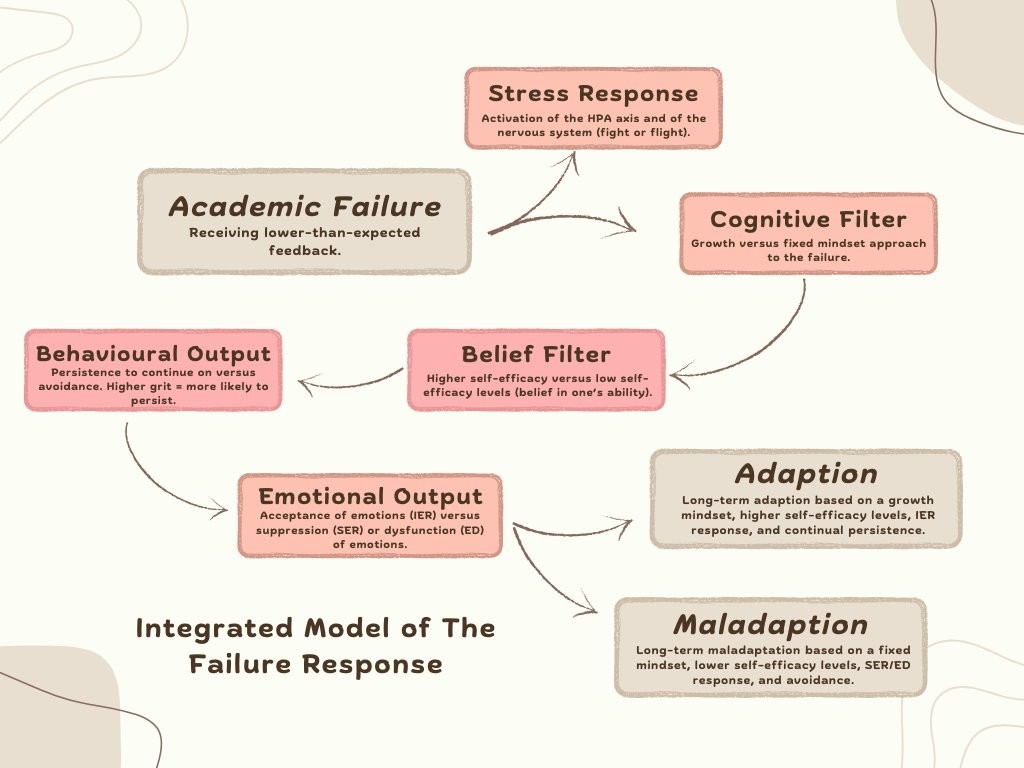 Figure 1.0 - Integrated Model of The Failure Response (Created in Canva)
In this study, an integrated framework is used to describe how students respond to academic failure.
When a student encounters poor feedback on a task they have invested time and effort into, their brain most likely will perceive the feedback as a psychological stressor via the sensory neurons. The amygdala and the hypothalamus would then be activated, in which the sympathetic nervous system (SNS) and the HPA axis's stress response would be instigated.
Despite the stress response being initiated by stress, the behavioural response that accompanies the stress response is not solely determined by stress; a plethora of psychological filters assist in sculpting how the response converts to action. How students interpret their failures is typically through their mindset. Students who are in possession of a growth mindset tend to view failures as opportunities to grow and learn, in opposition to those with fixed mindsets who view the same failures as proof of their inherent inability to improve.
Self-efficacy influences the extent to which students believe they can improve their performance levels, further supporting the Integrated Model of The Failure Response, as those who display higher levels of self-efficacy tend to reflect higher levels of effort, trusting their effort will allow them to be successful. Higher self-efficacy levels also support persistence and problem-solving behaviours due to the effort they are willing to input.
Traits akin to grit and persistence then aid in ascertaining whether students choose to continue engaging with a challenge in spite of its difficulty.
Emotional regulation strategies further impact whether students make that choice to process the emotional impact of failure in a constructive way or to respond via avoidance-based coping.
Combining them all, these psychological factors play a key role in cultivating two possible pathways in the aftermath of an academic setback:
- Adaptive response pathway: Where a growth mindset leads in to higher self-efficacy, causing higher levels of persistence and grit, ending off with constructive emotional regulation.
- Maladaptive response pathway: Where a fixed mindset leads to lower self-efficacy, causing lower levels of persistence and grit, ending off with rumination and disengagement.
By identifying self-efficacy, grit, mindset, emotional regulation, and persistence, which are key variables in this study, it can help to predict whether students respond adaptively or maladaptively to academic failure.
References: (7),(8),(9),(15),(24),(28),(29)
Data
4.1 - Quantitive Pre-Task Survey Data
Group E1
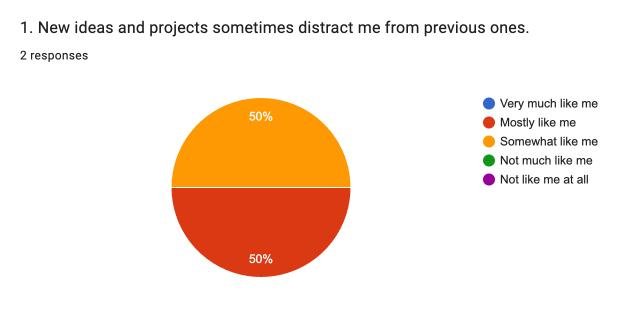
- Grit question.
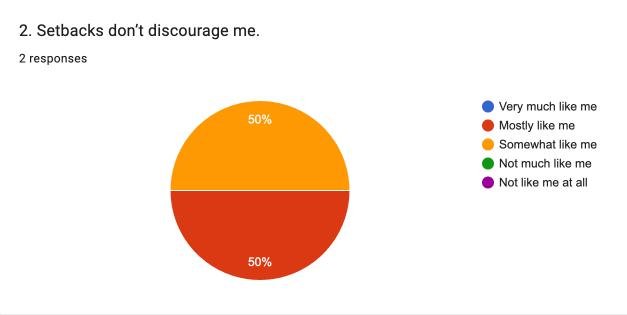
Mindset question.
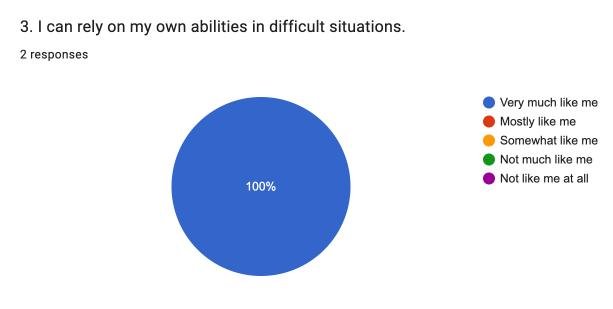
Self-efficacy question.
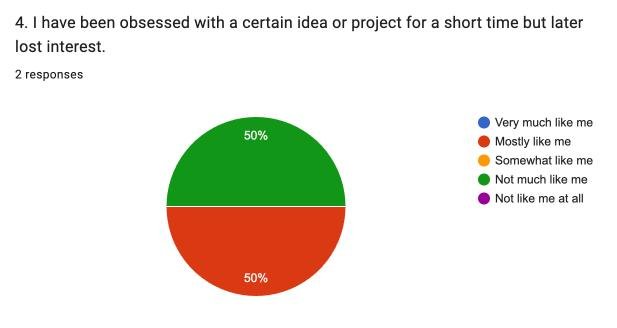
Grit question.
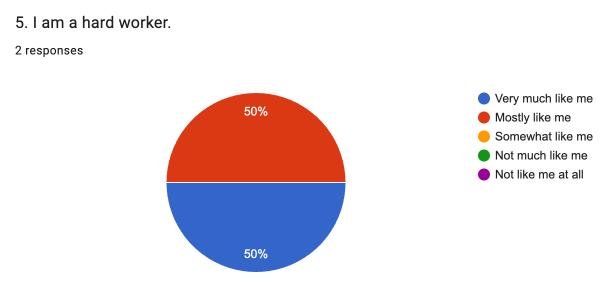
Grit question.
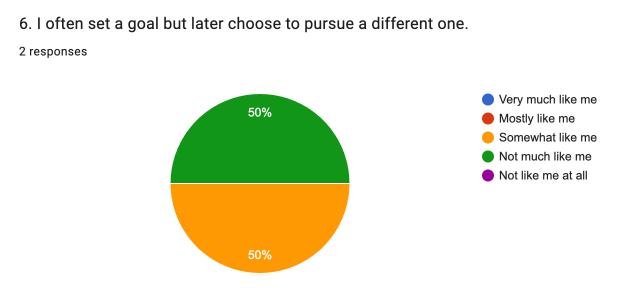
Grit question.
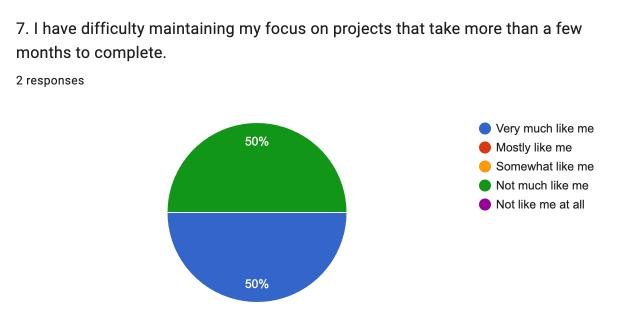
Grit question.
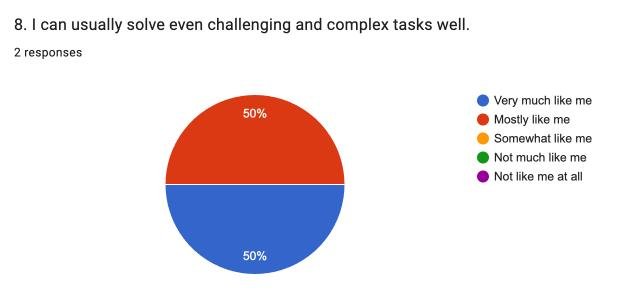
Self-efficacy question.
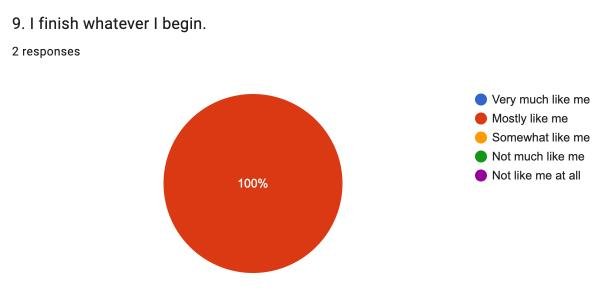
Grit question.
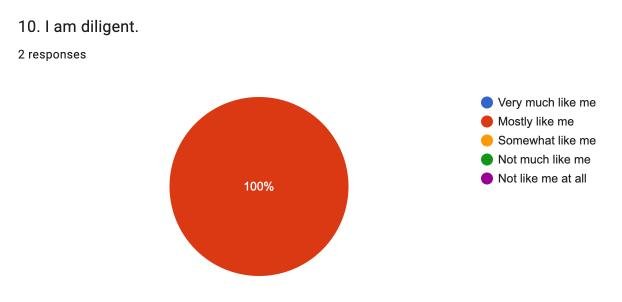
Grit question.
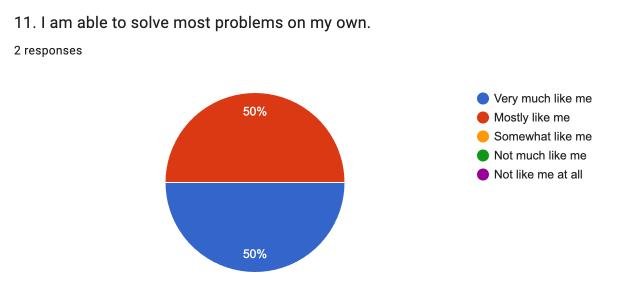
Self-efficacy question.
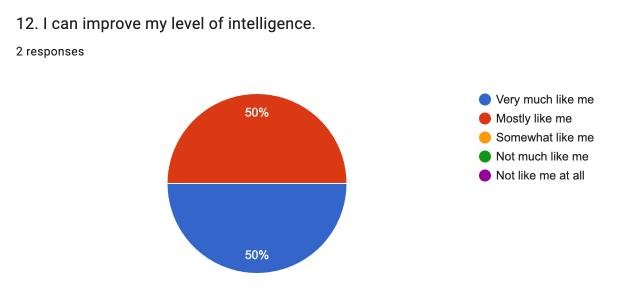
Mindset question.
Group H2
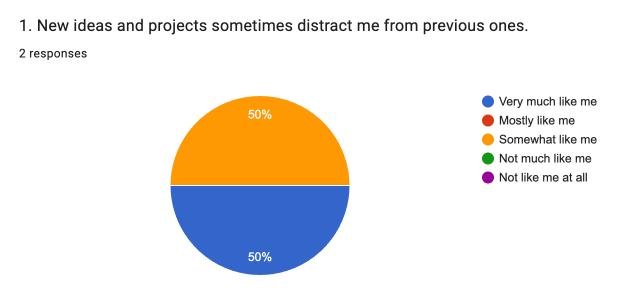
Grit question.
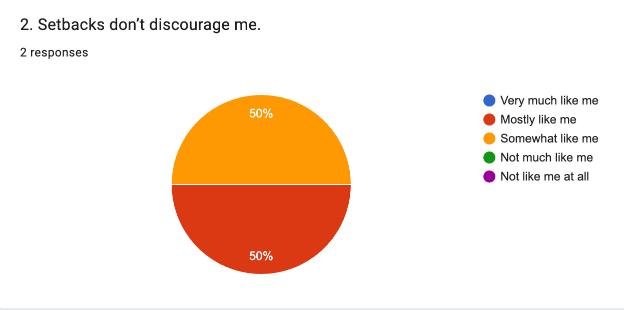
Mindset question.
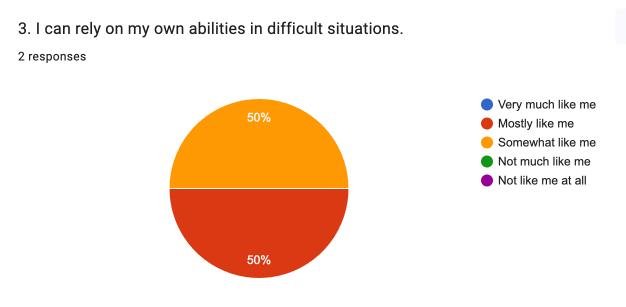
Self-efficacy question.
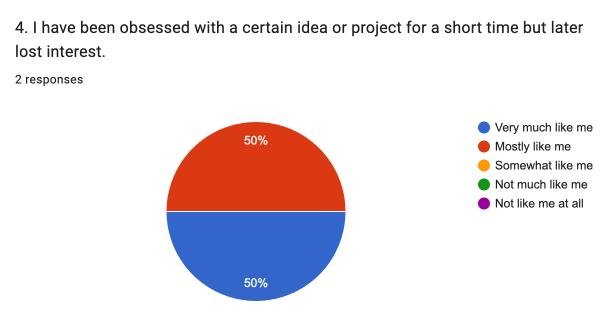
Grit question.
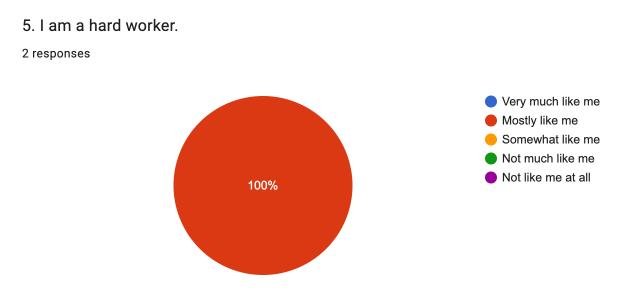
Grit question.
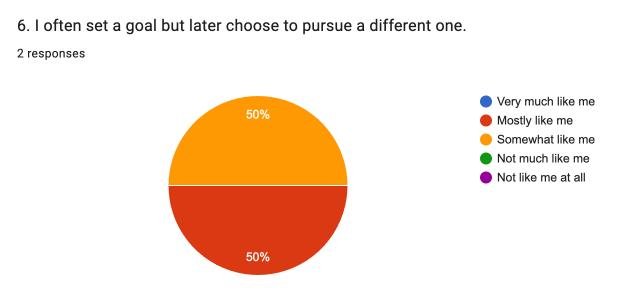
Grit question.
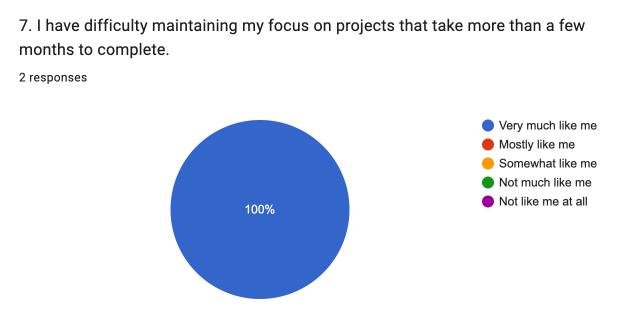
Grit question.
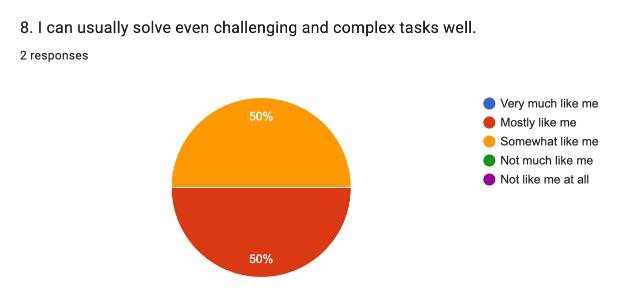
Self-efficacy question.
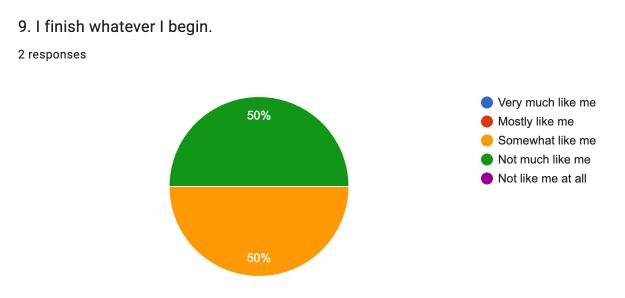
Grit question.
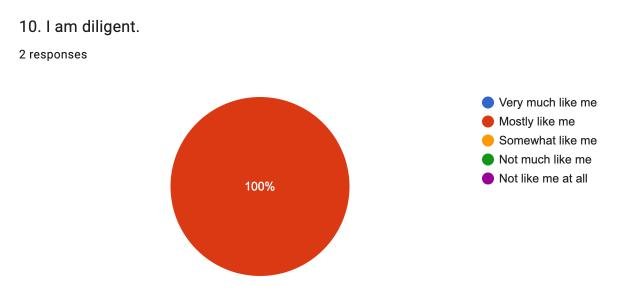
Grit question.
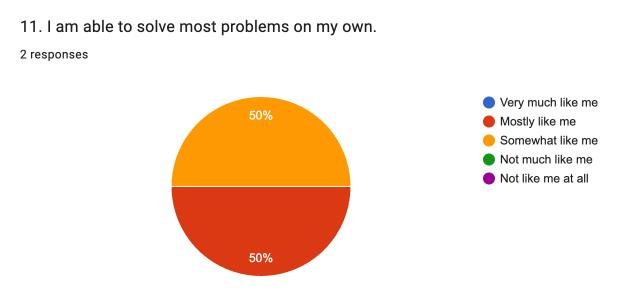
Self-efficacy question.
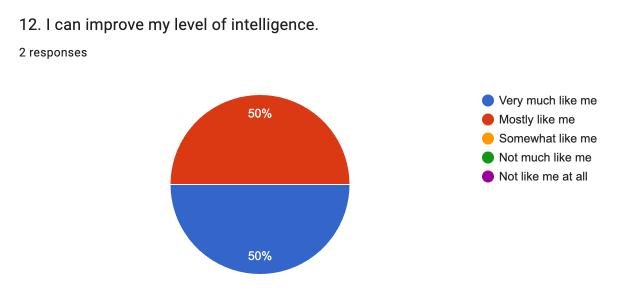
Mindset question.
4.1.2 - Qualitative Pre-Task Survey Data
Group E1
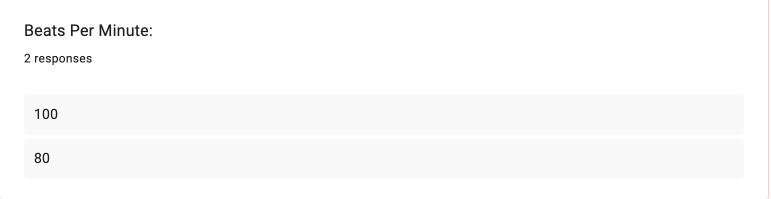
As for their response on how they felt they would do on their task, one respondent said that they believed they would do well as they are comfortable with math, while the other said they believed they would do well because math is their strong suit, hoping to get a majority of the questions right.
Group H2
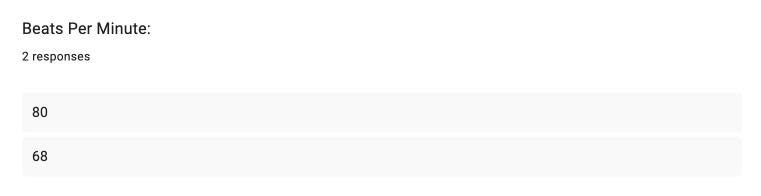
As for their responses on how they felt they would do on their task, one respondent said they believed they would do their best since they will put in their maximum effort, while the other respondent said they did not believe they would get all questions right but also believed they could get three out of four right.
Quantitive - Post- Task Survey
Group E1
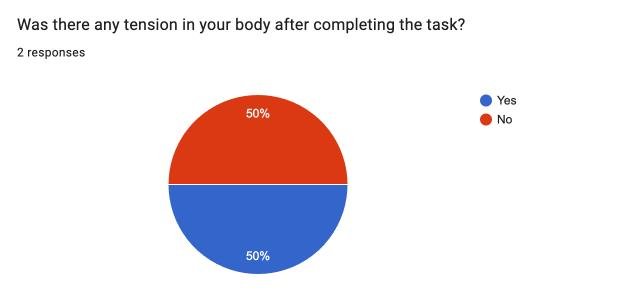
Physiological response question.
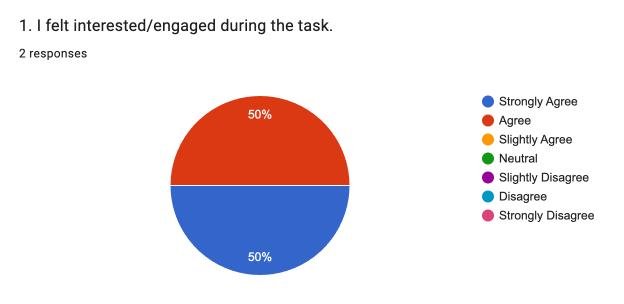
Feelings/engagement question.
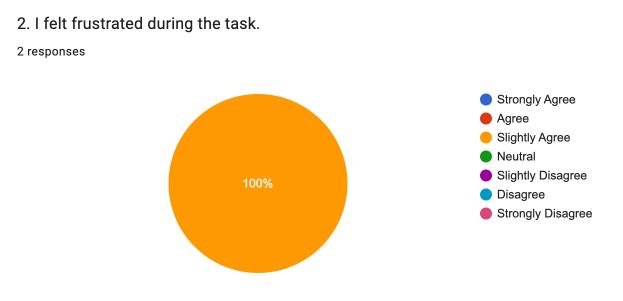
Feelings/engagement question.
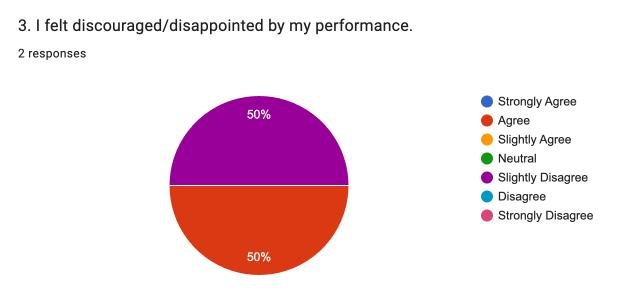
Feelings/engagement question.
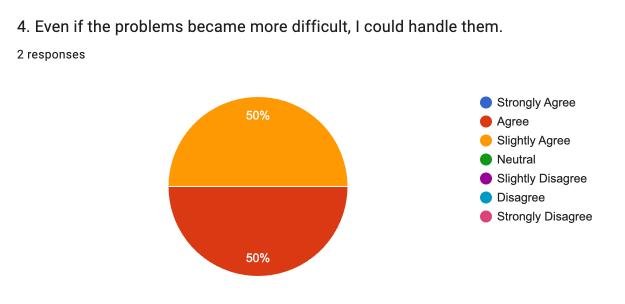
Self-efficacy question.
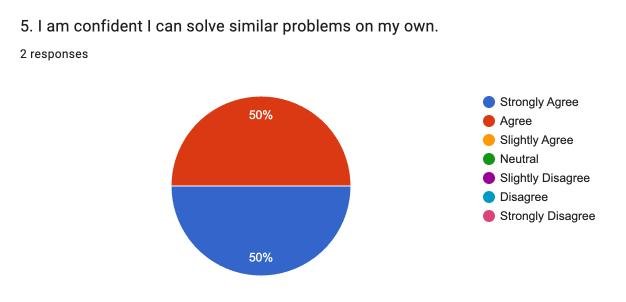
Self-efficacy question.
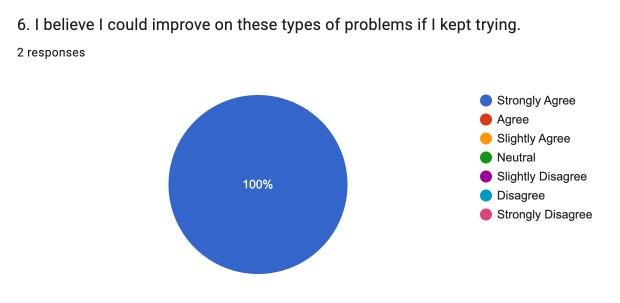
Mindset question.
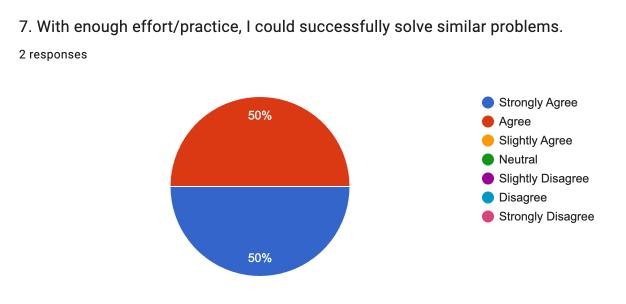
Self-efficacy question.
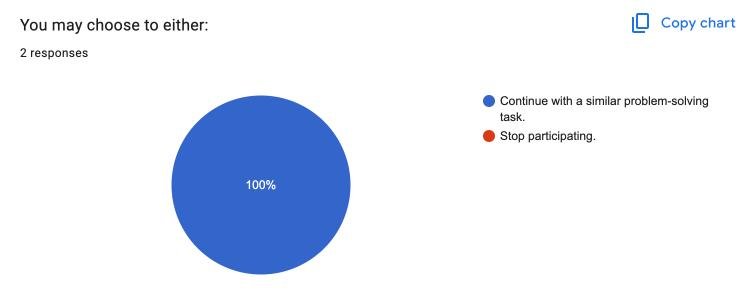
Persistence question.
Group H2
Physiological response question.
Feelings/engagement question.
Feelings/engagement question.
Feelings/engagement question.
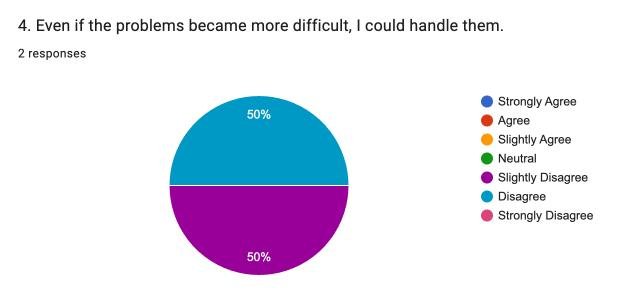
Self-efficacy question.
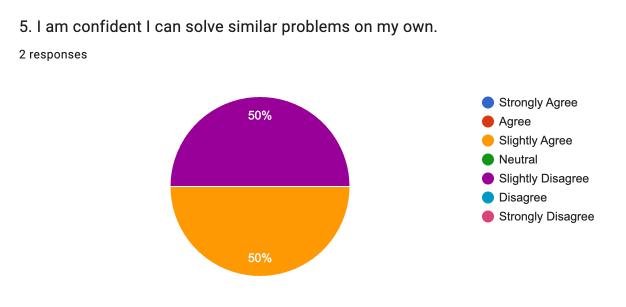
Self-efficacy question.
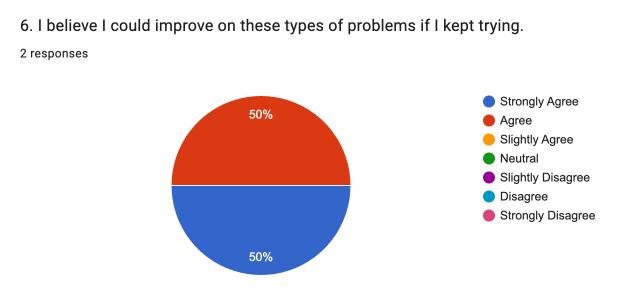
Mindset question.
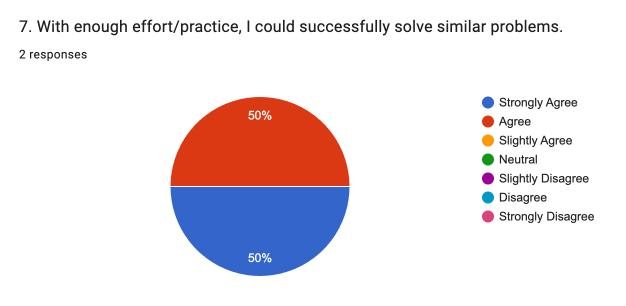
Self-efficacy question.
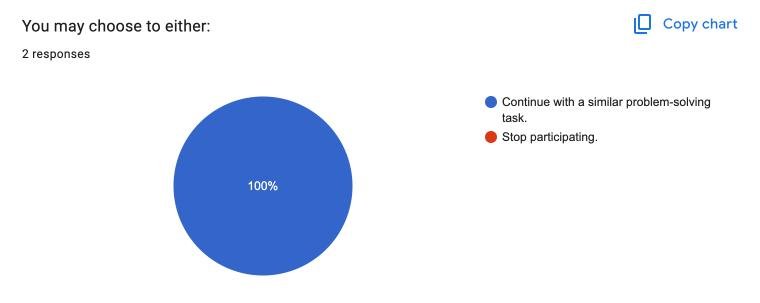
Persistence question.
4.1.2 - Qualitative Post-Task Survey Data
Group E1
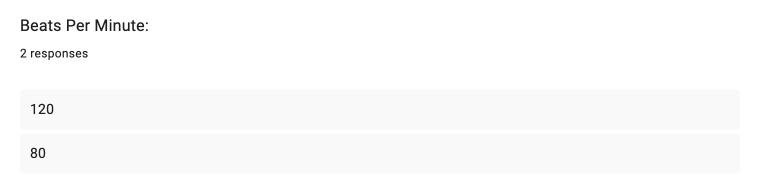
For the responses on how the respondents felt about their abilities after the task and what thoughts went through their head during the task, one respondent explained how they skipped the first two questions since they were not easily factorable or easy to simplify, and struggled to complete the sheet. The respondent also then spoke of how this task did not affect their confidence in their ability to do math. The other respondent explained that during the test they felt that their answers did not look right and that after the test they realized they made minor mistakes which influenced their answers. The respondent mentioned that the task affected their confidence in their abilities in math since they realized they needed to double check and correct their mistakes.
Group H2
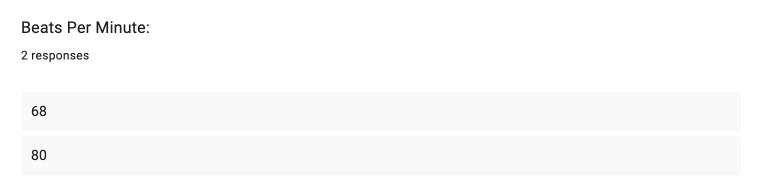
For responses on how the respondents felt about their abilities after the task and what thoughts went through their head during the task, one respondent explained that when they saw the sheet, they were confused since most of the questions were stuff that they had never tried before and that they still wanted to try and get an answer, also mentioning that they were okay with not having done too well since it was content they had never done before. The other respondent said that they thought "it was a sick joke" and was annoyed, yet still wanted to try their best to get the answers. The respondent explained that the task mostly did not change how they felt about their abilities because they believe themselves to be a quick learner, and thus if taught the content and still performed poorly, then they believe that they would have been more insecure in their abilities. Via problem-solving, the respondent mentioned that with any challenge, they try to use prior knowledge and apply it to new context.
References for surveys: (22),(23)
4.2 - Analysis
It was identified that the data, for the majority of the part, had resulted as expected. Though, of course, there were minor aspects that were unexpected results, such as neither Group E1 or H2 being able to complete their sheet within the time limit, and most of the participants not having much of a difference in their pulse rate, the results still manage to depict how those with the Math 20-1 (Group E1) worksheet had exhibited stronger self-efficacy, healthier mindset, stronger engagement, and more careful emotional regulation afterwards than those who had the Math 30-1 (Group H2) worksheet. Those with the Math 30-1 worksheet had expressed stronger frustration and disappointment in their results, as well as lower levels of confidence to complete similar tasks and inability to complete such a task when it becomes more difficult. Group H2 had also initially expressed lower levels of grit and dedicated focus, which could have impacted their self-efficacy and emotional regulation post-task, as grit and focus affect how one perceives themselves/their abilities and how one decides to manage their emotions after a task failure. Group E1 had demonstrated more confidence in being able to handle the problems they were given and a more capable feeling during the task, and generally higher levels of self-efficacy, as opposed to Group H2, reflected by the post-task survey results. Despite both groups being willing to persist with another worksheet, it was evident that Group H2 had been impacted by the difficulty of their worksheet through the dropped levels of self-efficacy and confidence in abilities, as well as stronger negative emotions and shift in mindset to their failure as opposed to Group E1 with their easier worksheet and more consistent beliefs of themselves plus their abilities, along with more easily-manageable emotional responses.
Overall, this experiment had successfully captured the nuances in how self-efficacy, grit, emotional regulation, confidence, mindset, and engagement all impact one another and how easily they are influenced.
Conclusion
5.0 - Limitations
In this study, there were a handful of components which were limiting factors in the execution of this project. The sample size used for the experimental study was evidently minimal, and a greater sample size would have provided more accurate data to work with and captured additional nuances that this small sample size has prevented. The self-report survey students were asked to complete could have also reflected internal biases they had, and therefore impacted the truthfulness of the responses received. This also applied to the heart rate question in the survey, which asked participants to find their own heart rate via their pulse point on the neck, which could be unreliable in comparison to a heart rate monitor. Additionally, there was a severe lack in randomization as the experiment was limited to students who currently attend Joane Cardinal-Schubert, as well as the types of individuals who took part in the experiment, since the experiment took place outside of school hours, where only those who are familiar with me and who had the time were willing to take part in the experiment.
5.1 - Conclusion
To conclude this study, predictive factors which can determine whether a student will respond adaptively and maladaptively to academic failure feedback includes emotional regulation, mindset, grit, self-efficacy, and persistence which can lead to academic flow states, academic thrive, and certain coping strategies. These factors impact the drive of a student, how willing and consistent a student is in putting effort in, how a student perceives themselves or their abilities, how they handle situations involving stress and setbacks, how they react to disappointment, and how they move forward after the disheartening experience. This study emphasizes how a student's response to failure is not inherently determined by the setback in itself, but rather is shaped by the relationship between psychological processes and physiological stress management, and how they can predict whether a student allows for their setback to aid in their improvement or stunt their growth.
In academic settings where failure is an unavoidable part, there should be some considerations and improvements in the execution of failure feedback, along with aiding students in the aftermath of it. In the educational curriculum, there are limited courses that work on boosting student mindset, motivation, and self-efficacy/grit. This limits adolescents' ability to seek out methods to better regulate their stress response and thus, should be reconsidered in the foreseeable future. Similarly, there should also be mindset-priming opportunities for students, particularly when exams and final project deadlines are approaching in order to encourage students to reframe the way they approach stress and possible failure; to support an adaptive response over a maladaptive one. Teachers should also be well-informed of their pupils' perception of failure, of their capabilities, and of their self-worth with the aim of giving each student the support they need to raise levels of grit, persistence, and self-efficacy to reach success in spite of their failures.
Citations
Citations
(1) Open Resources for Nursing (Open RN). (1970, January 1). Maladaptive coping behaviors. Nursing Health Promotion [Internet]. https://www.ncbi.nlm.nih.gov/books/NBK615373/
(2) Barrett, A. (2020, September 24). What is stress?: Annie Barrett naturopath: Caloundra. Annie Barrett Naturopath. https://www.anniebarrettnaturopath.com.au/what-is-stress/
(3) Carey, M. P., & Forsyth, A. D. F. D. (2009). Teaching Tip Sheet: Self-Efficacy. American Psychological Association. https://www.apa.org/pi/aids/resources/education/self-efficacy
(4) Morell, M., Yang, J. S., Gladstone, J. R., Faust, L. T., Ponnock, A. R., Lim, H. J., & Wigfield, A. (n.d.). Grit: The long and short of it Monica Morell, Ji Seung Yang,. Grit: The Long and Short of It. https://www.apa.org/pubs/journals/features/edu-edu0000594.pdf
(5) Towery, Dr. J. (2021, September 15). Your powerful\, changeable mindset | stanford report. Stanford Report. https://news.stanford.edu/stories/2021/09/mindsets-clearing-lens-life
(6) World Health Organization. (2023, February 21). Stress. World Health Organization. https://www.who.int/news-room/questions-and-answers/item/stress
(7) Understanding the stress response. Harvard Health. (2024, April 3). http://www.health.harvard.edu/staying-healthy/understanding-the-stress-response
(8) Moritz, S., Jahns, A. K., Schröder, J., Berger, T., Lincoln , T. M., Klein, J. P., & Göritz , A. S. (2016, February). More adaptive versus less maladaptive coping: What is more predictive of symptom severity? Development of a new scale to investigate coping profiles across different psychopathological syndromes. Science Direct. https://www.sciencedirect.com/science/article/abs/pii/S0165032715306960
(9) Chu, B. (2024, May 7). Physiology, Stress Reaction. StatPearls [Internet]. https://www.ncbi.nlm.nih.gov/books/NBK541120/
(10) What does cortisol do?. Cleveland Clinic. (2025, February 17). https://my.clevelandclinic.org/health/articles/22187-cortisol
(11) Stress. Alberta Family Wellness Initiative. (n.d.). https://www.albertafamilywellness.org/what-we-know/stress/
(12) Infante, B. (2024, April 27). What are stress hormones and how do they impact you?. BodyLogicMD. https://www.bodylogicmd.com/blog/what-are-stress-hormones/
(13) Serotonin: What is it, Function & Levels. Cleveland Clinic. (2025, December 31). https://my.clevelandclinic.org/health/articles/22572-serotonin
(14) Watson, S. (2023, November 20). Serotonin: The natural mood booster. Harvard Health. https://www.health.harvard.edu/mind-and-mood/serotonin-the-natural-mood-booster
(15) Nervous system: What does it do?. Cleveland Clinic. (2026, January 8). https://my.clevelandclinic.org/health/body/21202-nervous-system
(16) Wadsworth, M. E. (2015, June 1). Development of maladaptive coping: A functional adaptation to chronic, uncontrollable stress. Child development perspectives. https://pmc.ncbi.nlm.nih.gov/articles/PMC4442090/
(17) Brecka, G. (2025, February 11). How stress makes you stronger: The science of hormesis!. YouTube. https://www.youtube.com/shorts/TxzvUNRvpAQ
(18) Rossnerova, A., Izzotti, A., Pulliero, A., Bast, A., Rattan, S. I. S., & Rossner, P. (2020, September 25). The molecular mechanisms of adaptive response related to environmental stress. MDPI. https://www.mdpi.com/1422-0067/21/19/7053
(`19) Moritz, S., Jahns, A. K., Schröder, J. S., Thomas Berger, Tania M. Lincoln, Jan Philipp Klein, and Anja S. Göritz, Berger, T., Lincoln, T. M., Klein, J. P., & Göritz , A. S. (n.d.). More adaptive versus less maladaptive coping: What is more predictive of symptom severity? Development of a new scale to investigate coping profiles across different psychopathological syndromes. Science Direct. https://www.researchgate.net/publication/351163114_httpswwwsciencedirectcomsciencearticleabspiiS1051200421000968
(20) Blackburn, M. (2024, December 20). Reactive vs proactive coping skills. Mindful Reflections Therapy. https://www.mindfulreflectionstherapy.com/blog/reactive-vs-proactive-coping-skills
(21) Thompson, R. J., Mata, J., Jaeggi, S. M., Buschkuehl, M., Jonides, J., & Gotlib, I. H. (2010, June). Maladaptive coping, adaptive coping, and depressive symptoms: Variations across age and Depressive State. Behaviour research and therapy. https://pmc.ncbi.nlm.nih.gov/articles/PMC2872051/
(22) Doll, E. S., Nießen, D., Schmidt, I., Rammstedt, B., & Lechner, C. M. (n.d.). General Self-Efficacy Short Scale–3 (GSE-3). Gesis.
(23) Short Grit Scale. (n.d.). https://sjdm.org/dmidi/files/Grit-8-item.pdf
(24) Sharabi, Y., & Roth, G. (2024, June 14). Emotion regulation styles and the tendency to learn from academic failures. British Psychological Society - Wiley Online Library. https://bpspsychub.onlinelibrary.wiley.com/
(25) Conklin, L. R., Cassiello-Robbins, C., Brake, C. A., Sauer-Zavala, S., Farchione, T. J., Ciraulo, D. A., & Barlow, D. H. (2015, October). Relationships among adaptive and maladaptive emotion regulation strategies and psychopathology during the treatment of comorbid anxiety and Alcohol Use Disorders. Behaviour research and therapy. https://pmc.ncbi.nlm.nih.gov/articles/PMC4573351/
(26) Liu, D. Y., Strube, M. J., & Thompson, R. J. (2021, May 3). Interpersonal emotion regulation: An experience sampling study. Affective science. https://pmc.ncbi.nlm.nih.gov/articles/PMC9382965/
(27) Ratchford, J. L., Williams, E. G., Bishara, L., Houltberg, B. J., & Schnitker, S. A. (2021, July 20). Mindset as characteristic adaptations: Using response surface analysis to assess mindset in the personality system. Frontiers in psychology. https://pmc.ncbi.nlm.nih.gov/articles/PMC8329028/
(28) Primeau, M. (2021, September 15). Your powerful\, changeable mindset | stanford report. Stanford Report. https://news.stanford.edu/stories/2021/09/mindsets-clearing-lens-life
(29) Pine, L. (2024, December 10). How growth mindset impacts motivation and achievement. The Educated Patient. https://www.theeducatedpatient.com/view/how-growth-mindset-impacts-motivation-and-achievement
(30) Tao, W., Zhao, D., Yue, H., Horton, I., Tian, X., Xu, Z., & Sun, H.-J. (2022, April 14). The influence of growth mindset on the mental health and life events of college students. Frontiers in psychology. https://pmc.ncbi.nlm.nih.gov/articles/PMC9046553/
(31) Smith, J. (2025, October 28). Growth mindset vs fixed mindset: How what you think affects what you achieve. Mindset Health. https://www.nervahealth.com/post/growth-vs-fixed-mindset
(32) The power of the placebo effect. Harvard Health. (2024, July 22). https://www.health.harvard.edu/newsletter_article/the-power-of-the-placebo-effect
(33) Duckworth, A. L. (2013, May 9). Grit: The Power of Passion and Perseverance. YouTube. https://youtu.be/H14bBuluwB8?si=mIY4f1Hn2QvpUbOx
(34) Khedmatian A., Naami, A. Z., Zarei E., & Khalafie A. (2022). Academic grit academic flow and academic thriving: Mediating role of adaptive coping style - iranian evolutionary educational psychology journal. https://ieepj.hormozgan.ac.ir/article-1-384-fa.html
(35) FAQ. Angela Duckworth. (n.d.). https://angeladuckworth.com/qa/
(36) Calo, M., Judd, B., Chipchase, L., Blackstock, F., & Peiris, C. L. (2022, June 3). Grit, resilience, mindset, and academic success in physical therapist students: A cross-sectional, Multicenter Study. Physical therapy. https://pmc.ncbi.nlm.nih.gov/articles/PMC9350533/
(37) Wadsworth, M. E. (2015a, June 1). Development of maladaptive coping: A functional adaptation to chronic, uncontrollable stress. Child development perspectives. https://pmc.ncbi.nlm.nih.gov/articles/PMC4442090/
(38) Kelley, W. M., Wagner, D. D., & Heatherton, T. F. (2015, July 8). In search of a human self-regulation system. Annual review of neuroscience. https://pmc.ncbi.nlm.nih.gov/articles/PMC4530781/
Acknowledgement
This project was something I initially had found intimidating and without the support of my peers and family, I am not too sure how I would've done it. It was intense, it was stressful at times, and yet, in the end I feel wholly accomplished and somehow more knowledgable in something I only questioned out of curiosity. I would like to first thank Reese, who dragged me and a few friends to join the CYSF before I even had the courage to get into it myself. Without her, I am unsure if I would've forced myself to try this out. I would also like to thank Achindra, who had been encouraging and supported me in my solo endeavour. I would also like to thank Abdallah, who had guided me and answered all of my silly, if not persistent, questions about the science fair and who had given me tips on how to better my project. Furthermore, I would like to thank my teacher, Ms. Sung, who had given me so many incredibly ways to significantly improve my project and find a more complex angle to look at it from. Without her, I don't think my project would hold half its intricacy or have been of much interest. Furthermore, I would like to thank every single person who took part in my experiments, since they played a vital role in assisting me in the cultivation of this project and took time out of their day to take part in it. They not only made the project more detailed, but they also made it quite a bit of fun! I would also like to thank Ms. Jones, who had helped me to create the most prominent and necessary parts of my experiment. She had helped to cultivate the math sheets and had ensured they were up to standard, and I am indebted to her. Lastly, I would like to thank my parents; my dad, who constantly had told me to stop fearing failure in itself and to push myself to my limits in order to reach my full potential, and my mom, who had listened to me ramble about every single one of my ideas for the science fair and had given me constructive criticism in the right places on where I could improve or dig deeper.