
“When Enough Is Never Enough” “The neuroscience, the reasons, and the depressing untold truth about addictions”
Shaurya Veer Karanwal
STEM Innovation Academy Jr. High N.W. Campus
Grade 7
Presentation
No video provided
Problem
Addiction is a complex-brain-based disorder driven by measurable neurological changes. Addiction has effects that are constantly misinterpreted as a failure or decline of self-control rather than a disruption of normal and logical brain function. As we saw in the last decade, many advancements (in this case, neurological) have shown that repeated addictive substances can and will produce long-lasting alterations in neural circuits that play roles in reward, motivation, and decision-making. However, from the public’s perception, it has not kept up with the new pace at which new ideas have been proven, resulting in the now-known stigma as well as ineffective responses to addiction. This large disconnection is particularly evident as higher and higher exposures to addictive substances during the late teenage age and the early adult stage, their brains are still growing, and undergoing critical development, which can intensify vulnerability to dependency and long-term cognitive function impact.
At the neurological level, addiction takes over and “hijacks” the brain’s reward system, not to mention that it also alters it. Drugs artificially raise dopamine levels in the brain, which reinforces an incredibly hard-to-stop repetition of taking it as well as behaviour. This weakens impulse regulation over time. Repeated substance use over time makes the brain adapt; this ultimately leads it to develop a bigger tolerance, dependence, and reduced sensitivity to natural rewards. These new changes to the brain negatively affect it, specifically in the prefrontal cortex. This area at the front of your brain controls self-control and judgment, making it even harder to quit, even when the person taking it is aware of the consequences to themselves and the people around them. Without a neuroscience-based understanding and knowledge of these kinds of mechanisms, to this day, the general population understands addiction as a moral condition that is simple and easy to quit, instead of a medical condition that goes deep. This large misconception highlights the absolutely urgent need for more and more scientific education that puts addiction in a new light, showing that it is instead a brain-based disorder that informs a more effective, real-world solution and persuades prevention strategies.
Method
In December of 2025, my dad and I went to the Calgary Dream Center for a planned interview with the CEO, Craig Hill. This centre helps people who were drug addicts stop getting addicted. After our interview concluded, he kindly brought my dad and me out to meet a few people who are in the program, who were previously drug addicts, each given time to sum up their addiction life, how they got into it, and their story, each with different looks, different styles, and diverse views. After interviewing them and recording what each said, we both got back home, and after reviewing all that was said, I noticed something astounding... though they seemed different, they all had a very similar story on how they got addicted and what they now think of drugs and addiction.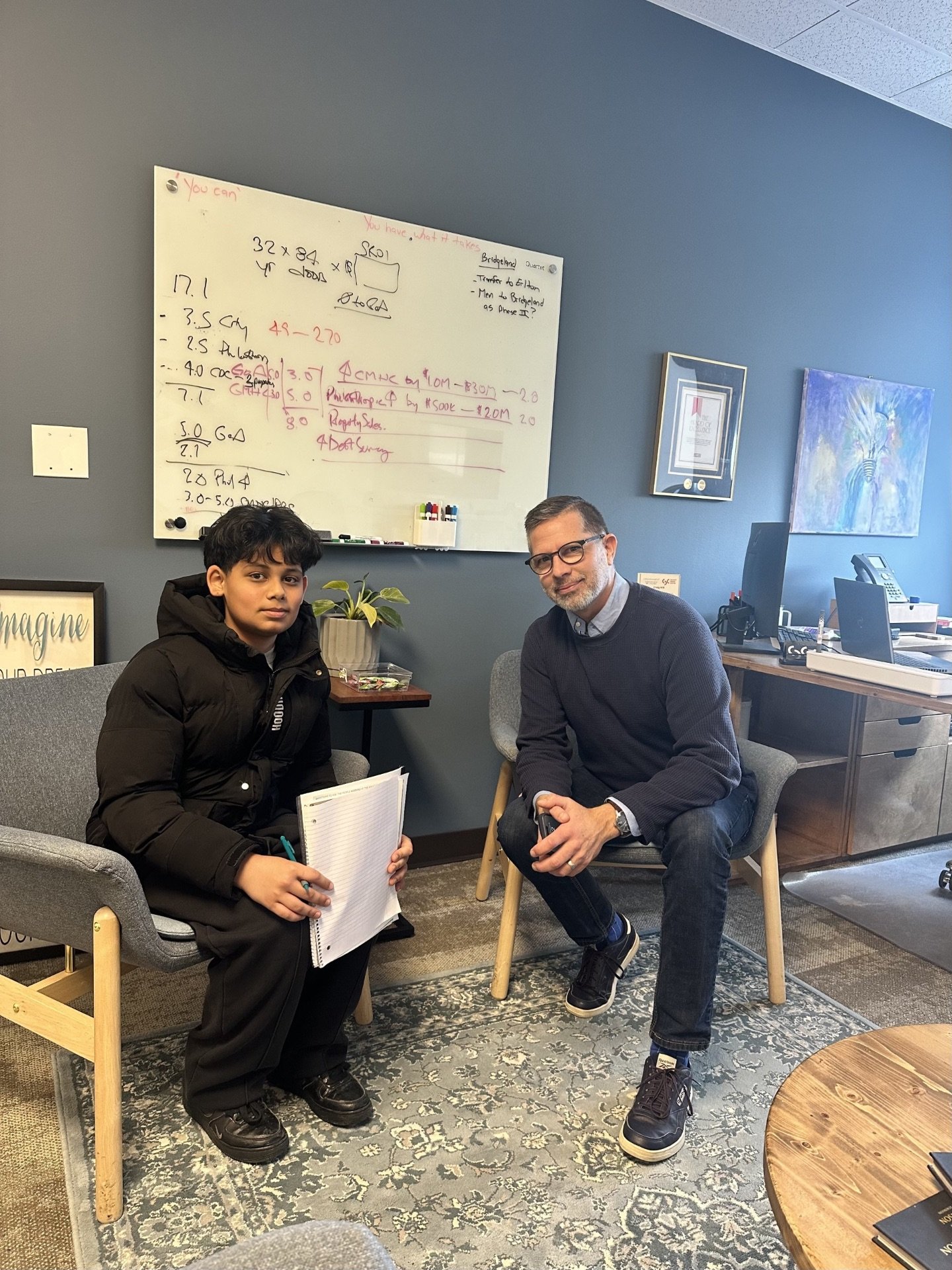
Firstly, Erick, he is a male in his late 20s: "I fell into addiction with no direction in my life, I had no idea what I was doing, no structure, and no values. I started an addiction, and once I did it, it kept getting worse and worse. Nobody wanted to even be with me, even my family gave up on me." "I ended up losing my job and my community as well. With no job, I started robbing people and pick-pocketing. Everything just happened so quickly, and I had absolutely no confidence. I tried to build myself up quickly, but I later realized I had no hope of quitting on my own, with no one to help me. There were a few things I had to do once I came to the Dream Center, one of which was to identify my values. I just followed the program, and my life just turned around."

Next, Justin, a male aged 26: "I started drugs from a dark background, and it was so bad for me, and going on and on consumed me. Coming here opened a brand-new paved path, and that just gave me so much hope. Once I started fixing myself here, I found some very ugly things inside me. Once I started to stop, it just felt like so much weight got lifted off me. One of the things that I really started getting addicted to was the fact that my connections were missing, not to mention I got. housing, which really helped."

Lastly, Thomas, in his 50s, was one of the biggest drug lords and motorbike gangsters in Calgary when he was younger: "Yeah, life was not good for me, addiction was so bad, and when I got into this life led by bad choices, I paid the price, really, everywhere just guns. No matter where I went, I had 200 people under me working for me, selling drugs to me, and it was bad; I lost the two women I loved most just because they did not want to live this life. After the last time I went to jail, I just could not do this, life, really, so I came here, and I just healed."

One person also gave a few-word answer when he got this haircut; unfortunately, I did not get his name or age, but he was a male: "It is just a blessing and a foundation!"
Later, I gave a Google Forms test to 15 people I know and then my entire Grade 7 class, ranging from doctors to University Students, to 12-year-olds from my own Grade, which consisted of these questions:
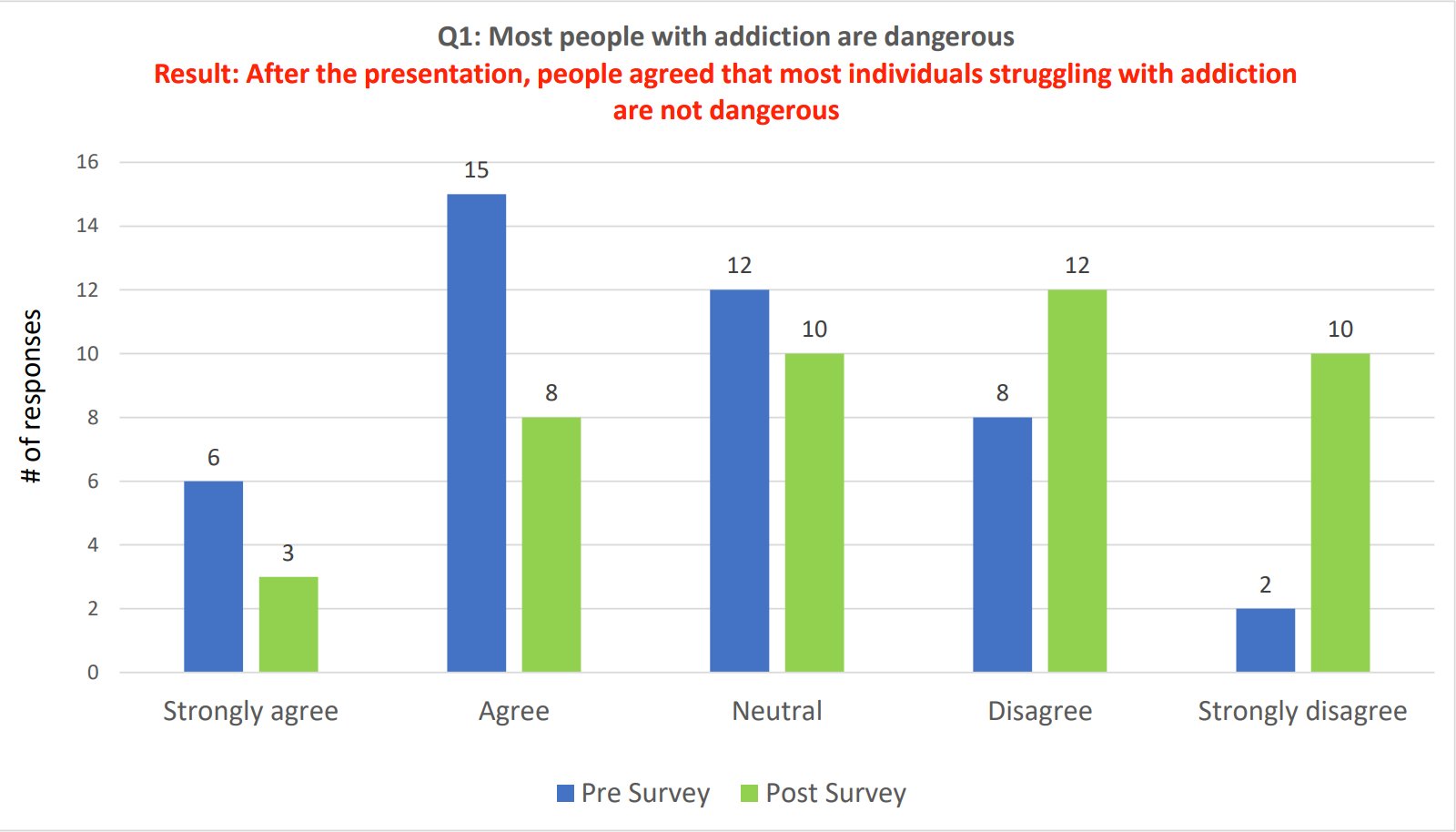
- Most people with addiction are dangerous.
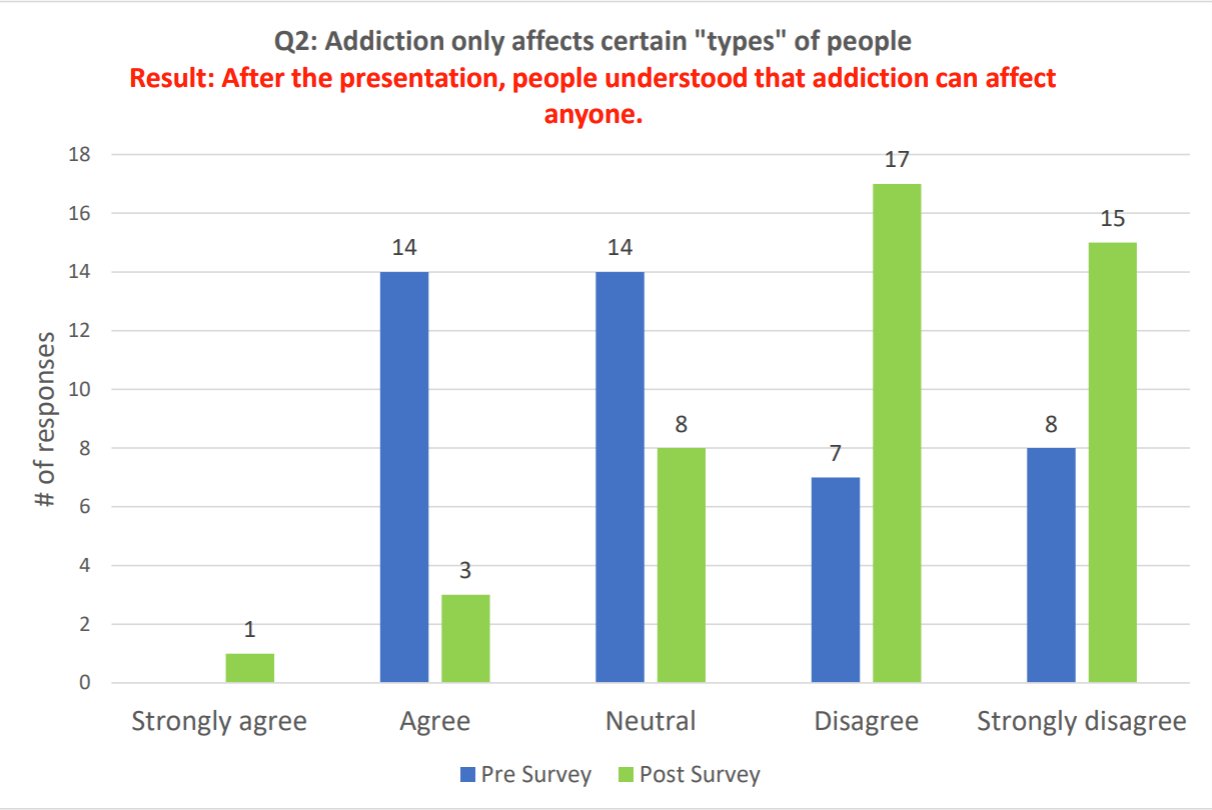
- Addiction only affects certain “types” of people.
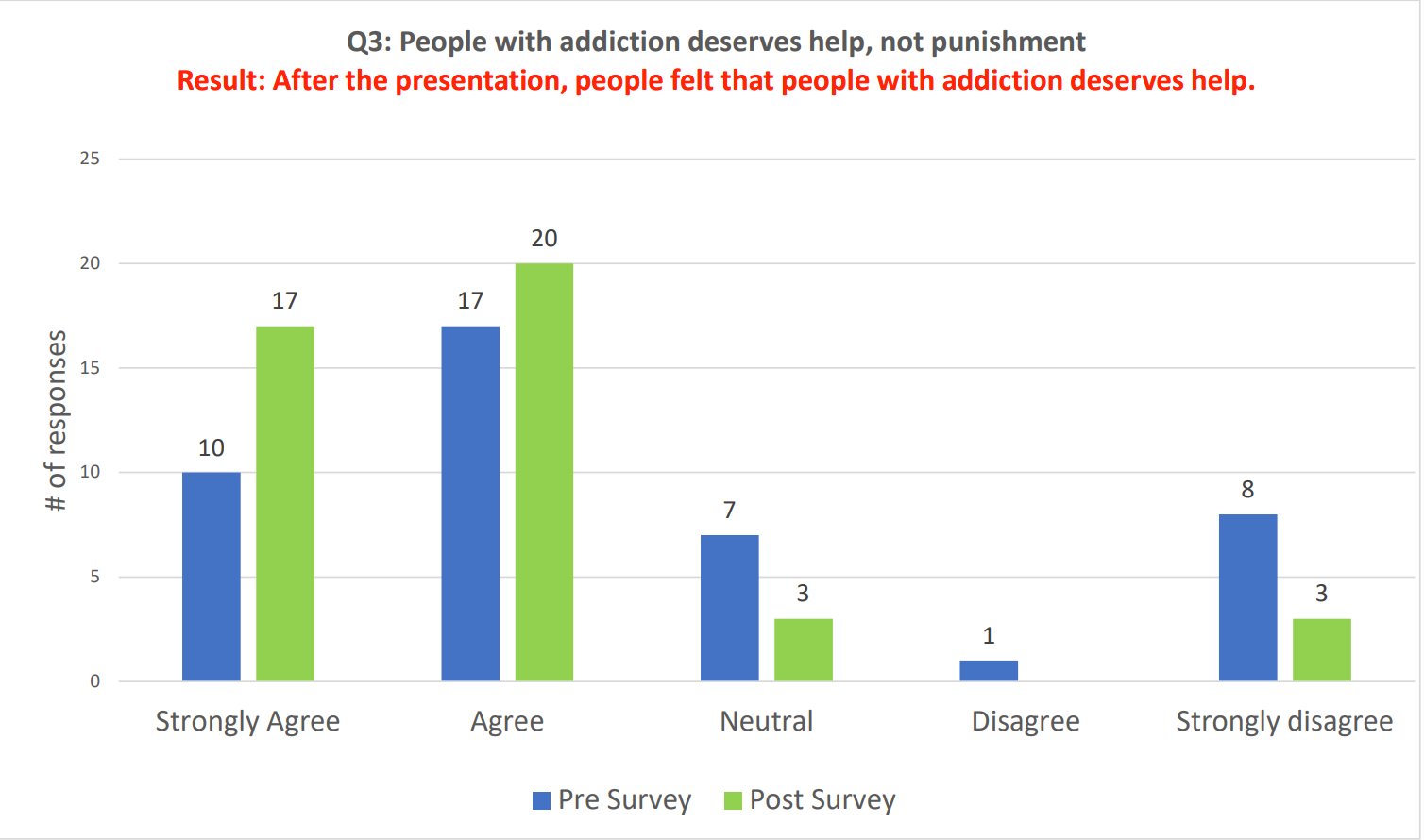
- People with addiction deserve help, not punishment.
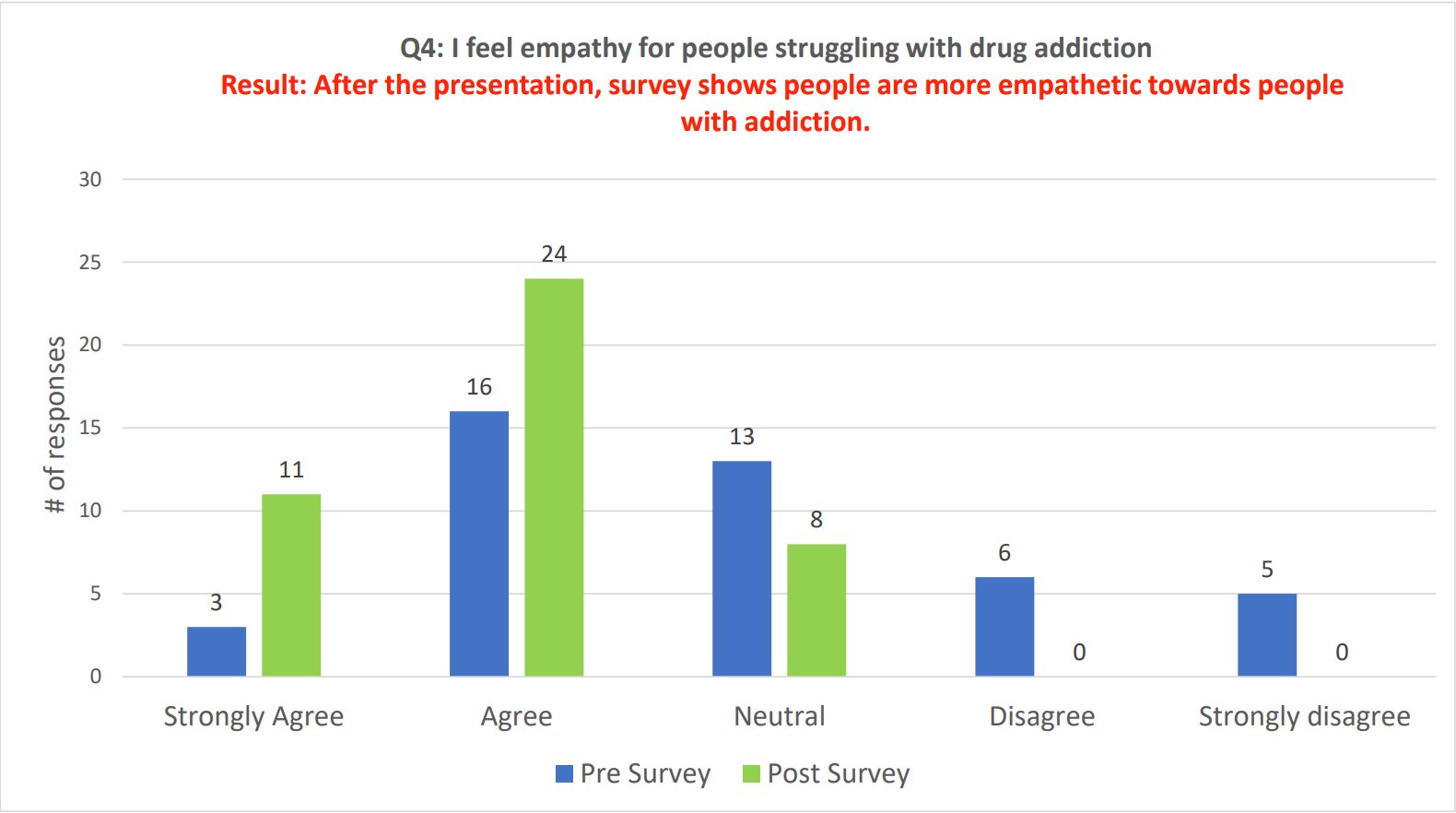
- I feel empathy for people struggling with Drug addiction.
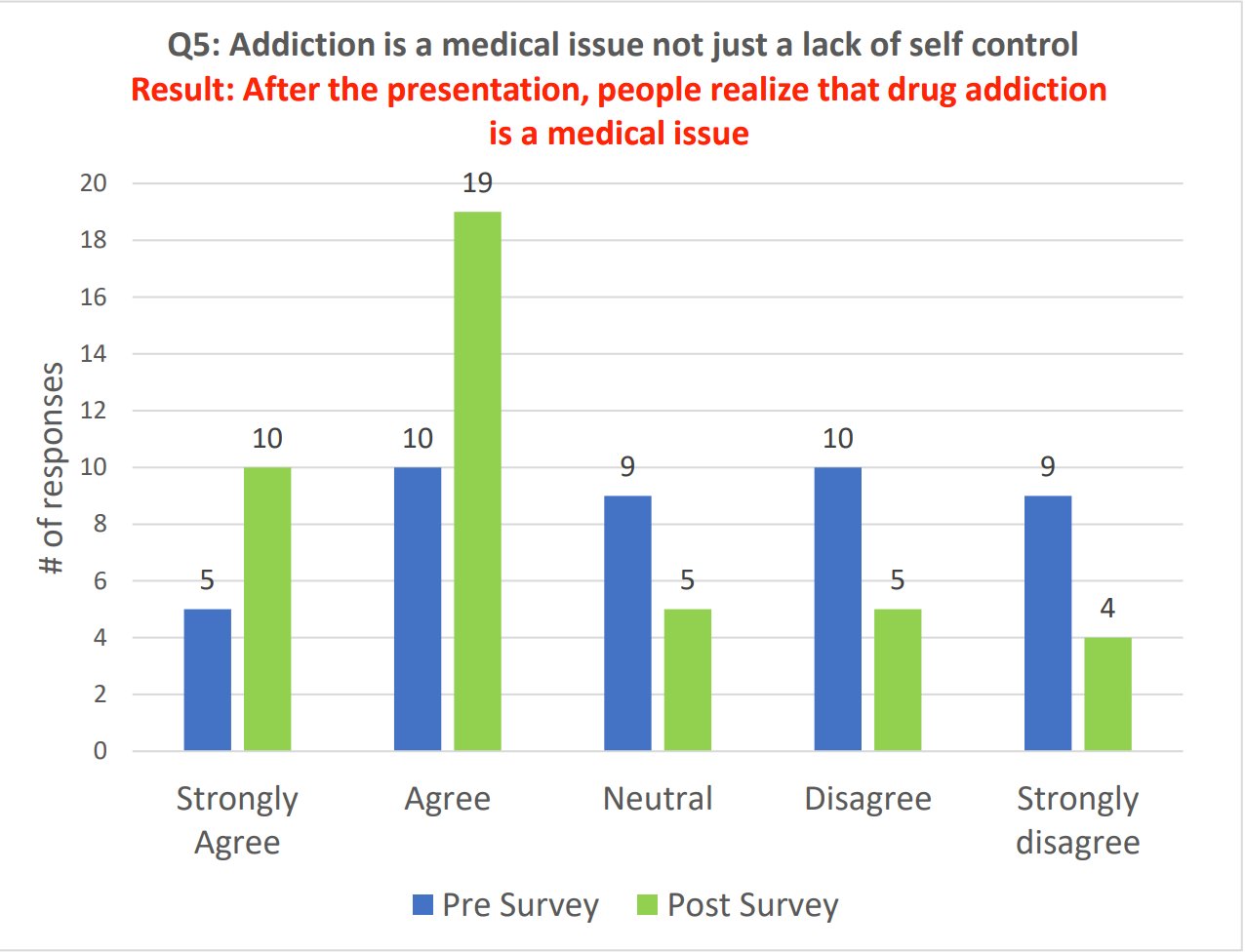
- Addiction is a medical issue, not just a lack of self-control.
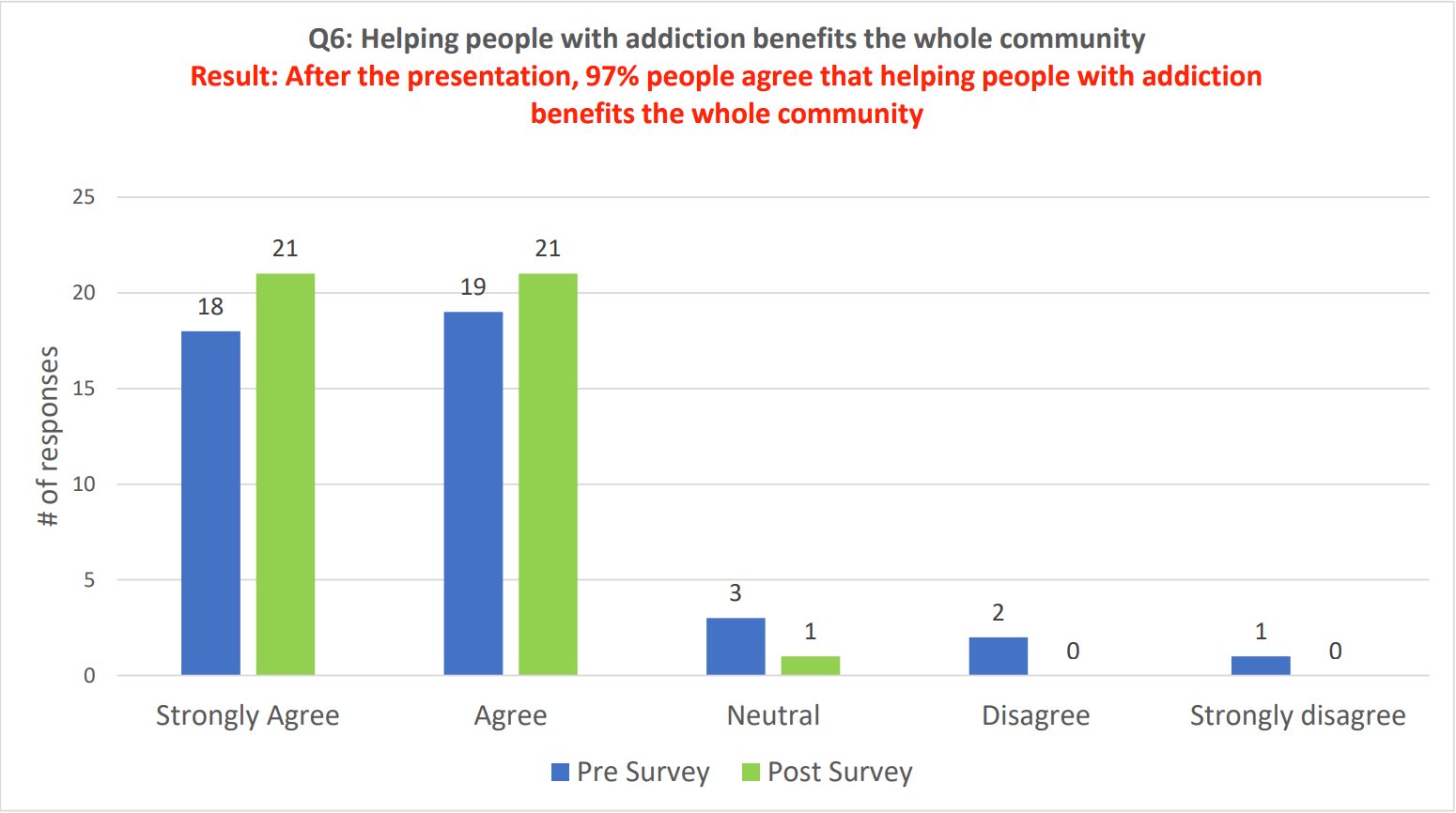
- Helping people with addiction benefits the whole community.
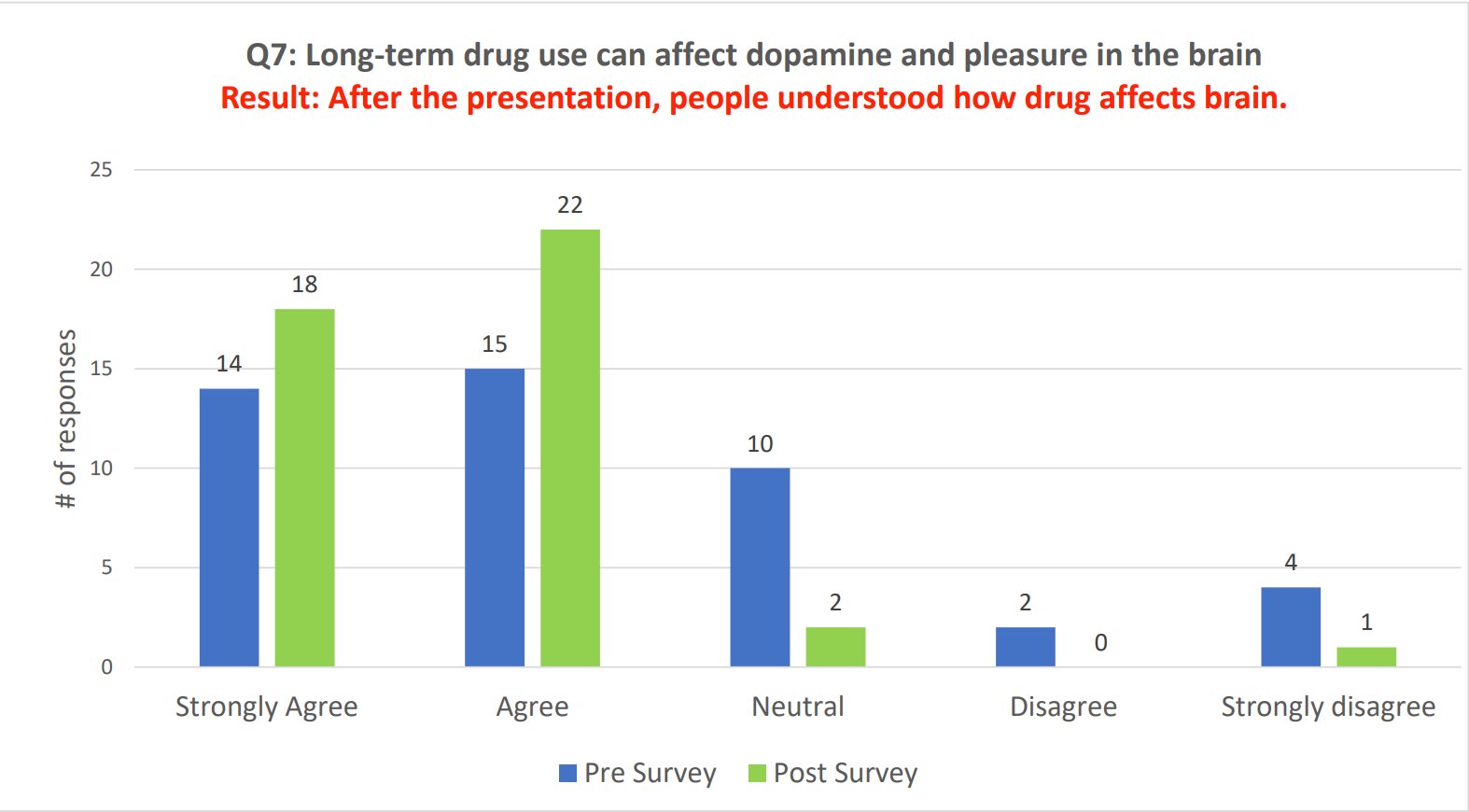
- Long-term drug use can affect dopamine and pleasure in the brain.
With checkboxes that have 5 options: Strongly Disagree, Disagree, Neutral, Agree, Strongly Agree. As I saw from the results, before learning about neuroscience, many people believed that addiction was mostly bad choices. After I talked to them, but the charts also show that they think of addiction as very simple, and leading us to understand that they have an out of touch realization then with the true facts. I then presented the same 43 people with a short presentation, and then they re-did the test again. The test answered all of the questions but not directly, so that the test-takers would chose them selfs:
Addiction research demonstrates that people addicted to drugs experience brain impairment because their addiction leads to changes in their brain function. The brain uses the reward system, which depends on dopamine, a neurotransmitter that people experience through pleasure and motivation. When people take drugs, they experience more dopamine release than when they engage in normal activities in their daily life, which results in permanent brain changes. Repeated drug use leads to multiple brain changes, which result in:
- The brain starts to connect the drug with pleasure.
- The brain becomes less responsive to dopamine.
- People require more of the drug to experience the previous drug effects.
People continue to use drugs because their pleasure diminishes while they need to satisfy their ongoing cravings. Adolescent addiction presents major dangers because the brain of teenagers continues to develop. The prefrontal cortex handles decision-making, judgment, planning, and self-control, which remain undeveloped in teenagers.
- Adolescent drug use shows a connection to three outcomes according to research:
- The teen brain experiences more severe effects than the adult brain does
- The brain develops stronger pathways, which make it easier to develop addictions.
- There exists a greater chance that people will encounter substance use issues during their adult years.
Teen brains have high plasticity, meaning habits can form quickly. People develop automatic behaviours that happen after they use substances because they experience:
- Stress
- Certain social groups
- Specific environments
People who develop these learned behaviours during early life stages will carry them into adulthood, which will increase their chances of experiencing relapse. (The Graphs are the 3 ones in the data) Drug use has risen in Canada since 2015. In Canada, about 2.3% of people use illegal drugs, while the highest cannabis consumption occurs in people between the ages of 20 and 24, and they experience a slight decrease in use from ages 16 to 19. The province of British Columbia has seen an increase in opioid-related fatalities because of the rising presence of fentanyl. Addiction exists as a brain-based medical condition which affects brain function. People can develop better addiction prevention strategies through their understanding of addiction.
Ultimately, with help, I created bar graphs comparing what the choice of answer was before then after the explanation:
Research
Scientific research has shown that addiction is not simply a matter of choice, but rather involves significant changes in brain function. From recent research, we have seen some major scientific discoveries on addiction in the brain. We see this with dopamine, which is a neurotransmitter that is a critical part of the brain's reward system. It is released in the brain when people engage in activities, such as eating and drinking; it rewards them with pleasurable feelings. But when drugs are added, we see that they release very large amounts of this chemical. This is far larger than amounts produced by natural rewards. With constant use, the brain forms strong associations with the satisfying effect, creating a reinforced cycle of substance use. When so much is consumed every day, the brain reduces the sensitivity in that region that is responsible for producing this feeling. As the brain gets used to the feeling, an individual requires a larger amount of the substance to maintain the feeling. When the individual needs more substance, it means an even higher dose, and the effect becomes even bigger than before, even though this individual does not feel it. This is why addiction continues, because there is a never-ending goal to gain the sensation. These kinds of brain shifts are especially important when substance use starts in adolescence. During adolescence, early drug use is especially harmful to teens for multiple reasons. A major factor in this is the prefrontal cortex, which is a part of the brain located at the front of it, directly behind the forehead. This part controls decisions and judgment, planning, and self-control. When addictive substances are used, we see that this part of the brain is also affected. When drugs are consumed, impulse control is weakened, which increases the likelihood of doing more risky activities. This makes resisting significantly more difficult and increases the likelihood of continued substance use.
With the dopamine area, we see that PETs (positron emission tomography)are a very crucial part in addiction, as well. This is a type of brain scan that shows the role of chemicals such as dopamine in living brains. From these scans, it is possible to see that an individual who is struggling with addiction overall has fewer dopamine receptors in the brain's reward regions. This means that fewer dopamine receptors means that the regular activities one might do would feel less rewarding, and drugs would feel more powerful. It is also shown using PET scans that with repeated substance use, over time, the dopamine receptors become less available over time. This explains why an individual would need a higher dose to achieve the same pleasure, and why cravings persist, even when a person starts abstinence for a long period of time.
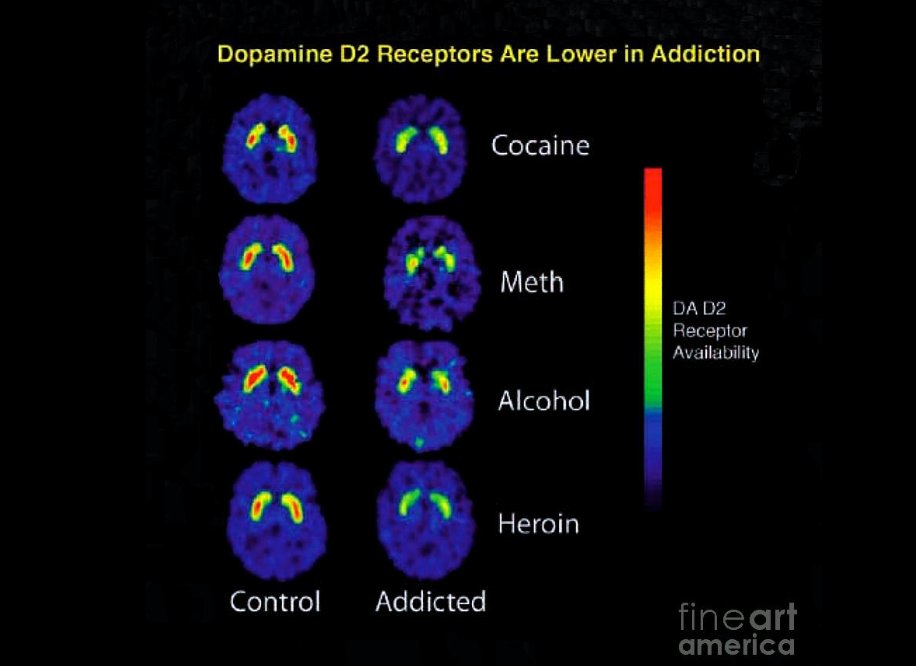
The prefrontal cortex region is still developing during adolescence. This ultimately means that substances have much stronger and longer-lasting effects than they do on adults. Another significant reason is the higher risk of long-term addiction. From the latest research, it has been proven that for a higher adult addiction risk, it begins with some very early substance use. It is more common that if you start getting addicted early, there is a higher chance of getting addicted in a person's adulthood. The earlier a person starts, the greater the risk.
Another major factor in why addiction is bad for adolescents is long-term habit formation. This is a very serious problem where, when an individual recalls a spot where they once were, the brain associates it with substance use and will then do it all over again. Habits are formed by automatic systems in the brain that link to addiction. The more it repeats, the stronger the neural pathway becomes, maturing more quickly than the systems that control impulses. This makes repeated behaviors stick faster. Teen brains are proven to be more “plastic” (they change quite easily). These triggers are created by things like stress, certain friends, and even specific locations that automatically activate cravings. Teen brains are still developing, so at this time, a person's habit-forming systems are extremely active, and the usual control systems that stop them develop later in age. In short, with teens, the control system is much weaker than the system that controls habits. Repeated drug use strengthens neural pathways more quickly than in adults. Habits from youth don’t disappear when a person grows up, and even when an adult has stress, these pathways can reactivate. As a result, this is why early drug use has repercussions such as long-term addiction risk and notably higher relapse rates in adulthood.
But what about how it is caused? It is caused by a chemical compound in the brain, and there are 3 main ones used:
Dopamine Antagonists (DRAs): These kinds of drugs block dopamine receptors and are commonly used in antipsychotics for disorders such as schizophrenia and bipolar disorder.
Dopamine Reuptake Inhibitors: (DAT) This compound blocks the regular action of dopamine transporters, causing an increased extracellular level of dopamine.
Stimulants: Some compounds like amphetamines increase the release of dopamine and prevent its reuptake, affecting receptor stimulation.
To better understand addiction, we can go back to the interview with Craig Hill (Addiction Counsellor), but in early February, I also interviewed a nurse, who is a specialist in the field of Addiction and Mental Health: Neha Walia. They both provided very thoughtful insights. which added to the known scientific research in the brain’s reward system and social influences. I noted some key findings, which include the likes of:
- Peer pressure and Early exposure to substances: both made it clear that starting at youth, from things like FOMO and the pressure to fit in, is what really starts addiction in adulthood.
- The difficulty in saying NO: Addiction is already hard to resist, and with the likes of large dopamine releases, it is very tough to deny it, especially if you are not walking towards a YES.
- Social perception and Stigma: Any person can come from any background, rich or poor, and still could rely on a substance, and it is a common misperception that it is embarrassing and degrading. Stigma makes people believe the wrong ideas, no matter if it is true or not.
Link to the earlier research: Results of the research show that addiction is due to changes in brain functioning (i.e., change in dopamine activity) as well as to the social environment (i.e., peer pressure and stigma). Interviews are also a primary source of data that adds to what we know about addiction.
Data
Ever since the introduction of drugs and other addictive substances, the amount used and the deaths have been slowly increasing every year. This is a major problem, as the first 5 or so years seemed regular, but as time went on, the amount of it started to go up, now it has become a major issue. We don't just see it on the billboards, but we see it everywhere, as shown in the graph above. This problem is growing. Not just that, but due to the growing stage in most early teens and adults, as well as the fact that it has been easier than ever to get hold of these substances. This ultimately leads to more deaths and the loophole of addiction.
Figure 1.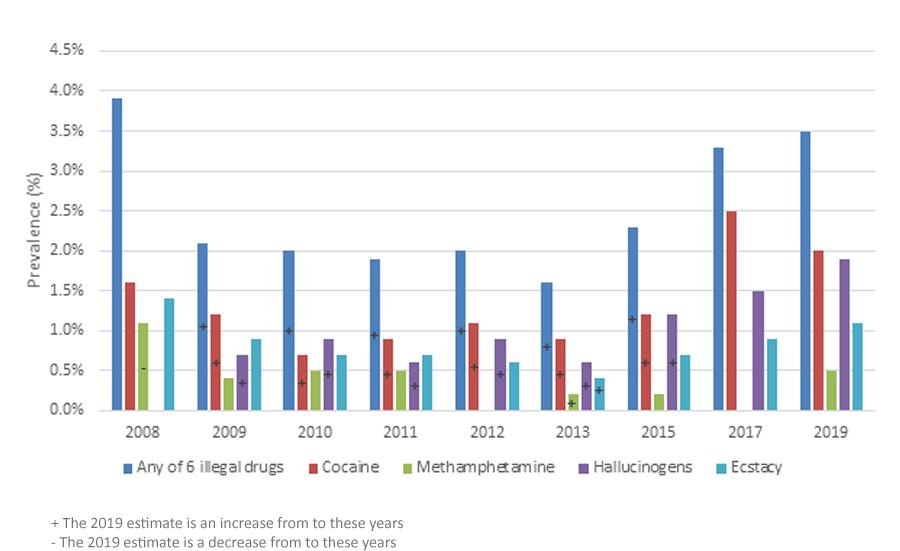
Figure 1. Shows different types of drugs, varying from Cocaine, to Ecstasy. It also shows the amount of reported illegal drug use from the years 2008-2019 in Canada. This specific figure was part of a large scale survey, the Canadian Drugs and Alcohol Survey (CADS) and took place from June to December of 2019. but the Data shows the years spanning 2008 to 2019. In the figure, there was a visible average, around 2% of any 6 illegal drugs; but from 2015 onwards, we see a major increase that keeps going up and up. But, if we see Hallucinogens, from the year 2015 and onwards there was (again) an incredibly larger amount that is still going. On average based of of Figure 1, 2.3 percent of the Canadian population are doing any of the 6 illegal Drugs which translates to around 892,170 Canadians.
Figure 2.
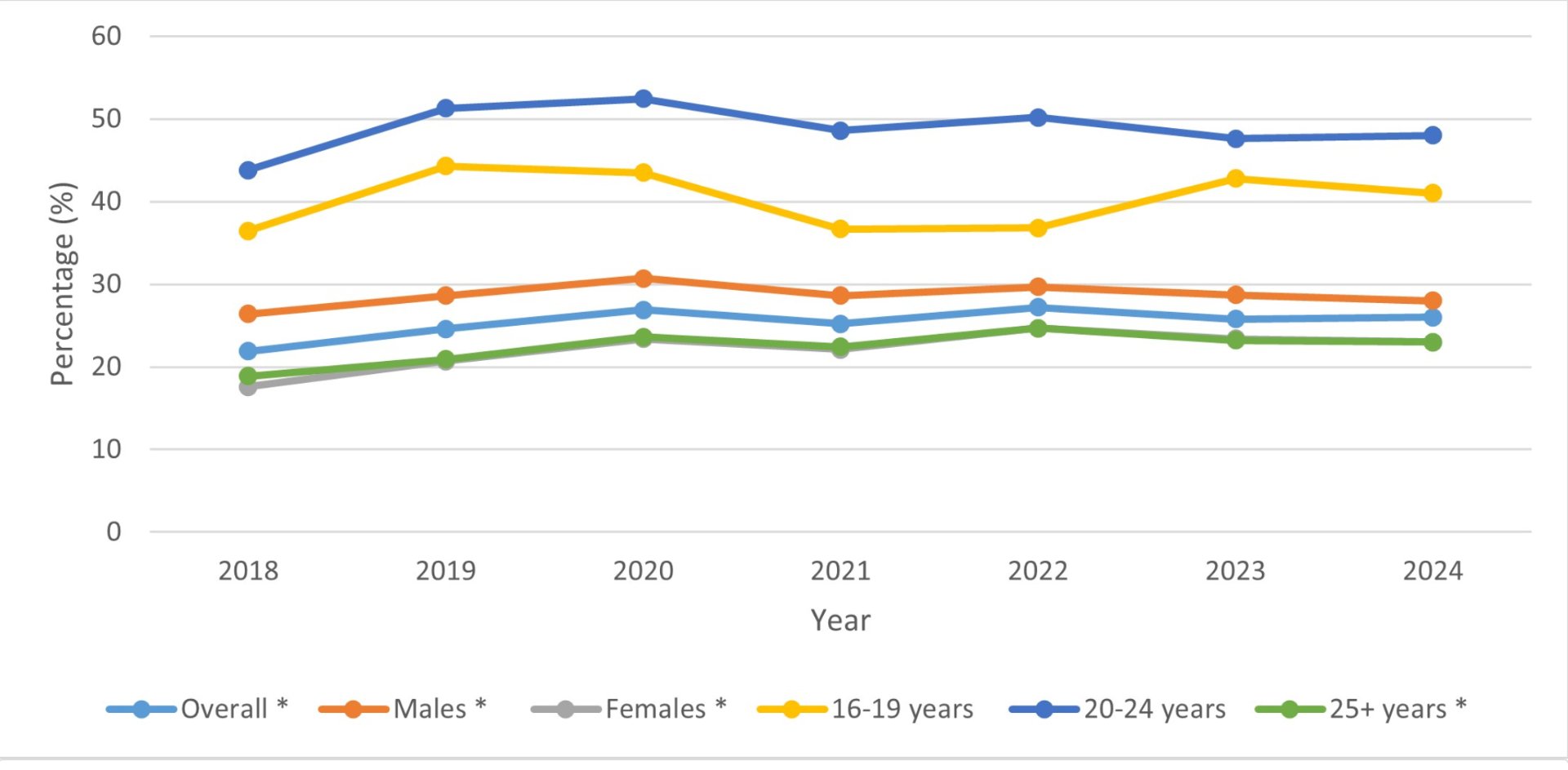
Figure 2. This figure shows the ages and the gender of Cannabis use in the total population in Canada from the years 2018-2024. This graph is based on data from the Canadian Cannabis Survey, which spans the years from 2018 to 2024. This figure is also from the Canadian Cannabis Survey 2024: Summary. As we see in Figure 2, from the graph, we see a common leader between the options, the age group 20-24 are using Cannabis the most, following by the group 16-19, this is concerning, as at such youth, minors and young adults are the leading Cannabis users in Canada. Lastly, we see that males are most prevalent in using drugs, from this information, we can see that early adults are using Cannabis the most which is an unhealthy way to start someone's adulthood life.
Figure 3.
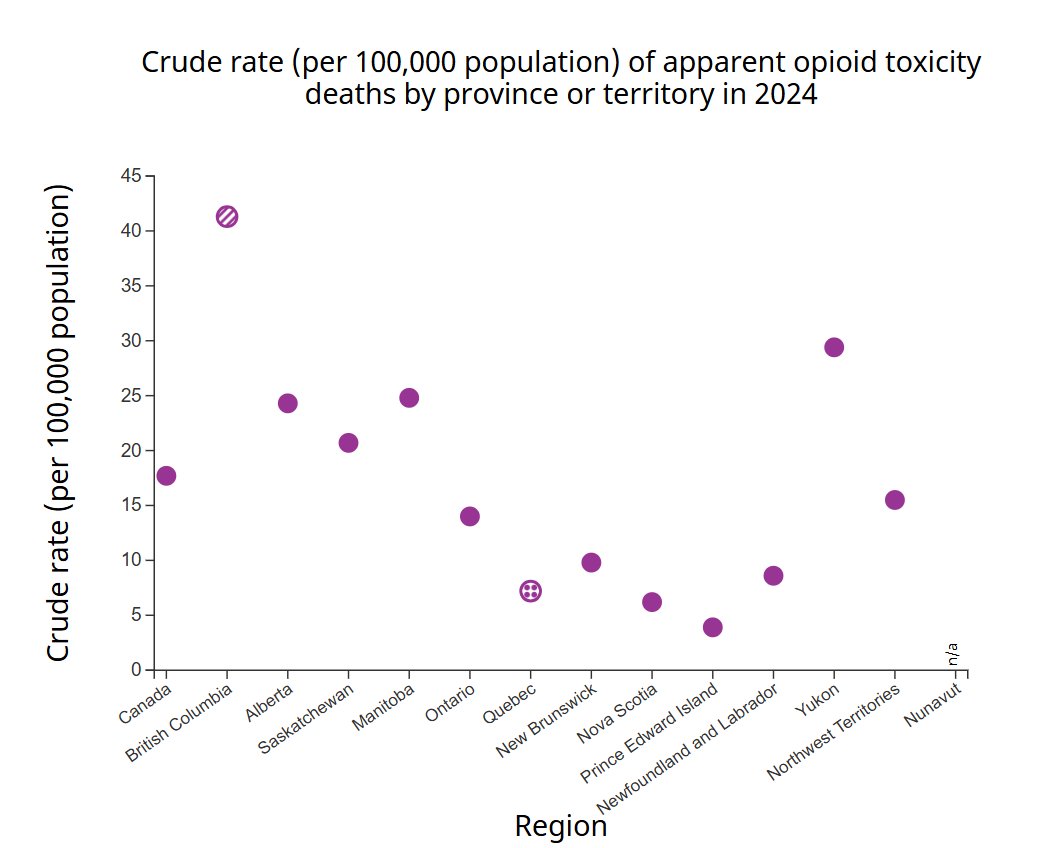 Figure 3. This figure shows the death rate per 100,000 people per population, with all of the biggest Provinces. The Graph's information is research on the year 2024 with specifically Opioid deaths. This Figure is part of a massive scale monitor, to identify which province's have the most Opioid deaths and to inform the public on the current Opioid Crisis. This graph is notably from the Public Health Agency of Canada’s opioid and stimulant-related harms surveillance. This website reviews and creates accurate graphs on Opioid Toxicity deaths per each year by Province or territory. British Columbia is leading in this Figure by a large margin in death rates, there are multiple reasons to this, but one of the major ones is Fentanyl, it has been in B.C. since as early as 2012, by the time other Provinces started the trend an estimated 85% of drug related deaths were detected from Opioid. On average based of Figure 3, roughly 2,200 born in B.C. have died from opioids, and around 7,000 deaths in Canada's total
Overlap Between Figures
As we see in between figures 1 and 2, as the amount of Illegal Drugs increases, the more deaths per year increases, especially across B.C., with Opioid drugs. In figure 1 and 3, there is a slow, but very large increase in drugs over time, along with higher Drug usage, Including larger usage rates seen among younger age groups. Comparing these figures suggests and shows us that the increase in drug use is not isolated, but rather very closely linked to broader and larger public health outcomes, including overdose deaths. The overlap in Figures 2 and 3 suggests that larger drug use among younger age groups could add to the continued increase in opioid-related deaths as seen across several provinces. When Figures 1 & 3 are compared, both of them show that early exposure to drugs can continued to increasing use over time. When comparing Figures 1 and 3, we see it shows an interesting pattern where early drug prevalence use, is linked to regular drug. When all three are analyzed, they show that Drugs are on the rise and still are scene, particularly around the 2010's.
Conclusion
After my thorough and in-depth research, we can conclude that Addiction is not a moral failure or a bad choice — it is a complex brain-based condition that changes how the brain controls decisions, rewards, and self-control. Continuing, we can link this to neuroscience, recent neuroscience research has shown us that addictive substances can create a loop of dopamine, breaking the usual reward system by producing dopamine naturally. This leads to tolerance, increased use, and a cycle that is difficult to break. Age matters, but addiction affects everyone: Teens and young adults are more vulnerable because habit systems develop before control systems. Early patterns can last into adulthood, which is why early education and prevention are critical. Effective solutions must be neuroscience-based, not moral: Education about how addiction affects the brain. Early prevention focused on brain development, not fear. Treatment models such as the Dream Centre that provide structure, identity, values, and community — all of which support brain recovery.
Public stigma conflicts with scientific reality, Survey data shows mixed views — empathy exists, but punishment is still favored. Misunderstanding addiction leads to outcomes like delayed help, social exclusion, and worse recovery outcomes, which puts even more stress on an individual. The interview my dad and me went on continues and gives us a strong support of the essential neuroscience role on addiction: Interviewees described loss of control, repeated behavior despite harm, and difficulty quitting alone. These experiences perfectly match what science shows about prefrontal cortex impairment and reward-system dominance. Personal stories can also be evidence, not just opinions. There is a major disconnection between neuroscience and public perception: Science shows addiction involves entities such as dopamine, brain rewiring, and reduced impulse control. Comparing it with society, we see that they often treat addiction as weakness, danger, or a personal choice. This misunderstanding leads to a stigma that will not vanish until everyone comes together to learn about this misperception.
Future Improvements
Larger and more Diverse Sample Sizes
-
More people and diversity can allow more accurate results
-
We can Compare data varying across different age groups, socioeconomic backgrounds, or regions
-
The U.S. is currently producing most Opioid Data, if Canada and the public collab they can create more Canadian Based Graphs,
More sophisticated and Advanced Neuroimaging techniques
-
For doctors across nations, to commonly combine both PET imaging and FRMI, for improved structural as well as functional comparisons,
-
To develop a non-invasive and lower-radioactive alternative techniques
-
To create a Radiotracer that sticks to dopamine receptors for more accurate and clear pictures of how dopamine works
More Longitudinal Data and Graphs
-
To Track many individuals for 8+ Years
-
To study common relapse patterns, through entities such as Brain Imaging
-
For Neuroscientists, to observe how long-term Brain recovery alterations after long and
-
stable periods of sobriety
An Expansion in Rehab Centres Locations World Wide
- Recovery Models Show us that patents almost always come out not only un-addicted, but also know the consequences and what is next for their life
For improvements within them, testing and comparing the results of which types of Recovery Centres can normalize Dopamine the best. And we can compare medication-assisted treatment vs behavioral therapy outcomes for desirable outcomes Policies from known research to inform the Public on Addiction.
-
Incorporating small classes in all Schools to make Addiction known before it can occur
-
Using real Brain imaging scans as advertisements for reduced Stigma
-
Turning known Brain Science into action or rules to help people, in the Real World
To end my presentation I would like to add a very thoughtful analogy from Craig Hill “Imagine that I invite you to sit on a chair with 3 legs, you would feel happy and would not mind, but if the chairs legs were 3 things, one stood for Connection like family your neighbours and your friends, another leg is purpose, without a purpose you will just float and this is bad and that last is Housing-to go back to where you are familiar with, when you even take away one of these legs what would happen? The whole chair collapses and you fall back into or start addiction.”
Citations
Citations (62 Cites)
Addiction & Brain Research (Neuroscience)
- National Institute on Drug Abuse. What Are the Long-Term Effects of Cocaine Use? https://nida.nih.gov/publications/research-reports/cocaine/what-are-long-term-effects-cocaine-use
- National Institute on Drug Abuse. What Are the Long-Term Effects of Alcohol Use?
- National Institute on Drug Abuse. Understanding Drug Use and Addiction. https://nida.nih.gov/publications/drugfacts/understanding-drug-use-addiction
- National Institute on Drug Abuse. NIDA Notes. https://www.drugabuse.gov/news-events/nida-notes
- Kalivas, P. W., et al. Neurobiology of Addiction. https://www.ncbi.nlm.nih.gov/pmc/articles/PMC3272277/
- Volkow, N. D., et al. Addiction: Beyond Dopamine Reward. https://www.ncbi.nlm.nih.gov/pmc/articles/PMC6135257/
- Koob, G. F., & Nestler, E. J. The Neurobiology of Drug Addiction. https://www.ncbi.nlm.nih.gov/pmc/articles/PMC2851027/
- Hyman, S. E., et al. Neural Mechanisms of Addiction. https://www.ncbi.nlm.nih.gov/pmc/articles/PMC3860451/
- Volkow, N. D., et al. Dopamine and Addiction. https://pubmed.ncbi.nlm.nih.gov/10846155/
- Koob, G. F. Addiction as a Reward Deficit. https://pubmed.ncbi.nlm.nih.gov/12813447/
- National Institute on Alcohol Abuse and Alcoholism. Alcohol and the Brain. https://www.niaaa.nih.gov/publications/brochures-and-fact-sheets/alcohol-and-brain
- NIH News. Brain Imaging Shows Changes in Cocaine Addiction. https://www.nih.gov/news-events/news-releases/brain-imaging-shows-changes-dopamine-cocaine-addiction
- Addiction Education Society. How Does Addiction Take Hold in the Brain? https://addictioneducationsociety.org/how-does-addiction-take-hold-in-the-brain/
- Harvard Health Publishing. How Addiction Hijacks the Brain. https://www.health.harvard.edu/blog/how-addiction-hijacks-the-brain-201609129999
- American Psychological Association. A Brain on Drugs. https://www.apa.org/monitor/2017/09/brain-on-drugs
- Scientific American. Addiction and the Brain. https://www.scientificamerican.com/article/addiction-and-the-brain/
- Psychology Today. How Dopamine Drives Our Addictions. https://www.psychologytoday.com/ca/blog/the-athletes-way/201701/how-dopamine-drives-our-addictions
- Grisel, J. Never Enough. https://www.penguinrandomhouse.com/books/555611/never-enough-by-judith-grisel/
- Drugs, Brain and Behavior. Oxford University Press. https://global.oup.com/academic/product/drugs-brain-and-behavior-9780199735806
- Journal of Biomedical Science. Neurobiology of Addiction. https://jbiomedsci.biomedcentral.com/articles/10.1186/s12929-021-00779-7/
- Frontiers in Psychiatry. Addiction Neurobiology. https://www.frontiersin.org/articles/10.3389/fpsyt.2019.00626/full
- Frontiers in Psychiatry. Reward System Addiction Research. https://www.frontiersin.org/articles/10.3389/fpsyt.2019.00600/full
- Photo of the PET Brain Scan. https://fineartamerica.com/featured/healthy-and-addicted-brains-pet-scans-science-source.html
- Psychology Today. Drugs of Abuse and the Brain. https://www.psychologytoday.com/ca/blog/addiction-outlook/202506/drugs-of-abuse-cause-addiction-through-effects-on-the-brain
- Psychology Today. Is Addiction a Disease? https://www.psychologytoday.com/ca/basics/addiction/is-addiction-a-disease
- NIH PMC Article. Addiction & Neuroimaging. https://www.ncbi.nlm.nih.gov/pmc/articles/PMC6890985/
Canadian Data & Government Reports
- Government of Canada. Opioid- and Stimulant-Related Harms. https://health-infobase.canada.ca/substance-related-harms/opioids-stimulants/
- Government of Canada. Opioids. https://www.canada.ca/en/health-canada/services/opioids.html
- Government of Canada. Apparent Opioid-Related Deaths. https://www.canada.ca/en/public-health/services/publications/healthy-living/apparent-opioid-related-deaths.html
- Alberta Government. Substance Use Surveillance Data. https://www.alberta.ca/substance-use-surveillance-data.aspx
- Alberta Health Services. Substance Use Services Overview. https://www.albertahealthservices.ca/info/Page15469.aspx
- BC Coroners Service. Statistical Reports. https://www2.gov.bc.ca/gov/content/life-events/death/coroners-service/statistical-reports
- Government of British Columbia. Overdose Emergency Info. https://www2.gov.bc.ca/gov/content/overdose
- Canadian Centre on Substance Use. Canadian Drug Summary. https://www.ccsa.ca/canadian-drug-summary
- World Health Organization. Substance Use. https://www.who.int/news-room/fact-sheets/detail/substance-use
- World Health Organization. Health Topics: Substance Abuse. https://www.who.int/health-topics/substance-abuse
- Canadian Centre on Substance Use. Stigma and Substance Use. https://www.ccsa.ca/stigma
- Mental Health Commission of Canada. Stigma Resources. https://www.mentalhealthcommission.ca/English/stigma
- Centre for Addiction and Mental Health. Mental Illness and Addiction Index. https://www.camh.ca/en/health-info/mental-illness-and-addiction-index
- Calgary Dream Centre. Recovery and Support. https://calgarydreamcentre.com/
- Fresh Start Recovery Centre. About Us. https://www.freshstartrecovery.ca/
- Simon House Recovery Centre. Programs & Services. https://www.simonhouse.com/
- Sunrise Healing Lodge. Treatment Support. https://www.sunrisehealinglodge.ca/
- Radiopaedia. Positron Emission Tomography. https://radiopaedia.org/articles/positron-emission-tomography
- Johns Hopkins Medicine. PET Scan Overview. https://www.hopkinsmedicine.org/health/treatment-tests-and-therapies/pet-scan
- Mayo Clinic. PET Scan Patient Info. https://www.mayoclinic.org/tests-procedures/pet-scan/about/pac-20385078
Adolescent Brain Development & Risk
- National Institute on Drug Abuse. Principles of Adolescent Substance Use Disorder Treatment. https://www.drugabuse.gov/publications/principles-adolescent-substance-use-disorder-treatment
- National Institute of Mental Health. The Teen Brain: 7 Things to Know. https://www.nimh.nih.gov/health/publications/the-teen-brain-7-things-to-know
- American Academy of Child and Adolescent Psychiatry. Substance Use in Adolescence. https://www.aacap.org/AACAP/Families_and_Youth/Facts_for_Families/FFF-Guide/Substance-Use-in-Adolescence-062.aspx
- Society for Neuroscience. Brain Development in Adolescence. https://www.sfn.org/education/brainfacts
Canadian Surveys & Figures
- Health Canada. Canadian Drugs and Alcohol Survey (CADS) 2019. https://www.canada.ca/en/health-canada/services/canadian-drugs-alcohol-survey.html
- Health Canada. Canadian Cannabis Survey 2024: Summary. https://www.canada.ca/en/health-canada/services/canadian-cannabis-survey.html
- Public Health Agency of Canada. Opioid- and Stimulant-Related Harms in Canada 2024. https://health-infobase.canada.ca/substance-related-harms/opioids-stimulants/
- Statistics Canada. Substance Use Statistics. https://www150.statcan.gc.ca/n1/en/type/data?MM=1
Primary Data / Interviews
- Karanwal, V. (2026). Addiction perception survey (Google Forms). Unpublished raw data.
- Hill, C. (2026, December). Personal interview.
- Walia, N. (2026, February). Personal interview.
Additional Peer-Reviewed Articles (Reward System / Addiction)
- Volkow, N. D., Koob, G. F., & McLellan, A. T. Neurobiologic advances from the brain disease model of addiction. https://www.nejm.org/doi/full/10.1056/NEJMra1511480
- Everitt, B. J., & Robbins, T. W. Drug addiction: Updating actions to habits. https://www.annualreviews.org/doi/abs/10.1146/annurev-psych-010213-115157
- Crews, F. T., et al. Adolescent brain development and vulnerability to addiction. https://www.sciencedirect.com/science/article/abs/pii/S0091305707001916
- Spear, L. P. Adolescent neurodevelopment. https://www.sciencedirect.com/science/article/abs/pii/S1878929312000085
- Goldstein, R. Z., & Volkow, N. D. Dysfunction of the prefrontal cortex in addiction. https://www.nature.com/articles/nrn3119
Acknowledgement
I would like to sincerely thank the following people who helped me with my project along the way:
- The Calgary Dream Center
- Mr. Craig Hill - CEO at the Calgary Dream Center.
- Mr. Erick, Mr. Justin & Mr. Thomas - Rehab patients at the Calgary Dream Center, as well as my interviewees
- Ms. Neha Walia - Nurse in the Field of Addiction and Mental Health
- Mrs. Peters - My teacher at the STEM Innovation Academy
- My Peers from my School
- Both of My Parents
- Ishana Karanwal - CYSF Plaque Holder, and my sister at the UoC
- Aanya Karanwal - CYSF Bronze medal holder and my sister
I was able to improve my research, comprehend the science underlying my topic better, and confidently and clearly communicate my findings thanks to their direction, thorough feedback, and encouragement throughout my project. Additionally, I am profoundly appreciative of the encouragement and motivation that my parents and family provided, which motivated me to elevate my work and strive for excellence in this project. Lastly, I would like to extend my gratitude to the science organizers and judges for facilitating this exceptional opportunity. I am proud of the effort and learning that went into this project and excited about the chance for this project to help society in any way possible.