
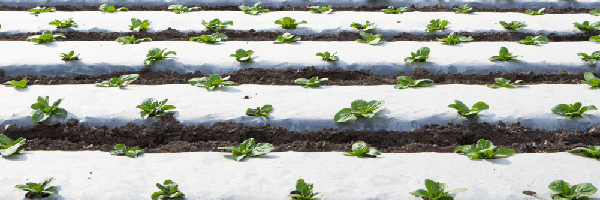
Bye-Bye Plastic Mulch!
Gayatri Sakharkar
STEM Innovation Academy Jr. High SW
Grade 9
Presentation
Problem
Abstract
The introduction of novel entities has far passed the determined planetary boundary, a novel entity of focus has been micro(nano)plastics. One of the main sources of micro(nano) plastics in the body is from food. After entering the body, various complications can occur. For example, research has found that micro(nano)plastics have a tendency to accumulate in the brain. One of the main ways that microplastics are entering plant systems is from plastic mulching in soil. Though many biodegradable alternatives are emerging, recent studies have found them to leach harmful or under researched substances that creates a risk of pollution swapping. The objective of this project is to develop a toxic-leachate free film by forming a biodegradable mulch film using the biopolymers and food waste. In leachate toxicity tests, the film found to have limited
Problem
Microplastics are widely defined as fragments of plastic between the sizes of 1 nanometer and 5 millimeters. Most microplastics arise from the slow disintegration of larger plastic products such as packaging, polyester clothing, and artificial turf. Due to their persistence and the widespread use of plastics, microplastics have become ubiquitous in nature. In 2020 alone, an estimated 2.7 million tons of microplastic entered the environment.
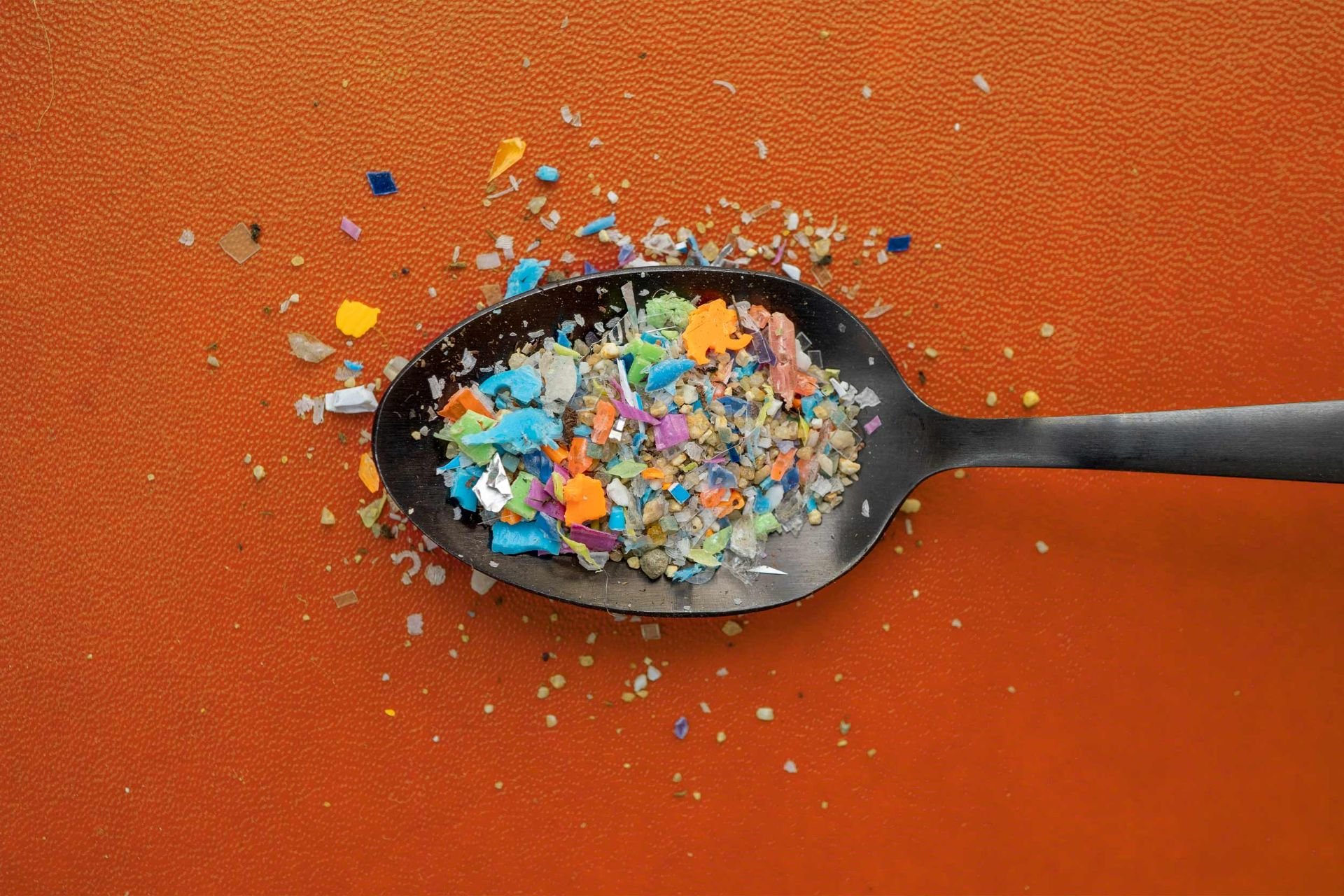
The problem arises as microplastics enter the human body through dermal contact, inhalation, and ingestion. A study conducted in 2019 estimated that an average human can consume up to 52 000 microplastic particles every year. Beyond direct human exposure, microplastics are still posing to be harmful. Micro(nano)plastics are increasingly being found in agricultural soils, posing additional concerns about the impact on human health, crop yield, and soil health.
Furthermore, Research indicates that the accumulation of microplastics in soil can negatively affect plant growth and reduce soil fertility, ultimately hindering agricultural yields. One of the primary contributors of microplastic pollution in agricultural soils is from plastic mulching. Though these films do have extensive benefits for the soil such as retaining moisture and preventing weed growth, they can break down to form tiny plastic particles.
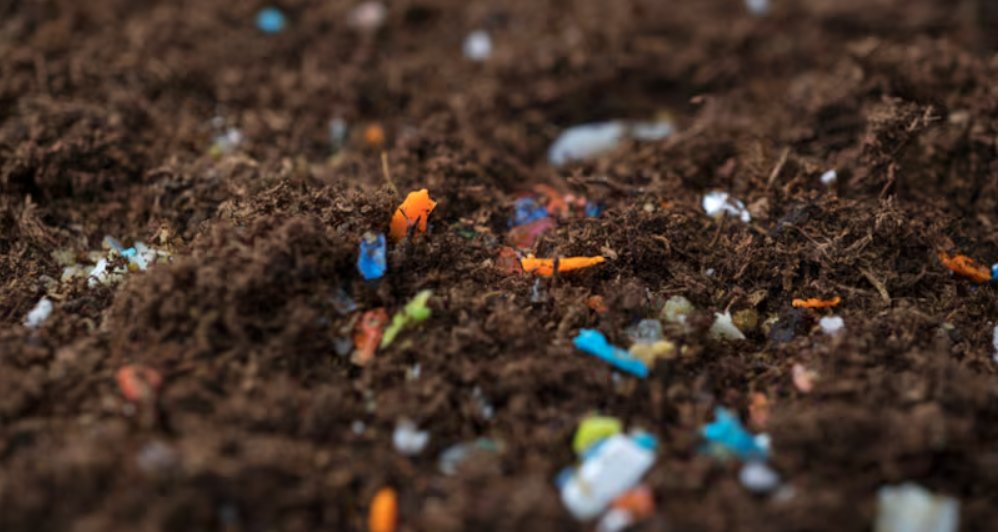
Though biodegradable mulching has emerged, recent research has brought forward concerns of toxic leachates found in these films during their degradation. As a result, there are no conventionally available options of mulching that can be applied without producing microplastics or leaching harmful substances. This highlights a critical gap in sustainable agriculture practices, showcasing a need for a safer, non-toxic alternative.
Objective
The objective of this project is to develop and evaluate a biodegradable agricultural film that minimizes toxic leachates while maintaining performance comparable to commercially available biodegradable and conventional plastic mulching films.
Objective 1: Minimizing harmful leachates
The developed biodegradable film must produce safe, non-toxic leachates, minimizing harm to soil health, plant growth, surrounding ecosystems, and human health. This will be assessed through thorough leachate testing on seed germination.
Objective 2: Similar effectiveness to commercially available biodegradable films
The developed biodegradable film must demonstrate similar effectiveness to commercially available biodegradable and plastic mulch films. Performance will be assessed against commonly available films (polyethylene films) under controlled conditions. The developed biodegradable film will be considered successful if its measured “effectiveness” meet or exceed those of commercially available plastic and biodegradable mulch films, or fall within a maximum deviation of 10% where trade-offs are necessary. As part of objective 2, the following attributes will be assessed:
- Physical properties
- Mechanical properties
- Cost
- Weed suppression
Literature Review
The nine planetary boundary framework identifies 9 processes for the Earth system to stay stable. Novel entities have entered the high-risk zone. New chemicals are entering the Earth yearly and disrupting natural ecosystems. Novel entities are defined as truly novel anthropogenic introductions. These entities are introduced quickly without thoroughly considering all the consequences. However, they can have terrible impacts, as seen with DDT and chlorofluorocarbons (CFCs). This means the only way to implement a novel entity safely is by evaluating all aspects and potential harm. There are a variety of chemicals that are considered novel entities, but microplastics particularly stand out due to their rapidly increasing numbers.
Microplastics are plastics smaller than 5 millimetres. Current technology doesn’t allow us to accurately quantify population-level microplastics or how much they accumulate in bodies or the impacts on health. However, human cell and animal testing is increasingly alarming many.
From trash, dust, cosmetics, cleaning products, to even human breast milk and meconium, an infant's first feces, microplastics are being encountered everywhere.
Though the impacts of microplastics are not fully understood, there is some known information:
- Nanoplastics, plastics snakker than 1 micrometer, pose even greater worries to scientists as they cna infiltrate celss.
- In cell cultures, marine wildlife and animals show that microplastics can lead to cell damage, oxidative stress, and DNA damage.
- Studies in mice shows the impacts of microplastics on reproductive health as well.
All this information is extremely alarming, showing risks for terrible impacts to human health.
micro(nano)plastics MNP are increasingly being found in agricultural soils, posing concerns about the impact on human health, crop yield, soil health, and more. Though research is still limited, the impacts of (MNPs) on plants are generally found to be negative. It is also very difficult to understand the effects of MNPs due to their extremely small size. In 2021, a study was done on polystyrene nanoplastics and their impact on the physiology and molecular metabolism of corn. It was found that after 15 days of exposure, the photosynthetic characteristics remained stable. The maximum photochemical quantum yield and non-photochemical quenching coefficient were stable. However, the root microstructure was damaged, and an antioxidant enzyme was activated. Additionally, malondialdehyde (MDA) increased by 2.25-4.50 fold. MDA is an enzyme that is formed after lipid peroxidation. This enzyme is a marker of oxidative stress. And the 100nm + 300 nm polystyrene nanoplastics caused an increase in activity of the root superoxide dismutase (SOD) by 1.28 and 1.53 fold, respectively. These statistics continue to demonstrate the harmful impacts of MNPs on plant health.
Another study in 2023 reviewed nanoplastic uptake, toxicity, and detoxification and made fascinating observations. Firstly, uptake was done through apoplastic and symplastic pathways through the process of transpiration. Responses include:
| Physiological Responses |
|---|
| Morphological Responses |
| Biochemical Responses |
It is evident that microplastics not only pose threats to human health but also crop yield, having the potential to impact people on a global scale.
Most MNPs enter agricultural soil through irrigation or mulch filming. Mulch provides many benefits to the soil, such as water security, weed control, and temperature control. And more. Considerable field measurements show that plastic mulch raised crop water use efficiency by 40-85%. The application of plastic mulch also reduced the use of water by 30-45% while maintaining high soil moisture. This shows the application of mulching in water conservation in areas with scarce water. Plastic mulch suppresses soil evaporation by 42-47% in a maize field, which can also help prevent extreme precipitation from evapotranspiration, a form of precipitation accounting for 42% of extreme precipitation.
Furthermore, another study found that temperature was modulated by 4-5 degrees Celsius, with the colour of mulches impacting temperature. With different colours resulting in different temperature differences. White/reflective mulches kept the soil cool, black mulch raised the temperature, while clear mulch raised the temperature the most.
Not only can the colour of mulch films control temperature, but by using colours, yield can also be increased. Phytochrome is a protein in plants which is able to sense light. It exists in two forms: Pr (absorbing light) and Pfr (absorbing far-red light). When Pr is activated, the flower puts energy into creating the flower, while Pfr causes the plant to spend energy on leaning towards the light source. This concept can be used to increase yield. For example, red plastic mulch generated around 20% more tomatoes in certain trials. This proves how the plastic mulch film affects the microclimate of a plant.
Studies in China saw that there was roughly 15-50% more yield where cotton was mulched.
To address the microplastic problem, many biodegradable mulch films (BDMs) have arisen in the market. However, BDMs are being observed for having a higher leaching potential of inorganic and organic additives. These additives can easily leach into the environment as they are not chemically bound, and they either have negative impacts on crops or humans or are underresearched. This poses the risk of pollution swapping. An evaluation done on BDMs in 2025 found that 37% of known compounds met no hazard criteria, 24% were of concern/potential concern, and 39% had insufficient research. There is a concern that these unknown additives may enter the food chain or freshwater bodies. There is also an increasing discovery of additives, such as phthalates, which act as endocrine disruptors.
BDM additives of high concern must be replaced with safe alternatives. Chemicals should also be thoroughly assessed before being put into any environment. Carbon-rich mulches such as straws, hay and sticks can also cause too much moisture. Furthermore, there is also the potential of nitrogen immobilization due to microbes utilizing nitrogen to decompose carbon-rich mulches. Paper mulches, however, decompose too fast.
Additionally, there aren’t good laws for biodegradable mulches either. The most strict standard is the EN 17033, a European standard used for biodegradable mulches. It is the most rigorous evaluation, but even this standard falls short as it doesn’t take into account substances or additives that are underresearched. This indicated that even the “best” mulches may pose threats to soil quality, crop yield and human health.
Fruit pomace and crustacean is a byproduct of fruit processing and despite being rich in polysaccharides, it is often wasted. According to the food and agriculture organisation of the UN, 130 million tons of food are wasted each year. This includes processing byproducts such as fruit pomace. However, this waste contains valuable biopolymers that can be applied to replace petroleum-based plastics as an eco-friendly, biodegradable solution.
Pectin has been a biopolymer of focus and it is abundantly present in fruit pomace. But alone, it doesn't have good mechanical strength. So, scientists are experimenting by creating compound substances with pectin and other biopolymers. Chitosan, another common biopolymer in food waste, is excellent in film forming.
Classification of Polysaccharides
| Pectic Polysaccharides | Pectin forms the primary component of plant cells. It can form gels and films. It is known to be biocompatible and has tunable barrier properties. |
|---|---|
| Cellulose derivatives. | It is the most abundant renewable resource. Natural cellulose is difficult to dissolve and process. Nanocellulose can increase tensile strength and oxygen barrier properties. It is also hydrophilic. |
| Chitin-derivatives | Chitin is extracted from shrimp, crab shells and insect exoskeletons (crustaceans). It is the second most abundant biopolymer. A limitation is that it takes lots of energy to form. |
Fruit pomace polysaccharide extraction:
- Physical methods are known to be environmentally friendly and efficient. Examples include:
- Ultrasonic-assisted extraction (UAE) disrupts cell walls with intense mechanical shear forces and turbulent effects.
- Microwave-assisted extraction (MAE) uses dipole radiation and ionic conduction of polar molecules, generating rapid volumetric heating.
- Biological methods include:
- Using enzymes provides extremely reliable technical support for efficient pomace extraction.
- The barrier of enzyme utilisation is:
- Cost
- Optimization in efficiency parameters:
- Enzyme hydrolysis process
- Fermentation process
- Technology integration
- Novel solvent systems
- They open a path-way for green extraction.
- Novel solvents include deep eutectic solutions
- Future research can look into:
- Precise design of DES structures for tailors solvents for specific polysaccharides
- Creating hybrid techniques with physical or biological techniques.
Film forming methods:
- Solution casting: produces uniform films with solution casting and volatilization drying
- Extrusion blowing: where molten biopolymers are shaped through blowing air.
- 3-D printing technology
- Electrospinning: the formation of a fibre with an applied electric current.
- Layer-by-layer assembly (LBL): this technique involves alternating deposition of oppositely charged polysaccharide molecules.
To enhance films, blending technology has become a crucial method for preparing polysaccharide-based films. Multicrossliking helps to improve mechanical properties, biocompatibility, and degradability. Incorporating nanomaterials such as cellulose nanofibres and metal-oxide nanoparticles can improve mechanical properties as well as barrier and functional characteristics. Cross-linking modification involves adding chemicals, heat, or light to make long chains of sugar bond together, This process also creates strong films.
Biopolymers are increasingly being studied for their possibility to become a biodegradable replacement to traditional plastics. A polymer is a macromolecule made of repeated units known as monomers. Biopolymers are natural polymers derived from living organisms. Examples include’ DNA, RNA, proteins, cellulose, chitin, scratch, and more. As a renewable resource, it prevents the exploitation of fossil fuels and provides a way to reduce the negative impacts on Earth. However, the adoption of biopolymers has remained relatively scarce due to some barriers:
- They are brittle, being prone to cracking and breaking,
- Instability in heat.
- High permeability to water vapour and oxygen.
- Low melt strength
Common biopolymers include:
| Polylactic acid (PLA) | It is the most commonly used biopolymer. They are compostable in industrial settings and have high mechanical strength, low toxicity, are resistant to wear and tear and stable under UV. It is also gas and vapour-permeable. |
|---|---|
| Polyhydroxyalkanoates (PHA) | It is produced by microorganisms and is sustainable for food packaging. However, they have a high cost. |
| Polybutylene Adipate terephthalate | They are flexible and permeable, but they need to be composted in an industrial setting. |
| Polycaprolactone (PCL) | They are hydrophobic and have a low melting point. Its properties can also be enhanced with coatings. |
Pollulan
Pullulan is a polysaccharide made of maltotiose units. It is produced with a simple fermentation process involving fermentation with certain feedstock made with sugars. Pullulan can also be made to be partially or fully soluble in water or even insoluble. This can easily be chemically altered. Pullulan can also be used as a flocculent. Pollulan exhibits oxygen barrier properties, acting similarly to polystyrene (styrofoam).
Pollulan is a tasteless, odourless, white powder. As it is slowly dissolved in the human body, pollulan should be taken in small amounts.
| Pullulan Structure |  |
| ------------------ | --- |
|
|
| ------------------ | --- |
|
Electrospinning
Electrospinning is a voltage-driven electric fabrication process. It is a phenomenon where nanofibres are created from a polymer solution.
| BasicElectro-SpinningSetup | 
| Source |
|---|
Effects of Solution Parameters
| Viscosity | Higher viscosity encourages polymer chain entanglements. Lower viscosity causes electrospraying. |
|---|---|
| Conductivity | Solutions with higher conductivity create bead-free formulas. It is important to assess the impacts of additives on conductivity. |
| Solvent Selection | The solvent should completely evaporate during the electrospinning process. A solvent with too low a boiling point can clog the needle. A solvent with low vapour pressure can be selected. Fibre diameter can also be lowered with solvents with lower boiling point. Low conductivity, resulting in a higher diameter. The opposite relation applies for vapour pressure/dielectric constant. |
The spinning process begins when an electrical field is created between the needle and the collector. The positive voltage is applied to the needle, and the negative voltage is applied to the collector. The closer the needle is to the collector, the less time the solvent has to evaporate. So, though the distance must be balanced, the nature of the electrospinning device can help with binding. The flow rate must remain stable to maintain Taylor's cone. The flow rate also impacts deposition density (slow means thicker, fast means thinner) and fibre size. Blunt needles are typically used, but in general, the more viscous the solution is, the more blunt the needle should be. The collector also influences the final product. A flat plate results in randomly placed fibres, and a rotating drum results in random or aligned products. There are also more options for specific applications. Furthermore, people may also choose conductive metal for the collection substrate or even a compound substrate for easier removal.
The environment also impacts humidity, which in turn impacts viscosity, solvent evaporation and fibre quality. Air flow improves solvent evaporation and prevents defects. Gas-assisted/hot air spinning can reduce clogging and stabilise clogging. Blow spinning is also emerging as an alternate method for electrospinning.
Solution blow spinning (SBS) is a portable and conformational device. It allows for fibre formation or deposition on many substrates. There are also far fewer essential guidelines. SBS fibres are more porous but electrospinning offers greater tensile strength due to creating low fibre diameters. Also, SBS fibres have fewer fibre bundles.
Alginate
Alginate is a biomateral being applied in a variety of fields include wound healthin, tissue engineering, drug delivery, and various hydrogel applications. Derived from brown seaweed, it is known for its biocompatibility, low toxicity, and relatively low cost. It also offers mild gelation after the addition of the cation, Ca^2+ (calcium ion). It is extracted by treatment with aqueous alkali solutions, comonly NaOH. The extract is filtered and either sodium or calcium chloride is added to percipitate alginate. Alginate salt can be transformed into alginate acid by adding dilute HCI. After purification and conversion, water-soluble alginate powder is formed. Alginate is degraded by the enzyme, alginase. Alginate gels (hydrogels) have very limited mechanical stiffness on their own so it is common to include other compounds such as nanoparticles for mechanical strength.
Sodium alginate can be a strong adhesive for metals but it must be dry and cover the whole surface area. Adhesion is stronger after drying, in this study, it was stronger at 48hrs rather than 6-24 hours. Alginate bonds are strong even in high temperatures but bonds weaken upon exposure to water. Light sanding the surface is essential for strong adhesion.
Sodium alginate also performed better than other biopolymers and similarly to standard metal adhesives. Other biopolymers are also water soluble and their bonds weaken upon contact with water.
Cellulose
Cellulose is the most abundant biodegradable polymer. It can be derived from renewable and even waste sources. Cellulose has been getting immense recognition due to their excellent potential in wound dressing, filtration and clothing. Cellulose faces challenges into being electrospun as there are not many solvents that can be used with this substances.
Cellulose is a carbon rich material. Cellulose can be extracted from paper such as old newspaper or office waste paper. This is done by removing all undesired elements such as ink or contaminants. Cellulose is separated from paper pulp through floatation or washing. Deinking agents are then used for further purification. Cellulose may also be extracted from waste fabric. Other sources of cellulose include pineapple leaves and carrot peels.
Pectin
Pectin, found in almost all plants, contributes to the cell structure. Pectin is a high-molecular weight carbohydrate polymer. The name pectin originates from a Greek word, ‘pektos,’ meaning firm and hard, showcasing pectin’s ability to form gels.
Pectin is especially found in the rinds of citrus fruits and apples. It is a gelling agent, contributing to the solidification of jams.
Vegetable Glycerin
Vegetable glycerin or glycerol is a clear liquid commonly made of soybean, coconut, or palm oils. It is odorless and sweet-tasting, often used as a sweetener, preventing excessive blood sugar. Vegetable glycerin is also used in the cosmetic industry, able to moisturise the skin. Furthermore, vegetable glycerin can provide a strengthened gut.
Vegetable glycerin is obtained from plant oils. It is believed to be discovered by accident when a mixture of olive oil and lead monoxide was heated. However, it became economically significant after its application in dynamite in the 1800s. Vegetable glycerin is made by heating triglyceride-rich vegetable fats (such as palm and coconut oils) under pressure or with a strong alkali. In this reaction, glycerin is split away from the fatty acids and is mixed with oil, forming the odorless, slightly sweet liquid we know today.
Glycerin has many benefits and applications. It is said to improve skin moisture and reduce constipation. It may also boost hydration and, in turn, athletic performance. However, with excessive amounts, it can lead to headaches, dizziness, diarrhea, and vomiting. Also, some may face allergic reactions to vegetable glycerin as well.
Extracting Materials Through Waste
| Purpose | Material | Method |
|---|---|---|
| Film-forming | Pectin | Pectin can be extracted from citrus peels using the following method:
|
| Reinforcement | Cellulose | Paper is already mostly cellulose, using simple purification methods using a weak acid, we gain cellulose using this method:
|
| Potential plasticizer | Lignin | Lignin is useful as it can serve as a secondary plasticizer for the film. One source of lignin from waste is from cardboard. The following method may be followed to extract the lignin:
|
| Film-forming | Startch | Extracted from potato peels. |
| Cross-linking | Calcium Acetate | Calcium acetate is derived from eggshells and acetic acid, following this process:
|
| Plasticizer | NADES substance | Sugar syrup from banana peels and sodium acetate:
|
| Hydrophobic layer | Banana wax | Wax is naturally found on bananas. This wax will be obtained through dissolving it in acetone. This will remove other compounds such as dye. However, this does not negatively impact this project. The banana wax will be extracted with the following method:
|
What are NADES?
Deep Eutectic Solvents (DESs) are a eutectic mixture (substances with two or more components with the lowest possible melting point) composed of a hydrogen bond donor (HBD) and a hydrogen bond acceptor (HBA) combined at a defined molar ratio. Typically, Natural Deep Eutectic Solvents are aqueous mixtures of HBAs and HBDs obtained from natural sources. This makes NADES more environmentally friendly than traditional organic solvents. Examples of HBAs and HBDs are listed in the table below:
| HBA | HBD |
|---|---|
| Choline chloride (ChCl) | Amino acids |
| Organic ammonium | Polyols |
| Fatty acid (can act as both in some cases) | Organic acids |
| Alcohol → using glycerin in a NADES substance will reduce the required amount of glycerin, making the film cheaper | Sugars → glucose/fructose from pineapple peels |
| Citric acid → adding it here will make it so that I don’t have to add it anywhere else | |
NADESs are known for their ease of preparation. They can be made by heating/stirring or grinding compounds until a clear liquid is produced. This can also be done by combining, dissolving in water, and freeze drying. They also have adjustable properties, having variable components. NADES may be used to extract bioactive compounds from agri-food and marine biomass.
NADESs are advantageous for biopolymer-based films due to their biocompatibility and biodegradability. They have excellent solubility with polysaccharides. Being able to adjust the degree and bonding of hydrogen films, the application of NADESs can create a plasticizing effect. For example, in a chitosan-based film, though the addition of NADESs did reduce stiffness and tensile strength, attributes such as flexibility and water barrier properties improved. To improve water resistance when using hydrophilic NADESs, composite films using hydrophobic materials can be made. The addition of bioactive ingredients such as polyphenol from pomegranate peels can also benefit the soil.
Sugar and Sugar-Alcohol Eutectic Mixtures
NADES are often diluted in water, these types of NADES should be described as ternary NADES. When substances are hydrated, the eutectic ratio may not be maintained. A common NADES ratio of choline chloride and glycerol is 1:2. Glycerol to glucose ratios are often 2:1.
What is FTIR-ATR?
Fourier Transform Infrared Spectroscopy (FTIR) is an analytical chemistry method which works by determining what functional groups are present through the vibration of molecules after being exposed to infrared light. Attenuated total reflection (ATR) is a sampling technique that allows one to analyse samples directly in a liquid or solid state, reducing sample preparation. ATR works by sending an infrared wave at a particular angle onto the crystal. Then, the light bounces and creates evanescent waves. Molecules within the sample absorb certain frequencies of these waves and this information is carried out to the other side.
Method
Note: pictures and many tables could not be properly uploaded to the platform, please view the extra attachment or log book for further details.
Method
Section 1: Parameters to Assess
Two main objectives were defined:
| Objective #1 | Objective #2 |
|---|---|
| Minimizing harmful leachates |
| Similar effectiveness to commercially available biodegradable films |
In objective 1, the goal is to create a film that minimizes harmful leachates entering the soil. The performance in this aspect will be measured using bioassay analysis on seed germination. This will be done by the following steps:
- Leachate Extraction
- Purpose: Attain leachates front the film for evaluation
- Method: the developed film as well as the conventional biodegradable and plastic mulch will be kept in deionized water for 24 hours, leaving a leachate solution.
- Leachate Testing
- Purpose: Set up tests to determine the toxicity of the mulch film’s leachates.
- Method: The leachate solution will be added to a paper towel with mustard seeds inside.
- Leachate Toxicity Analysis
- Purpose: Analyse impacts on biological factors.
- Method: The rate of germination of each seed will be analysed.
In objective 2, the goal is to create a film that performs as similarly as possible to commercially available biodegradable and plastic mulch films. The performance in this aspect will be measured through mechanical & physical properties, cost, durability, and weed suppression. The developed biodegradable film will be considered successful if its measured “effectiveness” meet or exceed those of commercially available plastic and biodegradable mulch films, or fall within a maximum deviation of 10% where trade-offs are necessary. This will be done by the following steps:
- Physical Properties
- Light Transmittance (Optical Transparency) Test
- Purpose: Measure how much light passes through the film.
- Method: The amount of light passing through the film will be measured using a phone lux meter and compared to ambient light without the film (percentage of light transmission).
- Thickness Measurement
- Purpose: Determine film thickness.
- Method: Thickness will be measured using a ruler at multiple points and averaged.
- Mass per Unit Area (Grammage Measurement)
- Purpose: Measure material usage per area.
- Method: Film mass will be measured using a weighing scale, and area will be estimated to determine mass per unit area (g/cm²).
- Bulk Density Estimation
- Purpose: Estimate material compactness.
- Method: Density is calculated by dividing mass by estimated volume (thickness × area).
- Water Permeability (Short-Term Water Transmission Test)
- Purpose: Assess water permeability.
- Method: A fixed volume of water (10 mL) is placed on the film, and the amount of water transmitted through the film in 60 seconds is measured.
- Light Transmittance (Optical Transparency) Test
- Mechanical Properties
- Flexibility / Elongation Under Load Test
- Purpose: Evaluate film flexibility.
- Method: The amount of stretching under 2kg of force will be measured.
- Tensile Strength (Breaking Load) Test
- Purpose: Measure resistance to pulling forces.
- Method: The amount of weight required to cause the film to break will be measured.
- Stiffness (Bending Angle Test)
- Purpose: Assess resistance to bending.
- Method: The overhang length required to bend a 2 cm x 8 cm section of the film to a 45-degree angle is measured.
- Tear Resistance Test
- Purpose: Measure resistance to tearing once a tear is started (tear propagation).
- Method: The weight required to continue a tear.
- Puncture Resistance Test
- Purpose: Assess resistance to puncture.
- Method: The weight required to puncture the film is measured.
- Flexibility / Elongation Under Load Test
- Durability
- UV Exposure Stability Test
- Purpose: Assess resistance to ultraviolet degradation.
- Method: Films will be exposed to a UV source for 24 hours. The films will be visually and mechanically evaluated.
- Thermal Stability Test
- Purpose: Assess resistance to temperature extremes.
- Method: Films are exposed to hot and cold conditions for 24 hours. The films will be visually and mechanically evaluated.
- UV Exposure Stability Test
- Cost
- Material Cost Analysis
- Purpose: Estimate economic feasibility, indicator of applicability.
- Method: Cost of raw materials will be calculated. Manufacturing costs will not be included as it can vary significantly due to variability in industrial processes.
- Material Cost Analysis
- Weed suppression
- Bioassay
- Purpose: Evaluate effectiveness in preventing weeds.
- Method: Films are applied to soil, and time to weed germination and growth is compared across treatments.
- Bioassay
In summary, the developed film should not only have negligible leachate toxicity but also perform similarly to traditional PE (polyethylene) mulch films.
Section 2: Developing the Film
Above is a proposed design for the BDM. Many biopolymers are vapour and gas-permeable. Although gas permeability is important for soil aeration and microbes, vapour and condensation should be trapped for the plants. So, the plan is to create a bi-layer mulch film with a biopolymer layer on top and a hydrocolloid layer below to trap vapour.
Unfortunately, due to the inability to access an electrospinning apparatus, the design was changed in order to work with the method of solution casting. In order to have a basis on which to design the film, a simple biopolymer film was created. This film was made of cellulose, pectin, and glycerin. The only aspect varying from each film was the amount of glycerin (amounts of glycerin are: ¼ tsp, ½ tsp, and ¾ tsp). Below are daily observations from the film creation.
Film Creation: Take 1
Design
The film will be created with cellulose, pectin, and glycerin. This film will definitely not fulfil all requirements. However, it will serve as a basis to design better films. The plan is to evaluate the physical and chemical properties of the preliminary pectin/cellulose film.
Pectin and cellulose were chosen as they are both easily accessible. Being one of the most commonly wasted biopolymers, using pectin can provide a unique “waste management” aspect to this film. Vegetable glycerin will serve as a safe, natural plasticizer.
The film will be created using the solution casting method. The biopolymer solution will be poured on an aluminum foil lined yogurt lid. Then, it will be completely dried over 48 hours.
Predictions for the preliminary film:
- I expect it will have a jelly-like texture.
- It will not be as strong as the LDPE film.
- It will be clear in colour.
- It will be thicker than the LDPE film.
- The film will be uniform with minimal or no holes.
Observations
Qualitative Observations
| While Making The Film |
|---|
| Day 1 |
| Day 2 |
| During Testing |
Quantitative Observations
|| Thickness | Lux passing through | Mass | Area | mass/
| area | Density | Permeability | Stiffness | Flexibility | Tear resistance | Puncture resistance |
|---|---|---|---|---|---|---|
| 1/4 | 1 mm | 1092 | 2 g | 95.03 cm^2 | 0.21 g/cm^2 | 0.0021g/cm^3 |
| 2/4 | 1 mm | 1129 | 2 g | 95.03 cm^2 | 0.21 g/cm^2 | 0.0021g/cm^3 |
| 3/4 | 1 mm | 1267 | 2 g | 95.03 cm^2 | 0.21 g/cm^2 | 0.0021g/cm^3 |
Future Improvements
The biopolymer film performed very well. It was comparable in many aspects to LDPE mulching. For example, it had strong tensile strength requiring up to 5 lbs of force for failure. However, some downsides were still observed. Below, are weaknesses to the film and the potential improvement:
- Brittle sides
- To address this, the film will be casted on a flat surface (parchment paper).
- Waterproofing
- Address this using beeswax and coconut husk.
- Tear Resistance
- Adding calcium for crosslinking.
- Adding coconut coir.
- Flexibility
- Needs to be thinner (0.2 mm).
- Using roughly 33% less material over a larger surface area.
- Needs to be thinner (0.2 mm).
Film Creation: Take 2
Design
The film will utilise the same biopolymers: cellulose and pectin. It will also use the same type of plasticizer. However, a few changes have been made from the previous film. Firstly, it will contain coconut coir for waterproofing and additional tear resistance. Furthermore, less material will be used. The new recipe to make a single film:
- ¼ cup water
- ¼ tsp glycerin
- ⅛ tsp cellulose
- ¼ tsp pectin
- ¼ tsp coconut coir fibres (finely shredded, method stated below).
Method to prepare coconut fibres:
- Add coconut coir to warm water, soak for 15 minutes
- Air dry the coconut coir for 10 minutes
- Separate remaining clumps and cut into small fibres (<4 mm)
- Collect ¼ tsp coconut coir fibres for a single film
After coconut coir fibres are attained, it will be sprinkled over the freshly casted mulch film.
Finally, the last change is that the film will be cast upon a flat surface, parchment paper. This will likely reduce the thickness, making the film more flexible.
Observations
Qualitative
| While Making The Film |
|---|
| Day 1 |
| Day 2 |
| During Testing |
Quantitative
|| Thickness | Lux passing through | Mass | Area | mass/
| area | Density | Permeability | Stiffness | Flexibility | Tear resistance | Puncture resistance |
|---|---|---|---|---|---|---|
| 1/4 | 0.1 mm | |||||
| 1 g | 20 cm^2 (estimate) | 0.05 g/cm^2 | 5 g/cm^3 | 0.5 mL | 4 cm | 0 lbs |
| 2/4 | 0.1 mm | |||||
| 1 g | 20 cm^2 (estimate) | 0.05 g/cm^2 | 5 g/cm^3 | 5 mL | 5.5 cm | 0 lbs |
| 3/4 | 0.1 mm | |||||
| 1 g | 20 cm^2 (estimate) | 0.05 g/cm^2 | 5 g/cm^3 | 0.5 mL | 4 cm | 0 lbs |
Future Improvements
The biopolymer film performed worse. For example, it was brittle, low in flexibility, and stiff. There were also mistakes made in relation to the casting of the film. Below, are weaknesses to the film and the potential improvement:
- Brittleness/lack of flexibility
- To address this, triple the amount of plasticizer (glycerin) will be added.
- Coconut coir will not be used for further prototypes.
- Waterproofing
- To address this, crosslinking will be used.
- Solution casting
- The film will be casted on the yogurt lid once again but to avoid brittle sides, aluminum foil will not be used. The lid will simply be oiled for ease of removal.
Film Creation: Take 3
Design
For this film, the amount of glycerin was tripled. The new recipe is the following:
- ¼ tsp pectin
- ⅛ tsp methylcellulose
- ⅜ tsp glycerin
- Tripled the amount from last time
- 1/16 tsp citric acid
- ½ cup water
Beyond the change in the amount of glycerin, all other factors were kept the same. I have also included citric acid for ester crosslinking. The film will be heated to create the bonds.
Observations
Qualitative
| While Making The Film |
|---|
| Day 1 |
| Day 2 |
| 12/26/2025 |
| During Testing |
Quantitative
|| Thickness | Lux passing through | Mass | Area | mass/
| area | Density | Permeability | Stiffness | Flexibility | Tear resistance | Puncture resistance |
|---|---|---|---|---|---|---|
| 1/4 | 0.1 mm | |||||
| <1 g | 103.87 cm^2 (estimate) | 0.0096 g/cm^2 | 0.0963 g/cm^3 | 5 mL | 3 cm | 3 lbs |
| 2/4 | 0.1 mm | |||||
| <1 g | 33.18 cm^2 (estimate) | 0.0301 g/cm^2 | 0.3014g/cm^3 | 6 mL | 3.5 cm | 0 lbs |
| 3/4 | 0.1 mm | |||||
| <1 g | 86.6 cm^2 (estimate) | 0.0115 | ||||
| g/cm^2 | 0.1155 g/cm^3 | 4 mL | 3 cm | 0 lbs | 193 lbs | 25 g |
Future improvements
Though this film showcased significant improvement from the prototypes before, there were still some observed problems. These problems, and their potential solutions are expressed below:
- It does not stretch enough: more glycerin will be added (double the amount).
- It’s still not waterproof enough: a banana wax coating will be included and calcium crosslinking will be done.
Film Creation: Take 4
Design
In this film, more glycerin will be used. A layer of banana wax will also be applied to the surface. Although the ratio of all ingredients increased by a factor of 2, the amount of glycerin was doubled to get more stretchy. The recipe for this film is:
- ½ tsp pectin
- ⅛ tsp methyl cellulose
- 1 ½ tsp glycerin
- ⅛ tsp citric acid
- Calcium acetate
Observations
Qualitative observations
| While Making The Film |
|---|
| Day 1 |
Aluminum foil trial film:
|
| Day 2 |
| Day 3 |
| Day 4 |
| During Testing |
| Bioassay |
Quantitative Observations
|| Thickness | Lux passing through | Mass | Area | mass/
| area | Density | Permeability | Stiffness | Flexibility | Tear resistance | Puncture resistance |
|---|---|---|---|---|---|---|
| Trial 1 | 0.4 mm | |||||
| 2 g | 70.9 cm^2 (estimate) | 0.0096 g/cm^2 | 0.0963 g/cm^3 | 0 mL | 4 cm | 1 lbs |
| Trial 2 | 0.3 mm | |||||
| 2 g | 78.5 cm^2 (estimate) | 0.0301 g/cm^2 | 0.3014g/cm^3 | 0 mL | 6 cm | 2 lbs |
| Trial 3 | 0.4 mm | |||||
| 2 g | 70.9 cm^2 (estimate) | 0.0115 | ||||
| g/cm^2 | 0.1155 g/cm^3 | 0 mL | 4.5 cm | 0.5 lbs | 29 g | 85 g |
| Days | 1 | 2 | 3 | 4 | 5 | 6 | 7 |
|---|---|---|---|---|---|---|---|
| # of sprouted seeds (Control #1) | 0 | 0 | 0 | 0 | 0 | 0 | 0 |
| # of sprouted seeds (Control #2) | 0 | 0 | 0 | 0 | 0 | 0 | 0 |
| # of sprouted seeds (Control #3) | 0 | 0 | 0 | 0 | 0 | 1 | 1 |
| # of sprouted seeds (Leachate #1) | 0 | 0 | 0 | 0 | 0 | 0 | 0 |
| # of sprouted seeds (Leachate #2) | 0 | 0 | 0 | 1 | 2 | 2 | 2 |
| # of sprouted seeds (Leachate #3) | 0 | 0 | 0 | 0 | 1 | 1 | 1 |
| Days | 1 | 2 | 3 | 4 | 5 | 6 | 7 |
|---|---|---|---|---|---|---|---|
| % of sprouted seeds (Control #1) | 0 | 0 | 0 | 0 | 0 | 0 | 0 |
| % of sprouted seeds (Control #2) | 0 | 0 | 0 | 0 | 0 | 0 | 0 |
| % of sprouted seeds (Control #3) | 0 | 0 | 0 | 0 | 0 | 5 | 5 |
| Avg. % of sprouted seeds (control) | 0 | 0 | 0 | 0 | 0 | 1.7 | 1.7 |
| % of sprouted seeds (Leachate #1) | 0 | 0 | 0 | 0 | 0 | 0 | 0 |
| % of sprouted seeds (Leachate #2) | 0 | 0 | 0 | 5 | 10 | 10 | 10 |
| # of sprouted seeds (Leachate #3) | 0 | 0 | 0 | 0 | 5 | 5 | 5 |
| Avg. % of sprouted seeds (leachate) | 0 | 0 | 0 | 1.7 | 5 | 5 | 5 |
| Days | 1 | 2 | 3 | 4 | 5 | 6 | 7 |
|---|---|---|---|---|---|---|---|
| Avg. length of sprouted seeds (control 1) | 0 mm | 0 mm | 0 mm | 0 mm | 0 mm | 0.2 mm | 0.25 mm |
| Avg. length of sprouted seeds (control 2) | 0 mm | 0 mm | 0 mm | 0 mm | 0 mm | 0 mm | 0 mm |
| Avg. length of sprouted seeds (control 1) | 0 mm | 0 mm | 0 mm | 0 mm | 0 mm | 0 mm | 0 mm |
| Avg. length of control seeds | 0 mm | 0 mm | 0 mm | 0 mm | 0 mm | 0.07 mm | 0.08 mm |
| Avg. length of sprouted seeds (leachate 1) | 0 mm | 0 mm | 0 mm | 0 mm | 0 mm | 0 mm | 0 mm |
| Avg. length of sprouted seeds (leachate 2) | 0 mm | 0 mm | 0 mm | 0.2 mm | 0.27 mm | 0.43 mm | 0.53 mm |
| Avg. length of sprouted seeds (leachate 3) | 0 mm | 0 mm | 0 mm | 0 mm | 0.15 mm | 0.21 mm | 0.25 mm |
| Avg. length of leachate seeds | 0 mm | 0 mm | 0 mm | 0.07 mm | 0.14 mm | 0.21 mm | 0.26 mm |
Future Improvements
Now, the film which is created is suitable and very comparable to plastic mulches. However, one barrier to worldwide application is cost. So, waste-derived biopolymers will be used to significantly reduce raw material cost.
Section 3: Development of a Waste-Derived Film
Waste-Derived Film Creation: Take 1
Design
The previous film was effective yet it did not meet needs for cost, being much more expensive than traditional LDPE films. Biopolymers are commonly found everywhere. Hence, they can easily be extracted from waste sources and this reduces the raw material cost of the film significantly. However, the cost of the plasticizer (glycerin), especially increases the cost. To reduce the plasticizer cost, a NADES-like substance will be used to make the film more flexible. In summary, this prototype will be created using waste materials to reduce the cost of the film. The extracts and their sources are listed in the table below:
| Film former: pectin → citrus peels |
|---|
| Reinforcement: cellulose → recycled paper |
| Reinforcement: wax → banana peels |
| Plasticizer: NADES → sugar syrup from banana peels and sodium acetate from acetic acid and sodium bicarbonate (1:1 molar ratio) |
Note: vinegar and baking soda is not a form of waste. | | Crosslinking: calcium acetate → eggshells and acetic acid
Note: vinegar and baking soda is not a form of waste. |
Observations
Qualitative
| While Making The Film |
|---|
| Day 1 |
| Day 2 |
| During Testing |
Quantitative → No quantitative data
Future Improvements
The film was not even peelable. So, there are many improvements that need to happen.
- Using a lower concentration of plasticizer so that it does not adhere to the casting surface, creating a peelable film.
- Blending the cellulose into a micro-cellulose-like suspension instead of having a layer of cellulose on top.
- Changing the NADES mixture as there was still crystallisation with the chosen HBA and HBD. Furthermore, it did not have a pleasant odour.
Waste-Derived Film Creation: Take 2
Design
| Film former: pectin → citrus peels |
|---|
| Reinforcement: cellulose → recycled paper |
| Reinforcement: wax → banana peels |
| Plasticizer: NADES → sugar syrup from pineapple peels and glycerin (1:2 molar ratio) |
Note: glycerin is not a form of waste. | | Crosslinking: calcium acetate → eggshells and acetic acid
Note: vinegar and baking soda is not a form of waste. |
Observations
Qualitative
| While Making The Film |
|---|
| Day 1 |
| Day 2 |
| During Testing |
Quantitative → No quantitative data
Future Improvements
This film was an improvement from the last. The only improvements:
- Reduce plasticizer concentration.
- Increase pectin concentration.
Waste-Derived Film Creation: Take 3
Design
The next film will be designed very meticulously. In previous films, the wet pectin mass was measured which ended up being very unreliable. This time, acidic conditions were measured and set to ensure the highest possible yield of pectin. Furthermore, the pectin will be dried completely before use to ensure proper calculations of the plasticizer. The table below showcases where each component of the film originated:
| Film former: pectin → citrus peels |
|---|
| Reinforcement: cellulose → recycled paper |
| Reinforcement: wax → banana peels |
| Plasticizer: NADES → sugar syrup from pineapple peels and sodium acetate from acetic acid and sodium bicarbonate (1:1 molar ratio) |
Note: vinegar and baking soda is not a form of waste. | | Crosslinking: calcium acetate → eggshells and acetic acid
Note: vinegar and baking soda is not a form of waste. |
Observations
Qualitative
| While Making The Film |
|---|
| Day 1 |
| Day 2 |
| During Testing |
Quantitative
*For all categories in objective 1, the control is the Deionized (DI) water Objective 1 (Table 1) – Environmental Safety (Leachate Toxicity (Seed germination (%)))
| Day | Film Type | Trial 1 | Trial 2 | Trial 3 | Average |
|---|---|---|---|---|---|
| 1 | Conventional PE mulch film | 0 | 0 | 0 | 0 |
| Conventional biodegradable mulch film | 0 | 0 | 0 | 0 | |
| Developed biodegradable film | 0 | 0 | 0 | 0 | |
| Control | 0 | 0 | 0 | 0 | |
| 2 | Conventional PE mulch film | 0 | 0 | 0 | 0 |
| Conventional biodegradable mulch film | 0 | 0 | 0 | 0 | |
| Developed biodegradable film | 0 | 0 | 0 | 0 | |
| Control | 0 | 0 | 0 | 0 | |
| 3 | Conventional PE mulch film | 0 | 0.05 | 0 | 0.0167 |
| Conventional biodegradable mulch film | 0 | 0 | 0 | 0 | |
| Developed biodegradable film | 0 | 0 | 0 | 0 | |
| Control | 0 | 0 | 0 | 0 | |
| 4 | Conventional PE mulch film | 0 | 0.05 | 0 | 0.0167 |
| Conventional biodegradable mulch film | 0 | 0 | 0 | 0 | |
| Developed biodegradable film | 0 | 0 | 0.05 | 0.0167 | |
| Control | 0 | 0 | 0 | 0 | |
| 5 | Conventional PE mulch film | 0 | 0.05 | 0 | 0.0167 |
| Conventional biodegradable mulch film | 0 | 0 | 0 | 0 | |
| Developed biodegradable film | 0.05 | 0 | 0.05 | 0.033 | |
| Control | 0 | 0 | 0 | 0 | |
| 6 | Conventional PE mulch film | 0.05 | 0.05 | 0 | 0.033 |
| Conventional biodegradable mulch film | 0 | 0 | 0 | 0 | |
| Developed biodegradable film | 0.05 | 0.05 | 0.05 | 0.05 | |
| Control | 0 | 0 | 0 | 0 | |
| 7 | Conventional PE mulch film | 0.05 | 0.05 | 0 | 0.033 |
| Conventional biodegradable mulch film | 0 | 0 | 0 | 0 | |
| Developed biodegradable film | 0.05 | 0.05 | 0.05 | 0.05 | |
| Control | 0 | 0.05 | 0.1 | 0.05 |
FTIR Analysis FTIR analysis was done in order to potentially discover functional groups of concern in the films’ leachates. However, the FTIR instrument was not able to pick up the functional groups due to two reasons:
- The concentration of the leachates was too low.
- The sample was aqueous. The water signals blocked much of the hydrocarbon signals.
As a result, all of the spectra ended up looking the same. Later on, even after letting the leachate sit for 20 days, nothing was seen. All spectra were looking like this:
Objective 1 (Table 2) – Environmental Safety (Leachate Toxicity (Avg. Shoot Length after 7 days (cm)))
| Film Type | Trial 1 | Trial 2 | Trial 3 | Average |
|---|---|---|---|---|
| Conventional PE mulch film | 0.025 | 0.015 | 0 | 0.020 |
| Conventional biodegradable mulch film | 0 | 0 | 0 | 0 |
| Developed biodegradable film | 0.03 | 0.025 | 0.03 | 0.028 |
| Control | 0 | 0.015 | 0.02 | 0.018 |
Physical Properties
|
| Thickness | Mass/Area | Density | Permeability (%) |
|---|---|---|---|
| Plastic 1 | 0.1 mm | 0.010101 g/cm^2 | 1.01 g/cm^3 |
| Plastic 2 | 0.1 mm | 0.010101 g/cm^2 | 1.01 g/cm^3 |
| Plastic 3 | 0.1 mm | 0.010101 g/cm^2 | 1.01 g/cm^3 |
| Biodegradable 1 | 0.1 mm | 0.0115 g/cm² | 1.23 g/cm^3 |
| Biodegradable 2 | 0.1 mm | 0.0115 g/cm² | 1.23 g/cm^3 |
| Biodegradable 3 | 0.1 mm | 0.0115 g/cm² | 1.23 g/cm^3 |
| Pectin 1 | 0.1 mm | < 0.0141 g/cm² | 1.41 g/cm3 |
| Pectin 2 | 0.2 mm | 0.01667 g/cm2 | 0.83 g/cm3 |
| Pectin 3 | 0.1 mm | < 0.0141 g/cm² | 1.41 g/cm3 |
|
| Thickness | Mass/Area | Density | Permeability |
|---|---|---|---|
| Plastic avg. | 0.1 mm | 0.010101 g/cm^2 | 1.01 g/cm^3 |
| Biodegradable avg. | 0.1 mm | 0.0115 g/cm² | 1.23 g.cm^3 |
| Biodegradable +plastic avg. | 0.1 mm | 0.01080 g/cm² g/cm^2 | 1.08 g/cm³ |
| Pectin avg. | 0.133 mm | 0.01496 g/cm² | 1.21667 g/cm^3 |
| Minimum deviation | 0.09 | 0.00972 g/cm^2 | 1.008 g/cm³ |
| Maximum deviation | 0.11 | 0.01188 g/cm2 | 1.232 g/cm³ |
Mechanical Properties
|
| Stiffness | Flexibility | Tear resistance | Puncture resistance |
|---|---|---|---|
| Plastic 1 | 3 cm | 453.592 g | 83 g |
| Plastic 2 | 3 cm | 453.592 g | 60 g |
| Plastic 3 | 2.5 cm | 453.592 g | 49 g |
| Biodegradable 1 | 2.5 cm | 453.592 g | 38 g |
| Biodegradable 2 | 3 cm | 453.592 g | 56 g |
| Biodegradable 3 | 2.5 cm | 680.4 g | 47 g |
| Pectin 1 | 2.5 | 453.592 g | 83 g |
| Pectin 2 | 2.5 | 907.18 g | 60 g |
| Pectin 3 | 3 | 226.8 g | 49 g |
|
| Stiffness | Flexibility | Tear resistance | Puncture resistance |
|---|---|---|---|
| Plastic avg. | 2.83 cm | 453.592 g | 64 g |
| Biodegradable avg. | 2.67 cm | 529.2 g | 47 g |
| Biodegradable +plastic avg. | 2.75 cm | 491.396 g | 55.5 g |
| Pectin avg. | 2.67 cm | 529.19 g | 64 g |
| Minimum deviation | 2.48 cm | 442.26 g | 49.95 g |
| Maximum deviation | 3.03 cm | 540.54 g | 61.05 g |
Section 4: Phase 3: Prototype Refinement (Final Prototype)
Reason for Starting Phase 3
Phase 2 of this project aimed to develop a biodegradable film made out of waste sources such as orange peels, paper waste, pineapple peels, banana peels, and eggshells. Using these waste materials, the objective was to create a more cost-effective film as previous prototypes lacked financial scalability.
However, while trying to extract biopolymers myself, I realised that it was very difficult to attain pure pectin from at-home processes. This was especially over-ambitious as this project is already niche and novel. Taking the direction of extracting biopolymers from waste sources made this project extremely complex. Extracting biopolymers from waste sources, specifically, can become a completely different project.
That is why, this phase of this project goes back to the first phase and focuses on developing an effective prototype using biopolymers from industrial facilities. This prioritises creating an effective film without harming its functionality.
However, this exploratory work was not completely pointless. There were many things learned from this phase that can be of-use. For example, the incorporation of NADES. Eutectic mixtures are significantly more viscous which makes its leaching much slower. Furthermore, with NADES, there are many papers that showcase that you need a smaller amount to have the same effect.
Furthermore, this phase of this project also taught me skills of resilience and persistence as there were countless failures upon failures.
In summary, this project aims to return to the original objective which was focusing on leachate toxicity instead of trying to derive biopolymers from waste sources which was exploratory and diverging from the original purpose of this project.
Phase 3-1
Design
Previously, a hydrophobic layer was made by rubbing the banana peel wax onto the surface of the film. However, this was ineffective in creating a uniform coating on top. As a result, there were some areas which were more hydrophobic than the others.
To make it easier to coat the film uniformly a paper using banana leaf wax (which is made of the same materials as banana peel wax) to make a hydrophobic coating was used to form the method for the coating:
- Extract banana peel wax, or a wax-rich extract (can’t be fully pure at home).
- Gather materials: 100 mL water, 1.5 tsp banana wax, ½ tsp methylcellulose.
- Dissolve methylcellulose in water after letting it hydrate.
- Add ½ tsp of banana wax at a time and spread it out evenly while the solution is still heated
- The solution should be heated the rest of the time.
- Dip the film into the waxy mixture after everything is evenly spread out.
- Instantly take the film out of the solution.
- Leave the solution out on a surface to dry (mickey mouse coasters in this case).
- After drying, it should have a waxy layer on top.
Observations
Qualtivative
| While Making The Film |
|---|
| Day 1 |
| Day 2 |
| Day 3 |
Areas to Improve:
- Wax coating
- The chosen polymer was not suitable for the application due to methylcelluloses’ unique gelling capacity. Hence, a new biopolymer (crosslinked pectin) will be chosen.
- Secondly, the yield of banana wax was very low. Beeswax is easier to access and has historically, and currently, been used as water-proofing agents.
Other than the improvement of the wax coating, the films’ performance was comparable to previous prototypes in phase 1.
Phase 3-2
Design In the previous film, the wax coating did not work effectively due to the unique gelling abilities of methyl cellulose which was incompatible with wax. Furthermore, due to the low yield of banana wax, beeswax will be used instead as it is easier to access.
| Day | Information |
|---|---|
| While Making the Film |
|
| Day 1 |
|
| Day 2 |
|
| Day 3 |
|
| During Testing |
|
Environmental Toxicity - Bioassay Objective 1 (Table 1) – Environmental Safety (Leachate Toxicity (Seed germination (/20)))
| Day | Film Type | Trial 1 | Trial 2 | Trial 3 | Trial 4 | Trial 5 |
|---|---|---|---|---|---|---|
| 1 | Conventional PE mulch film | 0 | 0 | 0 | 0 | 0 |
| Conventional biodegradable mulch film | 0 | 0 | 0 | 0 | 0 | |
| Developed biodegradable film | 0 | 0 | 0 | 0 | 0 | |
| Control | 0 | 0 | 0 | 0 | 0 | |
| 4 | Conventional PE mulch film | 0 | 0 | 0 | 0 | 1 |
| Conventional biodegradable mulch film | 0 | 0 | 0 | 0 | 0 | |
| Developed biodegradable film | 0 | 0 | 0 | 0 | 1 | |
| Control | 1 | 0 | 0 | 0 | 0 | |
| 7 | Conventional PE mulch film | 0 | 0 | 0 | 1 | 1 |
| Conventional biodegradable mulch film | 0 | 0 | 1 | 0 | 1 | |
| Developed biodegradable film | 1 | 1 | 0 | 2 | 1 | |
| Control | 1 | 0 | 1 | 1 | 1 |
Objective 1 (Table 2) – Environmental Safety (Leachate Toxicity (Seed germination (%)))
| Day | Film Type | Trial 1 | Trial 2 | Trial 3 | Trial 4 | Trial 5 | Average |
|---|---|---|---|---|---|---|---|
| 1 | Conventional PE mulch film | 0 | 0 | 0 | 0 | 0 | 0 |
| Conventional biodegradable mulch film | 0 | 0 | 0 | 0 | 0 | 0 | |
| Developed biodegradable film | 0 | 0 | 0 | 0 | 0 | 0 | |
| Control | 0 | 0 | 0 | 0 | 0 | 0 | |
| 4 | Conventional PE mulch film | 0 | 0 | 0 | 0 | 5 | 1 |
| Conventional biodegradable mulch film | 0 | 0 | 0 | 0 | 0 | 0 | |
| Developed biodegradable film | 0 | 0 | 0 | 0 | 5 | 1 | |
| Control | 5 | 0 | 0 | 0 | 0 | 1 | |
| 7 | Conventional PE mulch film | 0 | 0 | 0 | 5 | 5 | 2 |
| Conventional biodegradable mulch film | 0 | 0 | 5 | 0 | 5 | 2 | |
| Developed biodegradable film | 5 | 5 | 0 | 10 | 5 | 5 | |
| Control | 5 | 0 | 5 | 5 | 5 | 4 |
Objective 1 (Table 3) – Environmental Safety (Leachate Toxicity (Avg. Root Length after 7 days (cm)))
| Film Type | Trial 1 | Trial 2 | Trial 3 | Trial 4 | Trial 5 | Average |
|---|---|---|---|---|---|---|
| Conventional PE mulch film | 0 | 0 | 0 | 0.5 | 0.3 | 0.16 |
| Conventional biodegradable mulch film | 0 | 0 | 2.5 | 0 | 0.3 | 0.56 |
| Developed biodegradable film | 1.3 | 3.5 | 0 | 0.25 | 0.1 | 1.03 |
| Control | 0.1 | 0 | 2 | 1.5 | 2 | 1 |
Physical Properties
|
| Thickness | Mass/Area | Density | Permeability (%) |
| --- | --------- | --------- | ------- | ---------------- |
| Plastic 1 | 0.1 mm | 0.010101 g/cm^2 | 1.01 g/cm^3 | 0 |
| Plastic 2 | 0.1 mm | 0.010101 g/cm^2 | 1.01 g/cm^3 | 0 |
| Plastic 3 | 0.1 mm | 0.010101 g/cm^2 | 1.01 g/cm^3 | 0 |
| Biodegradable 1 | 0.1 mm | 0.0115 g/cm² | 1.23 g/cm^3 | 0 |
| Biodegradable 2 | 0.1 mm | 0.0115 g/cm² | 1.23 g/cm^3 | 0 |
| Biodegradable 3 | 0.1 mm | 0.0115 g/cm² | 1.23 g/cm^3 | 0 |
| Pectin 1 | 0.1 mm | < 0.0141 g/cm² | 1.141 g/cm3 | 0 |
| Pectin 2 | 0.1 mm | 0.0177 g/cm2 | 1.77 g/cm3 | 10 |
| Pectin 3 | 0.1 mm | < 0.0141 g/cm² | 1.141 g/cm3 | 0 |
|
| Thickness | Mass/Area | Density | Permeability |
| --- | --------- | --------- | ------- | ------------ |
| Plastic avg. | 0.1 mm | 0.010101 g/cm^2 | 1.01 g/cm^3 | 0 |
| Biodegradable avg. | 0.1 mm | 0.0115 g/cm² | 1.23 g.cm^3 | 0 |
| Biodegradable +plastic avg. | 0.1 mm | 0.01080 g/cm² g/cm^2 | 1.08 g/cm³ | 0 |
| Pectin avg. | 0.133 mm | 0.01496 g/cm² | 1.35 g/cm^3 | 3.3% |
| Minimum deviation | 0.09 | 0.00972 g/cm^2 | 1.008 g/cm³ | 0 |
| Maximum deviation | 0.11 | 0.01188 g/cm2 | 1.232 g/cm³ | 0 |
Mechanical Properties
|
| Stiffness | Flexibility | Tear resistance | Puncture resistance |
| --- | --------- | ----------- | --------------- | ------------------- |
| Plastic 1 | 3 cm | 453.592 g | 83 g | 13 g |
| Plastic 2 | 3 cm | 453.592 g | 60 g | 30 g |
| Plastic 3 | 2.5 cm | 453.592 g | 49 g | 24 g |
| Biodegradable 1 | 2.5 cm | 453.592 g | 38 g | 15 g |
| Biodegradable 2 | 3 cm | 453.592 g | 56 g | 19 g |
| Biodegradable 3 | 2.5 cm | 680.4 g | 47 g | 26 g |
| Pectin 1 | 3 | 680.4 g | 45 g | 60 g |
| Pectin 2 | 2.5 | 453.59 g | 57 g | 73 g |
| Pectin 3 | 3 | 680.4 g | 50 g | 43 g |
|
| Stiffness | Flexibility | Tear resistance | Puncture resistance |
| --- | --------- | ----------- | --------------- | ------------------- |
| Plastic avg. | 2.83 cm | 453.592 g | 64 g | 22.33 g |
| Biodegradable avg. | 2.67 cm | 529.2 g | 47 g | 20 g |
| Biodegradable +plastic avg. | 2.75 cm | 491.396 g | 55.5 g | 21.165 g |
| Pectin avg. | 2.83 cm | 604.8 g | 51 g | 56.67 g |
| Minimum deviation | 2.48 cm | 442.26 g | 49.95 g | 19.0485 g |
| Maximum deviation | 3.03 cm | 540.54 g | 61.05 g | 23.2815 g |
Analysis
Discussion
This project aimed at creating a biodegradable mulch film, aiming to address current concerns of biodegradable films' leachate toxicity and their impact on agricultural soil health and plant yield. To create a prototype that is effective, this project was broken down into two objectives:
- Creating a biodegradable mulch film with lower leachate toxicity than conventional biodegradable and plastic mulch films
- Ensuring the mulch film is as effective as possible, with a maximum compromise of ±10% in physical and mechanical properties compared to conventional biodegradable and plastic mulch films.
Summary of Project
Phase 1: Initial Prototype Development (Baseline Prototype)
- Developed first mulch film using pectin, methylcellulose, and wax
- Established baseline mechanical strength and flexibility
- Identified initial feasibility → found that cost may be a limiting factor
Phase 2: Exploratory Prototype Development (Waste-derived materials)
- Tested film formulations with biopolymers extracted at home from waste sources
- Observed inconsistency and reduced performance
- Determined that excessive exploratory modification negatively impacted performance
Phase 3: Prototype Refinement (Final Prototype)
- Returned to the baseline formulation
- Improved properties through final refinements
Phase 1
Section 1: Material Selection/Film Design The developed biodegradable film design focused on optimising the balance between leachate toxicity and effectiveness as defined in the objectives. As a result, the final design had a bi-layer approach. Essentially, the main film was made of a biodegradable polymer: pectin, as well as a glycerin as a plasticiser. The film also had mild crosslinking through calcium acetate to improve strength. Finally, the film had a wax coating from banana wax. This bi-layer approach allowed for improved properties. The bottom layer was made of pectin, which acted like a hydrocolloid, trapping water. The top, hydrophobic layer, prevents rapid degradation of the film and ensures it stays preserved for the whole growing cycle. Choosing natural biopolymers instead of petroleum derived polymers was intentional. Petroleum derived polymers have the potential to introduce microplastics and other additives in the soil. Certain hydrocarbons from petroleum-derived polymers may cause problems to plants including oxidative stress. Adding a hydrophobic layer on top also has another benefit → slower leaching. Since pectin and methylcellulose are water soluble, it is quick to degrade in soil. Though these materials are not inherently bad for soil, when introduced too quickly it may cause problems due to high concentrations (high concentrations of any substance may become problematic). With slow release of leachates, there are less chances of reducing soil health/crop yield.
| Material | Use |
|---|---|
| Pectin (Pamona’s pectin) | Pectin is the main film used in the final prototype. |
| Methylcellulose | Methylcellulose is also a film former which compensates for the weaknesses of pectin such as high solubility. |
| Glycerin | Acting as a plasticizer, increasing the flexibility of the film. The plasticizer slips into the polymer matrix, reducing intermolecular forces and increasing chain mobility. |
| Calcium acetate | Caused ionic crosslinking which improved the mechanical properties of the film through increased strength. |
| Banana peel wax | Increases hydrophobicity which slows the rate of leaching additives like soil. |
The final film, as stated, above has two layers: a top layer for improved hydrophobicity and a main biopolymer film made of biopolymers. Section 2: Lower Leachate Toxicity
Lower leachate toxicity was the first objective of this project. This was explored in this project due to a lack of availability of a mulch film that tackles this issue.
Leachate toxicity was measured by a bioassay analysis in this section. The bioassay done was on seed germination (%) and shoot length. When assessing the environmental toxicity of leachates, texting on seeds is effective as seeds are more sensitive to environmental changes in this phase, meaning there is added vulnerability during this phase.
Seed Germination (%)
| Days | 1 | 2 | 3 | 4 | 5 | 6 | 7 |
|---|---|---|---|---|---|---|---|
| Avg. % of sprouted seeds (control) | 0 | 0 | 0 | 0 | 0 | 1.7 | 1.7 |
| Avg. % of sprouted seeds (pectin leachate) | 0 | 0 | 0 | 1.7 | 5 | 5 | 5 |
 Seed germination in the group of seeds exposed to the pectin film was much faster. At the end of the testing period, the average percentage of sprouted seeds in the pectin leachate group was 5%, while in the control group, it was only 1.7%. This means the pectin film actually allowed for increased germination, with about 194% more germination. This is a significant amount, showcasing how the film is likely less toxic than conventional biodegradable counterparts.
The reasoning for this is that pectin is a polysaccharide found in many plants. As it degrades, pectin releases sugars into the soil which act as essential sources of fuel for microorganisms which, in the end, improve soil properties.
However, the control group did not have this added benefit which is why less germination was seen here.
Shoot Length
| Days | 1 | 2 | 3 | 4 | 5 | 6 | 7 |
|---|---|---|---|---|---|---|---|
| Avg. length of control seeds | 0 mm | 0 mm | 0 mm | 0 mm | 0 mm | 0.07 mm | 0.08 mm |
| Avg. length of leachate seeds | 0 mm | 0 mm | 0 mm | 0.07 mm | 0.14 mm | 0.21 mm | 0.26 mm |
 Over 7 days, it is clear there was faster growth in the groups exposed to the pectin films’ leachates. Precisely, there was roughly 0.0114 mm of shoot growth per day. In the control group. In contrast, there was roughly 0.0371 mm of shoot growth per day in the pectin leachate group. There was roughly 225% more growth per day in the group exposed to pectin leachates.
 At the end of the 7 days, on average, the seeds exposed to the pectin films’ leachates had a higher shoot length. Precisely, the control group had an average of 0.08 mm shoot length and the pectin leachate exposed group had an average of 0.26 mm. There was roughly 225% more growth by the end of the 7 days in the group exposed to pectin leachates.
In summary, the group of seeds exposed to film leachates germinated faster and grew faster. This strongly indicates that the developed film has low toxicity, and possibly even a potential for improving crop yield through its leachates.
Section 3: Similar Effectiveness
Physical Properties
|
| Thickness | Mass/Area | Density | Permeability |
|---|---|---|---|
| Plastic avg. | 0.1 mm | 0.010101 g/cm^2 | 1.01 g/cm^3 |
| Biodegradable avg. | 0.1 mm | 0.0115 g/cm² | 1.23 g.cm^3 |
| Biodegradable +plastic avg. | 0.1 mm | 0.01080 g/cm² g/cm^2 | 1.08 g/cm³ |
| Pectin avg. | 0.367 mm | 0.0171 g/cm^2 | 0.7531 g/cm^3 |
| Minimum deviation | 0.09 | 0.00972 g/cm^2 | 1.008 g/cm³ |
| Maximum deviation | 0.11 | 0.01188 g/cm2 | 1.232 g/cm³ |
 |
|---|
Thickness
Thickness was originally important to measure as it provides insight on a variety of performance aspects. Firstly, the films’ thickness determines its stiffness. If a film is more stiff, it is more resistant to bending. Stiffness may be problematic if the film has to be applied to agricultural soils. If the film is too stiff, it will be difficult to wrap it on top of the soil.
However, on the flip side, high thickness may also be beneficial. Thickness allows a film to be more durable as it becomes more resistant to a variety of forces. Though this is a benefit, it has its limitations, if the thickness is not balanced to ensure low stiffness, it can lead to an ineffective film.
The determined minimum thickness the film had to meet was 0.09 mm and the maximum thickness was 0.11 mm. The developed film exceeded this and had a thickness of 0.367 mm. The developed film was roughly 230% thicker than the target thickness. This is a significant difference, and if the stiffness is not effectively balanced, this could be a major tradeoff.
An explanation for this is that using at-home methods such as solution casting has lower precision and creates an irregular film. In industrial applications, proper machinery would make it much more feasible to make a thinner film.
Mass/area
Mass/area was evaluated as this provided insight on the material usage for a given area. If this number is too high it can lead to lower economic feasibility due to requirements for lots of material which can increase the cost of the film.
This also connects to thickness. If the mass/area is high, it indicates high material usage for a specific area which increases thickness. Again, the same aspects apply. It is important to measure this factor as it provides insights on stiffness and durability of the film.
The developed film also exceeded the determined goal which was a range of 0.00972 g/cm^2-0.01188 g/cm^2 the film had a mass/area of 0.0171 g/cm^2. This is roughly 44% above the target.
This is not as significant of a difference in comparison to thickness. If thickness is reduced, this number will also fall within the target range.
This likely happened because using at-home methods such as solution casting has lower precision and creates an irregular film. It is much more difficult to make a thin film without proper machinery.
Density
Density was evaluated as it gives insights on the material performance as well. Firstly it provides insight on how tightly packed the molecules are within a substance. Secondly, it is an indicator of porosity. If the density is low, it can indicate holes which may compromise permeability. Finally, density indicates dissolved oxygen or air pockets left in the film. This can alter its mechanical strength.
The determined minimum density the film had to meet was 1.008 g/cm³ and the maximum density was 1.232 g/cm³. The developed film did not meet this, falling short of the minimum target, and had a density of 0.7531 g/cm^3. The film was 25% less than the required density.
This is not a significant difference. I predict the density was low due to air pockets. While dissolving the pectin, it is very difficult to agitate the solution without dissolving excess oxygen. So, in the end, this caused lower density in the developed film.
Permeability
Permeability is one of the most important factors in determining the performance of the film. However, similarly to thickness, this aspect may also have its pros and cons. With low permeability, the film traps water vapour which decreases evaporation. Through decreased evaporation, there is increased moisture retention which not only supports the growth of plants but also helps to reduce water consumption for agriculture.
Despite these benefits, there can be a lot of harm if permeability is low. This is because of anaerobic bacteria. Certain anaerobic bacteria can turn nitrogen present in soil into polluting compounds such as nitrous oxide. If there is not enough gas (oxygen specifically) exchange, it can harm soil microbes and plants will not get nitrogen in the forms they need to grow. Hence, with a permeable film, it still allows for exchange of gases which can benefit soil aeration.
The film itself did not have any permeability, at least in the given time frame. However, it is known that pectin is able to act as a hydrocolloid, swelling when it comes into contact with water. As a result, the pectin traps water which supports water retention.
The target permeability was 0%, which was the amount for both biodegradable and plastic films. The developed pectin film met this range. Mechanical Properties
|
| Stiffness | Flexibility | Tear resistance | Puncture resistance |
|---|---|---|---|
| Plastic avg. | 2.83 cm | 453.592 g | 64 g |
| Biodegradable avg. | 2.67 cm | 529.2 g | 47 g |
| Biodegradable +plastic avg. | 2.75 cm | 491.396 g | 55.5 g |
| Pectin avg. | 4.83 cm | 530.7 g | 32.33 g |
| Minimum deviation | 2.48 cm | 442.26 g | 49.95 g |
| Maximum deviation | 3.03 cm | 540.54 g | 61.05 g |
 |
|---|
Stiffness
Stiffness was measured as it is essential to the design. Mulch films need to be able to, with ease, wrap around the soil in agricultural soil. If the film is too stiff, this ability is compromised. As determined in the previous section, the film was found to be immensely thick, far surpassing the target range. It was recognized that this would likely increase stiffness and it did.
Stiffness was measured by assessing the overhand length of the film at 45 degrees. The determined target range for stiffness was between 2.48 cm-3.03 cm. The overhang length of the developed film to bend 45 degrees was 4.83 cm. This is roughly 59% more than the maximum target stiffness value.
This may become problematic in real-life applications as high stiffness can cause difficulties in applying the film on agriculture soils. This high stiffness is certainly caused by the high thickness.
The reason for high thickness, as mentioned above, is due to lack of access to precise technology to achieve a thin and even film. In the future, this aspect of the project should be improved.
Flexibility
Flexibility is one of the most important factors in determining the functionality of an agricultural mulch film. The film should easily wrap around the soil for maximum effectiveness. If a mulch is not flexible enough, it compromises many of the benefits of a mulch film. For example, if the soil is not covered well, it does not trap water vapours and the film loses its benefit of improving soil moisture and water retention.
Furthermore, if a film does not cover the soil well, there may be pockets of exposed soil. In these areas, weeds are able to grow and the films’ ability to prevent weeds is also compromised.
Flexibility was measured by assessing the amount of force required to break the film. The determined target range for flexibility was between 442.26 g-540.54 g. The actual flexibility was 530.7 g. This met the target range.
Glycerin served as a good plasticizer in improving film flexibility. In the end, the final film was flexible enough.
Tear Resistance
Tear resistance showcases how a film is able to resist a tear from continuing after being started. Tear resistance needs to be balanced. On one hand, low tear resistance can impair durability. However, if tear resistance is too high, it will be difficult for farmers to adjust the film size for certain conditions.
Tear resistance was measured by evaluating the amount of weight required to continue a tear. The determined target range for tear resistance was between 49.95 g-61.05 g. The actual tear resistance was 32.33 g. This was roughly 35% lower than the minimum target tear resistance.
A possible reason for low tear resistance is because pectin is a weak biopolymer on its own. In the future it may be beneficial to add certain additives or raise the amount of methylcellulose to combat this issue.
Puncture Resistance
Puncture resistance shows how easily the film is susceptible to punctures, or holes. This is important to assess as mulch films are especially susceptible to holes on irregular or rough soils.
Tear resistance was measured by evaluating the amount of weight required to create a puncture. The determined target range for puncture resistance was between 19 g-23 g. The actual tear resistance was 76 g. This was 230.4% higher than the maximum target puncture resistance, meaning the film exceeded this factor.
The reason for this is likely thickness. It has been made clear in previous sections that thickness was too high. However, this still has benefits such as increased puncture resistance. Puncture resistance is harder to achieve when the film is too thin.
Section 4: Summary
In summary, the main tradeoff of the developed film was thickness which caused certain sections of the film performance to be compromised. There is also strong evidence with the bioassay that the developed film has low leachate toxicity, have over 2x more shoot length by the end of the 7 days and roughly 194% more germination.
Phase 2
Section 1: Material Selection/Film Design The developed biodegradable film design focuses on optimising the balance between leachate toxicity and effectiveness. As a result, the final design had a bi-layer approach. Essentially, the main film would be made of a biodegradable polymer, pectin, as well as a NADES as a plasticiser. The film will also have mild crosslinking through calcium acetate to improve strength. Finally, the film had a wax coating. This bi-layer approach allowed for improved properties. The table below shows the materials selected for the final prototype as well as its source.
| Material | Source | Use |
|---|---|---|
| Pectin | Orange Peels | Pectin is the main film used in the final prototype. |
| Microcellulose-like suspension | Paper waste | Fibre reinforcement which increases the strength of the film. |
| NADES | Glycerin and pineapple peel extracts | Acting as a plasticizer, increasing the flexibility of the film. The plasticizer slips into the polymer matrix, reducing intermolecular forces and increasing chain mobility. |
| Calcium acetate | Eggshells and acetic acid | Caused ionic crosslinking which improved the mechanical properties of the film through increased strength. |
| Banana peel wax | Banana peels | Increases hydrophobicity which slows the rate of leaching additives like soil. |
Unlike traditional biodegradable mulch films, this prototype specifically included natural materials that would cause very minimal harm to plants and soil health. Hence, it is a more sustainable option for agriculture. For example, the plasticiser chosen was a NADES; these substances are known to serve as a more environmentally friendly alternative to traditional plasticisers. Furthermore, this film has a hydrophobic layer made of banana peel wax. As a result, the speed at which substances are leached is slowed without compromising biodegradability or increasing antioxidant properties through using more hydrophobic biopolymers such as chitin. In the end, the combination of these two reasons allowed for an effective film that was comparable to conventional biodegradable and plastic mulch films.
Section 2: Lower Leachate Toxicity The leachate toxicity were analysed as to increase the amount of in two ways for phase 2 of this project. Firstly, a bioassay was done to evaluate how the films’ leachates directly impact plants. This was done by assessing the impacts of the films’ leachates on germination rate and shoot length
Germination.
| Days | 1 | 2 | 3 | 4 | 5 | 6 | 7 |
|---|---|---|---|---|---|---|---|
| Avg. % of sprouted seeds (control) | 0 | 0 | 0 | 0 | 0 | 0 | 0 |
| Avg. % of sprouted seeds (pectin leachate) | 0 | 0 | 0 | 0.0167 | 0.033 | 0.05 | 0.05 |
| Avg. % of sprouted seeds (plastic film leachate) | 0 | 0 | 0.0167 | 0.0167 | 0.0167 | 0.033 | 0.033 |
| Avg. % of sprouted seeds (con. biodegradable leachate) | 0 | 0 | 0 | 0 | 0 | 0 | 0.05 |
 Shoot Length at 7 days
| Film Type | Average |
|---|---|
| Conventional PE mulch film | 0.020 |
| Conventional biodegradable mulch film | 0 |
| Developed biodegradable film | 0.028 |
| Control | 0.018 |
 Seeds exposed to the plastic films' leachates were the first to germinate. However, the control had a large spike of growth in the end. So, overall the control and the plastic leachates allowed for comparable impacts on the germination rates. This is re-emphasized on shoot length data. The control average was only 10% lower than the plastic average.
The reason for faster germination in the plastic film despite the potential of microplastics is likely because plastic is not soluble in water. This means even after days of soaking the plastic film, it is difficult to get a high enough concentration of plastic in the leachate solution to impact seed germination significantly..
The possible reasoning behind why the pectin film had much higher levels of seed germination is possibly through nutrients introduced through the organic material used. Pectin is a natural polysaccharide derived from plant cell walls and may have provided nutrients such as sugars that may have supported microbes, and in the end, the seed.
The biodegradable film did not have any growth. The reason for this is because PBAT/PLA films were already, in previous literature, found to have higher potential of leachate toxicity. Additionally, the biodegradable film used in this experiment was sourced from compost bags rather than actual biodegradable films. Compost bags often contain additives such as plasticizers, stabilizers, or processing agents, which may not be suitable to seeds during germination stages.
FTIR
Furthermore, FTIR analysis was also done. However some/the results were not significant.
Seeds exposed to the plastic films' leachates were the first to germinate. However, the control had a large spike of growth in the end. So, overall the control and the plastic leachates allowed for comparable impacts on the germination rates. This is re-emphasized on shoot length data. The control average was only 10% lower than the plastic average.
The reason for faster germination in the plastic film despite the potential of microplastics is likely because plastic is not soluble in water. This means even after days of soaking the plastic film, it is difficult to get a high enough concentration of plastic in the leachate solution to impact seed germination significantly..
The possible reasoning behind why the pectin film had much higher levels of seed germination is possibly through nutrients introduced through the organic material used. Pectin is a natural polysaccharide derived from plant cell walls and may have provided nutrients such as sugars that may have supported microbes, and in the end, the seed.
The biodegradable film did not have any growth. The reason for this is because PBAT/PLA films were already, in previous literature, found to have higher potential of leachate toxicity. Additionally, the biodegradable film used in this experiment was sourced from compost bags rather than actual biodegradable films. Compost bags often contain additives such as plasticizers, stabilizers, or processing agents, which may not be suitable to seeds during germination stages.
FTIR
Furthermore, FTIR analysis was also done. However some/the results were not significant.
Many of the spectra looked the same and any significant signals were blocked by water.

Section 3: Similar Effectiveness
*See tables in methods section for raw data
Physical Properties
|
| Thickness | Mass/Area | Density | Permeability |
|---|---|---|---|
| Plastic avg. | 0.1 mm | 0.010101 g/cm^2 | 1.01 g/cm^3 |
| Biodegradable avg. | 0.1 mm | 0.0115 g/cm² | 1.23 g.cm^3 |
| Biodegradable +plastic avg. | 0.1 mm | 0.01080 g/cm² g/cm^2 | 1.08 g/cm³ |
| Pectin avg. | 0.133 mm | 0.01496 g/cm² | 1.21667 g/cm^3 |
| Minimum deviation | 0.09 | 0.00972 g/cm^2 | 1.008 g/cm³ |
| Maximum deviation | 0.11 | 0.01188 g/cm2 | 1.232 g/cm³ |
 Thickness
Thickness was originally important to measure as it provides insight on a variety of performance aspects. Firstly, the films’ thickness determines its stiffness. If a film is more stiff, it is more resistant to bending. Stiffness may be problematic if the film has to be applied to agricultural soils. If the film is too stiff, it will be difficult to wrap it on top of the soil.
However, on the flip side, high thickness may also be beneficial. Thickness allows a film to be more durable as it becomes more resistant to a variety of forces. Though this is a benefit, it has its limitations, if the thickness is not balanced to ensure low stiffness, it can lead to an ineffective film.
The determined minimum thickness the film had to meet was 0.09 mm and the maximum thickness was 0.11 mm. The developed film exceeded this and had a thickness of 0.133 mm. The developed film was roughly 21% thicker than the target thickness.
This is much lower than the original thickness which suggests improvements in this aspect through lower pectin concentration due to difficulties in attaining the expected pectin yield.
However, as you will see later in this phase, the lower pectin concentration negatively impacted the film performance in mechanical properties.
Mass/area
Mass/area was evaluated as this provided insight on the material usage for a given area. If this number is too high it can lead to lower economic feasibility due to requirements for lots of material which can increase the cost of the film.
This also connects to thickness. If the mass/area is high, it indicates high material usage for a specific area which increases thickness. Again, the same aspects apply. It is important to measure this factor as it provides insights on stiffness and durability of the film.
The developed film also exceeded the determined goal which was a range of 0.00972 g/cm^2-0.01188 g/cm^2. The film had a mass/area of 0.01496 g/cm². This is roughly 26% above the target.
Though, again, this is much closer to the target, there were still some problems as there was less pectin use. There were lower pectin concentrations due to difficulties in attaining the expected pectin yield.
However, the lower pectin concentration negatively impacted the film performance in mechanical properties.
Density
Density was evaluated as it gives insights on the material performance as well. Firstly it provides insight on how tightly packed the molecules are within a substance. Secondly, it is an indicator of porosity. If the density is low, it can indicate holes which may compromise permeability. Finally, density indicates dissolved oxygen or air pockets left in the film. This can alter its mechanical strength.
The determined minimum density the film had to meet was 1.008 g/cm³ and the maximum density was 1.232 g/cm³. The developed film did meet this, and had a density of 1.21667 g/cm^3.
This likely happened because there was a lower amount of air bubbles increasing the volume due to more meticulous and careful solution preparation.
Permeability
Permeability is one of the most important factors in determining the performance of the film. However, similarly to thickness, this aspect may also have its pros and cons. With low permeability, the film traps water vapour which decreases evaporation. Through decreased evaporation, there is increased moisture retention which not only supports the growth of plants but also helps to reduce water consumption for agriculture.
Despite these benefits, there can be a lot of harm if permeability is low. This is because of anaerobic bacteria. Certain anaerobic bacteria can turn nitrogen present in soil into polluting compounds such as nitrous oxide. If there is not enough gas (oxygen specifically) exchange, it can harm soil microbes and plants will not get nitrogen in the forms they need to grow. Hence, with a permeable film, it still allows for exchange of gases which can benefit soil aeration.
It is known that pectin is able to act as a hydrocolloid, swelling when it comes into contact with water. As a result, the pectin traps water which supports water retention.
The target permeability was 0%, however, the pectin film had a permeability of 30% which may even be beneficial. However, the developed film in this phase had undissolved particles which created small holes on the film. This is why water was able to permeate.
As seen later in this phase, the holes and undissolved particles actually ended up compromising the film mechanical properties.
Mechanical Properties
|
| Stiffness | Flexibility | Tear resistance | Puncture resistance |
|---|---|---|---|
| Plastic avg. | 2.83 cm | 453.592 g | 64 g |
| Biodegradable avg. | 2.67 cm | 529.2 g | 47 g |
| Biodegradable +plastic avg. | 2.75 cm | 491.396 g | 55.5 g |
| Pectin avg. | 2.67 cm | 302.4 g | 44 g |
| Minimum deviation | 2.48 cm | 442.26 g | 49.95 g |
| Maximum deviation | 3.03 cm | 540.54 g | 61.05 g |

Stiffness
Stiffness was measured as it is essential to the design. Mulch films need to be able to, with ease, wrap around the soil in agricultural soil. If the film is too stiff, this ability is compromised. As determined in the previous section, the film was found to be immensely thick, far surpassing the target range. It was recognized that this would likely increase stiffness and it did.
Stiffness was measured by assessing the overhand length of the film at 45 degrees. The determined target range for stiffness was between 2.48 cm-3.03 cm. The stiffness of the film was 2.67 cm. This was in the required range.
The film is less stiff now that it had a lower thickness than the previous film.
Flexibility
Flexibility is one of the most important factors in determining the functionality of an agricultural mulch film. The film should easily wrap around the soil for maximum effectiveness. If a mulch is not flexible enough, it compromises many of the benefits of a mulch film. For example, if the soil is not covered well, it does not trap water vapours and the film loses its benefit of improving soil moisture and water retention.
Furthermore, if a film does not cover the soil well, there may be pockets of exposed soil. In these areas, weeds are able to grow and the films’ ability to prevent weeds is also compromised.
In this film, the flexibility did not meet the minimum target which was between 442.26 g-540.54 g. The film had an average flexibility of roughly 302.4 g which was 31.6% lower than the minimum deviation.
Limited flexibility, as mentioned above, significantly reduces the effectiveness of the film and makes it more susceptible to damage and lower effectiveness. The reason for the lowered flexibility in this film is likely because of the pectin extraction method creating undissolved solids in the film.
Pectin was extracted at home using orange peels. However, even with acid hydrolysis, some orange peel particles remained and the pectin was not as pure as pomona's pectin. Hence, there were many orange particles in the film. These particles acted similarly to the coconut coir in prototype 2. They ended up creating microholes that made the film more prone to tearing.
In the future, using lab methods to extract pectin can prove to be extremely effective to not only repurpose waste (as the main objective of this section), but also create an effective film.
Tear Resistance
Tear resistance showcases how a film is able to resist a tear from continuing after being started. Tear resistance needs to be balanced. On one hand, low tear resistance can impair durability. However, if tear resistance is too high, it will be difficult for farmers to adjust the film size for certain conditions.
Tear resistance was measured by evaluating the amount of weight required to continue a tear. The determined target range for tear resistance was between 49.95 g-61.05 g. The actual tear resistance was 44 g. This was roughly 12% lower than the minimum target tear resistance.
The reason behind this is the same as flexibility. The orange peel particles cause small holes in the film which made it much more prone to tears.
In some cases reinforcements with fibers from food waste sources may be useful in increasing tear resistance, however since this aspect was uncontrolled as the orange peel particles were undesired, it created a film with less effectiveness.
Puncture Resistance
Puncture resistance shows how easily the film is susceptible to punctures, or holes. This is important to assess as mulch films are especially susceptible to holes on irregular or rough soils.
Tear resistance was measured by evaluating the amount of weight required to create a puncture. The determined target range for puncture resistance was between 19 g-23 g. The actual tear resistance was 59.33 g. This was 230.4% higher than the maximum target puncture resistance, meaning the film exceeded this factor.
The reason for this is likely a mixture of thickness and the undissolved orange particles. The film still had a slightly higher thickness than the plastic and conventional biodegradable film. This allowed for more puncture resistance.
Furthermore, the slight reinforcement caused by the orange particles may have also benefited puncture resistance. It is important to realize, however, that since this puncture resistance was not uniform, it creates many more problems than benefits so it is important to have controlled reinforcements with orange particles.
In the end, it was realized that trying to extract the biopolymers from waste sources at home was an extremely difficult task. To attain pure pectin proper lab spaces are very beneficial.
Due to difficulties extraction of 100% pure pectin, there were some leftover orange particles that significantly compromised mechanical properties compared to the previous film.
Trying to extract biopolymers from waste sources was, in reality, a diversion from the main objective. Developing a film with low leachate toxicity is already an under-researched area and trying to go more niche and extract the biopolymers from waste sources was very ambitious for this project. Exploration towards this area should be done in the future, when there is more access to resources such as lab or industrial facilities. For now, this project will continue to be developed using pure pectin.
Phase 3
Section 1: Material Selection/Film Design The developed biodegradable film design focuses on optimising the balance between leachate toxicity and effectiveness. As a result, the final design had a bi-layer approach. Essentially, the main film would be made of a biodegradable polymer, pectin, as well as a NADES as a plasticiser. Which is similar to the previous phase. After trying to achieve good results from a waste-derived film, it was realised that this objective was overambitious and slightly diverting away from the main objective. This is why, in the end, store-bought pectin was used instead. This was much simpler to work with and significantly reduced the amount of time required to make the film. The table below summarises the chosen materials and their purpose.
| Material | Use |
|---|---|
| Pectin | Pectin was one of the film-forming biopolymers in combination with methylcellulose. Pectin was used as it increases flexibility due to its gel-like structure. It is found between the cell wall and the cell which is why it must be so flexible. |
| Methylcellulose | Methylcellulose was the other film-forming biopolymer. Cellulose is the rigid structure that makes up the cell wall. Due to its rigidity, this biopolymer balances pectin and adds more strength. |
| The final ratio of methylcellulose:pectin was 1:1. This created a balance of both biopolymer properties. | |
| NADES | Acting as a plasticizer, increasing the flexibility of the film. The plasticizer slips into the polymer matrix, reducing intermolecular forces and increasing chain mobility. |
| NADES were used in the phase as well. This is because the film made with NADES showed better physical and mechanical properties. Using a NADES also ensures more stability in heat. Lastly, NADES exhibit reduced plasticizer migration which is critical for the environment. | |
| Calcium acetate | Caused ionic crosslinking which improved the mechanical properties of the film through increased strength. |
| Banana peel wax | Increases hydrophobicity which slows the rate of leaching additives like soil. |
Unlike traditional biodegradable mulch films, this prototype specifically included natural materials that would cause very minimal harm to plants and soil health. Hence, it is a more sustainable option for agriculture. For example, the plasticiser chosen was a NADES; these substances are known to serve as a more environmentally friendly alternative to traditional plasticisers. Furthermore, this film has a hydrophobic layer made of banana peel wax. As a result, the speed at which substances are leached is slowed without compromising biodegradability or increasing antioxidant properties through using more hydrophobic biopolymers such as chitin. In the end, the combination of these two reasons allowed for an effective film that was comparable to conventional biodegradable and plastic mulch films.
Section 2: Lower Leachate Toxicity
The leachate toxicity was measured in a seed germination bioassay. Mustard seeds were exposed to different film leachates as well as a control group given just water. There were five trials for each leachate. In the end, it was found that the film exposed to the leachates of the developed film not only was less toxic but also had increased seed germination. This is seen in the data below.
| Days | 1 | 4 | 7 |
|---|---|---|---|
| Avg. % of sprouted seeds (control) | 0 | 1 | 4 |
| Avg. % of sprouted seeds (pectin leachate) | 0 | 1 | 5 |
| Avg. % of sprouted seeds (plastic film leachate) | 0 | 1 | 2 |
| Avg. % of sprouted seeds (con. biodegradable leachate) | 0 | 0 | 2 |

Average Root Length After 7 Days (cm)
| Film Type | Average |
|---|---|
| Conventional PE mulch film | 0.16 |
| Conventional biodegradable mulch film | 0.56 |
| Developed biodegradable film | 1.03 |
| Control | 1 |
 A bioassay is a test done on living organisms themselves. The films’ leachates were tested directly on mustard seeds which allows for data directly applicable to plants. The reason for testing on seed germination is sensitivity. During germination, seeds are more vulnerable to environmental changes. So, it is suitable to test on the plants during this time.
Seeds exposed to the conventional biodegradable film leachates were the last to germinate. By day 4, all groups had at least one germinated seed except for the biodegradable film. The reason for this can be that the conventional biodegradable film was more toxic due to the fact it is not meant specifically for plants. The film used in this test was obtained from compostable bags which may have certain additives that are not meant for plants.
Seeds exposed to the plastic film leachates grew slower than the control group. In the end, it had the least amount of growth as seed in the graph showcasing root length after 7 days. With an average of only 0.16 cm, it had a roughly 145% lower germination than the control group and a roughly 146% lower germination than the pectin film.
Seeds exposed to the conventional biodegradable film had roughly 111% more germination than the plastic film. This is contradicting results in the previous experiment where the biodegradable film had no germination. This may be explained by an outlier in the test which had an average of 188% longer root length than the rest of the trials.
Finally, the pectin film had the most germination. The pectin film had a higher shoot length than all leachate types. The seeds exposed to the pectin film leachates had an average of 146% more root length compared to the plastic film and 59% more root length compared to the seeds exposed to the conventional biodegradable film leachates. Furthermore, the pectin film also had the highest germination rate with an average of roughly 22% more germination than the control group.
In the end, the pectin film not only exhibited lower toxicity but also encouraged seed germination. The reason for this may be that the pectin film introduced polysaccharides and minerals which supported microbes and seed germination. These results significantly support the conclusion that the developed film exhibits lower leachate toxicity compared to conventional biodegradable and plastic mulch films.
A bioassay is a test done on living organisms themselves. The films’ leachates were tested directly on mustard seeds which allows for data directly applicable to plants. The reason for testing on seed germination is sensitivity. During germination, seeds are more vulnerable to environmental changes. So, it is suitable to test on the plants during this time.
Seeds exposed to the conventional biodegradable film leachates were the last to germinate. By day 4, all groups had at least one germinated seed except for the biodegradable film. The reason for this can be that the conventional biodegradable film was more toxic due to the fact it is not meant specifically for plants. The film used in this test was obtained from compostable bags which may have certain additives that are not meant for plants.
Seeds exposed to the plastic film leachates grew slower than the control group. In the end, it had the least amount of growth as seed in the graph showcasing root length after 7 days. With an average of only 0.16 cm, it had a roughly 145% lower germination than the control group and a roughly 146% lower germination than the pectin film.
Seeds exposed to the conventional biodegradable film had roughly 111% more germination than the plastic film. This is contradicting results in the previous experiment where the biodegradable film had no germination. This may be explained by an outlier in the test which had an average of 188% longer root length than the rest of the trials.
Finally, the pectin film had the most germination. The pectin film had a higher shoot length than all leachate types. The seeds exposed to the pectin film leachates had an average of 146% more root length compared to the plastic film and 59% more root length compared to the seeds exposed to the conventional biodegradable film leachates. Furthermore, the pectin film also had the highest germination rate with an average of roughly 22% more germination than the control group.
In the end, the pectin film not only exhibited lower toxicity but also encouraged seed germination. The reason for this may be that the pectin film introduced polysaccharides and minerals which supported microbes and seed germination. These results significantly support the conclusion that the developed film exhibits lower leachate toxicity compared to conventional biodegradable and plastic mulch films.
Section 3: Similar Effectiveness
Physical Properties
|
| Thickness | Mass/Area | Density | Permeability |
| --- | --------- | --------- | ------- | ------------ |
| Plastic avg. | 0.1 mm | 0.010101 g/cm^2 | 1.01 g/cm^3 | 0 |
| Biodegradable avg. | 0.1 mm | 0.0115 g/cm² | 1.23 g.cm^3 | 0 |
| Biodegradable +plastic avg. | 0.1 mm | 0.01080 g/cm² g/cm^2 | 1.08 g/cm³ | 0 |
| Pectin avg. | 0.1 mm | 0.0153 g/cm² | 1.35 g/cm^3 | 3.3% |
| Minimum deviation | 0.09 | 0.00972 g/cm^2 | 1.008 g/cm³ | 0 |
| Maximum deviation | 0.11 | 0.01188 g/cm2 | 1.232 g/cm³ | 0 |

Thickness
In initial tests, it was observed that thickness was the hardest to control. The reason for this was limited access to lab-grade or industrial tools to control thickness. If thickness is not balanced it can lead to compromised strength if too low and increased stiffness if too high.
The determined minimum thickness the film had to meet was 0.09 mm and the maximum thickness was 0.11 mm. The developed film exceeded this and had a thickness of 0.1 mm. The developed film met the requirement for thickness.
A potential reason for this is a more balanced pectin and methylcellulose concentration which prevents excess thickness.
Mass/area
Mass/area was evaluated as this provided insight on the material usage for a given area. If this number is too high it can lead to lower economic feasibility due to requirements for lots of material which can increase the cost of the film.
This also connects to thickness. If the mass/area is high, it indicates high material usage for a specific area which increases thickness. Again, If the thickness is not balanced it can lead to compromised strength if too low and increased stiffness if too high
The developed film also exceeded the determined goal which was a range of 0.00972 g/cm^2-0.01188 g/cm^2. The film had a mass/area of 0.0153 g/cm². This is roughly 25% above the target.
Though the target was exceeded, the reason for this may not be that the film genuinely has higher mass per area. Instead, it may be because the scale I was using was not precise enough to measure such a low mass. So the mass was estimated to be “<1g.” This is undefined which makes it difficult to accurately measure mass/area.
Density
Density was evaluated as it gives insights on the material performance as well. Firstly it provides insight on how tightly packed the molecules are within a substance. Secondly, it is an indicator of porosity. If the density is low, it can indicate holes which may compromise permeability. Finally, density indicates dissolved oxygen or air pockets left in the film. This can alter its mechanical strength.
The determined minimum density the film had to meet was 1.008 g/cm³ and the maximum density was 1.232 g/cm³. The developed film did not meet this, having a density of 1.35 g/cm^3. This exceeded the maximum deviation by 9%.
Again, though the target was exceeded, the reason for this may not be that the film genuinely has a higher density. Instead, it may be because the scale I was using was not precise enough to measure such a low mass. So the mass was estimated to be “<1g.” This is undefined which makes it difficult to accurately measure mass/area.
Permeability
Permeability is one of the most important factors in determining the performance of the film. However, similarly to thickness, this aspect may also have its pros and cons. With low permeability, the film traps water vapour which decreases evaporation. Through decreased evaporation, there is increased moisture retention which not only supports the growth of plants but also helps to reduce water consumption for agriculture.
Despite these benefits, there can be a lot of harm if permeability is low. This is because of anaerobic bacteria. Certain anaerobic bacteria can turn nitrogen present in soil into polluting compounds such as nitrous oxide. If there is not enough gas (oxygen specifically) exchange, it can harm soil microbes and plants will not get nitrogen in the forms they need to grow. Hence, with a permeable film, it still allows for exchange of gases which can benefit soil aeration.
It is known that pectin is able to act as a hydrocolloid, swelling when it comes into contact with water. As a result, the pectin traps water which supports water retention.
The target permeability was 0%, however, the pectin film had an average permeability of 3.3% which may even be beneficial.
Mechanical Properties
|
| Stiffness | Flexibility | Tear resistance | Puncture resistance |
| --- | --------- | ----------- | --------------- | ------------------- |
| Plastic avg. | 2.83 cm | 453.592 g | 64 g | 22.33 g |
| Biodegradable avg. | 2.67 cm | 529.2 g | 47 g | 20 g |
| Biodegradable +plastic avg. | 2.75 cm | 491.396 g | 55.5 g | 21.165 g |
| Pectin avg. | 2.83 cm | 604.8 g | 51 g | 56.67 g |
| Minimum deviation | 2.48 cm | 442.26 g | 49.95 g | 19.0485 g |
| Maximum deviation | 3.03 cm | 540.54 g | 61.05 g | 23.2815 g |

Stiffness
Stiffness was measured as it is essential to the design. Mulch films need to be able to, with ease, wrap around the soil in agricultural soil. If the film is too stiff, this ability is compromised. As determined in the previous section, the film was found to be immensely thick, far surpassing the target range. It was recognized that this would likely increase stiffness and it did.
Stiffness was measured by assessing the overhand length of the film at 45 degrees. The determined target range for stiffness was between 2.48 cm-3.03 cm. The stiffness of the film was 2.83 cm. This was in the required range.
Flexibility
Flexibility is one of the most important factors in determining the functionality of an agricultural mulch film. The film should easily wrap around the soil for maximum effectiveness. If a mulch is not flexible enough, it compromises many of the benefits of a mulch film. For example, if the soil is not covered well, it does not trap water vapours and the film loses its benefit of improving soil moisture and water retention.
Furthermore, if a film does not cover the soil well, there may be pockets of exposed soil. In these areas, weeds are able to grow and the films’ ability to prevent weeds is also compromised.
In this film, the flexibility did not meet the minimum target which was between 442.26 g-540.54 g. The film had an average flexibility of roughly 604.8 g which exceeded the maximum deviation by 11%.
The film had more flexibility than the previous trials likely because of the added methylcellulose concentration which improves its resistance to force. Before, pectin was the main film-former used. However, it was important to use the strength of the methylcellulose to ensure the strength of the film.
Tear Resistance
Tear resistance showcases how a film is able to resist a tear from continuing after being started. Tear resistance needs to be balanced. On one hand, low tear resistance can impair durability. However, if tear resistance is too high, it will be difficult for farmers to adjust the film size for certain conditions. Furthermore, if it is too strong, it will not degrade in adequate time.
Tear resistance was measured by evaluating the amount of weight required to continue a tear. The determined target range for tear resistance was between 49.95 g-61.05 g. The actual tear resistance was 51 g. This met the deviation.
Puncture Resistance
Puncture resistance shows how easily the film is susceptible to punctures, or holes. This is important to assess as mulch films are especially susceptible to holes on irregular or rough soils.
Tear resistance was measured by evaluating the amount of weight required to create a puncture. The determined target range for puncture resistance was between 19 g-23 g. The actual tear resistance was 56.67 g. This was 84% higher than the maximum target puncture resistance, meaning the film exceeded this factor.
The reason for this is likely the fact that the added methylcellulose concentration was able to resist punctures due to its rigidity.
Section 4: Summary
In the end, the final film met or exceeded many physical and mechanical properties which strongly indicates it has similar effectiveness to conventional films. Tests on plants can help further validate these results. The main objective, lower leachate toxicity was also met, with strong evidence to support this conclusion as seen with the seed germination bioassay.
Conclusion
Conclusion
In the end, an effective alternative to conventional biodegradable and plastic films was developed with lower leachate toxicity. This project has many applications. Firstly, most obviously, it allows increased crop yields through the benefits of a mulch film such as moisture retention and weed suppression. This film allows these benefits without compromising soil health through unsafe or under researched leachates. Secondly, the use of this film reduces the accumulation of microplastics. Furthermore, through the benefits of a mulch film, this project can save water long-term through reduced water evaporation. Finally, this film also has a potential application in saving food waste. In Canada, nearly 60% of food produced is wasted and much of this ends up in landfills. This project presents a potential of reusing food waste such as citrus peels and pineapple peels in creating a more environmentally friendly mulch film.
Future directions for this project:
- Improve film properties in aspects where it has limitations.
- Especially through using lab-grade or industrial methods.
- Conduct real-world trials on crops.
- Determine long-term impacts on crops.
- Conducting research on the films’ scalability.
- Evaluating the impact of different film colours.
Citations
- Ardisson, G. B., Tosin, M., Barbale, M., & Degli-Innocenti, F. (2014). Biodegradation of plastics in soil and effects on nitrification activity. A laboratory approach. Frontiers in Microbiology, 5, 710. https://doi.org/10.3389/fmicb.2014.00710
- Dennis R. Decoteau. (1989). Mulch Surface Color Affects Yield of Fresh-market Tomatoes. Journal of the American Society for Horticultural Science. https://www.researchgate.net/publication/43269693_Mulch_surface_color_affects_yield_of_fresh_market_tomatoes
- Everything you should know about microplastics. (n.d.). unep.org. Retrieved March 3, 2026, from https://www.unep.org/news-and-stories/story/everything-you-should-know-about-microplastics
- M.A. Kader. (2017). Recent advances in mulching materials and methods for modifying soil environment. Soil and Tillage Research. https://www.sciencedirect.com/science/article/abs/pii/S0167198717300016
- Michael D. Orzolek. (n.d.). A Guide to the Manufacture, Performance, and Potential of Plastics in Agriculture. ScienceDirect. Retrieved March 3, 2026, from https://www.sciencedirect.com/book/edited-volume/9780081021705/a-guide-to-the-manufacture-performance-and-potential-of-plastics-in-agriculture
- Microplastics in soils. . . how big is the problem? (2024, January 25). AgTechNavigator.com. Retrieved March 3, 2026, from https://www.agtechnavigator.com/Article/2024/01/25/Microplastics-in-soils-how-big-is-the-problem/
- Mohammed, Z. (2025, March 20). Microplastics are in our food, water and air. Should we be worried? UVA Today. https://news.virginia.edu/content/microplastics-are-our-food-water-and-air-should-we-be-worried
- Reay, M. (2025). Higher potential leaching of inorganic and organic additives from biodegradable compared to conventional agricultural plastic mulch film. Journal of Hazardous Materials. https://www.sciencedirect.com/science/article/pii/S0304389425000597
- Richardson, K., Steffen, W., Lucht, W., Bendtsen, J., Cornell, S. E., Donges, J. F., Drüke, M., Fetzer, I., Bala, G., Von Bloh, W., Feulner, G., Fiedler, S., Gerten, D., Gleeson, T., Hofmann, M., Huiskamp, W., Kummu, M., Mohan, C., Nogués-Bravo, D., . . . Rockström, J. (2023). Earth beyond six of nine planetary boundaries. Science Advances, 9(37), eadh2458. https://doi.org/10.1126/sciadv.adh2458
- Tiangang Yuan. (2025). Impacts of drip irrigation and plastic-film mulching on regional climate in Northwest China: Implications for climate-resilient agriculture in Dryland regions. Agricultural Water Management. https://www.sciencedirect.com/science/article/pii/S0378377425003750#:\~:text=Highlights&text=Drip%20irrigation%20with%20plastic%20film,precipitation%20in%20eastern%20Northwest%20China
- Zahra Dehghanian. (2023). Micro (Nano) plastics Uptake, toxicity and detoxification in plants: Challenges and Prospects. Ecotoxicoloy and Environmental Safety. https://www.sciencedirect.com/science/article/pii/S0147651323011806
- Zhang, Y., Yang, X., Luo, Z., Lai, J., Li, C., & Luo, X. (2021). Effects of polystyrene nanoplastics (PSNPs) on the physiology and molecular metabolism of corn (Zea mays L.) seedlings. The Science of the Total Environment, 806(Pt 4), 150895. https://doi.org/10.1016/j.scitotenv.2021.150895
- Akhter, Most. Jesmin, et al. “Extraction of Pectin from Powdered Citrus Peels Using Various Acids: An Analysis Contrasting Orange with Lime.” Applied Food Research, vol. 4, no. 2, 19 Nov. 2024, p. 100614, www.sciencedirect.com/science/article/pii/S2772502224002245#tbl0001, https://doi.org/10.1016/j.afres.2024.100614.
- Aquino, Chamylle Rose, et al. “Extraction of Cellulose from Waste Papers for the Preparation of Cellulose Graft-Poly (Acrylamide) for Superabsorbent.” MATEC Web of Conferences, vol. 268, 2019, p. 04013, https://doi.org/10.1051/matecconf/201926804013.
- Aronson, Jeffrey K. Meyler’s Side Effects of Drugs : The International Encyclopedia of Adverse Drug Reactions and Interactions. Amsterdam, Elsevier Science, 2016.
- Chavez, Monica L, et al. Enzymatic Processes for Food Valorization. Elsevier, 28 June 2024.
- Daristotle, John L., et al. “A Review of the Fundamental Principles and Applications of Solution Blow Spinning.” ACS Applied Materials & Interfaces, vol. 8, no. 51, 14 Dec. 2016, pp. 34951–34963, https://doi.org/10.1021/acsami.6b12994.
- Hinton-Sheley, Phoebe. “What Is ATR-FTIR?” News-Medical.net, 14 Feb. 2020, www.azolifesciences.com/article/What-is-ATR-FTIR.aspx.
- Ji, Desheng, and Marianne Su-Ling Brooks. “Enhancing Bio-Based Polysaccharide/Protein Film Properties with Natural Deep Eutectic Solvents (NADESs) and NADES-Based Bioactive Extracts – a Review.” Future Foods, vol. 11, June 2025, p. 100590, https://doi.org/10.1016/j.fufo.2025.100590. Accessed 5 June 2025.
- Joules, Adam, et al. “Characterization of Eutectic Mixtures of Sugars and Sugar-Alcohols for Cryopreservation.” Journal of Molecular Liquids, vol. 371, Feb. 2023, p. 120937, https://doi.org/10.1016/j.molliq.2022.120937. Accessed 24 Jan. 2023.
- Lee, Kuen Yong, and David J. Mooney. “Alginate: Properties and Biomedical Applications.” Progress in Polymer Science, vol. 37, no. 1, Jan. 2012, pp. 106–126, www.ncbi.nlm.nih.gov/pmc/articles/PMC3223967/, https://doi.org/10.1016/j.progpolymsci.2011.06.003.
- Maiti, Binoy, et al. “Biopolymers as Sustainable Metal Bio‐Adhesives.” Journal of Applied Polymer Science, vol. 138, no. 5, 20 Aug. 2020, riull.ull.es/xmlui/handle/915/21300, https://doi.org/10.1002/app.49783. Accessed 3 Mar. 2026.
- Misra, Manjusri, et al. “Nanotechnologies for Agricultural Bioproducts.” Comprehensive Biotechnology (Second Edition), 1 Jan. 2011, https://doi.org/10.1016/b978-0-08-088504-9.00260-9.
- Petre, Alina. “What Is Vegetable Glycerin? Uses, Benefits and Side Effects.” Healthline, Healthline Media, 19 Dec. 2018, www.healthline.com/nutrition/vegetable-glycerin#bottom-line. Accessed 22 Oct. 2019.
- Priya, Sakshi, et al. “Exploring Polysaccharide-Based Bio-Adhesive Topical Film as a Potential Platform for Wound Dressing Application: A Review.” Carbohydrate Polymers, vol. 327, Mar. 2024, p. 121655, https://doi.org/10.1016/j.carbpol.2023.121655. Accessed 22 Sept. 2024.
- Sagar, Bipul Mondal, et al. “Utilization of Natural and Waste Sources for Synthesis of Cellulose, Chitin, and Chitosan for a Suitable Environment.” RSC Advances, vol. 15, no. 32, 1 Jan. 2025, pp. 26276–26301, pmc.ncbi.nlm.nih.gov/articles/PMC12284771/?utm_source=chatgpt.com, https://doi.org/10.1039/d5ra02896e. Accessed 11 Sept. 2025.
- Admin, & Admin. (2022, September 20). Food waste in Canada - Youth in food systems. Youth in Food Systems - Engaging Youth in Food Exploration. https://seeds.ca/schoolfoodgardens/food-waste-in-canada-3/#:\~:text=Food%20waste%20is%20a%20huge%20problem%20in,6%25%20meat%20*%2020%25%20other%20food%20items
- Plastic Mulch Film - Plastitech. (n.d.). Plastitech. https://plastitech.com/en/product/plastic-mulch-film/
Acknowledgement
I would like to thank the following people for support in my project: Dr. Myriam Fernandez, Dr. Alex Harrison, Mr. Jack Walker, and Mr. Hoffman. I would also like to thank my parents for helping me attain supplies and allowing me to use spaces of the house for extensive time periods.
A special thanks to Dr. Alex Harrison who helped me with lab space at the chemical instrumentation facility at the University of Calgary.
I would also like to acknowledge that AI-use in this project was limited to surface-level research and understanding. Important details were taken from reputable articles. AI was also used for efficiency in creating certain graphs. However, everything was verified for accurate visualization of the data.