
How Does Physical Activity Affect Cognitive Ability
Yousuf Khokhar
Glamorgan School
Grade 9
Presentation
No video provided
Hypothesis
Hypothesis: I think that it will improve cognitive function by at least 50% because when you exercise blood flows more frequently and since you are breathing more, you get more oxygen. Your brain requires nutrients, so I predict just as getting more oxygen increases your body's capabilities, it also does the same to the mind.
Prediction: I predict that anaerobic training will only slightly increase ability as its fatiguing and doesn't bring as much oxygen while aerobic training will bring a significantly bigger result as more oxygen is being pumped and your not going all out, so you should plenty of energy for the brain.
Research
- Aerobic Exercise: moderate or long duration cardiovascular conditioning (low-moderate intensity) that causes you heart to beat faster, you lungs to breathe faster. You use oxygen as your main energy source, but also using energy from fat and glucose (eg. cycling, walking, jogging)
- If have good aerobic system recover from high intensity exercise quicker
- Anaerobic Exercise: high intensity at maximum effort for short period of time. Needs immediate energy so uses breaking down glucose (stored energy source) instead of oxygen (eg. sprinting, weightlifting)
- Heart rate is a factual measure of intensity, the higher heart rate the more intense
- To calculate upper heart rate limit for healthy individual: multiply age by 0.7 then subtract from 208 (208-(age x 0.7)) though upper hear limit varies on person
- For Moderate intensity (50-70% of max heart rate) and for vigorous intensity (70-80% of max heart) rate according to American Heart Association
- Brain has high metabolic demands so it requires good circulation (brain needs nutrients)
- When exercise blood diverts from liver and digestive system to skeletal system, hormones tell body to turn fat into glucose reduce pain felt (produces endorphins)
- Diaphragm pulls 15 times more oxygen than standing still (faster deeper breathing)
- Heart beats faster (20 times increase blood flow)
Occipital Lobe: Takes in info from your eyes for spatial recognitions, object/face recognition, color and other to distribute to the rest of the brain
- Shares visual information to encode and form memories
Frontal Lobe: Reasons, makes decisions,learns and does intentional movements
- Helps with short term memory
Parietal Lobe: Learns how to execute complex precise movements like writing and where you are in space, cooperates heavy with other cortexes Temporal Lobe: visual recognition, processes signals from your senses, emotion and memory (as hippocampus is located here)
- Hippocampus: memory and learning
- Forward part of brain has left and right hemisphere (left helps with word formation, right with reasoning skills)
Four Main Types Of Cognitive Ability:
- Attention: Ability to focus on a task for a lengthy amount of time
- Memory: Ability to remember information (two general types of short and long term memory)
- works by taking in info, translating it into a easily storable format, organizing/storing it in brain, finding the info you want in your memory. This process uses coordinated efforts by neurons
- Logic + Reasoning: ability to form ideas, think logically, reason
- Processing: ability to take in and analyze information (especially visual and auditory)
- Cognitive function has many areas more specific to each(eg. processing speed, language, spatial reasoning, emotional awareness, pattern recognition)
-
Use all four types in a task, but will have one that is dominant
-
RCD (randomized controlled design) is the gold standard of testing in this field where people separated into random groups with a control group and a group doing something different and ensuring you record results before and after to test somethings effectiveness
Variables
Independent: type of physical activity (no exercise vs aerobic vs anaerobic), people Controlled: # of people in each group (3), the test, environment where test being done, time when test being done (last two don’t apply to group 3) Dependant: test scores, fatigue, post interview responses
Procedure
- Have the participants take all 4 tests
- For group one make them sit on a couch, ideally not doing much, for group two make them run in a area tracking their heart rate at 110-130, for group three make them do 1 set of pushups, rest, then one set of jumping squats, rest and repeat until ten minutes are over (add weight if too easy)
- After 10 minutes of those activities, make all three groups do the version 2 of those 4 tests at the same time
-
Record observations and document test results
-
Note: in experiment #1 right before had a source of carbs, group 1 and 2 lemonade and group 3 nutella cake
For Memory Test:
- Gather 9 devices (one for each contestant)
- In the app, “offline games” go to game called “sound memory” and select medium difficulty
- Have participants do this and record their scores
For Processing Test:
- Give Everyone The test for spot the difference
- Make start at same time and start a timer for 45 seconds
- When timer goes off, time is up, stop everyone, collect the tests, record observations
For Logic + Reasoning (right hemisphere) Test:
- Make two versions of a wordsmith test having questions across tests different but similar difficulty
- Give Test to Participants, make them start at same time with timer for 1:10 (did 2 minutes in experiment #2)
- Record observation and collect tests at end of timer
For Logic + Reasoning (left hemisphere) Test:
- Make two versions of a number sequence and shape sequence test having the questions across each version of similar difficulty
- Give the test to participants, face down and set a timer for 2:45 (did 4:30 for experiment #2) to flip up, then they do it
- Record observations and collect test at end of timer
What Our Method Ensures:
- Accurate results: possessing two tests and ways to compare through the first and second test and the control group
- Takes Out The First Biasty: When you do something first, your always worse then the second, so the control group allows us to take away how much they naturally improved
- We test all four categories of memory, processing, logic +reasoning and attention (note that aren’t fully separate in each test and do intercross a lot as that's what our brain functions do, work in harmony)
- Age Groups Are Similar: All subjects were 13-14 years old allowing for accurate results without age biasty (2c and 3c were 6th graders)
Observations
drink lemonade before first test gave 2:45 min for pattern laughed at start but then locked in after 15 sec at 1 min 30 told could skip questions by 30 sec went to shapes s sound medium difficulty subject 2b, subject 2a (93 and 60) (After first test) subject 2b after 2nd (83), subject 2a (63) subject 1a accidentally 2nd time (8) On roll for image gave 1 min 10 sec subject 2a (67) and subject 2b (87) before subject 2b hear subject 2b light panting subject 2c light panting subject 2b mid-way (150), subject 2b slowing down subject 2a (130) subject 2c don’t have tracker At about ≈ 3 was 152 subject 2a and 2b drinking lemonade (≈ 2:30) After subject 2a (120) subject 2b(171)
start next test within 30 sec sound memory after the test due to subject 1c slamming table did twice did spot the difference, 45 sec did wordsmith quickly, 1 min 10 sec subject 2b and 1b mid way through told to flip,did backside first After experiments sunject 2a and 2b said on second one felt couldn’t focus as well, foggy
ate nutella cake before subject 3a and 3b goofing a bit in the test (1 min memory test)
doing pushups → jumping squats, repeat hear panting do resting in between subject 3a and 3b using phone (some to same questions) (pattern recognition) tests with same times subjects in group 3 told me felt easier and hd more clarity second time
Analysis
- The Aerobic Group Decreased: In pattern recognition and memory they decreased comparative to the control group and in spot the difference there was no difference.
- Aerobic Group Felt Worse In the Second Test: At least 2 people when asked how they felt from 1st to second time felt that in their second time they had trouble “focusing”. This caused them to feel confused, hence an explanation to why the aerobic group did worse. This fact did not change from the people who did 10 minutes or 5 minutes. This at minimum shows attention gets worse
- Anaerobic Group Stayed The Same Or Slightly Decreased: Other than the exception of pattern recognition 1st test, the anaerobic group decreased slightly, but slight enough to round it off to no difference. This could be due to the fact they have rest in between rather than constant movement
- Control Group, The 2nd Time Effect: subject 1a states, “I felt better for the second test as my brain already knew what was coming and i was rested so it made me focus more.”
-
Anaerobic Group Felt Better In 2nd Time: 3a stated, “I felt more focused and my mind felt more calm when answering the questions (more clarity)..... I think they helped my mind be more clear” and subject 3b states, “The exercise helped me because I felt more alive and active which helped me focus more on the questions. This made me answer quicker,understand it more and answer more questions.” This shows the opposite to how the aerobic group felt and suggests short bursts of activity with rest may be better than constant exercise. Though note subject 3e said the opposite.
-
Pattern Test V2 Was Harder Than V1: the control groups from both tests decreased slightly from V1 to V2. This suggests that V2 was harder than V1 in some way. (1st test -1.33 correct and +0.33 wrong and for 2nd test -0.33 correct, +0.33 wrong)
- Deeper Dive Into Wordsmith: There's a lot of outliers in this test due to some just learning the rules in the first one. In a post experiment interview, when asked about if the wordsmith was easier the first or second time, subject 1a answers, “It was harder the first time before rest because i was just learning the puzzle.” This is the reason why we had subjects 1e and 2e skyrocket their results from V1 to V2 (especially 2e with +7 improvement). When factoring out outliers like them we actually get group 2 and 1 being more closer to a 0 improvement, which would be more in line with the pattern recognition results
- Looking At The Order Of Tests: We did the exercise then all four tests after and the first two tests which were pattern recognition and memory decreased with activity but the last two tests found no difference, this could be coincidence, though also could say there is an initial decrease but when the body recovers it’s fine again
- Deeper Dive Into Spot The Difference: for anaerobic and aerobic, though it look like zero increasement, 2 out of the 3 people decreased by 1 and in aerobic 2a increased by 2 and 3c increased by one, so in general in more of a decrease with exceptions
| Main Brain Lobes Used | Test That Tested This | Aerobic Group | Anaerobic Group | |
|---|---|---|---|---|
| Memory | Hippocampus and Prefrontal Cortex | Memory Game | Decreased | No Diff (too slight decrease to count) |
| Attention | Parietal Lobe | All Tests In Some Capacity | Decreased | Varies On Person |
| Logic+ Reasoning | Frontal Lobe | Wordsmith and Pattern Recognition | Decreased | No Diff (increase and decrease cancel out) |
| Processing | Occipital (for visual processing) | Spot The Difference | Slight Decrease | Slight Decrease |
Conclusion
- Aerobic Activity decreases cognitive ability
- Anaerobic Activity slightly decreases cognitive ability (enough to say no difference)
- Hypothesis was very wrong as i thought it would increase, but it didn’t
Why Didn’t Physical Activity Increase Cognitive Ability:
- Body Was Tired: After activity the body was tired, and that affect transferred to the mind. The body used its energy for the exercise and then there was less for the brain that requires it. This is evident from subjects 2a, 2e, 2d and 3e feeling feeling tired the second time. This mainly affected attention as they claim their focus was reduced
-
The Importance Of Rest: We saw that there was decrease in the first two tests but no diff in the last two suggesting that after rest our performance rebounds back to maintenance. Additionally Subject 2a (who is exceptionally physically fit) was the only one in his group to have no diff in their first two yet increase in his spot the difference, and since he’s more fit he recovered faster than the other two, explaining why he did different than others in group 2, highlighting the importance of recovery
-
This explains why anaerobic did better than aerobic, since they had that rest time between sets, allowing for recovery
-
Additionally subject 2e talks about how he felt worse after running but after a bit he felt better again
-
In general these two points prove just how connected our body and mind are
-
Note= This experiment conducted short term, right after physical activity, this doesn’t mean that physical activity in the long term doesn't have benefits for cognitive function
Application
- Allows Us to See the connection between our body and mind
- Can Enhance performance if true: can do exercise before a test or a task to do it faster and more efficiently
Sources Of Error
- Human Error: humans can't be perfect, some could’ve not taken it seriously, or some outliers (though put 3 per group to try countering this)
- For test one group 3 did at separate time, in diff space (so may have a slightly diff response)
- All subjects grade 8 or 9 but 2c and 3c were 6th graders (but kept up to the older ages)
Citations
- https://www.sciencefocus.com/the-human-body/what-happens-to-my-body-when-i-exercise
- https://www.youtube.com/watch?v=wWGulLAa0O0
- https://www.health.harvard.edu/blog/regular-exercise-changes-brain-improve-memory-thinking-skills-201404097110
- https://www.health.harvard.edu/exercise-and-fitness/the-4-most-important-types-of-exercise#:~:text=Strengthening%2C%20stretching%2C%20balance%2C%20and,%22bad%22%20LDL%20cholesterol%20levels.
- https://lifesciences.byu.edu/how-exercise-affects-your-brain
- https://ca.indeed.com/career-advice/career-development/cognitive-ability
- https://www.medicalnewstoday.com/articles/cognitive-functioning#how-the-brain-works
- https://myhealth.alberta.ca/Health/healthy-living/pages/conditions.aspx?Hwid=ta3112
- https://my.clevelandclinic.org/health/articles/memory
- https://www.happyneuronpro.com/en/info/what-is-pattern-recognition/
- https://www.hopkinsmedicine.org/health/conditions-and-diseases/anatomy-of-the-brain
- http://mcloonlab.neuroscience.umn.edu/4100/Lectures/N4100%20lecture%2002.pdf
- https://www.healthline.com/health/fitness-exercise/difference-between-aerobic-and-anaerobic#difference
- https://www.mayoclinic.org/healthy-lifestyle/fitness/in-depth/exercise-intensity/art-20046887
- https://evidencebasedliving.human.cornell.edu/blog/randomized-controlled-designs-the-gold-standard-for-knowing-what-works-2/
- https://intelligencetest.com/questions/pattern-recognition/index.html (pattern test images)
- https://www.shutterstock.com/search/find-15-differences (spot the difference image)
- https://pubmed.ncbi.nlm.nih.gov/19336986/
- https://pubmed.ncbi.nlm.nih.gov/11219498/
- Info for brain lobes from clevelandclinic.org
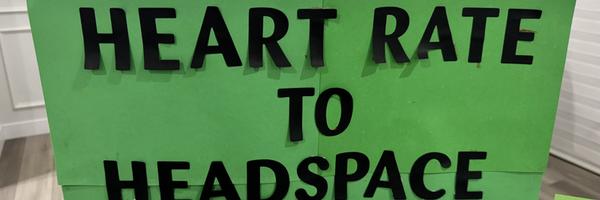
- Used AI in observations to bring what was on my paper into text and to generate the project name from my trifold (heart rate to headspace)
Acknowledgement
Big Thanks To: - All subjects in this test who volunteered to help me - My Science Fair coordinaters: Mr. Howey and Ms. Nietman - My parents for supervising and supporting me