
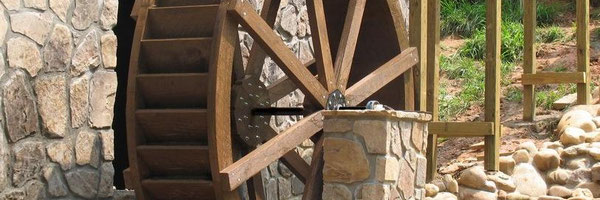
Hyper Hydraulic wheel
Jaanvi Nandulamatam, Reha Dasari
Mount Royal School
Grade 7
Presentation
Problem
What are the ecological implications of water wheel systems compared to conventional dam-based hydropower, and how do these low-impact technologies mitigate the need for large-scale river fragmentation?
Method
The method of solving the problem is that, with water wheels, we can reduce the need for building dams. As you might know, the dam in China slowed Earth's rotation by 0.06 microseconds. So if every home has a little of a large hydraulic wheel, it will help them whenever there is a power cut at their homes, which also utilises the use of dams and electricity. This can be really easy if they live near a river, but the people who live in the neighbourhoods need a water system which helps them, as they can build around by laying out a sheet of plastic which stores the water, and they could build with some wood and metal to make it stable. Finally, they can fill some water in the sheet, which will make a pond and place the water wheel inside the pond, which will solve the problem of the use of electricity.
Research
The research that I had worked on how the water wheels were invented and how many effects they brought in the past centuries. The water wheels were over 2,000 years old, with the earliest was invented in 400-200 BCE. They were first used in ancient Greece, ancient China, and later in ancient Rome. By the Middle Ages, they were common across Europe for mills, metalworking, and irrigation. How were they built in the eras? They used basic tools and materials, like wooden frames, to build the circular structure of the water wheels and also used them to build joints. They used paddles or buckets; wooden paddles or hollow buckets were attached along the outside rim. Paddle wheels used flowing rivers, bucket wheels used falling water, and many more, like axels, gear systems, etc. The materials were mostly wood, metal and stone.
Data
This image tells how the water wheels were often used in daily lives, as you can see how this works by looking at the graph. 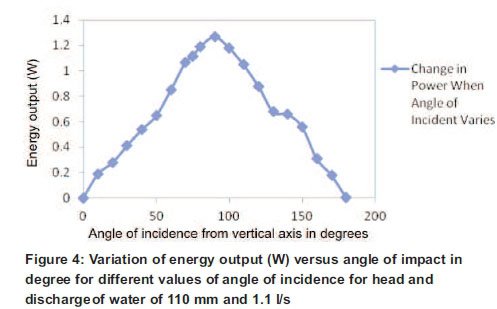
Conclusion
In conclusion, water wheels play a really important role in our lives, as this shows how water wheels can be used. It is history which tells how it functions and how it can avoid the building of dams, which helps the environment. Water wheels show a way to make our earth function better by irrigation, as it makes the soil rich and good for farmming and they remain a testament to human innovation in the quest to harness energy from the environment.
Citations
https://www.britannica.com/technology/waterwheel https://unesdoc.unesco.org https://www.worldhistory.org https://www.energy.gov
These are the citations that I used.
Acknowledgement
I would love to acknowledge my teachers and my parents, as they had helped, especially my mom, as she gave me this idea, as she also learned physics and chemistry and some stuff to do with electricity. She is my everything as well as my father, but she helped me build the water wheel, and my father helped me bring the materials and bought a lot of souces the coloured paper and carboard of the project. My teacher, Mr Webster, was really helpful as he helped figure out all the problems that I've had while doing this all. I'd be thankful who ever who had helped me in the science fair, and thank you for the opportunity.