
The Circle of Life
Kate Schindel, Naomi McCrank
Branton School
Grade 8
Presentation
Problem
What are the main problems in zoos?
Animals in zoos don't get a change of scenery or move around to different places like the animals in the wild. Being stuck in the same place can cause boredom leading to a decrease in the animals mental and physical health. Animals that live in packs or herds such as wolves and elephants, are often separated from others of the same species, causing depression and a disease called zoochosis. Animals in zoos are abused and kept in inhumane ways. Forced performance is a large problem for zoos. Animals are abused to break their spirit and make them safer to be brought out and perform. Animals are often kept in unnatural looking and feeling habitats. This causes animals to feel trapped and confined whereas animals kept in sanctuaries with very natural enclosures feel more free. The animals aren't given the choice of when to breed or who to breed with and are sometimes inbred or bred in unnatural ways.
What is zoochosis?
What is zoochosis
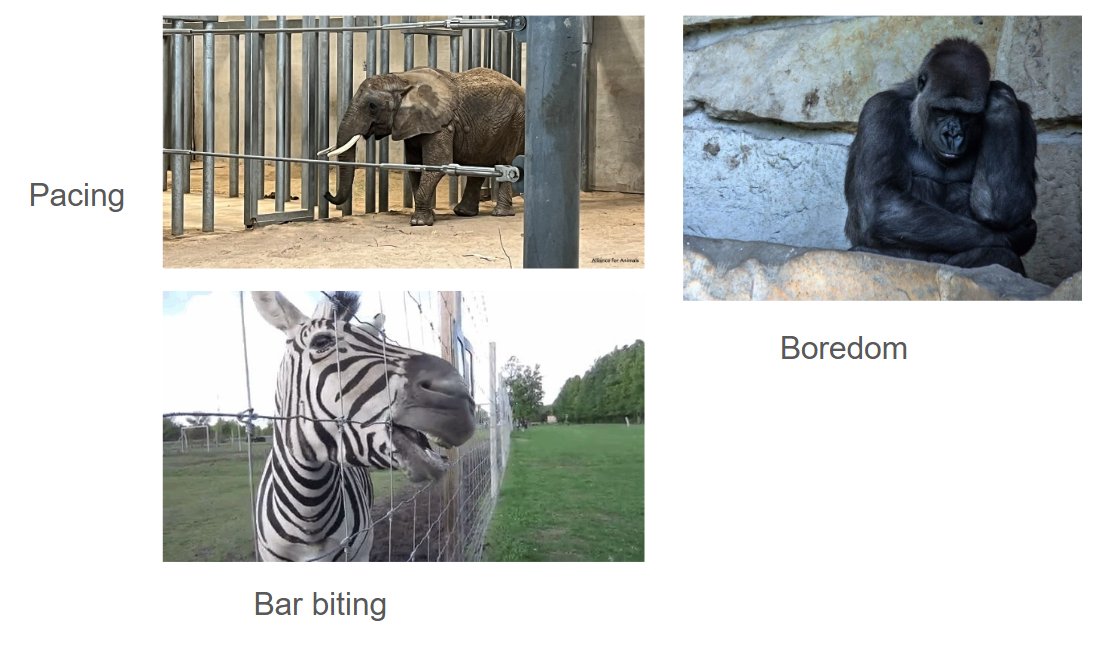
Zoochosis is a type of psychosis that affects animals held captive in zoos. Zoochosis does not affect animals in the wild. It appears in the form of stereotypic behaviors, such as pacing, swaying back and forth, and swimming in circles, all with a blank look in the animal's eyes. These are repetitive actions that serve no purpose and are often just a way to pass time for the animals. This is the result of plain lives for animals in zoos. They don't get to roam free, problem solve, and interact socially resulting in a bland and boring life for the animals in zoos.
What are the signs of zoochosis?
Every animal kept in zoos experiences zoochosis differently. Depending on the species the signs of zoochosis can change. These are the most common effects of zoochosis:
- Pacing
- Bar biting
- Bobbing, weaving and swaying
- Rocking
- Self-mutilation
- Over-grooming
- Regurgitating and reingesting food
- Swimming in circles
What causes Zoochosis
Animals in captivity are restricted in many ways and are often sensory deprived. We restrict what animals can do and who they can socialize with. Animals are often separated from their friends and family as well as every other animal of their species. We restrict their ability to make decisions and do meaningful things with their lives. Animals are restricted to living dull boring lives, causing mental illnesses.
How can you prevent Zoochosis?
Do not keep animals in captivity. Animals don't belong in zoos, they belong in the wild. The best way to keep an animal captive is to give them a sensory rich life that helps prevent Zoochosis. Do not visit inhumane zoos and circuses to help prevent abuses against animals.
Some of the most Zoochosis affected animals include:
Elephants, Monkeys, Bears, Cockatoos, Coyotes, Orcas, Big cats
What can you do to help
You can donate to organizations that help animals that get locked up in cages, avoid visiting zoos, aquariums, or other attractions that force performance in animals, and educate yourself and others on this topic.
Ethical Zoos
Ethical zoos are zoos that prioritize animal welfare, education, and conservation instead of money. At ethical zoos, people design animal enclosures to encourage animals to behave as they would in the wild. Keepers often provide animals with enrichment activities like treats or scents to encourage this type of behavior. For example, zoo keepers will fill a ball with holes in it with food. Getting the food out can be an entertaining and enriching activity for the animals.
The ten most humane zoos in the world are:
- San Diego Zoo,
- Schönbrunn Zoo (Vienna)
- Toronto Zoo,
- Chicago zoo
- Bronx zoo(NY)
- Philadelphia zoo
- Singapore zoo
- Pittsburgh zoo and ppg aquarium
- Smithsonian National Zoo (MD)
- Henry Doorly Zoo
Our Plan
Our plan is to rotate the animals in a circle to enrich their life and give them a change of scene. That is why we called our project The Circle Of Life, like in the Lion King.
Method
How Our Idea Works
Rotations
First of all, the animals DO NOT ALL LIVE TOGETHER. They just rotate through the same spaces, with partially customized habitats. We decided to create a space where the animals can rotate around in a circle. Every 2 weeks one animal moves to the next location. This means each animal moves about every 14 weeks or about every 3 months. In the morning the zoo keepers open up the doors while the animals are in their house and then they can wander between the two habitats for the day and then at night they have to go and sleep in the new house in the new habitat. The zookeepers can use food to lure the animals into their den at night so that the zookeepers can close the door and not leave any animal in the old habitat.That night is when the zookeepers close the doors.
What If An Animal Can't Switch
There are many reasons why an animal may not be able to switch. They could be too young, too old, pregnant, sick, injured or for other reasons. In this case what would happen is the other animals would rotate and that specific animal would move to a different home outside of the rotations if it is going to be for a long period of time. The animal is moved in a big truck. If it is temporary (like for up to a week) then they would just stop the rotations for a little while.
Habitat Design
Monkey Habitat
Environment
In the monkey habitat we will have a giant tree in the middle that branches into each habitat. Then we will add ropes, swings, hammocks, platforms, etc. into each habitat to make it unique. To encourage the monkeys to climb we will put food buckets on the platforms. Then on the outside there will be a river with a bridge across it. Each habitat will have a unique bridge. Finally we will have an indoor cave for resting and a rocky barrier on the outside. The side walls will be covered in vegetation. The red pandas will also have a treehouse that will travel with them. Finally we can change the humidity and temperature depending on the species. We can also open the windows so they can get fresh air.
Protection
In the monkey habitat there is a strong wall between the animals and there is a tree trunk in the middle and on the outside there are rock barriers and then a glass dome that goes over the entire zoo. The roof is made of glass.
Viewing
The monkey habitat can be viewed from the outside wall, or there is a bridge that you can walk around on to see from above.
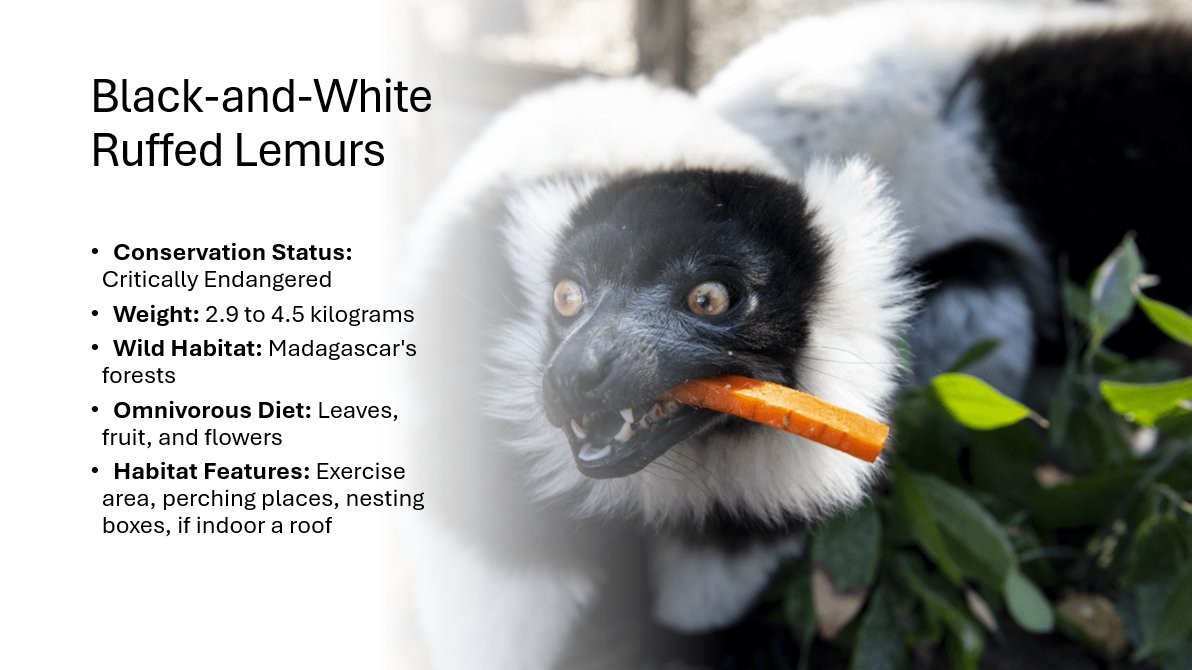
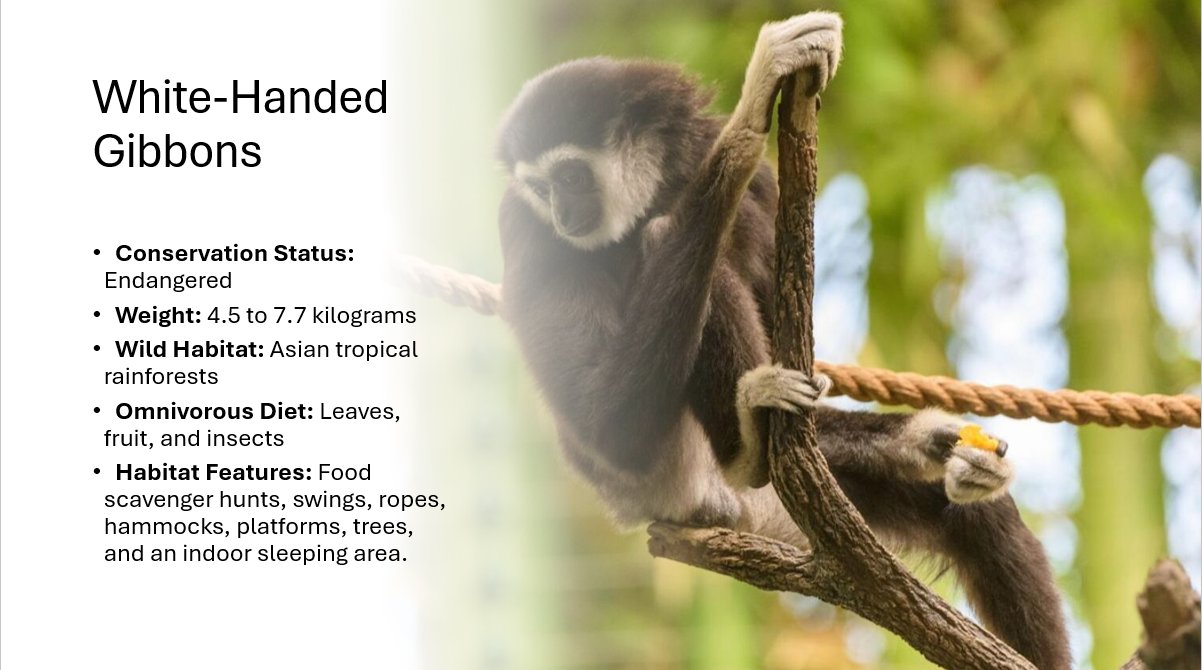
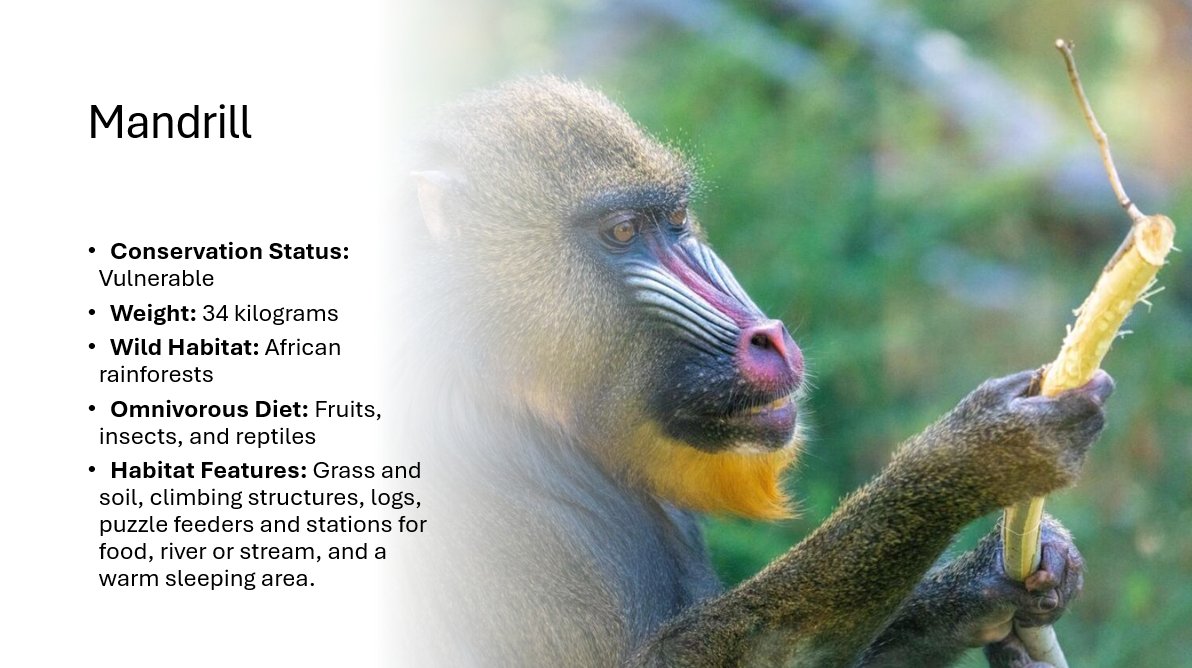
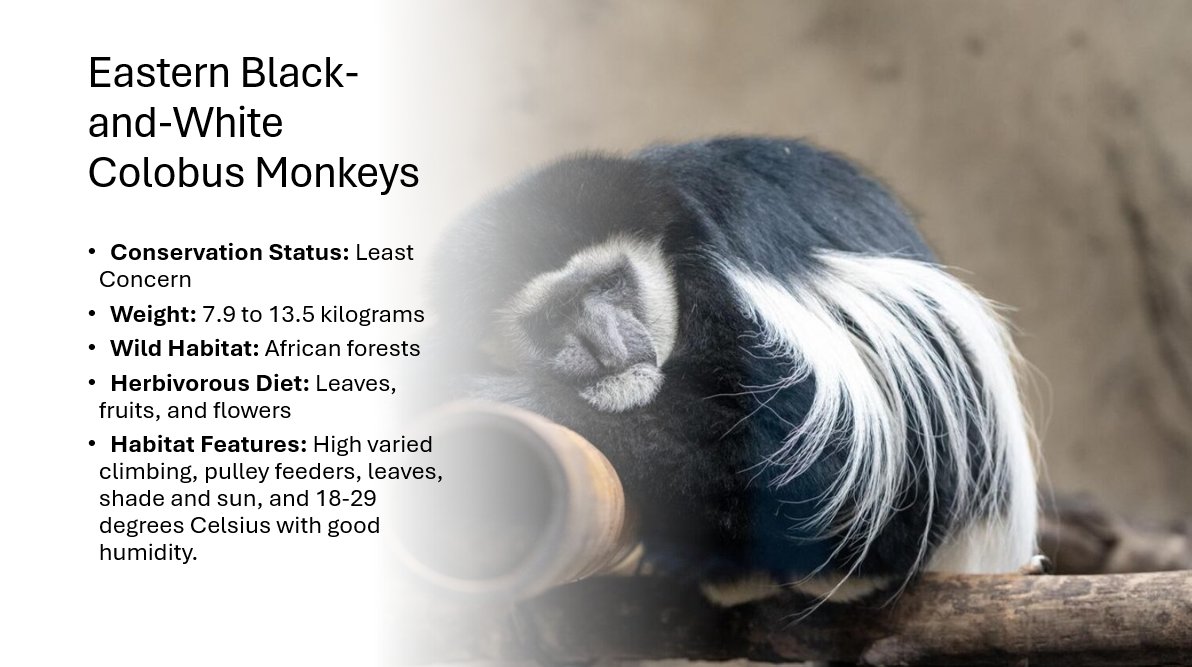
In this habitat there will be the following animals from the Calgary Zoo: Western lowland gorilla, White-handed gibbons, Mandrill, Colobus monkeys, Red pandas, Black and white ruffed lemurs, Red fronted lemurs and Ring tailed lemurs.
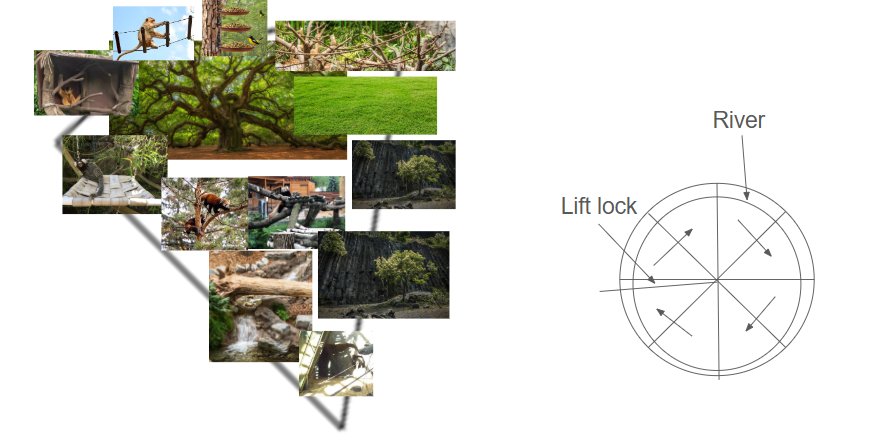 Also the lift lock is actually a water wheel. And we switched the tree to the middle, and the cave and river to outside.
Savannah Habitat
Environment
In the middle of the savannah habitat we will have a waterhole. I will explain the filtration system later. There there will be a different substrate for each ramp to the water. We need a ramp so that we can control the depth of the water. Next, on the savannah plains there will be savannah trees and different scratching posts and food dispensers. The wall will also have vegetation. When the zebras or lions are in the habitat there is a rock structure, when the giraffe or ostrich is in the habitat there is a tall shade shelter, and when the hippos and wild boars are in the habitat there is mud pit. I will explain how this all works later. Also there will be a barn with some privacy from viewers.
Protection
In the savannah habitat there is concrete walls between the animals, a robust fence and thick glass wall on the outer ring of the habitat, and another think glass wall in the waterhole and an observatory with a very strong wall. There is also cement below the habitat so that the animals can't dig out. Also since there is no roof the cranes have been clipped so they can't fly away.
Viewing
The savannah habitat can be viewed from the outside wall or you can go through an underground tunnel to go into the 3 story observatory.
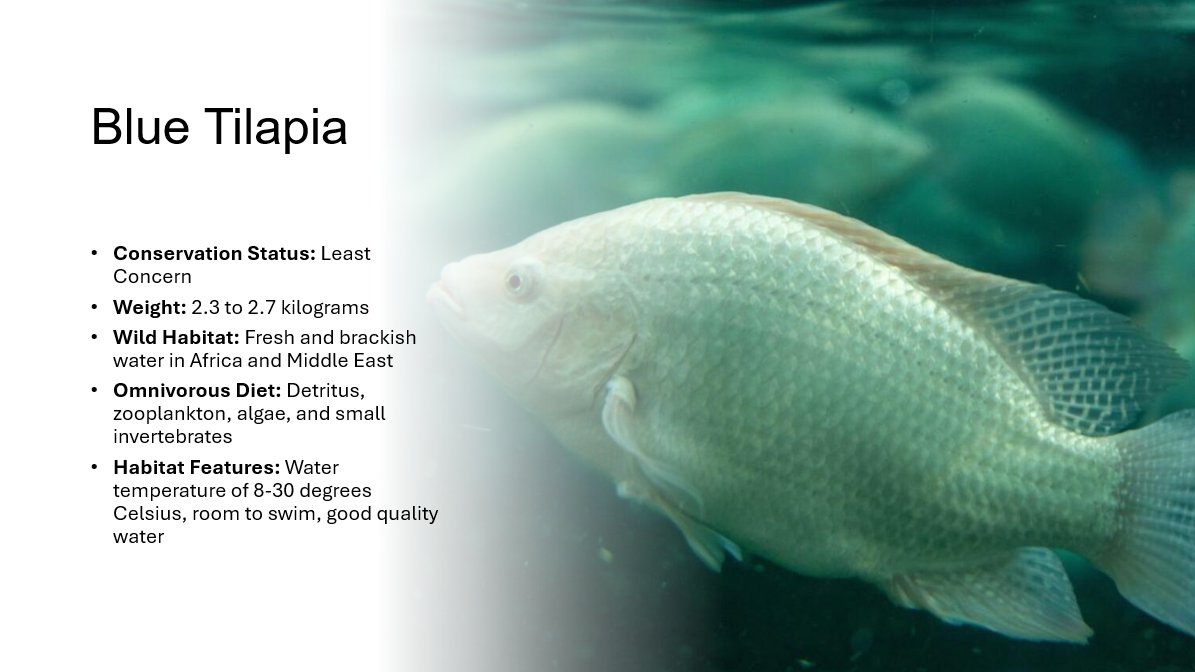
In this habitat there will be the following animals from the Calgary Zoo: Giraffes, Zebras, Lions, Ostriches, Hippos, Wild boar, East African grey crowned cranes, Blue tilapia
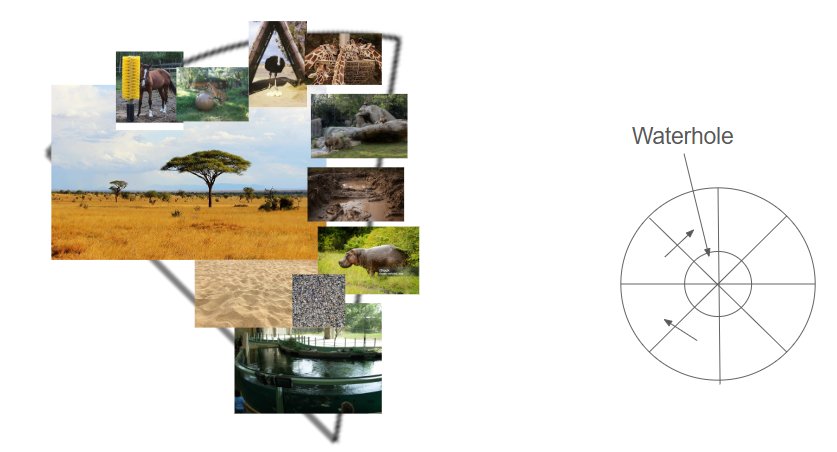 The hippos and blue tilapia live together because of a symbiotic relationship where the fish eat the hippo poop and clean the water and hippo feed them their poop. In the water hole there is a doggy door that can open when the fish need to move habitats with the hippos. The cranes and ostriches live together as well.
Bird Habitat
Environment
The bird habitat is directly on top of the monkey habitat with a glass cover in between. It's like the levels of the rainforest in the wild. So that the birds don't fly into it we have added dots to the glass. Instead of the animals rotating between habitats all the birds share the full habitat. There is an extension of the tree from the monkey habitat. On the far outside there is a ring of water and then further in mulch. There is also some vegetation on the ring and there are bird feeders.
Protection
So the birds don't get out and fly away there is a glass cover beneath the habitat and then a glass dome over top and on the outside. There is also dots on the glass so that the birds don't accidentally fly into the glass.
Viewing
To view the birds you have to go on the bridge walk. There is an elevator to get up there.
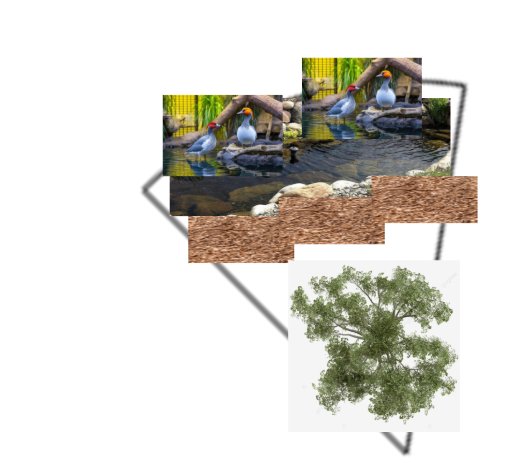 In this habitat there will be the following animals from the Calgary Zoo: Southern bald ibis, Hadada Ibis, Hamerkop, Golden weaver, Whistling ducks, African pygmy geese, Spoonbill, Alexandrine parakeets, Gold-breasted starling
Some Problems We Ran Into... And Our Solutions
Diseases
In the savannah habitat the water is filtered by a filtration system. How it works is that in the water hole there is a drain on the side wall. Once the water is drained it goes through the filtering just like the Calgary Zoo and then it flows through a pipe and and goes back into the the water hole from the inside of the water hole, where the observatory is. I will show the drain on the side of the wall in the habitat and where the water comes out, but the rest happens underground or inside the observatory walls. The savannah habitat is drained out completely and then the rest of the water is evaporated in the sun and then cleaned by zoo keepers and their cleaning technologies. Then it is refilled to the desired height. On my 3d build I didn't add the whole system, but I did add the pipes where the water comes out
 In the monkey habitat there are filters in the walls so that diseases and uncleanliness doesn't transfer between habitats. The water is also flowing down river and on both sides there is a water wheel to keep it moving downhill. Here is basically what the water wheel and filter look like. It is pretty simple. We made a water wheel but the filter is not shown in the habitats.
In the bird habitat there is also filter that the birds can not get into on each side of the habitat.
Also each habitat is empty for 2 weeks between animals so that is when they are cleaned out and when they set it up for the next animal. That is also enough time for any diseases or stuff to die off. They use fancy tools to help then clean.
Stress, Aggression, and Training
Training
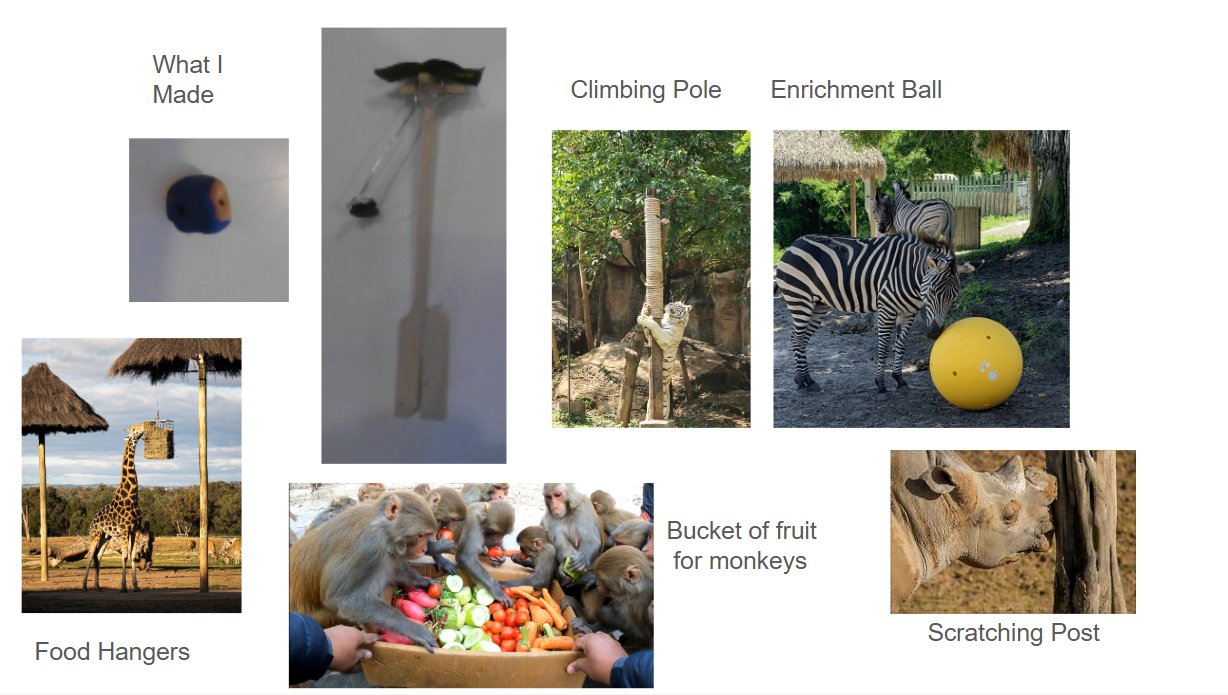
First, when the animals are moving habitats the zoo keepers use food to motivate them. Also they can use commands as well because the zoo keepers train the animals to go where they want them to by training them to come into the shed. The zoo keeper can not go into the habitat because it would be unsafe but they can leave food out and can call them from outside the area. There is also the poles that can hang food to use.
Stress
When the animals are moving we will use an automatic door but it has to be very quiet so it doesn't stress the animals. When the animals are moving they are given a day to settle in and they are not forced to go to the new habitat during the day if they don't want but they will be encouraged to. By night they are called to the new house and they have to sleep there. Also there is a piece of their habitat that is moved with them in the savannah habitat. In the monkey habitat the animals have food buckets, and stuff in the little cave house that is moved from one habitat to another. If the animals seem particularly stressed they can be given medications, however this has health side effects so if the animal does not need it we don't give them any or they just need a low strength then we don't give them more than they need. This medication is given in pieces of yummy food and fed so that the others don't take it. The other thing is that if one animal is stressed the others become stressed, so if one animal is really stressed we give them medications so that the stress doesn't spread to the other animals. Finally, as the animals get used to the moving it isn't as big of deal and they will always move together if possible.
Aggression
Lastly, to prevent aggression the habitats are empty for 2 weeks in between and the animals can sense that the other species was there a long time ago so that should help. Also for animals like lions that may still be aggressive the zoo keepers can move the males to a different habitat outside of the rotations to separate them. Also we have a specific order so they feel as comfortable as possible. And for the climate they need.
Savannah - Giraffe - Zebra - Ostrich - Wild boar - Lion - Hippo Rainforest - Gorilla - Mandrill - Colobus monkey - Lemurs - Red panda - White-handed gibbon I have done some googling and I am pretty sure this would work well.
Different Needs
We group the animals based on their natural habitat in the wild and based on the features they need. For example we put the savannah animals together in a rotation cycle, and we put the monkeys and tree mammals together. The other thing we can do is make adjustments to the habitat before the next animal moves in. For example we can change the depth and temperature in the water hole, and we can adjust the tree in the middle of the monkey habitat. We can add boards for the bigger monkeys (gorilla/mandrills) to walk on or more rope for the smaller monkeys (gibbons/lemurs). The food buckets can also be hung at different heights and on different hooks in the monkey habitats. Also in the monkey habitats we can change what the little cave has inside to fit different needs. We can also adjust the temperature in the barn in the savannah and we can change the climate (humidity and temperature) in the entire monkey habitat. We can also open windows in the monkey habitat so they can get fresh air. We adjust the humidity with misters and with dehumidifiers.
Finally, in the savannah there is a system so that the rock platforms, mud pits, or additional shade shelters can be moved with the animals since they all need different stuff. Underground there is a system similar to a ball bearing system and lazy Susan function. There is a bulldozer that pushes one block. Unlike a ball bearing system though it does not effect the other blocks. The block has a pole that is attached to the feature that is being moved. Instead of having a gap in the ground there are two pieces of foam that split apart when the pole goes through by they are touching each other when the pole is somewhere else in the circular track. Then, once the feature is in the right place, the bulldozer pushes the block so that it turns like a lazy Susan. It pushes a bar that is attached to block so that it turns. Here is a diagram of how it works.

Enrichment
The Feeding Poles
In the savannah habitat there are these cool poles that act as scratching posts, climbing poles, and to hang food. Also in the lion habitat food is hidden for enrichment.
Enrichment Balls
All the animals in the savannah rotation and the mandrills and the red pandas have enrichment balls. Basically, they have food inside and the animal needs to roll it to get the food out. They are also designed to look like my dogs balls because he is obsessed with them and has never been excited about any other ball we've given him.
Food Buckets
In the monkey habitat there are food buckets that are hung in various places and are also set on the platforms to encourage climbing.
Pictures
Analysis
Finished Project
Here are all the pictures of our habitats that we made. Kate made the monkey and bird habitat, and Naomi made the savannah habitat and the underground track model. Beneath each image is a caption of what the image is. No need to look at all our photos.
Savannah
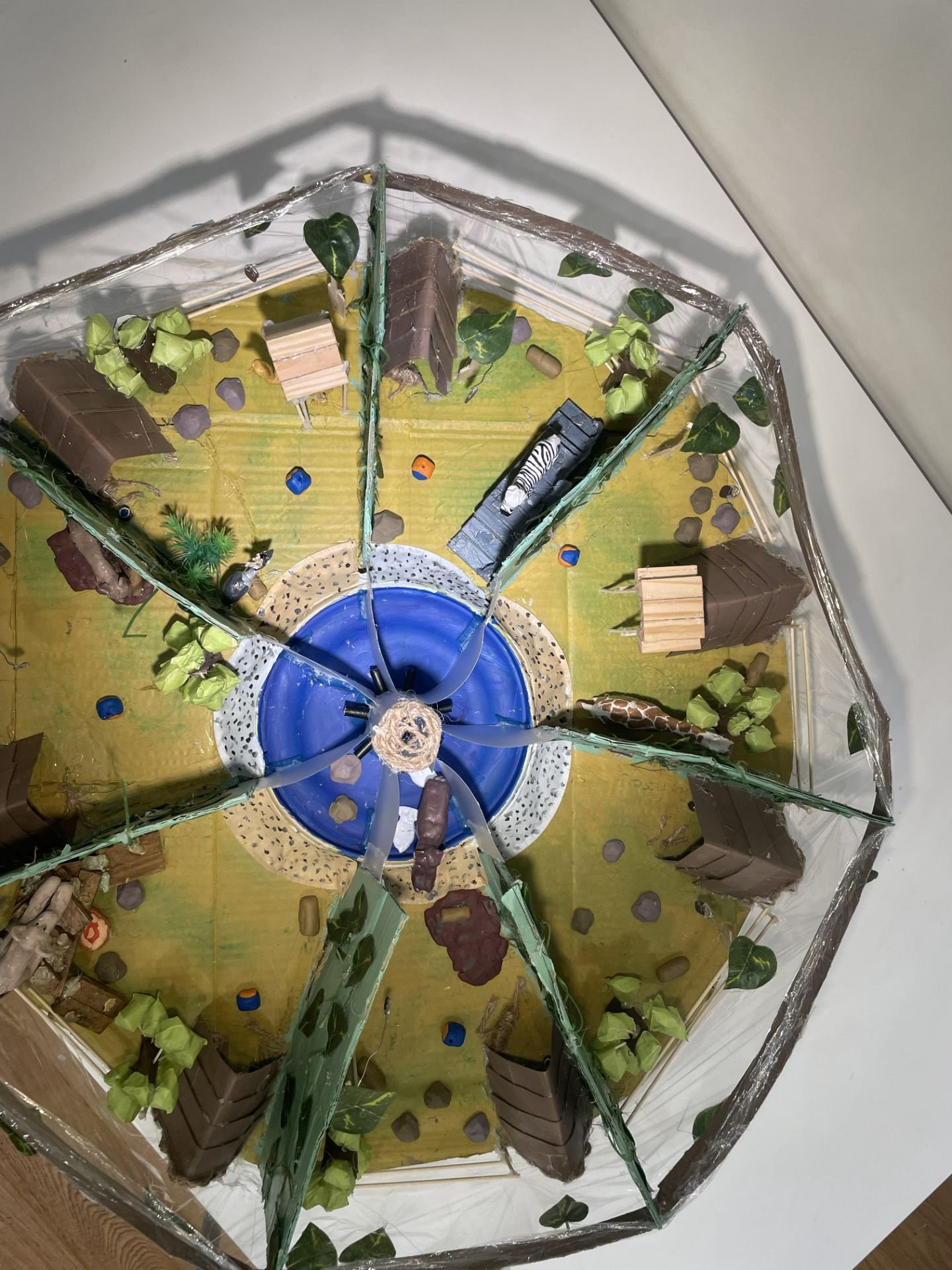 Whole Savannah (Skyview)
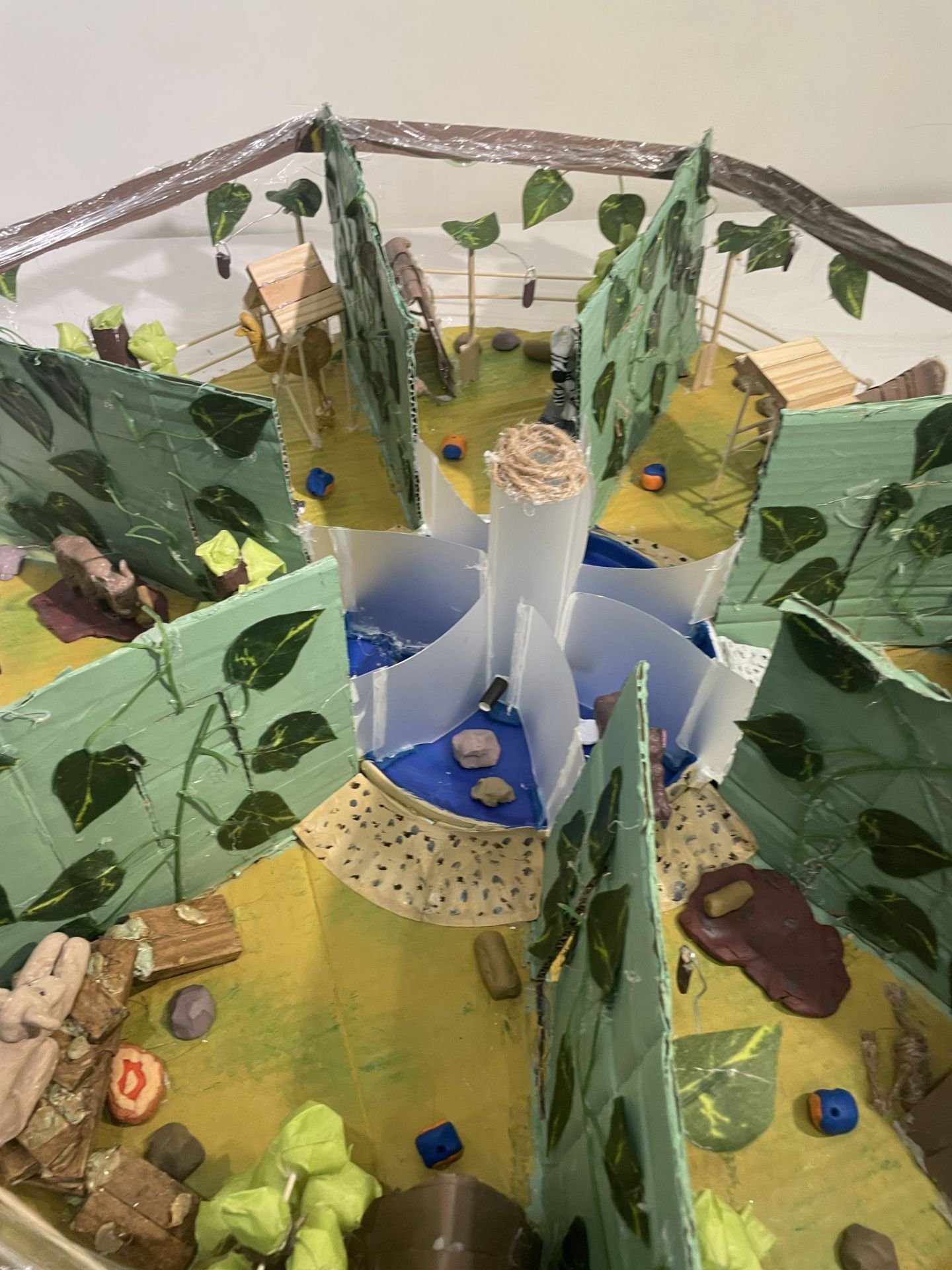 Whole Savannah (Tilted view)
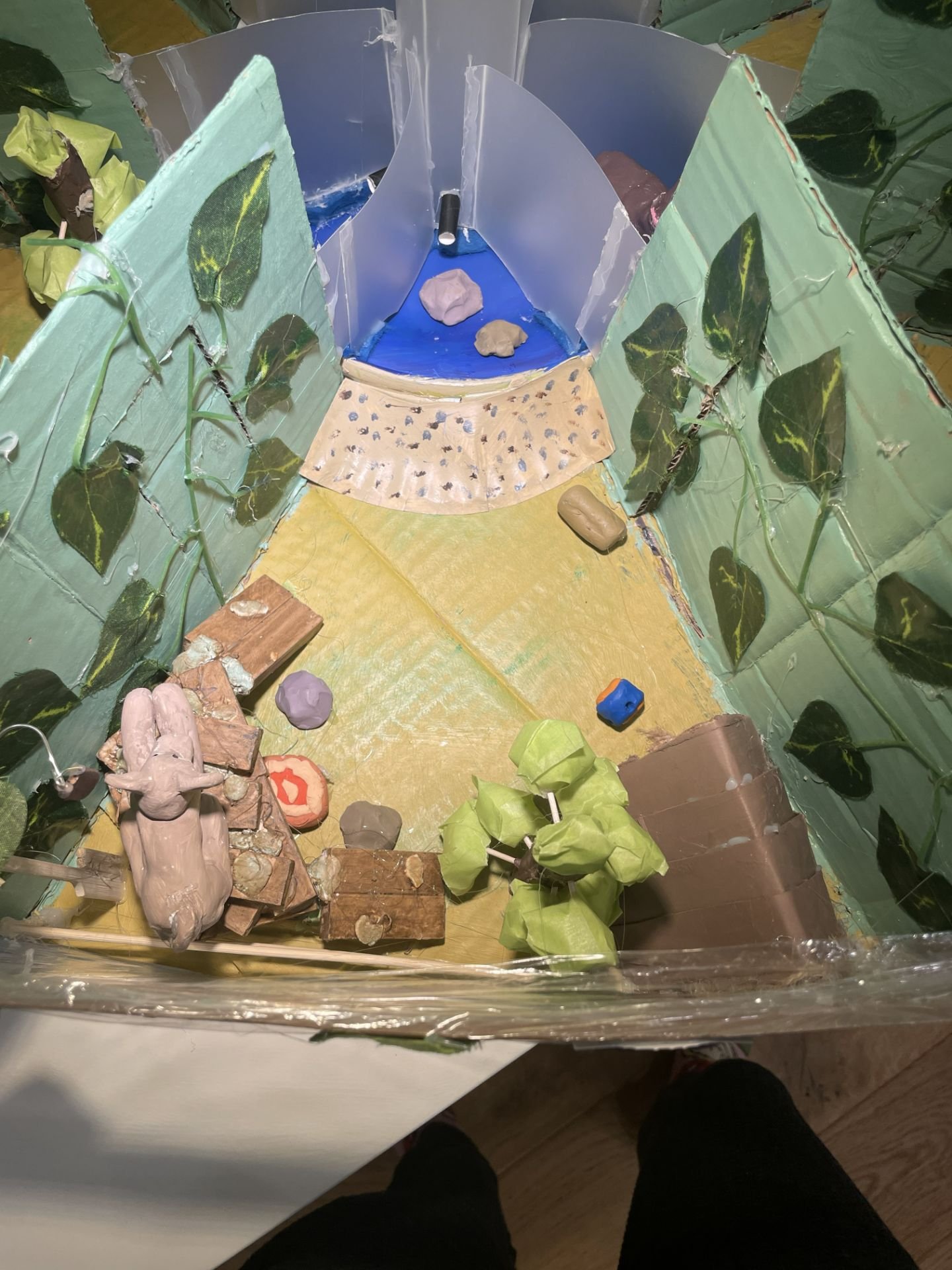 Lion (Skyview)
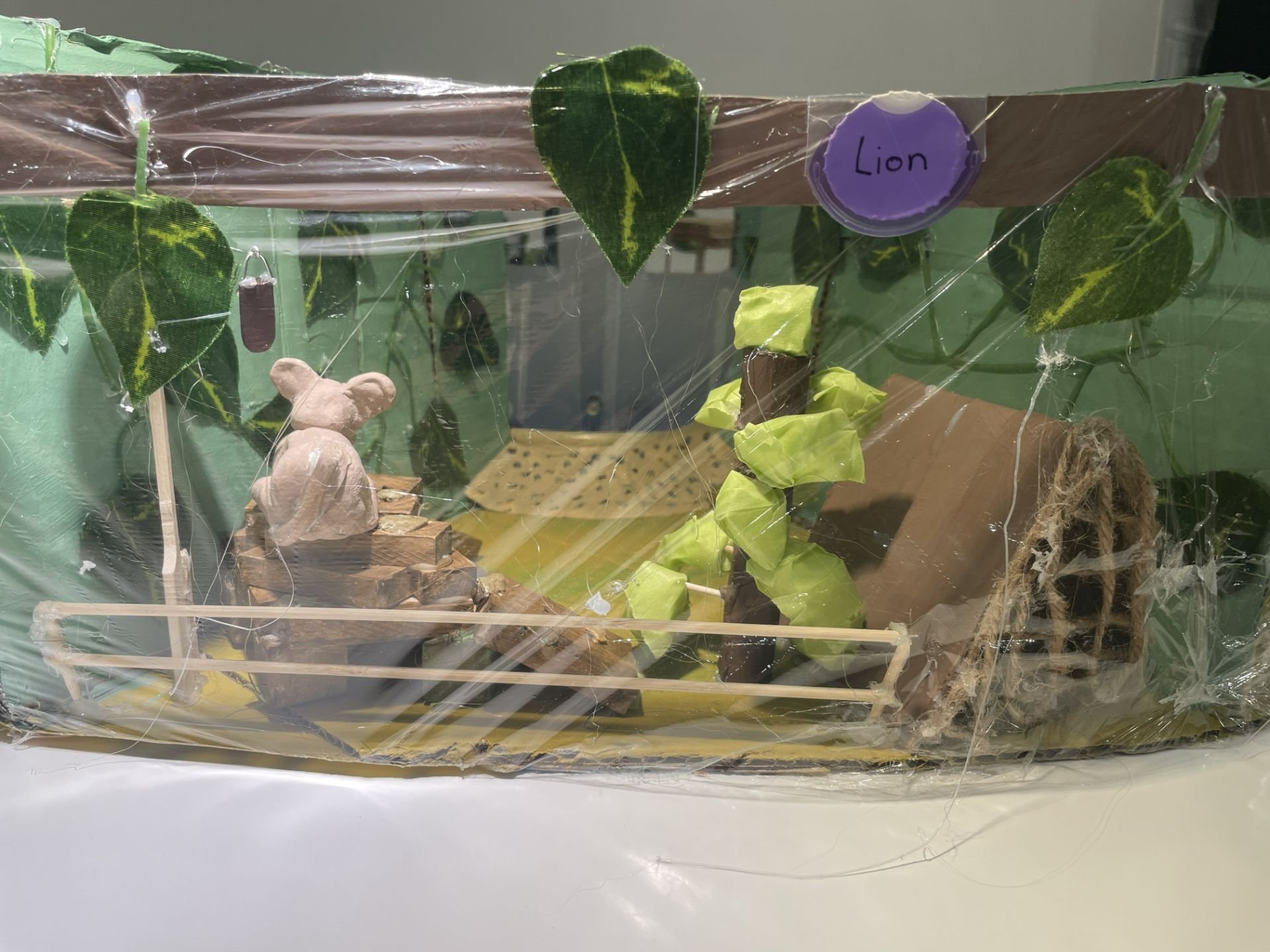 Lion (Side view)
 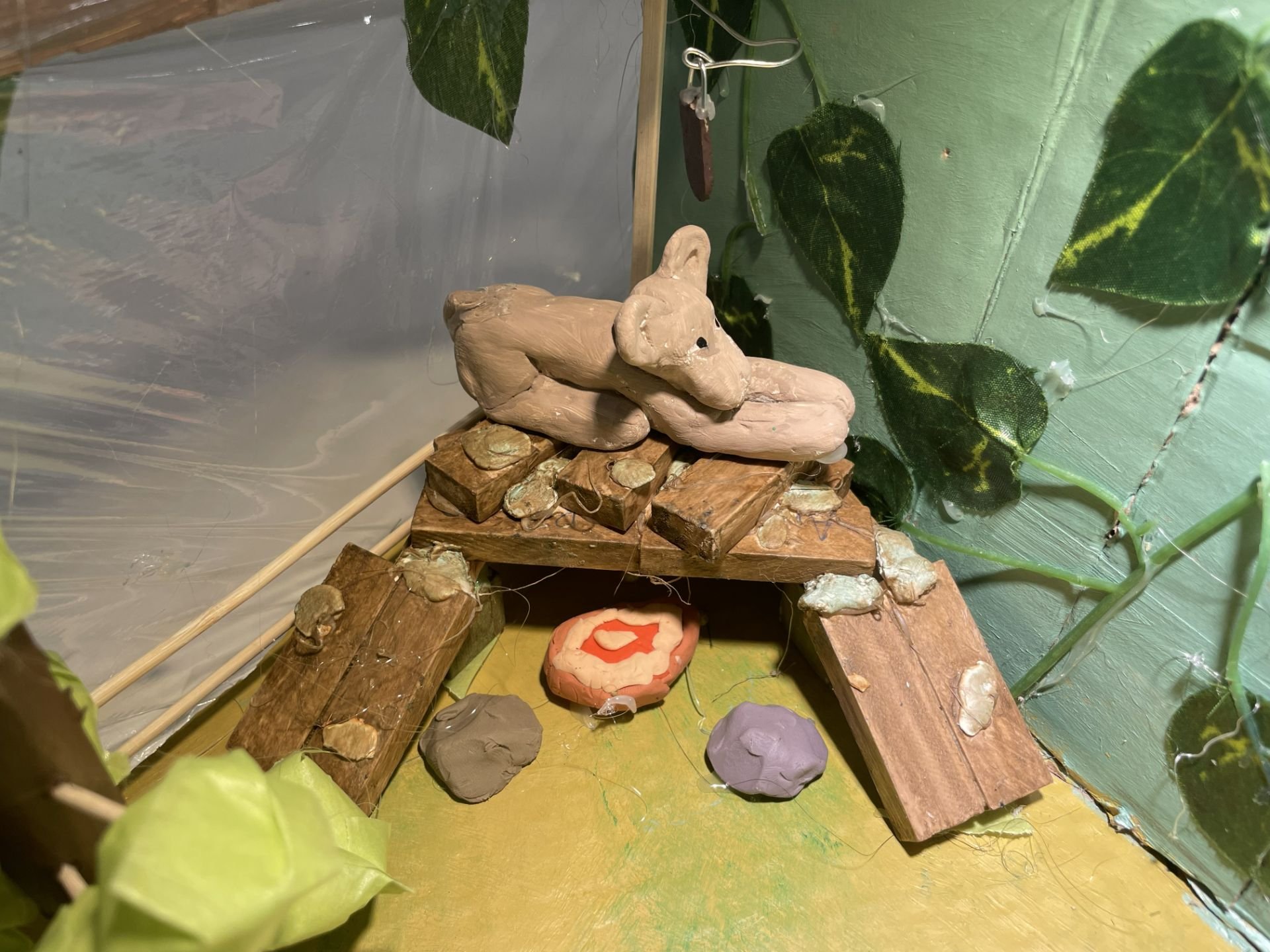 Lion (Close up)
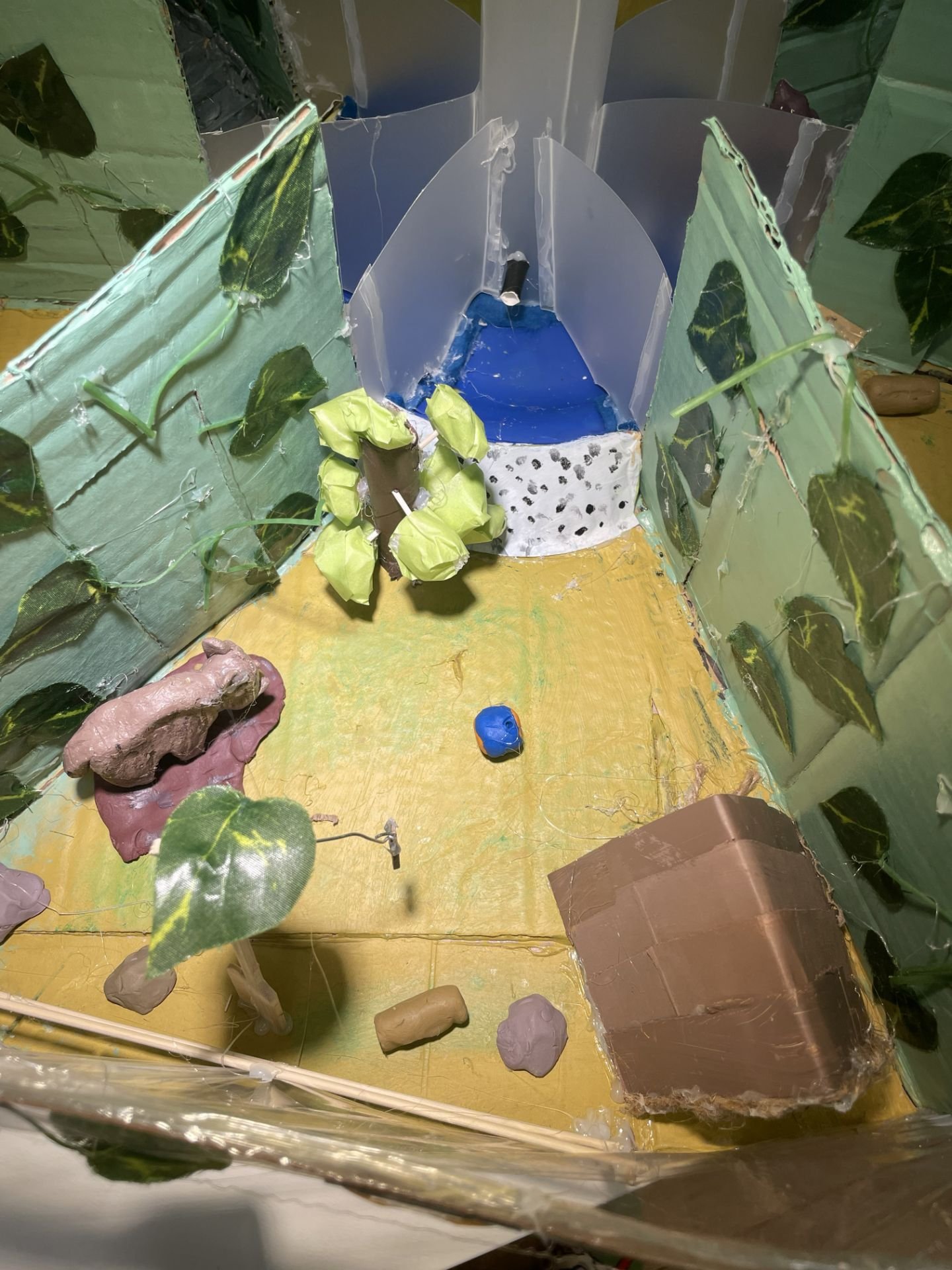 Wild boar (Skyview)
 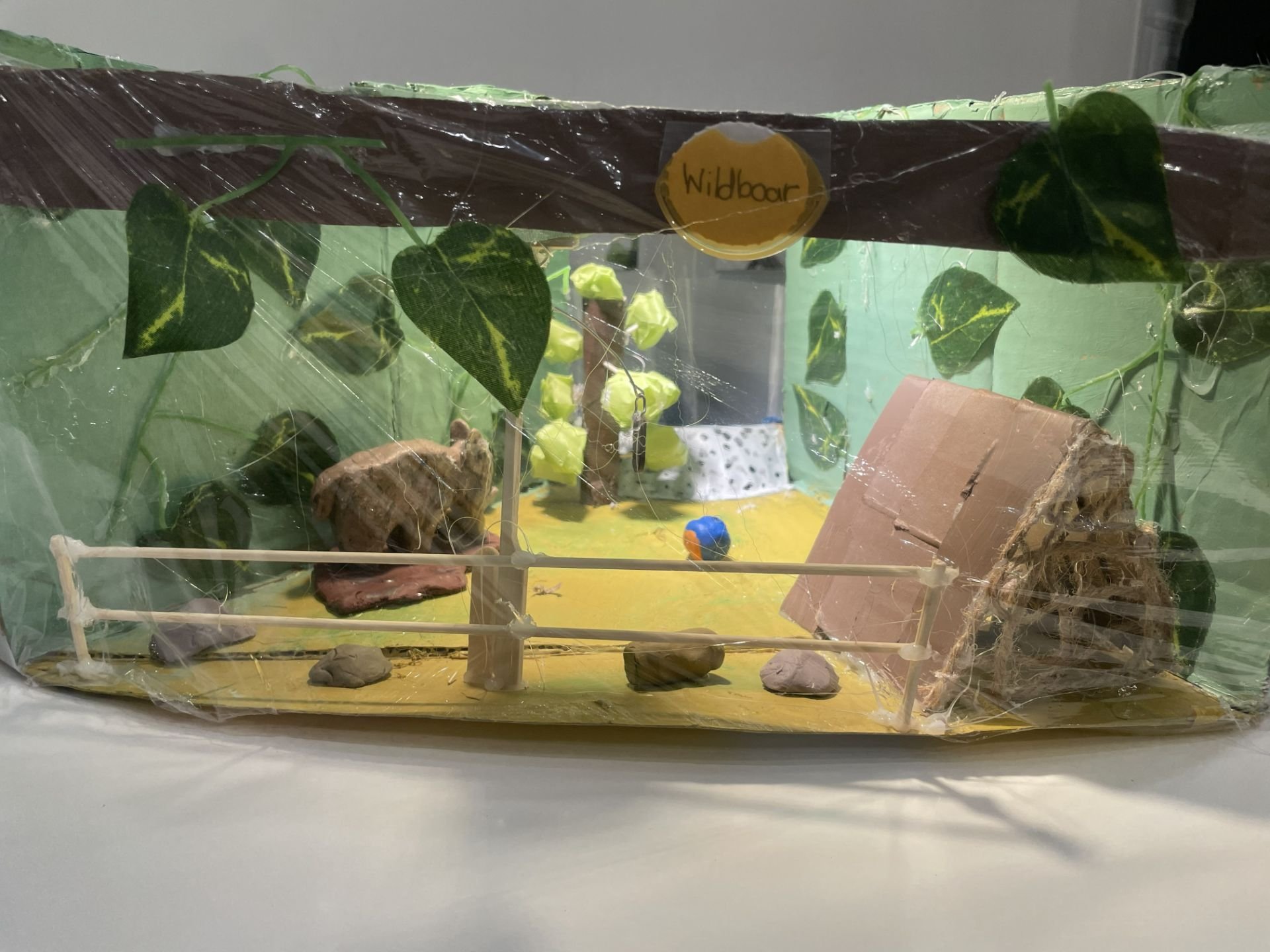 Wild boar (Side view)
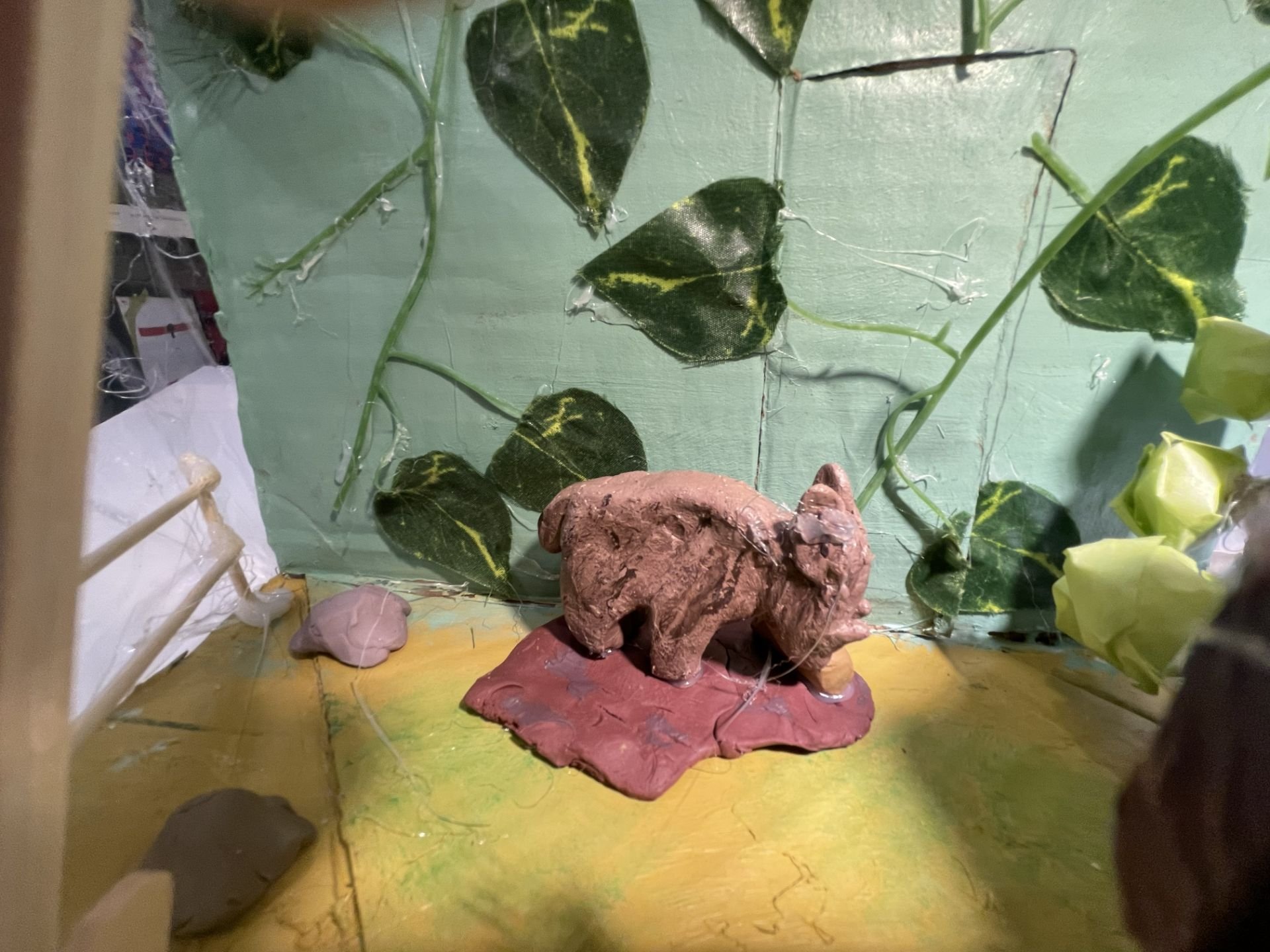 Wild boar (Close up)
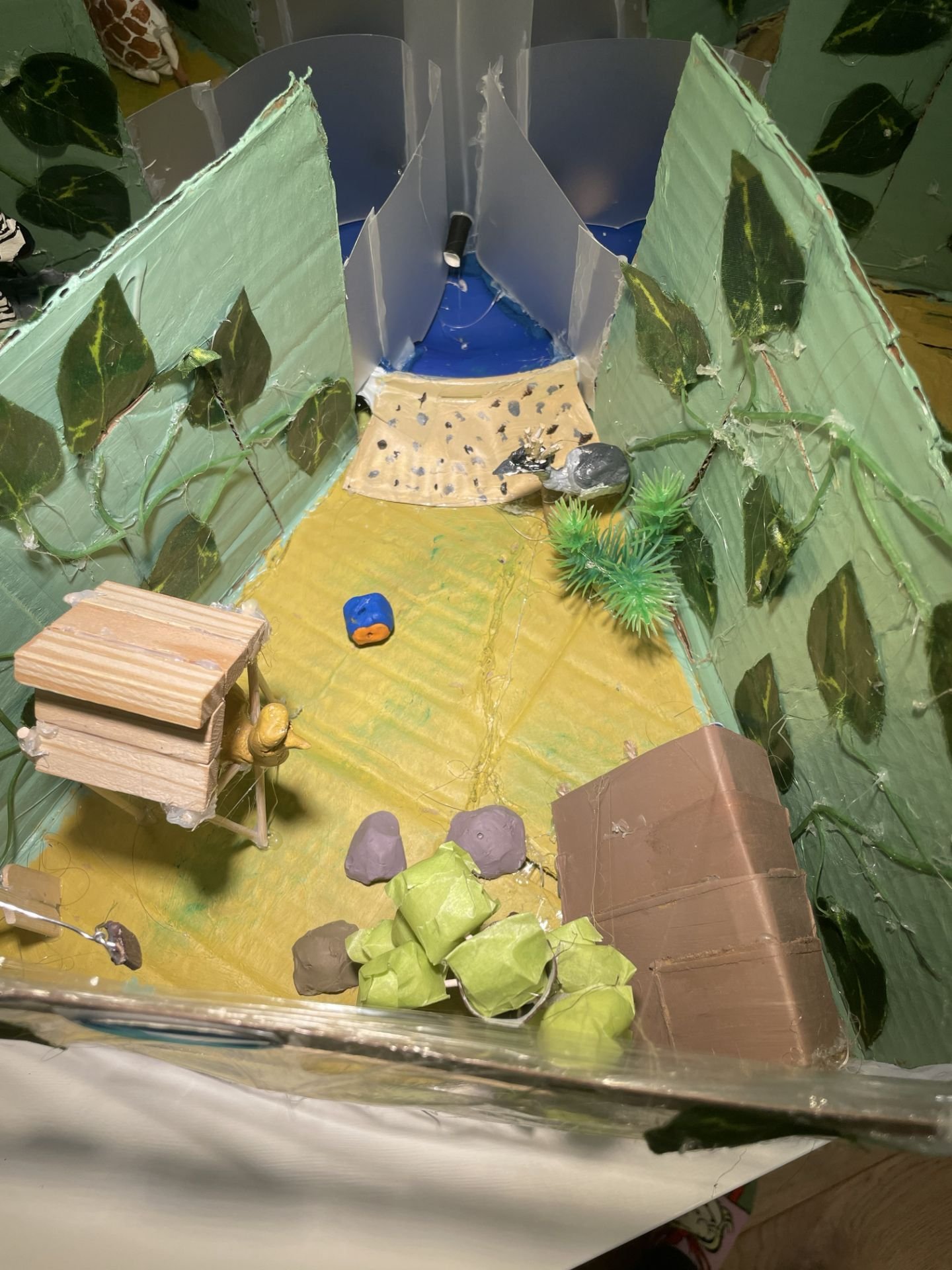 Ostrich and Crane (Skyview)
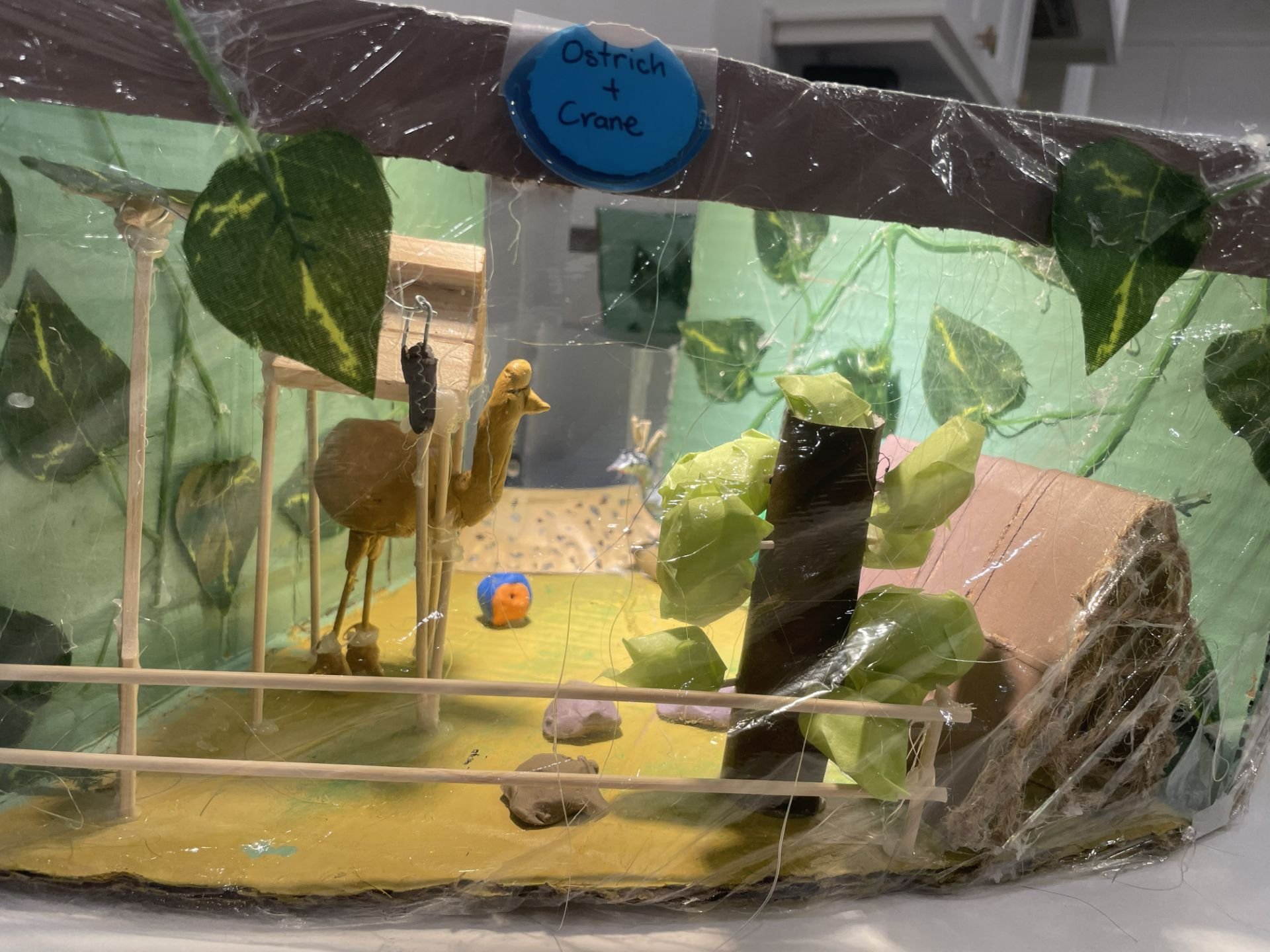 Ostrich and Crane (Side view)
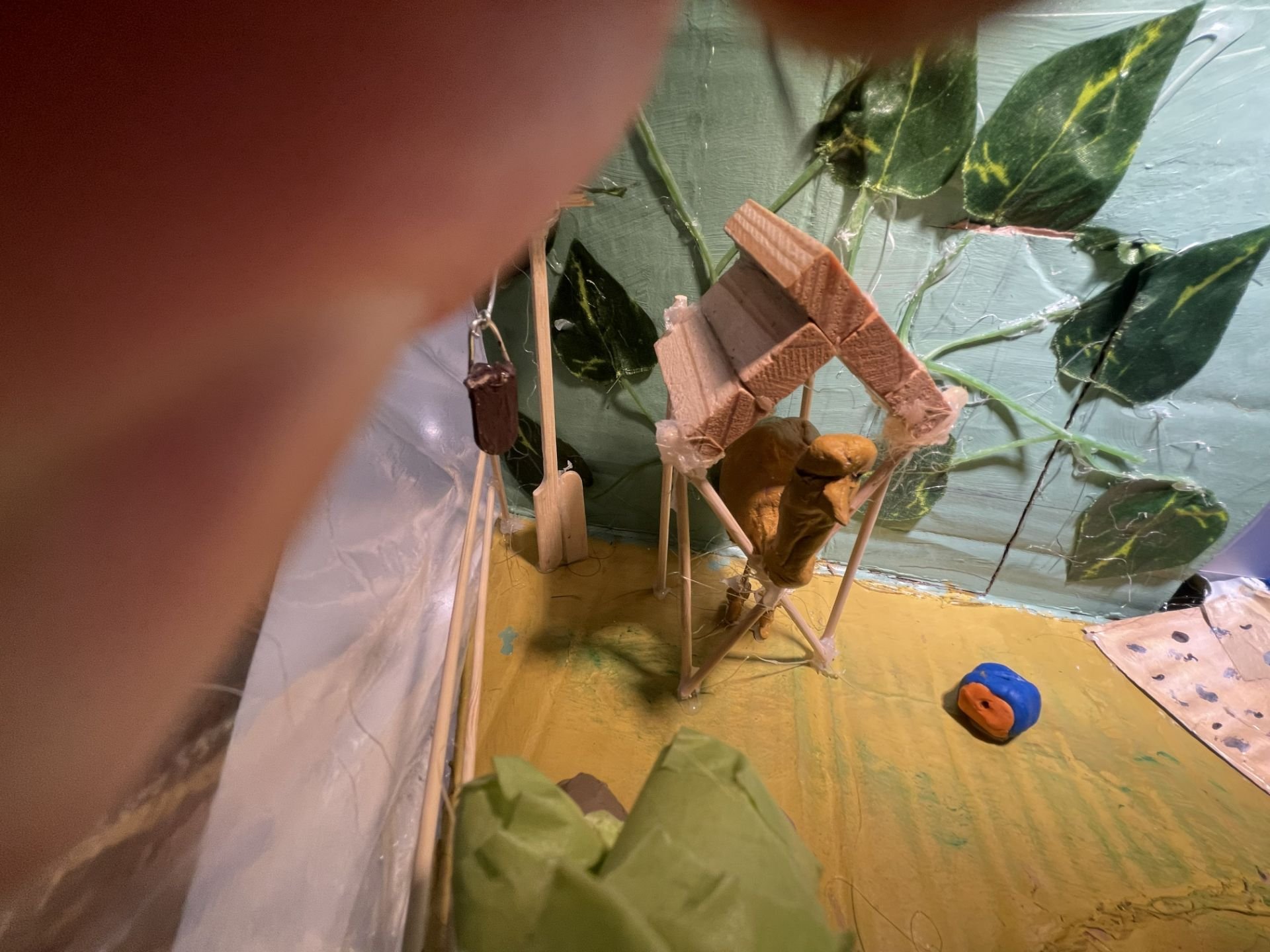 Ostrich (Close up)
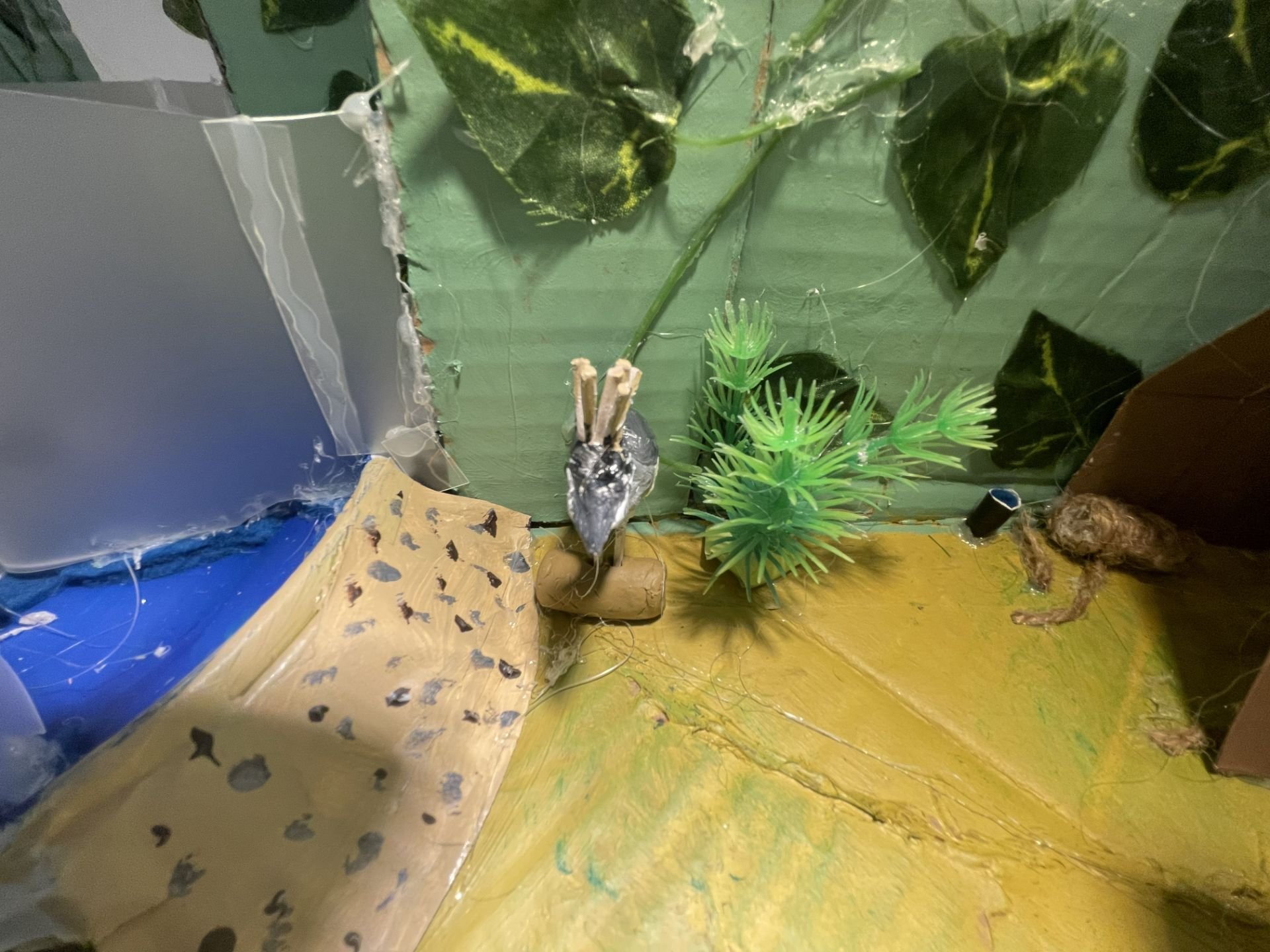 African Grey Crowned Crane (Close up)
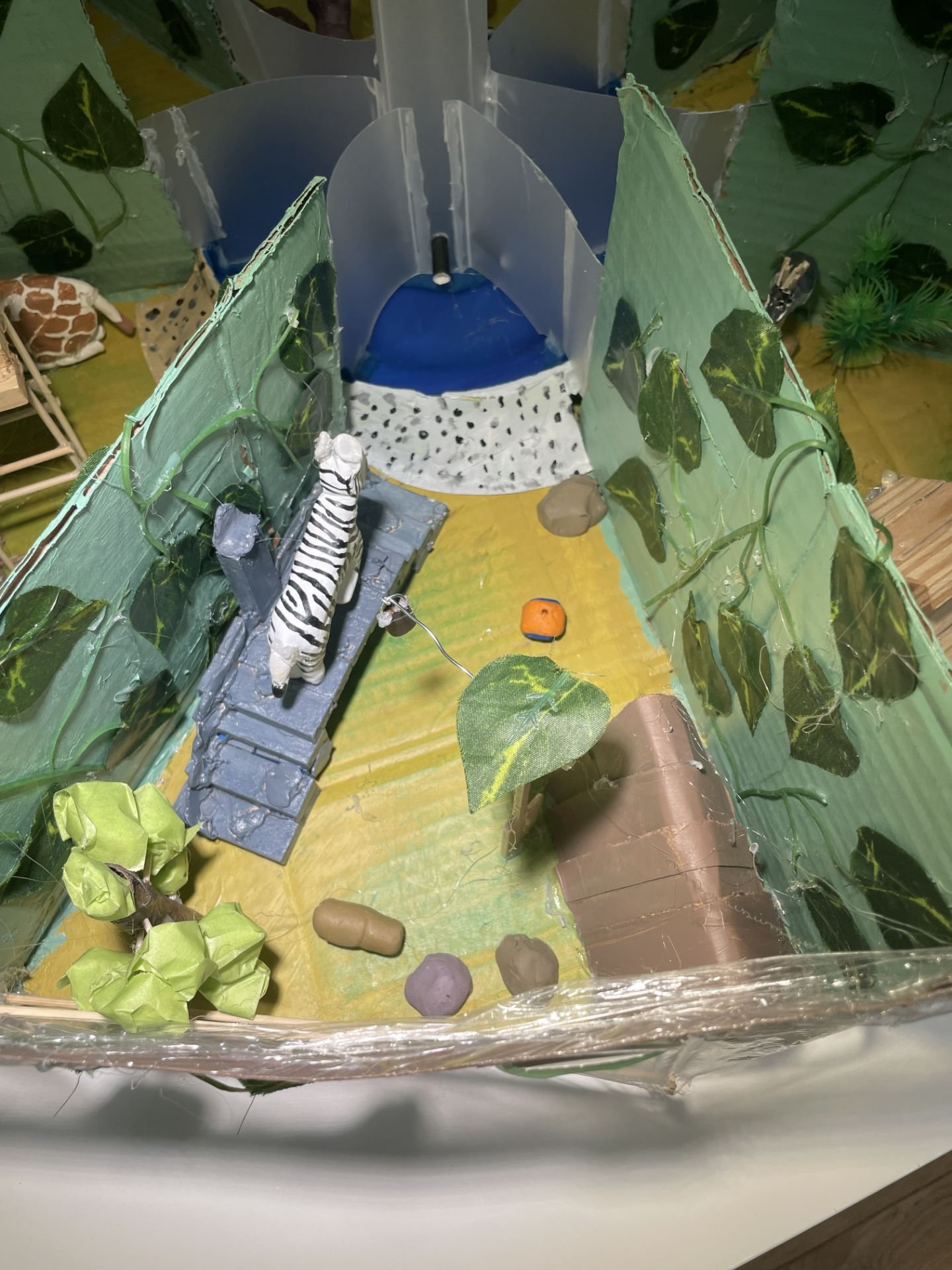 Zebra (Sky view)
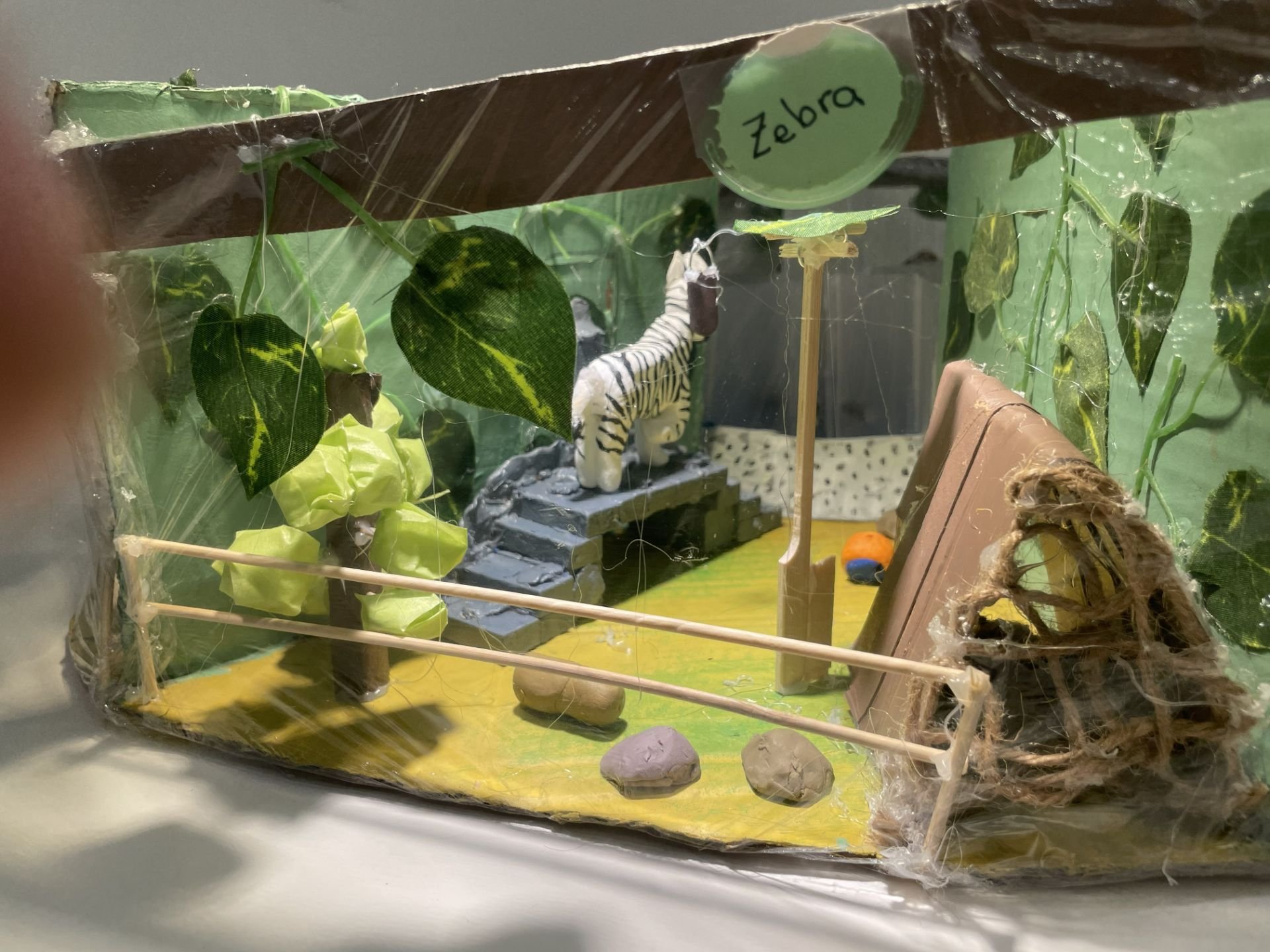 Zebra (Side view)
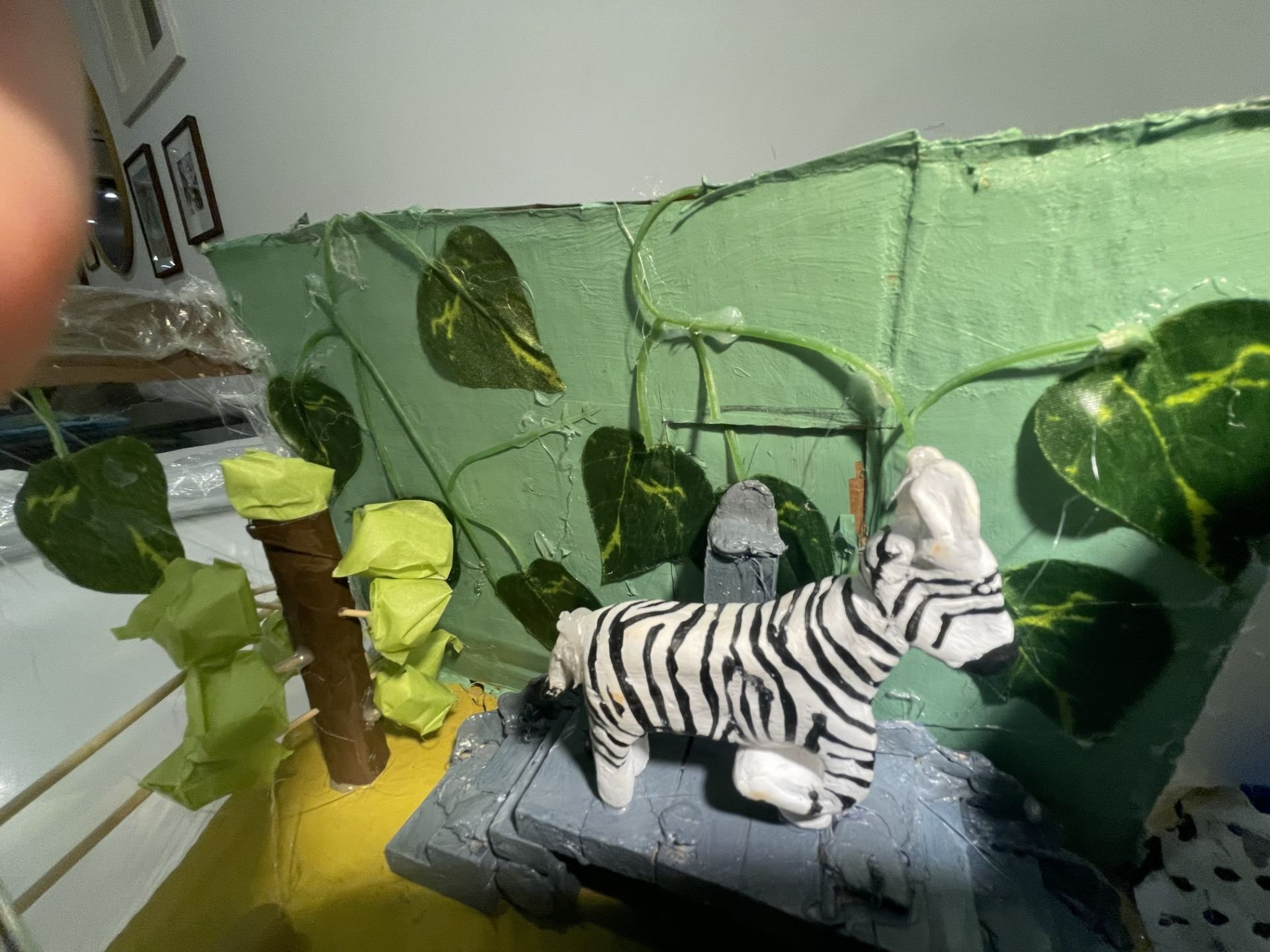 Zebra (Close up)
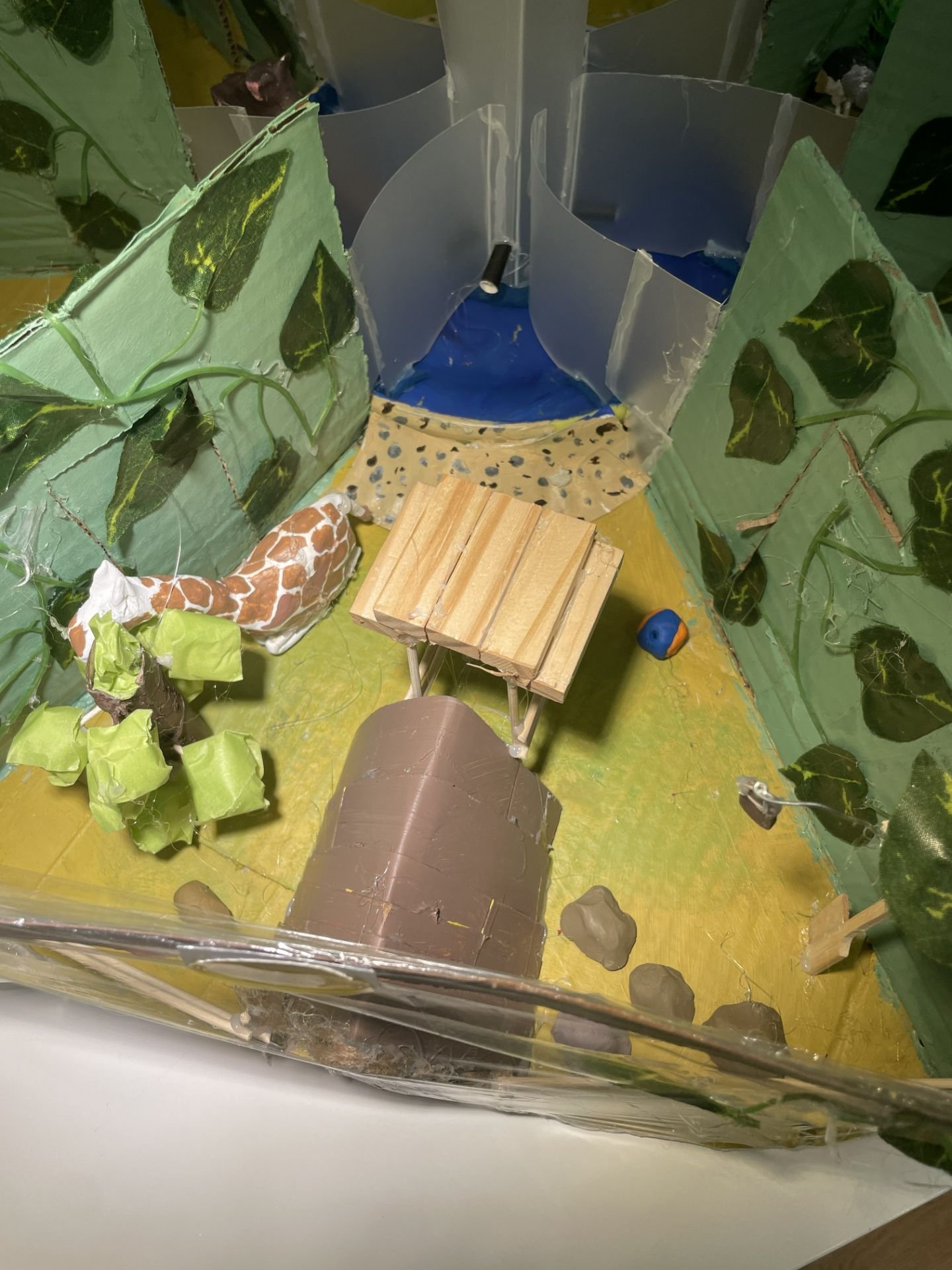 Giraffe (Skyview)
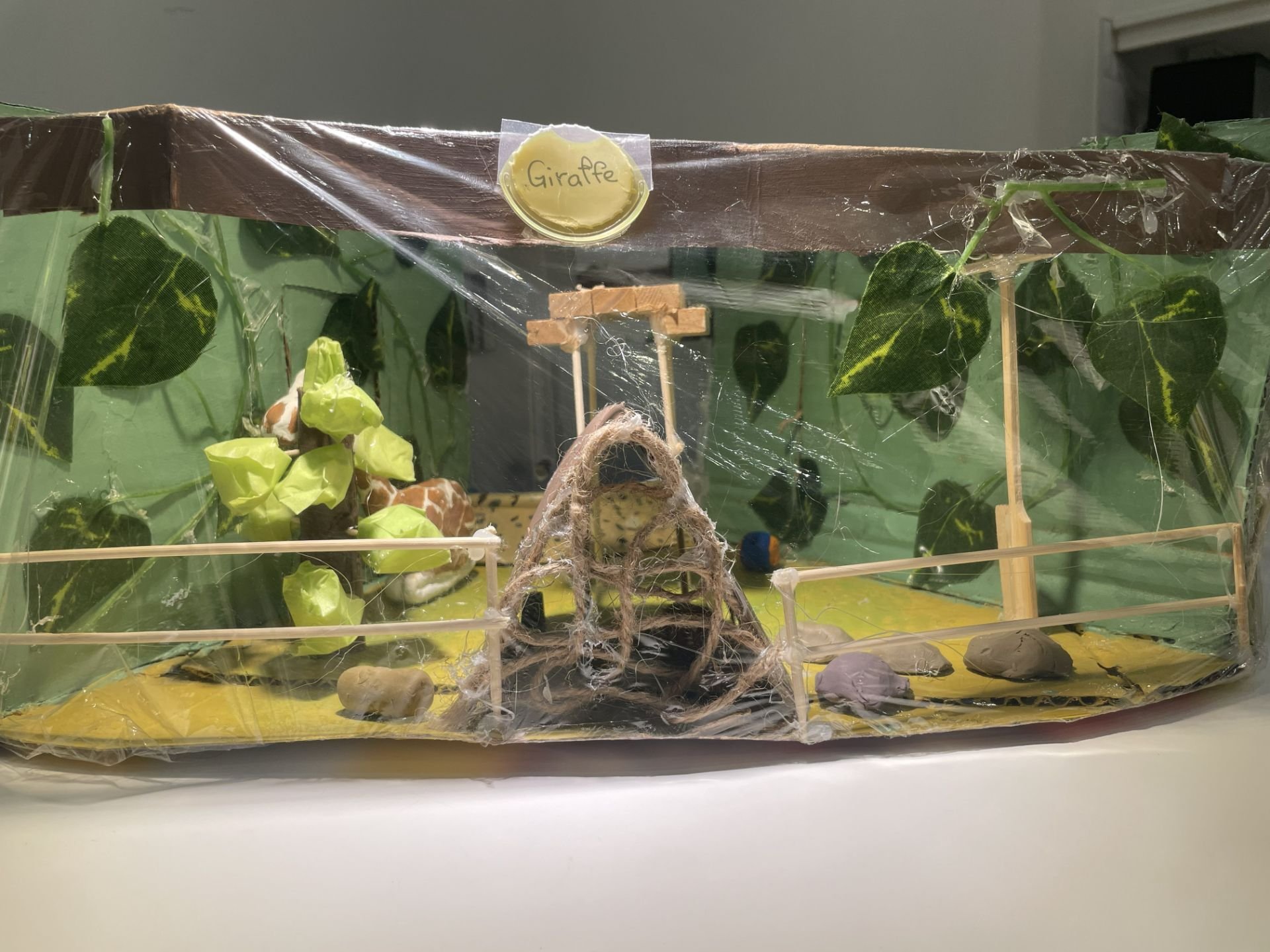 Giraffe (Side view)
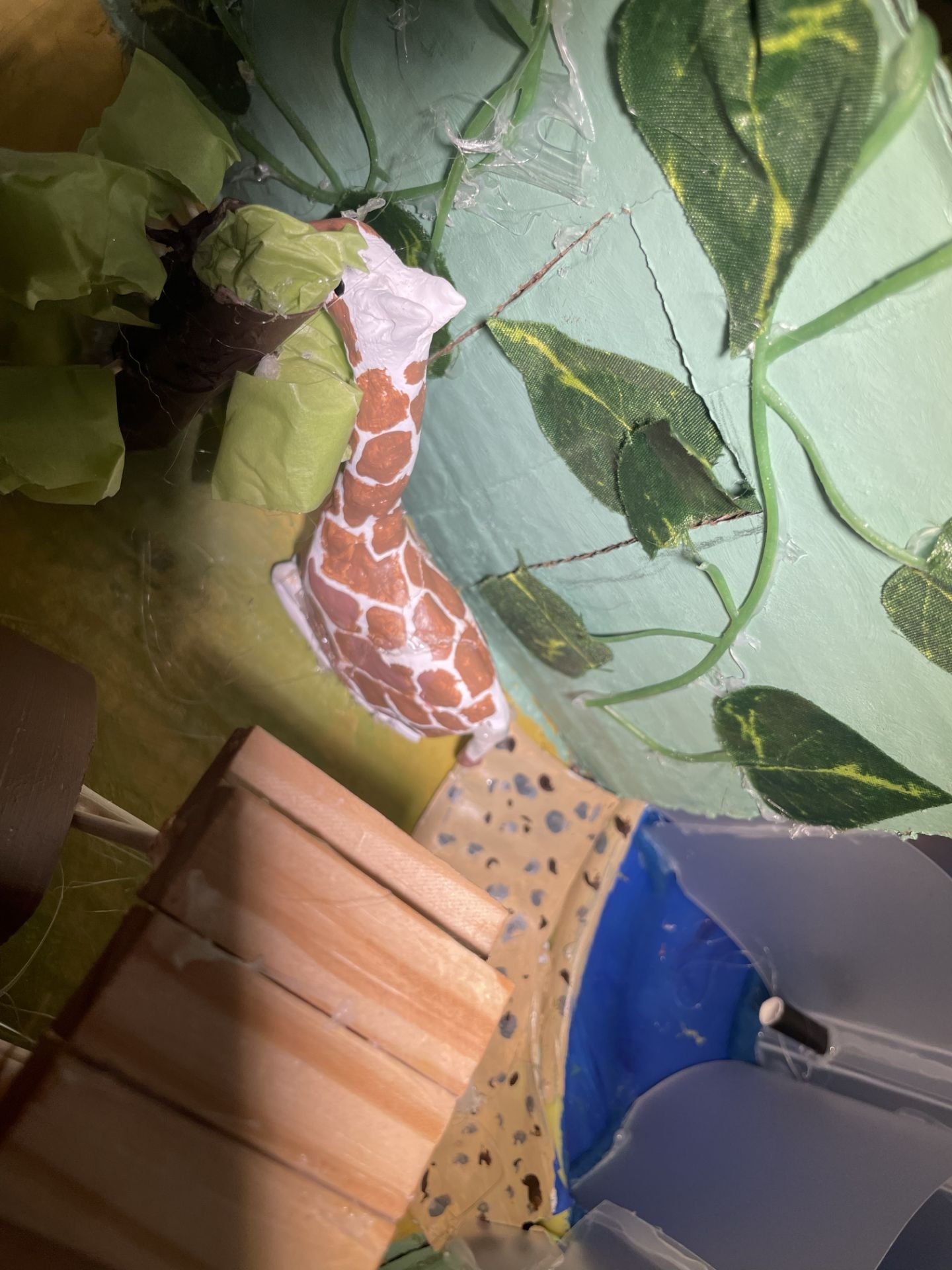 Giraffe (Close up)
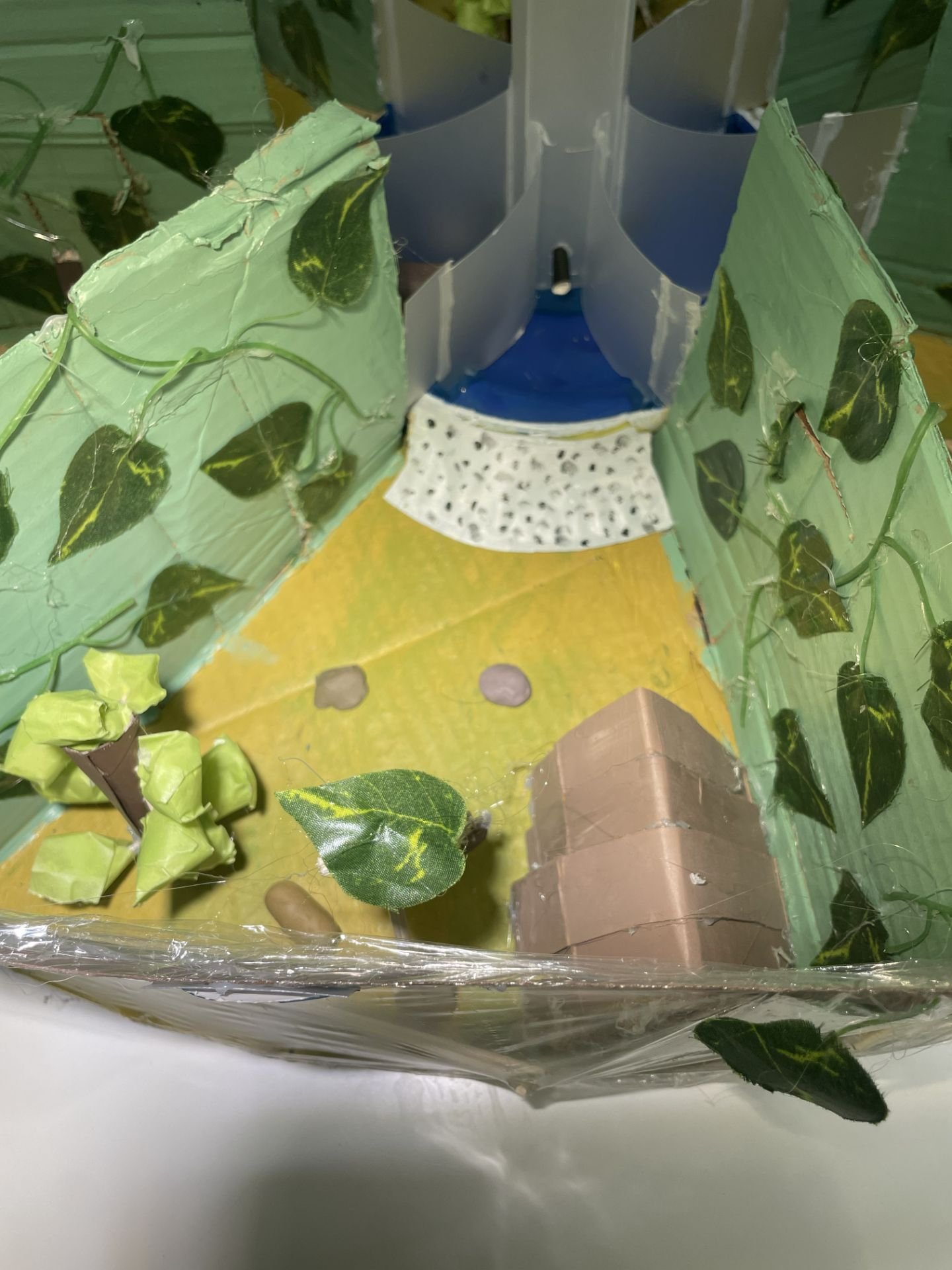 Empty Habitat
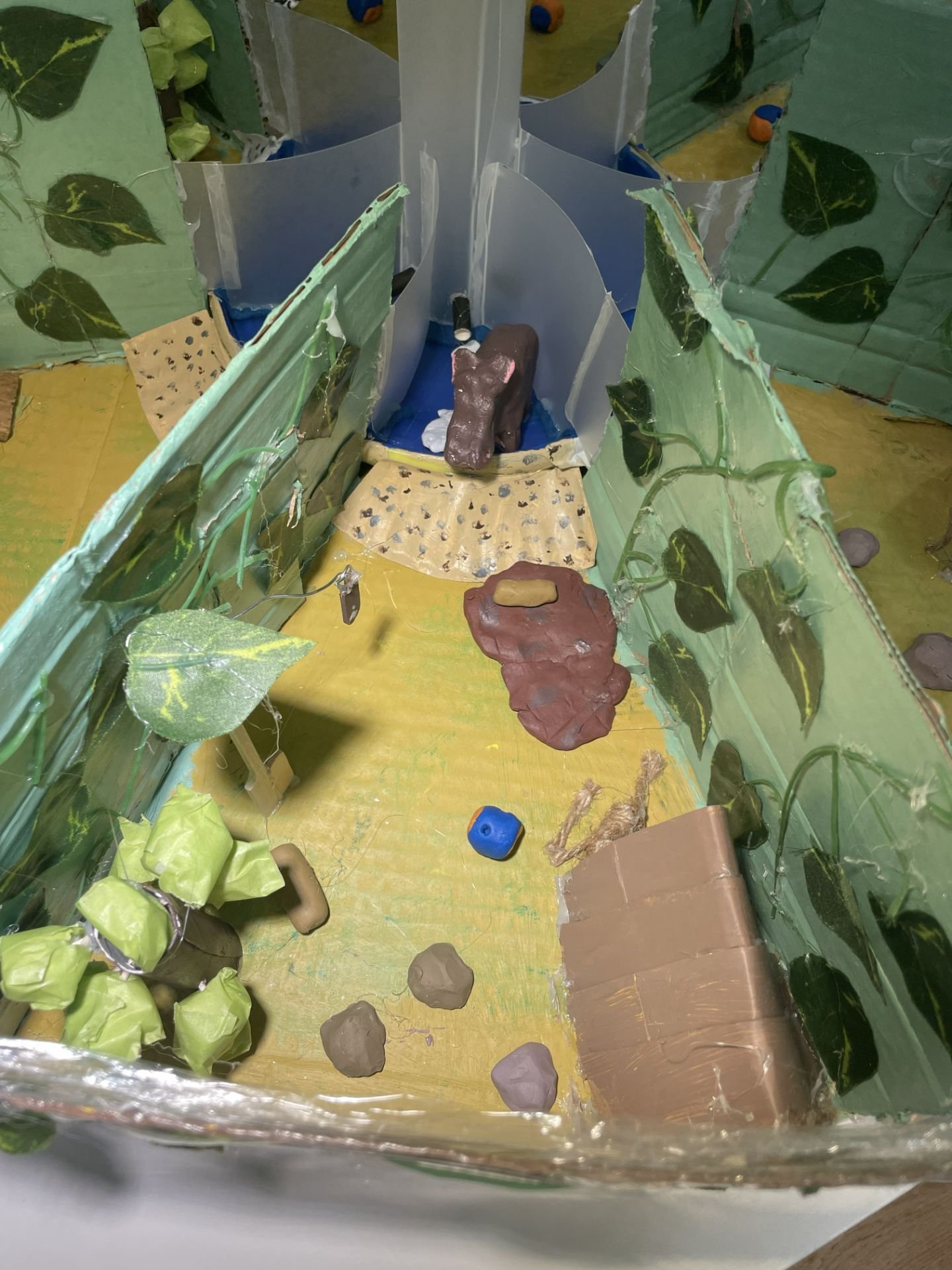 Hippo (Skyview)
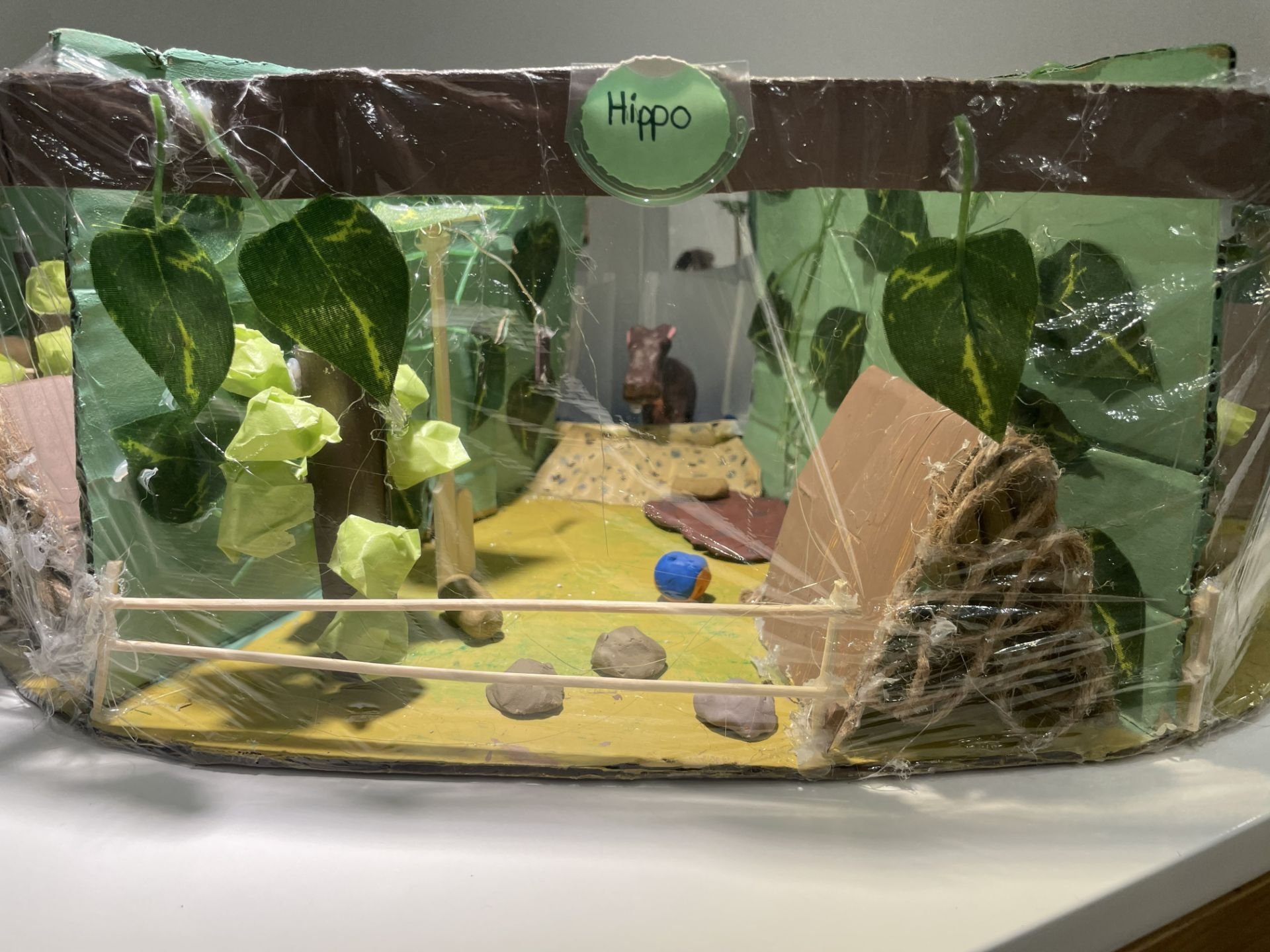 Hippo (Side view)
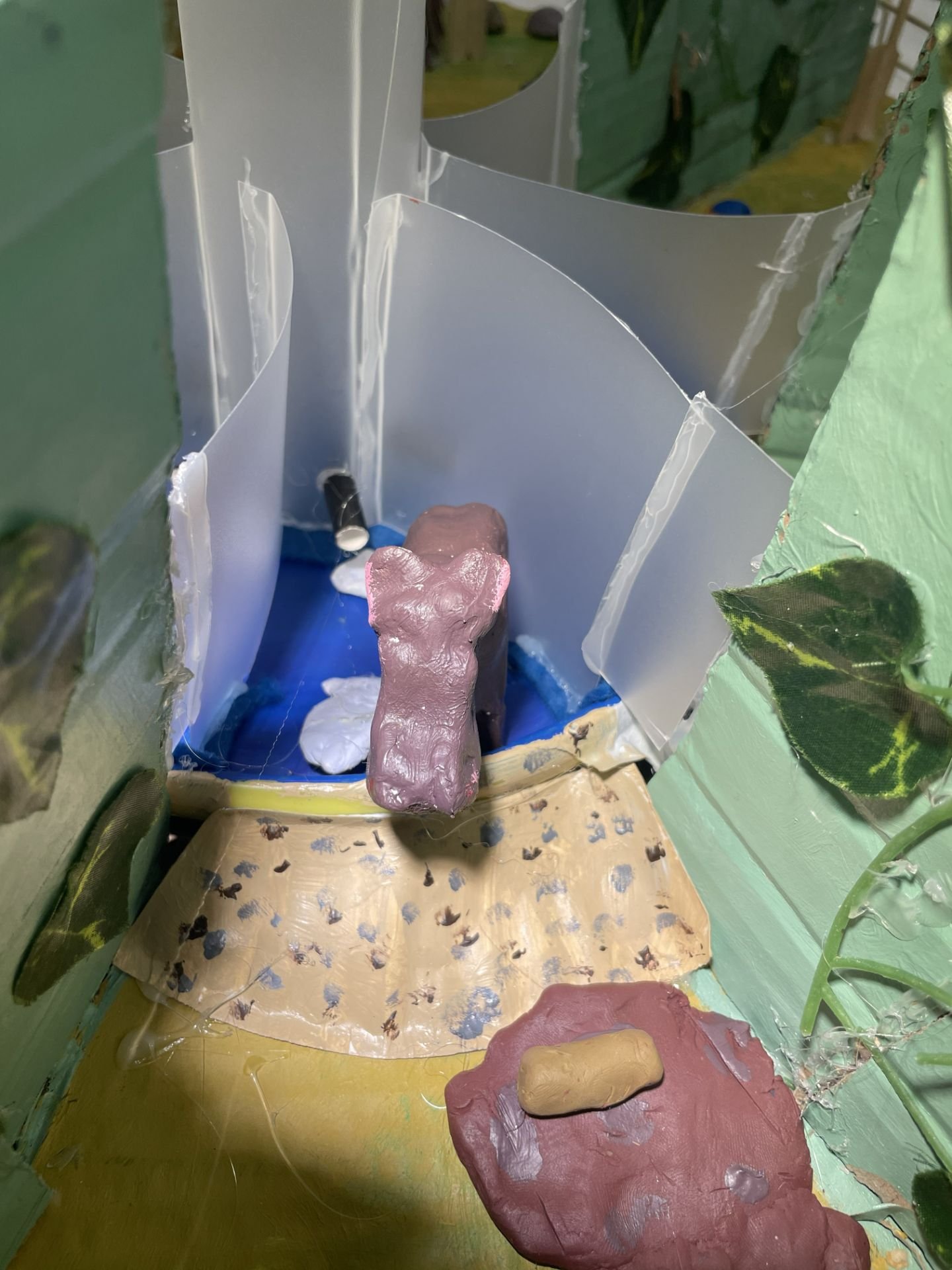 Hippo (Close up)
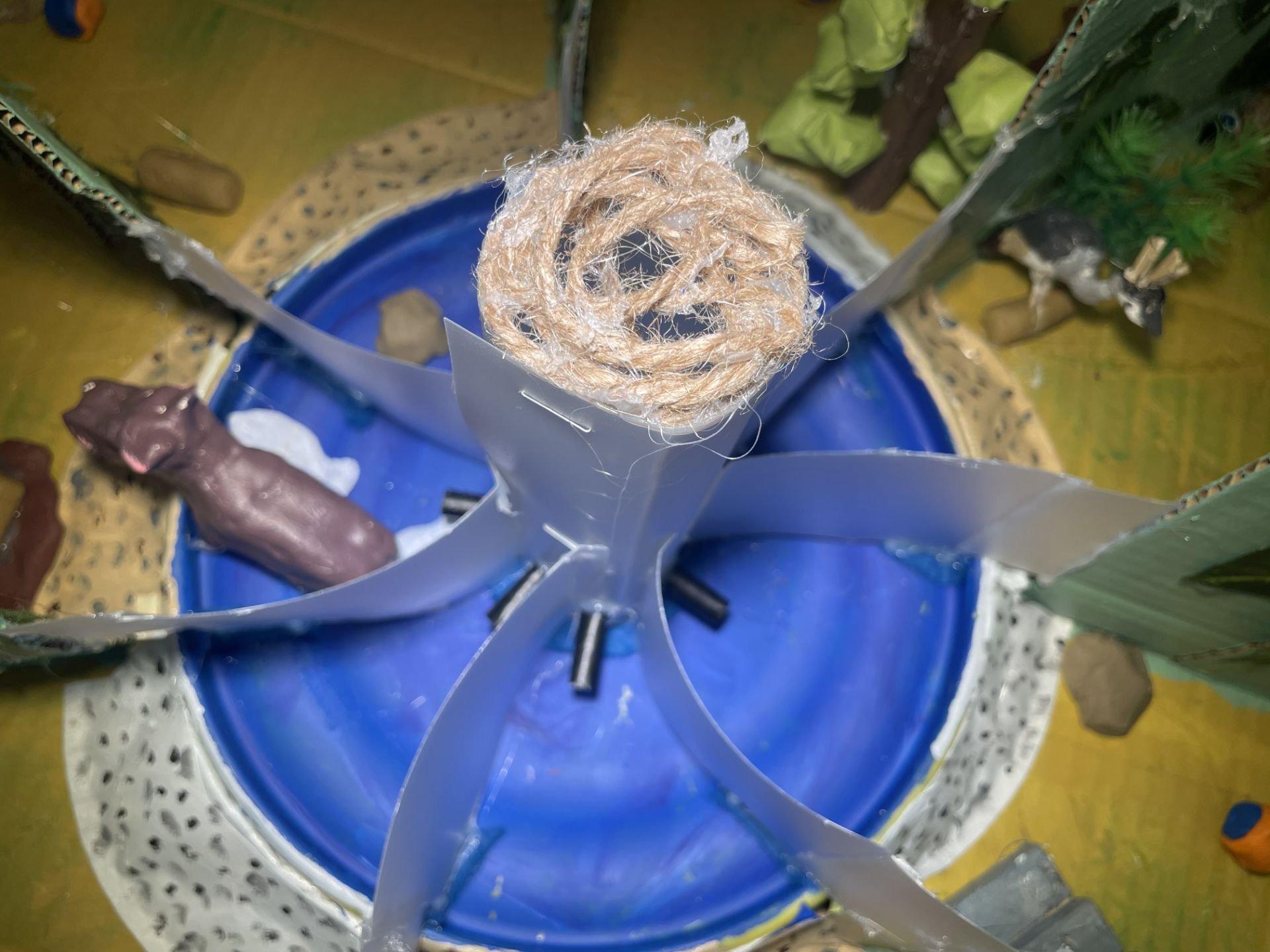 Waterhole
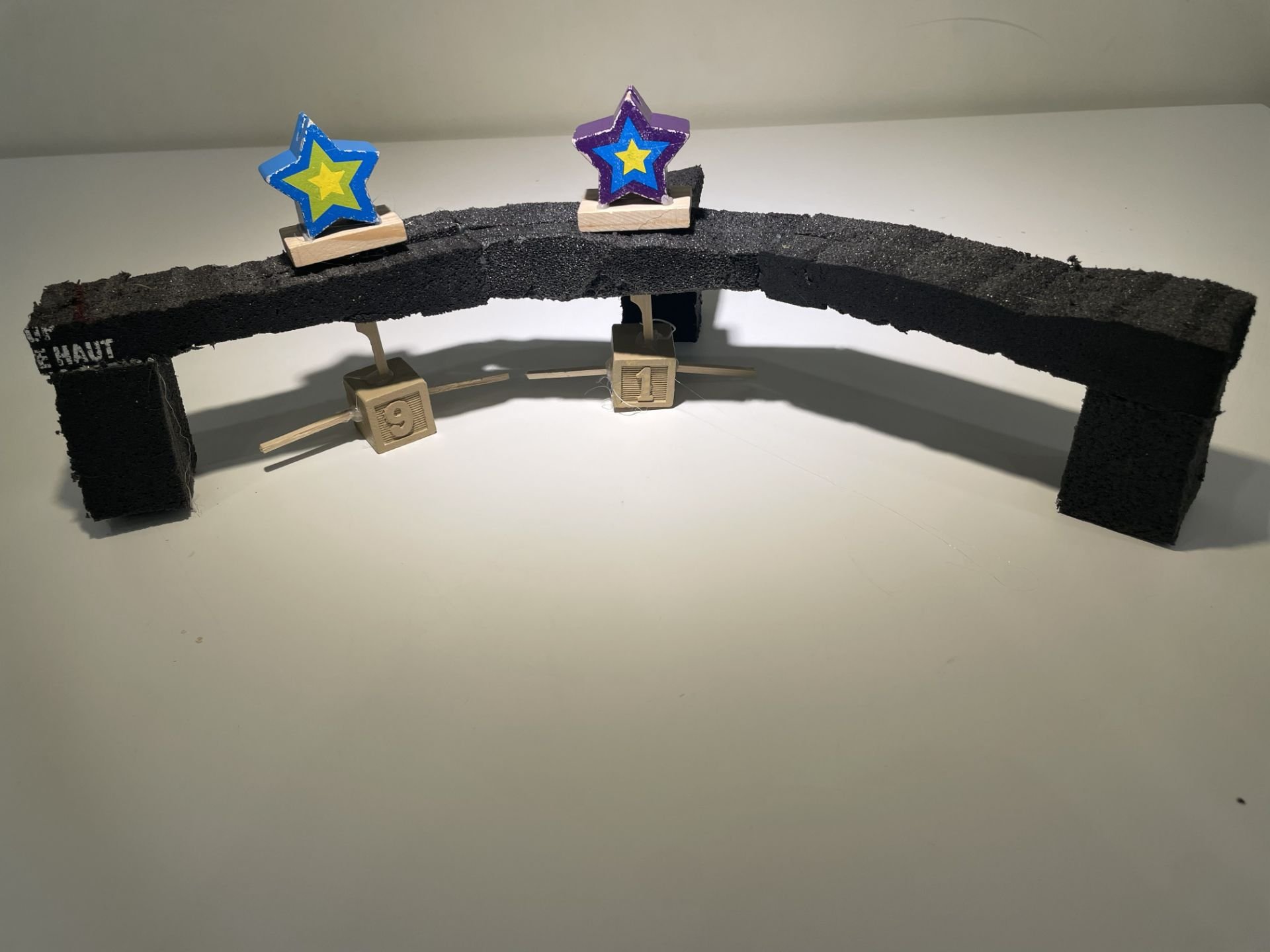 Underground track model (features on left side)
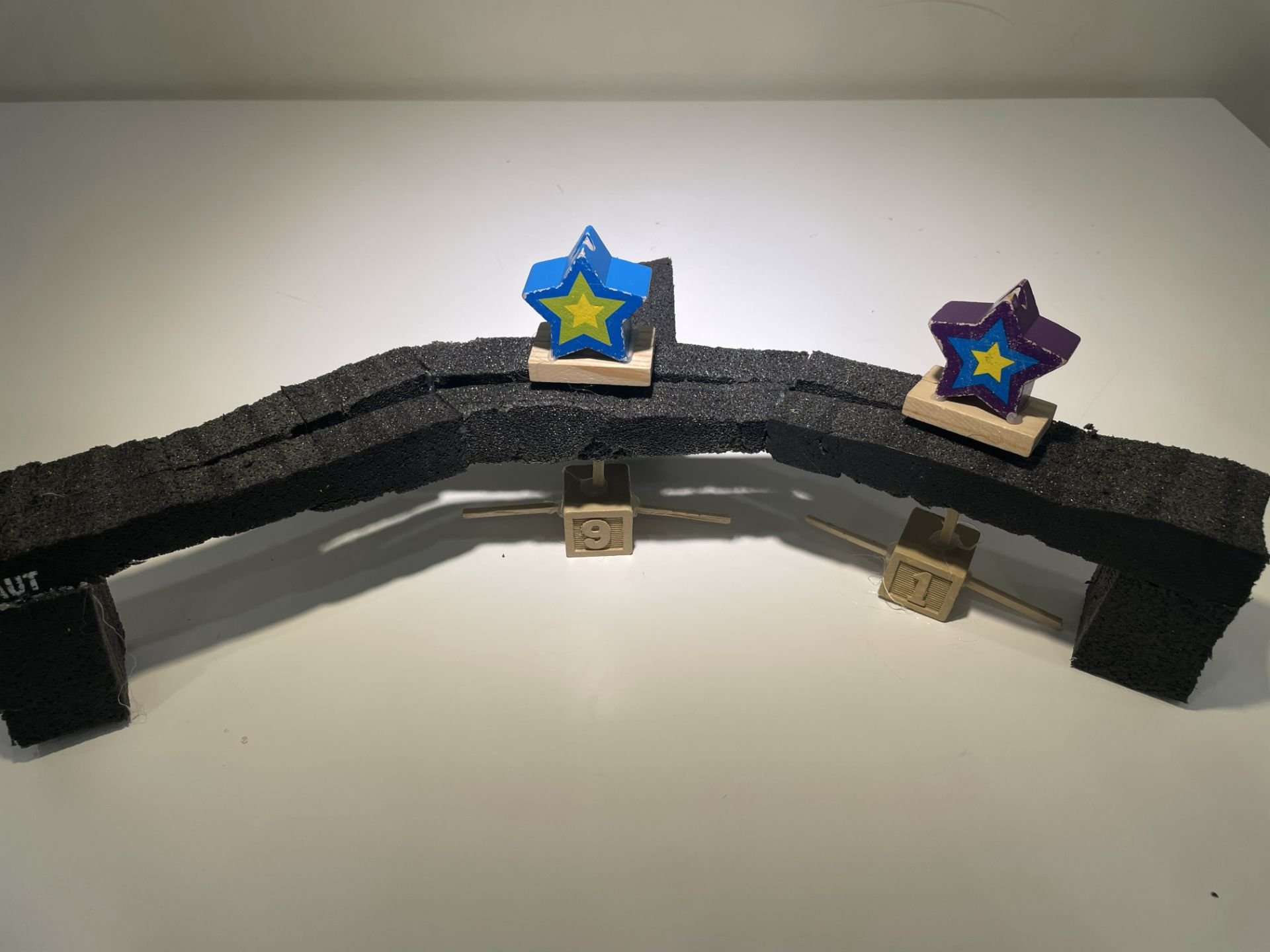 Underground track model (features of right side)
Rainforest
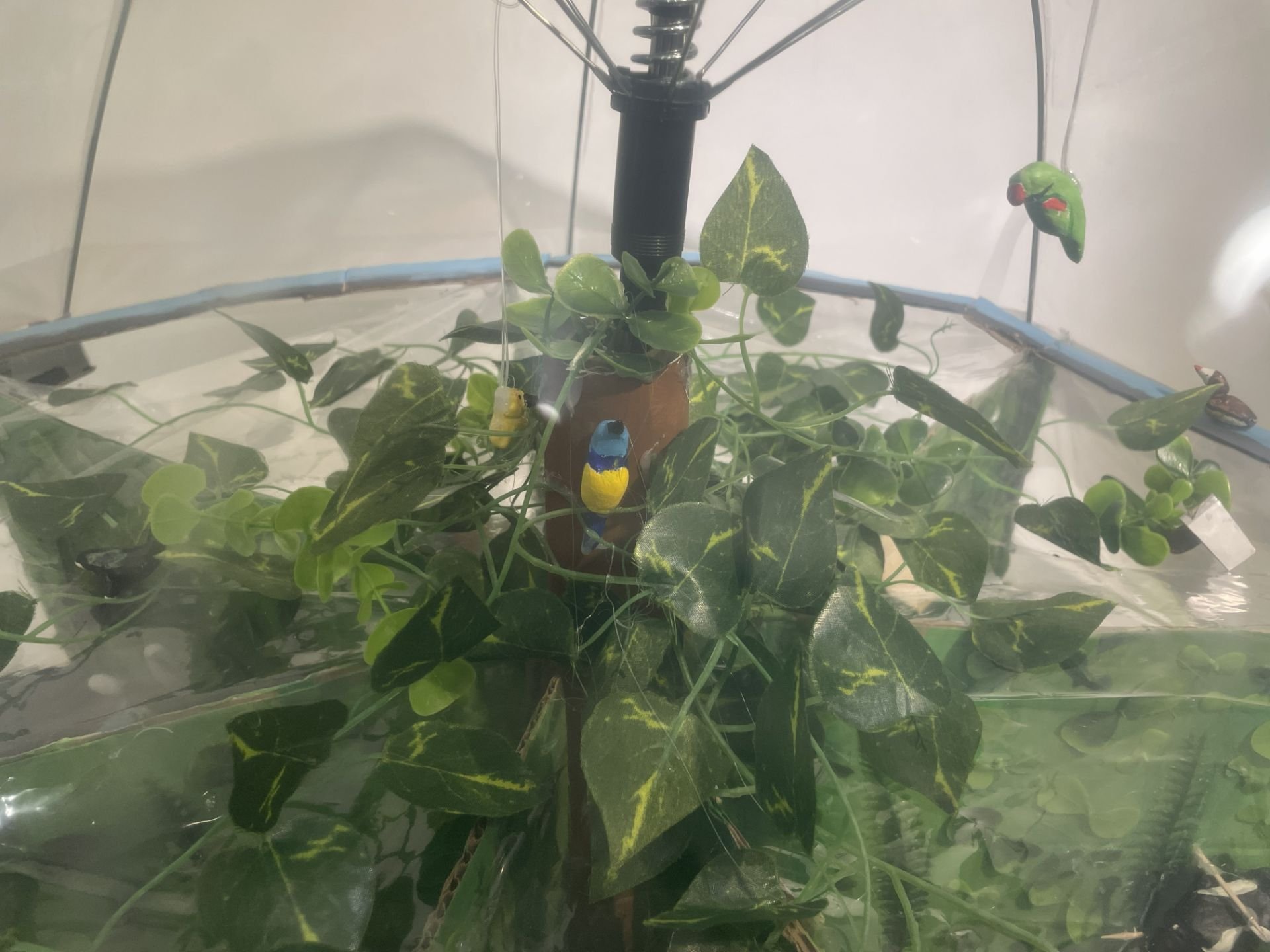 Middle of bird aviary
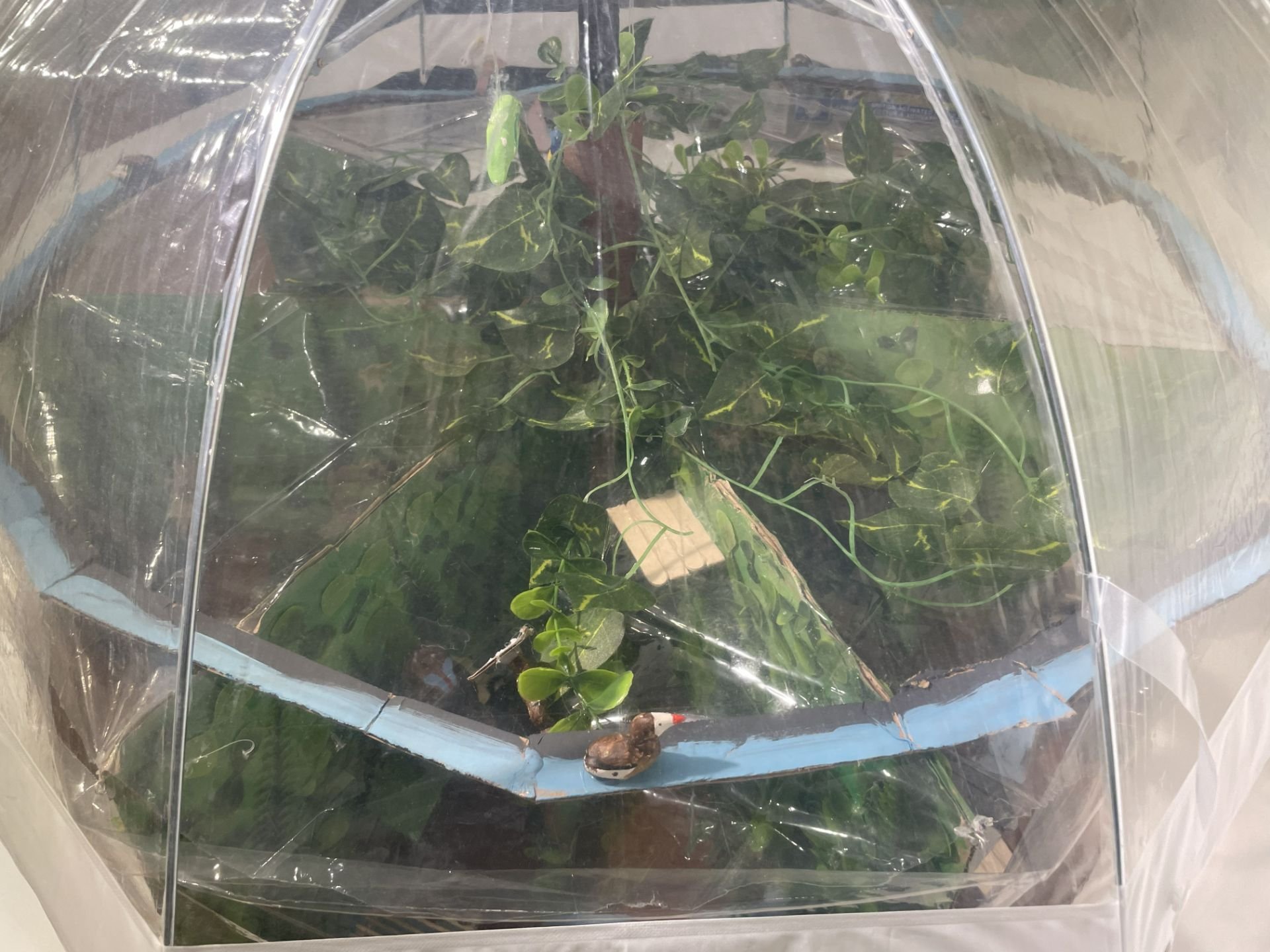 Top of rain forest habitat. Birds in the top of the canopy. With umbrela.
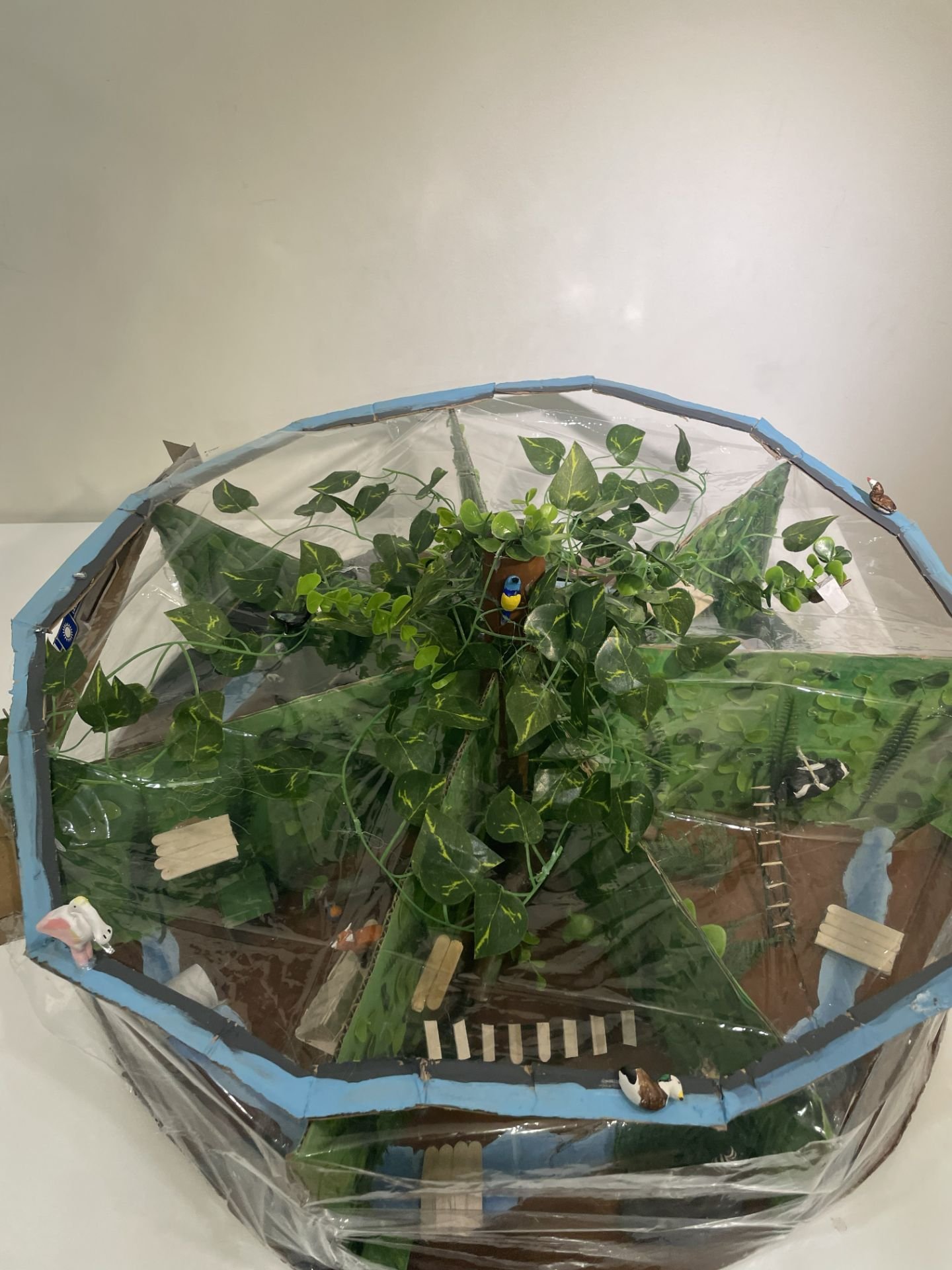 Top of rainforest habitat. Birds in the top of the canopy. Umbrella off.
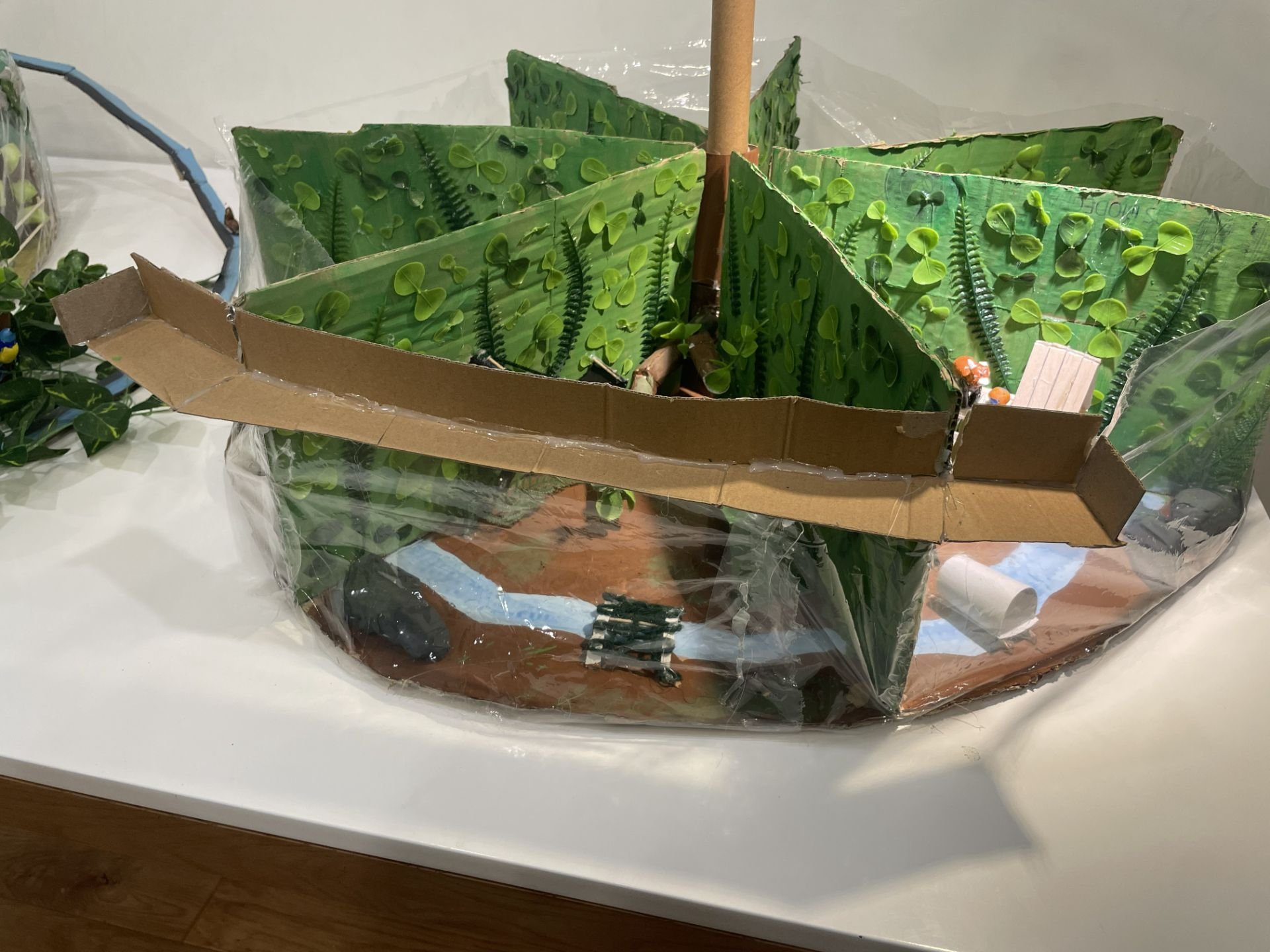 Bridge for viewing
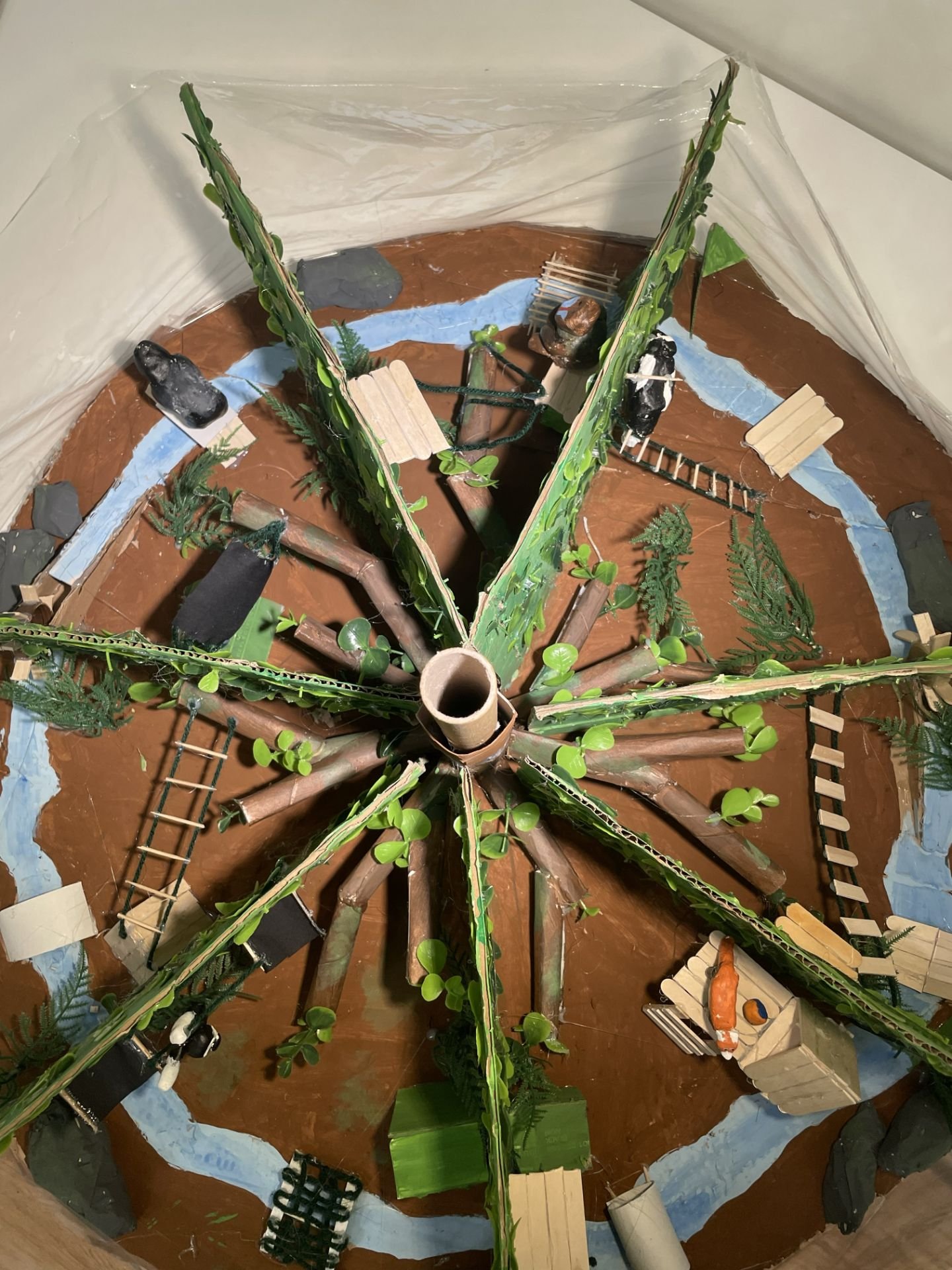 Monkey habitat (Skyview)
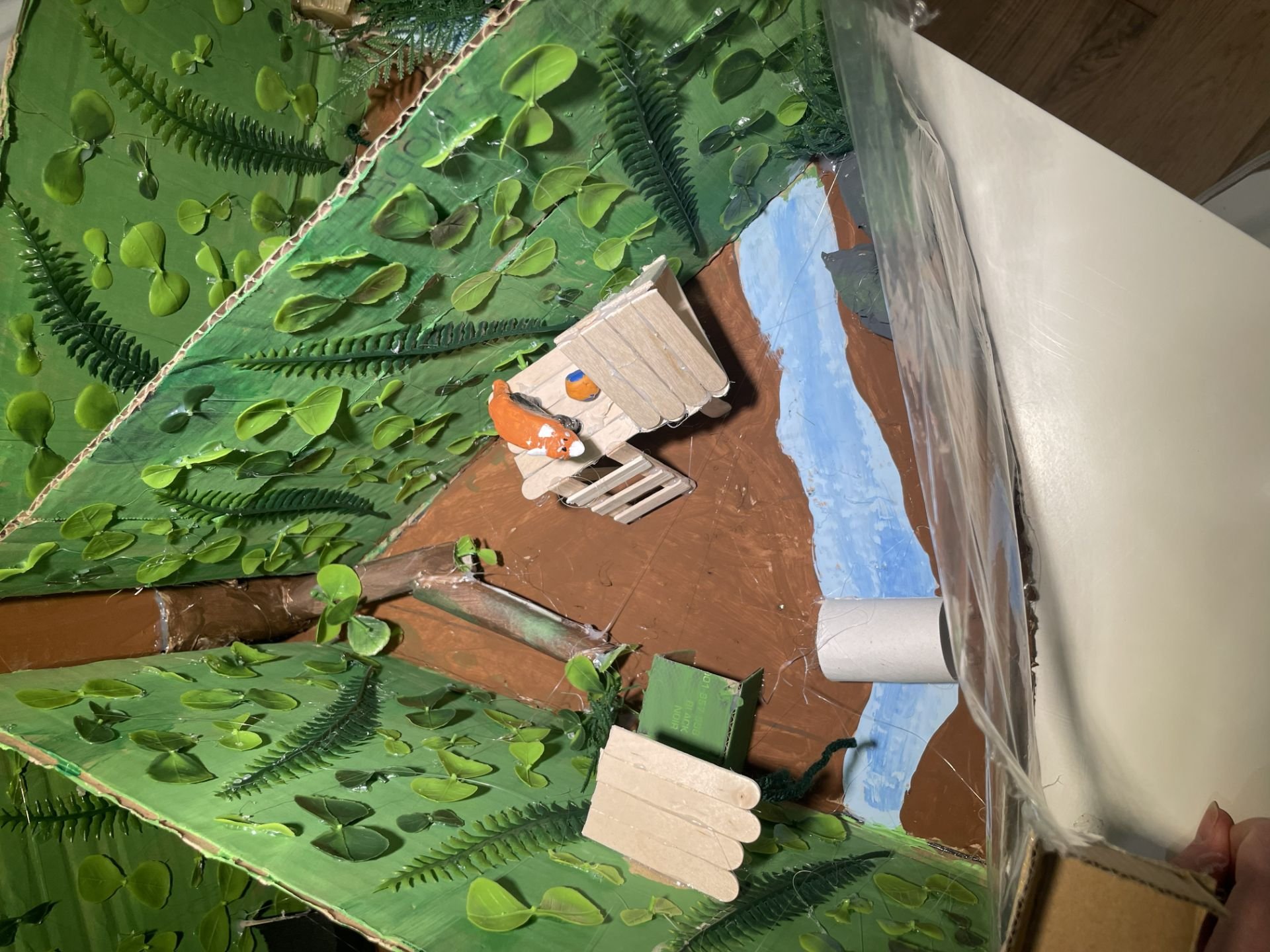 Red panda (Skyview)
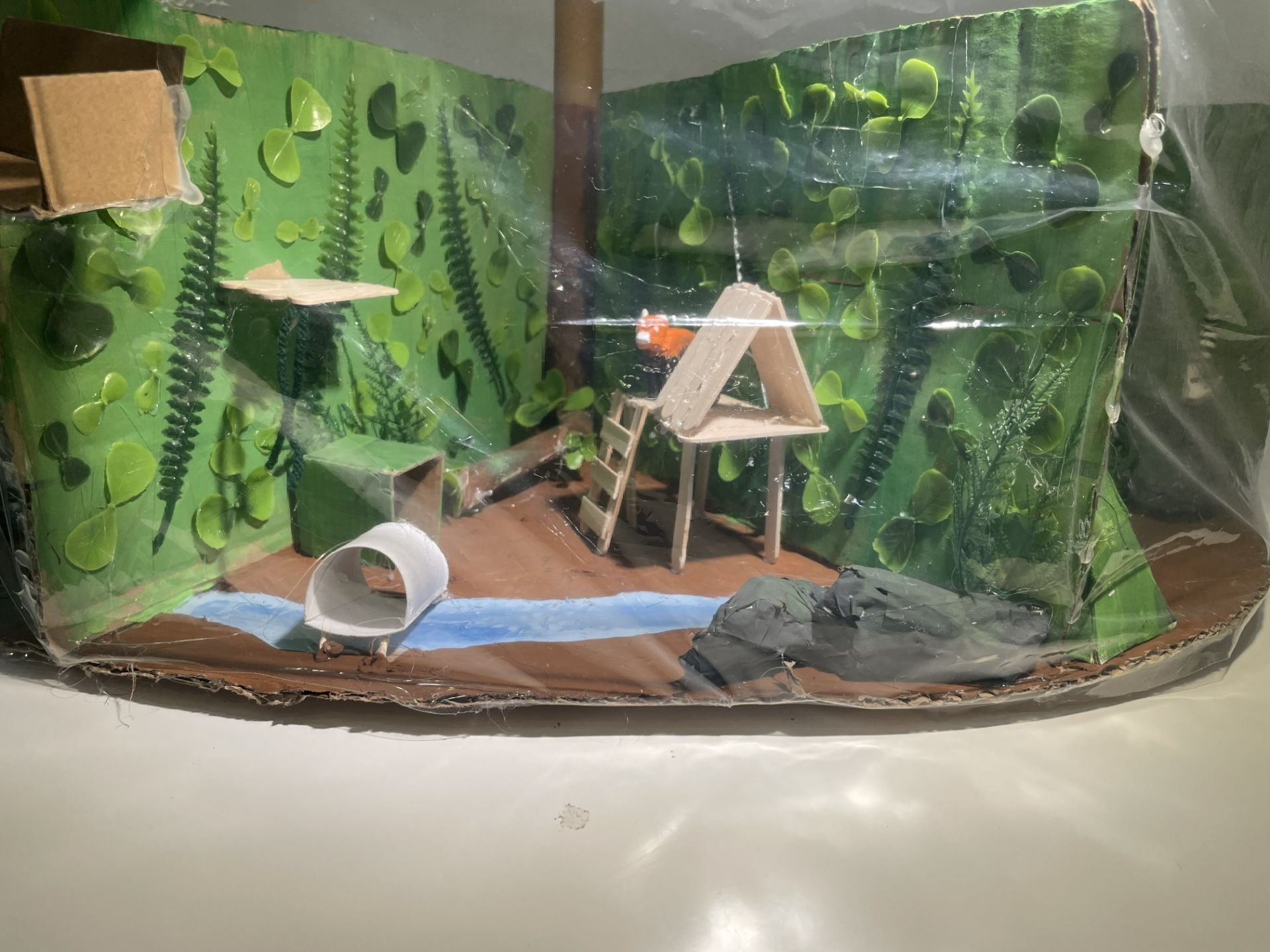 Red panda (Side view)
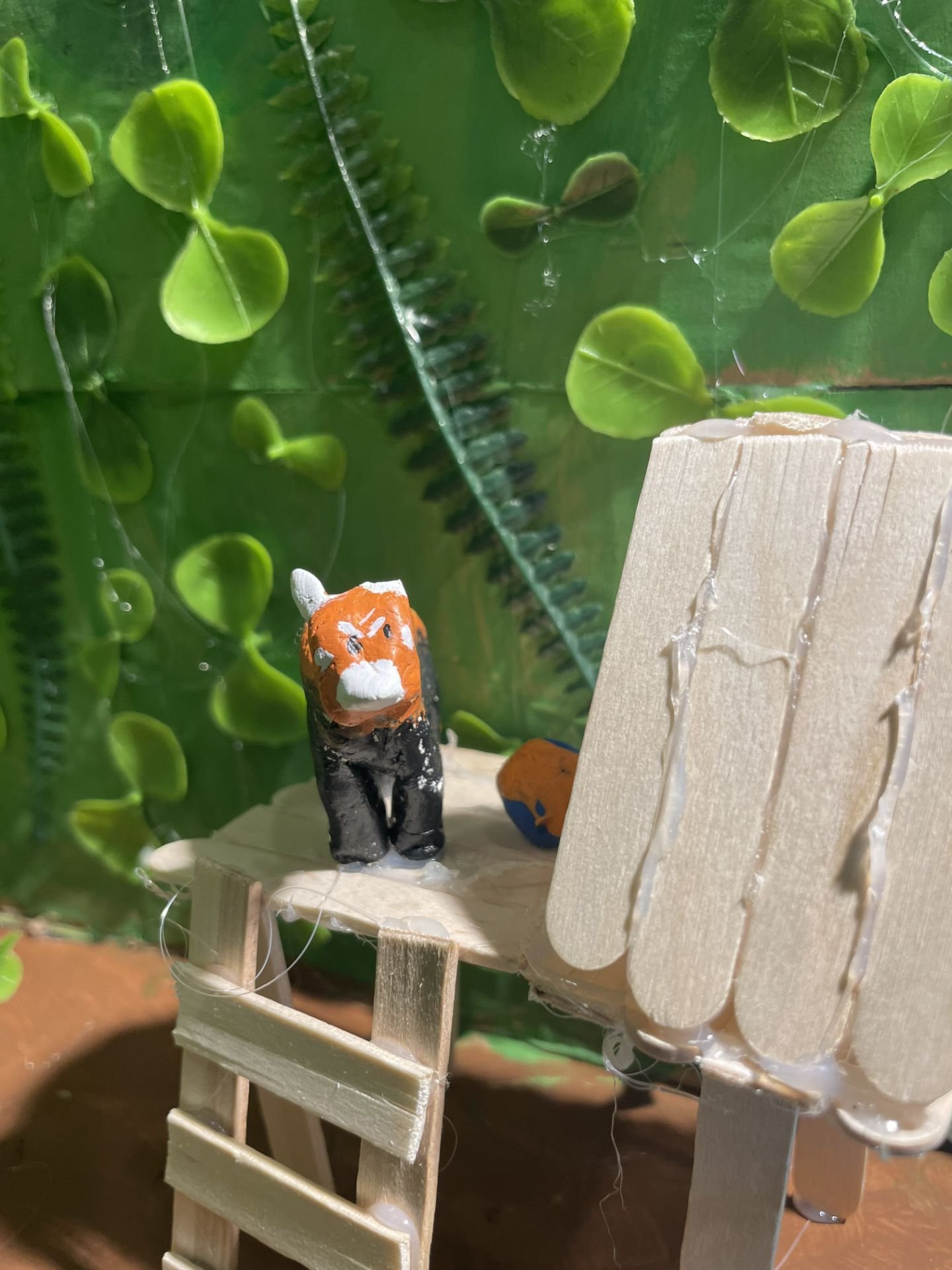 Red panda (Close up)
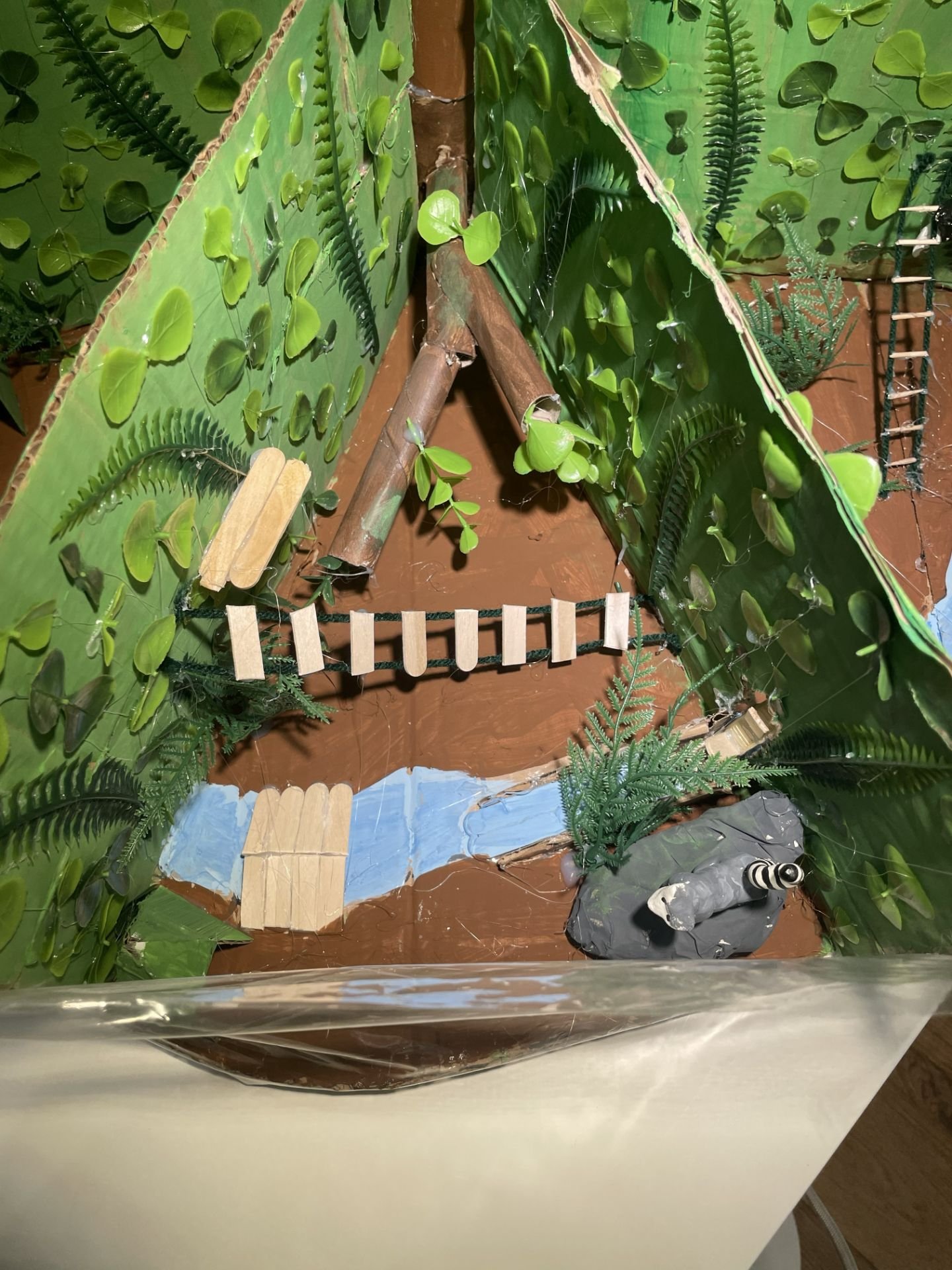 Lemurs (Skyview)
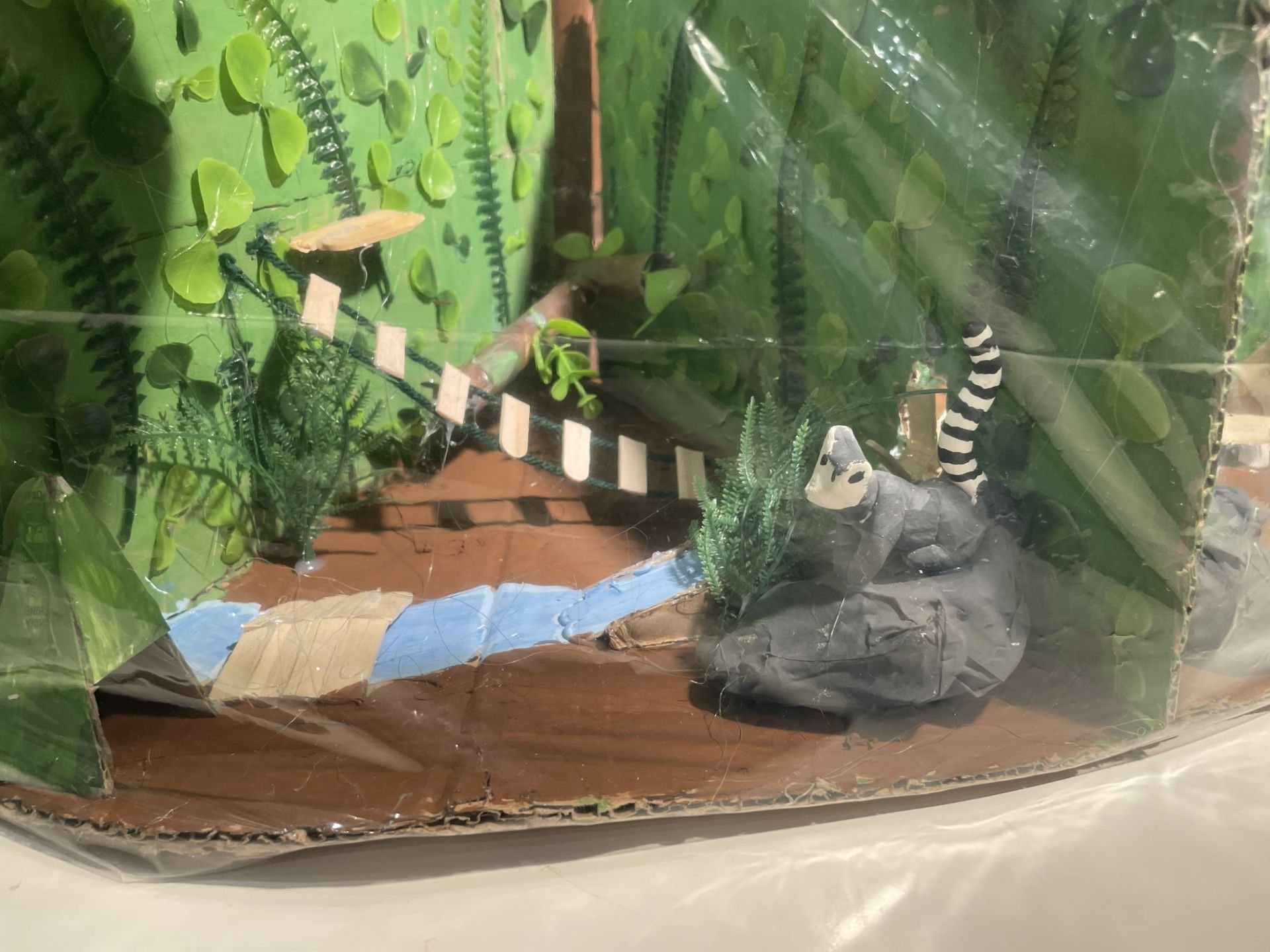 Lemurs (Side view)
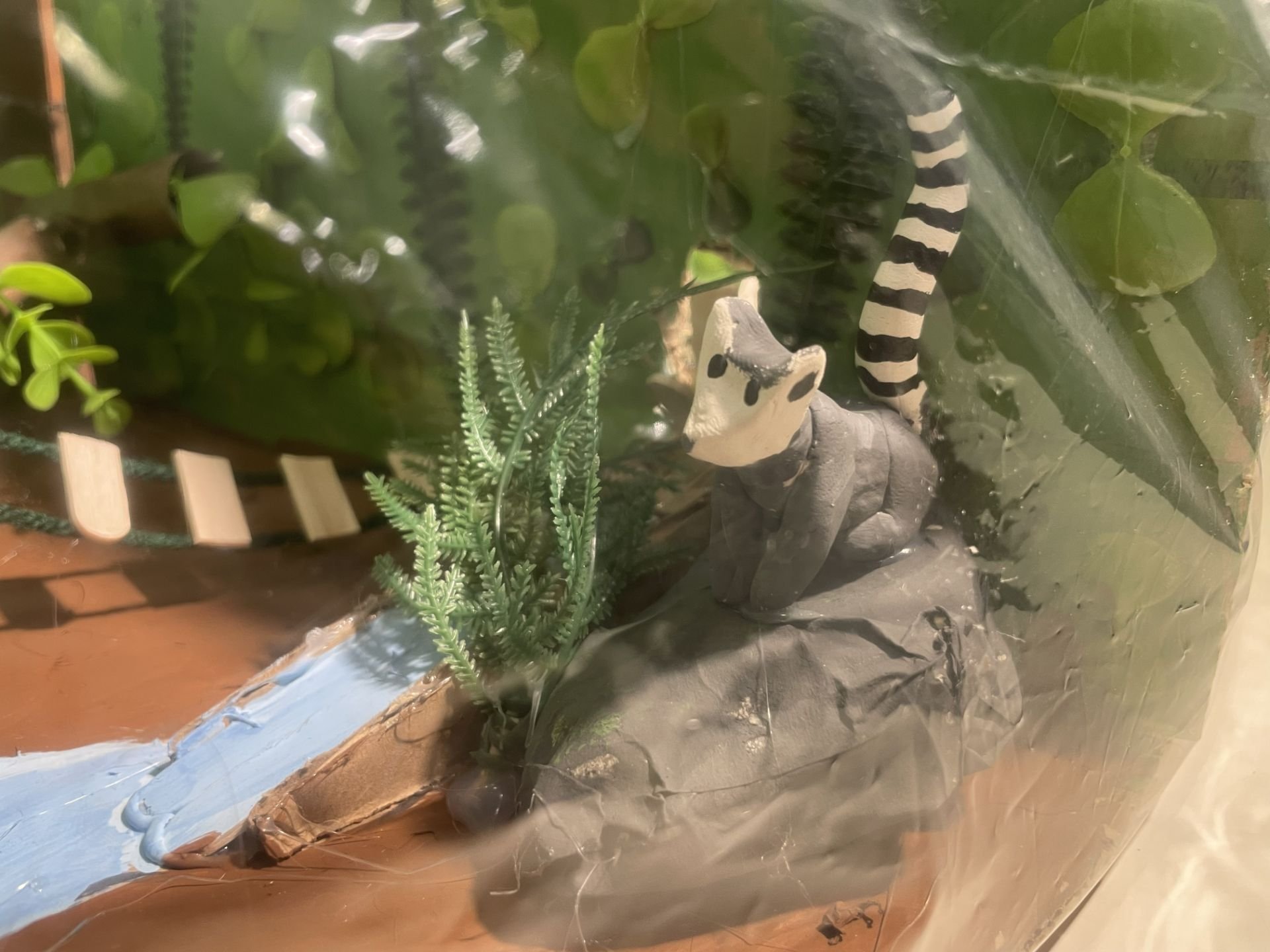 Lemur (Close up)
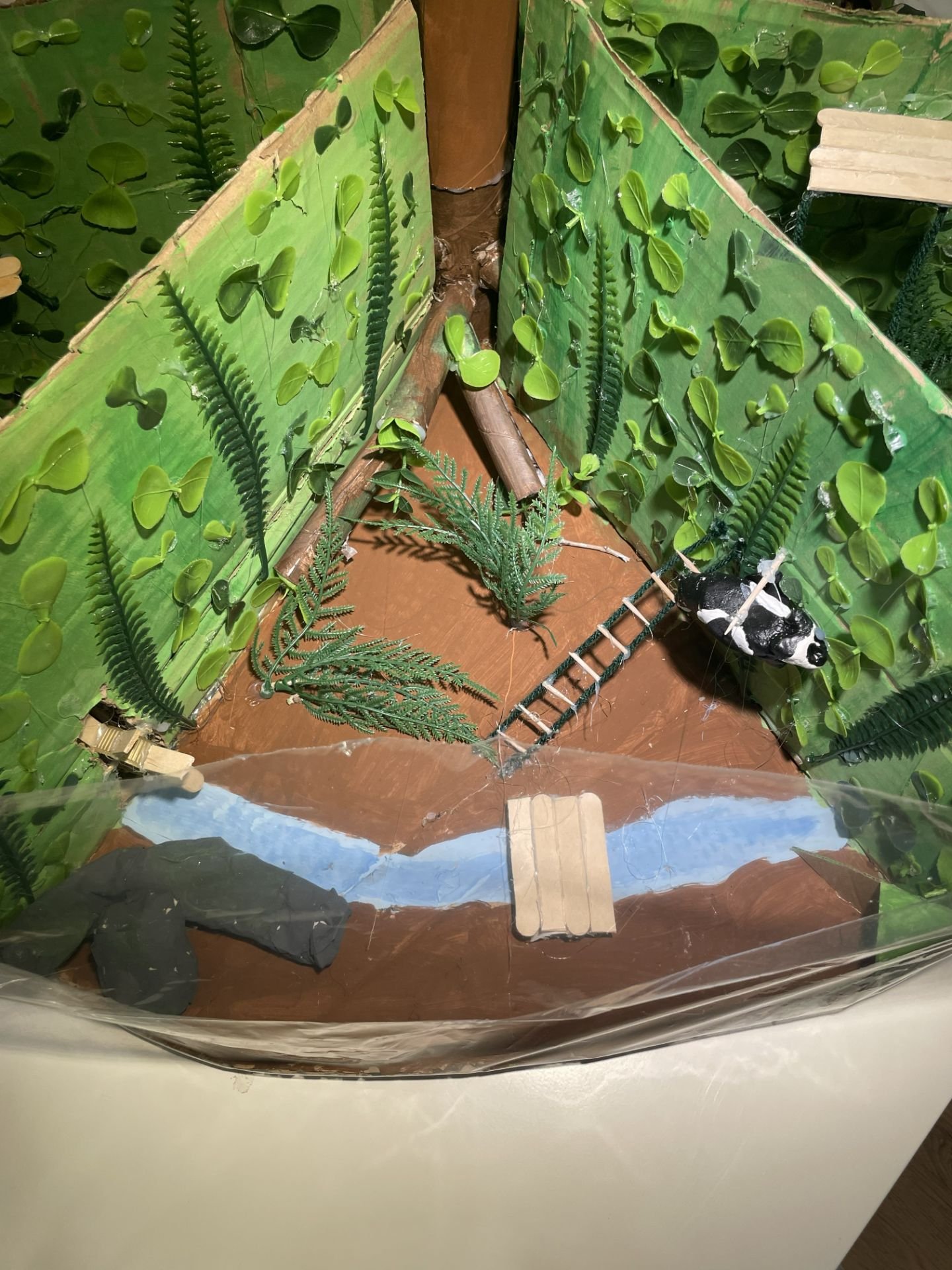 Colobus monkey (Skyview)
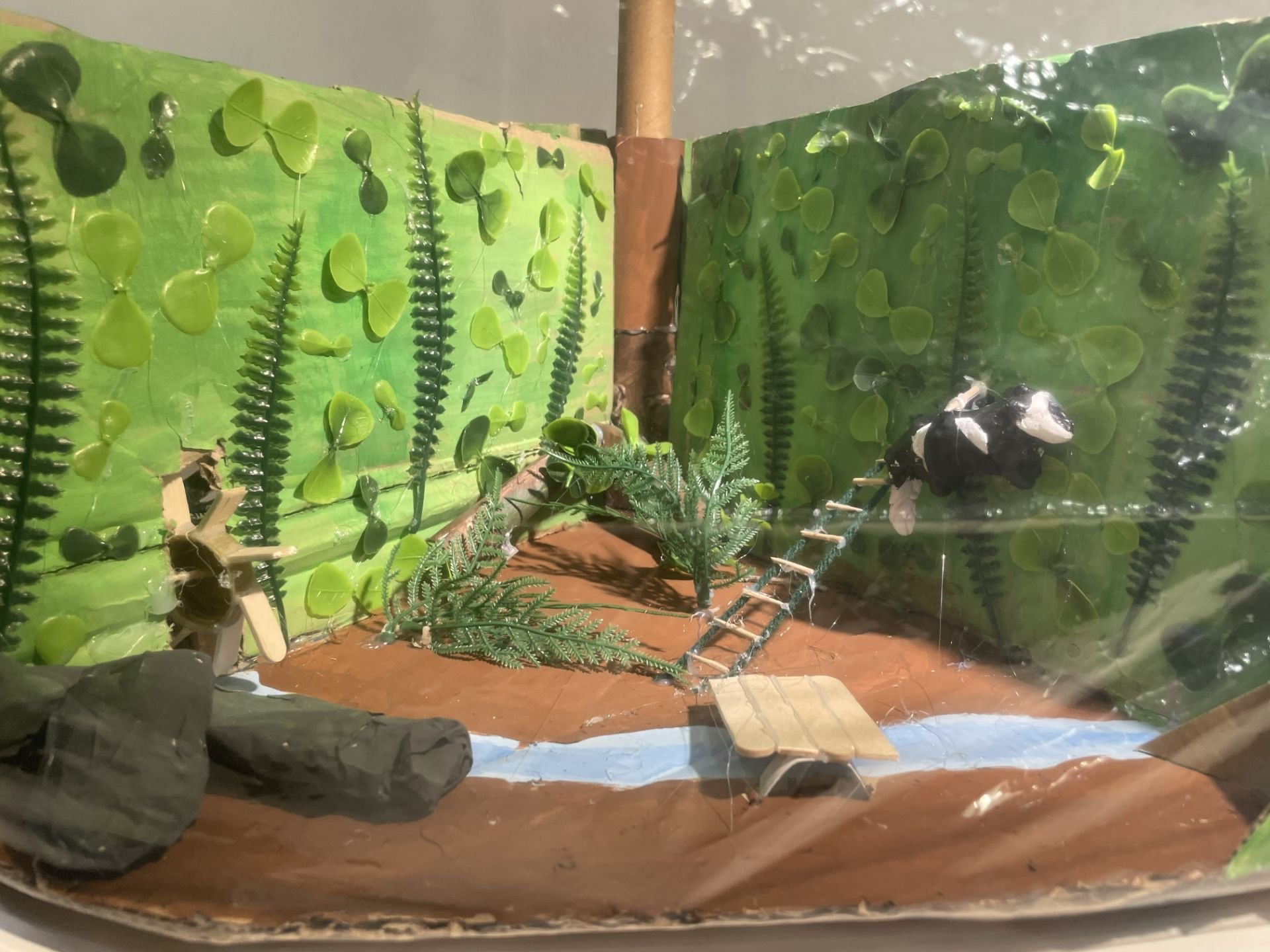 Colobus monkey (Side view)
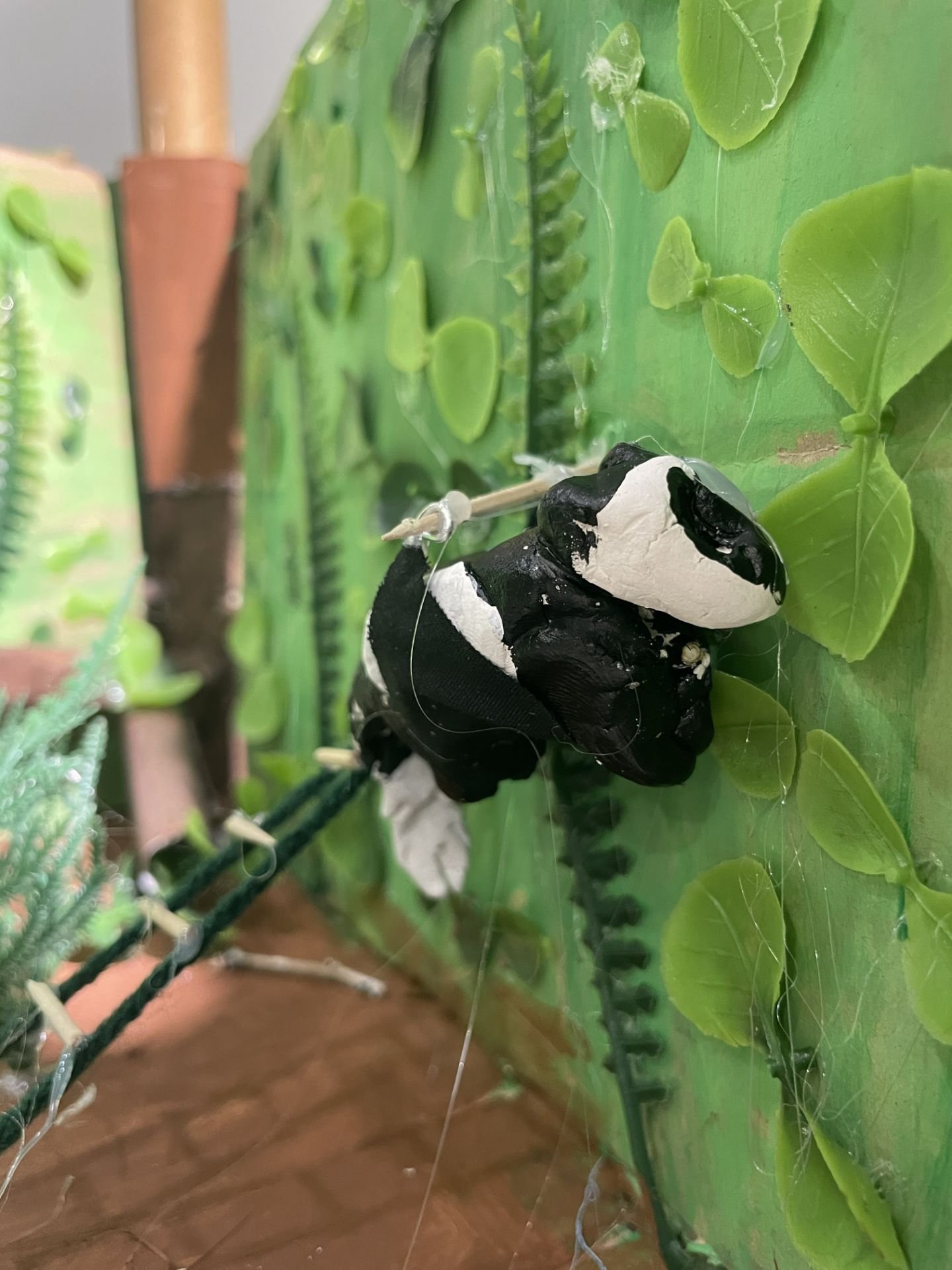 Colobus monkey (Close up)
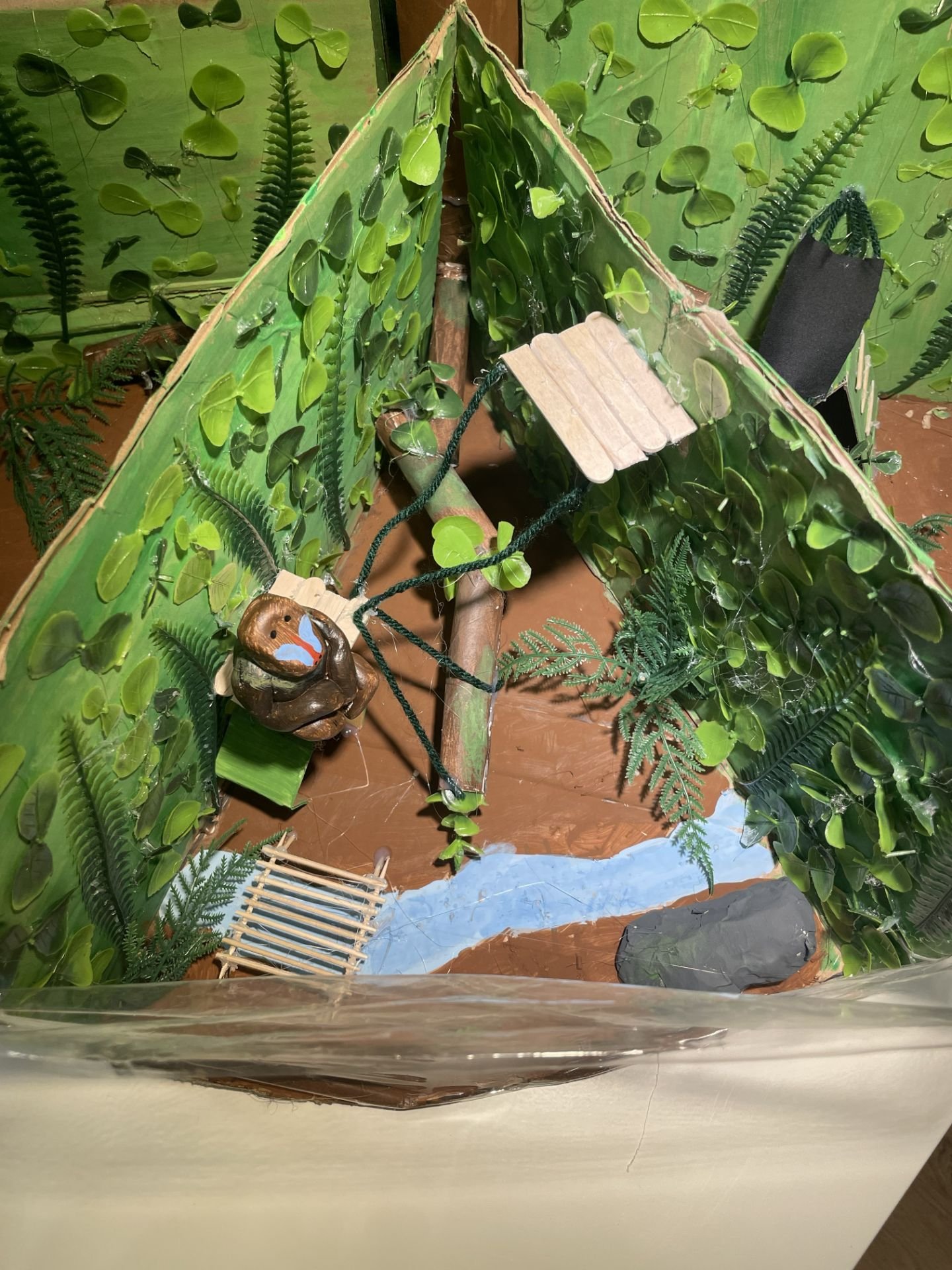 Mandrill (Skyview)
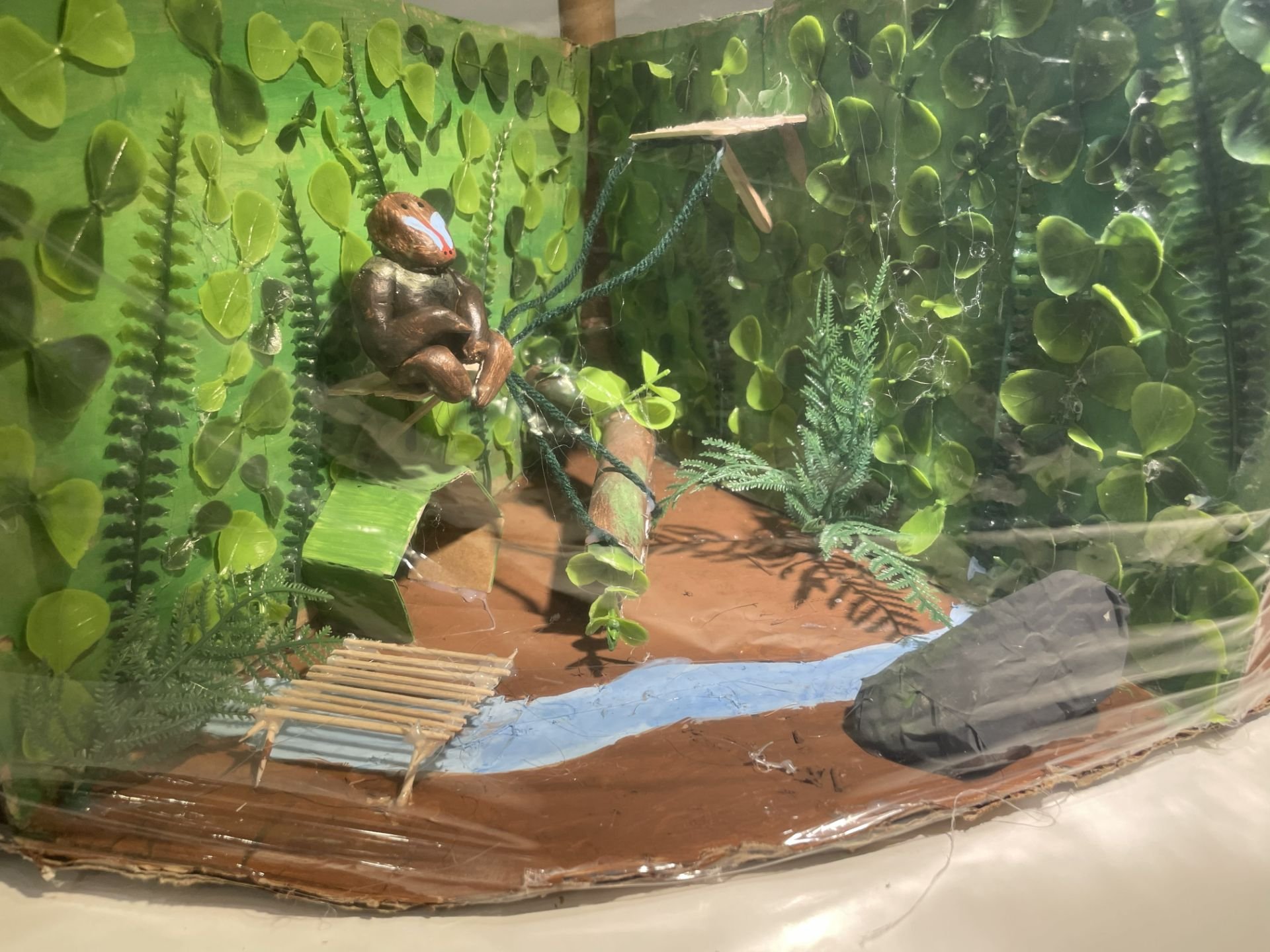 Mandrill (Side view)
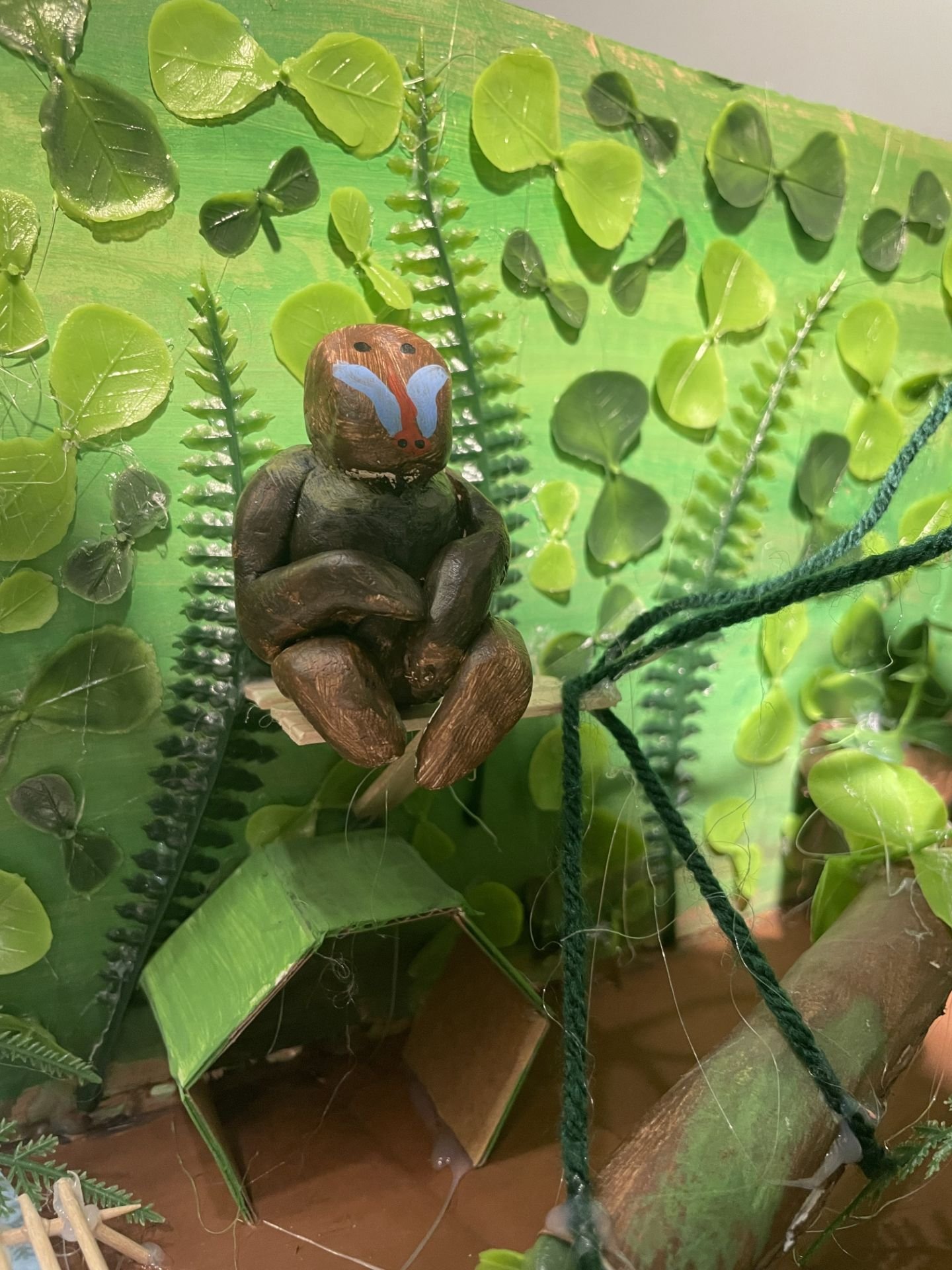 Mandrill (Close up)
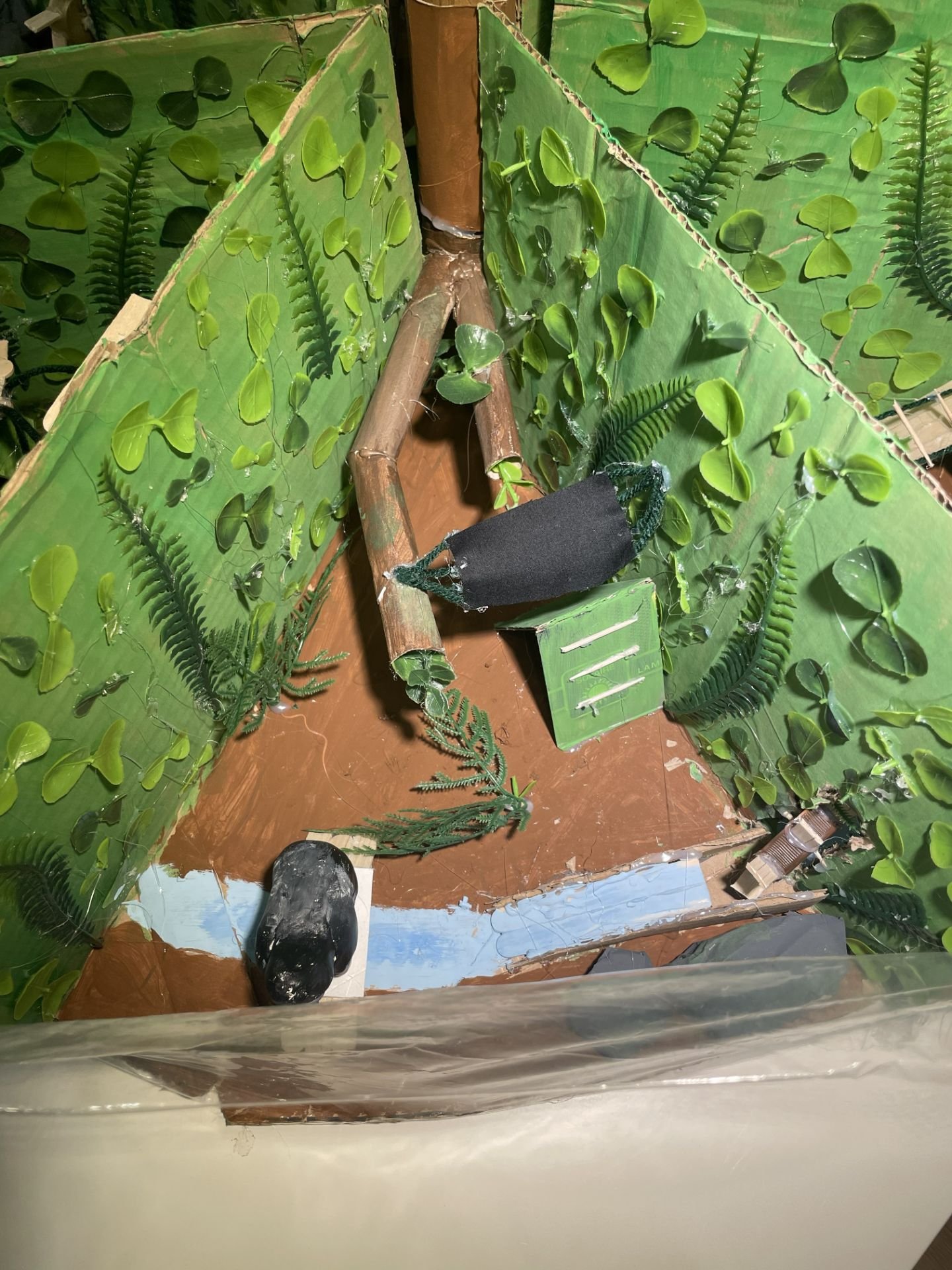 Gorilla (Skyview)
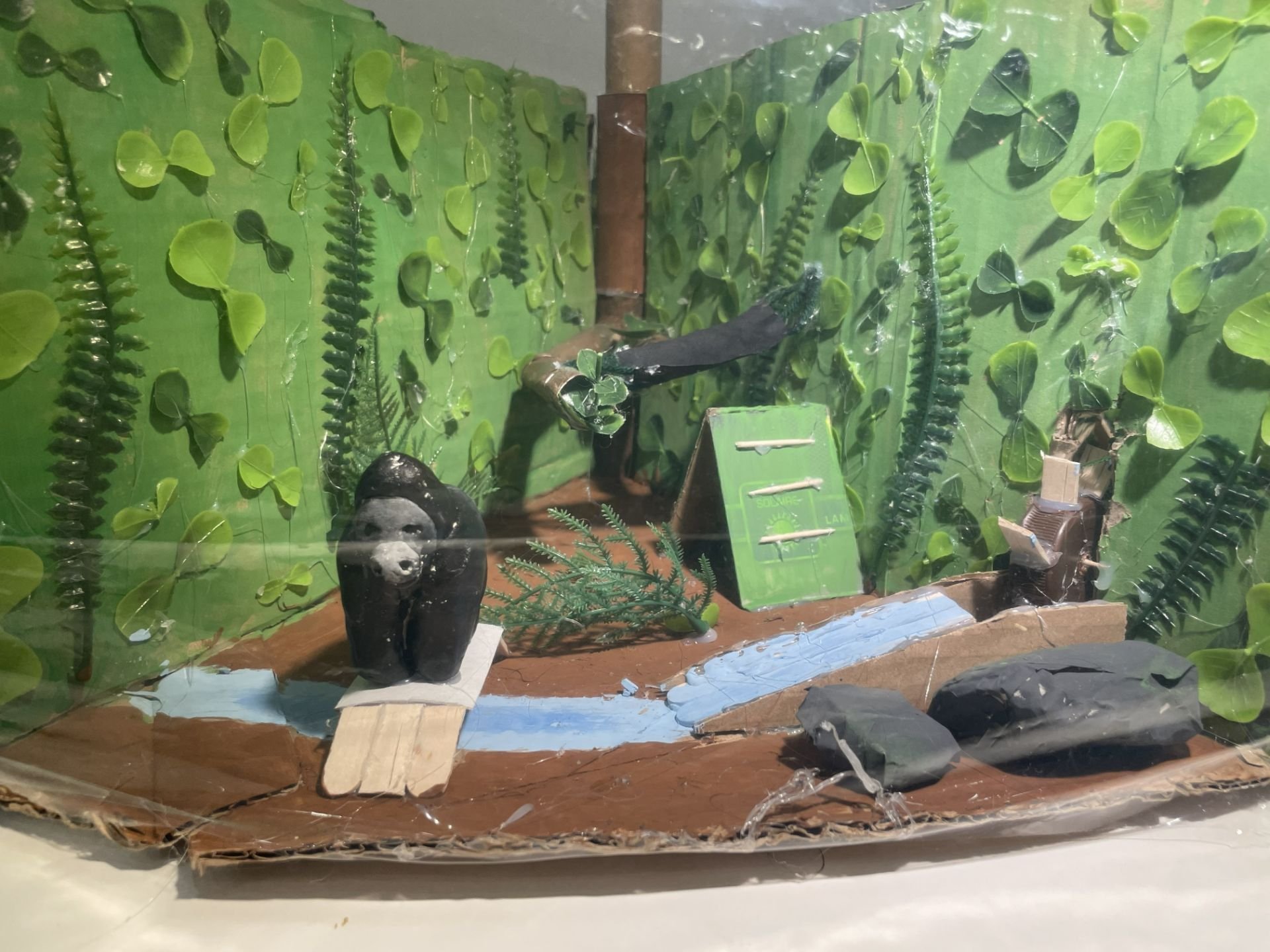 Gorilla (Side view)
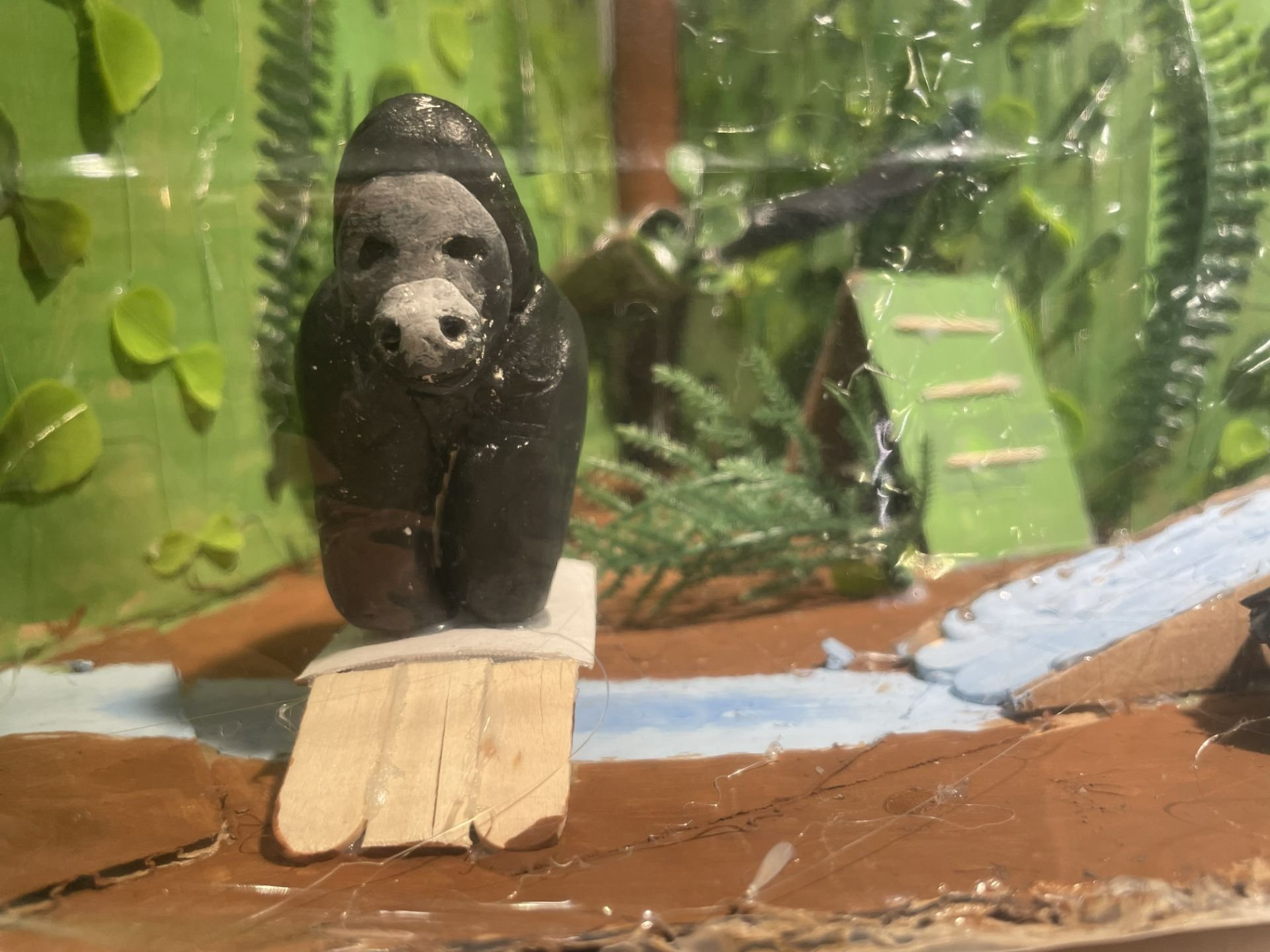 Gorilla (Close up)
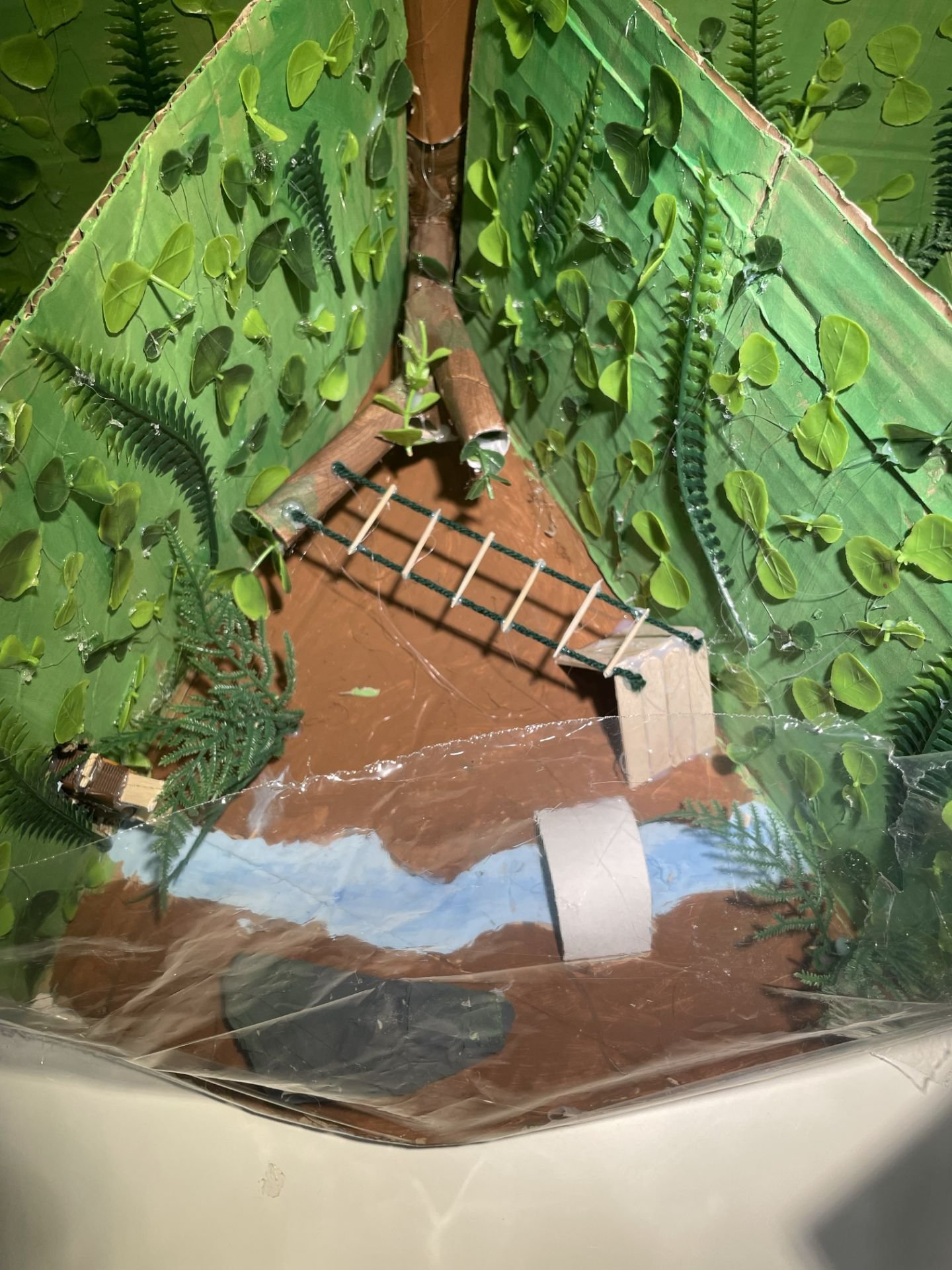 Empty (Skyview)
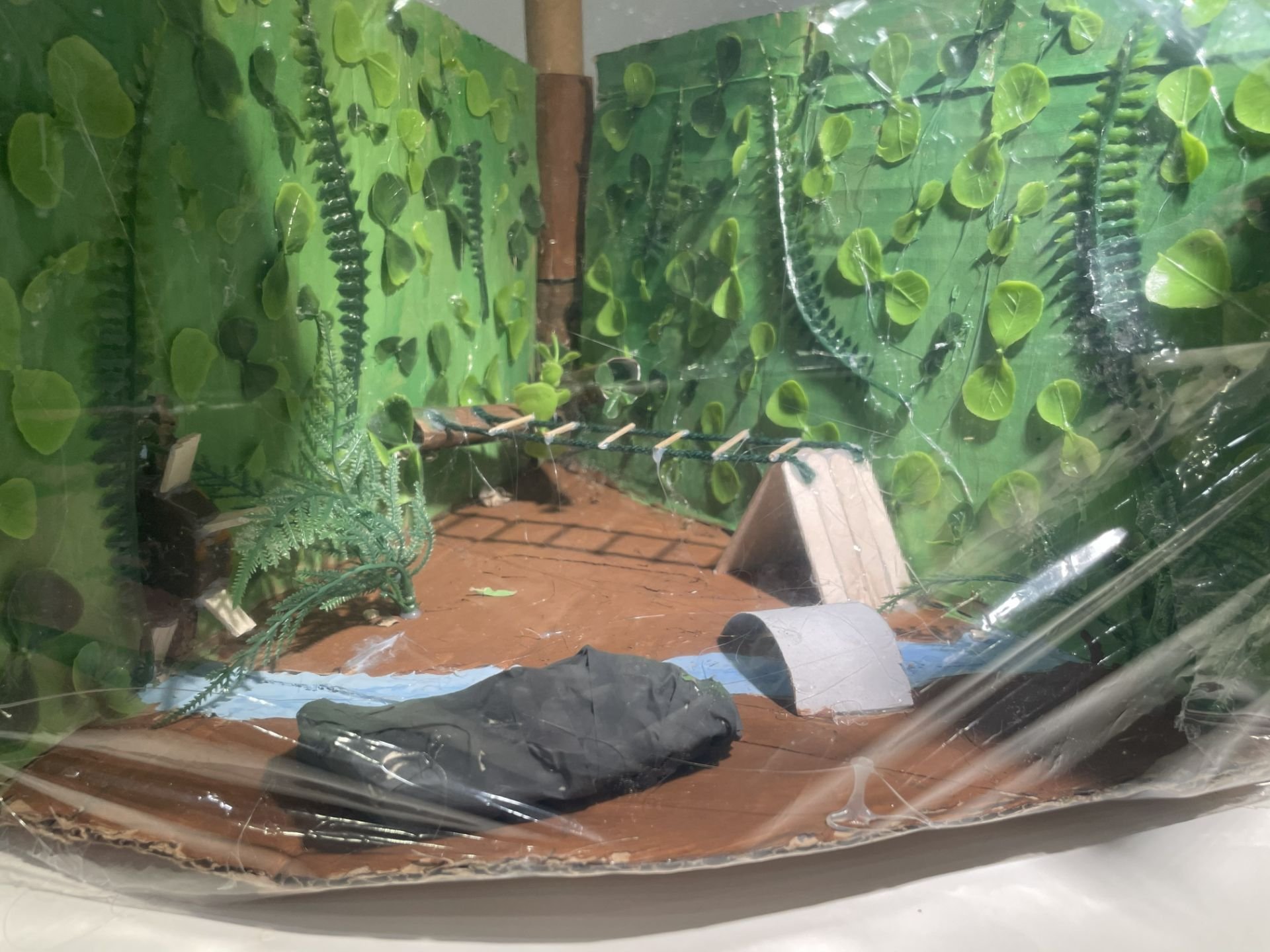 Empty (Side view)
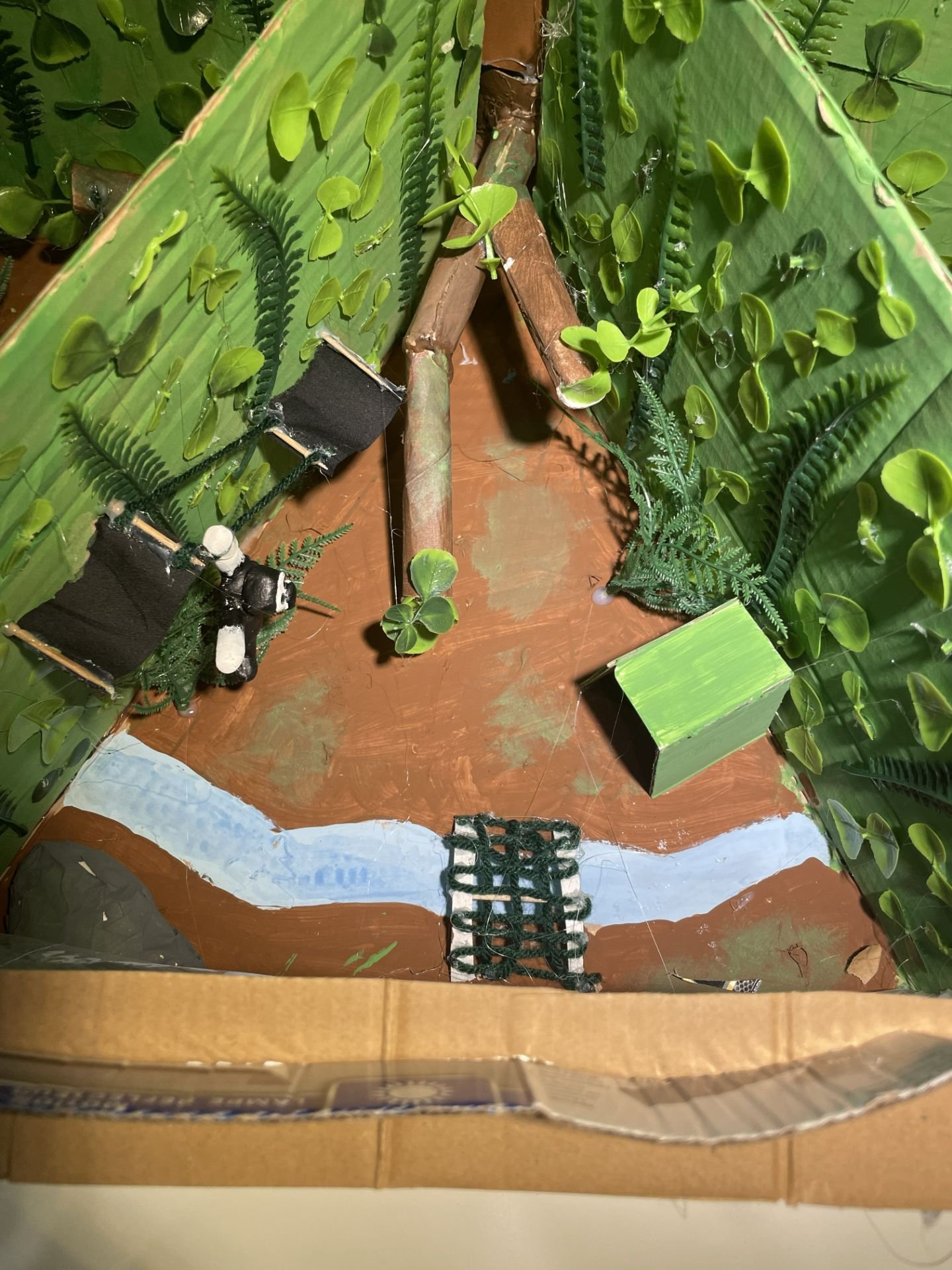 White-handed gibbon (Skyview)
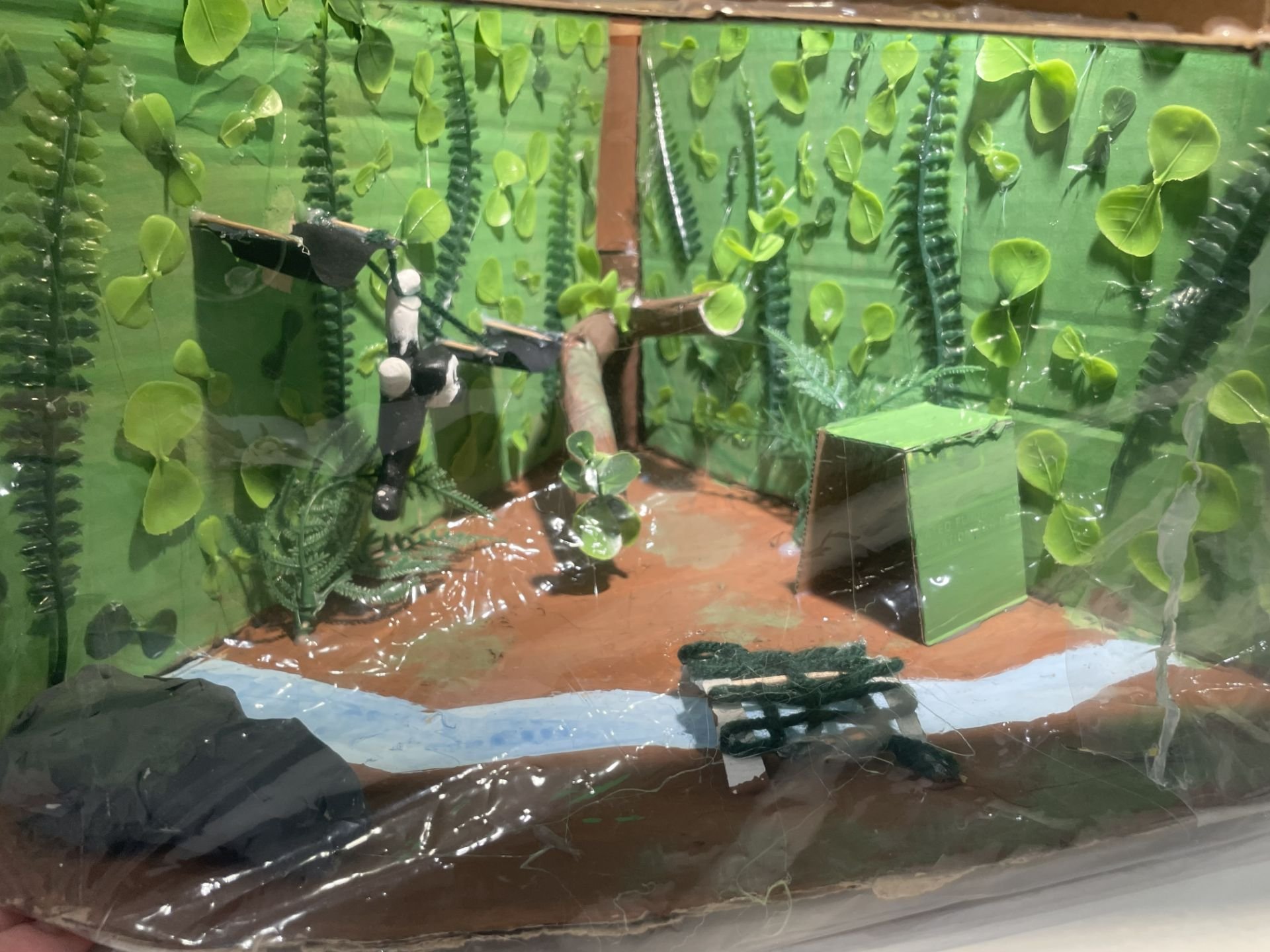 White-handed gibbon (Side view)
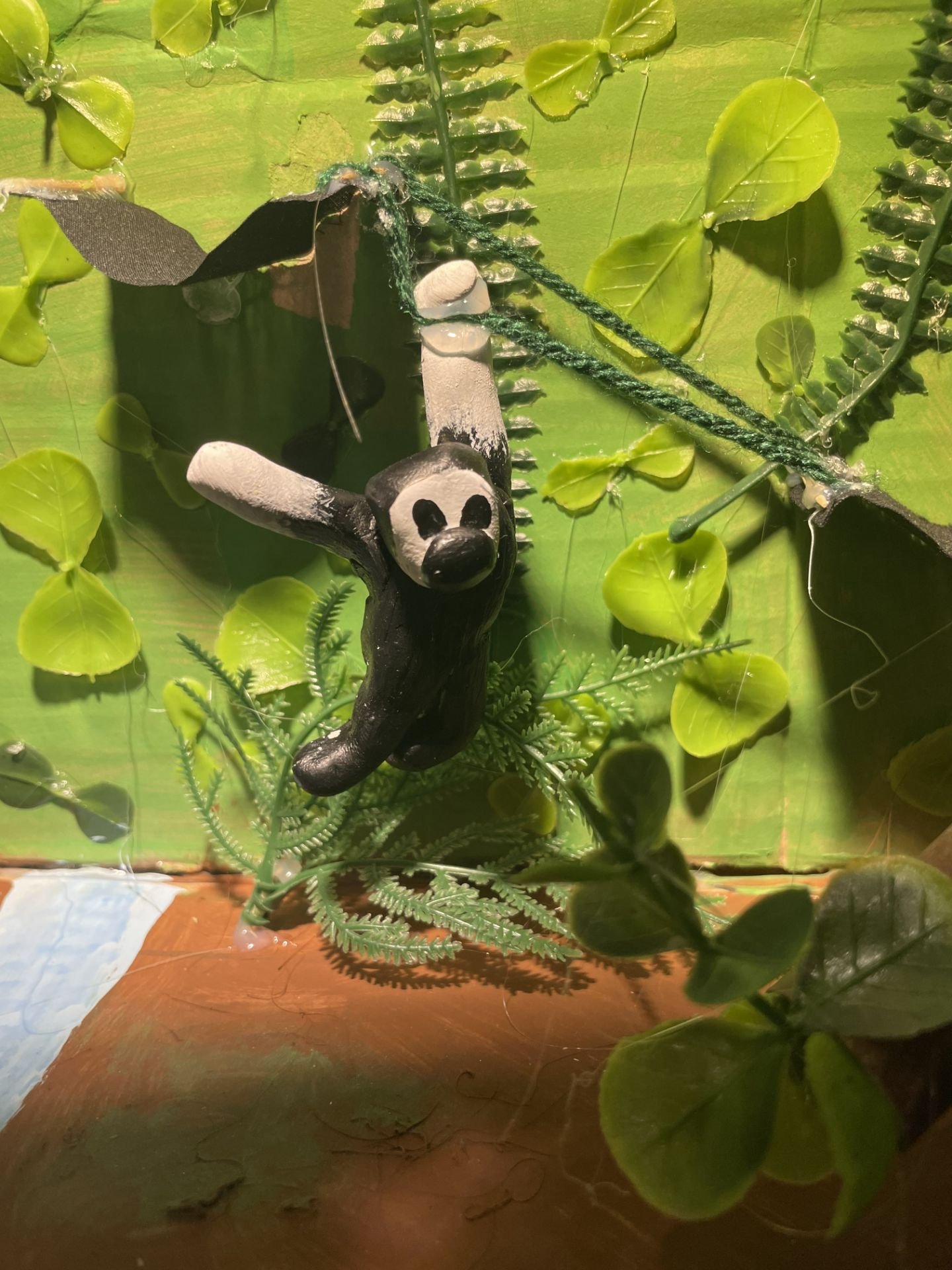 White-handed gibbon (Close up)
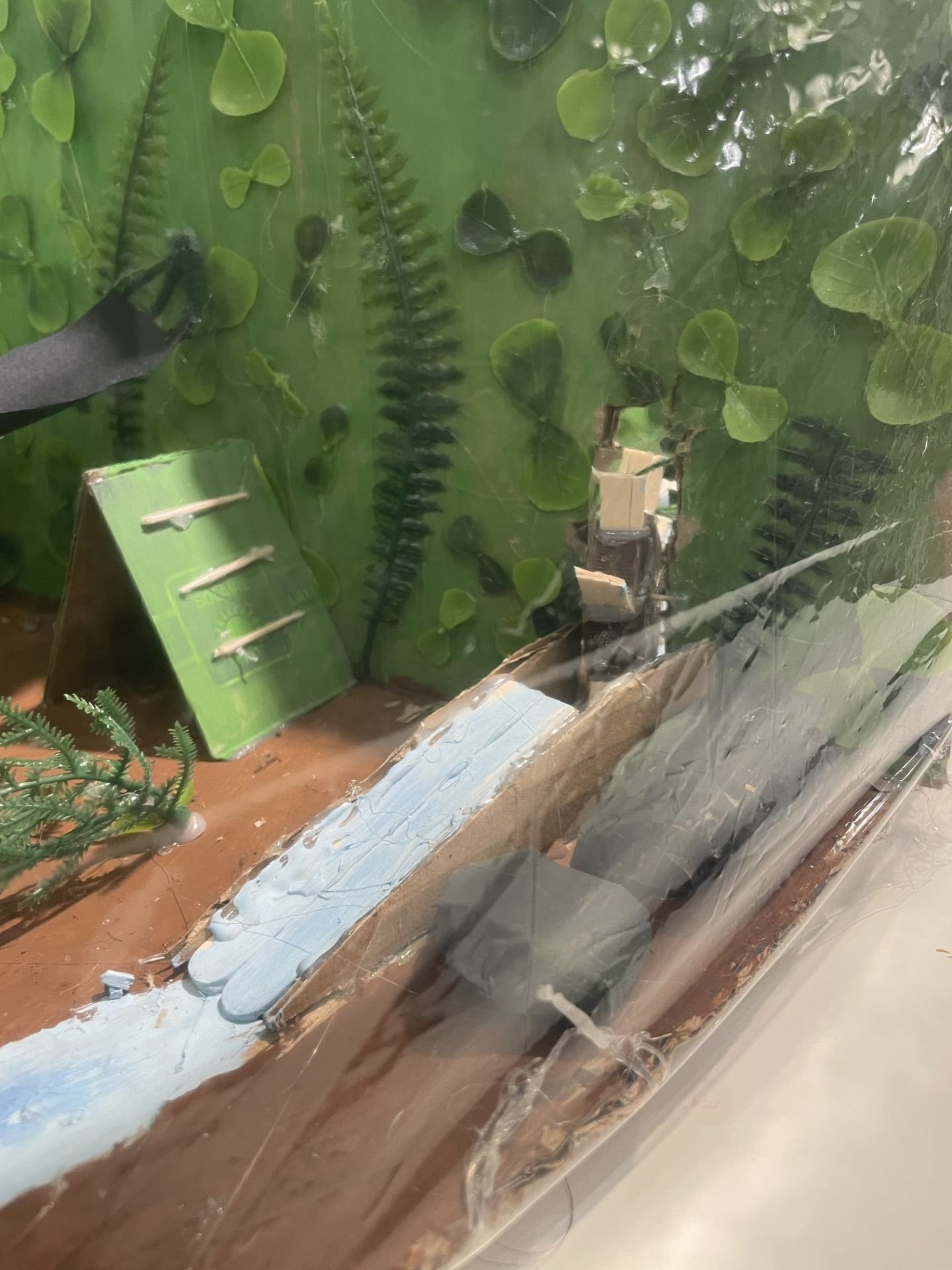 Water wheel
Although our project looks amazing it is not perfectly to size and we could only handmake one of each animal but in our plan we would have multiple of the same species in each habitat. Our animals will love their new zoo!!!
Do Animals Get What They Need?
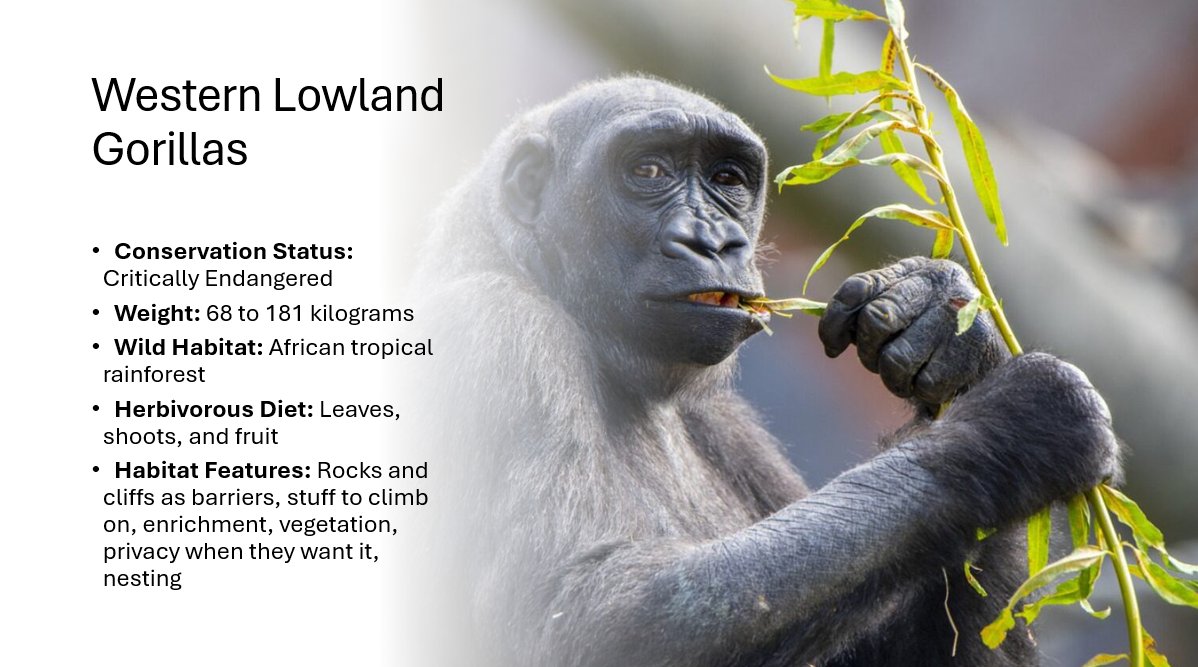
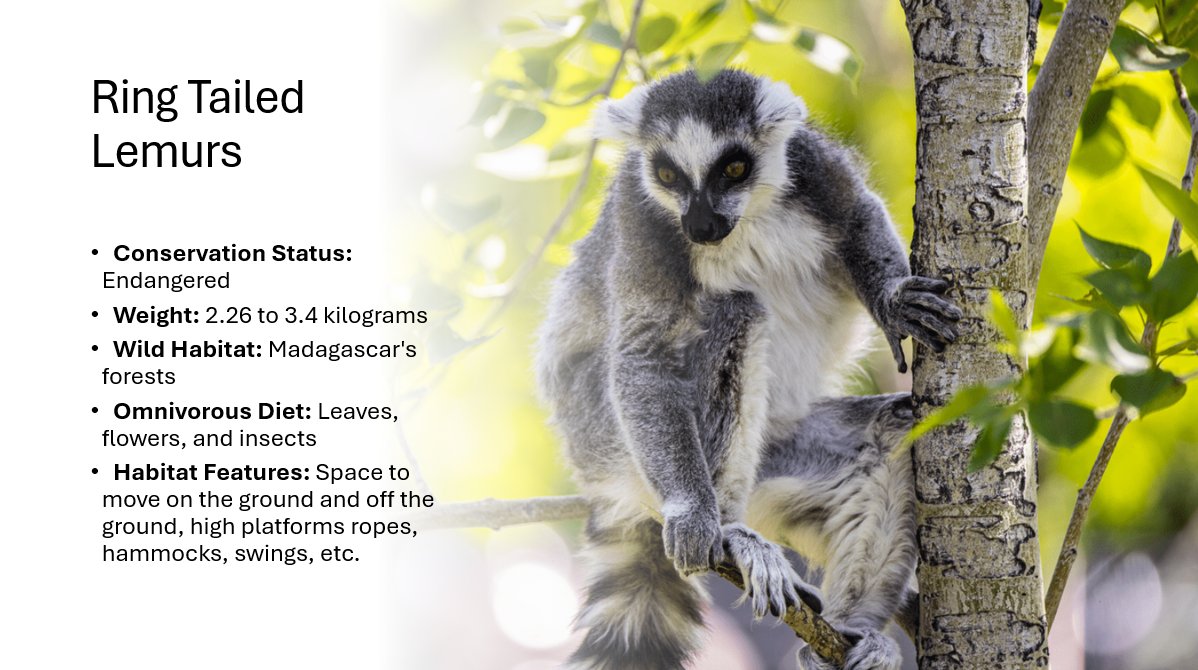
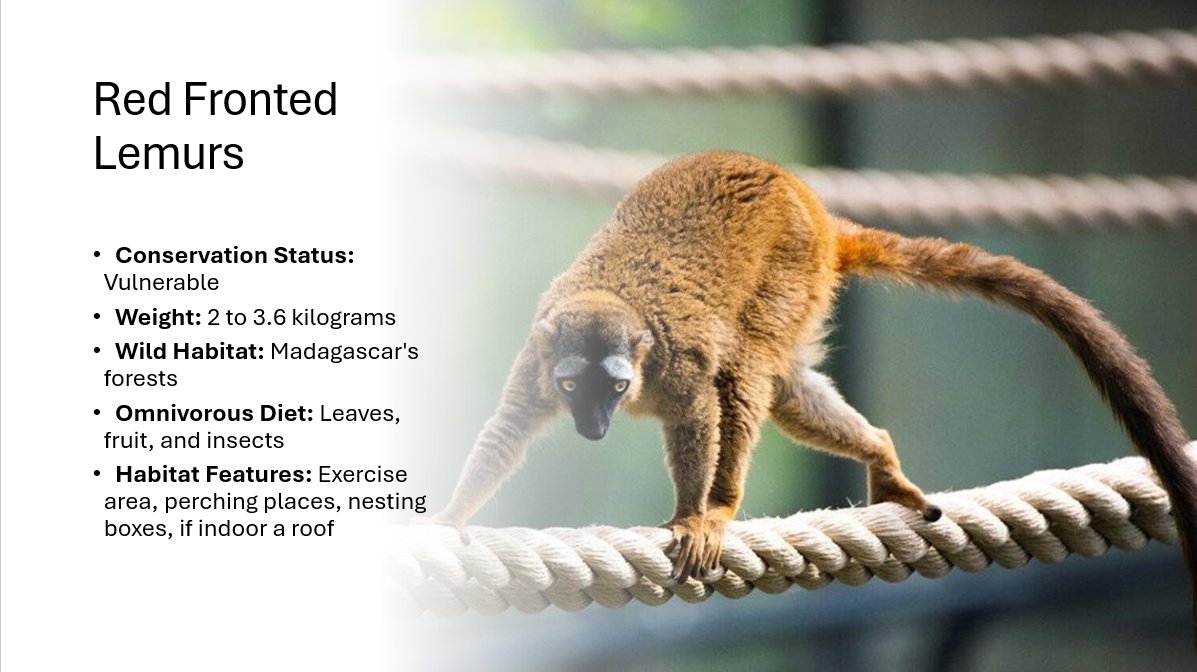
I believe that the animals do get what they need in our zoo plan. Here is my research that shows what each animal needs.
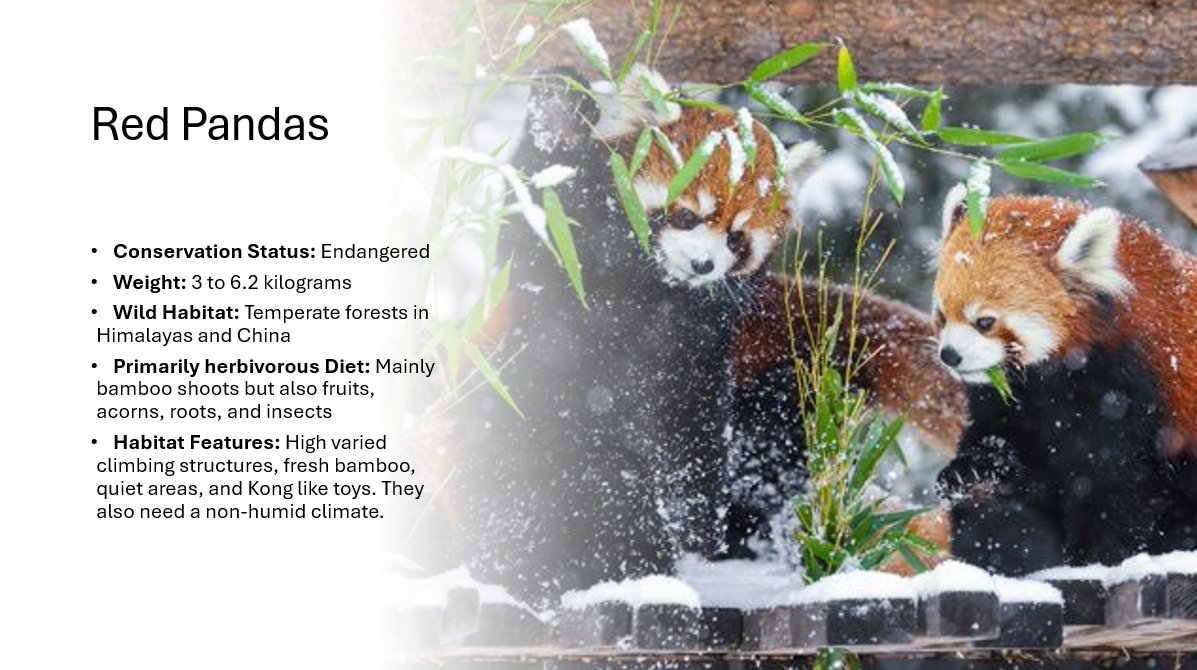
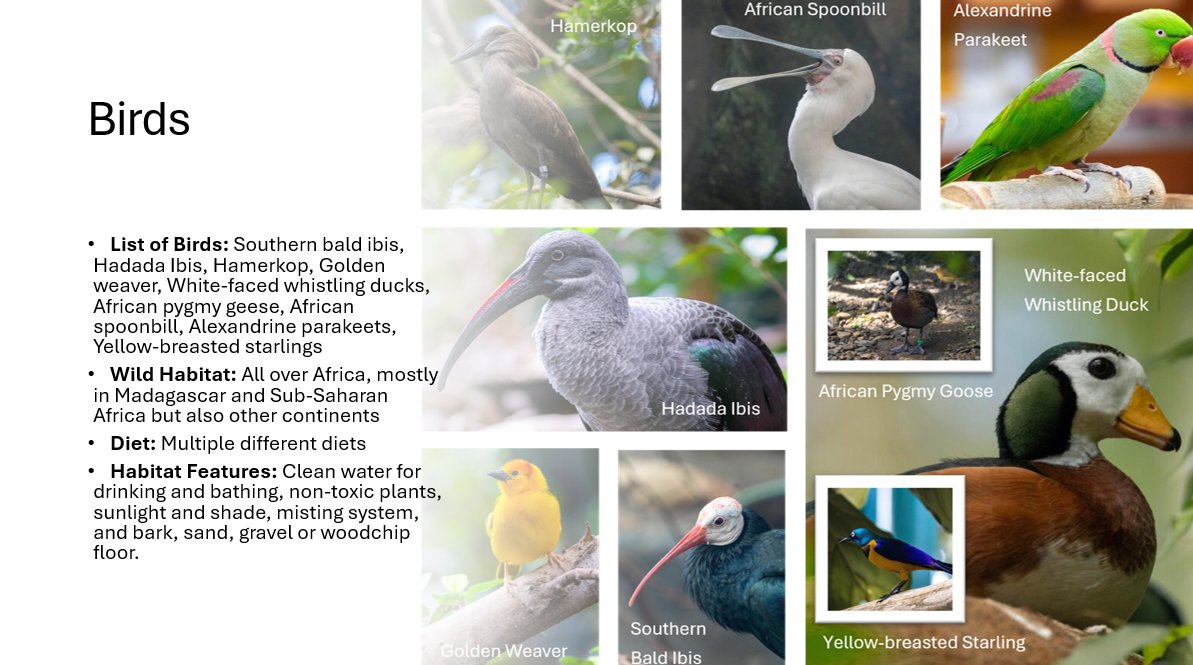
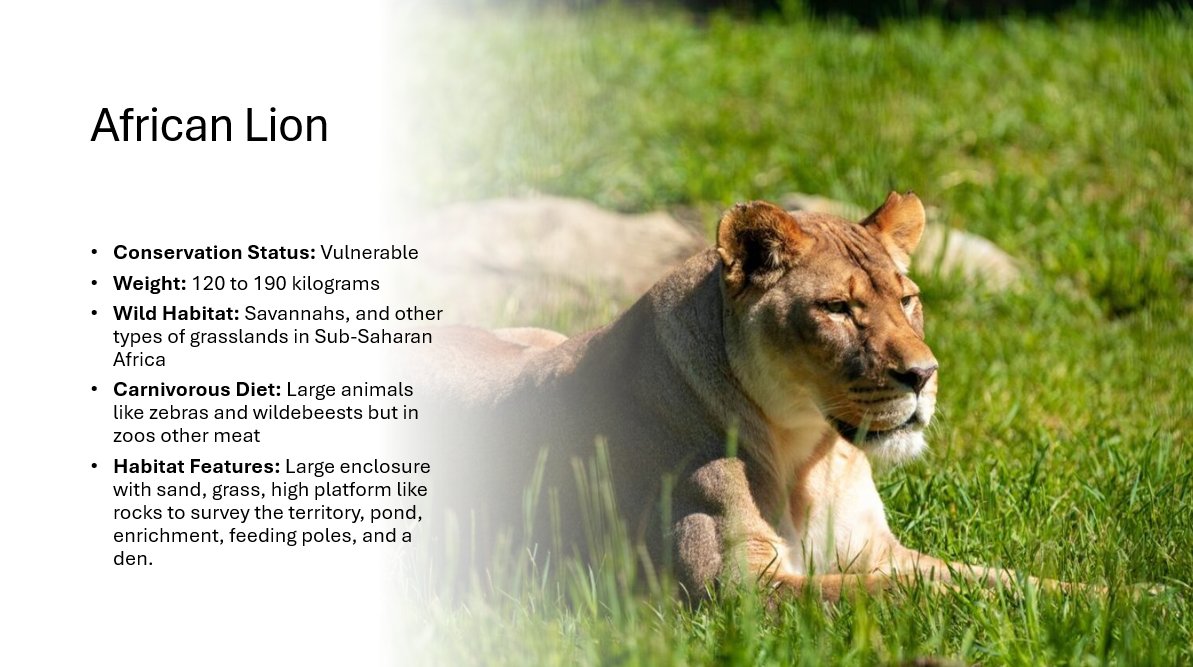
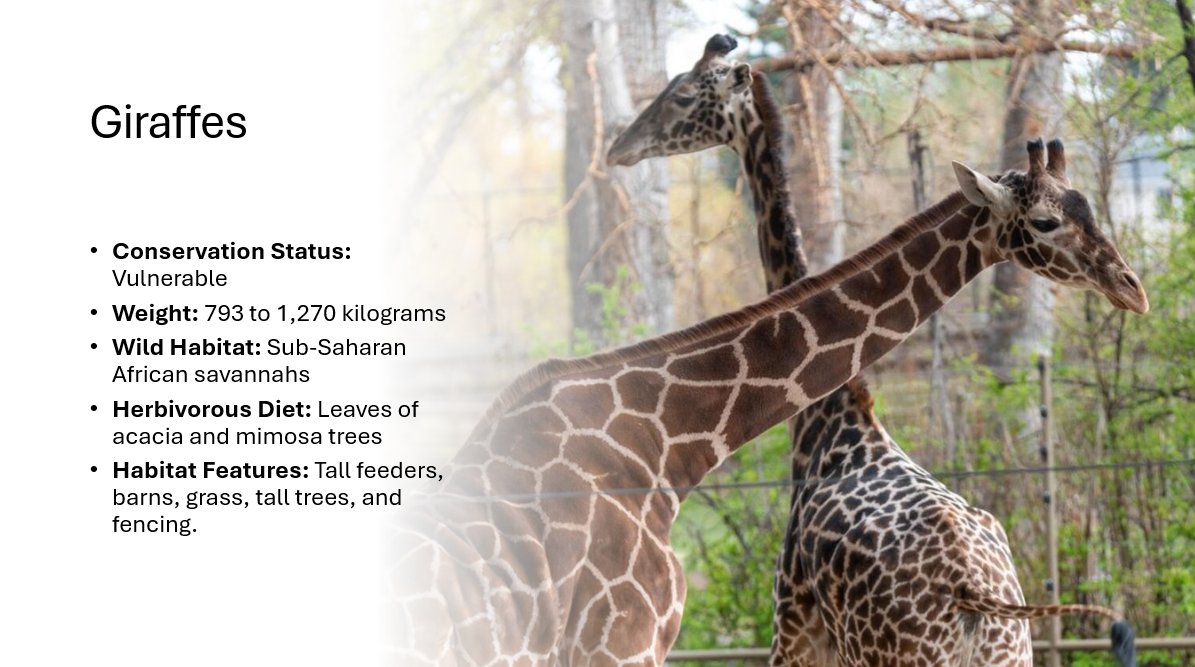
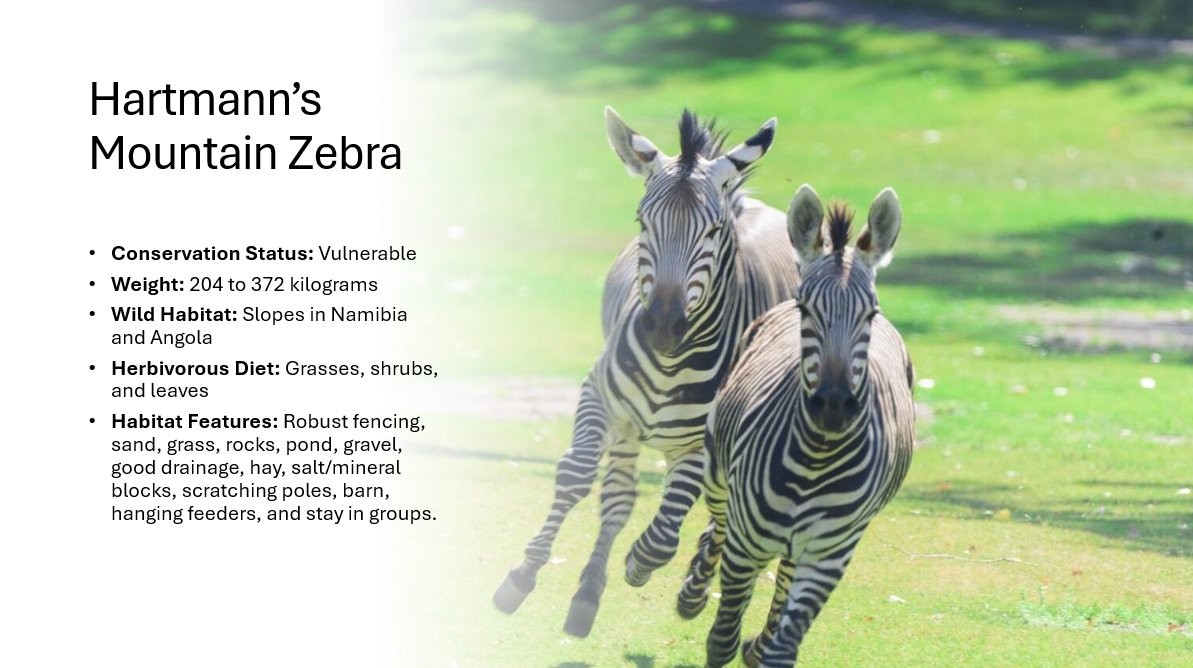
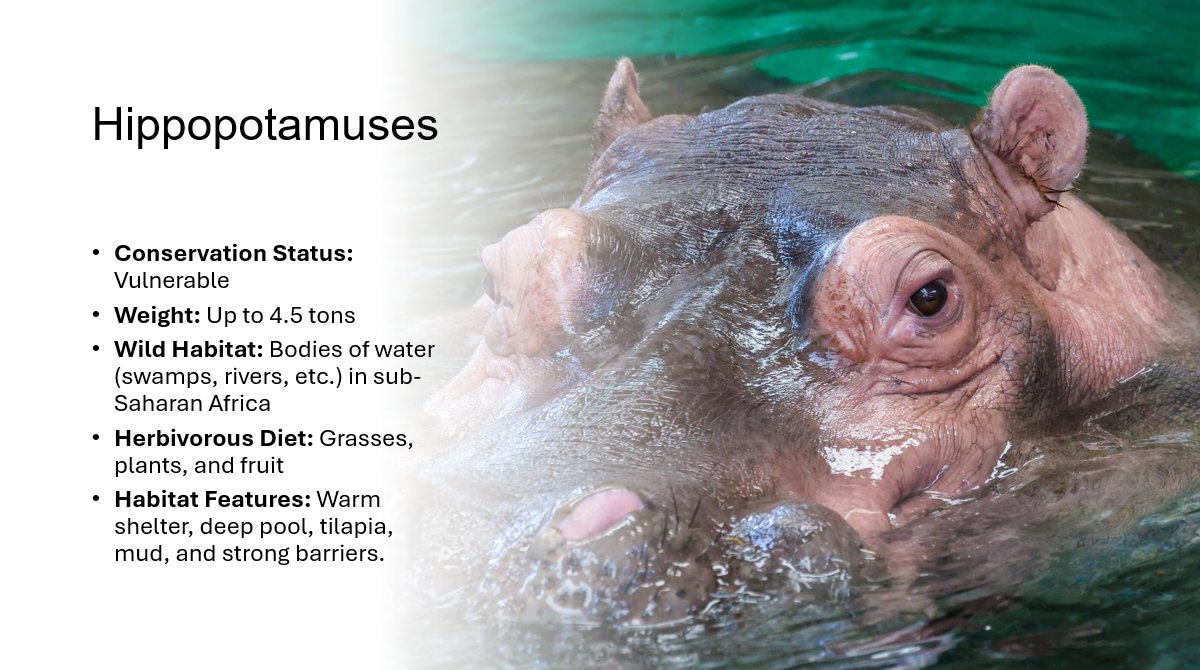
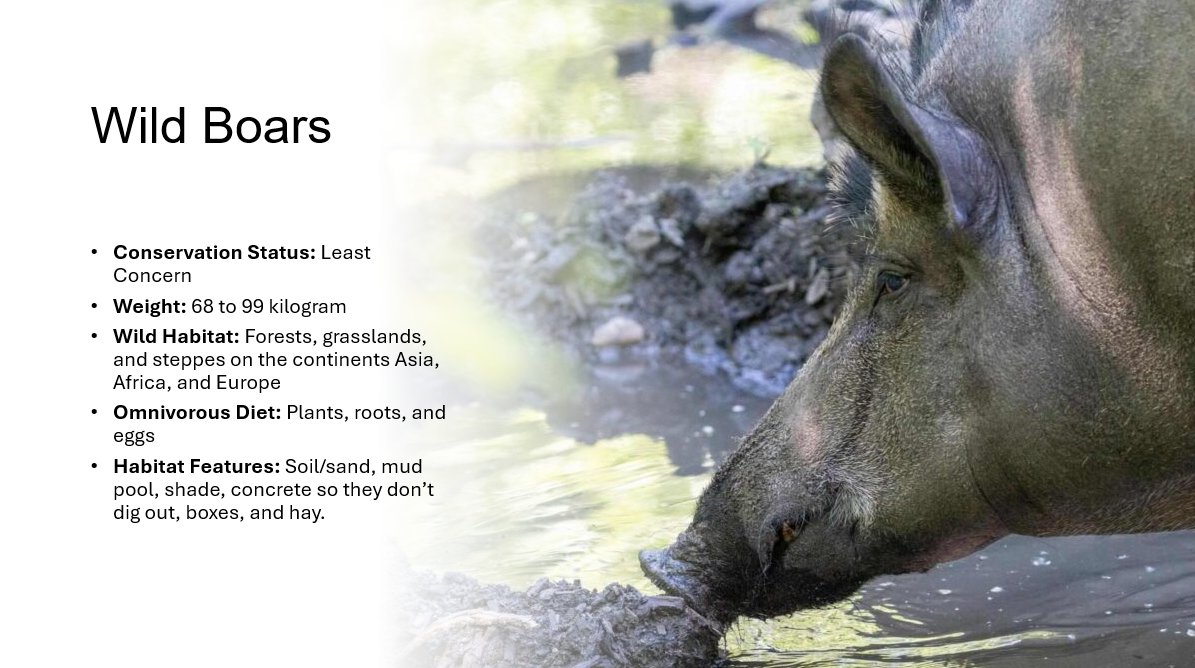
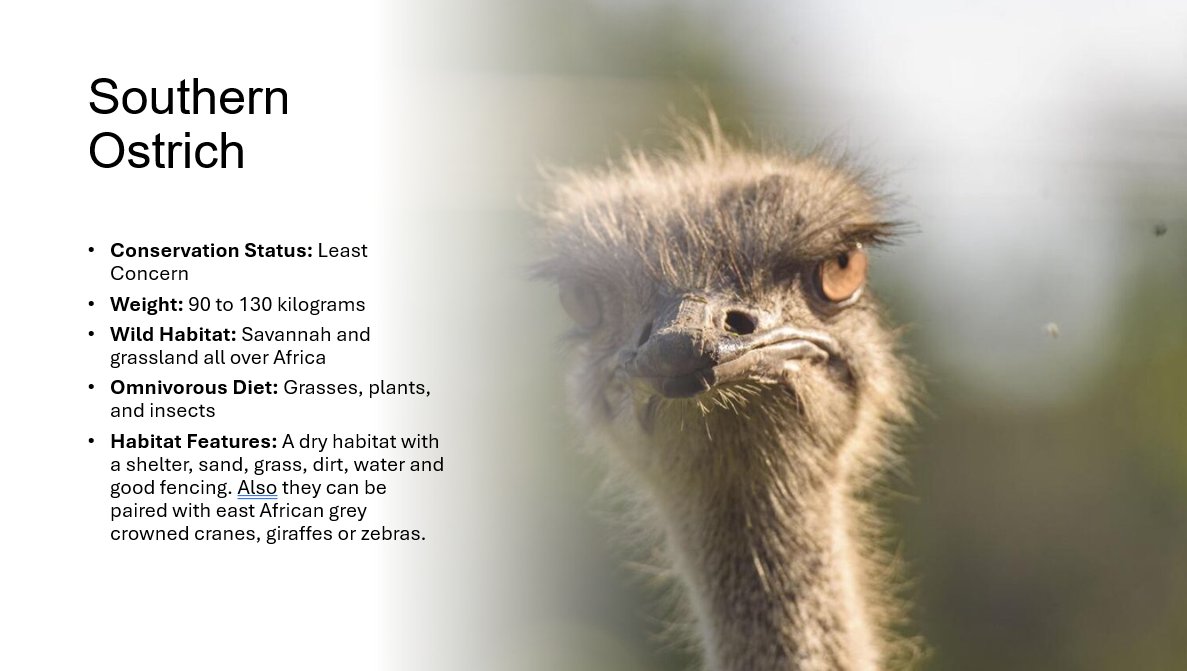
Pros Of This Zoo Plan
Change of scene
Each time the animals switch it gives them a new view and change of scene. This makes their life more exciting.
More enrichment
Moving habitats and having differences in their habitats is a type of enrichment as well as the other enrichment toys and food dispensers and poles that we have added to the habitats. In regular zoos they sometimes join the habitats so that some animals can have this type of enrichment like the giraffes, zebras, and ostriches in the Calgary Zoo.
Similar to migration patterns
Our plan simulates how animals migrate and move according to the seasons in the wild. This is why each animal moves every 3 months to replicate the length of a season. Even for animals that don't migrate they may have to move every once in a while for other reasons.
Helps prevent zoochosis
This zoo plan helps prevent zoochosis because it provides enrichment and a change of scenery. It gives the animals the feeling of them being in the wild. They have to adapt to new habitats and this prevents boredom and signs of zoochosis such as pacing and bar-biting.
They learn to adapt
In this zoo plan the animals would learn to adapt like they would in real life. In the wild if their home burns down they have to move in to a new home and adapt to their new life. In our zoo the animals would have to adapt to the different arrangements, different substrates, and different tree climbing structures. This teaches adaptability and resilience in the animals.
Also in this zoo the animals would have to be orphaned, injured, born in a zoo, or have a good reason to be taken out of the wild and put in a zoo.
Plus the animals will be way happier and it will inspire young people to care for animals,
Cons of This Zoo Plan
Cost
This plan would cost a lot because the underground track and bulldozer to move the features. Also they would have to hire a lot of staff and they would have to invest in more space. It would also be a big investment to build the zoo and to keep it going.
Stress
Even though we have found ways to reduce as much stress as possible, the animals will still be nervous to move to a new space. There is no way to fully eliminate stress in the animals.
Wasted space
There would be a lot of wasted space in this zoo because in each habitat there would have to be enough room for animals in the water, on land and in the trees and the other animals may not need or use this much space. For example the hippos need more water than lions, and gibbons need more elevated platforms while gorillas dwell on the ground more.
Complicated to execute
In this plan there would be a lot of logistics and if the process isn't perfectly executed there could be injuries and big problems. This means that every time they are setting up for the animals to move they need to double check that everything is ready and it takes work and brain power to solve the small problems properly so that everything runs as smoothly as possible.
A lot of staff and work
There would be a lot more work for the zoo keepers because they have to train the animals so they know how to move when they are wanted to and to clean out the habitats and adjust the habitats between animals. This means the zoos would have to hire a lot more staff.
Conclusion
How This Could Be Used In Zoos
Although our ideas are really cool, I don't think that zoos would necessarily be able to execute this plan. I think that some of our ideas however could be used to make zoos more enriching for animals around the world, and I think that someday zoos may be able to create an actual zoo that moves the animals around like how they migrate and adapt in real life. Some of our ideas like moving the animals in a circle, having the water level in a savannah changeable by having a slope to go into the water, and being able to add boards or ropes between branches to adjust the tree for different weights of monkeys are some ideas that could be used in a futuristic version in real life.
The reason why this would be hard to execute is because if there is a flaw in the plan it could result in deaths of viewers, zookeepers, and the animals in the zoo. In order for this plan to be used in a real zoo, it would have to pass safety regulations and people would have to review it to make sure there wouldn't be a major flaw. Even if it were approved, it could still be a disaster. I don't think there would be a disaster though because we have planned and reviewed in thoroughly. Also, it would require a lot of staff to clean the habitats in between rotations, to train the animals everyday with the commands to be able to move them, and to watch over the process and make sure it goes smoothly. It would also be a huge investment, and the Calgary Zoo would have to buy more land to developpe this sort of plan because it uses a lot of space to function properly.
What We Learned
We learned about the negatives of zoos and how zoos can effect animals. We learned what defines a good zoo and a bad zoo and what the disease zoochosis is. We learned about the difficulties of making a habitat just right so that the animals are safe and as happy as possible.
What We Are Proud Of
We are proud of how we have found solutions to be able to move the animals in a safe way and so that it works efficiently and well. Originally, we found so many flaws and we thought that it might be impossible, but we were able to solve these problems. Our innovation shows how animals can get a more exciting and enriching life, and change of scene in zoos. We are also proud of how our project has turned out and how good it looks.
What We Would Do Differently Next Time
Next time we would plan a bit better before starting our project because we didn't think of all the problems to solve before we started, but we ran into the problems along the way. We would also organize our time better because we kind of had to do most of it the week before the we had to be done so it was quite stressful. Finally, we would do all our citations as we go because we had to go back and find them all when we were done. Other than that I don't think there is much I would change about our project.
What Did We Find Challenging
We had a bit of a struggle making it all work and checking that everything would work. It was also a bit hard to focus when doing 7 different vegetation walls each. Next time I might plan so that the project wouldn't take as much time to complete because finishing in time was also challenging.
Last Comments
We are really excited to present our project at the Calgary Youth Science Fair! Also if the judges have any questions they can ask us at the science fair. I'm sure we'll have an explanation. Animals will love this zoo!
Citations
Calgary Zoo https://www.calgaryzoo.com https://www.calgaryzoo.com/care-conservation/our-animals/ https://www.calgaryzoo.com/plan-your-visit/zoo-map/ [https://www.jamesborrell.com/8-reasons-that-zoos-are-critically-important-for-conservation/](https://www.jamesborrell.com/8-reasons-that-zoos-are-critically-important-for-conservation/%5C) https://www.addaong.org/en/we-denounce/zoos-are-like-prisons/ Toronto Zoo https://www.torontozoo.com https://www.worldatlas.com/articles/top-10-zoos-to-visit-that-won-t-make-you-feel-guilty.html https://www.worldanimalprotection.us/latest/blogs/zoochosis/#:~:text=Zoochosis%20is%20a%20psychological%20condition%20that%20affects,*%20Birds%20Zoochosis%20is%20a%20human%2Dmade%20issue. https://nationalzoo.si.edu/ https://www.colchesterzoologicalsociety.com/wp-content/uploads/2024/09/CZ-Ed-Info-Enclosure-Design.pdf What Is Zoochosis and How Do Animals Get It? Ethical Zoos: How to Determine the Good from the Bad https://wildwelfare.org/wp-content/uploads/Giraffe.pptm-compressed.pdf https://www.philadelphiazoo.org/animals/hippopotamus/#:~:text=Hippos%20spend%20most%20of%20the,lay%20down%20and%20sun%20themselves. https://nationalzoo.si.edu/animals/hartmanns-mountain-zebra#:~:text=Hartmann's%20mountain%20zebras%20are%20herbivores,making%20the%20zebras%20ecosystem%20engineers. https://opensanctuary.org/introductory-care-topics-for-ostriches/#:~:text=Appropriate%20height%20and%20width,is%20a%20slip%2Dfree%20zone! https://static1.squarespace.com/static/5302324de4b07a6f6407cbb5/t/65fdeb88d8a64c4a45156c8b/1711139720731/Wild+Boar+Husbandry.pdf https://nationalzoo.si.edu/animals/news/pouncing-enrichment-how-care-lions-cheetahs-and-other-great-cats https://www.torontozoo.com/animals/Grey-necked%20crowned%20crane#:~:text=Habitat,wetlands%20onto%20savanna%20or%20grasslands. https://zooatlanta.org/animal/western-lowland-gorilla/#:~:text=From%20there%2C%20the%20gorillas%20come,hammocks%2C%20swings%2C%20and%20such https://www.mdpi.com/2673-5636/2/2/12 https://www.costofwisconsin.com/gateway-to-asia-exhibit-at-the-calgary-zoo/ https://www.nidirect.gov.uk/articles/suitable-environment-primates#toc-0 https://wildlifeconservancy.ca/guardians-of-wild/redpanda/ https://animals.sandiegozoo.org/animals/mandrill#:~:text=Mandrills%20come%20equipped%20with%20their,their%20food%20in%20the%20trees https://hari.ca/avian-care/designing-an-outdoor-parrot-flight-or-aviary/#:~:text=The%20flight%20should%20not%20be,intruders%2C%20predators%2C%20and%20theft. https://www.calgaryzoo.com/plan-your-visit/animal-zones/destination-africa/rainforest-aviary/ https://www.torontozoo.com/animals/Red%20Panda
For photos https://www.thedodo.com/the-cute-zoo-animal-behaviors--601643824.html, Rocking-c-Jo-Anne-McArthur-Born-Free-800x572.jpg (800×572), Edit image, resize image, crop pictures and appply effect to your images, https://www.ottoenvironmental.com/the-benefits-of-ball-style-enrichment-products/, https://margaritamischief.com/safari-in-australia-dubbo-zoo/, https://www.flickr.com/photos/164798111@N07/53551579076, https://www.fortigers.org/post/get-those-tigers-thinking, https://vamosarema.com/, https://www.calgaryzoo.com/care-conservation/our-animals/, https://www.natgeokids.com, https://www.britannica.com/, https://zooatlanta.org/, https://www.calgaryzoo.com/, https://www.vecteezy.com, https://www.dreamstime.com. https://www.savevaluefy.com/, https://onetreeplanted.org/, costofwisconsin.com, https://www.freepik.com/, https://www.gorillasland.com/, https://lionking.fandom.com/wiki/Pride_Rock, https://pngimg.com/image/16474, https://fordz2performancechipszurikuso.blogspot.com/, https://www.vecteezy.com/

Acknowledgement
We Would Like To Acknowledge The Following People
- Our teacher Naomi Cohen for keeping us on track\, and for organizing the Science Fair Club at our school Branton - Our parents for helping us find and and pay for materials and letting us invite each other to our houses to work on our project as well as providing insight on our project and helping us figure out how to move the habitat features with a track. - We would also like to thank the Calgary zoo for being a good reliable source where we found a lot of good and reliable research and information
Thank you to all these people and sources!
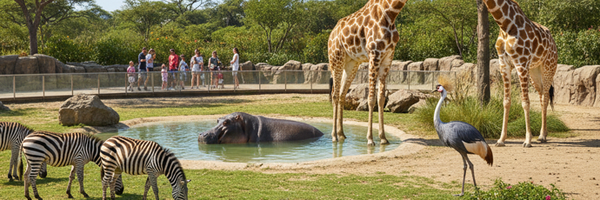
-We would like to clarify that we used AI to make the header image and project image.