

Can we use AI to detect Alzheimer's using neuroimaging?
Tarunya Maheshkumaran
Dr. E. P. Scarlett High School
Grade 10
Presentation
Hypothesis
If AI models are trained on extensive neuroimaging data, such as MRI scans, they can learn to detect early indicators of Alzheimer’s disease with a high level of accuracy. These models are able to identify subtle patterns in the brain that may not be visible to human experts using traditional diagnostic methods. By recognizing these early changes, AI could support faster, more reliable diagnoses and help doctors begin treatment sooner. This advancement has the potential to improve patient outcomes, increase diagnostic consistency, and enhance our overall understanding of how Alzheimer’s disease develops over time.
Research
WHAT IS ALZHEIMER’S?
Alzheimer’s is a disease that affects the brain, causing repercussions with memory, thinking, and behaviour. Common causes would be age [changes include shrinking of the brain, inflammation, breakdown of energy and blood vessel damage], genetic factors [alzheimer’s is also prone to being passed down between bloodline], and environmental and lifestyle factors can also cause this disease. It’s the common cause of dementia, which causes a person’s memory, thinking, and decision making skills to get worse over time. Here’s a step by step explanation of what happens when you get Alzheimer’s:
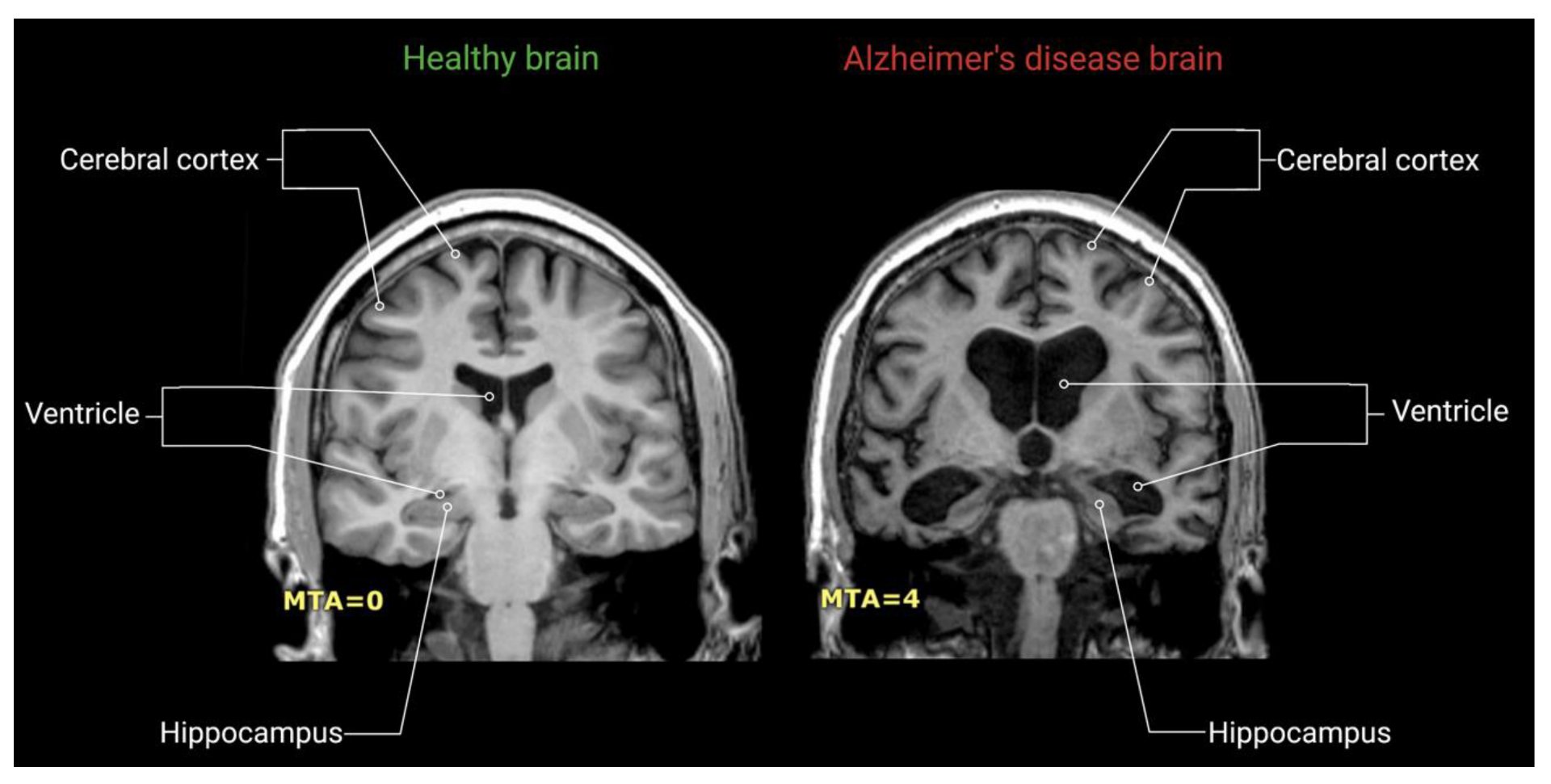
- The brain starts to shrink and lose cells, which usually happens in the Hippocampus, Amygdala, Cerebellum, and Prefrontal Cortex, all which control memory in the brain.
- Memory loss would be the first sign of Alzheimer’s, something small as forgetting what you talked about a couple minutes earlier.
- Plaques [sticky protein clumps], which get in the way of cells that interact with each other, and makes it harder for the brain to work properly.
- Their cognitive abilities would decline, causing them to forget more and more things, eventually leading to losing their motor skills, and the ability to speak clearly.
For example, in this image, you can clearly see that the ventricle of the Alzheimer’s disease brain is more expanded and large than the one in the healthy brain. Also, the Cerebral cortex has enlarged and darkened, with clearly visible brain tissue folds. There is also a visible shrinkage in the Hippocampi.
Neuroimaging Techniques
Doctors use many different neuroimaging techniques [brain scans] to help diagnose Alzheimer’s. These scans help them detect changes in the structure and function of the brain that may have been caused by the disease. Here are a couple common techniques:
MRI SCANS
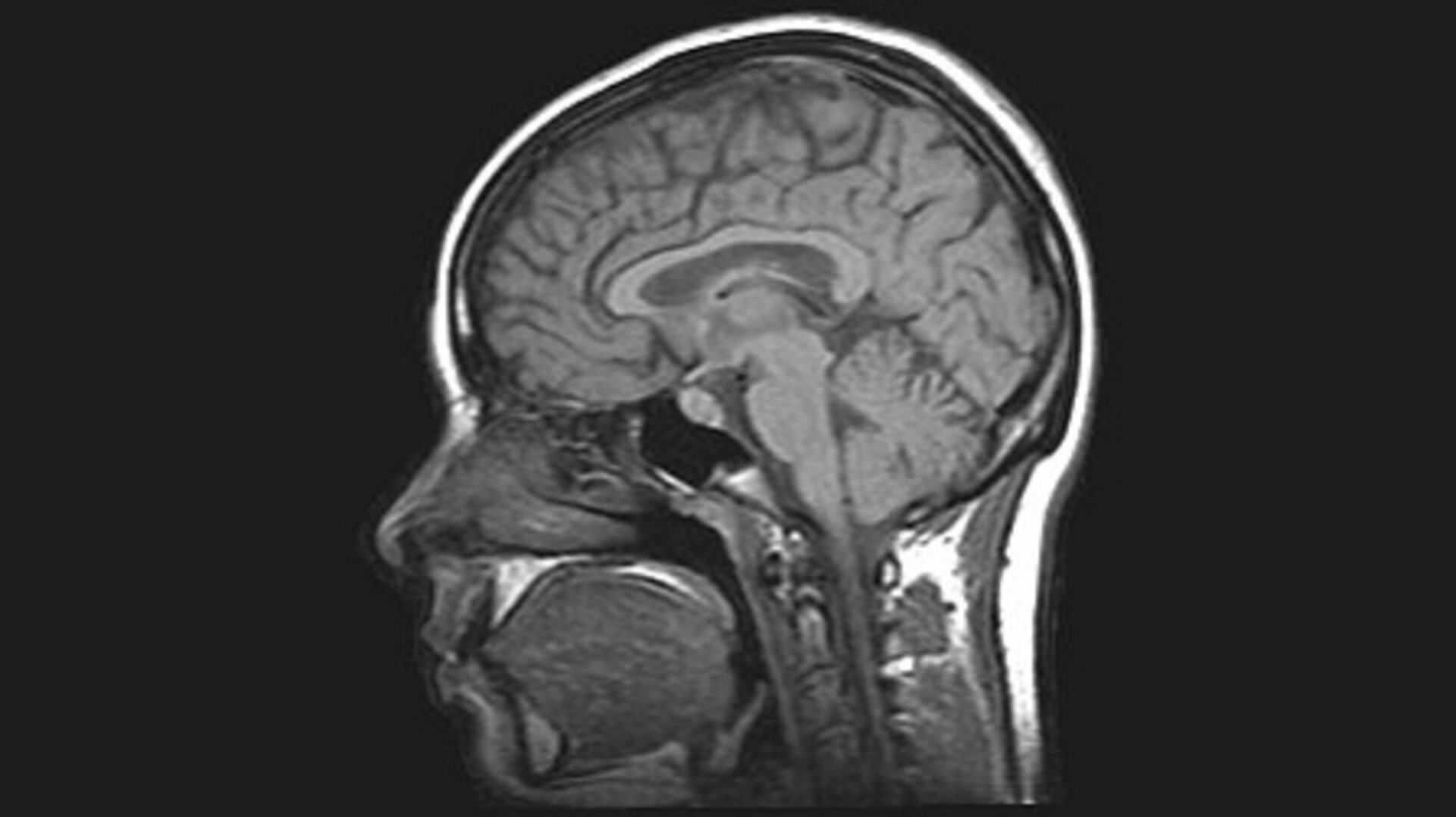
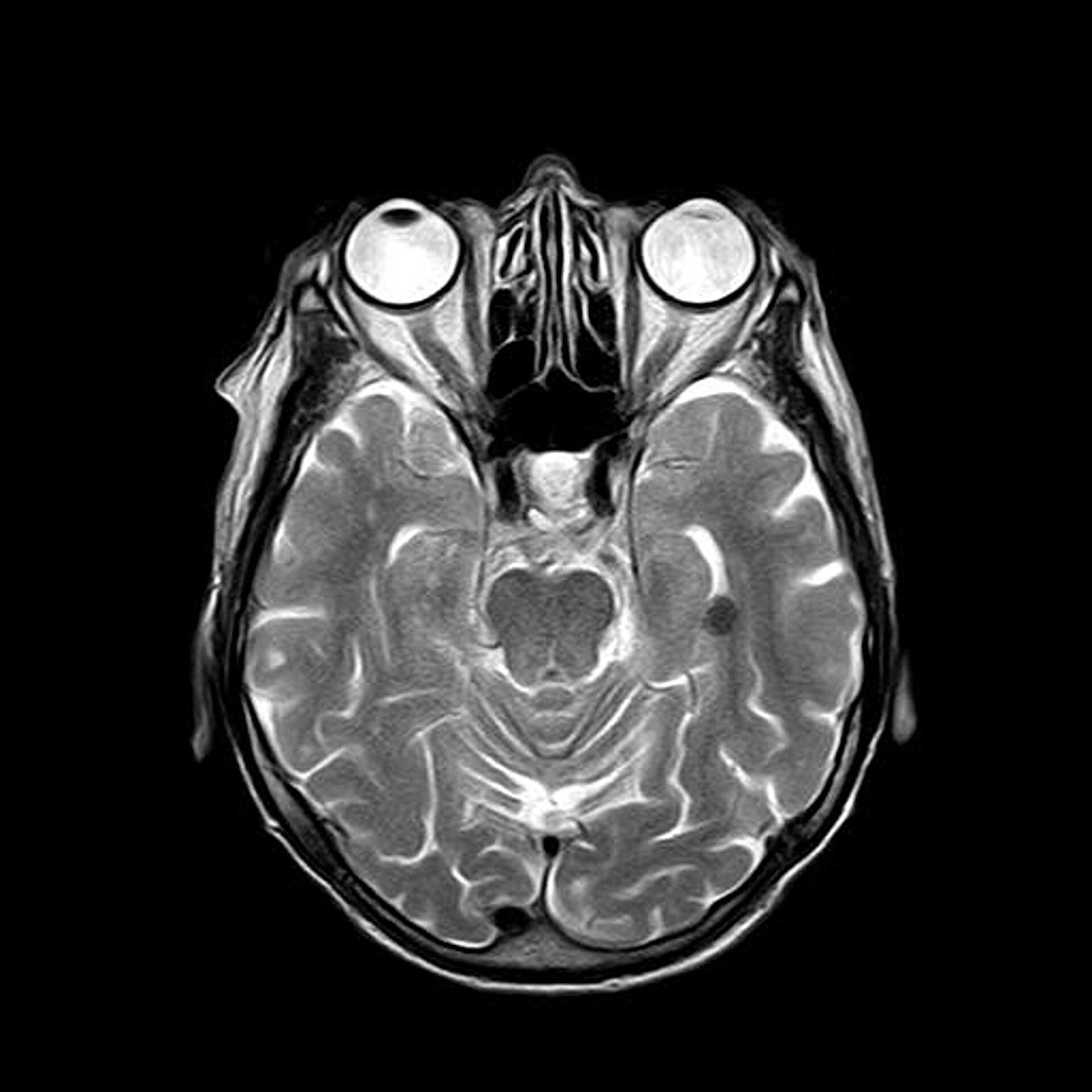
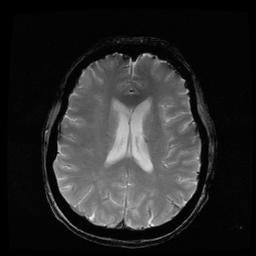
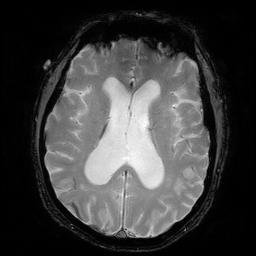
MRI [magnetic resonance imaging] scans uses strong magnets and radio waves to create clear and detailed view of the brain’s structure and function, which can help see if there are any changes in the brain’s structure, such as shrinkage of certain areas [like hippocampus].
PET SCANS
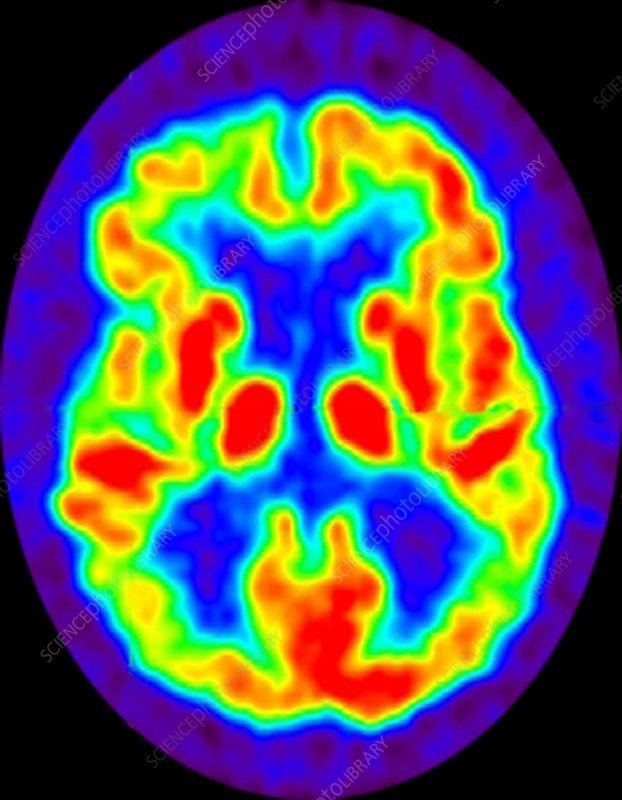
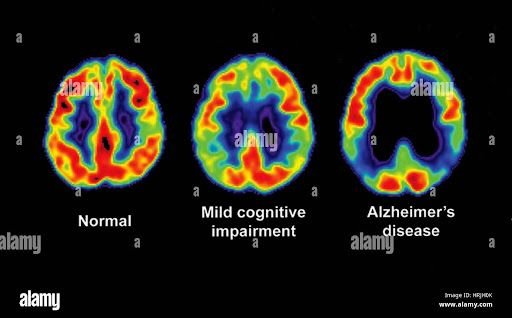
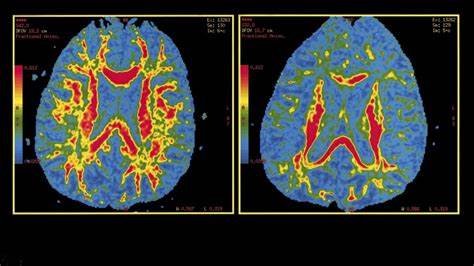
PET [positron emission tomography] scans use small amounts of radioactive substance that tracks brain activity. This helps to show how well different parts of the brain work. They can detect amyloid clumps [protein clumps] that appear in the brain, and glucose metabolism [how well cells are working].
CT SCANS
A CT [computed tomography] scan uses x rays to create detailed images of the brain. It works similarly to the MRI scans, but uses different technology. It can help show shrinkage or damage in areas, and though it isn’t as clear as an MRI, it still helps recognize brain tumors or injuries, which could cause symptoms.
Here are some images of each type of scan.
MRI SCANS:
 PET SCANS:
AI in Healthcare
As you know, AI is slowly developing, and some components are already being used nowadays. For example, the CT scan machine partially uses AI to improve their results and have a more detailed scan. Using AI further in the future could help with early diagnosis, AI-powered personalized medicine, preventative healthcare, robotic surgery, and more. This would not only improve the success rate of the surgeries and medicine, it would also complete all steps efficiently, saving a lot of time to handle many patients. With these advancements, people could live healthier lives and access better care, no matter where they live or what resources they have.
HOW DO THE AI MODELS WORK?
AI models diagnose Alzheimer’s using brain scans, such as MRI and PET scans, to find early signs of this disease, like brain shrinkage, amyloid plaques, or any changes in brain structure and function. Though it doesn’t give straightforward preventative methods, AI still helps catching it early on, and suggesting methods and medications to slow down the process. AI can also aid in tracking brain health over time, to make sure that the suggested methods and medication actually work well. Also, it could help in research for new treatments or preventative methods. Overall, the use of AI in the healthcare field, specifically for Alzheimer’s, could help our health facilities run smoother and have a higher success rate.
Datasets and Scans
Here are some MRI, PET, and CT scans that were previously used to train AI models, gained from multiple articles and datasets collected from ADNI’s website [alzheimer’s disease neuroimaging initiative] which is one of the biggest websites in the field of AI for Alzheimer’s.
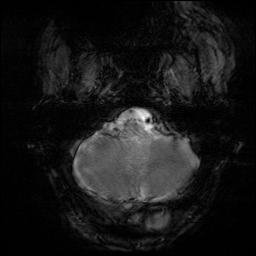
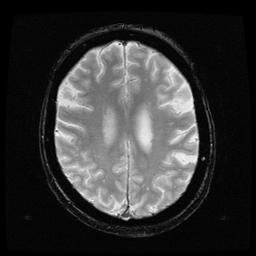
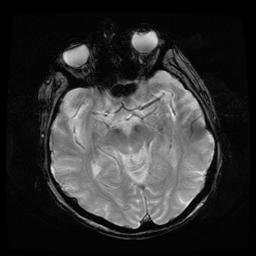
ALSO, MORE SCANS ARE AVAILABLE IN THE FOLLOWING LINK, I JUST CANNOT DOWNLOAD SO MANY DATASETS AND SCANS: https://www.kaggle.com/datasets/subhranilsarkar/processed-alzheimer-disease-adni-dataset
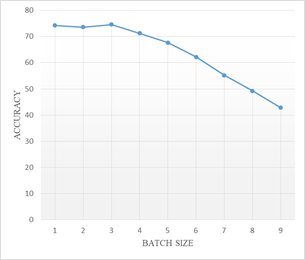
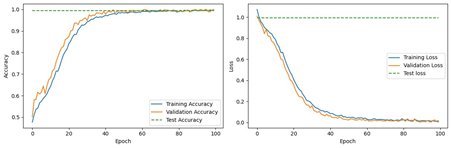
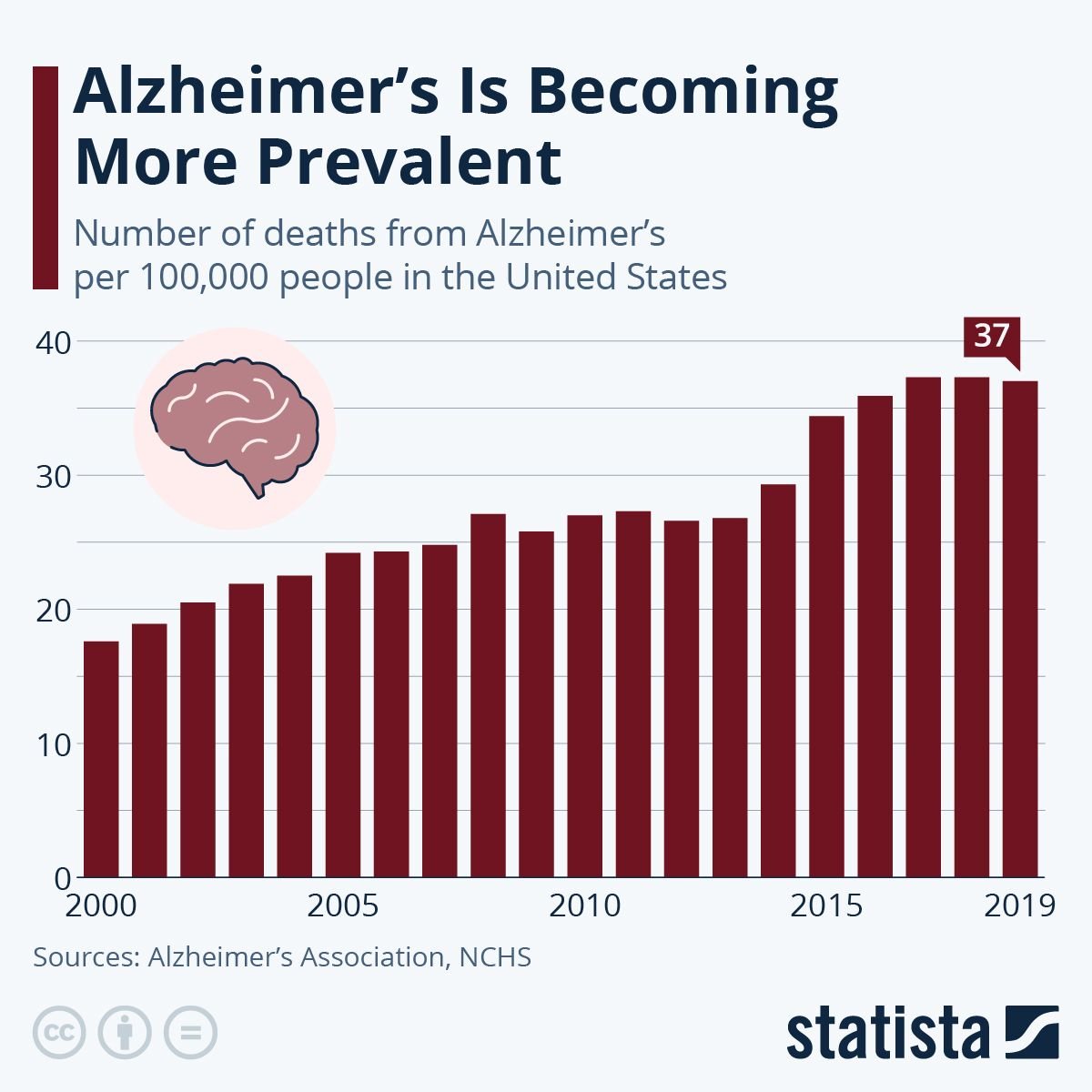
HERE ARE SOME GRAPHS THAT ARE RELATED, CAREFULLY COMPILED FROM VARIOUS AI MODEL TESTINGS TO SHOW THE ACCURACY, USAGE, AND JUST HOW MUCH THIS IMPROVES THE MEDICAL FIELD.
Research Studies
-
Study: "Deep learning for early detection of Alzheimer’s disease based on MRI data"
-
Findings: In this study, researchers used AI to analyze brain MRI scans and find early signs of Alzheimer’s. They trained a deep learning model to look at small changes in the brain that are usually too subtle for doctors to detect. The model was able to distinguish between healthy people, those with mild cognitive impairment, and Alzheimer’s patients with high accuracy.
-
Significance: This shows that AI can spot early Alzheimer’s symptoms in brain scans, potentially diagnosing the disease before obvious symptoms appear. It’s faster and more consistent than human analysis.
-
Study: "Machine learning models for predicting Alzheimer’s disease progression using cognitive data"
- Findings: This research applied machine learning to cognitive test results, like memory and problem-solving exercises. The AI model was able to predict who was most likely to develop Alzheimer’s by spotting patterns in how patients performed over time.
- Significance: The ability to track cognitive decline using AI could lead to earlier interventions for people at risk of Alzheimer’s, which is important for slowing down the disease before it progresses too far.
-
Study: "A deep learning model for Alzheimer’s disease classification using blood biomarkers"
- Findings: In this study, AI was used to analyze blood biomarkers, which are substances in the blood that change with Alzheimer’s. The AI model could detect Alzheimer’s even in its early stages by looking at changes in the biomarkers, which can be less invasive than brain scans or other methods.
- Significance: This approach could make Alzheimer’s testing more affordable and accessible because blood tests are less expensive and easier to perform than imaging scans. It also shows that AI can detect the disease in a non-invasive way.
-
Study: "Using machine learning to predict Alzheimer’s disease risk from genetic data"
- Findings: Researchers used AI to analyze genetic data, such as the presence of the APOE-e4 gene, which is known to increase the risk of Alzheimer’s. The AI model was better at predicting who might develop Alzheimer’s based on their genetic data compared to traditional methods.
- Significance: This study highlights how AI can help predict Alzheimer’s risk based on genetics, allowing for earlier monitoring of high-risk individuals, even before any symptoms show up.
-
Study: "Challenges in applying artificial intelligence to Alzheimer's diagnosis"
- Findings: This study discusses the challenges of using AI to diagnose Alzheimer’s, like the need for large, high-quality datasets and the potential for bias in the models. It also mentions how AI’s “black box” nature—meaning its decision-making process can be hard to understand—can be a barrier to its use in healthcare.
- Significance: While AI has huge potential in Alzheimer’s detection, the research points out that we still need to improve the reliability and transparency of these systems before they can be used widely in clinical practice.
-
Study: "The role of AI in clinical Alzheimer’s diagnosis: Current status and future perspectives"
- Findings: This review explored how AI could be integrated into Alzheimer’s diagnosis by combining brain imaging, genetic analysis, and cognitive testing. It showed that AI could help doctors make faster and more accurate diagnoses by providing an extra layer of analysis to support human judgment.
- Significance: This study emphasized that AI has the potential to work alongside doctors to improve the diagnostic process, but it still needs more research and validation before it becomes a routine part of clinical care.
Current Techniques v.s. AI
Current ways of detecting Alzheimer's, like cognitive tests, brain scans, PET scans, genetic testing, and biomarker analysis, all have their pros and cons. Cognitive tests are easy and cheap but can be a bit unreliable and might miss early signs. Brain scans and PET scans can show changes in the brain, but they’re expensive, not always available, and usually only useful once the disease has progressed. Genetic and biomarker tests are cool for spotting risk factors or early signs, but they’re still being tested and aren’t available everywhere. On the other hand, AI is a newer method that looks at brain scans, cognitive test results, and even blood or genetic data to catch Alzheimer’s earlier and more accurately. AI can find patterns in the data that humans might miss, and it’s way faster at processing information. Still, AI needs a lot of data to work well, and it needs to be tested more in real-world settings. While AI has the potential to make detecting Alzheimer’s easier and faster, it’s not quite ready to replace the current methods just yet.
Variables
Independent Variable (What I change)
The independent variable is the stage at which the diagnosis takes place—whether the goal is early detection, identifying mild cognitive impairment (MCI), or diagnosing later-stage Alzheimer’s. Each of the studies I used focuses on diagnosis at a different point in the disease, based on the type of data they analyzed. The papers I used for this section include:
- “Deep learning for early detection of Alzheimer’s disease based on MRI data” This study focuses on early-stage diagnosis by using MRI scans to detect very small brain changes that appear before major symptoms.
- “Machine learning models for predicting Alzheimer’s disease progression using cognitive data” This paper looks at diagnosis during the transition stages, especially as people move from healthy to MCI and then toward Alzheimer’s, based on changes in cognitive performance.
- “A deep learning model for Alzheimer’s disease classification using blood biomarkers” This study deals with early biological changes, using blood biomarkers to detect Alzheimer’s even before cognitive symptoms become noticeable.
- “Using machine learning to predict Alzheimer’s disease risk from genetic data” This paper focuses on very early prediction, long before symptoms appear, by analyzing genetic risk factors.
By changing when the diagnosis is being made—early detection, MCI stage, or later—the AI models in these papers show different levels of accuracy and provide different types of insights.
Dependent Variable (What you measure)
The AI model’s diagnostic performance. This includes metrics such as:
- Accuracy (how often the AI is correct)
- Sensitivity (how well it detects Alzheimer’s)
- Specificity (how well it avoids false positives)
- Model confidence or probability scores
These values change depending on the input data.
Controlled Variables (What stays the same)
These must remain constant to keep the results fair and reliable:
- Preprocessing steps for images (e.g., resizing, normalization)
- AI model architecture (same type of neural network throughout)
- Training conditions (same number of epochs, learning rate, batch size)
- Evaluation method (same dataset split, such as 80% training / 20% testing)
- Computing environment (same software, libraries, and hardware if possible)
- Image resolution and scan format
- Labeling method (e.g., AD vs. MCI vs. healthy categories defined the same way)
Extraneous Variables (Things that could affect results but are not tested)
These should be minimized or monitored:
- Differences in MRI machines or scanning protocols
- Patient age, genetics, or health differences
- Noise or artifacts in scans
- Dataset imbalance (more images in one category than another)
Procedure
To find these research papers, I searched for recent and reliable studies about how artificial intelligence is being used to detect or predict Alzheimer’s disease. I used keywords connected to early diagnosis, deep learning, machine learning, biomarkers, and brain imaging so I could find a range of research, not just one type. I focused on academic and scientific sources so the information would be accurate.
As I went through different studies, I looked for ones that used various kinds of data, like MRI scans, cognitive tests, blood biomarkers, and genetic information, because I wanted to see how AI works across different methods. While reading each paper, I paid attention to the AI model used, the data it analyzed, and how well it performed. I also looked at the significance of the findings, especially when it came to early detection or making testing more accessible.
I included research that talked about challenges too, like the need for better datasets or the issue of AI systems being hard to interpret. Adding this helped give a more realistic understanding of what AI can do and what still needs improvement. Overall, I focused on studies that showed the potential of AI while also explaining its limitations.
Observations
In the studies I examined, each one focused on a different type of data and a different point in the Alzheimer’s diagnosis process. Even though the exact number of patients wasn’t provided in the summaries I used, the papers still showed clear patterns in how AI models performed across various forms of medical data.
In the study using MRI scans, the AI model was trained to identify very small structural changes in the brain that appear early in the disease. It was able to separate healthy individuals, people with mild cognitive impairment (MCI), and Alzheimer’s patients with high accuracy. The observations from this paper showed that MRI-based deep learning is especially strong at catching early physical signs of the disease that doctors may miss.
The study using cognitive test data focused on patterns in memory and problem-solving abilities. The AI model could track changes over time and predict which individuals were most likely to progress toward Alzheimer’s. This showed that cognitive decline can be measured in subtle ways, and AI can pick up patterns that might not be obvious through regular testing.
In the paper analyzing blood biomarkers, the AI model detected specific biological changes in the blood that relate to Alzheimer’s. This method showed that Alzheimer’s can be identified non-invasively and at an early stage, even without scanning the brain. The observations suggested that blood tests may become a cheaper and more accessible screening tool if AI continues to perform well.
For the study involving genetic data, the model used risk-related genes (such as APOE-e4) to predict who was most likely to develop Alzheimer’s later in life. The observations showed that genetic information can help identify high-risk individuals long before symptoms appear, which could make early monitoring more effective.
Finally, the papers discussing challenges and clinical perspectives emphasized that while AI has strong potential, issues like dataset quality, model bias, and the “black box” problem still limit how much we can rely on these systems in real medical settings.
Overall, across the studies, the observations showed that AI works differently depending on the type of data used—MRI scans detect early brain changes, cognitive tests track behavioral decline, blood biomarkers capture biological signals, and genetic data predicts long-term risk. Despite not having specific patient numbers available from the summaries, the findings consistently supported the idea that AI can improve Alzheimer’s diagnosis at different stages of the disease.
Analysis
The studies show that AI can detect Alzheimer’s disease in ways that are faster, more consistent, and sometimes more sensitive than traditional methods. The MRI study found that deep learning models could identify very subtle brain changes that are often invisible to human doctors, allowing for early detection before major symptoms appear. Cognitive data analysis revealed that AI can track patterns in memory and problem-solving over time, predicting who is likely to develop Alzheimer’s and helping target interventions earlier. The blood biomarker study demonstrated that AI could detect biological changes non-invasively, making screening easier, cheaper, and more accessible. Finally, the genetic data study showed that AI can identify high-risk individuals long before symptoms emerge, supporting preventative monitoring and personalized care.
AI is particularly helpful because it can analyze large and complex datasets quickly and recognize patterns that humans may miss. Unlike traditional diagnosis, which relies on visible symptoms or individual test results, AI can combine multiple types of data—such as brain scans, blood tests, cognitive scores, and genetics—to provide a more accurate and comprehensive assessment. Additionally, AI offers consistent results without human error or fatigue, which is especially valuable in detecting early or subtle signs of Alzheimer’s. Overall, these studies suggest that AI can improve early detection, risk prediction, and clinical decision-making, potentially slowing disease progression through earlier intervention.
Conclusion
In conclusion, using AI to detect Alzheimer’s disease through neuroimaging is an exciting and innovative way to improve early diagnosis and treatment. By analyzing MRI scans of the brain, AI can detect patterns that are difficult for humans to see, helping doctors identify Alzheimer’s in its early stages. Early detection is crucial because it leads to better treatment options and can improve the quality of life for patients. This technology is already starting to be used in some medical settings, and it’s showing great potential in assisting doctors to make faster and more accurate diagnoses. The purpose of this project was to educate others about how this technology works and how it can change the future of healthcare. As AI continues to improve and become more widely used, it could play a major role in the fight against Alzheimer’s and other diseases.
Application
People should care about AI in Alzheimer’s diagnosis because the disease often goes unnoticed until it has already caused significant damage to the brain. Early detection is crucial for giving patients more time to receive treatment, plan for the future, and take steps that may slow disease progression. AI can detect subtle changes in the brain, blood, cognition, or genetics that are too small for doctors to notice, making it possible to identify Alzheimer’s at its earliest stages.
AI also has the potential to make testing more accessible and less invasive. For example, blood tests and cognitive assessments are easier, quicker, and cheaper than brain imaging, meaning more people could benefit from early screening. By analyzing large amounts of complex data quickly and accurately, AI reduces the chance of human error, ensures more consistent results, and can help doctors make better decisions.
This matters not just for patients, but also for families and healthcare systems. Earlier detection allows for better planning and support, potentially improving quality of life and reducing long-term care costs. As Alzheimer’s affects millions of people worldwide, using AI to detect it sooner could have a wide-reaching impact, helping more people live healthier, longer, and more independent lives.
Sources Of Error
-
Dataset size and quality Several studies noted that AI models require large, high-quality datasets to train effectively. Small datasets or poor-quality scans, cognitive tests, or biomarker data can lead to lower accuracy and unreliable predictions.
-
Bias in the AI models Some papers mentioned that AI can inherit biases from the data. For example, if the dataset is mostly from one age group, ethnicity, or geographic region, the model might not perform well for other populations.
-
Black box problem AI models, especially deep learning, can be difficult to interpret. The decision-making process is not always transparent, making it hard for doctors to fully trust the results or explain them to patients.
-
Variability in data types Differences in MRI machines, cognitive tests, blood assay methods, or genetic sequencing can introduce variability that affects model performance, potentially leading to inconsistent results across studies or clinics.
-
Stage of disease Some AI models are more accurate at certain stages (e.g., early detection vs. later stages). This means timing of the diagnosis can affect how reliable the AI’s predictions are.
-
Clinical integration challenges Even if the AI performs well in studies, real-world clinical settings may present challenges, such as workflow integration, patient compliance, or differences in testing protocols.
Citations
- Using AI to target Alzheimer’s — Harvard Gazette
- Artificial intelligence technology in Alzheimer's disease research - PMC
- A deep learning model for detection of Alzheimer's disease based on retinal photographs: a retrospective, multicentre case-control study - The Lancet Digital Health
- AI tool for detecting Alzheimer’s and related dementias shows promising results | Columbia School of Nursing
- https://www.kaggle.com/datasets/subhranilsarkar/processed-alzheimer-disease-adni-dataset
- https://www.mdpi.com/2075-4418/13/7/1216
- Brain Imaging Techniques: Types and Uses | Psych Central
- Alzheimer's disease - Symptoms and causes - Mayo Clinic
Acknowledgement
I would like to thank CYSF for allowing me to delve deeper into the research of psychology and the uses of Artificial Intelligence. I would also like to thank my parents for providing support throughout the process of this project. Finally, I would like to thank Mr. Buhler for helping me understand some parts of the CYSF uploading process.