
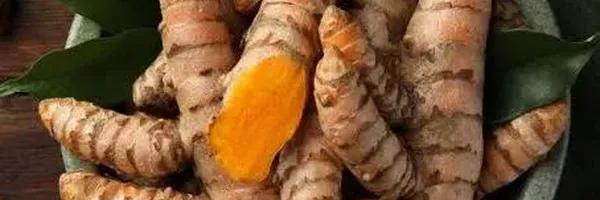
Turmeric wrap or Beeswax wrap!: A comparison of turmeric and beeswax wraps in preventing bacterial growth.
Benjamin Villalba, Elijah Kawa
Madeleine D' Houet Bilingual School
Grade 8
Presentation
No video provided
Hypothesis
If food is wrapped with beeswax or turmeric wraps, then bacterial growth will be reduced compared to food left uncovered, because both beeswax and turmeric have antibacterial properties.
Research
Turmeric shows to be especially effective in antifungal properties, this study shows and I quote "Turmeric oil and curcumin, isolated from Curcuma longa L., were studied against fifteen isolates of dermatophytes, four isolates of pathogenic molds and six isolates of yeasts. The inhibitory activity of turmeric oil was tested in Trichophyton-induced dermatophytosis in guinea pigs. The results showed that all 15 isolates of dermatophytes could be inhibited by turmeric oil at dilutions of 1:40−1:320. None of the isolates of dermatophytes were inhibited by curcumin. The other four isolates of pathogenic fungi were inhibited by turmeric oil at dilutions of 1:40−1:80 but none were inhibited by curcumin. All six isolates of yeasts tested proved to be insensitive to both turmeric oil and curcumin. In the experimental animals, turmeric oil (dilution 1:80) was applied by dermal application on the 7th day following dermatophytosis induction with Trichophyton rubrum. An improvement in lesions was observed in 2–5 days and the lesions disappeared 6–7 days after the application of turmeric oil." In other words turmeric oil cured fungal disease in guinea pigs who had biofungal infections that were treated better by the turmeric oi than by the curcuma.
Curcumin, the active ingredient in turmeric, is antifungal because it disrupts multiple vital functions of fungal cells, primarily by causing cell membrane and cell wall damage/.
**Title: Turmeric Natural Dye's Ability to Fight Bacteria** **Authors: R.Mari selvam, A.J.A.Ranjit Singh, K.Kalirajan** **Summary:** Curcumin is a yellow substance found in turmeric, a spice commonly used in Indian cooking.It may help reduce inflammation and fight various health issues like diabetes, heart disease, and depression. However, its use is limited because it has a strong color, doesn’t dissolve in water well, and isn’t easily absorbed by the body.This study looks at how turmeric dye can fight different bacteria. The tests showed that turmeric extract can kill ten types of bacteria.The dye was especially effective against E.coli and Vibrio cholera, with good results observed. Turmeric comes from the root of the Curcuma longa plant and is bright yellow.It has been used for many years in India for cooking and medicine.People use it on the skin for wounds and infections, and it can be taken orally for various illnesses. Researchers are very interested in curcumin, the main active part of turmeric. There are many studies showing its health benefits, including its ability to fight infections. This study aims to review the safety and antibacterial effects of curcumin when used as a natural dye for traditional crafts.Using turmeric dye on natural fibers can enhance the value of handmade products and help preserve food items.
**Methods:** To make the natural dye from turmeric, the following steps were taken: 1.Collect turmeric roots and dry them.2.Boil the dried and sliced roots in water to extract the color.3.Prepare natural fibers by cleaning them.4.Soak the fibers in the turmeric dye for half an hour. 5.Rinse and dry the fibers, then grind them into powder for testing. The antibacterial strength of the turmeric dye was tested against ten kinds of bacteria using a method that shows how well it can stop bacterial growth. **Results:** The turmeric dye was effective against eight types of bacteria.It worked particularly well against E.coli and Vibrio cholera.Many people prefer using natural dyes like turmeric instead of synthetic ones, as they are safer. The study showed that products made with turmeric dye could be both colorful and safe, protecting food items stored in natural fiber containers. ``Turmeric is what's called a fugitive dye; this means that the colour will fade pretty quickly regardless of anything you do to it (mordanting wise). Please be aware that the colour will fade in the sunshine and run out in the wash really quickly. Despite that it's a magical colour to dye with and makes me smile every single time!``-petalplum.com.au f
Variables
indenpendent:type of wrap(turmeric wrap, beeswax wrap, both, normal cloth wrap,/control) dependent:amount of bacterial growth(number of colonies in visible growth) controlled: same food, same temperature, same time, same time period, same house, same container, same handling method
Procedure
Materials apple slices Wraps (beeswax wrap, turmeric wrap, Both wrap, normal wrap.) marker cotton string wooden chip metal pot and pan microscope DI water metal pinces ceramic plates cooler plastic tray
Procedure:
- cutting & cleaning your cloth
materials
- Unbleached cotton cloth pieces
- Pre-wash: wash each cloth in boiling water + mild detergent to remove starches/oils. Rinse fully with DI water.
- Soak: Fully submerge cloth in clean water and let it soak 10–15 minutes so dye can penetrate later. (petalplum)
- air dry on hanger
Materials
- Turmeric powder: \~2–3 tablespoons per cloth piece
- Water: \~3 L per dye batch (enough to fully cover fabric)
- Large stainless-steel or non-food dye pot (not used later for cooking)
- Metal pinces
Mix Ratio
- 2–3 tbsp turmeric per \~4 L water for each batch. (petalplum)
Steps
- Fill the pot with water: \~4 L so the cloth can float freely. (petalplum)
- Add turmeric: add in the measured turmeric powder. (petalplum)
- Heat: Bring water to a full boil. (petalplum)
- Add cloth: Gently place one damp cloth into it
- the turmeric seemed to be speckled
Keep fabric simmering 30 mins
Gala apples
| Pre-wash temp | 22 C |
|---|---|
| Pre-wash time | 15 min |
| Turmeric amount | 3 tbsp |
| Water volume | 2 L |
| Dye temp | 80°C |
| Dye time | 30 min |
Beeswax: put the bar of beeswax in the pan, leave it to heat up and melt, then take the beeswax out and grab your cloths with pinces and dip it flat entirely into the beeswax for 3:30 minutes then lift it out with pinces and hang over the pan with cotton cloth rope and 2 wooden pincers then repeat x4 (2 times for each cloth) then air dry 3:30 mins till wax melt _______________________________________________________________________________________________________________________________________________
After:calibrate the software:
- place a ruler**:** Put a physical ruler or a microscope calibration slide under the camera at the same height as the apple's surface.
- calibrate**:** In S-EYE, click the Calibration icon (often a "+" or a ruler symbol).
- draw a line**:** Use your mouse to draw a line along 10mm on your ruler.
- enter value**:** Type "10" and select "mm" as the unit. Name this profile (e.g., "Apple-Surface-Magnification"). Now, every measurement you take will be in real-world units.
- daily photo for 2 days**:** take a photo of the mold spot at the same time every day. ensure the apple is in the exact same position
- selct measurement tool: In S-EYE, choose the Polygon or Freehand Area tool from the measurement toolbar
- ]trace: Carefully click around the outer edge of the fuzzy mold colony to close the shape
record data; Subtract Day 1's area from Day 2's area to see how many square millimeters it grew in 24 hrs Wnon tmics -9 grams Wtmics -11 grams tmics + Ns not exact
Observations
the beeswax one is a leather like texture
the turmeric seems normal
the beeswax on the pan looked green afterwards
after photos
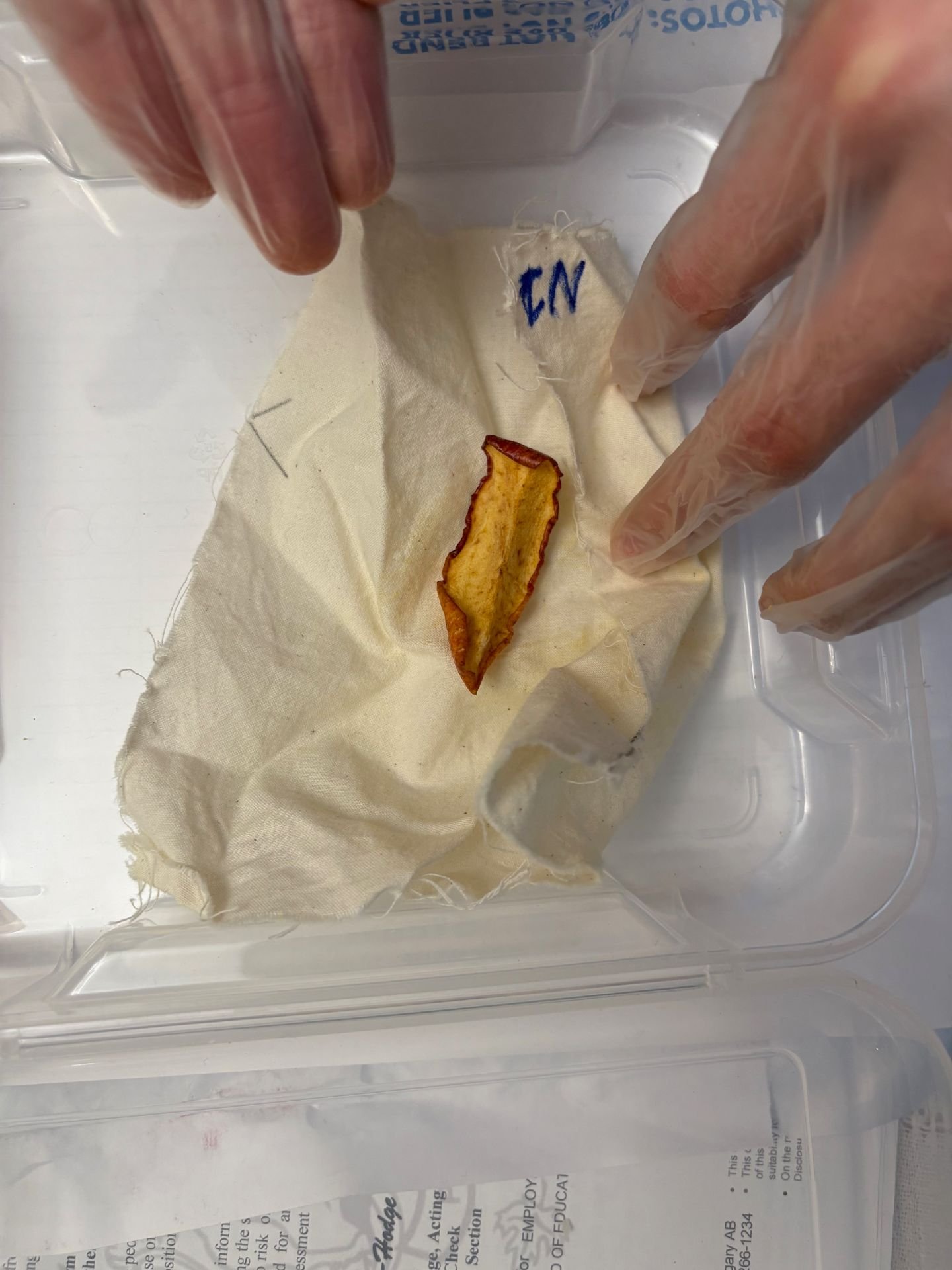
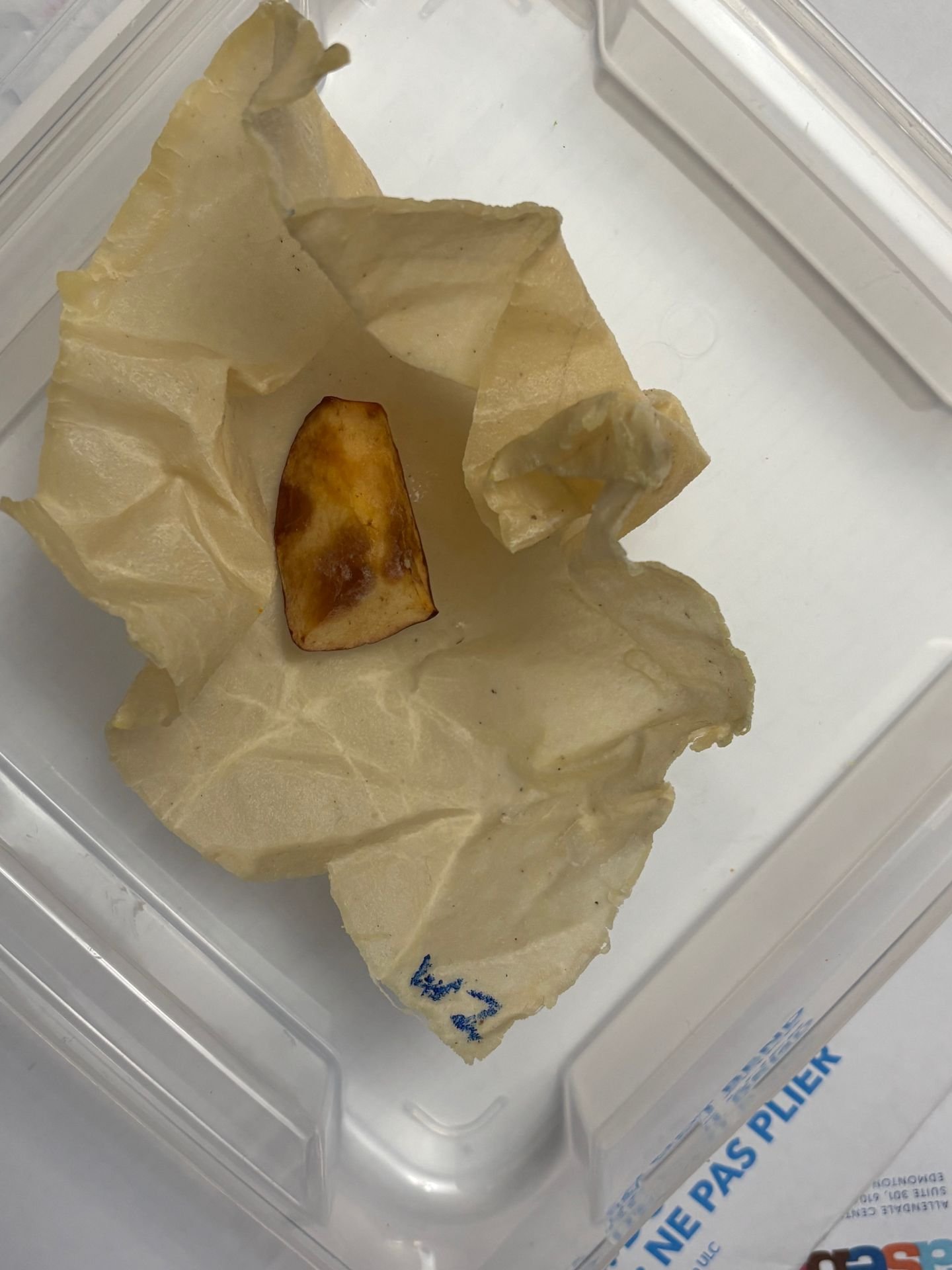
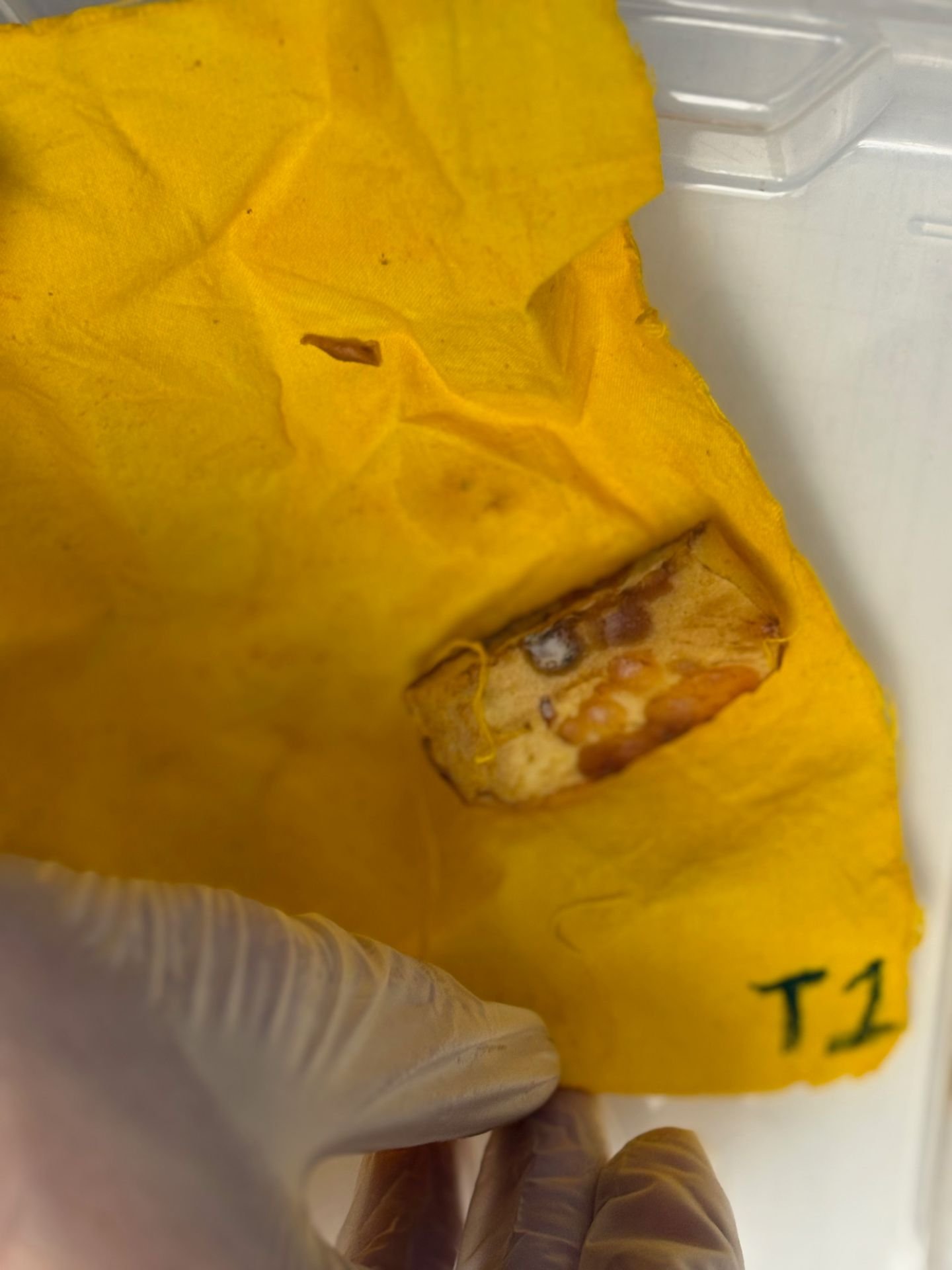
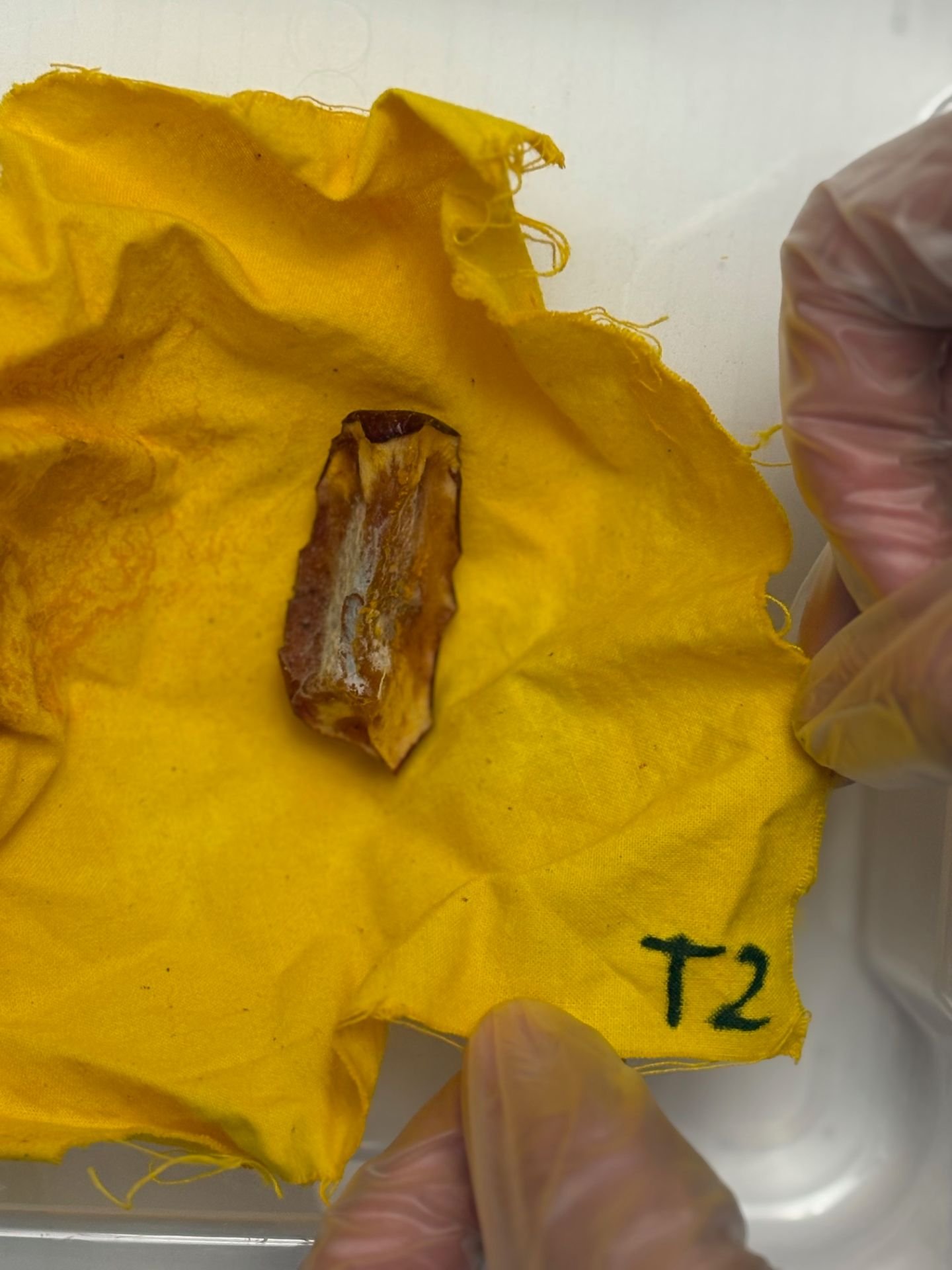
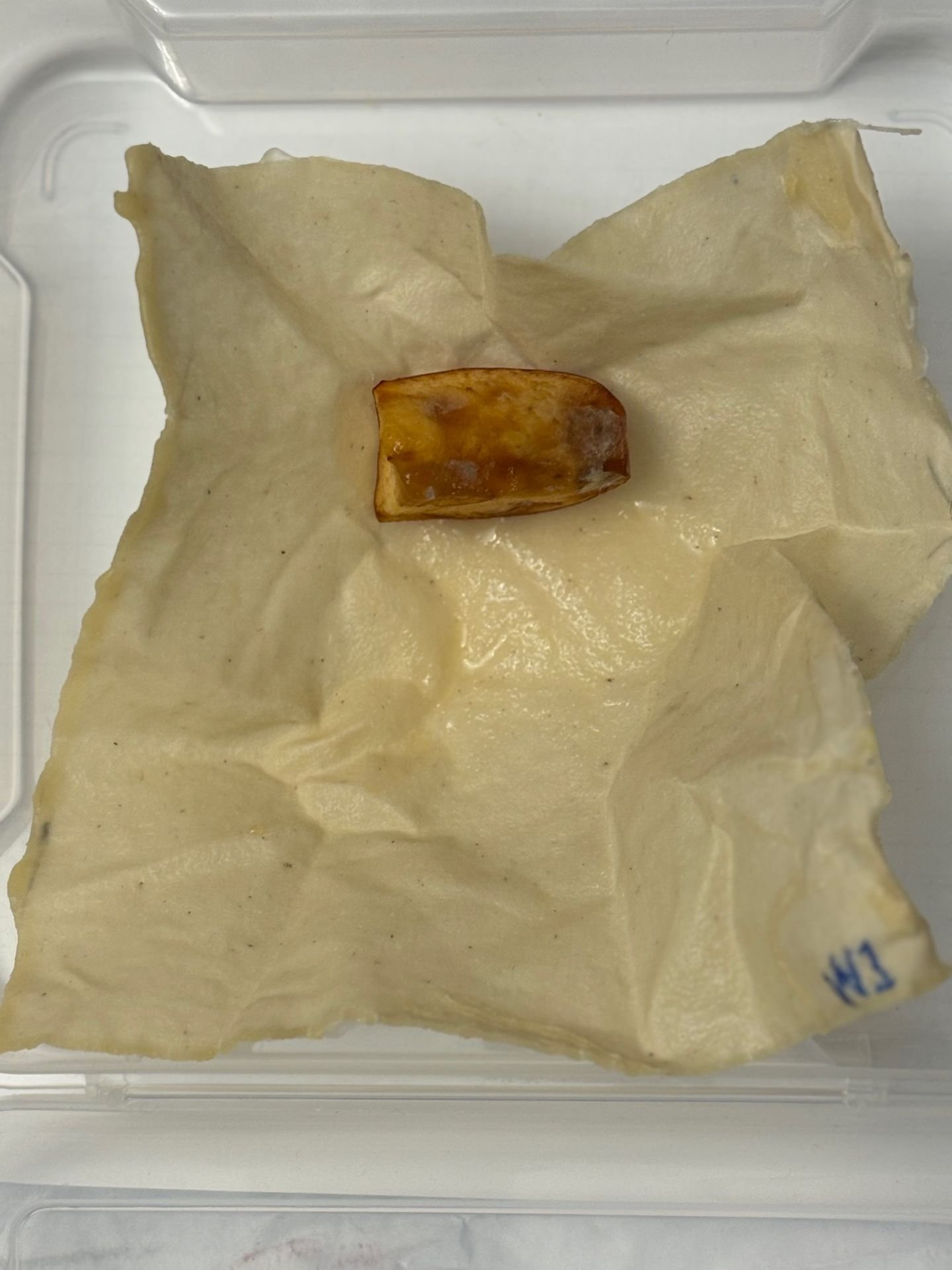
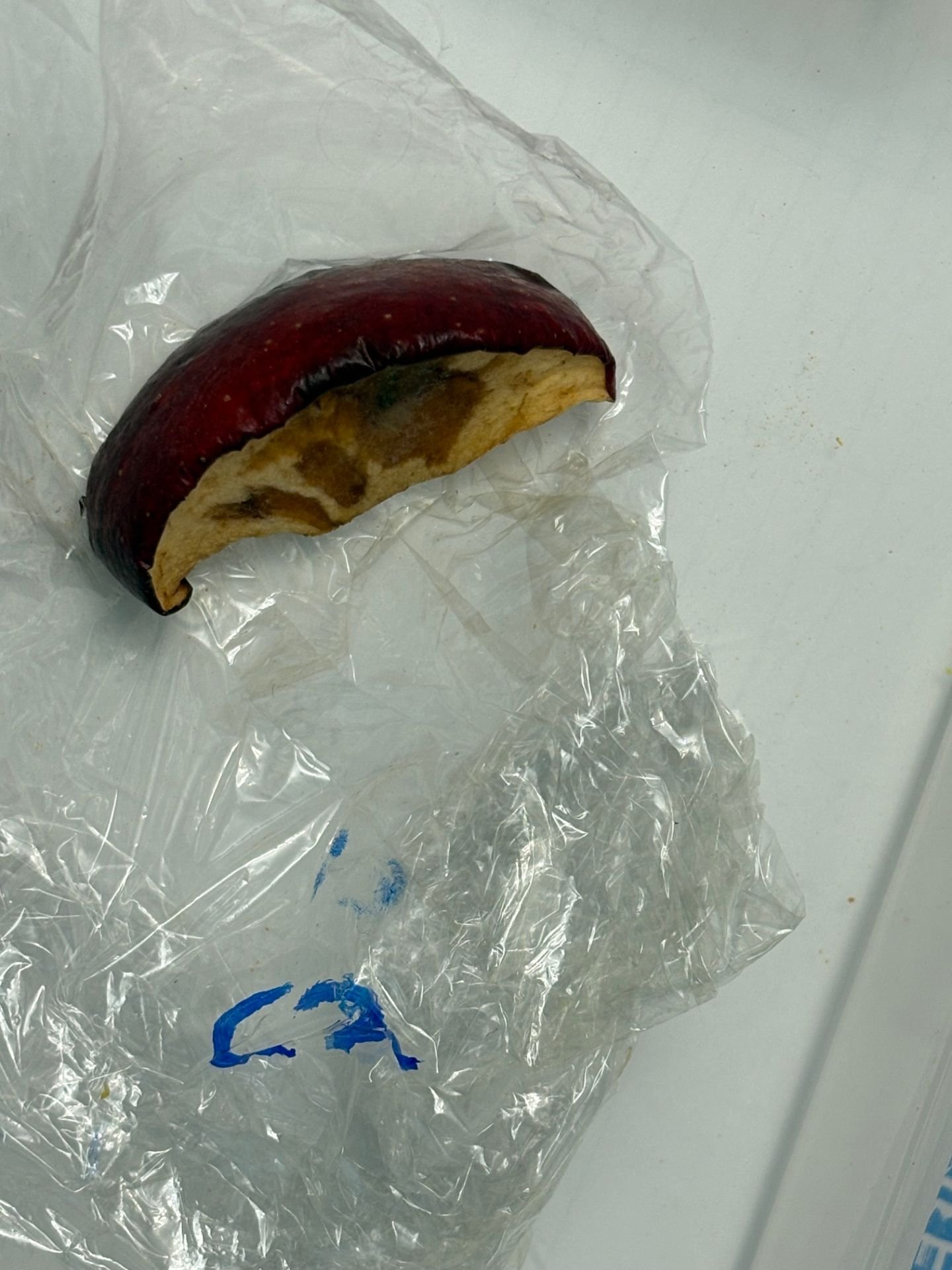
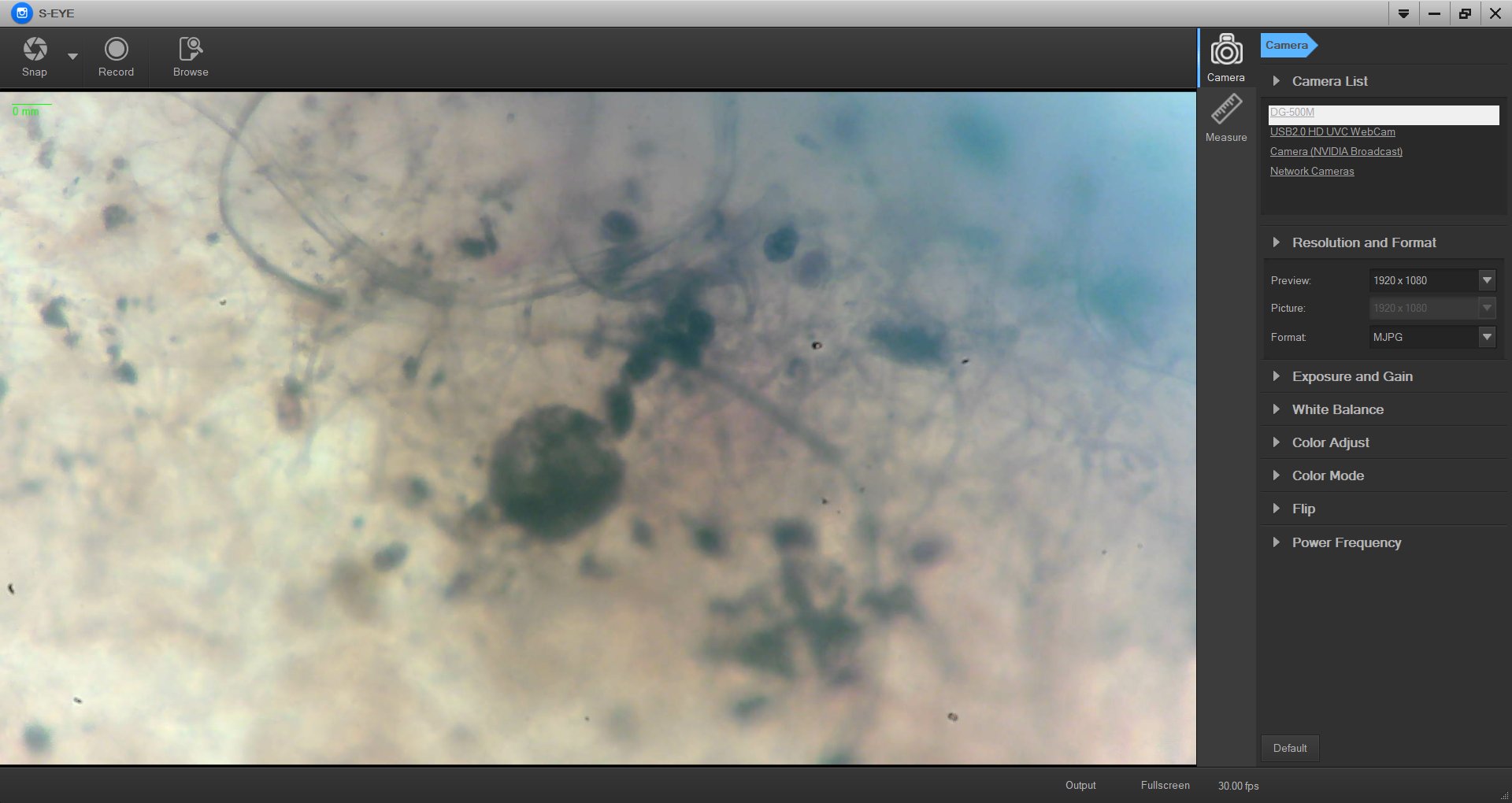
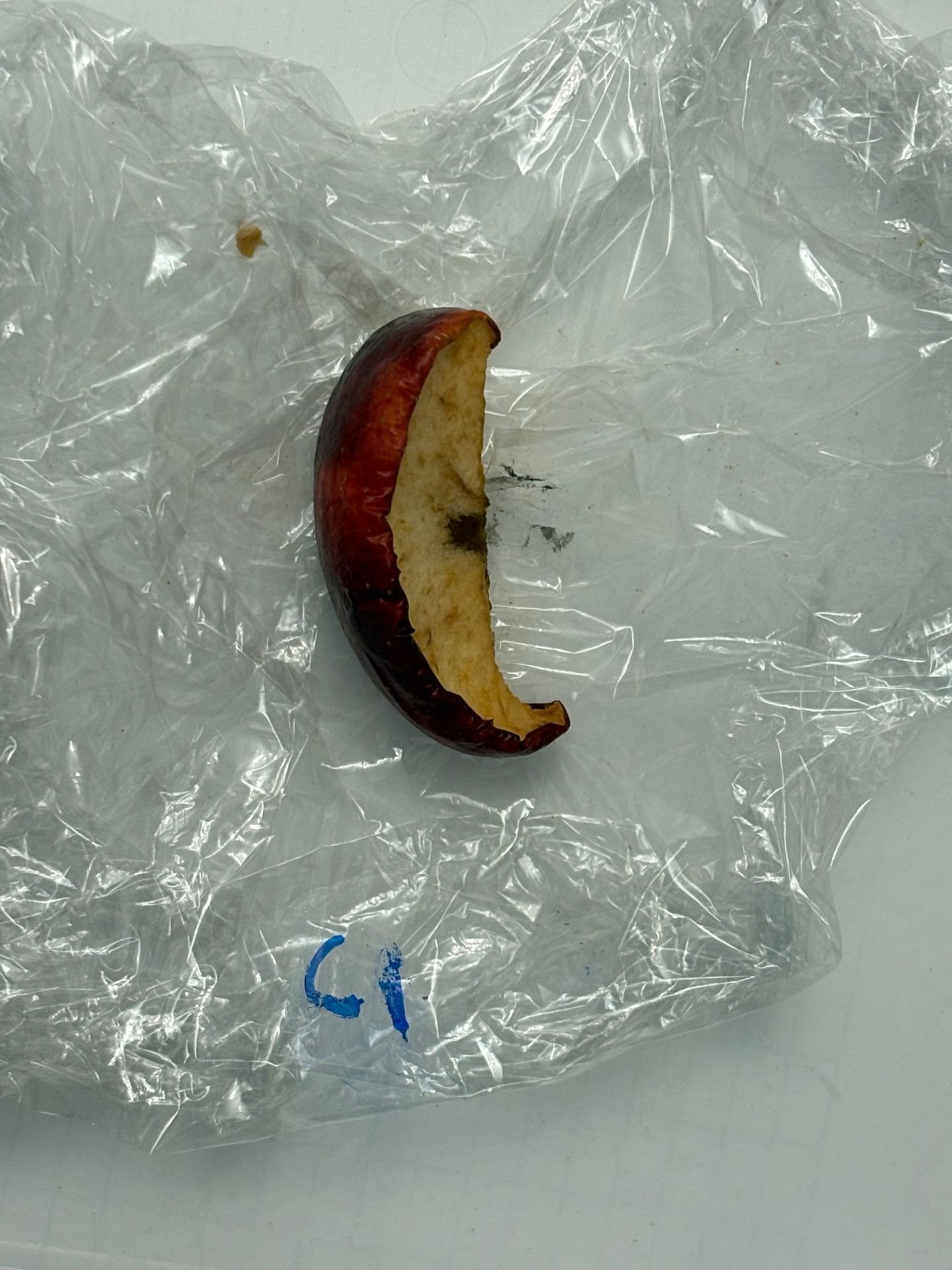 S-EYE PHOTOS:
n2:
S-EYE PHOTOS:
n2:
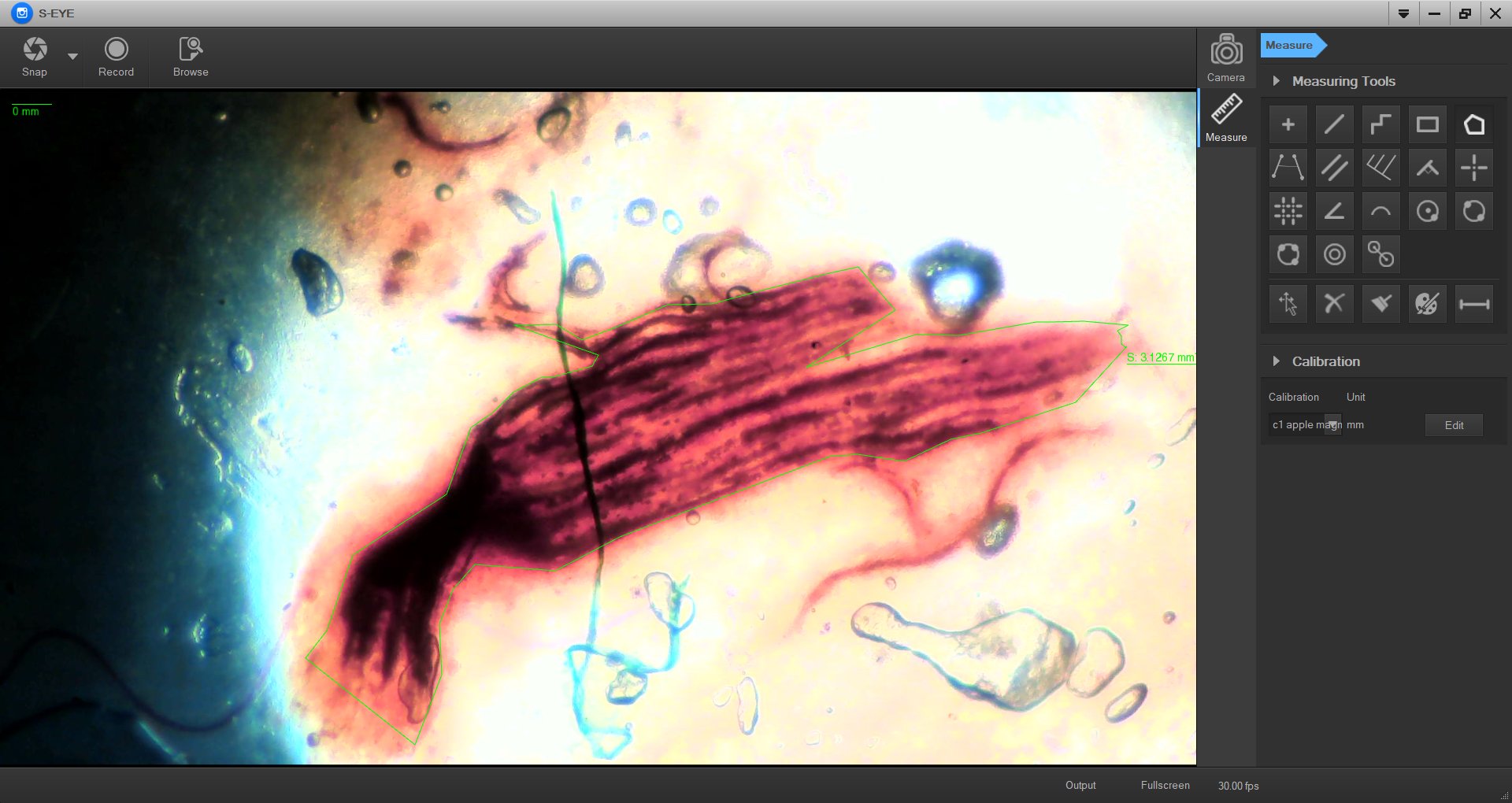 day 2: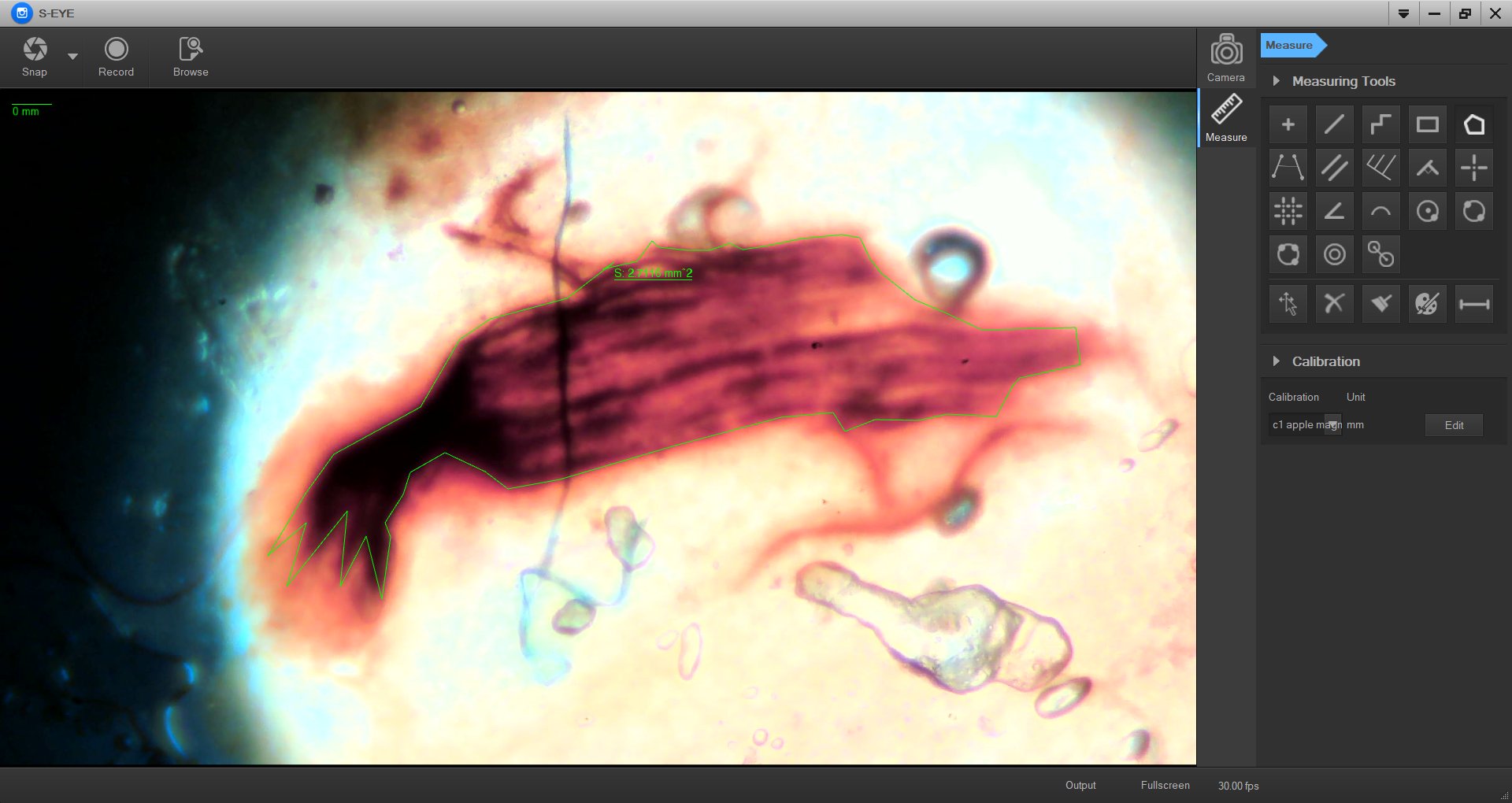
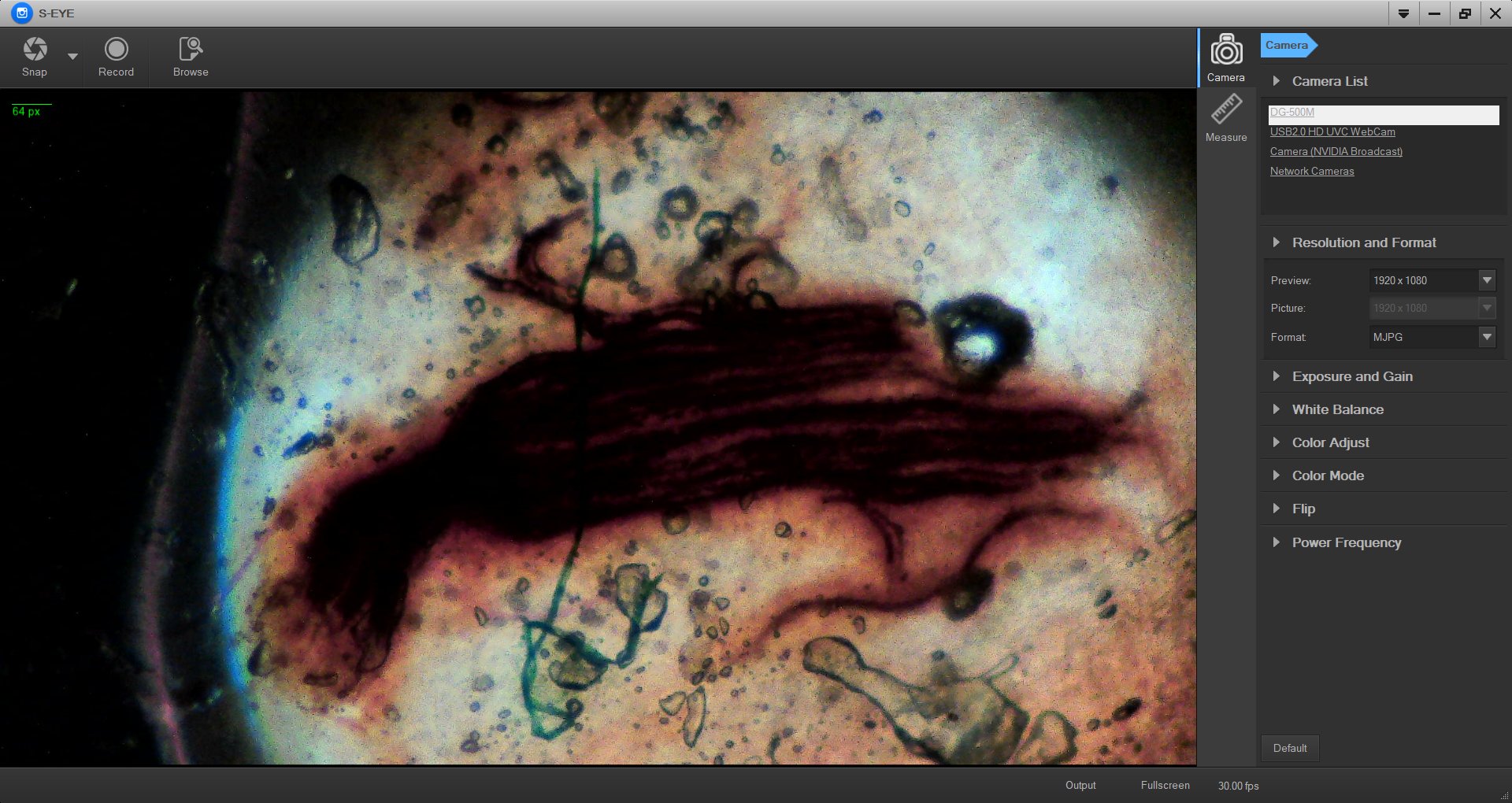 n1
n1
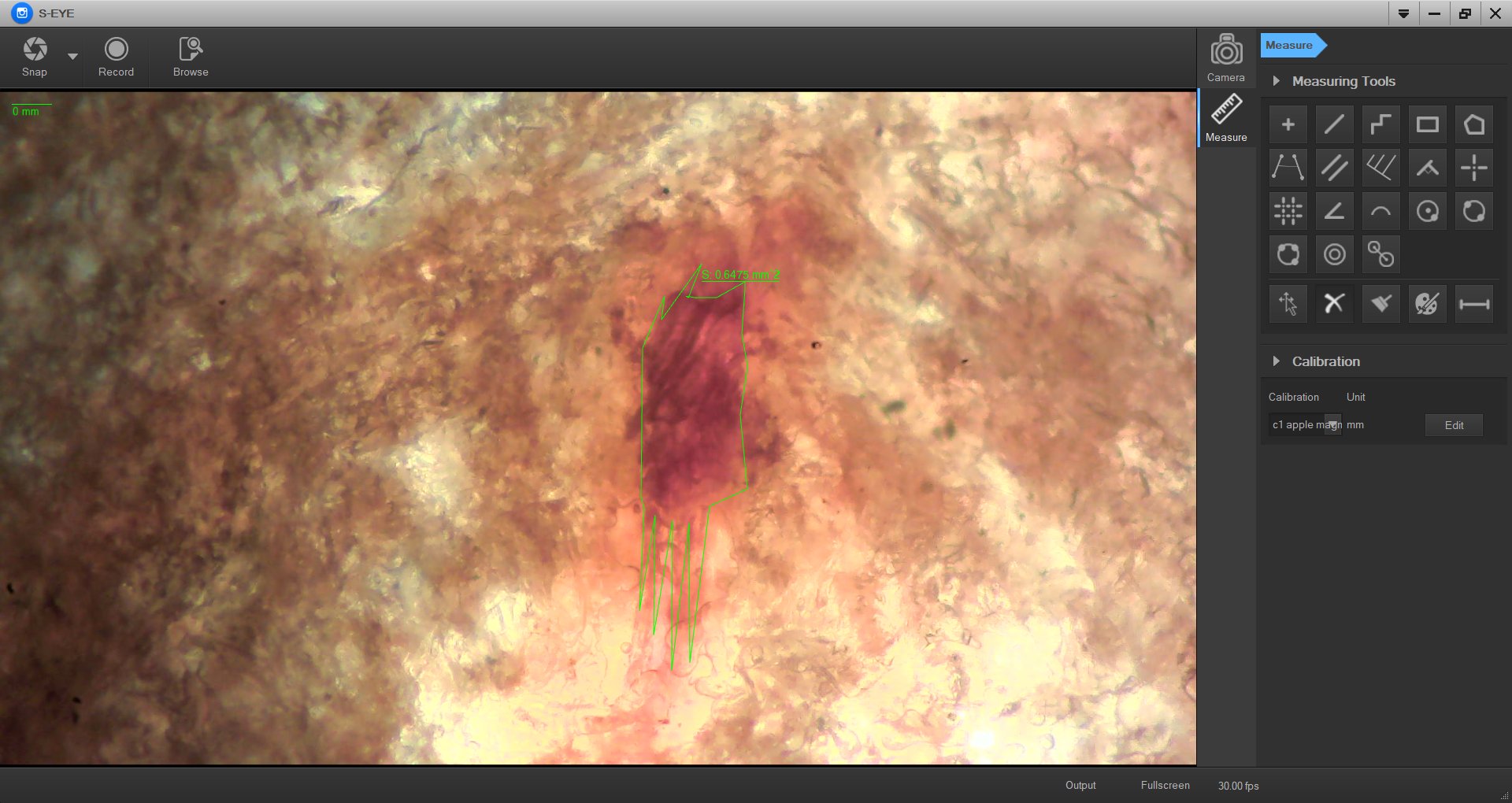 day 2:
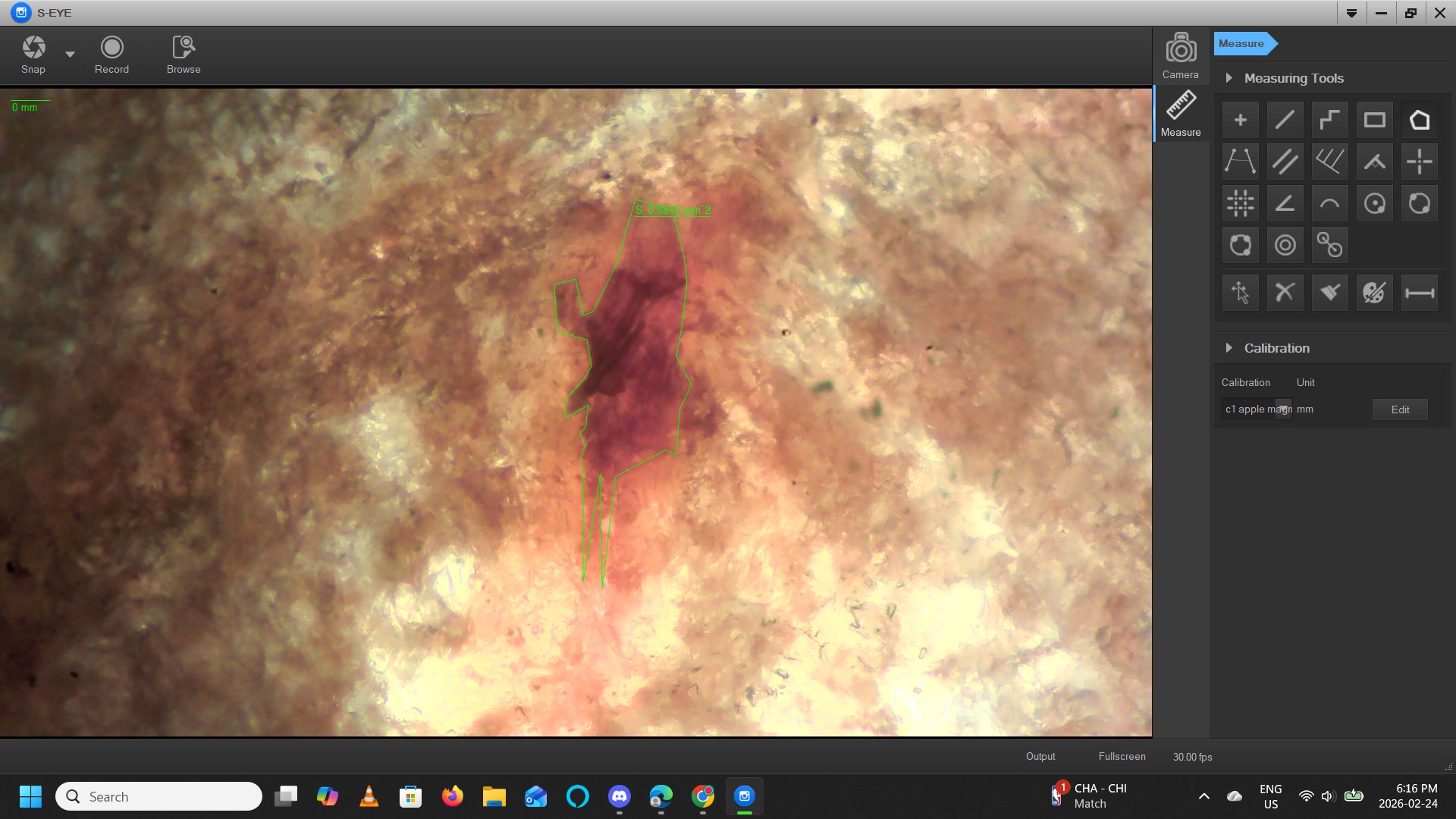
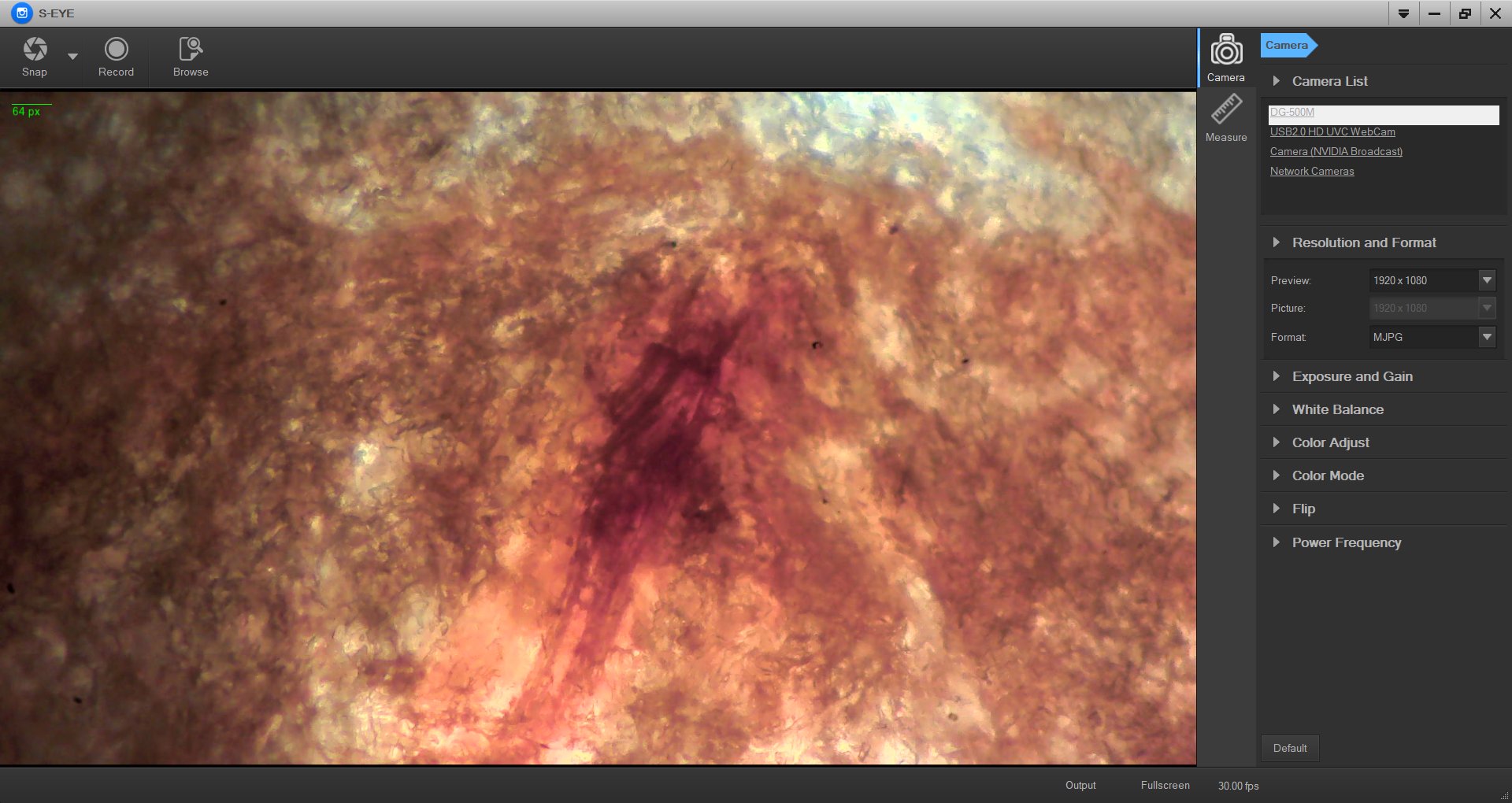 it had less than usual
c1:
it had less than usual
c1: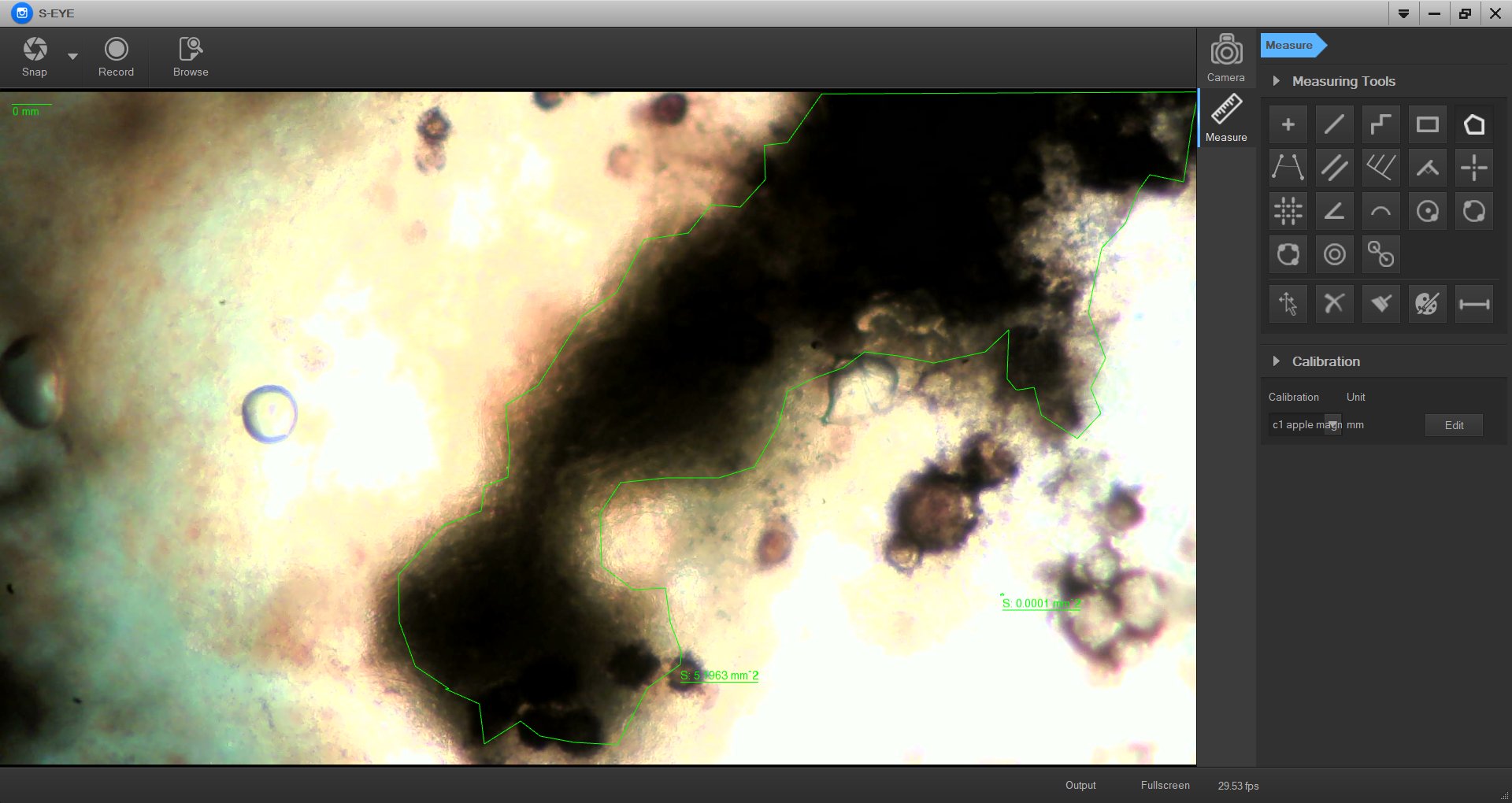 day 2: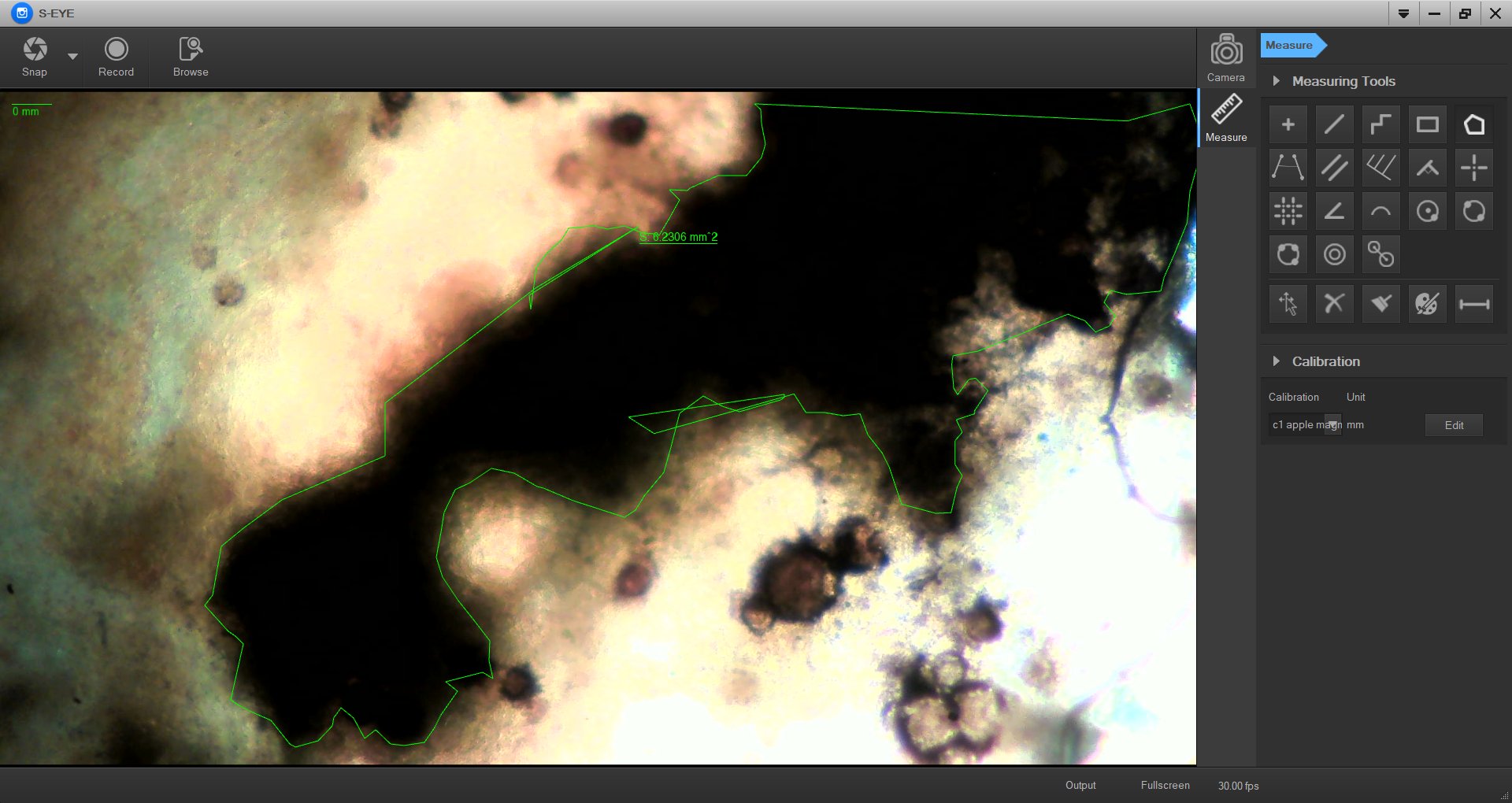
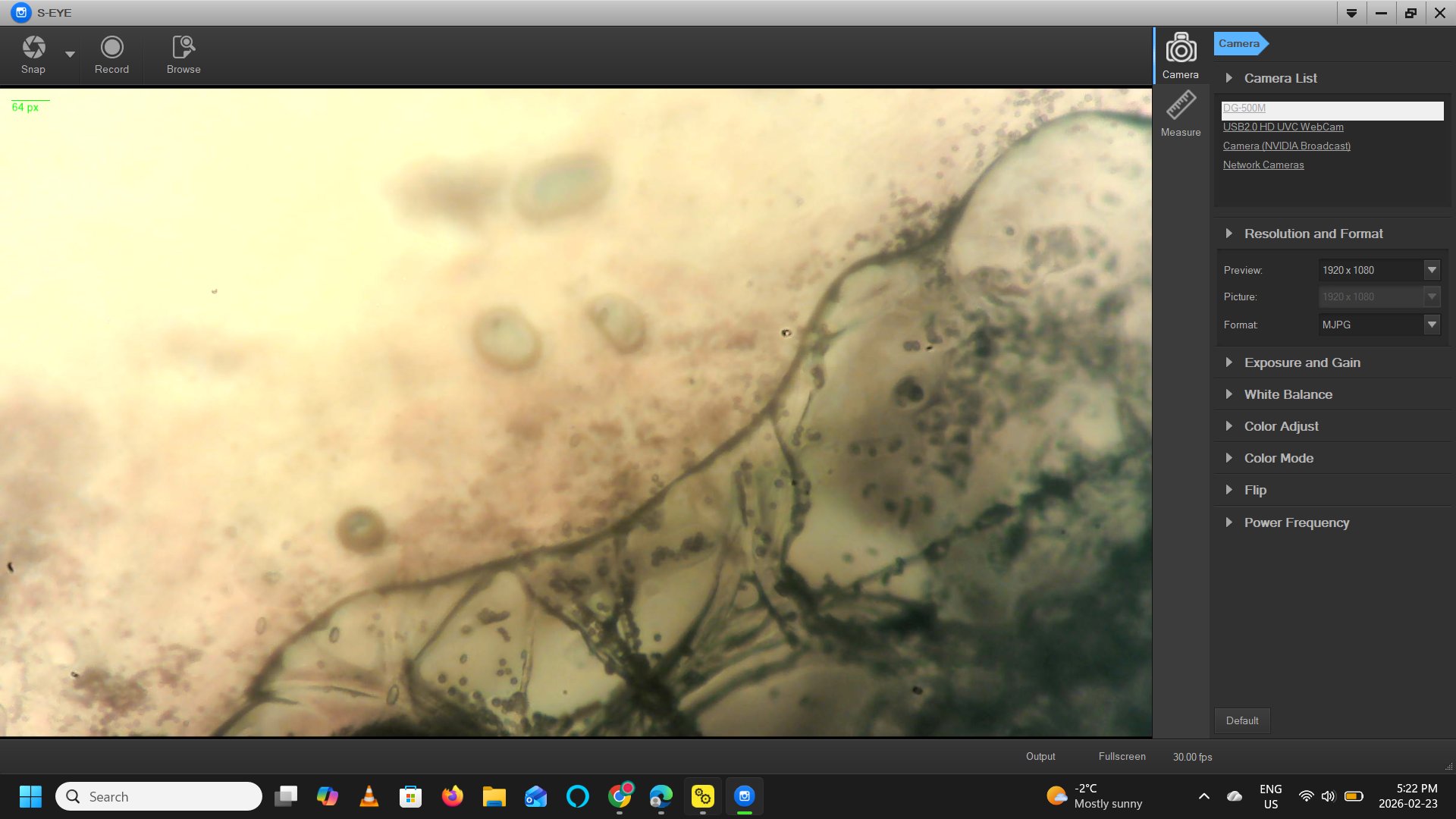
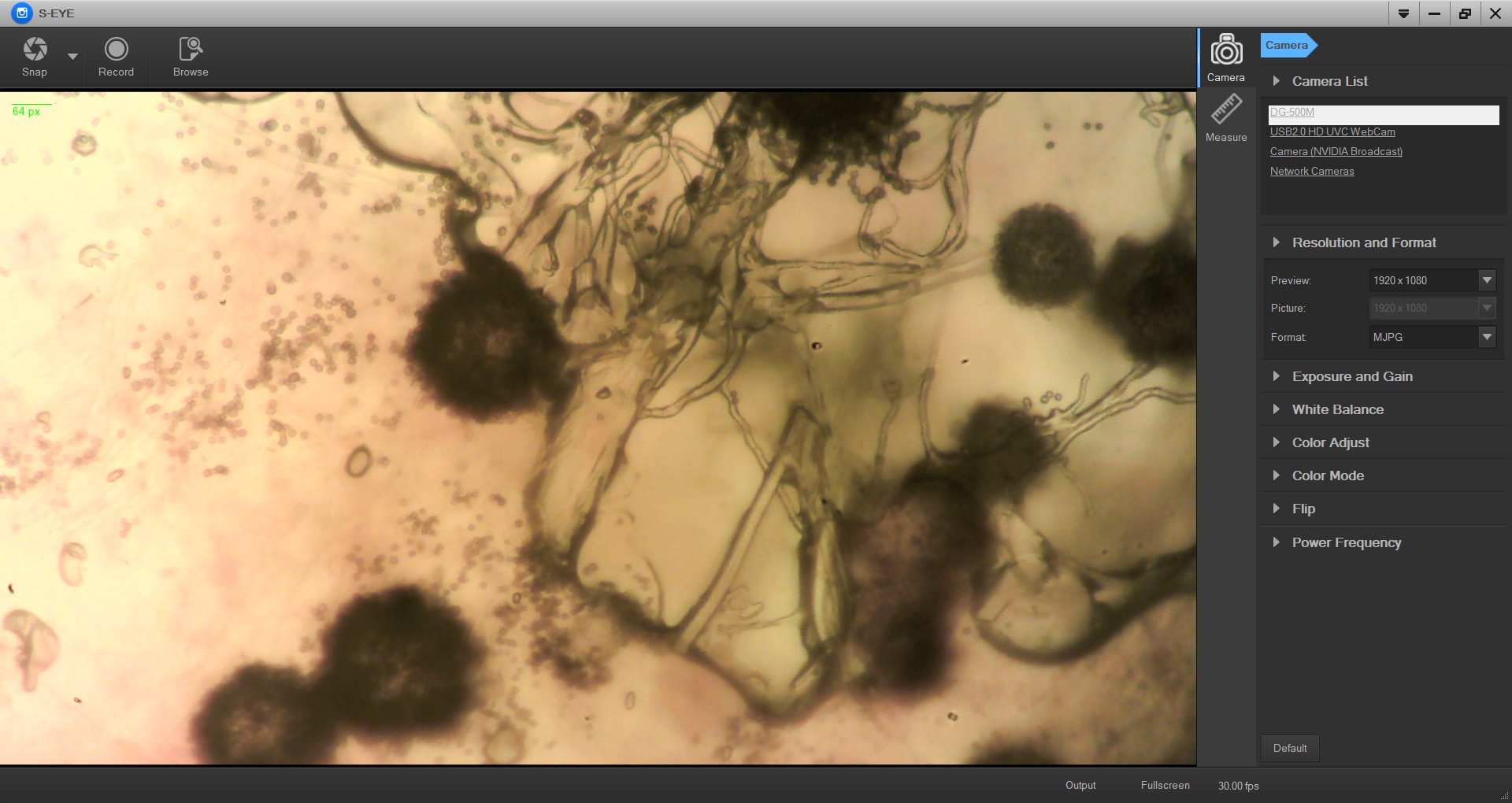 this one had a lotta good photos
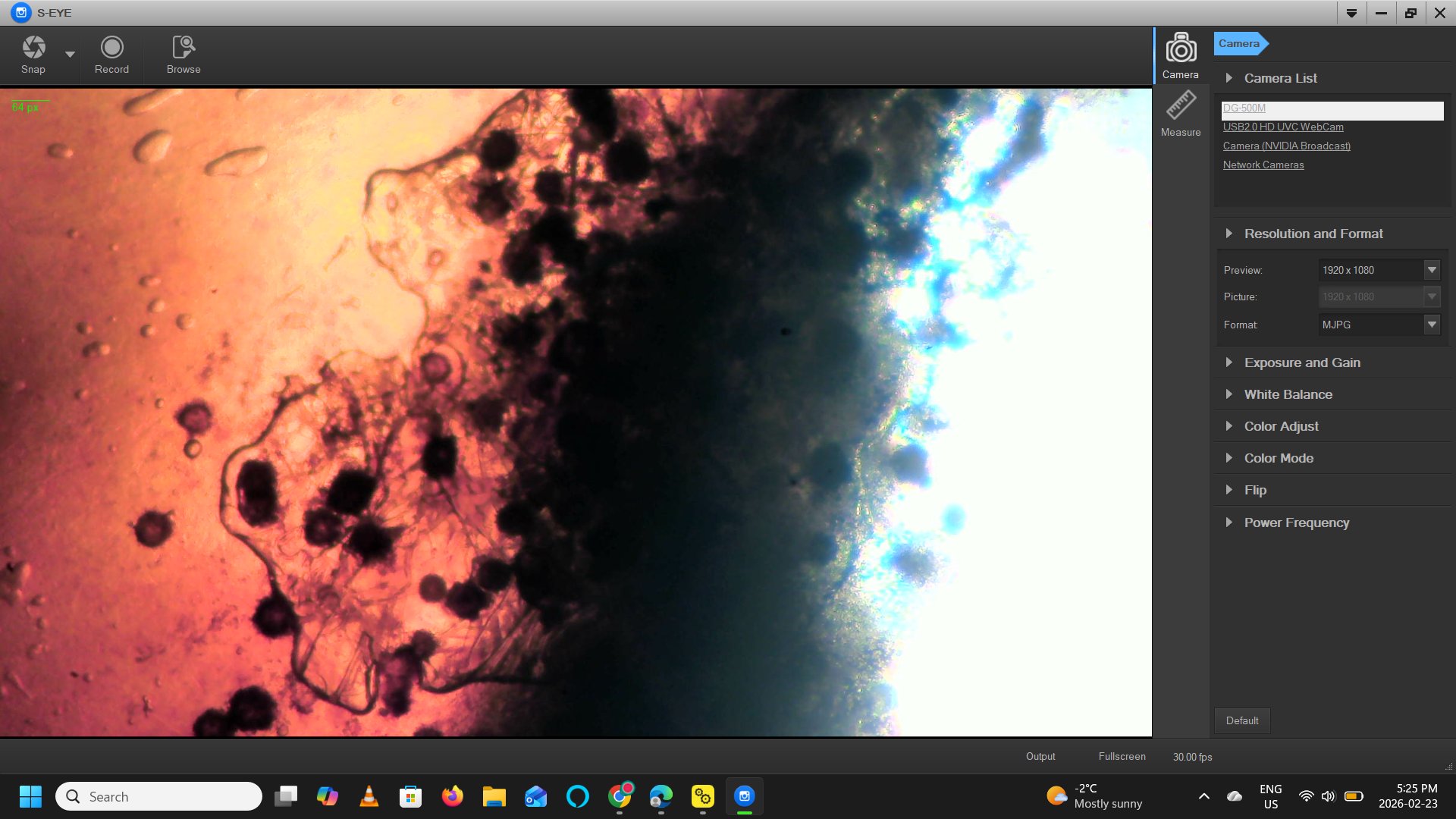 c2:
c2: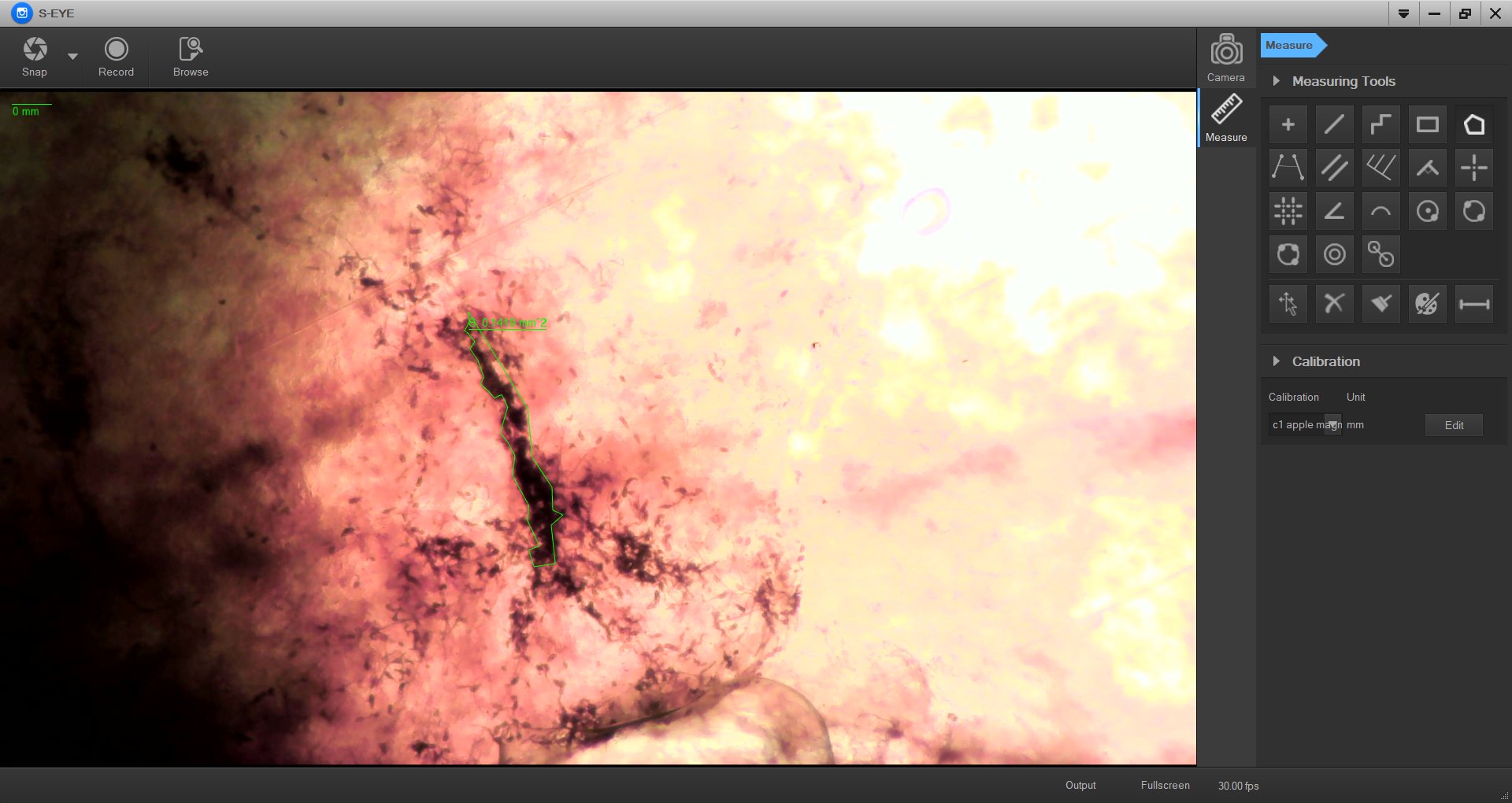 day 2: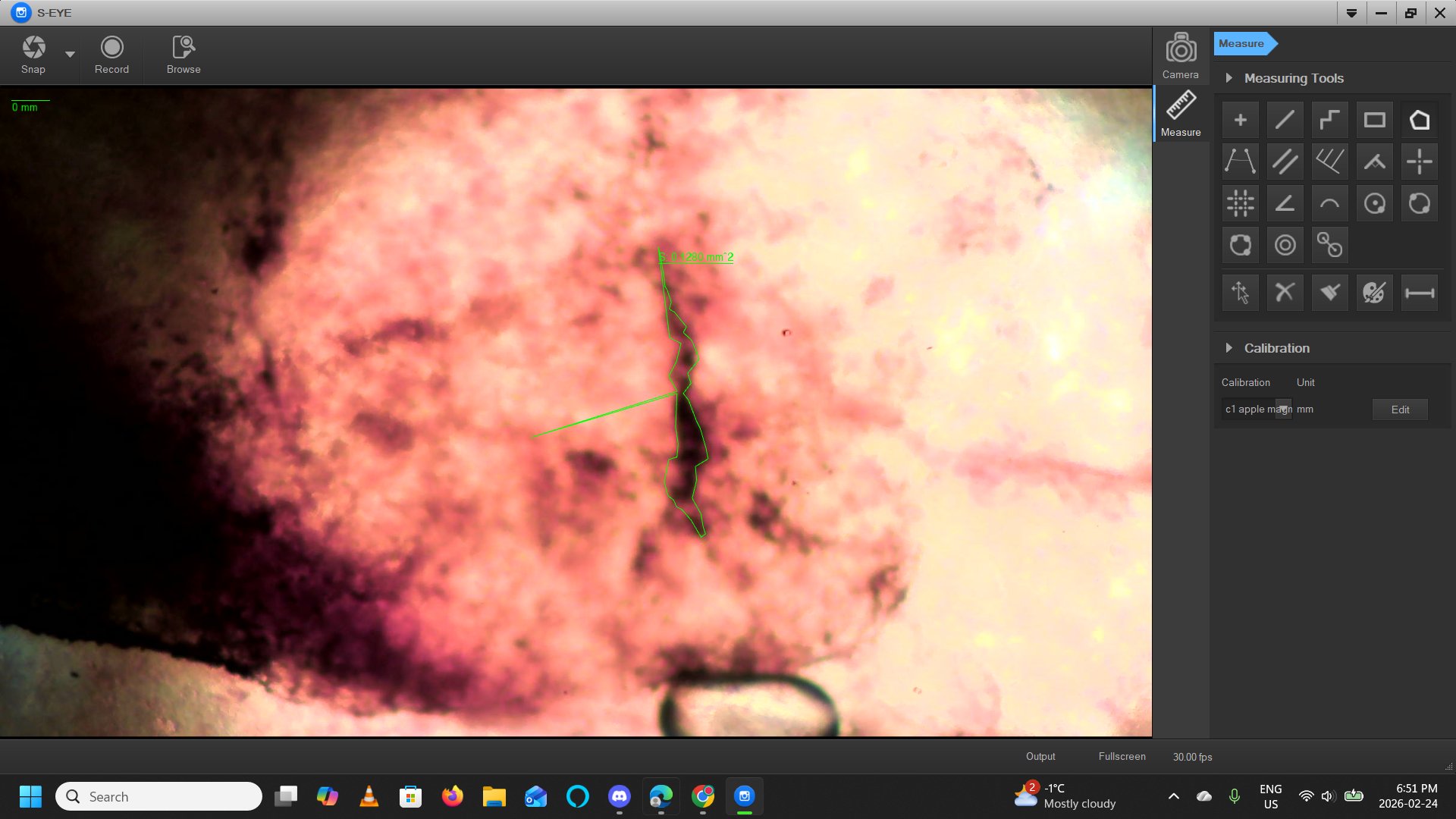
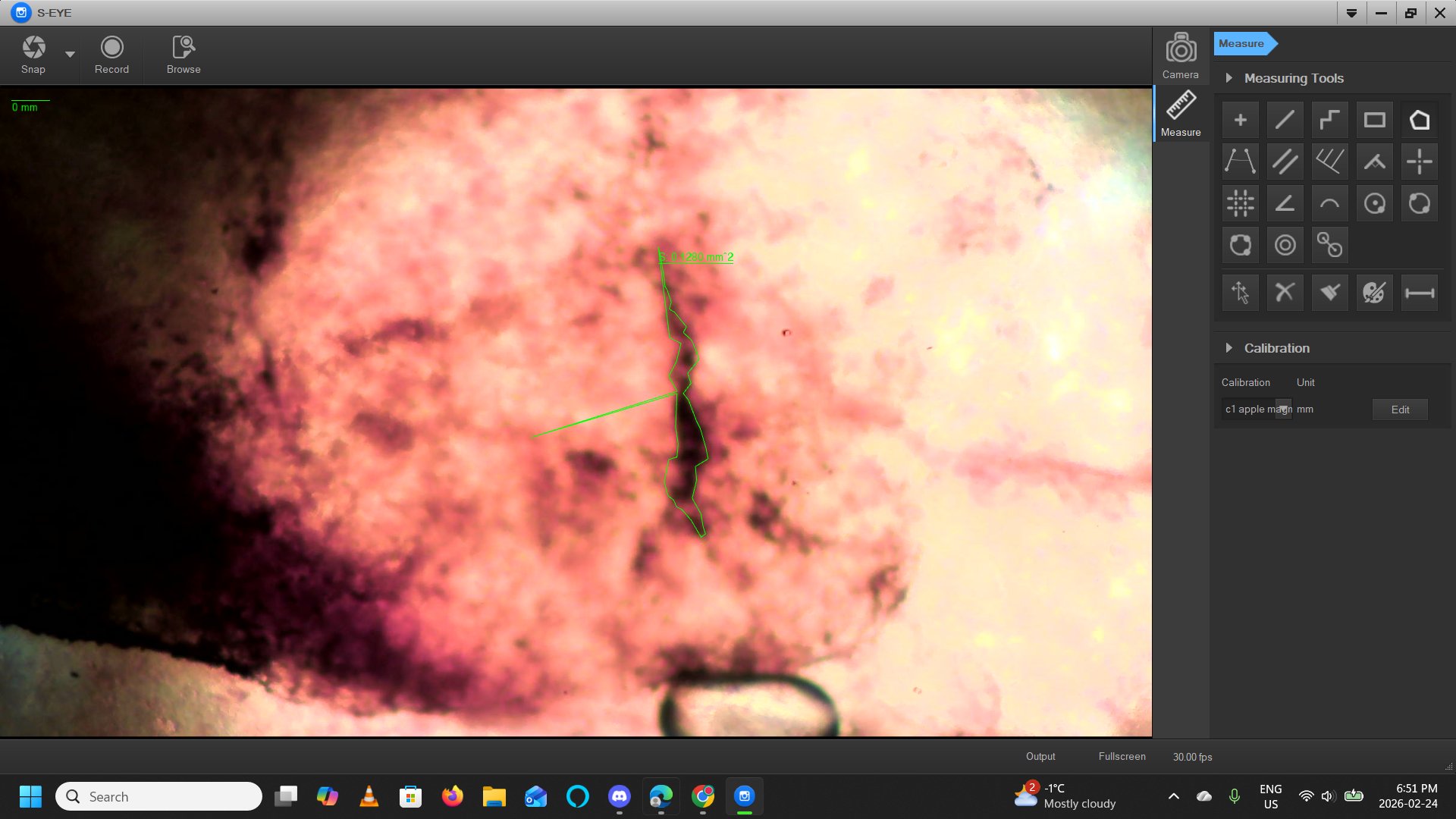
 w1
w1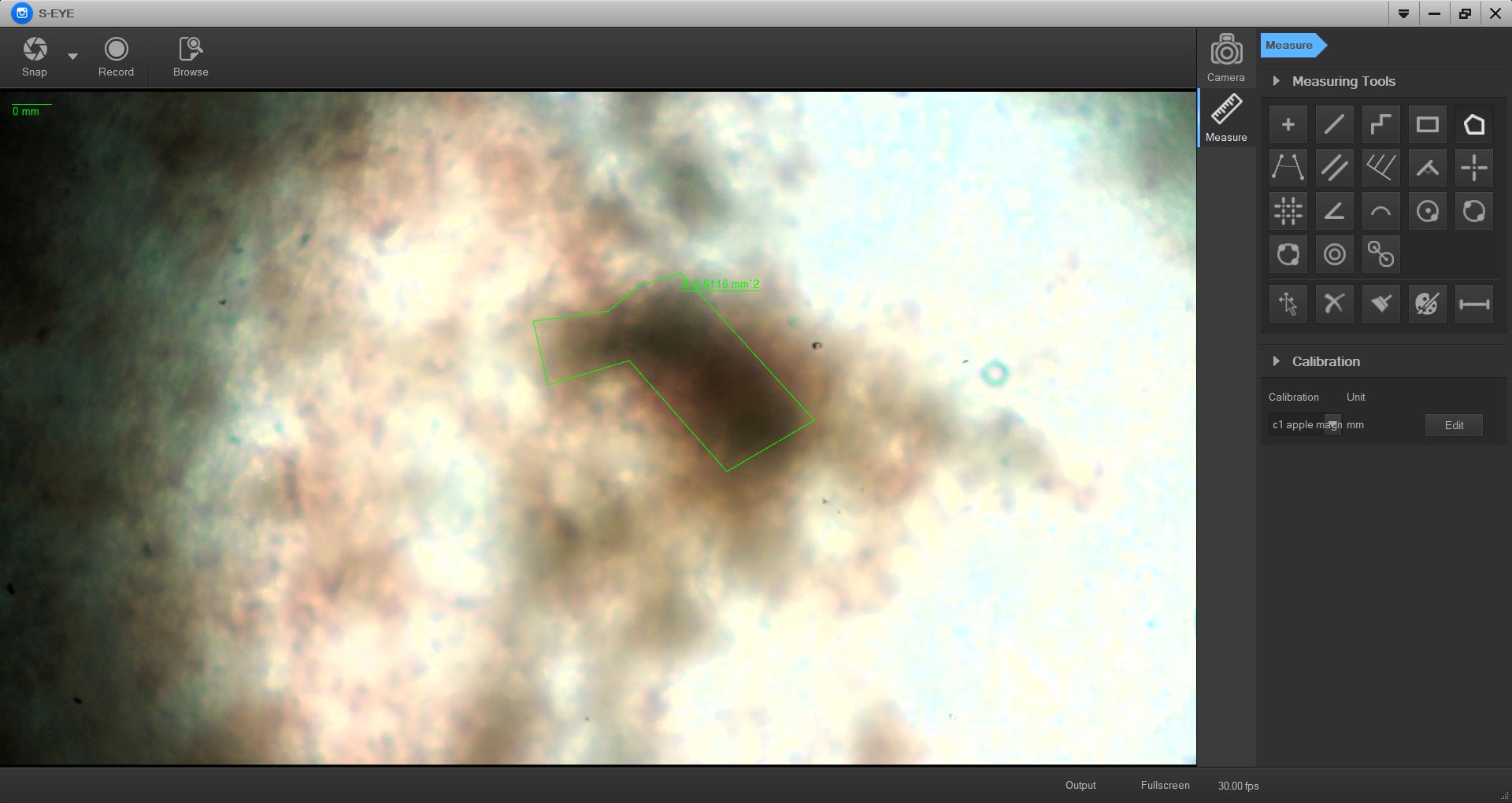
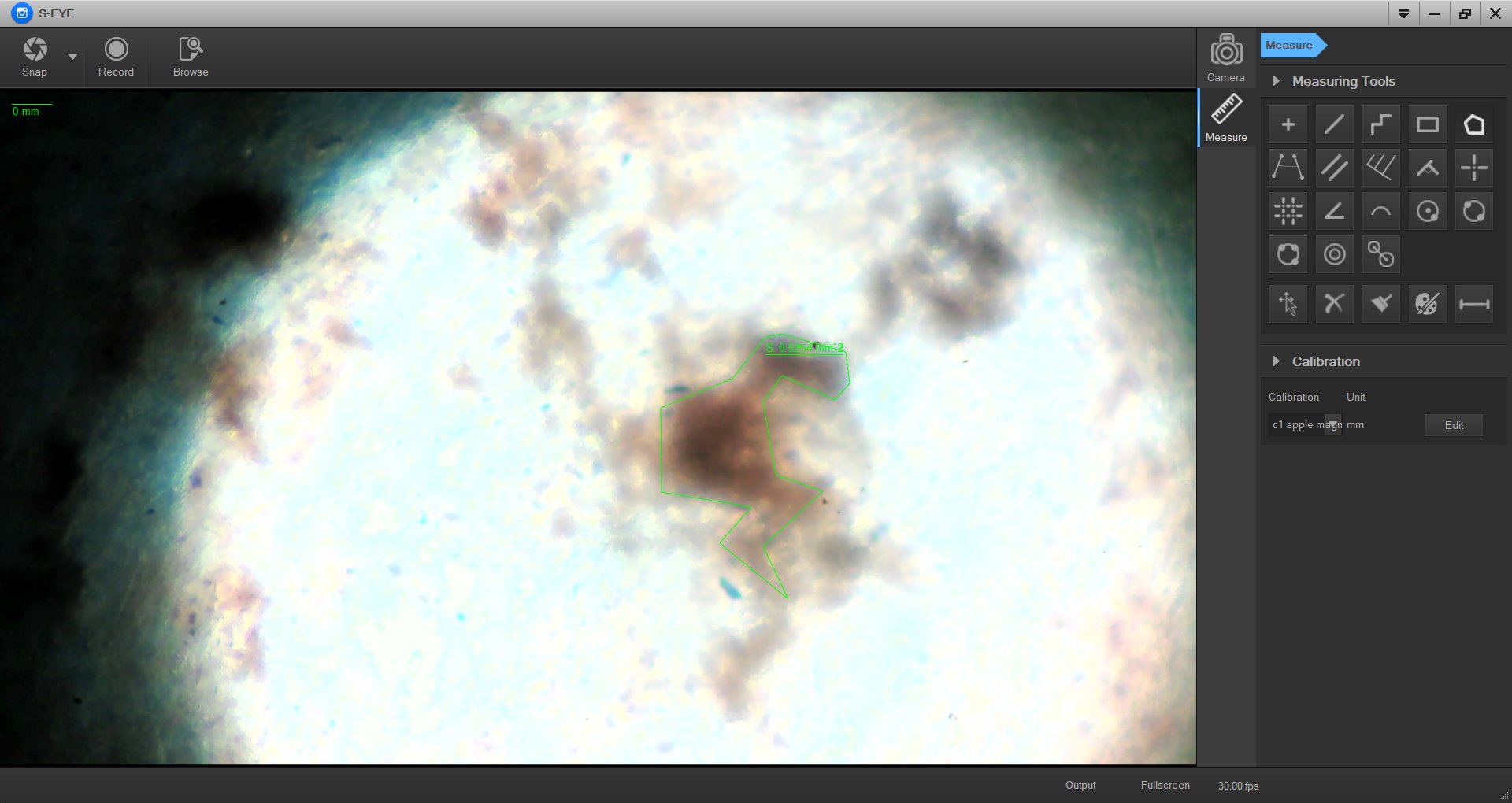 w2
w2
 tw1
tw1
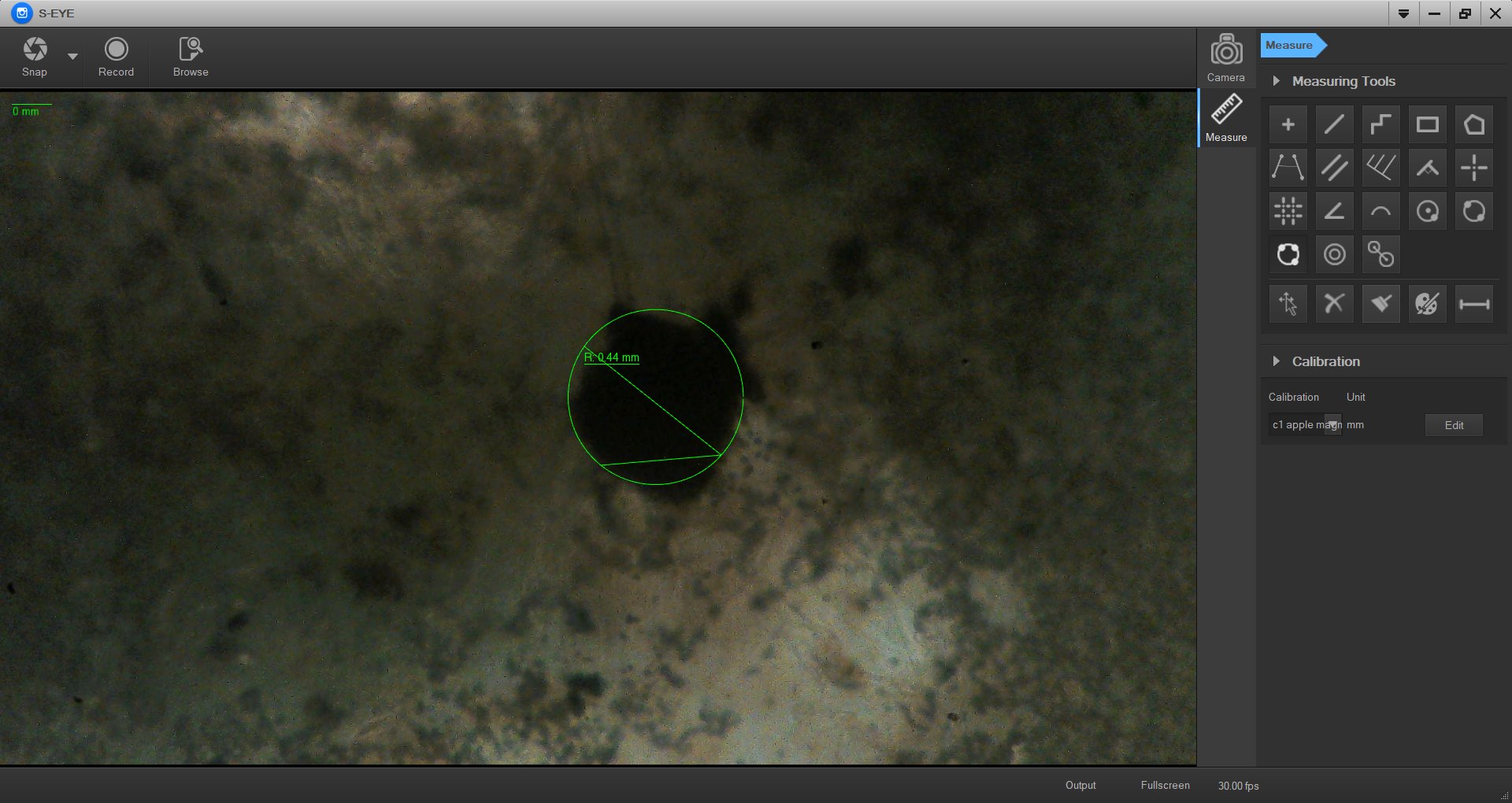
tw2
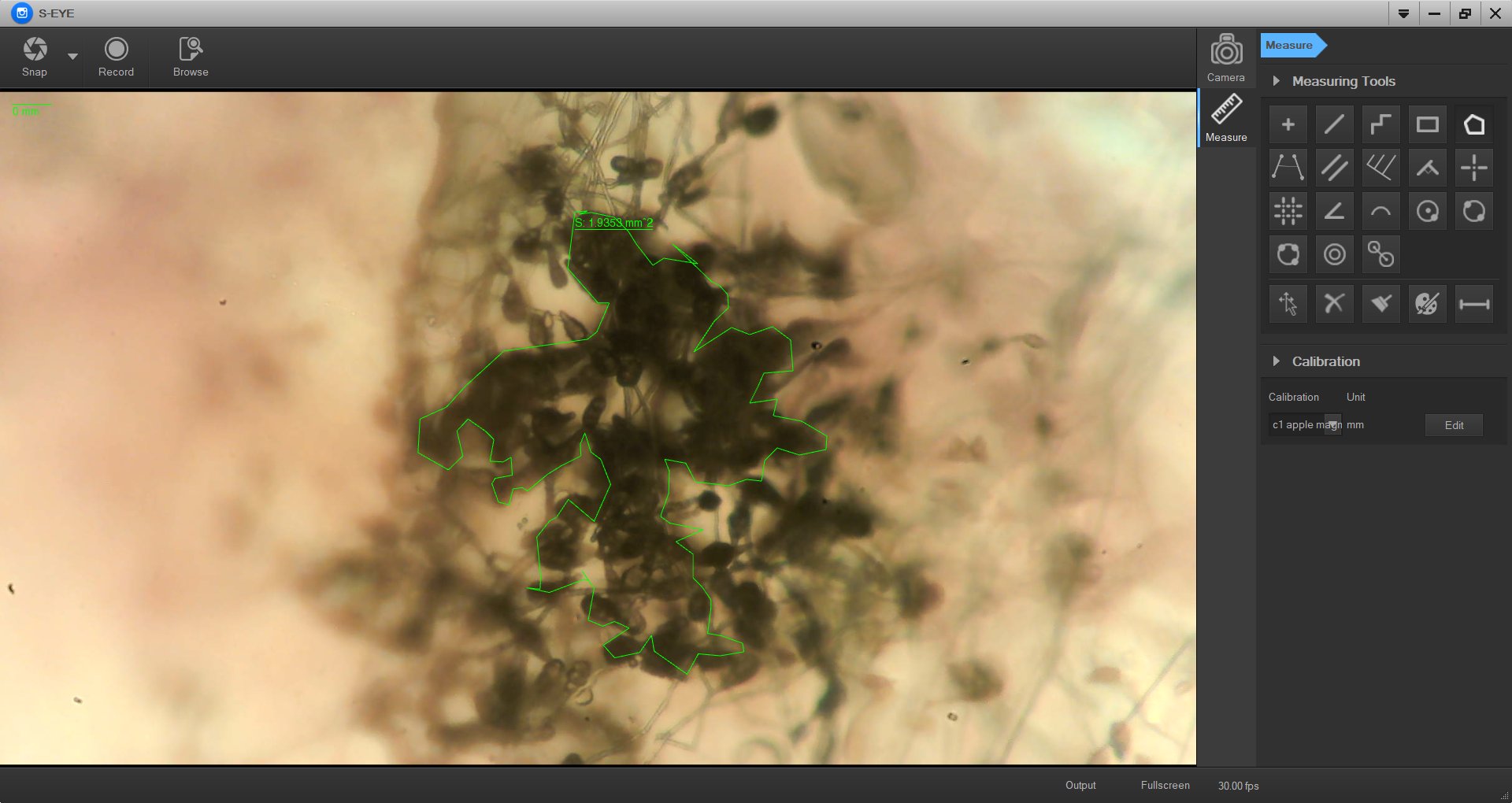
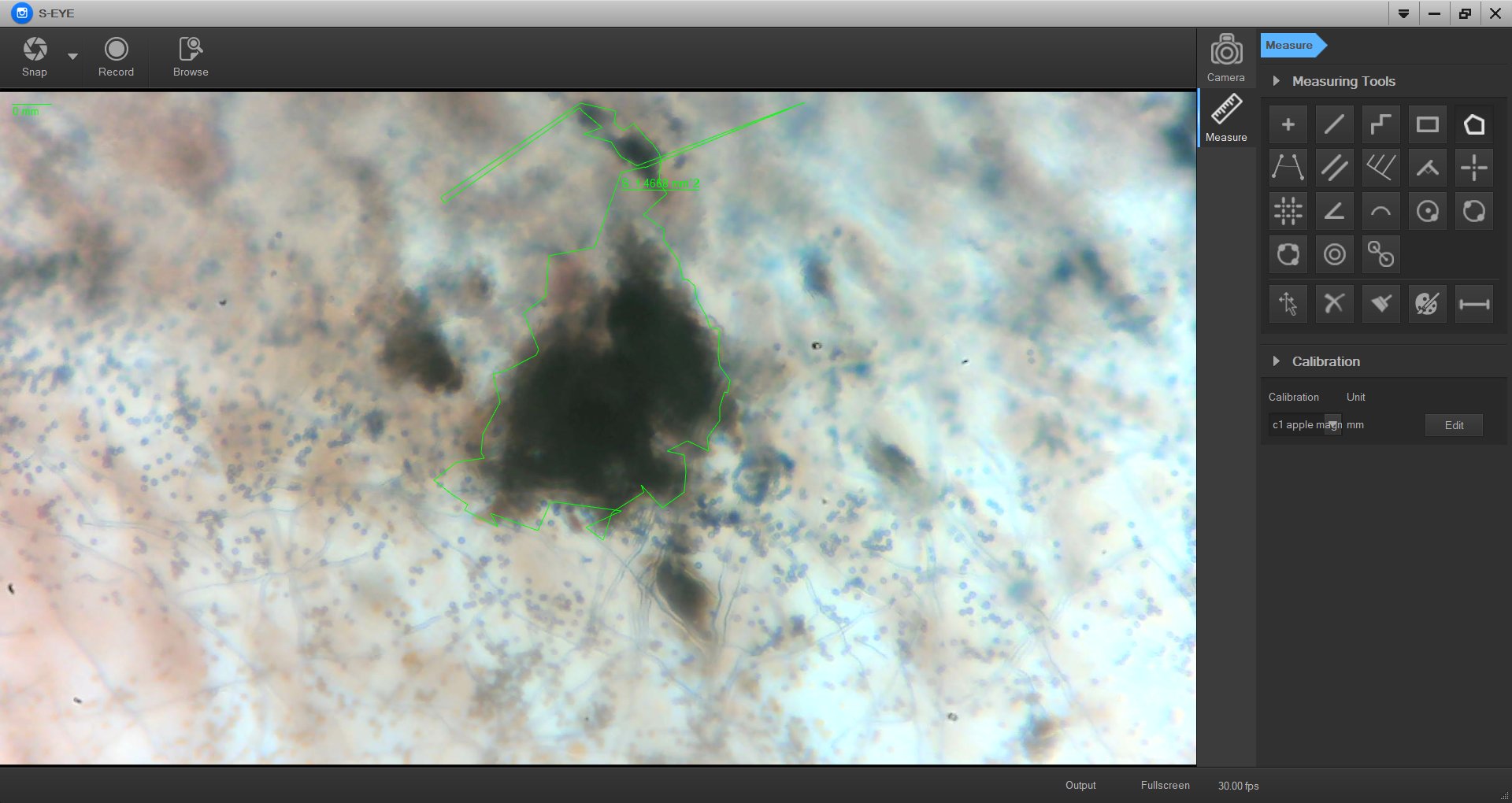 t1:
t1: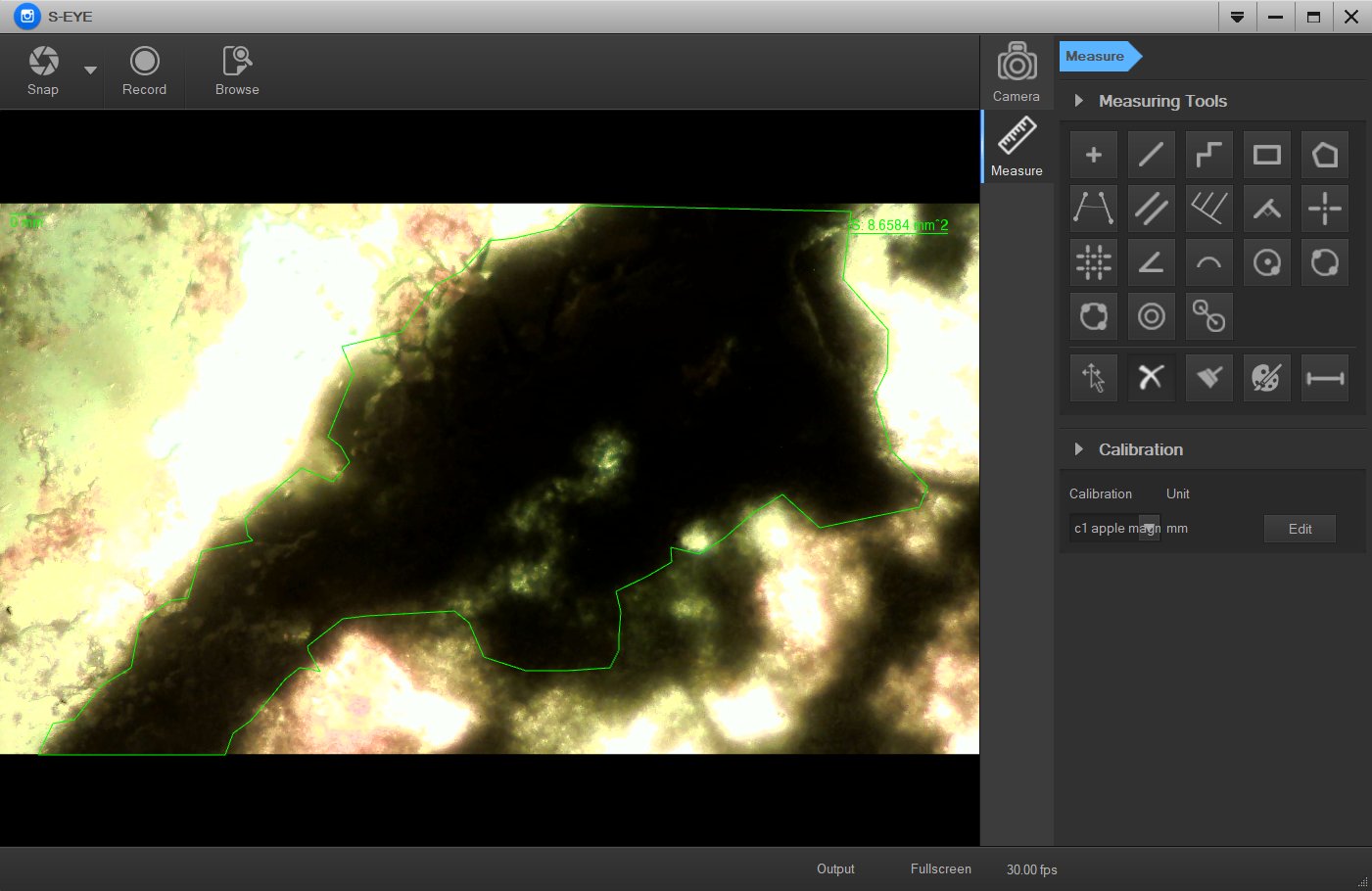
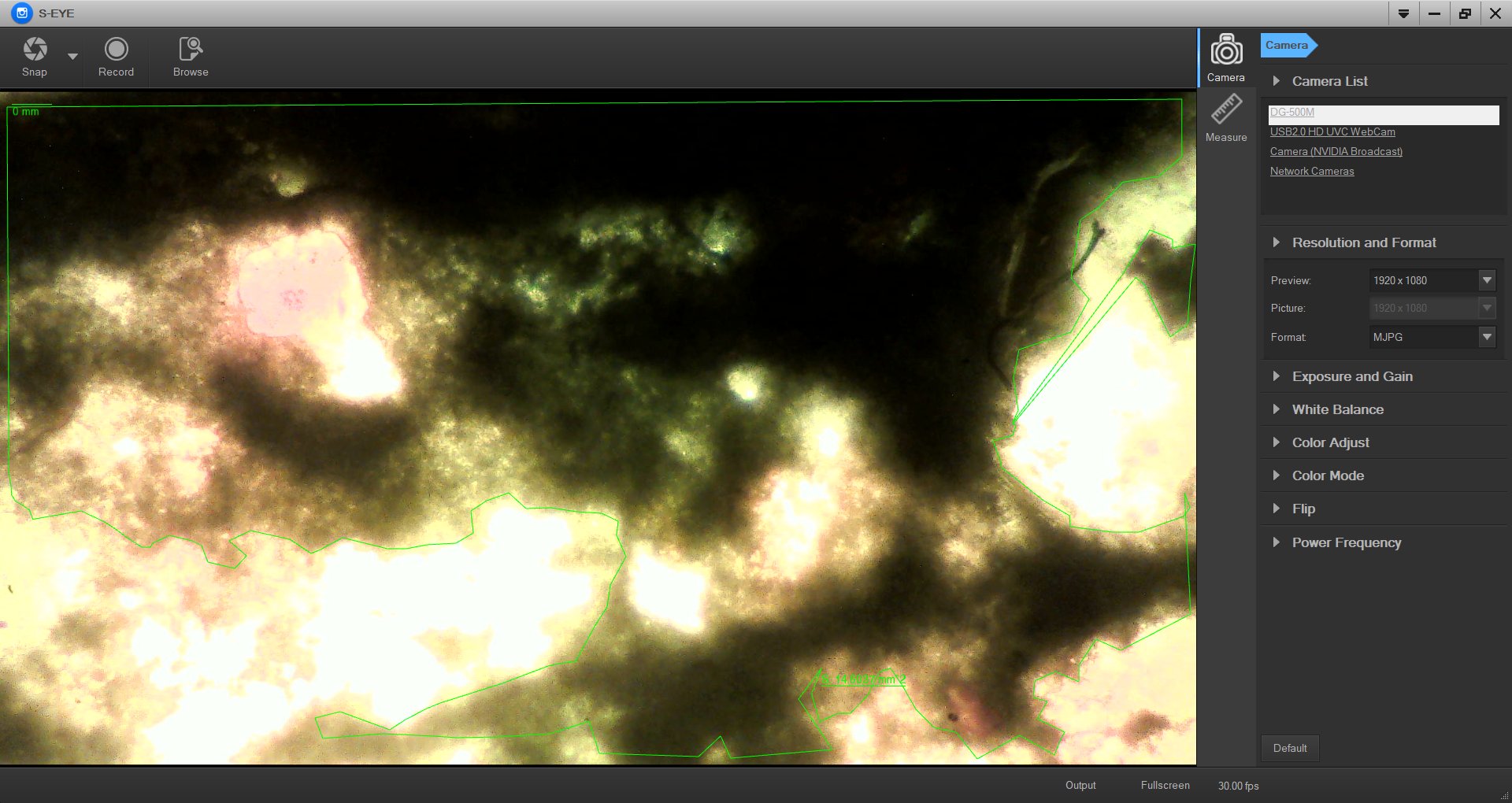 t2:
t2: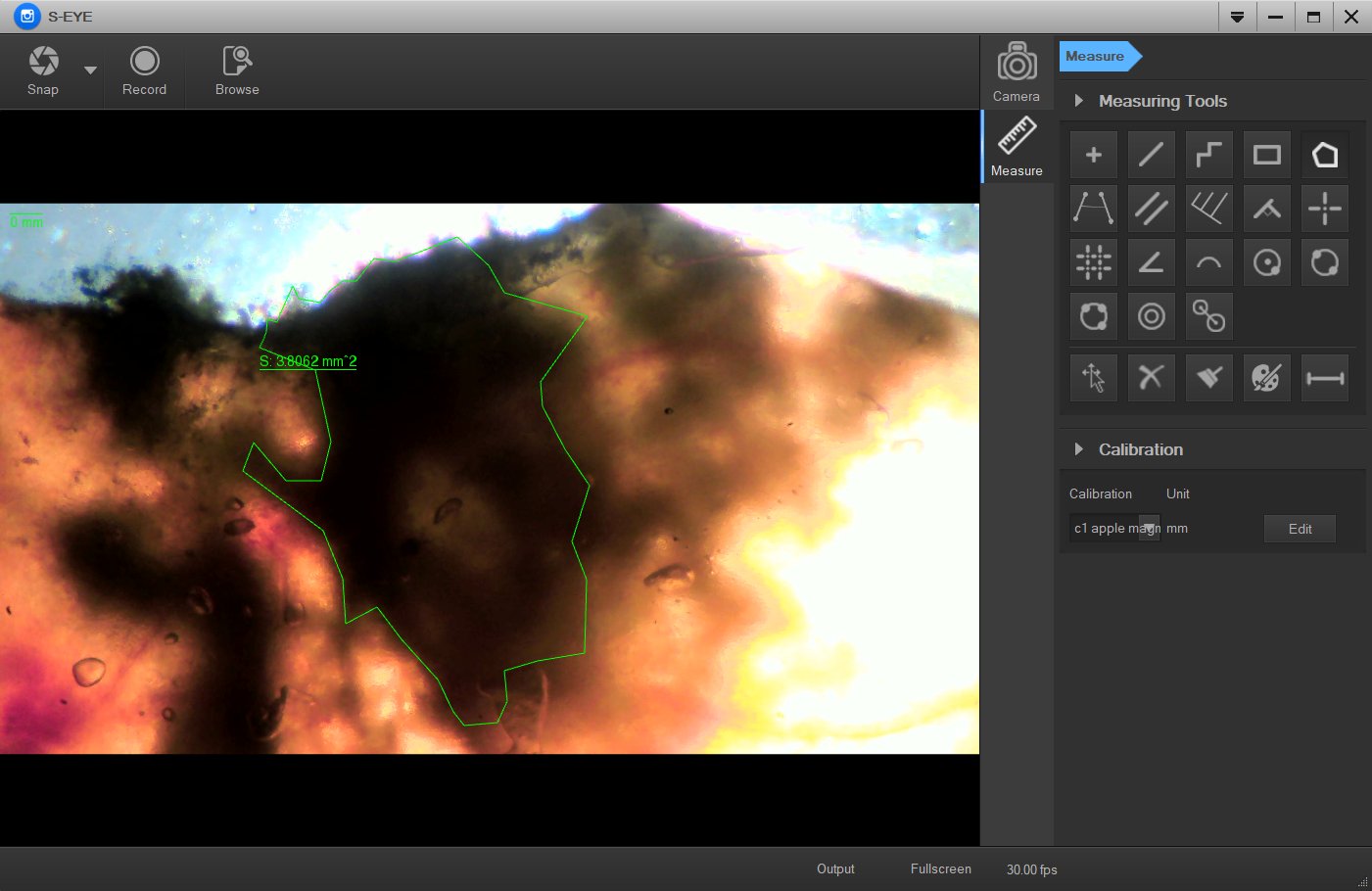
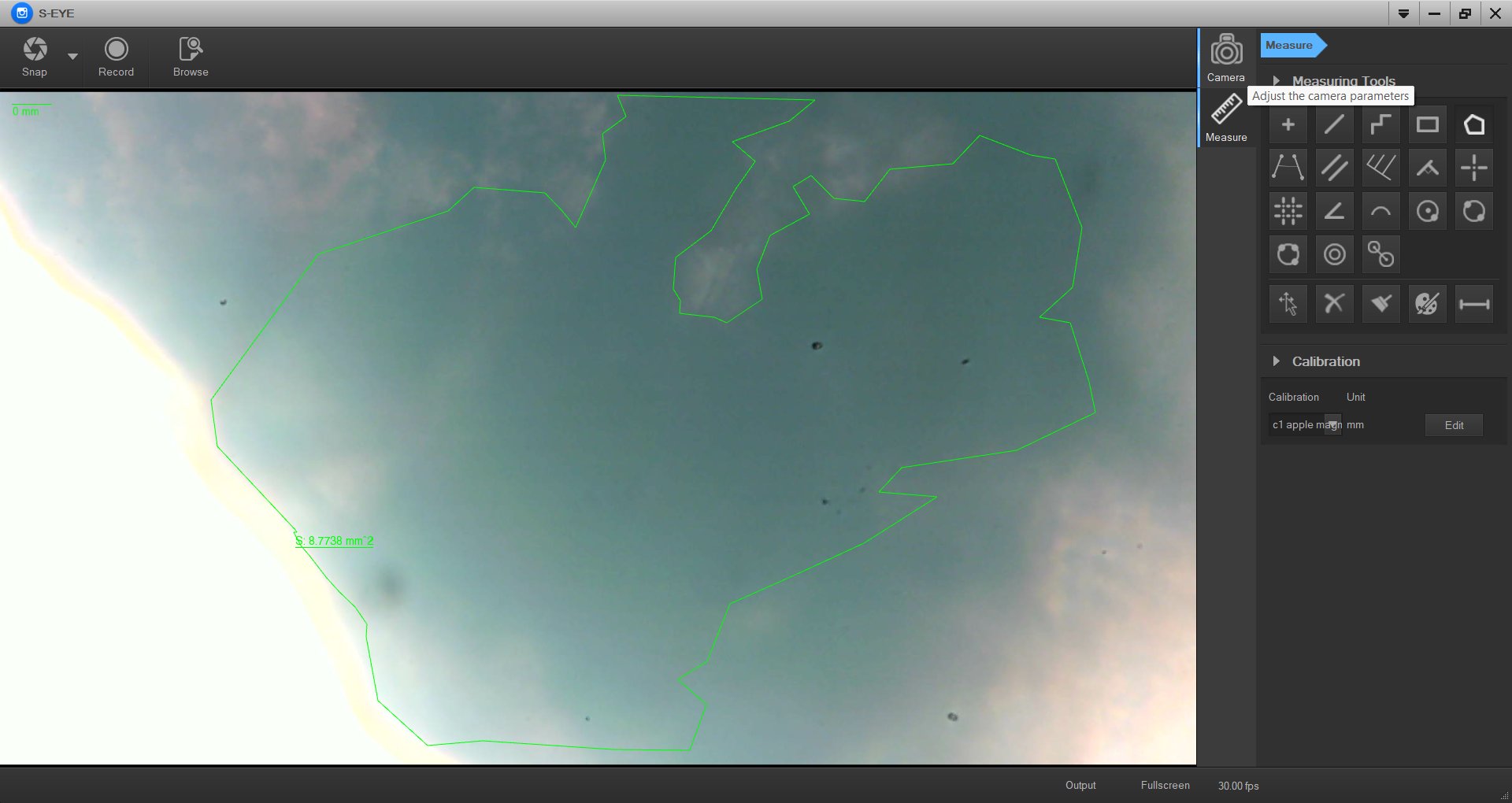
Analysis
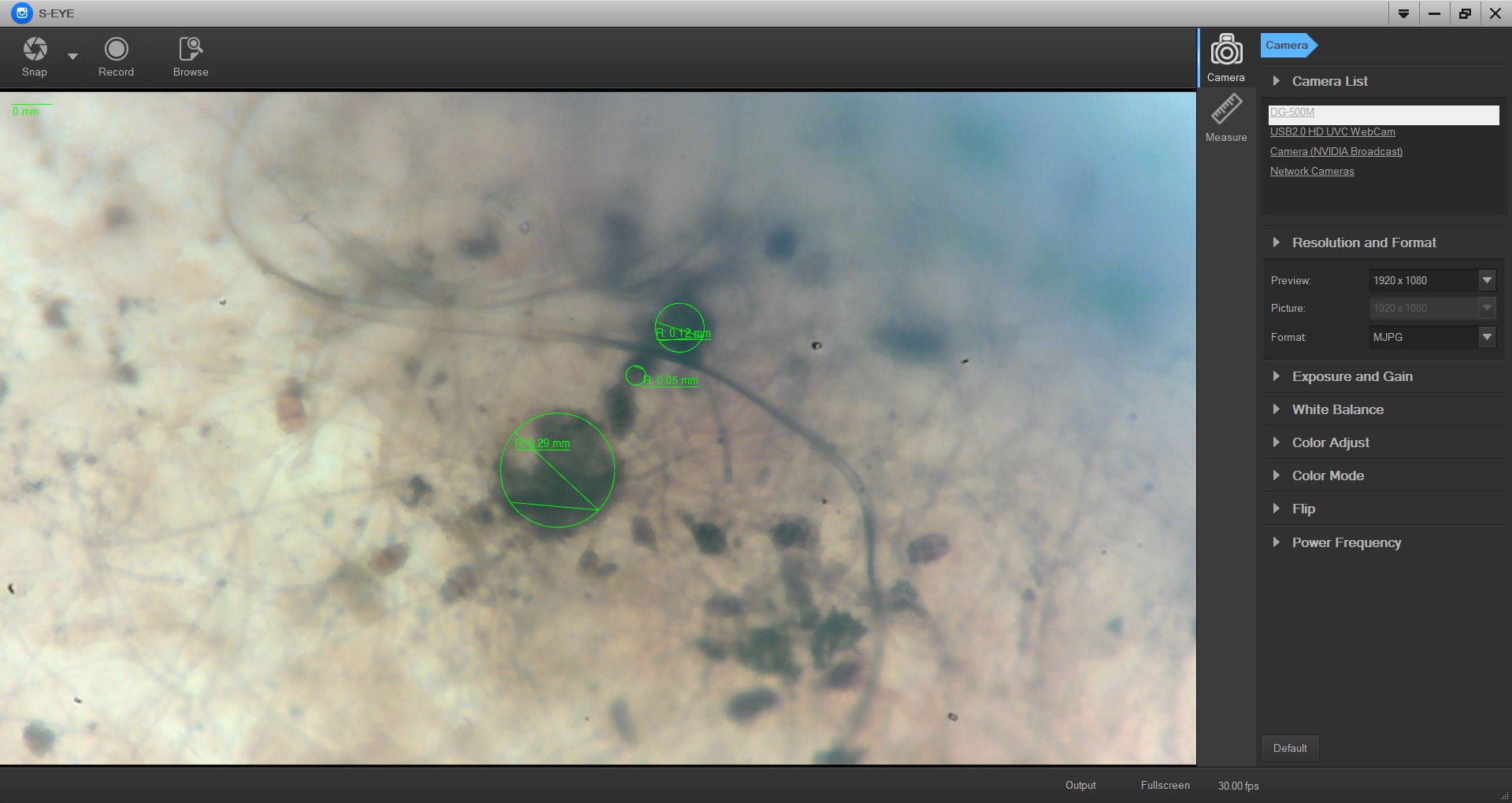
Test 1: the experiment unfortunately failed on all apples the wax ones showed MORE mold and the normal cloths showed to be parched and the both ones made it WORSE with whole colonies of developped black mold. and the only turmeric ones were EVEN WORSER with devellopped black mold growing in spores on each part of the apple. Control group tended to show more finished, developped mold, and the normal cloth group(n1,n2) tended to have red, unfinished mold. The Turmeric: showed to make it worse as turmeric can rot too, has gighest The Wax: maybe it closed in the apple with the bacteria making it worse The Cotton:it sucked the humidity but did not protect anything Nothing:did nothing
| Cloth ID | Color | Day 1 (mm) | Day 2 (mm) | Growth Rate (mm) |
|---|---|---|---|---|
| n1 | red | 0.6475 | 0.6876 | +0.0401 |
| n2 | red | 3.1267 | 2.9116 | −0.2151 |
| w1 | black | 0.0116 | 0.5251 | +0.5135 |
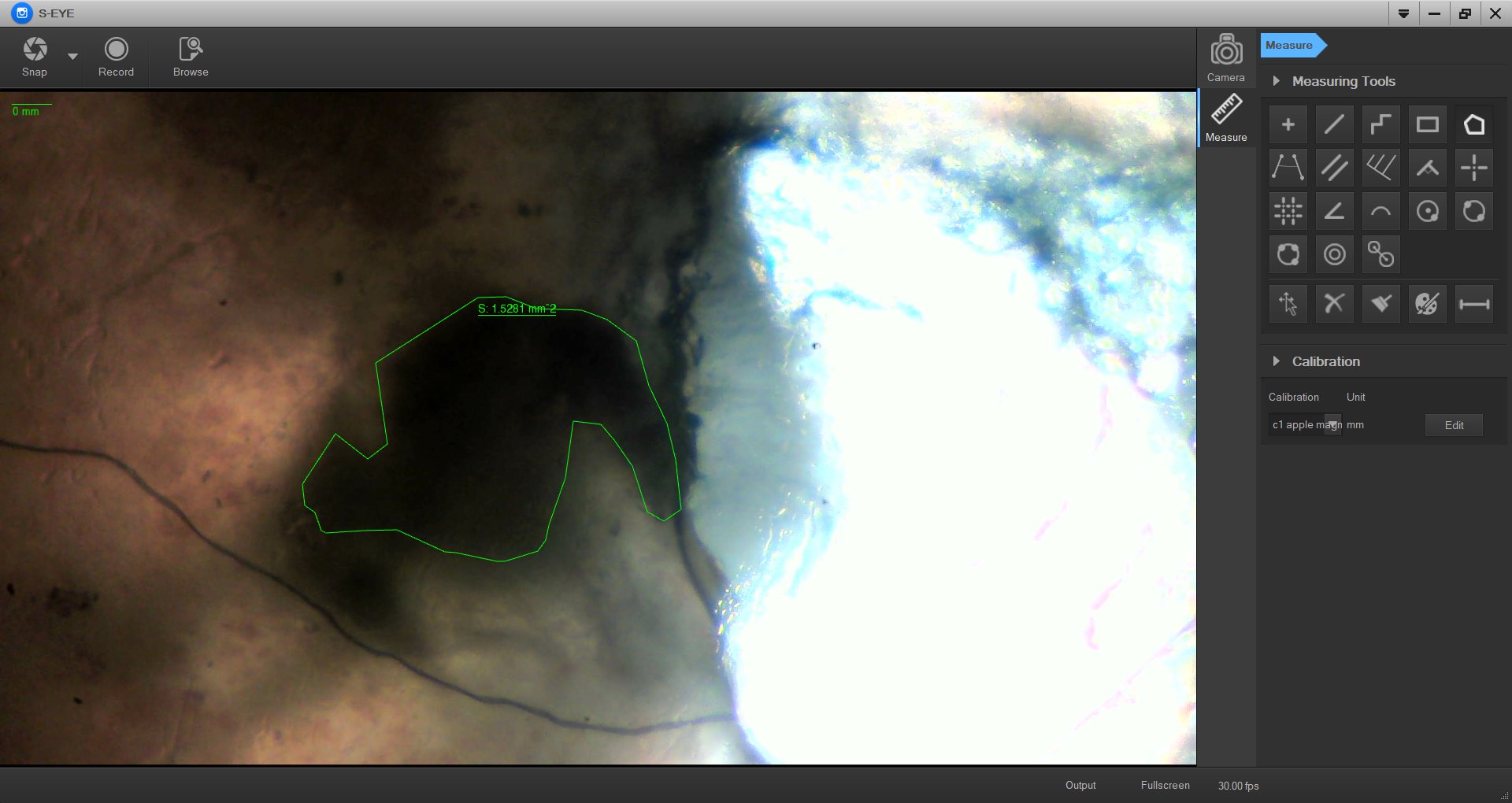
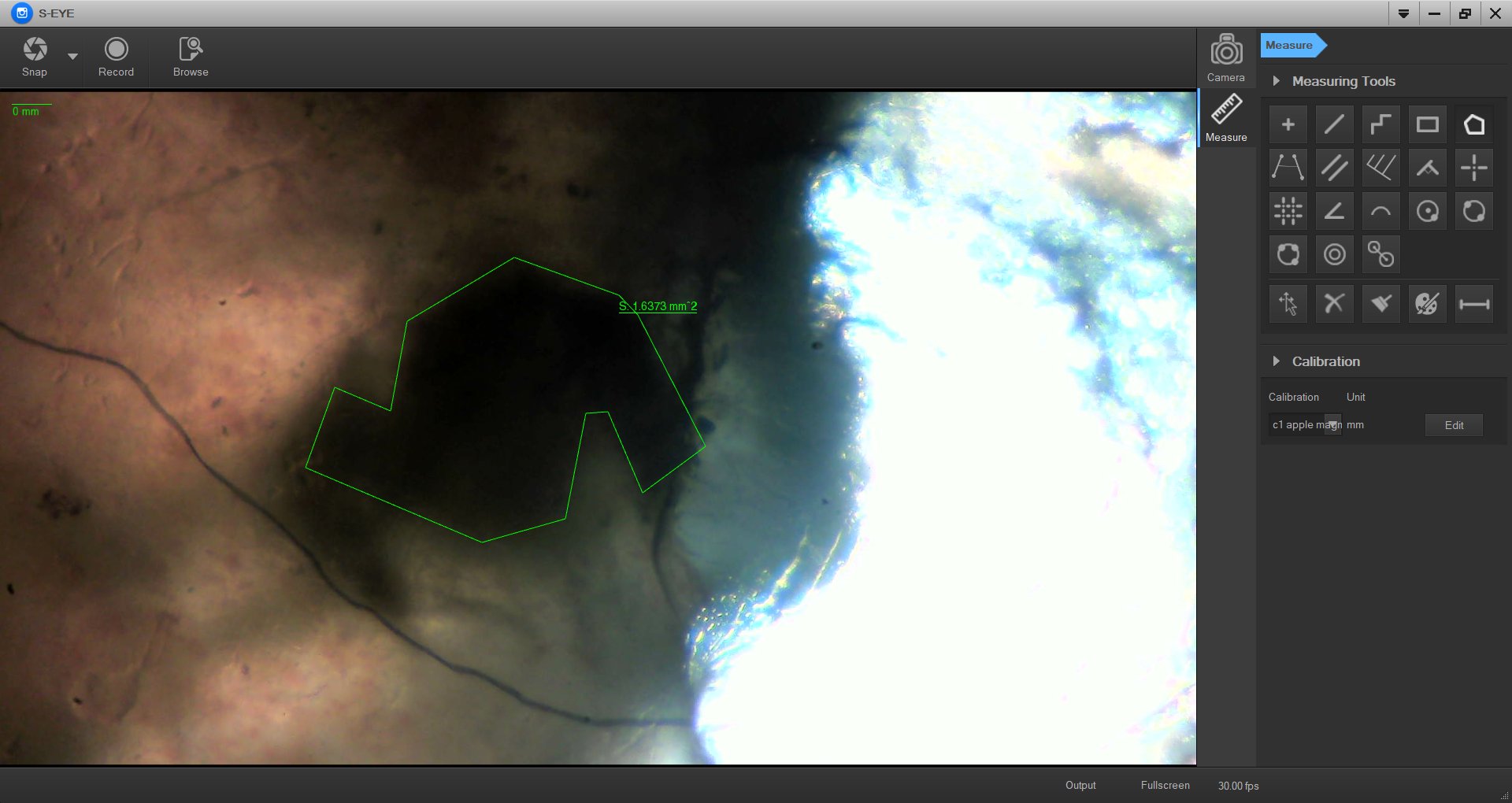
| w2 | black | 1.5281 | 1.6373 | +0.1092 |
| t1 | green | 8.6584 | 14.6037 | +5.9453 |
| t2 | greenish black | 3.8062 | 8.7733 | +4.9671 |
| tw1 | black | 0.44 | 0.50 | +0.0600 |
| tw2 | black | 1.9353 | 1.4668 | −0.4685 |
Fast Observations:
- Fastest growth: t1 (green) +5.9453 mm
- Second fastest: t2 (greenish black) +4.9671 mm
- Largest decrease: tw2 (black) −0.4685 mm
| cloth ID+color: | day 1 (mm) | day 2 (mm) |
|---|---|---|
| n1(red) | 0.6475 | 0.6876 |
| n2(red) | 3.1267 | 2.9116 |
| w1(black) | 0,0116 | 0.5251 |
| w2(black) | 1.5281 | 1.6373 |
| t1(green) | 8.6584 | 14.6037 |
| t2(greenish black) | 3.8062 | 8.7733 |
| tw1(black) | 0.44 | 0.50 |
| tw2(black) | 1.9353 | 1.4668 |
Conclusion
In conclusion, No, you cant avoid mold in your food with turmeric dyed cloths or wax cloths or both. Instead you need to get a fridge :(
While the experiment was a loss, it has not been completely useless, 1st, weve gotten more experience in the microbiology field, and its shown us the levels of carefullness and research we need to have in the future for these types of projects on microbiology.
Turmeric can be sensitive and prone to mold aswell, and while it does have antibacterial properties, it was not enough to combat the unrelenting spread of the spores of the mold.
Beeswax can make a pretty cool texture on cotton cloth, but it doesnt work either for the same reasons, and encased the apples in a cage of bacteria that already made it in.
The reality is that it is super hard to preserve it without the cold or the fridge and we need further research in other materials to truly make a good solution to food preservation without the fridge.
Application
this could've helped with making a new type of food wrap so we dont need to buy as much huge bulky fridges that eat up electricity and can pack lunches and military rations better.
Sources Of Error
food temperature, house, container,handling method contamination, the temperature overall, moisture, microscope, slides, petri dishes, tools, cleanliness of space, the apple itself, the amount of times the experiment was done.
Citations
https://en.wikipedia.org/wiki/Terminalia_(plant)
https://www.sciencedirect.com/science/article/abs/pii/S2221169112604389 https://www.sciencedirect.com/science/article/abs/pii/0378874195013202
https://www.youtube.com/watch?v=1pViV6eetAw
https://japsonline.com/admin/php/uploads/532_pdf.pdf
https://pmc.ncbi.nlm.nih.gov/articles/PMC4022204/
https://petalplum.com.au/blog/naturally-dyeing-fabric-turmeric-tutorial?srsltid=AfmBOorkdXT7YomIucGD2Z-rPW4riRCvHj-Nf61230MxXAQEhNan1IGW
Acknowledgement
**Acknowledgment:** Thanks to DST for funding and to Sri Paramakalyani College for research support.
and thanks to the websites that helped us and our funding aka our families.