

How Screen Time Affects Human Behaviour
Kawrin Amin
Almadina Language Charter Academy, Ogden Campus
Grade 5
Presentation
No video provided
Problem
“Screen Time” is a term used to describe a period of time spent on activities done in front of a screen, such as watching TV, working on a computer, or playing video games. We know children’s brains are affected by spending excessive time attached to their cell phones; however, exploration indicates that adult brains are also harmfully impacted by extreme screen time, defined as more than two hours a day outside of the workplace.
Too much screen time can impact our health in a countless number of ways. From eye strain and neck pain to social isolation and mental health issues, and in some cases it may lead to the destruction of our brains.
Method
Excessive screen time for children can impact them in a bad way.
For this presentation I have research and data to support this topic.
Research: Canadian Pediatric Society survey, reasons supporting why too much screen time is bad, National Institute of Health study, Percentage of different levels of concern individuals have about screen time
Data: Weekly Schedule, Pros vs Cons, Average Amount of Screen Time by Age, My Own Experience
Research
According to a survey done by the Canadian Pediatric Society in 2016, members found that parents should advise their kids about screen time in four main areas: duration of screen time, setting limits on screen time, the effects on health, and optical content.
Here are some reasons why extreme screen time is bad: 1) Sleep Interruption 2) Physical Inactivity and Obesity 3) Eye Strain and Headaches 4) Reduced Attention Span 5) Mental Health Issues 6) Poor Academic Performance 7) Delayed Development in Young Children
A study performed by the National Institutes of Health which started in 2018 discovered that children spending over 2 hours with screen-time per day received lower scores on thinking and language tests. Furthermore, some children with over 7 hours of screen-time per day presented thinning within the brain’s cortex. This area is connected to reasoning and thinking.
“There is emerging evidence that there may be some structural brain changes associated with greater exposure to screen time as a young child” -Dr. Jennifer F. Cross
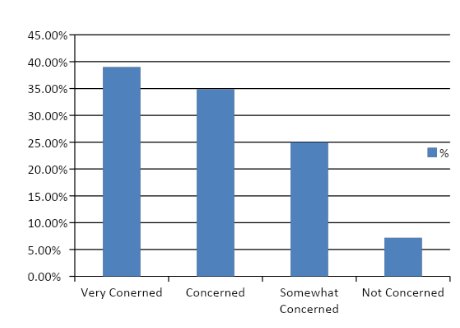
| Different Levels of Concern Individuals have about Screen Time | Percentage (%) |
|---|---|
| Very Concerned | 38.98% |
| Concerned | 34.84% |
| Somewhat Concerned | 25% |
| Not Concerned | 7.18% |
Data
Weekly Schedule
| M | T | W | Th | F | Sat | Sun | |
|---|---|---|---|---|---|---|---|
| Fresh Air | 4:30 PM - 4:45 PM | 4:30 PM - 4:45 PM | 4:30 PM - 4:45 PM | 4:30 PM - 4:45 PM | 4:30 PM - 4:45 PM | 7:00 AM - 8:00 AM | 7:00 AM - 8:00 AM |
| Exercise | 4:45 PM - 5:00 PM | 4:45 PM - 5:00 PM | 4:45 PM - 5:00 PM | 4:45 PM - 5:00 PM | 4:45 PM - 5:00 PM | 9:00 AM - 10:00 AM | 9:00 AM - 10:00 AM |
| Homework | 5:00 PM - 6:30 PM | 5:00 PM - 6:30 PM | 5:00 PM - 6:30 PM | 5:00 PM - 6:30 PM | 5:00 PM - 6:30 PM | 10:00 AM - 11:00 AM | 10:00 AM - 11:00 AM |
| Screen Time | 6:30 PM - 7:30 PM | 6:30 PM - 7:30 PM | 6:30 PM - 7:30 PM | 6:30 PM - 7:30 PM | 6:30 PM - 7:30 PM | 6:30 PM - 7:30 PM | 6:30 PM - 7:30 PM |
| Bedtime | 7:00 PM - 7:15 PM | 7:00 PM - 7:15 PM | 7:00 PM - 7:15 PM | 7:00 PM - 7:15 PM | 7:00 PM - 7:15 PM | 7:00 PM - 7:15 PM | 7:00 PM - 7:15 PM |
Pros and Cons of Screen Time
| Pros | Cons |
|---|---|
| Able to collect information from the internet | Can negatively impact your intellect |
| You will not be bored | Can have harmful effects on your eyes |
| Enjoyable | Less amount of time to talk/spend with family and friends |
| Informative apps and games | Related to obesity |
| Benefits fine motor skills | You don’t get a chance to engage in creativity |
Average Amount of Screen Time By Age
| Age | Average Amount of Screen Time |
|---|---|
| 0-2 | Just over one hour a day |
| 2-4 | Just over two hours a day |
| 5-8 | Almost three and half hours a day |
My Own Experience
I have a limit for screen-time so I am able to enjoy other activities such as spending time with family, playing and reading. I can focus on my assignments and homework. Excessive screen time is not good for my eyes and can also cause headaches. I also like to focus on healthy habits such as sleep instead of spending too much time on devices. Screen time can affect those habits in a negative way.
Conclusion
Overall, while some amount of screen-time is alright, too much of it can impact children, and even adults.
There are different amounts of screen-time recommended for children depending on age which should be followed.
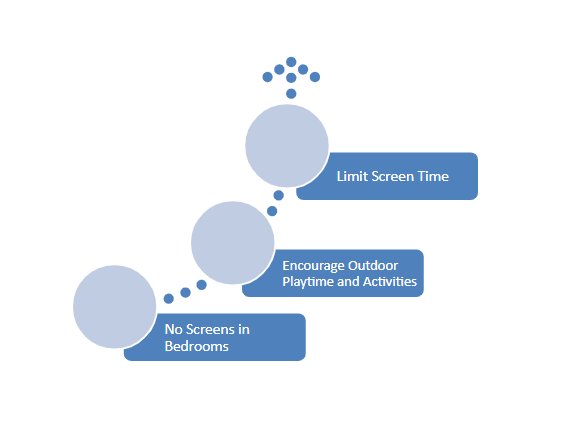
Certain actions should be taken to limit and prevent too much screen-time. For example, no screens in bedrooms.
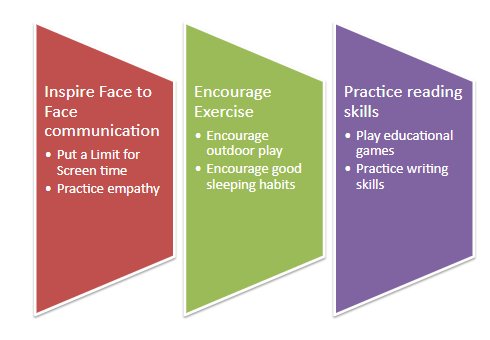
Some ways to utilize devices in a positive way can be to play and watch education games and videos.
Other activities that does not include devices should be encouraged such as outdoor activity or practicing writing skills.
Research shows time on technological devices can affect children’s academic performance, development and health.
Citations
https://pmc.ncbi.nlm.nih.gov/articles/PMC10353947/
https://search.yahoo.com/search?fr=mcafee&type=E211US0G0&p=Screen+time+images
https://healthmatters.nyp.org/what-does-too-much-screen-time-do-to-childrens-brains/
https://technosapiens.substack.com/p/new-data-screen-time-for-ages-0-to?utm_medium=email
Acknowledgement
I received help from my parent and family friend. I used online resources, research and websites.
https://pmc.ncbi.nlm.nih.gov/articles/PMC10353947/
https://search.yahoo.com/search?fr=mcafee&type=E211US0G0&p=Screen+time+images
https://healthmatters.nyp.org/what-does-too-much-screen-time-do-to-childrens-brains/
https://technosapiens.substack.com/p/new-data-screen-time-for-ages-0-to?utm_medium=email