
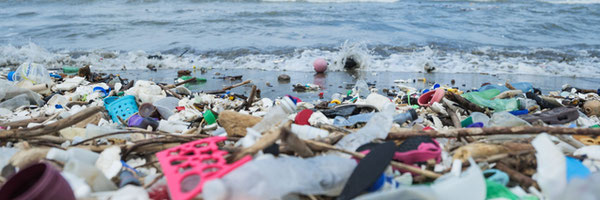
Breaking Up With Plastic
Avah Jadavji, Rasha Shukeir
Renert School
Grade 9
Presentation
Hypothesis
Null/H0: If the type of powder and water are manipulated when constructing biodegradable plastic sheets, then there will be no significant difference in the durability, quantified by tensile strength, or rate of decomposition, because these variables do not influence the structural properties of the material.
Hₐ: If the type of powder and water are manipulated when constructing biodegradable plastic sheets, then there will be a significant difference in the durability, quantified by tensile strength, or rate of decomposition, because these variables influence the structural properties of the material.
Research
Plastic pollution is one of the biggest environmental problems today.
Global plastic production has reached over 400 million tonnes annually as of 2022-2023 (World Health Organization, 2023). This reflects a steady and ongoing increase in plastic manufacturing worldwide, driven by demand in packaging, consumer goods, and industrial applications. Despite growing awareness of environmental damage, production is expected to increase by 300% by 2060 (World Health Organization, 2023). This rapid growth raises environmental and waste management concerns, as higher production directly leads to more plastic waste, much of which cannot be effectively managed or recycled. The average plastic bag takes around 500–1,000 years to decompose (UNEP, 2023). Because global plastic production exceeds 400 million tonnes annually, long biodegradation times contribute to the accumulation of plastic waste in landfills and natural environments (UNEP, 2023).
When plastic waste is improperly managed, such as being littered, landfilled without containment, or transported through stormwater systems into rivers and oceans, it can release harmful chemical additives and fragments into microplastics that contaminate soil and aquatic environments (UNEP, 2023). These microplastics persist in ecosystems and are readily ingested by wildlife. A study published in Scientific Reports (Wilcox et al., 2018) estimates that approximately 52% of all sea turtles have ingested plastic debris, though this varies considerably between regions. Additionally, an article from The National Library of Medicine (de Souza et al., 2024) reports that 30% of seabird carcasses examined are filled with volumes of plastics such as mesoplastics, polypropylene, polystyrene and polyethylene. When animals ingest plastic, it can block their digestive systems, reduce nutrient absorption, and lead to internal injury or starvation. Microplastics can also absorb toxic chemicals and move up the food chain as smaller organisms are consumed by larger predators, potentially reaching humans (WHO, 2022). The topic of pollution is important for humanity to address because it can harm wildlife, damage ecosystems, and even affect human health through the food chain.
Recycling infrastructure has not kept pace with the increasing volume of plastic production. Currently, only 9-10% of plastic is made from recycled materials (OECD, 2019), indicating a heavy reliance on virgin plastic, derived from fossil fuels. The majority of plastic waste is either dumped in landfills or incinerated, both of which pose environmental and health risks. Burning plastic releases toxic chemicals and greenhouse gases, contributing to air pollution and climate change (The Guardian, 2023). These low recycling rates indicate limitations in waste management systems and emphasize the need for more sustainable production and consumption practices.
Plastic pollution has also been identified as a risk factor for the health of marine environments. In 2020 alone, approximately 1.4 million tonnes of plastic waste migrated from rivers into the ocean, according to the World Health Organization(WHO, 2025). Once in the ocean, plastic breaks down into microplastics that persist for decades, harming marine life through ingestion. Larger debris that does not degrade presents a risk of wildlife entanglement , which can inflict injury, restrict movement, and potentially lead to suffocation. This pollution disrupts entire ecosystems and ultimately poses risks to human health as microplastics enter the global food supply.
Plastic is a synthetic material composed of polymers, which are long chains of repeating molecular subunits called monomers. Most plastics are derived from petroleum or natural gas, and are chemically processed to form materials like Polyethylene (PE) or Polypropylene (PP). Plastic is known for its strength and durability; thus, an alternative substitution must illustrate high tensile strength to withstand the force of applied loads, without readily structurally failing.
This project studies plastic pollution in correlation with plastic bags made from petroleum-based polymers. The independent variables used in this experiment are cellulose (C₆H₁₀O₅)ₙ, a structural fiber found in cell walls, and agar (C₁₂H₁₈O₉)ₙ ,found in red algae. This experiment will follow the plastic bag manufacturing procedure from AminoLabs. Both cellulose and agar are polysaccharides composed of repeating sugar monomers. These polymers contain hydroxyl (-OH) functional groups that enable hydrogen bonding between molecular chains, influencing both mechanical strength and biodegradability. Agar powder is effectively able to construct plastic, as shown in the initial procedure this project used by Aminolab. Limited methodologies and results exist to evaluate if cellulose is a sustainable and feasible replacement for plastic. The main performance metrics for testing the plastic in this study are tensile strength and biodegradability. To ensure the plastic isn't harmful to the environment, it must be able to break down safely without emitting toxic chemicals into the air, water and the environment. This project contributes novel knowledge to global studies in determining which biodegradable substitution for plastic is best suited to help mitigate the issue of plastic pollution.
Variables
The manipulated variables are the type of powder (agar or cellulose) and the type of water used (RODI or tap). RODI or tap water influence the way a biodegradable plastic sheet is formed. RODI water is highly purified, the dissolved minerals and ions are removed through reverse osmosis and deionization. As a result, because RODI water contains low concentrations of dissolved minerals and ions, powder particles experience fewer ionic interactions during mixing, which results in the materials clumping and promotes uniform spread. In contrast, tap water contains dissolved minerals and ions that increase intra-particle interactions, potentially decreasing homogeneity.
Regarding the type of powder being used, agar powder is a polysaccharide made from red algae. When heated and combined with water, agar forms a firm gel, allowing it to be molded into a plastic sheet. When agar is heated above approximately 85-90 °C, hydrogen bonds between its polymer chains break,allowing the molecules to disperse evenly in the solution. As the mixture cools to room temperature, dependent hydrogen bonds reform between adjacent chains, creating a three dimensional network that traps water and produces a stable gel structure. This reversible hydrogen bonding is responsible for agar’s solidification and mechanical properties. Cellulose is a polysaccharide fiber and structural component of plant cell walls, providing mechanical strength (Imeson, 2010). It has already been used in materials such as paper and cotton, which makes it a consideration for forming plastic sheets.
The dependent variables are the tensile strength and biodegradability of each plastic sheet. Tensile strength can be defined as how much force the plastic sheet can withstand under stress. It is calculated by dividing the applied force (in Newtons) by the cross-sectional area of the plastic strip (thickness m x width m), resulting in its calculated tensile strength written in Pascals. Biodegradability, the ability of a material to be broken down by biological processes, was measured by calculating the percentage of mass loss after the plastic samples were buried in soil for a set period of time. This variable reflects how quickly the material breaks down in environmental conditions. A higher percentage of mass loss indicates greater decomposition.
The controlled variables vary depending on which procedure was used. For the tensile strength test, the controlled variables are: the size of the strips, the method of testing, and the spring scale used. For the biodegradability test the controlled variables are: the jars used, the soil composition used in each jar, the time each prototype had to biodegrade, and the sunlight each jar was exposed to. For the manufacturing process the controlled variables are: the procedure used, the amount of time a substance was heated, and the time the plastic sheets were left to dry.
Procedure
To create the plastic sheet the procedure given by the Animolabs plastic bag kit was used. It is a simple procedure, as the focus of the project is to test the difference between water types and powder types. Though, there were some slight alterations, such as different timing when heating the mixture.
Initial procedure 1. Measure 300 mL of water into a heat-safe beaker. 2. Heat the water until it is boiling (about 2 minutes in a microwave). 3. Add the following to the hot water: 4. 2 teaspoons agar powder 5. 1 teaspoon glycerol 6. Stir well until everything is mixed. 7. Heat the mixture again for 20–30 seconds until it starts to foam. 8. Stir until smooth. If it is too thick\, add a small amount of water. 9. Carefully pour the mixture into a silicone tray\, spreading it evenly. 10. Leave it uncovered to dry for 24–36 hours until it feels thin and plastic-like.
Main procedure
1. Measure 300 ml of water (RODI or tap)
2. Microwave for 3.5 minutes
3. Measure 10 ml of glycerol
4. Measure 9 g of powder (Cellulose or agar)
5. Mix ingredients and stir until the liquid is smooth
6. Microwave for 25 seconds
7. Mix until the clumps are dissolved
8. Pour into silicone tray
9. Leave them to dry for 48 hours before continuing with other procedures.
Different measurements were used to increase the precision of the material.
Agar with tap water
1. Measure 300 ml of tap water
2. Microwave 3.5 minutes
3. Measure 10 ml glycerol
4. Measure 9 g Agar powder
5. Mix ingredients and stir until the liquid is smooth
6. Pour into silicone tray
7. Leave them to dry for 48 hours before continuing with other procedures.
No second round of heating due to the fact all clumps were dissolved.
To test the tensile strength of each plastic sheet, a precise experiment was followed. 6 Stripes of each plastic sheet were tested using this method.
Materials: -Knife -Cutting board -Ruler -Calipher -Spring balance -2 clips -Plastic lining for cupboards -Sharpie
Tensile strength= Newtons force(N)/Crosssection area m² (thickness m x width m) (The newton force is the maximum amount the plastic strip holds before breaking while being scratched.)
1. Draw out 0.5 cm by 4 cm (width x length) dimensions on the plastic sheet using a sharpie -Cut the lines measured with a knife
2. Measure the thickness of the plastic strip using the caliper
3. Clip the strip vertically into the 2 clips on each side -Try to make it as close to the inside as possible
4. Line the clips with plastic lining to ensure the clips have a firm grip on the stripe
5. Attach the hook of the spring balance to bottom handle of one of the clips
6. Hold onto the other clip and pull the spring balance back at a pace where the newtons held is consistently readable -Watch the amount of newtons as you pull -Record results
7. Make sure the plastic breaks in the middle instead of simply falling out of the clip's grip
8. Input the information in the formula to find the tensile strength of the sheet
To test the biodegradability of each plastic sheet, the method used was testing mass loss over a period of time after leaving pieces of each sheet in soil. The focus was the effectiveness of each plastic in decomposing, not if they are capable of.
Materials: -Tablespoon -9 Jars -Scale -Soil -Knife/boxcutter -Ruler -Teaspoon
1. Measure with a ruler 3 pieces of 3 cm by 3 cm of each sheet and cut with a knife or boxcutter -Results in having 9 prototypes
2. Prepare a glass jar filled with 2 tablespoons of soil.
3. Weight the prototype plastic on the scale
4. Lay the prototype of plastic flat into the jar
5. Pour 2 tablespoons of soil into the jar
6. Measure the weight of the jar\, without a lid\, with all components added using a scale
7. Pour 1 teaspoon of water into each jar
8. Close the jars and leave them to decompose in an area that is exposed to sunlight
9. Leave to biodegrade for 15 days
10. After 15 days take pictures of the jars -Take a bird's eye view picture of the jar with the lid and a picture of the inside of the jar
11. Go through the soil inside the jar to see if there is any plastic left inside -If there is then measure the plastic's mass with a scale -If there is not any plastic left then dispose of the soil
Observations
While creating the cellulose with RODI water and the cellulose with tap water plastic sheet, the substance sticks to other materials it comes in contact with. The drying time of both of them was significantly longer than agar powder, taking 48 hours to dry. However, it was still moist even after drying. For cellulose with RODI water, The material itself had many holes, thus, there was less usable substance to experiment on. Cellulose with tap water felt slick to touch. Agar with RODI water was fully dried after 24 hours and felt akin to an average plastic sheet. Agar with tap water clumps dissolved with more ease while creating. There was very little viscosity in the liquid while creating and pouring onto the tray. While the other sheets could withstand heat, agar with tap water liquidated completely under the same conditions. On top of that, it slowly denatured after 48 hours, turning into a material that was no longer structurally stable. There was no odor present in any of the plastic bags. The table below demonstrates the calculated tensile strength of each plastic sheet.
Table 1. The different kilopascals calculated for each type of material over 6 tests. The agar with tap water did not produce a sufficient amount of usable material to form the required 0.5 cm × 4 cm samples for testing.
The Calculated Tensile Strength (kPa) of Each Material Over 6 Test
| Test 1 | Test 2 | Test 3 | Test 4 | Test 5 | Test 6 | Average |
|---|---|---|---|---|---|---|
| Cellulose with tap | 4533 | 533 | 6000 | 3800 | 1000 | 1733 |
| Cellulose with RODI | 100 | 1000 | 550 | 3600 | 2200 | 500 |
| Agar with tap | 0 | 0 | 0 | 0 | 0 | 0 |
| Agar with RODI | 7400 | 3400 | 3000 | 3200 | 6400 | 2000 |
The following table is a demonstration of the mass loss of each plastic sheet during the biodegradability test.
Table 2. The different percentage (%) of mass (g) loss over 15 days. The agar with tap water did not produce a sufficient amount of usable material to form the required 3 cm × 3 cm samples for testing.
Percentage of Mass Loss (%) using Different Types of Materials Over 15 Days
|
| Cellulose with RODI | Cellulose with tap | Agar with RODI | Agar with tap |
|---|---|---|---|
| Test 1 | 100% | 100% | n/a |
| Test 2 | 100% | 100% | n/a |
| Test 3 | 100% | 100% | n/a |
Analysis
The goal of this project is to determine which biodegradable plastic sheet composition was the most effective at biodegrading and which is the most durable to be used as a possible substitution for conventional plastic.
The most effective plastic at biodegrading was cellulose ((C₆H₁₀O₅)ₙ) powder with tap (Contaminated H₂O) and RODI water (Pure H₂O) because they both had a 100% mass loss during all three trials, as shown in figure 1. Biodegradation occurs when microorganisms in soil break down polymer chains. Materials composed of polysaccharides contain many hydroxyl (-OH) groups, which make them hydrophobic and allow water and microbes to penetrate the material more easily. The enzymes produced by soil microorganisms were able to easily reach and break down the polymer chains, which sped up the decomposition process. The large decrease in mass shows that the structure of cellulose made it easier for microorganisms in the soil to break apart and digest the material. Agar with RODI had squares of plastic that did not biodegrade, but were unable to be calculated due to dirt residue.
Both cellulose formations show 100% mass loss, suggesting complete structural breakdown of the polymer matrix under soil conditions. Cellulose has many glucose monomers which are highly susceptible to hydrolysis by cellulase enzymes in soil. Its Hydrophilic structure enables water absorption and microbial penetration into the polymer matrix, facilitating enzymatic cleavage of glycosidic bonds and accelerating decomposition. However, complete mass loss in a short time frame is unusual for pure cellulose materials. This may indicate mechanical fragmentation, loss of small particles during soil removal, lack of fully drying. The graph below compares the mass loss between the material compositions.
 Figure 1. Comparison of biodegradability for each material over a 15-day period. The agar with tap water did not produce a sufficient amount of usable material to form the required 3 cm × 3 cm samples for testing.
The following graph compares the tensile strength of each biodegradable composition throughout 6 tests.
 Figure 2.Scatterplot of tensile strength yield (Pa) calculated for each type of material over 6 tests (n=18). The agar with tap water did not produce a sufficient amount of usable material to form the required 0.5 cm × 4 cm samples for testing.
Agar with RODI water had a range of 2000 kPa to 7400 kPa. In comparison, cellulose with tap water had a range of 533 kPa to 6000 kPa, while cellulose with RODI had a range of 1000 kPa to 3600 kPa. Agar with tap was unable to sustain its structure and thus, could not be tested on.
The plastic sheet that had the highest amount of Newtons was agar (C₁₂H₁₈O₉)ₙ with RODI water (Pure H₂O), having held 7400 kPa at one point during the experiment as shown in figure 2. The variety in tensile strength may have been caused by unevenly disrupted strength throughout the sheet, some areas tested on were stronger than others. On the other hand, cellulose (C₁₂H₁₈O₉)ₙ powder with RODI water (Pure H₂O) had the most consistent results in tensile strength. Consistency in tensile strength suggests a more uniform internal structure.
Tensile strength depends on how strongly the polymer chains are connected to each other. When there are strong intermolecular forces, such as hydrogen bonds between neighboring chains, the material holds together more tightly and can better resist pulling forces. A tightly packed and well-connected molecular structure allows the applied stress to spread evenly throughout the material, which leads to higher tensile strength.
The following graph compares the average tensile strength calculated for each biodegradable composition.

Figure 3. The averages of the different pascals calculated for each type of material over 6 tests. The agar with tap water did not produce a sufficient amount of usable material to form the required 0.5 cm × 4 cm samples for testing. The error bars represent the standard deviation for each average. The error bars demonstrated in figure 3 do not overlap, which implies that there is variability within each group. The lack of overlap shows a statistical significance in the tensile strength of each biodegradable composition, which rejects the null hypothesis. However, the small sample size limits the certainty of the data, which would require further testing to ensure accuracy.
Regarding the water type, it depended on the powder type it was paired with. Tap water is more effective in tensile strength with cellulose. On the other hand, RODI worked more effectively with the agar powder. Regarding the powder type, cellular-based plastics had a higher decomposition rate, however, it had much lower average tensile strength compared to agar-based plastics. Agar powder had very little decomposition rate compared to cellular-based plastics, but had a much higher average tensile strength. An anomaly was observed in the agar with tap water sample, which did not produce enough usable material for proper tensile testing. This may have occurred because dissolved ions in tap water interfered with hydrogen bonding in the agar network, weakening gel formation.
The plastic sheet that was the easiest to manufacture was the agar ((C₆H₁₀O₅)ₙ) with tap (Contaminated H₂O) because the clumps dissolved with ease and had a substantially less stirring effort needed. Ease of dissolution relates to how the polymer interacts with water at a molecular level. Differences in ionic content and mineral composition in water can affect solubility and intermolecular interactions, influencing viscosity and mixing behavior during preparation.
The plastic sheet that was the quickest at drying was agar ((C₆H₁₀O₅)ₙ) with RODI water (Pure H₂O), because it dried in 24 hours and retained its structure. Drying depends on how well the material holds its shape as water evaporates. If the internal structure is stable, the sheet can dry while staying intact. If it is unstable, the material may lose its shape or break down as it dries. This indicates that agar ((C₆H₁₀O₅)ₙ) with RODI water (Pure H₂O) has the most stable internal structure out of the different plastic sheets.
High tensile strength observed in agar with RODI can be linked to polymer network formation of the compound. Agar forms a three-dimensional network in conditions that are cooled after heating (gelation conditions), stabilized by hydrogen bonds. Reduced ionic composition of RODI water might influence increased interactions between molecules when forming the gel - leading to greater structural homogeneity. Cellulose, however, does not reach full dissolution in water. Breakdown into substituent fibers may cause uneven distribution and inconsistent drying, limiting mechanical function. Hydroxyl groups in cellulose cause hydrophilicity, which can increase moisture retention, therefore increase drying time.
Conclusion
In summary, the goal of the experiment conducted is to determine whether changing powder type (agar versus cellulose) and water type (tap versus RODI) would affect the durability and decomposition rate of biodegradable plastic sheets. The null hypothesis states that manipulating powder type and water type would result in no significant change in tensile strength and rate of decomposition.
Based on the experimental results, the null hypothesis is rejected by the data because it shows clear and measurable differences between materials. This indicates that both powder type and water type significantly influence the properties of biodegradable plastics.
Biodegradability results indicated that cellular based plastics made from both tap water and RODI water were effective at it, with a 100% mass (g) loss during all trials. This indicates that cellulose decomposes readily. In contrast, agar based plastics show little to no biodegradation within the same period of time.
Tensile strength results also differ significantly among materials, agar with RODI water exhibits the highest tensile strength reaching a maximum of 7400kPa during trial 1, making it the strongest material tested. On the other hand, cellulose with RODI had the lowest point of tensile strength, reaching only 100kPa during trial 2. Cellulose with RODI water showed the most consistent tensile strength values although its overall strength was lower than the agar with RODI.
The manufacturing process indicates how accessible it is to create a plastic sheet with its different combination of materials. Agar with tap water is the material with the least viscosity, having no resistance to stirring and pouring completely evenly across the tray. However, it denatured over time and was unable to create a plastic sheet. Agar with RODI water dries in the shortest amount of time while retaining its physical structure. Cellulose plastics require longer drying time and remain partially moist, reducing their utilization despite its biodegradability.
In conclusion, this experiment demonstrates that changes in both powder type and water type significantly affect the durability, decomposition, and manufacturability of biodegradable plastic sheets. These findings provide significant evidence that the null hypothesis can be rejected, whereby there is a significant correlation between materials and sheets. This determines the most effective method of creating plastic between agar and cellulose, and tap and RODI water. With that information, it is a step in scientific understanding on discovering an effective substitution for plastic. For future steps, different types of powders should be experimented on to understand further than simply agar and cellulose.
Application
This project can be used to help solve the growing problem of plastic pollution around the world. Today, plastic bags are widely used because they are strong, cheap, and convenient but they also take a very long time to decompose in the environment. By testing the biodegradable plastic sheets made with agar and cellulose, this project helps determine whether changes in materials affect how strong the sheets are, how well they work, and how quickly they decompose.
The results show that changing the powder or water type does affect the durability and decomposition rate, this means that biodegradable plastic bags do depend on the material used to create it. This is important because manufacturers would be able to use the most sustainable materials when creating bioplastics. Determining the most effective way to create a bioplastic can help humanity be less wasteful and replace traditional plastics with biodegradable alternatives.
Using biodegradable plastics that work just as well as standard plastic could greatly reduce the amount of plastic waste that ends up in landfills and oceans. Since only a small percentage of plastic is recycled and plastic production continues to increase, biodegradable options could help reduce long-term environmental damage. This project supports the idea that small changes in material design can lead to big improvements in sustainability, helping protect wildlife, ecosystems and the environment for the future generations to come.
Sources Of Error
There are several possible sources of error that may have affected the results of this experiment. These include measurement errors, mass errors, and random errors.
Measurement error may have happened because of the limits of the tool used. Instruments such as rulers, spring scales, or graduated cylinders, measure to a certain level of precision. Each with a corresponding miniscule miscalculation that must be accounted for. Errors in mass measurements may occur if the equipment is not properly calibrated. Small factors like air movement, vibration or residue in containers can also affect the mass readings. These small inaccuracies may affect calculations and final results.
Some assumptions may have been made during the experiment that could have caused error. For instance, it was assumed that environmental conditions such as temperature stayed the same throughout the experiment. It was also presumed that the materials used were pure and behaved as expected. If these assumptions were not completely true, the results may have been affected.
These sources of error may explain variability between the expected results and the experimental results. Although the procedure was carefully followed and controlled, a small degree of uncertainty is inherent in experimental results which could have impacted the data.
Citations
References (n.d.). American Chemical Society. Retrieved February 5, 2026, from https://www.acs.org (n.d.). Ecovative: We grow better materials. Retrieved February 5, 2026, from https://www.ecovativedesign.com (n.d.). NatureWorks | Home. Retrieved February 5\, 2026\, from https://www.natureworksllc.com (n.d.). Notpla | Sustainable Packaging Made from Seaweed. Retrieved February 5\, 2026\, from https://www.notpla.com (n.d.). Universität Wien – Studieren, Forschen, Leben in Wien. Retrieved February 5, 2026, from https://www.univie.ac.at Anderson, E., Zagorski, J., & Cross, K. (2024, January 29). Real-time Science – What's plastic? - Center for Research on Ingredient Safety. Center for Research on Ingredient Safety. Retrieved February 5, 2026, from https://cris.msu.edu/news/real-time-science/real-time-science-whats-plastic/ Biodegradable plastics offer "no advantage" over conventional plastics in reducing ocean pollution. (2019, 4 30). biodegradable-plastic-bags-research-university-plymouth. https://www.dezeen.com/2019/04/30/biodegradable-plastic-bags-research-university-plymouth/ Britannica. (2025, 12 12). cellulose. cellulose. https://www.britannica.com/science/cellulose Cabrera, S., & Coates, K. (2023, January 17). Innovators develop seaweed-based alternatives to plastic food wrappers. Mongabay. Retrieved February 5, 2026, from https://news.mongabay.com/2023/01/innovators-develop-seaweed-based-alternatives-to-plastic-food-wrappers/ Canada’s Plastic Pollution Problem. (2018, 10). FINAL-Talking-Trash-Primer. https://environmentaldefence.ca/wp-content/uploads/2018/10/FINAL-Talking-Trash-Primer-Oct-2018.pdf Can I Drink RODI Water? Is It Safe for Consumption? (2025, 12, 11). can-i-drink-rodi-water-is-it-safe-for-consumption. https://biologyinsights.com/can-i-drink-rodi-water-is-it-safe-for-consumption/ Contract Laboratory. (2023, 1 18). Biodegradability Testing: A Comprehensive Overview. biodegradation-testing. https://contractlaboratory.com/biodegradation-testing/ Enviroliteracy Team. (2025, 5 14). Is Rodi water the same as distilled water? is-rodi-water-the-same-as-distilled-water-2. https://enviroliteracy.org/is-rodi-water-the-same-as-distilled-water-2/ Get the Facts: Vinyl Chloride. (n.d.). Toxic-Free Future. Retrieved February 5, 2026, from https://toxicfreefuture.org/toxic-chemicals/vinyl-chloride/ Get the Facts: Vinyl Chloride. (n.d.). Toxic-Free Future. Retrieved February 5, 2026, from https://toxicfreefuture.org/toxic-chemicals/vinyl-chloride/ Groden, C. (2015, October 1). New Ocean Conservancy Report Finds Plastics in Ocean at Crisis Level. Fortune. Retrieved February 5, 2026, from https://fortune.com/2015/10/01/ocean-plastic-pollution/ How to Test the Strength of a Biofabric | Science Project. (2023\, March 3). YouTube. Retrieved February 5\, 2026\, from https://www.youtube.com/watch?v=dt_eIeKJYbE J, I. (2024). Development of Bioplastic Films. https://www.ijcce.ac.ir/article_715380_d29e07ba3fb7ae56be75a84661.pdf Jaber, I. G. (2024, 7 3). How to make (truly) biodegradable plastic bags. how-to-make-biodegradable-plastic-bacs. https://tecscience.tec.mx/en/tech/how-to-make-biodegradable-plastic-bacs/ K&P Aquaculture. (2024). RODI and It's Importance. copy-of-what-is-salinity? https://www.kandpaquaculture.com/copy-of-what-is-salinity? Manuals+. (n.d.). Amino bioplastics kit: Make a bioplastic bag manual. https://manuals.plus/amino/bioplastics-kit-make-a-bioplastic-bag-manual Motshabi, N., Lenetha, G. G., Malimabe, M. A., & Gumede, T. P. (2025). Cellulose Nanofibril-Based Biodegradable Polymers from Maize Husk: A Review of Extraction, Properties, and Applications. https://www.mdpi.com/2073-4360/17/14/1947?utm_source=chatgpt.com National Library of Medicine. (2023, 4). Effect of corn husk fibre loading on thermal and biodegradable properties of kenaf/cornhusk fibre reinforced corn starch-based hybrid composites. https://pmc.ncbi.nlm.nih.gov/articles/PMC10121401/?utm_source=chatgpt.com Pro Filtration Systems. (n.d.). RO vs RODI - What's the difference. blog-post-title-one. https://www.pro-filtration.com.au/articles/blog-post-title-one-f7mfd?utm_ Ritchie, H., Samborska, V., & Roser, M. (n.d.). Plastic Pollution. Our World in Data. Retrieved February 5, 2026, from https://ourworldindata.org/plastic-pollution Science, Engineering and Health Studies. (2023, 12 15). Biobased plastic films from cogon grass cellulose. https://li01.tci-thaijo.org/index.php/sehs/article/view/258763?utm_source=chatgpt.com STUDIES ON BIODEGRADABLE PLASTICS. (n.d.). final_report_-_studies_on_biodegradable_plastics. file:///Users/rashashukeir/Downloads/final_report_-_studies_on_biodegradable_plastics%20(4).pdf Tap Water vs Reverse Osmosis Water: Which is Best? (2025\, February 14). Reverse Osmosis Water Filters & Water Purifier Systems | Waterdrop EU. Retrieved February 5\, 2026\, from https://www.waterdropfilter.eu/en-ro/blogs/buyers-guides/tap-water-vs-ro-water Tropical Conservation Fund. (n.d.). Plastics are Drowning Wildlife. plasticswildlife. https://www.tropicalconservationfund.org/plasticswildlife.html Turan, G., & Stênıo, J. (2022, 4). Biodegradable Plastic and Film Production from Seaweeds. Biodegradable_Plastic_and_Film_Production_from_Seaweeds. https://www.researchgate.net/publication/360865847_Biodegradable_Plastic_and_Film_Production_from_Seaweeds Up to 90% of seabirds have plastic in their guts, study finds. (2015, 9 1). up-to-90-of-seabirds-have-plastic-in-their-guts-study-finds. https://www.theguardian.com/environment/2015/sep/01/up-to-90-of-seabirds-have-plastic-in-their-guts-study-finds Wanjuu, C. W. (2020). Biodegradable Cellulose Films as Alternatives to Plastics. https://openprairie.sdstate.edu/cgi/viewcontent.cgi?article=5138&context=etd&utm_source Wikipedia. (n.d.). Hard Water. Hard_water?utm_#Origins. https://en.wikipedia.org/wiki/Hard_water?utm_#Origins Wilcox, C., Puckridge, M., Schuyler, Q. A., Townsend, K., & Hardesty, B. D. (2018, 9 13). A quantitative analysis linking sea turtle mortality and plastic debris ingestion. https://www.nature.com/articles/s41598-018-30038-z
Acknowledgement
We would like to acknowledge the following people for helping us with our project: Ms. Rachel Reed, Mrs. Lina Bahlawan, Ms. Aliyah Jivraj, Mr. Eliyya Shukeir, Dr. Adil Jadavji, Dr. Iaci Soares, Ms. Sophia Vig-Benko, and Ms.Tala Shukeir and Ms. Ravneek Brar.