
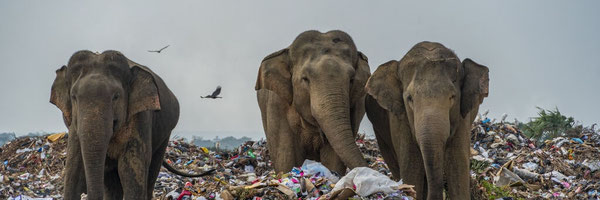
How Plastic Affects Wildlife and Humans
Nithela Pirahas, Meera Vijayaraghavan
Balmoral School
Grade 5
Presentation
No video provided
Problem
Hypothesis
I think that animals get hurt physically and internally while humans only get hurt internally. I think this because humans mostly ingest and inhale and usually are not affected by micro plastic. On the other hand, plastic which animals ingest and inhale like micro plastics and get entangled in plastic seriously affects them.
Me and my friend ( meera) have decided to create a project to explain deeper about how plastic pollution affects humans and animals because not many people know how impactful plastic pollution is.
Method
My method was to research on websites and to use videos to increase my understanding of the topic.
Research
How does plastic affect animals and humans?
How Plastic Affects Animals
External damage caused by plastic
When an animal gets entangled in the plastic nets or bags that we use it gets stuck. This makes it unable to move to catch food. It also causes the animal to get more tangled in the plastic and get cut from sharp edges on nets. When an animal gets tangled they cannot catch food because they cannot move. This causes drowning, suffocation, and fatal cuts. When an animal's heads or limbs get stuck in plastic they can cause severe wounds, dehydration, overheating or starvation.
Why animals eat plastic
Animals eat plastic because they mistake it for food. There are three different ways plastic imitates food. The first way is when an animal sees a piece of plastic, they think it is food and eats it. When a turtle sees a piece of plastic floating around sometimes they mistake it for jellyfish and eat it. The second way is when the plastic imitates the smell of food. When algae grows on plastic it releases an odorant called DMS which smells like krill to seabirds and fish. The third way it mimics food is when a whale or dolphin echo-locates their food, squid's degraded plastic can mimic the sound squid makes when the sound bounces off them. Grazing land animals, like cattle sometimes consume plastic waste that is mixed with their food. Animals also mistakenly eat plastic when they eat prey that has already consumed plastic. Even when an animal is eating real food it can ingest plastic accidentally. Sometimes animals become so used to eating plastic they think of it as food. Some chemicals in plastic become addictive to animals. Plastic waste can also get in land animals' meals and cause damage.
Internal damage caused by plastic
When an animal ingests plastics it feels like it is full when it is not. This causes the animal to starve to death because of the lack of food. This happens because the animal's stomach cannot digest the plastic and signals the brain that it is full even though the animal's body suffers from the lack of nutrients. Slowly the animal starves to death. Another way that plastic internally hurts an animal is when a large piece of plastic enters the body and clogs the digestive tract. When it clogs the digestive tract the animal won’t be able to digest food until that piece of plastic is removed. Sometimes an animal swallows a sharp piece of plastic and it cuts its digestive tract causing bleeding or inflammation. When an animal swallows microplastics the microplastics release toxic chemicals into the animals system which means those toxic chemicals could go to the animal's heart. When animals absorb these types of chemicals it affects their hormones. Which causes disruptions in growth, reproduction and development. It also causes abnormal behaviour, genetic changes, and even weaker immune systems. Sometimes land animals also eat plastics so when you eat them plastics go into your body as well. It is usually sea animals that eat plastic but land animals eat a lot of plastic too. Land animals get affected by plastic in all the ways marine life does. Farmers unintentionally put a little bit of plastic into their animals' food but over time that plastic can accumulate in the animal's body. Land animals also get tangled in plastic and can get cut from sharp edges.
Facts about how animals get affected by plastic
- More than 100,000 marine animals die because of plastic entanglement EVERY YEAR
- 100% of baby sea turtles have plastic in the stomach
- 88% of the ocean is polluted by plastic
- EVERY YEAR 8 million tonnes of plastic go into the ocean
- The Great Pacific Garbage Patch is bigger than Texas
- 5.25 trillion pieces of micro and macro are in the ocean
- 50% of plastic is designed to be single use
How Plastic Affects the Human Body
Plastic pollution affects humans in many different ways. You’re probably eating microplastics EVERY DAY. It enters your body through food, water, everyday things, and even air.
Seafood ingestion and meat
Marine animals often eat plastic by mistake, especially shellfish and fish. So when you eat them you get the same microplastics that were in their body in yours. Microplastics have harmful chemicals like PCBs (polychlorinated biphenyls) and BPA (bisphenol A) that can get into your body and can cause harm to you. When you eat food or meat that has plastic in it, it would go down your esophagus , like all other foods do and it would settle in your stomach. If plastic could decompose which it can, but takes a very long time, about 20 years at minimum and at max 1,000 years. But the thing is how long it takes glass to decompose is still unknown! But since it just breaks down,which is what it would do in your stomach it becomes viable to the naked eye and it keeps getting smaller and smaller. Most of the time , your brain thinks that it would be actual food and it could move into your bloodstream and could cause serious health issues. But most of the time microplastics pass through the digestive system like normal food and does not do any harm to your body, unlike animals which, when plastics get in their body could cause some serious health issues.
Agriculture and foods
In agriculture, there are many ways that farmers use plastic, for example mulching films ( thin protective sheets to stop weeds from growing). These can cause crops to degrade or to be contaminated with microplastics which enter our bodies when we eat these crops. Animals also eat these crops and can get plastic in their bodies causing them to feel full when they have too much plastic in their body. Lots of livestock have plastic waste in their meals.
Our water Studies have shown that microplastics contaminate drinking water ( tap water and bottled water). There is a high amount of microplastics in bottled water because they are put in plastic bottles. A 2017 study took 159 samples of tap and bottled water from about 14 countries and found that 83% had microplastics in them. Plastic in water shows a major threat to humans because we need water in order to survive. Many countries have been trying to find ways to get rid of microplastics in water from advanced water treatment to large scale mechanical engineering. The University of Waterloo researchers have found a way to remove microplastics from the water with a 94% efficiency.
The air
Microplastics can become airborne and we could inhale them causing problems like asthma, inflammation, and damage to the lungs. Plastic can also get in your eyes and cause irritation sometimes leading to eye failure. When you inhale microplastics it can sometimes get in lungs, brain, liver, spleen, kidneys, placenta, and much more. When it gets into these places it can grow into larger numbers and cause damage like clogging upper airways. In some countries, especially in Europe, people have invented air fresheners that take most of the plastic out of the air. These are made of many different scent reducers and some chemicals called zeolite, cyclodextrins, polymers and gels.
Data
N/A
Conclusion
so in conclusion, my reasearch supported my hypotheisesis as animals get hurt interntly and externally while humans get hurt internally. Even though humas get rashes on their skin because of plastic humans mostly ingest or inhale plastic.
Citations
Links The Detrimental Impacts of Plastic Pollution on Animals | Earth.Org How Do Plastics Impact Wildlife Health? | Ecopify Microplastics in Water: Threats and Solutions How Plastic Pollution Negatively Impacts Human Health Breathing Plastic: The Health Impacts of Invisible ... Scientists warn of microplastics entering human body through certain seafood 10 Plastic Pollution in the Ocean Facts You Need to Know Are Microplastics Harmful And Can We Avoid Them? | Earth.Org Scientists can now remove microplastics from our water with 94 per cent efficiency | Waterloo News How Does Plastic Impact Animals and Humans? - Earth.Org Kids
Acknowledgement
My Dad, Mom, brother and friend all helped me with my project. My mom and dad helped me reveiw and organize. My freind is doing the project with me.