
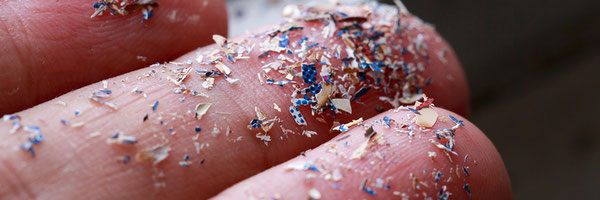
mangled microplastics
Emily Prior
R. T. Alderman School
Grade 7
Presentation
No video provided
Hypothesis
If I put one teaspoon of assorted micro/nanoplastics into the water with the homemade filters, then the homemade filter will work the best. Because, homemade filters are very thorough when taking out gunk and various things no one wants to drink. They were made for people who don't have the money to buy proper filters so they had to make sure the dirt would get out, and they could drink water safely. So using the resources they had they created the homemade water filter.
Research
To be deemed microplastics a piece of plastic has to be less than 5 millimeters or 0.2 inches. Microplastics are often found in industrial waste and beauty products, but microplastics can also form from refraction of larger plastics by water slowly breaking it down into smaller pieces. There is an estimated 50-75 trillion pieces of microplastics and larger plastic pieces in the ocean. According to UNESCO’s ocean literacy pool. According to one famous estimate we might consume around 52 000 microplastics a year. People who have dementia have before their death had up to 10 times the amount of microplastics in their brains compared to the people without dementia. https://www.bbc.com/future/article/20250723-how-do-the-microplastics-in-our-bodies-affect-our-health Did you know? Microplastics can come from a variety of sources including larger plastic pieces that have broken apart, resin pellets used for plastic manufacturing, or in the form of microbeads, which are small, manufactured plastic beads used in health and beauty products. https://oceanservice.noaa.gov/facts/microplastics.html
Microplastics can be turned into nanoplastics overtime. Nanoplastics are so tiny they can pass through our lungs and intestines into are bloodstreams, then they will travel through the bloodstream and through our bodies and eventually end up in our vital organs like our brains and hearts. But you might be asking why is this so bad? Well if microplastics get into your body then they can cause serious health problems. Worst case scenario you could end up causing you oxidative stress, and cell damage. Which could lead to reproductive issues, cardiovascular disease, and even some types of cancer. Microplastics can also disrupt your immune system. There are even a few everyday objects that have microplastics and nanoplastics in them. For example, toothpaste has microplastics and even make up. https://www.bbc.com/future/article/20250723-how-do-the-microplastics-in-our-bodies-affect-our-health (july 25 2025)
Some people don't know that there are microplastics all around you, there are many everyday objects filled with microplastics, especially unhealthy food. It is impossible to avoid microplastics, because it has only recently become a big issue and something everyone is worried about. Not to worry because, experts say that you can help your body fend off the microplastics by simply taking care of your body. Just get plenty of sleep and exercise, eating a balanced diet, decreasing stress, and seeking help with microplastics. But, if you want to further protect yourself from microplastics then try to focus on the more serious attributes like food, air, and water. https://www.nytimes.com/wirecutter/reviews/how-to-avoid-eating-microplastics/
Brita filters: Heinz hankammer created the brita filter in 1966, and patented it in 1970. Activated carbon filters: ancient civilizations have been using this method for 100s of years, until in 1776 Johann lewis created the groundwork for the filter. Coffee filters: in 1908, Melitta Bentz was a german housewife who created it in the first place. Microplastic powder: It is extremely small pieces of microplastics that you have to order online special to use responsibly Homemade water filters: homemade water filters have many various benefits such as better smell, better taste, cleans out chemicals like lead and chlorine, reducing plastic waste, cheap (good for low budget\poor countries), and protecting your health https://www.brita.co.uk/experience-brita/history https://www.europeana.eu/en/stories/melitta-bentz-the-woman-who-invented-the-coffee-filter https://www.europeana.eu/en/stories/melitta-bentz-the-woman-who-invented-the-coffee-filter
Variables
Responding variable: the amount of microplastics left in the water. The results of which filter works the best
Manipulated variable: different filters used, and the different sizes of microplastic powder I used for the filters
Controlled variable:
- The amount of water
- The amount of microplastics
- The size of container
- Container material
- Type of powdered microplastics
Procedure
Step 1: fill 4 glass jars with water (500ml of water) Step 2: add two sizes of powdered micro/nanoplastics into the glass containers, 1 tsp of plastics from each size glitter into every glass container rotating the sizes. (don't put both sizes in at the same time) Step 3: buy some assorted water filters of your choice. Then add the water to the filters Step 4: let the filters work through the water Step 5: observe while taking notes and photos. Once done, check the jars after the filters Step 6: while checking the containers see if there is any large amount, small amount, none, or a bunch of nano/microplastics left. Step 7: record the results in your slideshow and notes and present!
Observations
Results for Brita filter
First run (green straight): The water was not misty at all so there wasn't any unseen dirt inside, but unfortunately one singular piece of microplastic was in the water afterward. First run (red curly): the water was again not misty and none of the microplastics from the previous run got through, plus, none of the curly red microplastics got through either. Second run (green straight): there was a lot of microplastics in the water but the water was clear other than the pieces floating in it. Second run (red curly): the water was clear but some microplastics got through the filter and into the water.
Results for Brita filter (nano)
Brita filter nanoplastics first round: the water was filled with nanoplastics, it was very clear to see them, the water wasnt murky, and did not have high turbidity, but that was the only thing that was good about this filter run, id guess about ⅛ of the original nanoplastics were in the water afterwards Brita filter nanoplastics second run: nanoplastics were everywhere, all throughout the water they were mixed up and grouping together. This was using the same filter piece as the first run so there was a lot of nanoplastics left in the compartment that plugged up the holes the water was supposed to flow through, which made the filtering process a lot slower, plus extra nanoplastics got through. Around ⅙ of the original nanoplastics got through the filter.
Results for ceramic filter
First run (green straight): had a very hard time due to low pressure in the filter although no microplastics got through. Second run (green straight): very unreliable when it comes to low pressure, lots of microplastics got through even though we had to stop part way through. Plus water kept seeping through and wouldn't go through the filter to be cleaned. Very bad. I am longer doing the experiment on this certain filter due to the unreliability when it comes to the filtering process. The fact is, this filter is not efficient to how im filtering these microplastics. I do admit that using this filter in this fashion is not what it was designed for, unlike the other filters which were. This filter is more for pipes in the wall and high pressure so it makes sense that it's not filtering. I have now learned from my mistakes and will remember this if I chose to experiment this more thoroughly, Although I was able to take a few photos from during the experiment. I will try doing this once with nanoplastics to see what happens this time.
Results for ceramic filter (nano)
Analysis
Using the data I have collected from my experiment, I have determined that for filtering water, the coffee filter has the best results for microplastic filtering. The other filters suffered from things such as high turbidity, sand in the water, low pressure, and full capacity. For example, the ceramic filter failed due to low pressure, which is the main aspect of what this filter needs. But, if this filter were exposed to a high-pressure environment, such as the walls of a home in the pipes, then I am positive this could be the best filter out of all of them. It's hard to judge each particular filter because they are all so different from each other and are made for different purposes.
Conclusion
On average, for the first filter, the coffee filter, it did the best out of all of them because of the small texture it's made out of, and the delicate paper-like material made it the perfect filtering tool. As long as you only plan to use it once or twice. Secondly, we have the Brita filter. Only once did it have an influx of microplastics going through, but on average, it did pretty well, averaging around 9.5 microplastics, with no turbidity to be seen. Thirdly, we have the homemade filter. The homemade filter had an average of 6.25 microplastics in the water, but because of the high turbidity of the water, it didn't do very well. And lastly, we have the ceramic filter. Due to low pressure, it didn't do very well as opposed to if it were in the pipes in the walls, filtering out an entire house full of water. In conclusion, my hypothesis was wrong because of how misty the water for mine was, and how well the coffee filter worked
In conclusion, the water filter that did best with filtering the nanoplastics was as follows: coffee filters, Brita filters, homemade filters, and ceramic filters. The coffee filters did the best out of all of them due to the small holes in them and the sturdy fabric. In second came the Brita filter; it came in second, even though it was the second most expensive, lots of little pieces of nanoplastics got through the filter into the water. In third place came the homemade filter; this filter did really poorly. The small holes in the sand got plugged up by the nanoplastics and ruined the filter, making it unusable halfway through the testing of the second run. And finally, in last place came the ceramic filter, which kept leaking at the top and getting all the nanoplastics to fall into the jar below. I'm certain almost all of the nanoplastics got through into the drinking water.
Application
This is good for the world to know because microplastics are a huge problem in our modern-day society. There are microplastics everywhere, like in our food, water, air, and ground. Microplastics have only recently become recognised as a huge problem in our society, as they can cause huge health problems in the future. Even worse, not much is known about microplastics. So it has become an issue that not any people know how to protect themselves from. I did this experiment to tell people which filters will protect their bodies from microplastics the best in order to save people from future regrets or health problems.
Sources Of Error
At the start of my experimental process, I didn't know that I had to copy down the websites I used to get the information. So, for the first background research, I didn’t put down the website names and links, and when I tried to find them, again, I couldn’t.
When I was ordering the microplastics and nanoplastics from amazon my order was unfortunately cancelled, so I had to make my own, which was not even whatsoever.
One source of error I may have had is that I'm not quite sure I screwed the Brita filter in correctly, or not, and if not, then that means most other people are gonna screw it in wrong their first time as well.
Although I tried to make my experiment as perfectly executed as possible, I know some mistakes were made along the way. Hopefully, for my next experiment, I can do better than this time around.
Citations
Scientists Reveal Simple Trick to Reduce Microplastics in Your Tap Water - Newsweek https://oceanservice.noaa.gov/facts/microplastics.html https://www.bbc.com/future/article/20250723-how-do-the-microplastics-in-our-bodies-affect-our-health https://www.nytimes.com/wirecutter/reviews/how-to-avoid-eating-microplastics/ https://www.google.com/search?q=google&rlz=1CAQMZZ_enCA1181&oq=google&gs_lcrp=EgZjaHJvbWUqBwgAEAAYjwIyBwgAEAAYjwIyEwgBEC4YgwEYxwEYsQMY0QMYgAQyD https://www.brita.co.uk/experience-brita/history https://www.europeana.eu/en/stories/melitta-bentz-the-woman-who-invented-the-coffee-filter https://www.youtube.com/watch?v=ZTbQMTNJUC0
Acknowledgement
While helping with my experiment, I had multiple family members who helped me with my experiment, whether it was pouring the water, paying for the materials, or carrying my experiment between houses; most of my family helped me out during it. including my brother lucas who helped me run my experiments. My mother, who always made sure I submitted my stuff on time and did my experiment. And finally, my dad, who bought all of my materials, helped with my experiment, supported me my entire way, and drove me to pick up the supplies.