
How plants survive.
Alex Zhang, Yusuf Elsayed
Hillhurst School
Grade 6
Presentation
Hypothesis
EXPERIMENT #1: OVER WATERING Hypothesis/predictions of what will happen!!!! Yusuf #2 (ivy): I think the plants leaves burntness will clear up, but the leaves will get heavier and it will look a little drowned. I suspect a few new shoots, stems and leaves will grow. Since my plant has a little bit of burntness on it, I think the burntness will clear up. One more thing I think might happen is a few leaves falling off. Alex #1 & #3 (cactus & money plant): I suspect the cactus will be the most affected by the over watering. Because the cactuses natural habitat is the desert where there's not much water, it will probably drown and get a little brown. I think that the money plant will grow taller, then sink under the weight and the leaves will droop.
EXPERIMENT #2 - NO SUNLIGHT Hypothesis/predictions of what will happen!!!! I think #1 will be the most affected, because its natural habitat is the sun. #3 will also be affected, because it expects the sun to hit its big leaves and get photosynthesis. Since its growing 3 new stems and needs energy, this project will be very interesting for it. Same with #2, but I think it won't be as affected because it has smaller leaves.
EXPERIMENT #3 - USING HOT WATER Hypothesis/predictions of what will happen!!!! I think some of the leaves will fall off, and the burntness will spread on #2. Honestly, for #3 and #1 i think that they won’t be affected too much because it's just the temperature change of the water. The only thing i think will change is the growth speed and the root development for #3.
EXPERIMENT #4 - USING ICE-CUBES Hypothesis/predictions of what will happen!!!! I think that nothing BIG will happen with this experiment, other than slower growth for all the plants. Since the ice melts slowly, the plants will get water over time potentially reducing growth and regularity for the plants. I think that the plants will actually grow better, due to little water over a period of time, rather than a lot of water in one go.
Research
ALBERTAN FOREST
- Bearberry:
- Resilient
- Glossy leaves, pink flowers
- Red berries
- If you eat too much berries you will get nausea & constipation
- Moss campion:
- Dense
- Cushion forming
- Often found in tall mountains or alpines
- Adapted to the cold climate and makes itself warmer because of its special shape
- Can survive for centuries
- Name actually comes from champion because they used to be wreaths for winners in Europe
- Saskatoon serviceberry:
- Shrub/small tree
- Has edible blueberry like berries
- Has white spring flowers
- Prefers full sun instead of partial shade
DESERT
- Living rock and what are its adaptations to the desert
- They are succulents
- Absorbs carbon
- Store water in thick roots
- Wooly textures
- Cactus and what are its adaptations to living in the desert
- Store lots of water in their stems
- Have waxy skin
- Adapted by turning their leaves into spikes that can protect from predators, give shade, & insulate the cactus
- Widespread roots
- The waxy skin and CO2 intake makes it so it doesn’t lose too much water
- Desert marigold and what are its adaptations to living in the desert
- Bright yellow daisy
- Native to US southwest
- Extreme drought tolerance
JUNGLE
- Rafflesia and its adaptations to living in the jungle
- Grows on host vines without needing sunlight for large leaves
- When it produces a flower, it emits a strong smell that attracts pollinators like flies
- It has no stems, leaves or roots of its own
- It absorbs nutrients from its host vine
- The plant doesn't have to worry about photosynthesising because its host vine does it for Rafflesia.
- More surface area on the flower means that there is a higher chance that a pollinator comes to pollinate the flower.
- The plant produces a berry that has thousands of sticky seeds that can be dispersed by ants and other insects.
- The cacao tree and its adaptations
- Thrives in shade
- Large leaves that maximise capturing of sunlight
- The cacao tree has a shallow root system where nutrients is best in the jungle
- The fruit grows on the trunk and branches are woody which protects them from rain
- The leaf shape lets rainwater drip off quickly instead of staying on the leaf.
- The cacao pod is large and woody
- The seeds are bitter, as to discourage hungry insects
WATER
- Water Hyacinth and what are its adaptations to living in the water:
- The water hyacinth has swollen petioles full of air space for buoyancy and gas transport (also called aerenchyma) that helps it float to the surface.
- The water hyacinth has large, glossy leaves that stretch out about the water and capture a whole lot of sunlight. This helps the plant grow. These leaves also help the plant float.
- What would happen if the water hyacinth wasn’t in water?
- On the land, the water hyacinth would probably collapse because its stem isn’t meant to hold its weight; it’s supposed to be buoyant.
- The roots won’t function because the roots are meant to absorb nutrients from water
- Water Lily and what are its adaptations to living in water:
- Water lilies have large, flat leaves that have a stomata on top. The wide leaves maximise the amount of sunlight the plant gets. They have a stomata for gas exchange on their upper surface.
- They have a waxy, water-repellent surface. This keeps the surface dry and prevents water from blocking the stomata
- What would happen if the water lily wasn’t in water?
- The leaves would collapse, resulting in wilting or dying.
- Stomata might damage
PLANT SURVIVABILITY
- When we talk about this term, we’re talking about if the plant will survive or not. If the plants survivability goes up, then the plants survival rate goes up. If the plants survivability goes down then the plants survival rate goes down.
- There are some things that really can make the survivability go down and some that can make it go up a lot. Here are a few:
- First of all, for most plants, you need to water them and make sure they have some sort of sunlight (artificial or from the sun). Without these basic things, there’s a pretty low chance they’ll survive.
- Another few things that you would need is to have some air, soil and a REASONABLE temperature to live in. The temperature requirement varies a lot on the species, but obviously you don’t want them outside in a -40° C plus windchill night without any source of heat. The average temperature is 15°C - 30°C, but you should still look the plant up on google.
WHAT ARE THE DIFFERENT TYPES OF PLANTS AND WHAT MAKES THEM SPECIAL Bryophytes: (Non-vascular plants) Examples: Moose, liverworts and hornworts What makes them special: Lack true roots, stems, leaves, and vascular tissue (xylem/phloem) for water transport. How they reproduce: Spores; dominant gametophyte stage. Pteridophytes: (Seedless vascular plants). Examples: Ferns, horsetails, clubmosses. What makes them special: Have vascular tissue but reproduce with spores, not seeds. How they reproduce: Spores. Gymnosperms (Vascular, naked-seed plants): Examples: Conifers (pines, firs, spruces), cycads, ginkgos. What makes them special: Vascular, produce seeds, but seeds are "naked" (not enclosed in an fruit). How they reproduce: Pollen and seeds, often in cones. Angiosperms (Flowering vascular plants): Examples: All flowering plants (roses, grasses, oaks, orchids, etc.). What makes them special: The most advanced; have flowers for pollination and produce seeds enclosed within an ovary, which develops into a fruit. How they reproduce: Flowers attract pollinators, leading to seeds in fruits.
FERTILIZER
- Lots of amature garden owners forget to use fertilizer, and that can mean a lot.
- In Calgary, fertilizer becomes 2 times more important.
- But it really depends on the type. Succulents barely need any because their natural habitat doesn’t have too great of a soil. So even if you don’t put fertilizer, it’ll probably still grow fine.
- Vegetable plants & container plants REALLY need that stuff.
- But there are specific types of fertilizer. Albertan soil doesn’t have a lot of phosphorus or sulfur, so look for fertilizer for Albertan soil. If that's too much work and you don’t want to walk around looking for Albertan soil fertilizer, that's okay! You can make your own that can serve just the same.
PLANT HABITATS
- Having a glass roof is better than having no roof, even when it’s inside
- With a glass roof, there is a greenhouse effect making it warmer EVEN when its indoors
- If you have a big greenhouse it's good to have a light diffusing roof because of a couple reasons.
- Helps light distribution thanks to its translucent materials to make sure all the leaves get sunlight.
- The translucent material bends the light rays so it bounces off the walls hitting all the plants leaves.
- With a regular roof, the light would just pass through without bending. That would make it so it would only hit a portion of it, making the rest of the leaf unused.
- By making the light bounce around in different directions, all the parts of the leaf can soak up the light, reducing burnt parts on the leaves.
WHAT PLANTS DO IN THE 4 SEASONS SPRING: This is their main time for growing, and they make new leaves and roots. They also start the reproductive system. Spring is usually when the most plants are alive and not dead. SUMMER: Summer is where the sun is there the longest, so in this time photosynthesis really booms in production speed. This is also where fruit and flowering tends to happen most. WINTER: They enter a state of dormancy, dying above ground but staying alive underground. They store all their nutrients and energy in their roots for safe keeping, and wait until spring hits. FALL: Fall is where the plants start to slow down on growing, and save energy for the winter. They fortify themselves to handle the coldness in this season.
PLANT LIGHT
- Different types of light can really change how your plant grows
- Usually sunlight is good for plants because it’s a full intense spectrum of light
- But if you can’t access it then growing plants with artificial light is still a very good alternative because it's scientifically proven that with different colored lights it is better for different things
- For example, green light is better if you have a bunch of plants that overlap each other
- Because green light penetrates leafs better so the light hits everything. Blue helps leaf growth and red helps photosynthesis.
- The reason green can go through is because plants really like to absorb red and blue light because of the light but with green it reflects because its green while still getting energy
- The reflected green light helps because it bounces all over the place and hits all the plants
- Think it of rocks and bouncy balls (where the rocks are regular light & the bouncy balls are green light)
- There are a lot of rocks falling from the sky, and when it hits the plants it conducts photosynthesis
- But when you have bouncy balls falling from the sky it hits way more.
PLANT LIGHT - UV By using the correct amount of uv light for plants, it can boost many things for the plant. But by using too much, the plant could die. Here’s some of the advantages though: boosts photosynthesis, leaf thickness, potency, & makes the food taste better. In the seedling stage, uv light should only be shone on the plants for 2-3 hours per day though. More than that wouldn’t be good. But In the vegetative stage the rate increases to 4-6 hours per day. It increases, because the plant actually has a good amount of leaves to do photosynthesis. Now the uv light really helps the leaf development, structure, tissues inside the plant, & the energy reserves. Finally, in the flowering stage, they need 6-12 hours to help them flower a lot.
HOW DO SOME SURVIVE AND SOME DON'T?
- Aquatic plants roots and leaves are well adapted for water environments. Eg. plants: water lily, duckweed, lotus and water hyacinth
- Plants in low-light environments have darker or larger leaves to capture more light. Eg. plants: ferns and mosses
- Some plants have physical defences like thorns protect the plant from hungry herbivores looking to eat the plant. Eg. plants: venus flytrap and lithops
- Why some plants don’t survive:
- Too little water - severe drought can lead to wilting or death
- Too much water - most plants die if being watered way too much
- Extreme temperatures - high heat can disrupt photosynthesis
- Not enough light - plants need light to photosynthesize energy to grow and reproduce
GRAVITY
- Gravity can really change the outcome of your plants, and even change them to be an different species entirely
- We have found out that close to none gravity doesn’t affect the plants grown in an harmful way, but instead changed the plant’s leaf developing, plant cells, and the chloroplasts used for photosynthesis
- Because of these changes, wheat plants grew 10% taller than wheat plants on earth
- Plants aren’t in the dark about this change. Plants can sense the change of gravity because the calcium within the plant cells.
- Microgravity affects calcium levels.
- Scientists are trying to figure out how that can help them grow food in space. An experiment in space about growing mustard plants in space also tells us that the mustard seeds were smaller, but the germination rates we basically the same in low gravity.
POTATOES
- We are trying to tie our project with space and mars
- Since people are trying to find some good ways to grow food on mars and plants are related to that, we are trying to help
- So, with potatoes, they give you lots of good calories for your day. They’re also very easy to grow, because most vegetables need lots of care but these ones you can grow like normal plants
- You can fry them, stew them, and cut them up and fry them (fries) so even if the astronaut is picky its okay. So we are trying to research how we can grow potatoes easier, faster, or to make them bigger entirely.
- By doing a few things, all of these goals can be achieved. Planting your potatoes in looser soil and giving them potassium rich fertilizer can make them grow bigger.
- If the sun is not available, having some artificial light for the potatoes with a schedule works just fine
- For example, we could have 6 hour green light (for the penetrating purposes) 3 hour blue (for the growth boost) and 3 hour red (for the photosynthesis boost)
- The reason is: 6 hours in, every leaf gets used, the blue helps grow a bit more and finally, the red helps it get more energy for the night
SPACE PLANTS
- But one trouble for growing plants in space was the watering. Astronaut gardeners had trouble watering them without them drowning in water because of the zero g. The no gravity makes it so that the water doesn’t flow down into the special soil automatically. And because plants are not used to having the water not flow through them, the plant kind of drowns with water at its neck. Space plants get water through this long process that involves a syringe, a bag of water that is sealed, & some tubes
- First, a tube is placed with one side of it into a special soil bag where the plant’s roots live. The other side of the first tube then connects into the syringe
- Then, one of the seconds tubes sides gets put into the bag of water, and the other side will be inserted into a different part of the syringe
- After all this setup, the process is done by pulling the water from the water bag through the tube into the syringe
- Then, after the syringe gets all the water it can take, it inserts it through the first tubes into the plant
RECENT PLANT ACTIVITY IN SPACE China has successfully grown cherry tomatoes, green onions, lettuce, rice, & Arabidopsis thaliana. These have been successfully been grown on the chinese space station. In the NASA space station, lettuce, Chinese cabbage, mizuna mustard, kale, radishes, tomatoes, zinnias (flowers), and chili peppers have all been grown. Some more that have been grown on a ship flying include red romaine lettuce, chili peppers, zinnia flowers, cabbage, mizuna mustard, and tomatoes.
FUN FACTS
- How do pine trees get energy? Well believe it or not, those tiny needles can conduct photosynthesis! But they produce very little energy, so that's why they have a million of them. The reason they survive through the winter is because the tree coats them with sap that freezes and that acts as a shell for protection against the cold.
- Did you know that deciduous plants shed their leaves to conserve energy to survive the winter?
- The pyramidal shape that most conifers have (and their downward sloping-branches) help snow slide easily off the trees and plants during heavy snowfall. Also, the branches are built to bend rather than snap so the branches don’t break during heavy snowfall.
- In many coniferous plant species, there are both male and female seeds/cones. The male cones produce pollen and the female cones produce seeds. The males are usually on the lower branches while the females are on the higher ones.
- The forests that house coniferous trees, the boreal forests, cover 17% of the earth's surface.
Variables
INDEPENDENT VARIABLE EXPIREMENT #1: amount of water. EXPIREMENT #2: amount of sunlight. EXPIREMENT #3: temperature of water. EXPIREMENT #4: amount of water (ice cubes) DEPENDENT VARIABLE plant (almost) amount if water (almost) temperature of water (almost) location (almost) amount of sunlight + artificial light temperature of houses
Procedure
We have 3 plants, and will put 1 at Yusuf’s house and 2 at alex’s house. Each day, we see any changes to the plants and record them. By using this system, we can predict some changes to the plants like burntness and leaf drooping by studying the plants. Each person will take photos of important evidence, record it, and send it to each other so when take a look on the plants we can see changes and other things. We will get information from them by removing an important thing they need from them. For example, for 2 weeks we don’t water them and see if there’s any significant changes. Then we put it in a dark room with regular water intake. Maybe we can even put it in a 15° room and see how it fares. We will do these 3 things, record valuable information and make predictions of what could happen next. Once we can consistently make accurate descriptions of what's going to happen if we do these things, then we can help things like early signs, and late signs. For example, if we restrict it from water and the first few days it droops a little bit, that can be a hint for others to recognize this familiar happening.
Observations
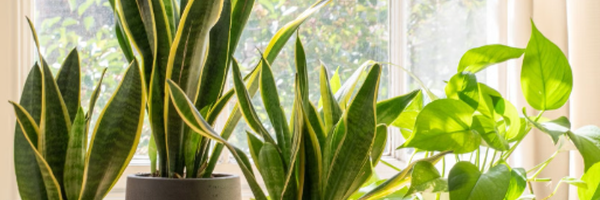
WHAT ARE THE PLANTS? #1 A cousin of a cactus, succulent and with no thorns (scientific name forgotten). Probably the sturdiest of them all while being the smallest.
#2 An ivy with lots of leaves and lots of surface area. (scientific name also forgotten)
#3 A money plant, currently the biggest of the three also with the biggest leaves. Scientific name: Philodendron Cordatum. Also known as Pothos.
THE STATUS OF THE PLANTS: December 23: We just bought them from the plantation and got three tropical plants. We want to make sure that they probably won’t die instantly and can take a little harshness. They didn’t die on the car ride home (yay) and at our house we put them near sunlight in a 18° window sill. We currently are not testing them so we’re just treating them like normal plants. December 24: We labeled them, #1, #2, & #3. Number 2 was in the middle and 2 of its leaves nearest to the window got burnt, but only on the tips. #3 accidentally got hit while doing sports in the house, so it lost some dirt but is otherwise doing fine. #1 has been staying the same.December 26 (forgot to do it on christmas): Nothing changed yet, #3 leaves drooping a little bit. December 27: #2’s leaves got burnt even further, but is still only affecting 3 leaves. We have watered #3. #1 shows no change. December 28: We have now added a drainage system to our plants. We have watered all three of them and the plants seem healthy. For some reason, one of #2’s leaves on the side not facing the window is getting burnt. #3’s stems are looking a little browner than usual. December 29: #3’s leaves are drooping a bit less and #2’s leaves are growing way bigger. #2 has a new branch with a big leaf on it. #1s leaf tips are getting a little burnt. December 30: #2’s burntness has stopped. And #3’s leaves have gotten healthier December 31: #2’s leaves are recovering, #3’s is very healthier January 1: #1 leaves getting a little softer than usual. January 2: We have watered all three again. Yusuf will be coming tomorrow and will take a plant to his house. We have deduced that the drooping of the leaves on #3 is probably because the leaves are close to the window doesn’t want to be burnt or the window is too cold. Because, all the other leaves seem fine, and the drooping looks kind of purposeful. January 3rd: 2 New stems on #3!!!!!! #2 burntness has started up again. January 4th: Another stem on #3!!!! There are some small new leaves on #2. The burntness is getting a little better. January 5th: Today is the first day of overwatering the plants. #2’s burntness is getting better. In the middle of the plant, a few new stems have started, but they are very small. The 3 new leaves are looking very healthy. #3 is looking better without any signs of drooping. January 6th: #3 is REALLY happy, and his new stems are growing very fast (maybe we should have done that from the beginning…). #1 is looking pretty green, not sure if that's a good thing or a bad thing. #2s new leaves are looking pretty good, as well as its stems. The overwatering isn’t making that much a difference. January 7th: Nothing has changed much, but the growth of the #3s stems are getting boosted. #2s burntness is getting a lot better. The leaves are starting to mature more. January 8th: #3’s has one more new stem. We’re starting to believe that we should have done this from the beginning. #1’s leaves are a lot greener. Both shows no sign of dying. #2s new stem has two fully matured leaves and a new stem already. January 9th: #1’s leaves are now 90% green. We think there's another stem on #3. Overwatering seems to be not a huge problem. Another new leaf on #2 January 10: One stem on #3 shows a little leaf. #2’s new leaves and new stem are maturing way better. January 11: On #1 one of the leaves looks like it has been bit. Maybe it's a sign of dying. The research we did shows that cactuses look really brown when they die. #3 is still growing happily. #2s burntness is really bad on only one leaf, and the rest of the plant is free from burntness. #2s leaves look really matured now, and there are 1 or 2 new stems. This is the last day of over watering, but, based on this experiment we did, we are now going to continue to water #2 and #3 because over watering helped them a lot. #1 seemed pretty resilient, but I think the over watering affected it the most in a harmful way. January 12: Today was our break day for the plants between experiments. We think there is a new leaf on #2. Burntness is starting on the tip of another leaf. #1 remains the same, & #3’s new leaf on the new stem is growing fast. January 13: Today was our break day again, & we have treated them normally. We have watered #3. #2 is still looking perfect except the one leaf burntness. January 14: This was our first day putting the plants in a dark room, that only gets turned on not very much with a regular light. Nothing has changed too much, but the #3’s new leaf is now developing more slowly. Nothing much changed with #2 too. January 15: Growth has definitely slowed, or even stopped for #3. It also seems like all the water was still in the soil when watering. #2 is looking pretty good, but the soil is very wet and the burntness is spreading. January 16: Growth has completely stopped on #3, but no signs of dying. January 17: Little bit of redness starting on #1. #2s burntness is spreading. January 18: Redness has spread to all the tips of leaves on #1. #3 is drooping a little bit. #2 is still looking pretty good. January 19: Watering doesn’t seem to be helping too much on #3. I think roots are damaged. Water coming out of #3 is yellow. January 20: No sunlight is really affecting #3. But the new leaves are still growing slowly though. New leaves have completely stopped growing on #2. January 21: Todays our break day for experiments. Moving the plant to sunlight really helped #3s new stem. #2 is looking a lot better than before now that they experiment is done. January 22: New leaves are growing well on #3. Water problem has been removed. January 23: Growth speed is normal now. We still haven’t figured out our next experiment. More new leaves on #2. January 24: Everything is back to normal now. A new stem on #2. January 25: A little bit of burntness has started up on #3’s new stems. Nothing changed on #2. January 26: Growth is back to normal now on #3. Redness has stopped on #1. I have found a dead leaf on the soil of #2. January 27: New leaf on #3 is now fully developed. More new stems on #2. January 28: Nothing new on #2. Also nothing new on #3 & #1 January 29: We have found a dead leaf on the soil of #2. #3 is developing new leaf very well. January 30: New leaf made on #3. Redness starting up again a little bit on #1. There are 3 new leaves on #2 that are developing very nicely. January 31: 1 new stem growing on #3. #3 seems very happy. A new leaf on #2. February 1: #1 leaves seem bigger. #1 has not been growing that much. Attention! We have found a dead leaf on the soil of #2. February 2: #3’s new leaf is kind of molting, like bugs do. #1 is back to green. February 3: #3 is as happy as can be. New leaves are sprouting all over the place. Growth is rapidly increasing on #3. Also there are some new stems on #3 too. February 4: #3 growth is still very good. It is at the state of growing’s peak, and new leaves continue to sprout on new stems. #1 has the redness again, but instead of a quick color change on the leaves its a gradient from green to red in the tips. #2’s new stems and leaves are looking better than ever. February 5: Growth does to seem to have slowed a bit on #3. Growth still continues though on #3 & #1. February 6: #3’s soil is still damp. February 7: #1 leaves are getting more green. I think it needed the extra water. #3s old stem is dead, but its new stem is now splitting into 3 parts. The water coming out of #2 is still yellow. February 8: #1’s outer leaves are getting really squishy and red. I think we are overwatering it, and its natural color shouldn’t be a green, but what it was before. #1 is also growing new leaves from the center. #3’s soil is still damp like the other few days, but is a bit dryer. #3s new stem is growing well, and there is no burntness in sight. February 9: #1’s leaves are getting a bit better. When watering #3, there was a lot of excess water. I think that the amount of ice cubes to water is a lot, so its getting overwatered. The new leaf on #3 doesn’t look similar at all to its other ones, and looks like a maple leaf. February 10: #1’s leaves are continuing to be more squishy. February 11: #3’s new leaf is fully developed. February 12: #3’s leaves are drooping a bit more. February 13: Leaves are growing bigger on #3. February 14: #1’s outer leaves have fallen off, but there are some new ones from the middle that is growing. February 15: Not much changed on #2. Water coming out of it is still brown/yellow and is kind of getting darker. More leaves are wilting also. #3 is continuing to grow. February 16: Burntness on #2 has spread to no more than ten leaves. #3’s has one new leaf February 17: We took one of #1’s leafs off because it was dead and just taking up space. This is the last day we will record because the next day we will bring the plants in the plants, and the day after is the science fair itself. February 18 - 19: Don't know, was at school. February 20: All three plants are at Alex’s house now. All three leaves are drooping. February 21: #3’s are now yellow. I think that the winter did it to it. #2 and #1 are fine though. February 22: #3’s yellowness on the leaves have not gone away. #2 is continuing to droop. February 23: #2 leaves have dropped even further. #3 is getting a bit better. February 24: #3’s leaves are 90% normal now. #2’s leaves are continuing to droop. February 25: Nothing changed… February 25 - March 4 Nothing changing much.
Analysis
ANALYSIS OF EVERYTHING Through all of our experiments, we have figured out that our experiments have helped us identify early signs, & what will likely happen if these bad things happened. Our project was off on a rocky start, but we pulled through and changed topics.
EXPERIMENT #1 OVERWATERING
ANALYSIS: Based on this experiment we did, we are now going to continue to water #2 and #3 because over watering helped them a lot. #1 seemed pretty resilient, but I think the over watering affected it the most in a harmful way. Our hypothesis was way off. The only thing we got right was the burntness fading, but we don’t know if that is natural or because of the overwatering.
EXPERIMENT #2 NO SUNLIGHT
ANALYSIS: No sunlight seemed to be a pretty big deal, because all the plant's growth speeds got cut in half. The one thing we noticed throughout watering our plants in this experiments is that the water we had watered them from day one was staying there the entire time without disappearing. That is one of our analysis for this experiment.
EXPERIMENT #3 - USING HOT WATER
ANALYSIS: A few leaves fell off of #2, and the burntness spread. The water that came out the whole experiment was yellow. We think that it cause some root damage, and won’t do it again.
Conclusion
Our conclusion is that, with the right light sources & the right amount of water, we can deduct early signs of death, over watering, or not enough sunlight. These things can help many farmers and encourage the age of AI taking care of plants even more. Our studies helps people understand what things help plants, what are some things that could boost growth, and what plants DO, in not just land, but in the water, and in space itself.
Application
We would use this knowledge in the real world by helping people understand what was happening to their plants. This information could be used to educate people, encourage plants in space in more, and bring in the idea of growing plants in just a day. This information helps evryone with plants to just get a bit of a head start - whether they're just growing it for fun, or they're a full fledged farmer, these tips will help them. We could improve or continue this project by learning plant DNA, how it works , and if we could somehow modify plants to deal with harsher climates. We could make a machine to track photosynthesis on plants. We could also make an AI system to take care of plants all by itself. These things could be achieved with more time and research. They are all within our reach.
Sources Of Error
#1 experiment: Overwatering our plants. Sources of error: The temperature of our houses might have been different during the day and night. The temperature of the water might have been different each day. Same as amount. #2 experiment: No sunlight. Sources of error: In both of the houses, it could have gotten a little bit of sunshine from the door. That could have ruined the project. Also, it might have gotten some artificial light #3 experiment: Hot water. Sources of error: The temperature of the water might have been different every day, same with amount. The temperature of the houses might have also been different. #4 experiment: Ice cubes. Sources of error: The size of the ice cubes might have varied, and the temperature of the ice cubes also.
Citations
https://www.plt.org/educator-tips/how-trees-survive-cold-winters/#:~:text=Evergreen%20trees%20hold%20less%20water,due%20to%20less%20sunlight%20availability https://www.almanac.com/dwarf-evergreen-trees-terrific-containers-and-small-spaces#:~:text=Creeping%20junipers%20(Juniperus%20horizontalis):,are%20hardy%20to%20Zone%203. https://www.teachersoncall.ca/site/toronto-tutoring-blog/2021/12/16/how-trees-plants-survive-winter#:~:text=Herbaceous%20perennials,these%20roots%20good%20to%20eat https://home.howstuffworks.com/evergreen-trees-dont-shed.htm#:~:text=So%2C%20why%20are%20evergreens%20%E2%80%94%20like,them%20green%20throughout%20the%20winter. https://letstalkscience.ca/educational-resources/stem-explained/how-do-trees-survive-in-winter#:~:text=During%20transpiration%2C%20oxygen%20gas%20and,flow%20upward%20in%20a%20tree!&text=During%20winter%2C%20tree%20roots%20cannot,keeps%20it%20from%20drying%20out. https://peterboroughmastergardeners.com/2024/04/01/how-do-my-outdoor-plants-survive-the-winter/#:~:text=One%20key%20factor%20contributing%20to,dormancy%20until%20warmer%20temperatures%20return. https://www.childreach.on.ca/blog/deciduous-vs-evergreen-trees-wild-child-2025#:~:text=Continuous%20Photosynthesis:%20Unlike%20deciduous%20trees,for%20wildlife%20throughout%20the%20year. https://gardengoodsdirect.com/blogs/news/what-is-the-difference-between-deciduous-and-evergreen#:~:text=What%20Is%20The%20Difference%20Between%20Deciduous%20and%20Evergreen?,Evergreen%20Plants https://www.youtube.com/shorts/7fCEvRiStJY#:~:text=What's%20the%20difference%20between%20a,the%20winter%20or%20dry%20season. https://www.thespruce.com/deciduous-meaning-lists-of-examples-2131036#:~:text=What%20Is%20a%20Deciduous%20Tree?%20A%20deciduous,coniferous%20trees%20(usually%20evergreens%20that%20produce%20cones). https://www.childreach.on.ca/blog/deciduous-vs-evergreen-trees-wild-child-2025#:~:text=Evergreens:%20Evergreens%20like%20pines%2C%20cedars,significant%20cultural%20and%20practical%20importance. https://treecanada.ca/article/how-trees-survive-in-winter/#:~:text=One%20of%20the%20reasons%20deciduous,Acclimation https://www.quora.com/Why-do-some-plants-not-shed-their-leaves-even-in-the-winterhttps://www.quora.com/Why-do-some-plants-not-shed-their-leaves-even-in-the-winter https://forestryandland.gov.scot/blog/trees-in-autumn#:~:text=So%20why%20do%20some%20trees,so%20prevalent%20in%20northern%20climes. https://www.nationalforests.org/blog/how-do-trees-survive-the-winter#:~:text=Broadleaf%2C%20deciduous%20trees%20lose%20their,evaporation%20of%20water%20from%20leaves. https://www.benbivinstreeexpertsnj.com/how-conifers-survive-winter/#:~:text=Hold%20Onto%20Your%20Needles%2C%20Winter,grow%20them%20back%20before%20winter. https://www.thenational.academy/pupils/lessons/plant-and-animal-adaptations-in-the-taiga-biome/video?utm https://maweb.org/how-coniferous-trees-survive-in-cold-climates/?utm https://lotustryo.com/tree-growth-in-the-taiga-limiting-environmental-factors/?utm https://manitobamuseum.ca/popping-pine-cones/?utm https://mahoneysgarden.com/keep-watering-your-plants-even-when-its-cold/#:~:text=For%20regions%20with%20strong%20winter,be%20replaced%20by%20the%20roots. https://www.britannica.com/plant/deciduous-tree?utm https://www.biologyonline.com/dictionary/deciduous-forest?utm https://www.encyclopedia.com/science/encyclopedias-almanacs-transcripts-and-maps/deciduous-forest?utm https://www.redusystems.com/en/articles/pot-plants-benefit-from-diffuse-glass#:~:text=Pot%20plants%20benefit%20from%20diffuse,as%20well%20as%20in%20practise. https://www.coohom.com/article/can-plants-perform-photosynthesis-with-artificial-light?hl=en_021 https://www.greenhousegrower.com/technology/equipment/diffuse-lighting-offers-multiple-benefits/#:~:text=Simply%20put%2C%20diffuse%20light%20is,but%20do%20not%20reduce%20it. https://extension.umd.edu/resource/lighting-indoor-plants#:~:text=Light%20quality%20is%20more%20of,plants%2C%20supply%20all%20three%20wavelengths. https://www.spider-farmer.com/blog/grow-light-vs-sunlight/ https://www.phsgreenleaf.co.uk/resource-hub/can-plants-grow-in-artificial-light/#:~:text=Natural%20Light%20vs.,light%20for%20optimal%20plant%20growth. https://thebudgrower.com/artificial-grow-light-vs-sunlight/#:~:text=The%20answer%20depends%20on%20your,is%20best%20for%20your%20plants: https://www.quora.com/What-plant-yields-the-most-calories-per-acre https://www.growbiointensive.org/Self_Teaching_7.html#:~:text=Calorie%20farming%20produces%20a%20complete,%2C%20Jerusalem%20artichoke%2C%20and%20salsify. https://www.homesandgardens.com/gardens/how-to-grow-bigger-potatoes [https://silverhomestead.com/grow-big-potatoes/#:\~:text=Bone%20meal%20(4%2D12%2D,produce%20tubers%20in%20the%20heat] https://www.mdpi.com/2223-7747/10/2/297#:~:text=As%20 indicated%20 earlier%2C%20the%20combined,blue%20%5B49%2C51%5D. https://www.quora.com/Can-plants-or-grown-food-grow-inside-in-the-ISS-Does-the-change-in-gravity-affect-their-growth https://www.nasa.gov/missions/station/ways-the-international-space-station-helps-us-study-plant-growth-in-space/#:~:text=NASA-,The%20Influence%20of%20Gravity,compared%20to%20those%20on%20Earth. https://www.orchidsinternationalschool.com/science-concepts/adaptation-in-plant https://old-ib.bioninja.com.au/options/option-c-ecology-and-conser/c1-species-and-communities/plant-survival.htm https://enviroliteracy.org/what-are-the-adaptation-of-plants/ https://askfilo.com/user-question-answers-smart-solutions/adaptations-in-plants-a-give-two-examples-for-each-1-3335353437303830 https://classnotes.ng/lesson/plant-adaptations-to-different-environments-brief-overview https://www.sparkl.ac/learn/cambridge-igcse/biology-0610-supplement/adaptations-of-hydrophytes-and-xerophytes-to-their-environments/revision-notes/2721 https://plants.sorumatik.co/t/plant-adaptations/58649 scuba.com/blog/marine-gardens-5-types-plants-ocean/#:~:text=There%20are%20five%20types%20of,the%20most%20common%20ocean%20plants.l https://blog.padi.com/ocean-plants-and-why-theyre-so-important/#:~:text=They%20also%20form%20vast%20marine,UP%20FOR%20PADI%20UNDERWATER%20NATURALIST https://rarest.org/nature/unique-plants-adapted-to-survive-in-extreme-environments https://www.researchgate.net/publication/279759572_Growth_of_Potato_Plantlets_In_Vitro_Is_Different_When_Provided_Concurrent_Versus_Alternating_Blue_and_Red_Light_Photoperiods https://myplantin.com/blog/what-do-plants-need-to-survive-and-grow https://www.proflowers.com/blog/plant-care https://www.bbc.co.uk/bitesize/articles/zkp2jsg#:~:text=Plants%20need%20air%20to%20grow%20into%20a,and%20without%20food%2C%20the%20plant%20will%20die. https://aggie-horticulture.tamu.edu/ornamental/a-reference-guide-to-plant-care-handling-and-merchandising/light-temperature-and-humidity/#:~:text=Most%20plants%20tolerate%20normal%20temperature,degrees%20lower%20than%20daytime%20temperatures. https://www.weathershack.com/blogs/news/why-maintaining-optimal-temperature-is-very-crucial-for-your-plants https://earthbox.com/blog/7-container-gardening-mistakes#:~:text=Mistake%20%234:%20Over%20or%20Underwatering,and%20minimize%20your%20watering%20requirements. https://www.thrive.org.uk/get-gardening/top-tips-for-successful-plant-growing https://succulentsbox.com/blogs/blog/whats-the-best-fertilizer-for-succulents#:~:text=you%20should%20use.-,Do%20Succulents%20Need%20Fertilizing?,require%20less%20water%20and%20nutrients. https://unusualseeds.net/how-to-fertilize-your-succulents/#:~:text=Like%20all%20other%20plants%2C%20succulents,What%20options%20do%20you%20have? https://bloomscape.com/plant-care-guide/ivy/#:~:text=Canary%20Island%20Ivy&text=Let%20the%20top%2025%2D50,this%20robust%20plant%20at%20all. https://www.livinghouse.ca/news/title/how-to-care-for-ivy-houseplants/#:~:text=Ivy%20is%20a%20relatively%20light,well%20as%20a%20mild%20fertilizer. https://www.calgary.ca/property-owners/tree-shrub-care.html#:~:text=Establishing%20trees%20and%20shrubs%20can,Preventing%20and%20controlling%20pests https://www.calhort.org/resources/gardening-faqs/gardening-tips/#:~:text=Plants%20that%20bloom%20before%20producing,the%20expense%20of%20tuber%20growth. https://www.livelyroot.com/blogs/plant-care/how-often-to-water-money-tree https://thelittlebotanical.com/english-ivy-a-guide-to-caring-for-your-english-ivy/ https://www.joyusgarden.com/watering-succulents-indoors-guide/ https://www.youtube.com/watch?v=O0mkhsqpbrw [https://www.britannica.com/plant/living-rock-cactus#:\~:text=living%2Drock%20cactus%2C%20(genus,to%20make%20them%20mildly%20hallucinogenic.&text=All%20the%20species%20are%20low,before%20the%20next%20summer's%20rain.&text=At%20least%20three%20species%E2%80%94Tamaulipas,of%20habitat%20loss%20and%20overcollecting) https://www.iflscience.com/the-living-rocks-of-romania-appear-to-grow-move-and-spawn-others-67129 https://www.gardendesign.com/desert/plants.html https://bouqs.com/blog/desert-plants-flowers/ https://www.iflscience.com/the-living-rocks-of-romania-appear-to-grow-move-and-spawn-others-67129 https://www.naturewatch.ca/plantwatch/alberta/#:~:text=Selected%20plants%20to%20observe,long%2Dspurred%20violet%2C%20hookedspur%20violet https://albertaplantid.ca/ecoregions/foothills-ecoregion/#:~:text=There%20is%20significant%20shrubland%20in,the%20climax%20species%20white%20spruce. https://nativebackyards.com/top-20-wildflowers-of-alberta-canada/#:~:text=Arctic%20Lupine%20(Lupinus%20arcticus)%20%E2%80%93,Welcome%20to%20Native%20Backyards! https://maharajacollege.ac.in/fileupload/uploads/68f33b644347320251018070156Adaptation%20in%20Hydrophtes.pdf https://florafaunafun.com/adaptations-of-floating-aquatic-plants/ https://sierraclub.bc.ca/ecomap/moss-campion/#:~:text=APPEARANCE,Canva https://gobotany.nativeplanttrust.org/species/silene/acaulis/#:~:text=Facts,some%20arctic%20and%20alpine%20areas. https://kananaskis.org/moss-campion/ https://fviss.ca/invasive-plant/water-hyacinth https://www.blumebia.com/aquatic-plant-adaptations/ youtube.com/watch?v=tHNLiqEGq4c&t=388 https://madhyapradesh.pscnotes.com/mppsc-mains-pyqs/mppsc-mains-2019-paper-iii/why-does-water-hyacinth-float-on-the-surface-of-water/?utm_source=chatgpt.com https://gna.it.com/water-hyacinth-floating-mechanism https://www.teachersoncall.ca/site/toronto-tutoring-blog/2021/12/16/how-trees-plants-survive-winter#:~:text=Herbaceous%20perennials,these%20roots%20good%20to%20eat! https://extension.oregonstate.edu/gardening/techniques/environmental-factors-affecting-plant-growth https://bio.libretexts.org/Bookshelves/Botany/Virginia_Cooperative_Extension_Gardener_Handbook/05%3A_Abiotic_Stress_Effects_on_Plant_Growth_and_Development https://www.almanac.com/why-plants-go-dormant-winter-and-how-they-do-it https://site.extension.uga.edu/lincoln/part-1-the-science-of-plant-dormancy https://www.popsci.com/environment/carbon-sucking-living-rocks/#:~:text=Among%20the% https://nanoluxtech.com/how-long-to-leave-uv-light-on-plants-a-guide-for-optimal-growth/#:~:text=For%20seedlings%2C%20it%20is%20recommended,but%20does%20harm%20the%20plants.20tricky%20carnivorous%20plants,living%20within%20their%20microbial%20community. https://www.britannica.com/plant/water-hyacinth https://fviss.ca/invasive-plant/water-hyacinth https://www.youtube.com/watch?v=OchDni70yIQ https://www.britannica.com/plant/water-lily https://eduvola.com/blog/four-key-adaptations-of-nymphaea https://gna.it.com/water-lily-adaptations https://sierraclub.bc.ca/ecomap/moss-campion/#:~:text=APPEARANCE,Canva https://gobotany.nativeplanttrust.org/species/silene/acaulis/#:~:text=Facts,some%20arctic%20and%20alpine%20areas. https://www.pbs.org/articles/how-plants-adapt-to-the-rainforest https://www.kew.org/plants/rafflesia-arnoldi https://www.britannica.com/plant/Rafflesia https://biologyinsights.com/cacao-adaptations-how-chocolate-trees-survive/ www.oregonsaves.gov/view/news/cacao-adaptations-in-the-tropical-rainforest https://biologyinsights.com/cacao-adaptations-how-chocolate-trees-survive/ https://www.fruit-crops.com/cocoa-theobroma-cacao/ https://www.britannica.com/plant/Rafflesia https://travelpander.com/10-plants-in-the-rainforest/ https://coconote.app/notes/dd3e58ae-4bfa-4787-8a60-e1853f3a0027 https://colegiobolivar.edu.co/garden/wp-content/uploads/2017/06/FOrtiz-Theobroma-cacao-2017.pdhttps://colegiobolivar.edu.co/garden/wp-content/uploads/2017/06/FOrtiz-Theobroma-cacao-2017.pdf https://askdruniverse.wsu.edu/2019/05/15/plants-know-spring/#:~:text=As%20plants%20sense%20temperatures%20rising,and%20many%20begin%20to%20grow. https://www.maxandmilesplants.com/blog/new-spring-plant-growth#:~:text=Spring%20can%20be%20an%20exciting,up%20for%20a%20successful%20year! https://auf.isa-arbor.com/content/16/12/331 https://www.gardenia.net/plant/lithops-living-stones#:~:text=Lithops%20(Living%20Stones)%20Lithops%2C%20often%20called%20%E2%80%9Cliving,or%20pebbles%20as%20a%20form%20of%20camouflage. ttps://pmc.ncbi.nlm.nih.gov/articles/PMC12177493/ https://magazine.cals.ncsu.edu/plants-in-space/#:~:text=Can%20plants%20grow%20without%20gravity?&text=Even%20though%20there%20are%20a,plants%20on%20a%20larger%20scale.] https://moon.nasa.gov/about/overview/ https://www.nasa.gov/hrp/bodyinspace/ https://www.nasa.gov/humans-in-space/artemis/
Acknowledgement
We would like to acknowledge our parents for always supporting us on our way, our friends for giving us support, the space stations for making this possible, our plants, Ms. Kousouris for giving us advice, Ms. Underdahl for helping us plan and prepare, the plants we have and have not died between our experiments, the sunshine Calgary gives us, our siblings, the judges for giving us feedback, the many websites that made our project possible, the science fair itself for giving us this opportunity, we acknowledge our principal and vice principal, and lastly, all of the people who encouraged us along the way that we don't remember who.