
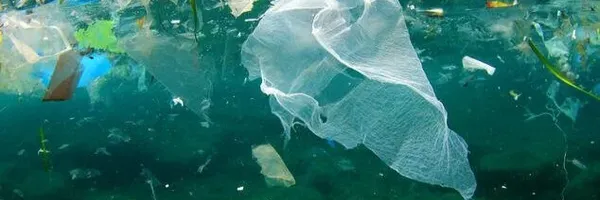
How can water pollution affect lives on earth?
Ashleen Dhindsa, Sirjan Kaur
Gobind Sarvar School Guru Nanak Gate Campus
Grade 5
Presentation
No video provided
Problem
there was no problem in this project. everything went to plan. there was a few mistakes for the filter because it did not filter properly for the first few times but after adding a few adjustments it started working.
Method
we used google, and a bit of AI for the research of this project. after that, we rewrote it again but in our very own words. and then we put it on our google slides.
Research
1. Water pollution occurs when harmful substances\, often chemicals or microorganisms contaminate a stream\, river\, lake\, ocean\,pond or any other body of water\, lowering water quality and making it unsafe which can affect a human or animals health and it can also affect the environment in various ways.
2. Water gets polluted when harmful things mix into water. These can come from people\, like sewage\, factory waste\, farm chemicals\, oil spills\, and litter\, or from nature\, like volcanoes\, animal waste\, and floods. These pollutants can get into rivers\, lakes\, oceans\, and groundwater through pipes\, rainwater runoff\, soaking into the ground\, or falling from the air. Polluted water can hurt plants and animals and make the water unsafe to use.
3.Digestion: trash can be eaten by animals when they think it is food or when it gets mixed in with what they are eating. This can cause many problems, from stomach pain to serious blockages that can harm or even kill the animal. Entanglement: Animals can get trapped in trash and may not be able to escape. This can cause pain, injuries, and can make it hard for them to swim, eat, or survive in the ocean. Habitat Damage: Marine debris can also harm the places where animals live. Big or heavy trash can cover or break delicate habitats like coral reefs and seagrass beds. Endangered Animals: Some animals affected by marine debris include albatrosses, sea turtles, whales, dolphins, seals, sea lions, zooplankton, crabs, and mollusks. Non-Native Species: Marine trash can act like a raft, carrying plants and animals to new oceans or coastlines where they do not belong. These non-native species can harm local animals and upset the balance of ocean ecosystems. Water gets polluted when harmful things mix into water.
3. These can come from people\, like sewage\, factory waste\, farm chemicals\, oil spills\, and litter\, or from nature\, like volcanoes\, animal waste\, and floods. These pollutants can get into rivers\, lakes\, oceans\, and groundwater through pipes\, rainwater runoff\, soaking into the ground\, or falling from the air. Polluted water can hurt plants and animals and make the water unsafe to use.
4. Water pollution can seriously harm humans by spreading diseases like cholera\, typhoid\, and hepatitis through dirty water. Chemicals and heavy metals in polluted water can cause long-term health problems such as cancer\, damage to organs like the liver\, kidneys\, and brain\, and problems with growth. Polluted water can also release harmful gases into the air\, which can affect our breathing\, and it may cause skin rashes or infections. Children and other vulnerable people are at greater risk. Water pollution can also harm humans indirectly by contaminating food like fish and crops and by damaging ecosystems we depend on.
5. Water pollution hurts oceans and seas in many ways. trash \, plastic\, and harmful chemicals get into the water and can kill fish and other sea animals. Coral reefs and other ocean homes can be damaged\, and some areas of water can lose oxygen\, making it hard for animals to survive. Sea animals may also get stuck in plastic or eat it by mistake. This is bad for ocean life and will affect people if they eat polluted sea food.
6. Oil spills cause serious water pollution. The oil spreads on top of the water and covers everything. It blocks sunlight\, which hurts plants that need to grow. The oil also lowers oxygen in the water\, making it hard for fish and other animals to breathe. Toxic chemicals in oil poison sea animals and make drinking water unsafe. People can also get sick by eating contaminated seafood. The damage can last for many years and can harm oceans from the surface all the way to the seabed.
7. Water pollution is very harmful to land animals. When water is dirty\, animals get can sick from drinking it. Poisonous chemicals also move through the food chain when animals eat plants or other animals that are polluted. This can affect how animals grow. Water pollution can destroy animals homes and make animals weaker so they get sick more easily. Animals at the top of the food chain are harmed most because they take in more pollution. That is why it harms land animals to.
8. 1. There are 1.8 trillion pieces of trash in the pacific ocean alone! 2. 80% of waste or trash come from land based activities. 3. Every day\, 2 million tons of sewage and industrial and agricultural waste are discharged into the world’s water. 4. At least 320 million people in china do not have access to clean drinking water. 5. There are currently five garbage patches floating in the ocean! (Patches are bigger than houses!)
9. 1. Do not litter and always throw trash in the proper bins. 2. Use reusable items instead of single-use plastics. 3. Never pour oil\, paint\, or chemicals down drains or sinks. 4. Save water by turning off taps when not in use. 5. Use eco-friendly cleaning products when possible. 6. Join beach\, river\, or park clean-up activities. 7. Teach friends and family about the importance of keeping water clean.
Data
The information we collected to back up our hypothesis were all of our research slides. And also real life and a few images of water pollution. a few of the research slides were : how does water pollution occur, and many more.
Conclusion
We chose this topic because we wanted to make people care about our environment. Humans, animals, and the environment are affected by water pollution, and we wanted to tell people what water pollution is and how we can make a change. We hope this project can make even the smallest change in the world. And that's the end of our project! Thank you for listening. Any questions?
Citations
2. https://www.nrdc.org/stories/water-pollution-everything-you-need-know
3. https://www.youtube.com/watch?v=ISWXUu99Oss&list=PL92qRR5E27jucbimoUsjeyq1pZxlL0kfa
Acknowledgement
We would like to thank the following people for helping and encouraging us throughout the science fair. Without them, this project wouldn't be a reality these people. Ashleen’s mom. Sirjan’s mom. Sirjan’s sister. Ashleen’s dad. Sirjan’s dad. Ms. grewal.