
Treatment for Lung Cancer
Navkirat Kaur, Saffron Lee
H. D. Cartwright School
Grade 7
Presentation
No video provided
Problem
Lots of people have found out they have lung cancer at stage 3 and 4. We are doing research on treatments for lung cancer for people who don't know much about this topic, so they can choose the appropriate one for themselves.
Method
We provide clear, easy-to-understand information about advanced lung cancer treatments. We help patients move from confusion to confidence so they can choose the care they deserve.
Research
Lung cancer
Cancer and lung cancer ( if you want more info. go to our log book)
Difference between lung cancer and other types of cancer
What specifically differentiates lung cancer from other types of cancer (for ex breast cancer). Differences are mostly because of the specific cancer type and where it appears. It is also very hard to spot lung cancer cells especially in their earlier stages. Lung cancer grows aggressively (especially Small Cell Lung Cancer), and has different types (NSCLC and SCLC) affecting treatment. It is also called lung cancer since its found in lung cancer cells instead of eventually spreading to the lungs. Lung cancer leads to most deaths in all cancer worldwide
What is the lung?
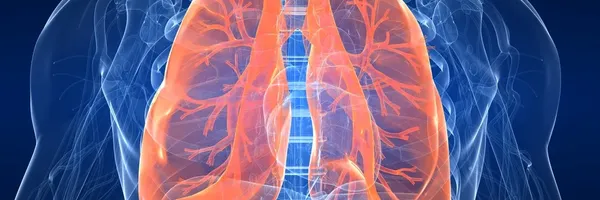
Lungs are a part of our body or organs that help us breathe and out when we breathe in the air it goes down through our “windpipe” it “divides into tubes called bronchi" that go into our lungs “and divide into smaller bronchi. These divide to form smaller branches called bronchioles. At the end of the bronchioles are tiny air sacs known as alveoli.” “Alveoli” is a part of our lungs that “absorbs oxygen in our blood” and we exhale the rest of the carbon oxide out
What is lung cancer?
There is lots of types of cancer but there are some things in common. Cancer happens when there is uncontrolled cell neoplasia (abnormal growth of tissue). Your genes give orders for the cells, normal cells follow these instructions, but cancer cells ignore them and sadly the genes wont notice it. Cancer is the most common cause of death in Canada, but less population die in cancer than 20 years ago. Discovering cancer earlier and more morden treatments is curing cancer and giving people with cancer have a longer live. Lung cancer happens when there is uncontrolled cell neoplasia in your lungs. Neoplasia is a uncontrolled growth of cancerous cells that creates a tumor or neoplasm. Unfortunately, sometimes the cells keeps making more copies of themselves when they shouldn’t. When damaged cells divide uncontrollably, it create masses, or tumors, which are tissue that stops your organs from working properly.
Risk of having lung cancer
People with the greatest risk of lung cancer are people who smoke or have smoke.The risk depends with the amount of cigarettes or the amount of time you have smoked. If you have smoked in your earlier years what have quit smoking it will decrease the chance of Lung cancer. But it isn't for people who have smoked it can also happen to people who have never smoked in their life.
Types of lung cancer
The types of lung cancer are non-small cell lung cancer(80 to 85 percent of lung cancer is NSCNC) and small cell lung cancer( SCLC usually happens to people who smoke a lot over a long period of time). The sub types of non-small cell lung cancer include adenocarcinoma, squamous cell carcinoma, and large cell carcinoma. Adenosquamous carcinoma and sarcomatoid carcinoma ( less common ). Small cell lung cancer (SCLC) grows quicker and is harder to treat. The sub types are small cell carcinoma (also called oat cell carcinoma) and combined small cell carcinoma.
The stages of lung cancer
Stage 0 (in-situ): Cancer is in the surface of the lung and have not yet spread to the rest or\and outside the lungs. Stage #1: Had not spread to the outside of the lungs. Stage #2:Spread to lymph nodes in the lung or multiple tumors may exist in the same lobe of the lung. Stage #3: Spread to nearby lymph nodes, structures or have more than one tumor in a different lobe of the same lung. Stage #4: The lung cancer spreads to the other lung and\or the fluid around lung, heart and\or distant organs. Other stages of lung cancer you might have heard of are the limited and the extensive stage. Limited stage SCLC is in one lung and sometimes cancer cells can spread to the lymph nodes in the center of the chest or above the collarbone on the same side.Extensive stage SCLC spread all through one or both lungs, on the opposite side of the lung Lymph nodes lung, or lymph nodes in other parts of the body.
Symptoms and signs of lung cancer (In or close to the lungs)
- A cough that doesn’t heal or worsened.
- Hard to breathe short breath( dyspnea).
- Chest pain or discomfort.
- wheezing.
- Coughing up blood (hemoptysis).
- Hoarseness.
- Loss of appetite.
- Unexplained weight loss.
- Unexplained fatigue (tiredness).
- Shoulder pain.
- Face, neck, arms or upper chest swells ( Superior vena cava syndrome(SVCS)).
- One eye has a very small pupil the eyelid droops , and there are almost no sweating on that side of the face. (Horner’s syndrome)
Diagnosis of lung cancer
A doctor has to diagnose you of lung cancer because you are experiencing symptoms that you worry about. They might start with x-ray unless you smoke or used to smoke, then they might do an Imaging test to look for signs even before you start experiencing or developing any symptoms. People also might take lung cancer using screening low-dose CT scans if they are 50 or 50+ and have smoked a lot in your earlier years or if you have generally just smoked a lot. One may also go through the tests if your family doctor or a professional of this field might think that you have lung cancer.
Testes
The tests include: Imaging test : which is practically like x-ray or other body scans this is usually done to determine the size or spot of tumor Sputum cytology: It is a mucus is coughed up from lungs.And It can be looked at under a microscope because It might have microcells of lung cancer. Biopsy: This process is used to collect something called a tissue for this they would send a tube with a camera in your mouth to your lung.Important medical tools can be passed through the catheter and sample collection of tissue. There are also other ways to perform a “biopsy”. Which is a process called Mediastinoscopy . In which, an incision is made at the base of your neck. Needed med tools are used at the back of your sampling of the sternum and extraction of lymph node tissue samples . They might also use a needle biopsy. Your doctor might also use a CT image in order to figure out where the needle is in your skin on your chest. Then it goes into your lung tissue and collects the sample. It can also be taken from places that had been spread to or contained cancer cells which would then later be taken to a lad to figure out the treatment of this disease. If it turns out that you have lung cancer, they would then do a series of X-rays and Imaging tests might look for signs of cancer in your lymph nodes or in other parts of your body. Your healthcare team uses the cancer staging test results to help create your treatment plan.
Different treatments for lung cancer
Includes pro and cons of each and the process of the treatment or how it works. There are many ways to cure lung cancer, not only one but first they would see what type of lung cancer you have, then conduct some scans or tests to discover the stage or how far the cancer has spread. They would probably check if you have any change in your genes ( gene mutation) then decide which treatment would suit you best. A person with non-small cell lung cancer can be treated with the help of surgery, chemotherapy, radiation or targeted therapy, or they might combine these treatments. A person with small cell lung cancer can be mostly treated with radiation therapy and chemotherapy.
- Surgery happens when surgeons operate on your body in order to carefully cut out the spread cancer parts of your body
- Chemotherapy: Is a special set of medicines that you might take in a form of pills or just getting it injected into your vanes or both this is done to destroy or weaken or shrink the cancer.
- Radiation therapy: Use of high-energy rays (similar to x-rays) to destroy the cancer.
- Targeted therapy: Drugs would be taken in the form of pills or infected in your vanes in order to stop the cancer from growing farther. But before this treatment is used they would test your body to make sure that this is the right treatment for you
Chemotherapy
Chemotherapy kills cancer cells that are uncontrollably growing or that are in process dividing into 2 new cells, but it also It damages the genes that are inside the nucleus. But it can also work in a different way depending on the type of drug used in the process.
- destroy the part of the cell control center responsible for cell division.
- interfering with the chemical processes during cell division.
- damage to cells occurs during the replication of all genes before cell division.
- damage to cells at the site of cell division.
(Cancer cells) they divide much more often and faster than most of the normal cells. Which means chemotherapy is very likely to kill them. Chemotherapy is usually has less chances to likely damage most of the normal cells You might be different combinations of chemotherapy drugs. Because some specific drugs would damage or kill cells at different stages of cell division. Which means there's more chance of killing more cells.
The pros of chemotherapy (similar to targeted and radiation therapy)
The usual benefit of chemotherapy are its potential to destroy the lung cancer cells. It is used to fight against cancer and is still one of the most potential tools we have to fight cancer. The benefit of chemotherapy for each patient is different because it depends on the type of cancer and what stage you are on and how far its spread and what do patients hope to gain from treatment also depends on what type of drug is used in the treatment. For instence, the power of the drug depends on how far the tumor has spread. Some people are on a stage that can be cured and have a type of cancer that we can call “curative potential” which typically means that it can be cured with chemotherapy without no or barely any side effects. Chemotherapy has a high possibility of getting rid of your cancer, but there are some possible side effects.
The cons of chemotherapy
Short term Chemotherapy is used to kill cancer cells, but it also has its negatives cause it might also kill or damage healthy cells during the process. For instance, chemotherapy might slow or decrease the production of red blood cells and white blood cells in the bone marrow,which can cause short or long term anemia, fatigue and a weaker immune system.Some specific drugs may also damage or kill some of cells that help hair grow which might cause short-term hair loss. Damage to the cells located inside the digestive system might cause vomiting, diarrhea or constipation. The side effects may also depend on you health, type of drug or if it is used with another treatment cause everyone does not experience the same side effects. Long term You don't usually get long term side effect, but that can depend on your past health: Peripheral neuropathy: Patient may feel tingling or numbness in your fingers or toes. This often stops or gets better ,but could maybe happen to not fully resolve. Heart problems: Cardiac problems can be a high risk depending on the type of drug used. If patient is receiving those kind of drugs, patient should be monitored regularly with electrocardiograms (EKG or ECG) and echocardiograms (echo). Lung problems: Patients who also received radiation, are or is smoking and have had lung disease have a higher chance of lung damage. Patient could be monitored by pulmonary function studies, but only if patient’s physician think so. Patients must sign an informed consent form before receiving treatment, which lists all potential side effects. Many of these side effects, while very rare, are still concerning. Your doctor can tell you which side effects you are more likely to experience.
Surgery
Surgery for lung cancer may include the removal a small or a large part of your lung it might even be an entire lung depending on how far the cancer has spread. If surgery is one of your options and the cancer is spread too much you will probably go through Chemotherapy or radiation therapy in order to shrink the lung tumor it also can be used after the surgery had happened if they found that there's still a risk of cancer cells being left behind or if you still have chances of having lung cancer or any cancer in genral.
The procees of lung cancer surgery
When your surgeon in doing your surgery they will cut the part of lung that is infected and a little bit around it to make sure the cancer is completely taken out …
- Wedge resection to remove a small section of lung that contains the cancer along with a margin of healthy tissue.
- Segmental resection to remove a larger portion of lung, but not an entire lobe.
- Lobectomy to remove the entire lobe of one lung.
- Pneumonectomy to remove an entire lung.
… your surgeon may also remove lymph nodes from your lungs/chest to check for cancer.
The pros of lung cancer surgery
The main benefits of having lung cancer surgery is that it is the best chances at curing lung cancer surgery because it doesn’t just tries to damage cancer cells but rather take out the part of the lung th is infected by a surgical process giving a long term chance to survive if yu have lung cancer. But it is still best if you are on a earlier stage because it is still just a small part that is infected . Key benefits It is the best and most efficient way to almost completely cure cancer in its early stages Removing the entire tumor: To physically remove the cancerous tumor, the mardin (surrounding lung tissue) margin, and nearby lymph nodes for examination.
The cons for lung cancer surgery
- Infection
- Pain
- Bleeding
- An air leak in a lung
- Damage to a lung, blood vessel, nerve or the heart
Radiation therapy
The process of radiation therapy
Radiation therapy can be given inside or outside of your body. The most common kind is external beam radiation therapy. This treatment uses a large machine called a linear accelerator. High-energy beams are aimed from the machine to a precise point on your body. Radiation treatment that goes inside the body is called brachytherapy (brak-e-THER-uh-pee). Brachytherapy also is a common cancer treatment. During this therapy, a provider places a small solid implant in or near the cancer. Radiation therapy damages cells by destroying their genetic material. Genetic material controls how cells grow and divide. Healthy cells may be damaged along with cancer cells during radiation therapy. But healthy cells can repair themselves more easily than cancer cells.
The pros of radiation therapy ( similar to targeted and chemotherapy)
Some pros of having radiation to treat lung cancer cancer include:
- It is extremely effective for small or early stage cancer enough to kill almost all of it without the help of any other treatment
- It can also destroy the cancer cell that surgery might not be able to detect
- It is also capable to shrink the tumor for surgery to easily destroy it
- It also doesn't put the patients health risk
- This treatment also doesn’t cause you any pain
- Decrease amount of cancer symptoms.
- Hen it combined with chemotherapy it is even more effective then any of them was done alno would have
The cons of radiation therapy
Since radiation also has chances of infecting healthy cells because of this reason its natural for patients to get different side effects. Not a lot of patients experience side effects what its seen as natural since not everyone experiences the same radiation and dont have the same health it and also because of the fact that not everyone are on the same stage of cancer.
- You might experience fatigue and tiredness because the amount of energy your body needs to use in order to create the cells that were killed during radiation therapy
- Faint Changes in the skin over the treatment area, including soreness, redness, or peeling.
- You might experience different side effects cause the area of the cancer is different for different people
- nausea
- vomiting
- diarrhea
- dry mouth
- sore throat
- cough
- breathing difficulties
- swallowing problems,
- hair loss
- The development of a second cancer is rare, but the risk is higher for older people or those with specific types of cancer.
- An air leak happens when air comes together in any other space than the alveoli. Air gets out of the lung and gather around the lung, this usually makes the lung collapse.
Targeted therapy
The process of targeted therapy
Oncologists dose three main steps in performing targeted therapy.
- Finding the Glitch: Doctors study the genetic mutation (the "glitch") that causes a healthy cell to turn into a cancer cell.
- Picking the Target: Your oncologist identifies a specific part of that cell to attack—either on its outer shell or deep inside.
- Engineering the Fix: Using that data, scientists create a "smart" drug designed to hit only those specific areas.
- Stopping the Growth: This drug works by either killing the cancer cells directly or "muting" the genetic instructions that tell them to keep multiplying.
The pros of targeted therapy (similar to radiation and chemotherapy)
- Targeted therapy is a process (therapy) that attacks specific molecules to stop cancer from growing, while sparing healthy cells. Here are the common benefits:
- High Precision: Unlike standard chemo, these drugs "zero in" on cancer-specific molecules, significantly limiting damage to healthy tissue.
- Personalized Care: Doctors use biomarker testing to tailor the treatment to your tumor's unique genetic profile.
- Fewer Side Effects: Because the treatment is more selective, it often results in milder side effects and a better overall quality of life.
- Better Outcomes: These therapies can improve survival rates and even turn some advanced cancers into manageable, chronic conditions.
- Adaptable use: It can be used alone or combined with surgery, radiation, or chemotherapy to make treatment more effective.
The cons of targeted therapy
Potential side effects Targeted therapy side effects vary, here are some common ones include:
- Bleeding in your stomach or intestines, which may cause changes in your poop like bright red blood or black tarry poop
- Blood cots
- Dairrhia
- Dry skin or rash
- Elevated liver enzymes (high levels of substances like ALT, AST, ALP, and GGT in the blood)
- Heart conditions, like arrhythmia and cardiotoxicity
- High blood pressure (hypertension)
- Loss of hair colour
- Pulmonary fibrosis (lung disease)
- Wounds (cuts) that heal slowly
Data


Conclusion
There isn't really the better treatment for lung cancer overall, but we have provided information on the different treatments so you can see which one(s) benefits you the most.
Citations
-
https://www.cancercenter.com/community/blog/2021/03/benefits-and-risks-of-chemotherapy#:\~:text=consider%20other%20options.-,The%20risks%20of%20chemotherapy,whether%20you%20can%20tolerate%20treatment.
-
https://www.cancerresearchuk.org/about-cancer/treatment/chemotherapy/how-chemotherapy-works
-
https://my.clevelandclinic.org/health/treatments/22733-targeted-therapy
Acknowledgement
We would like to acknowledge a few of our peers : Amelia and Brooklynn and our amazing teacher Ms Offord for their support. Amelia: for always being there for us reading and correcting a few of our mistakes giving us a few sites where we can find our information. Brooklyn: for guiding us and information for CYSF. Ms Offord for the introduction of few different suggestions on our topic which helped us get to our final topic