
Effects of different nutrients on plant growth
Jasman Johal
Khalsa School Calgary Educational Foundation
Grade 5
Presentation
Hypothesis
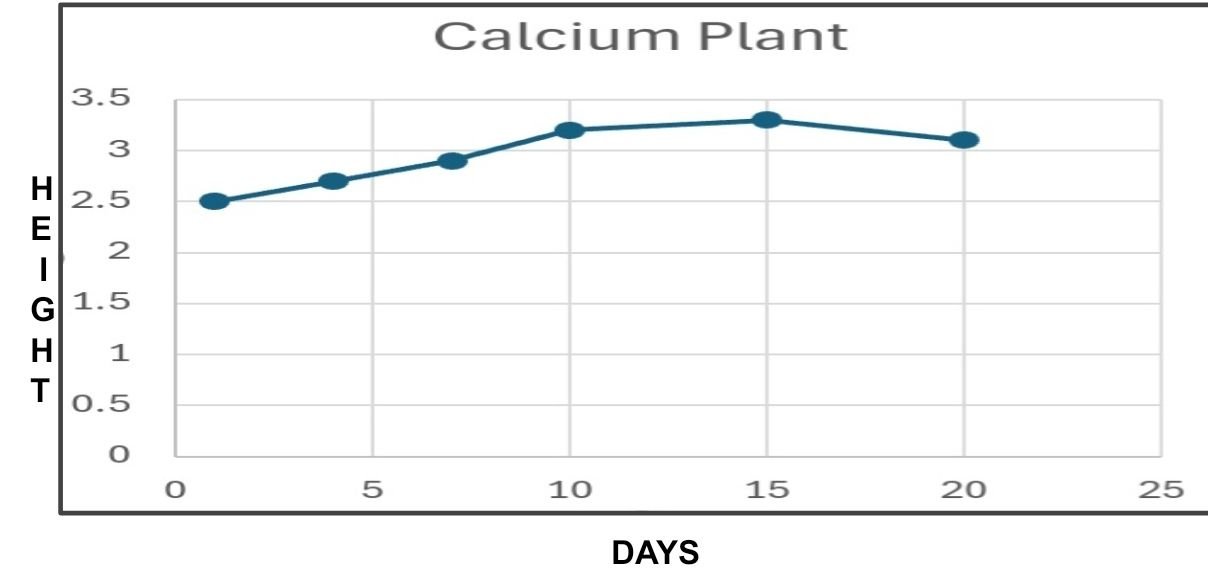
My hypothesis is that Calcium will be most effective for plant growth. I thought that as Calcium helps in human bone development, so it could help plant growth as well.
Research
Growth and development of plants based on availability of essential nutrients such as soil, water, air, and sunlight.
These elements can be categorized into two different categories which are known as macro and micronutrients. The macronutrients are needed in a larger scale which include Nitrogen(N), Phosphorus(P), and Potassium(K). These are crucial for biological processes such as photosynthesis, and protein synthesis. The lack of their supply can lead to deficiency symptoms which include chlorosis, necrosis, stunted growth etc.
There are seven core micronutrients such as Sodium(Na), Boron(B), Chlorine(Cl), Copper(Cu), Iron(Fe), Manganese(Mn), and Zinc(Zn). They play vital roles in plant growth and development.
Macronutrients are vital for plant growth. There are two major types of macronutrients. Primary macronutrients which include Nitrogen(N), Phosphorus(Ph), and Potassium(K). There are also secondary macronutrients which include Calcium(Ca), Magnesium(Mg), and so on.
They serve an important role in plant metabolism, defending against diverse stressers, enhancing growth and quality.
To sum up, plant growth is impossible without macronutrients.
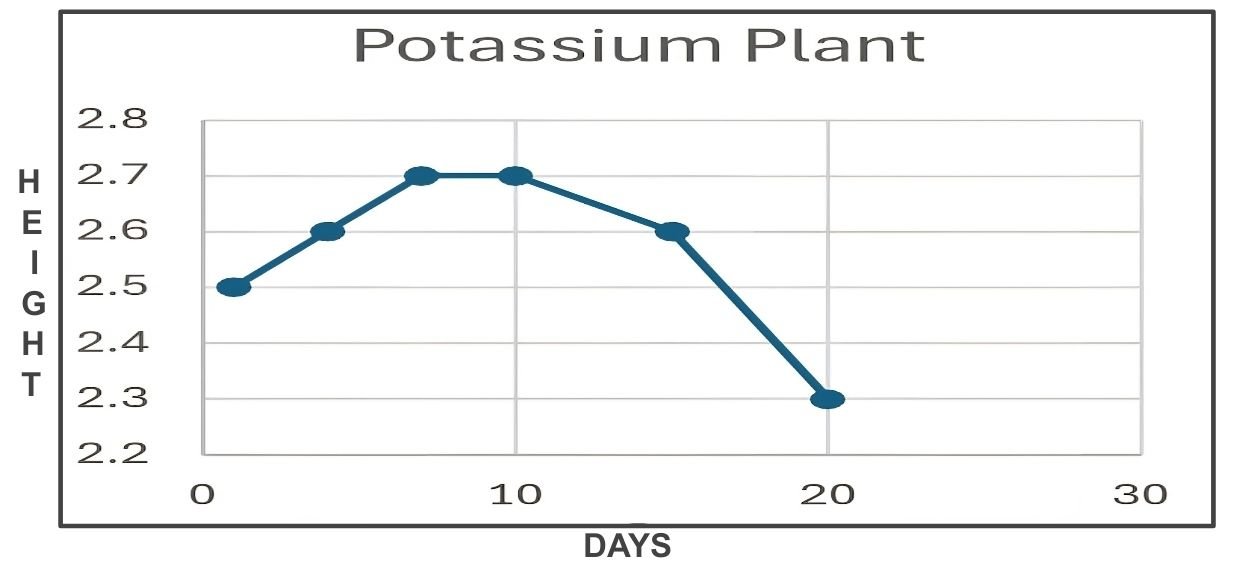
Potassium is associated with water, nutrients and carbohydrates in plant tissues. It's also involved with enzymes in plants. It regulates the rate of photosynthesis. It helps in regulating thee opening and closing of stomata that leads to increase in root growth. In conclusion, Potassium plays an important role in plant health.
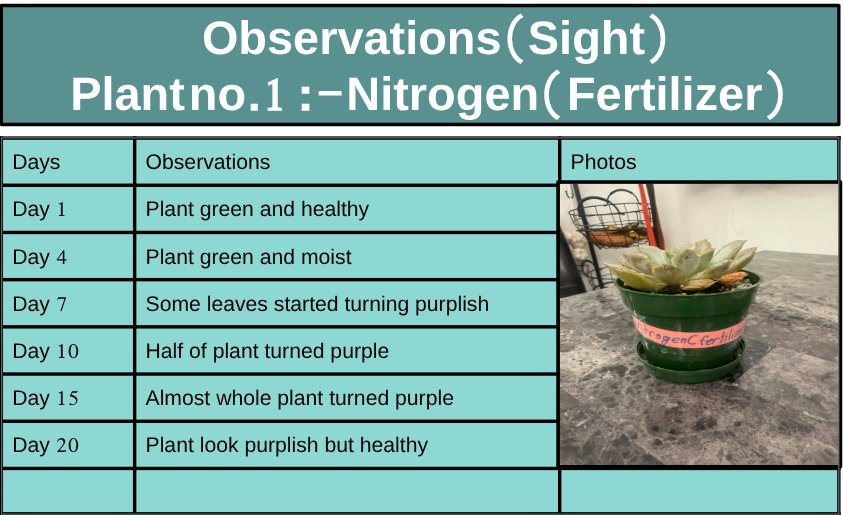
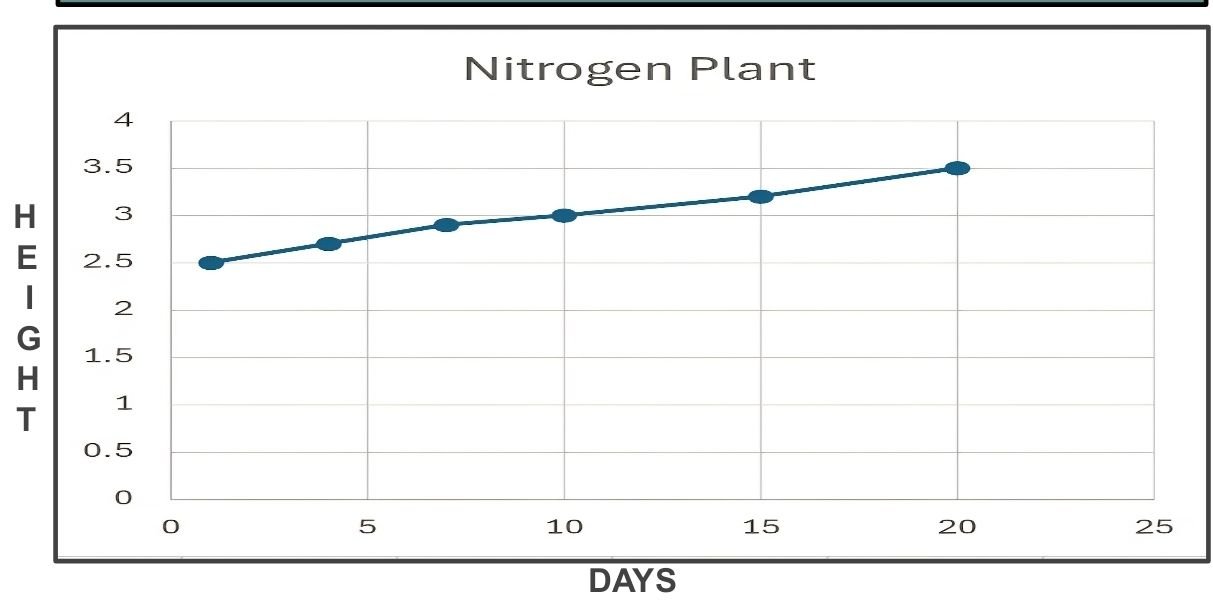
Nitrogen is an essential macronutrient for plant growth. It is one of the most important macronutrient for plant health. It provides green color of leaves. Lack of Nitrogen causes Chlorosis/yellowing of the plant's leaves. That could lead to the death of the plants.
Nutrient deficiency is the main cause of complete plant loss. Plant starvation for micro or macronutrients can be diagnosed visually. Lack of Nitrogen leads to pale green and a yellowish mature leaves.
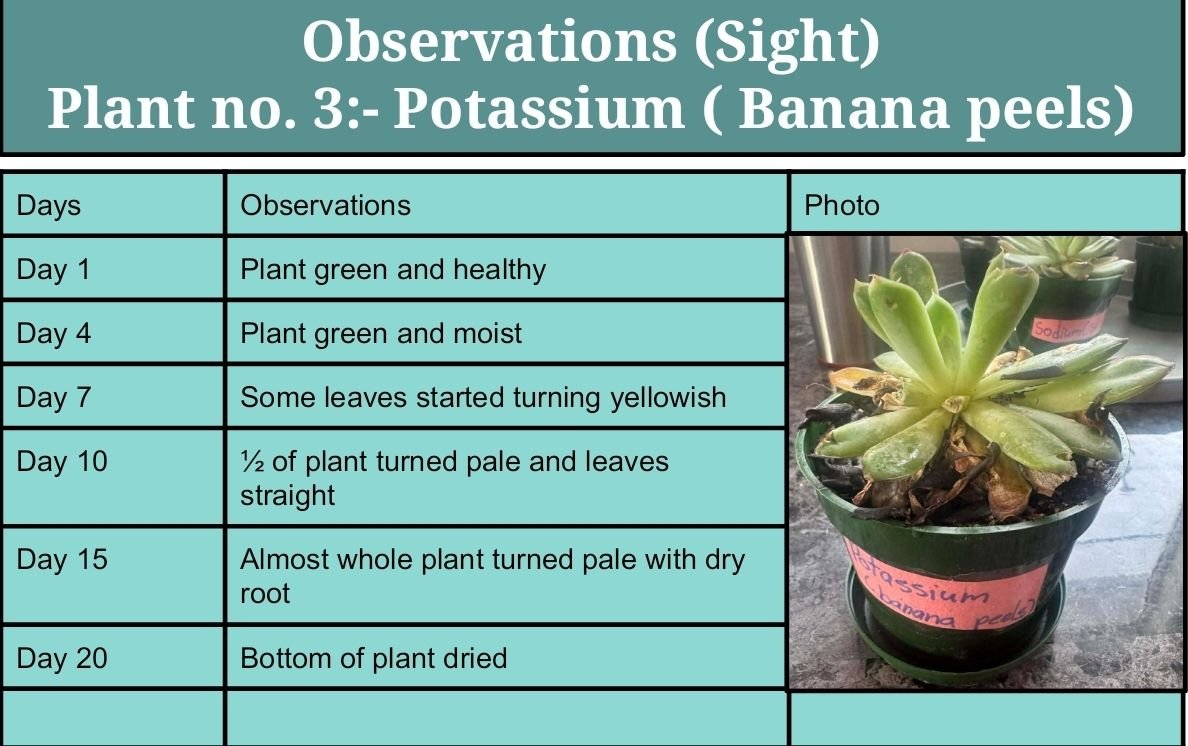
As Potassium helps in root development. The lack of Potassium can cause leaf yellowing, curling, necrosis etc.
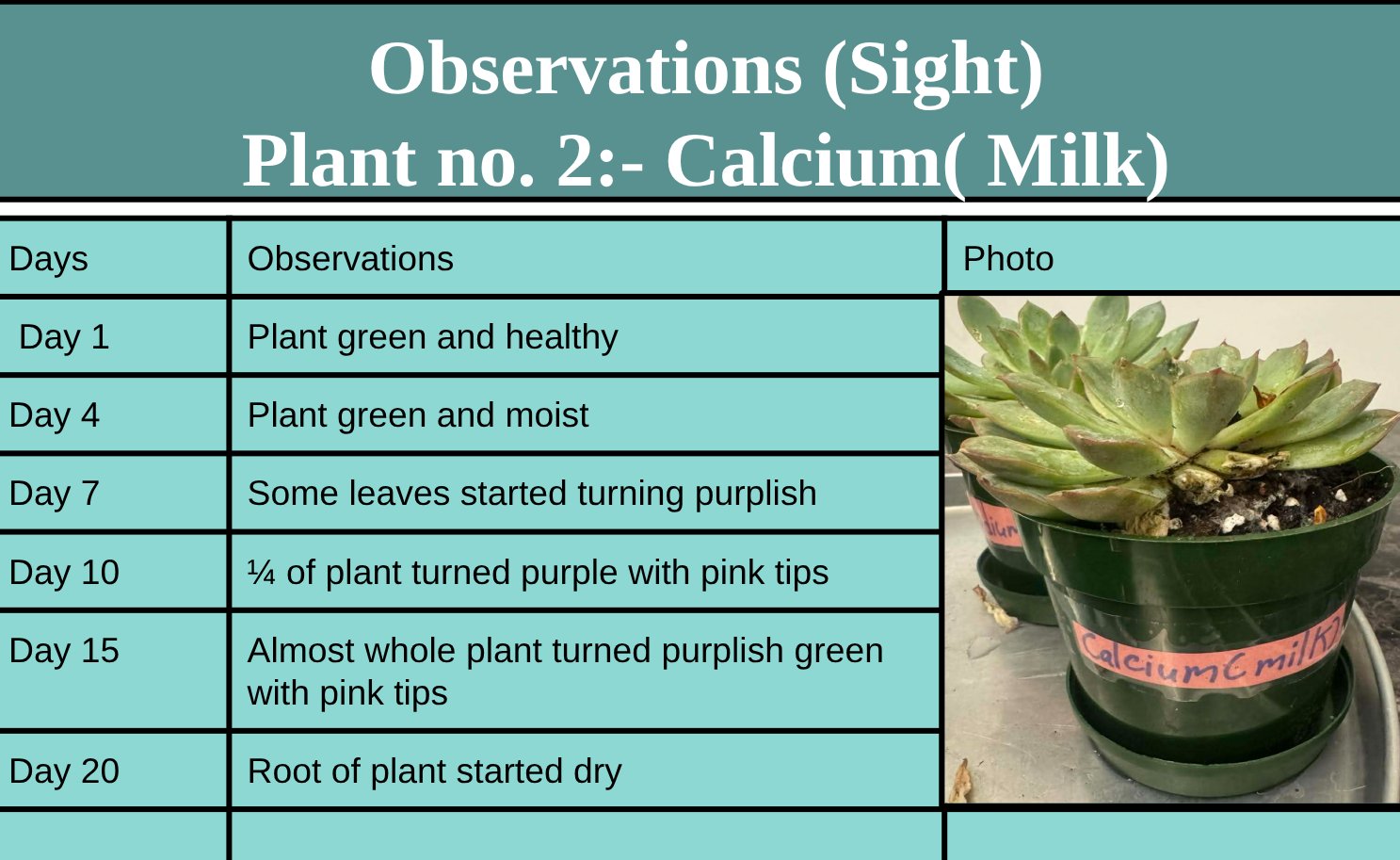
Calcium helps in formation of new cells. It's deficiency can cause malformation of newly grown plants, flower drops, smaller fruits, and so on.
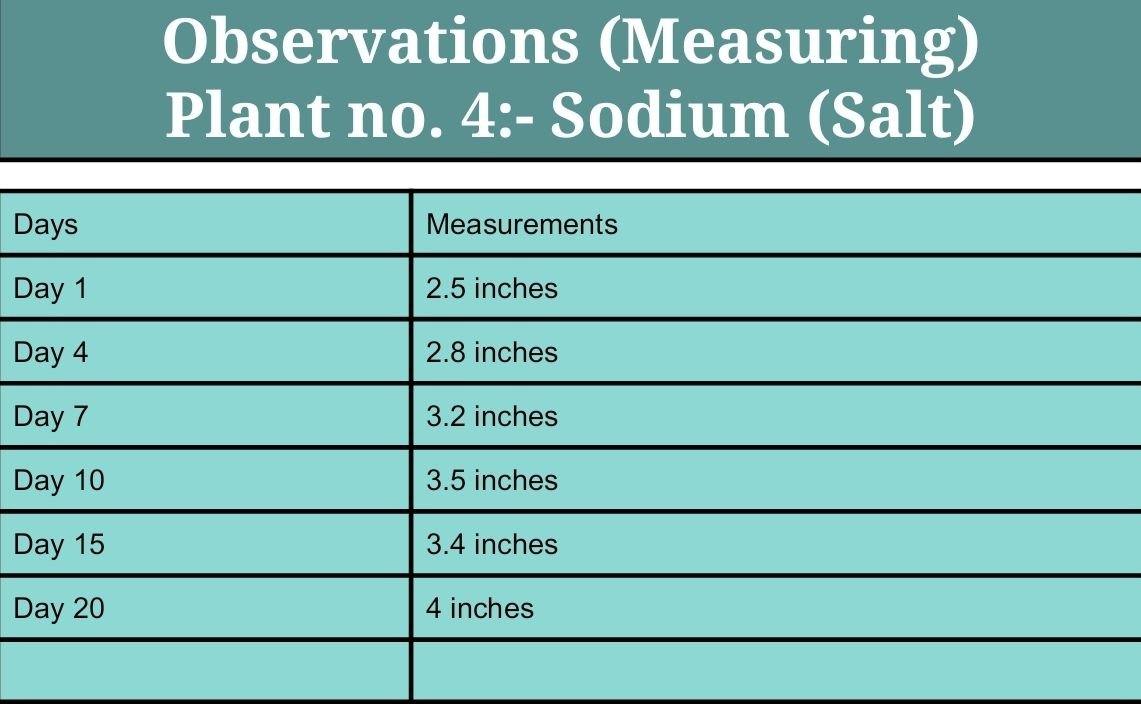
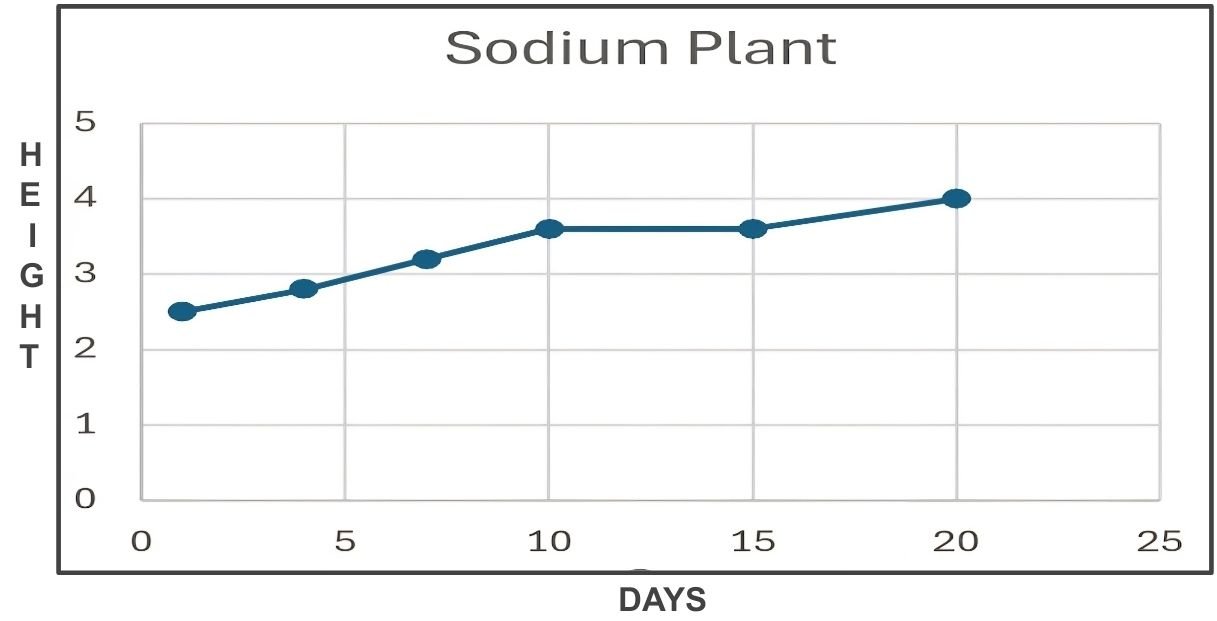
Sodium is not an essential element for plants. However, it can be used in a small amount as micronutrient that helps in metabolism and synthesis of chlorophyll. It also regulates internal water balance. In some plants, it is used as replacement of Potassium.
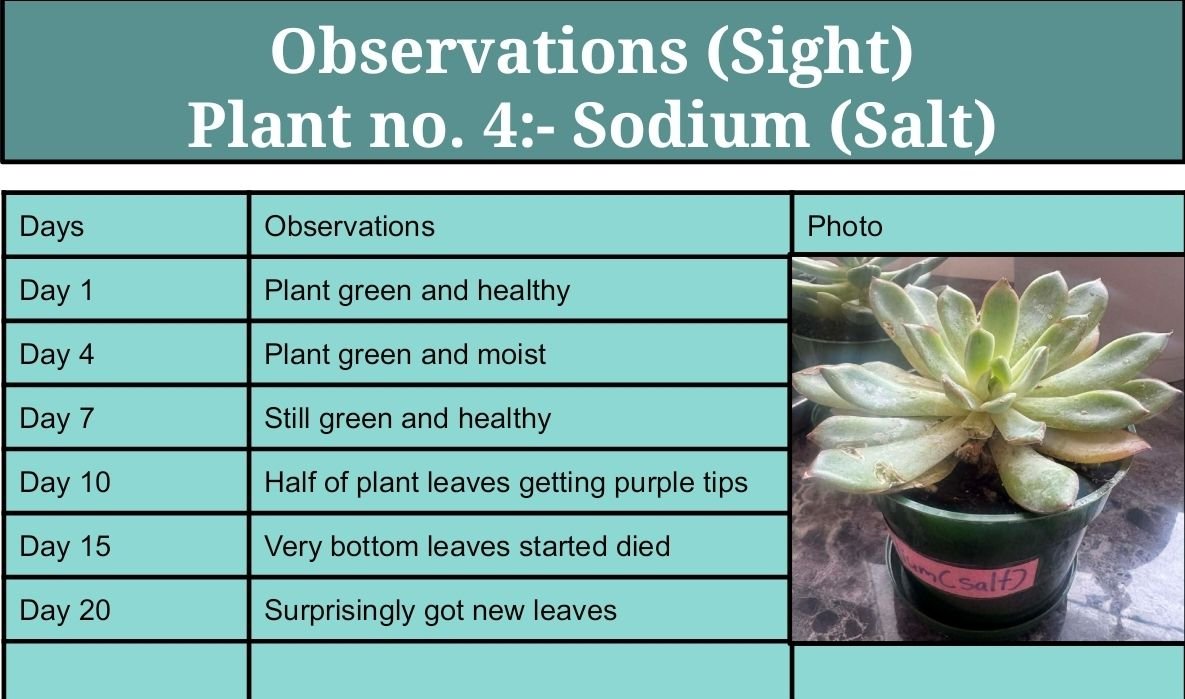
The excess of Sodium leads to Sodium toxicity. It can end the life of some plants such as lettuce.
Variables
Controlled Variables:-
1.The plant type and size 2. The amount of water 3. Same soil and source of light
Manipulated Variables:- The different macronutrient
1. Nitrogen (N) 2.Calcium (Ca) 3.Sodium (Na) 4.Potassium (K)
Responding Variables:-
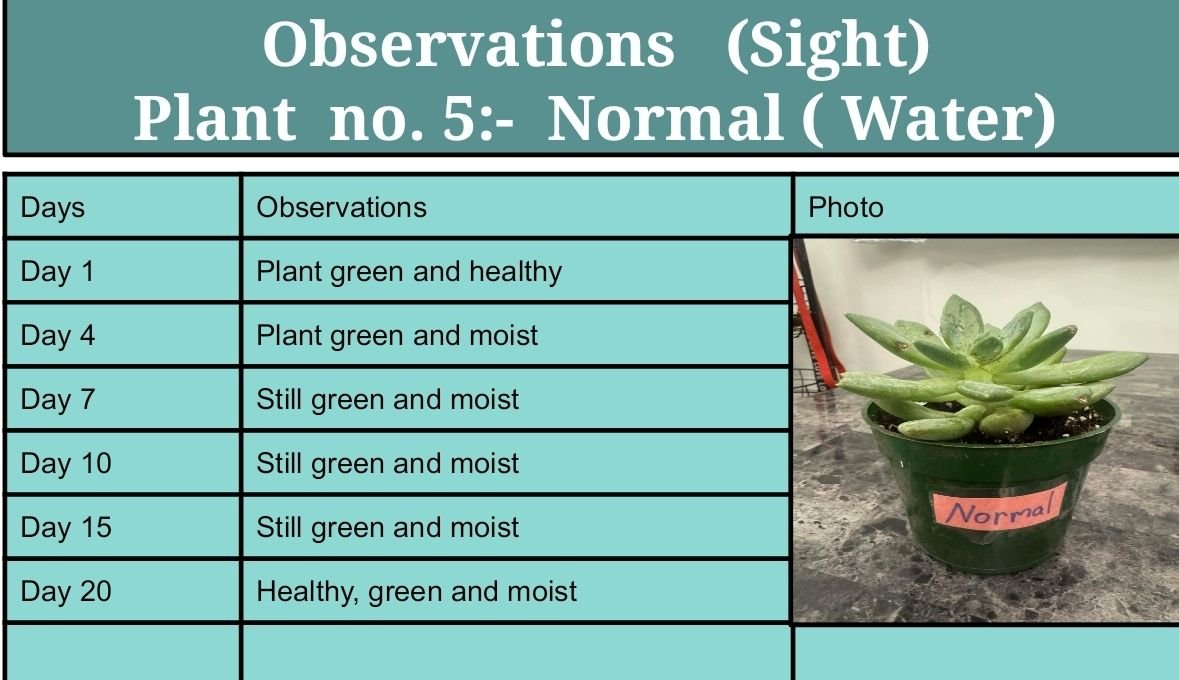
- The signs of Chlorosis, Necrosis, Stunted Growth
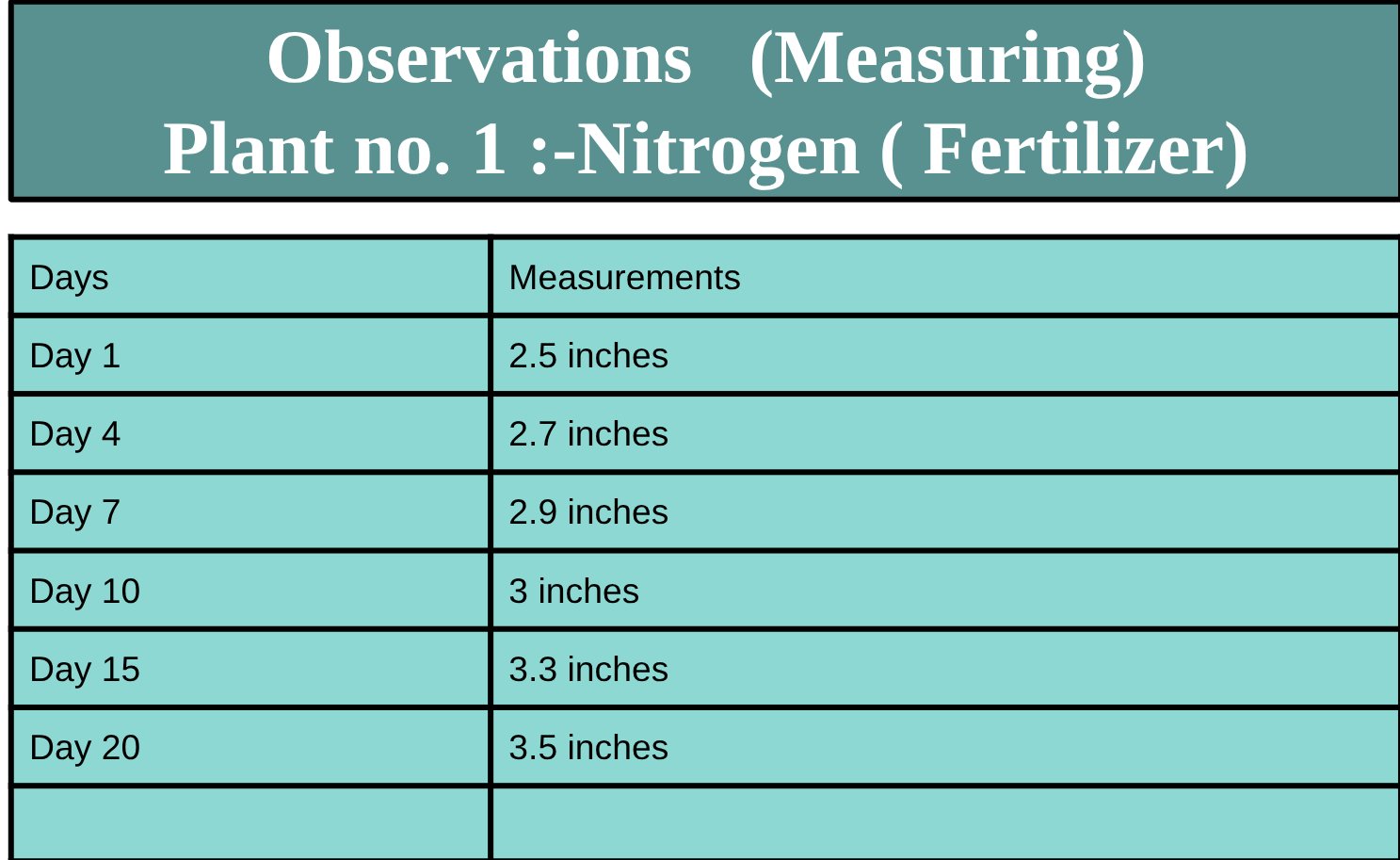
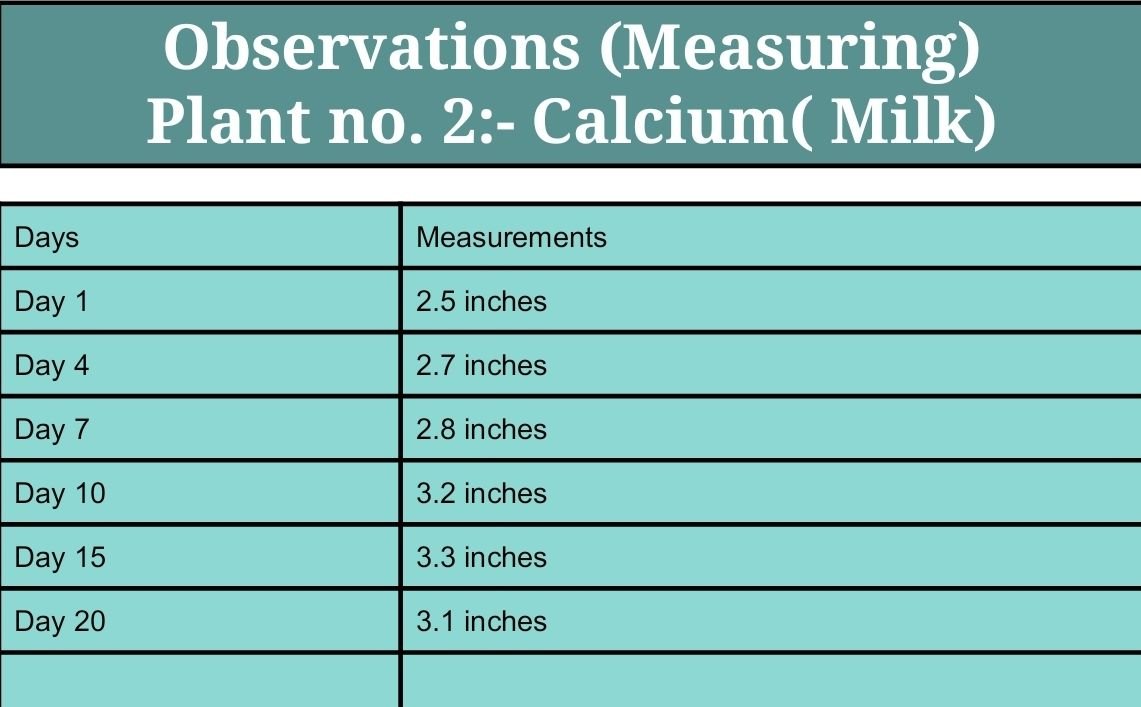
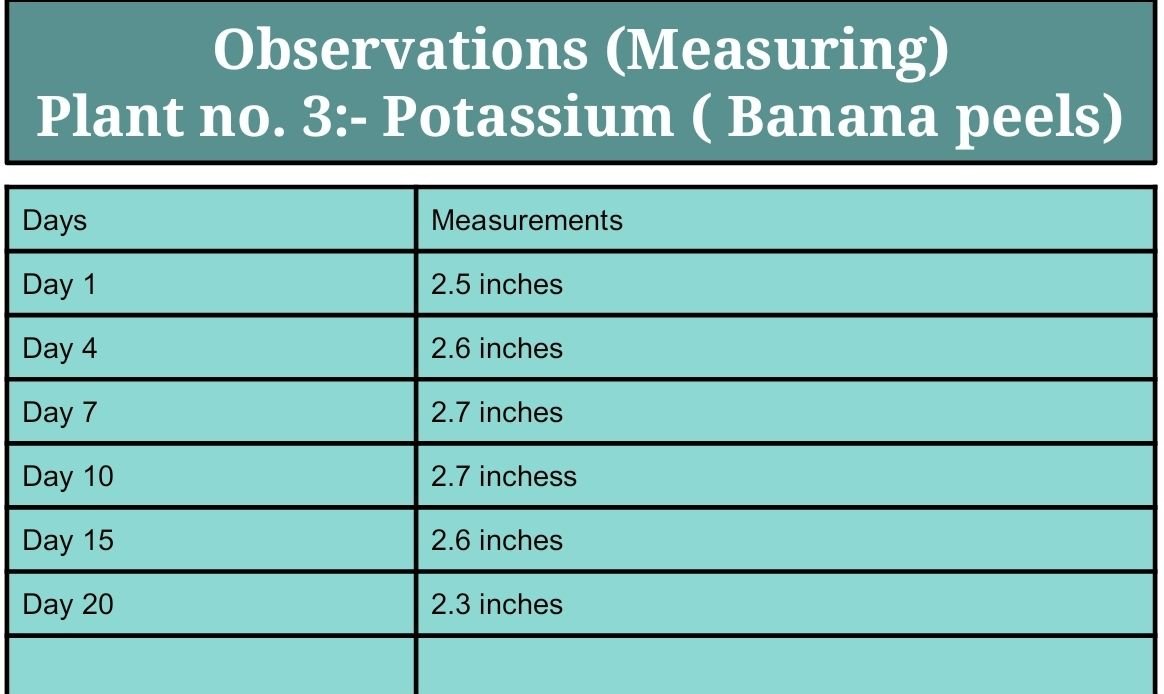
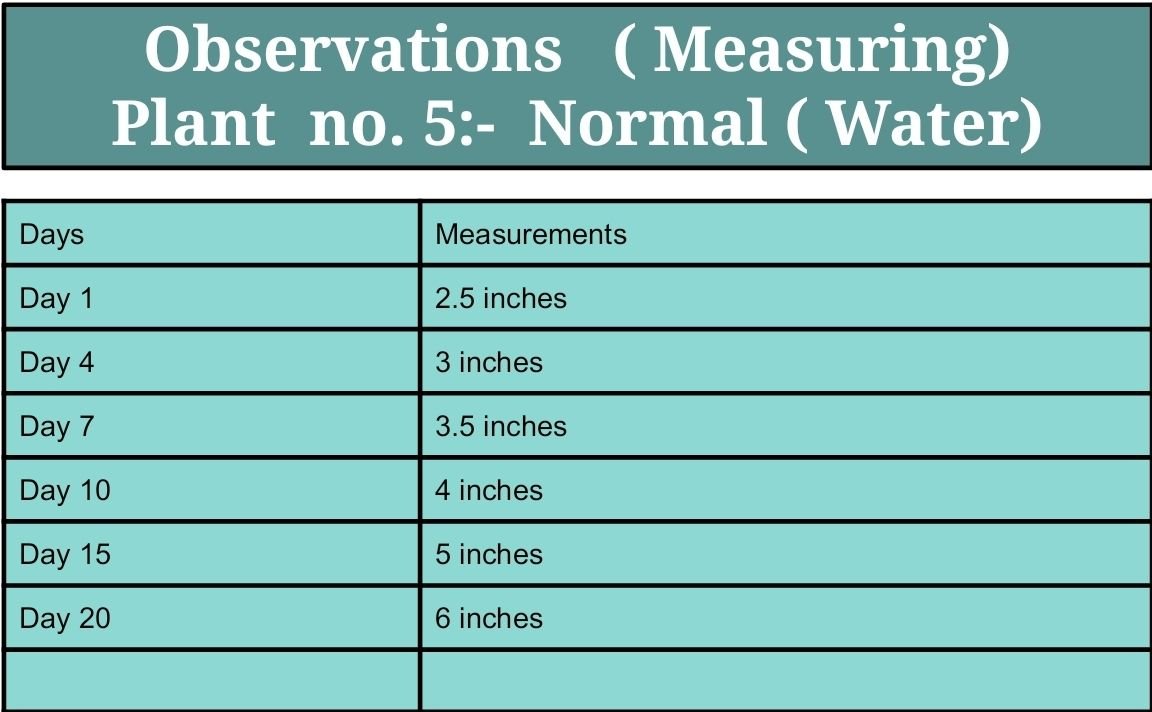
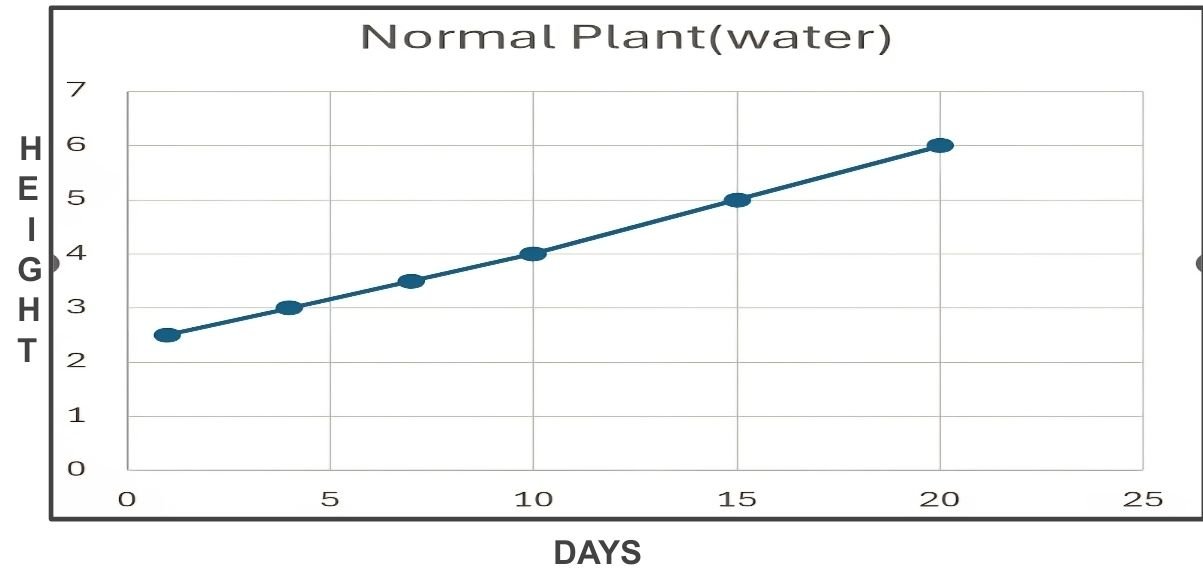
- The height of plants
Procedure
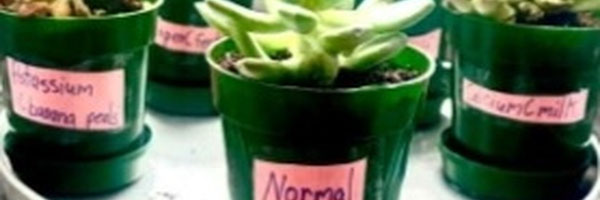
- You must have 5 of the same sized and kind of indoor tropical plants ( I used succulent plants).
- Repot the plants into same size of pots and same kind and amount of soil.
- You have to provide different nutrients to 4 of them, keep one without any specific nutrient just provide water.
- You need growth chart and camera to click photos for final assessment.
- You should keep them in controlled temperature above 22°C.
- Plants required water as needed.
- You have to feed nutrients on regular basis for effective results.
- Provide sunlight as much as possible.
- Take photos everyday at same time.
- You have to do observational assessment regularly to find out effects of nutrients. For example- check signs of Chlorosis, necrosis, stunted growth etc.
- In final stage, to find out results check properly recorded data.
Observations
Analysis
Conclusion
After conducting this experiment, I can conclude that Sodium is the best nutrient for indoor, tropical plant growth. My hypothesis was incorrect, because I thought that Calcium would help the plants the most. Instead, Sodium was actually the best one.
Application
The information I collected can be used in real life, since it can be used to enhance the quality of indoor plants and air quality indoors. It will help make growing indoor plants easier in places where they can't be grown outside. Moreover, it will help to improve air quality inside homes and will support in lowering down respiratory infections.
Sources Of Error
In this experiment, I had only used one type on plant, and only five of different nutrients. The effects could be much different with other plants and nutrients. Also, I had just put the nutrients in, but did not measure them in exact.
Citations
- http://www.researchgate.net
- http://www.extension.umn.edu
- http://www.Phoslab.com
- https://www.eos.com
- https://www.ipm.ucanr.edu
- http://www.healthline.com
- http://google.com
Acknowledgement
I would like to express my sincere gratitude to all these individuals for mentoring and supporting me in completing this project. My teachers, Mrs. Sethi and Mrs. Aulakh, for providing me with invaluable insights and direction. My esteemed principal, Mrs. Happy Gill, for fostering an environment of learning and creativity in your school. To my parents, their constant encouragement, patience, and understanding have been the pillars of my success.