
Lichen Planus: A New Approach to Treatment Using Modern Science and Technology
Johanna Amaldas
STEM Innovation Academy Jr. High N.W. Campus
Grade 8
Presentation
No video provided
Problem
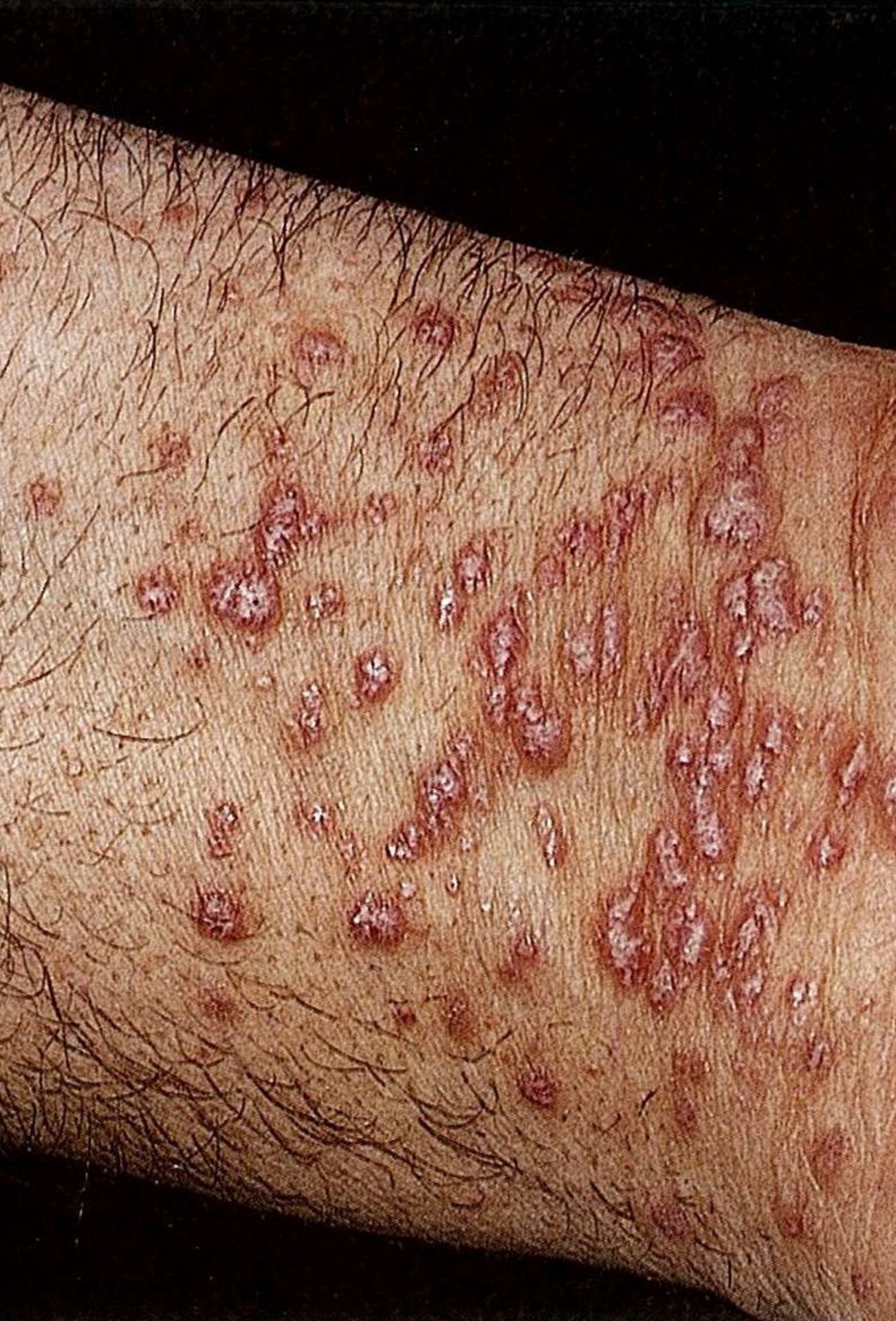 Lichen Planus is an autoimmune disease, meaning the immune system mistakenly attacks the body’s own healthy, epithelial cells. This abnormal immune response creates a reaction of inflammation and purple, itchy lesions in the skin, or mouth. These painful lesions can affect the patient’s quality of life. A specific type of white blood cells called a T cell (T lymphocyte) becomes overactive due to an autoimmune response where the immune system incorrectly identifies proteins within the skin and mucous membranes as non-native, leading to chronic inflammation. The T-cells release other proteins known as cytokines when a foreign pathogen is found, but in Lichen Planus, the cytokines accidentally attack the mucous membranes of the skin, leading to apoptosis or cell death. Current treatments, such as corticosteroids, reduce inflammation by broadly suppressing the immune system, but even if these treatments improve symptoms, long term immunosuppression may increase the risk of side effects, including infections. More targeted treatments should be researched for.
Method
This project was a research-based theoretical investigation. No human or animal testing was done. I made a review of medical articles and immunology research sites to understand how lichen planus develops at the cellular level. This was done so that I could gain a clearer understanding to make a targeted treatment. I focused specifically on the role of T cells, cytokines, and the JAK-STAT signaling pathway, and after looking into how inflammatory signaling helps to damage tissues, I designed a 3D printable model showing how cytokines activate the intracellular pathways that lead to gene activation and inflammatory signals from the nucleus. Finally, I compared traditional treatments that cause immune suppression to targeted pathway-based approaches to show the differences in safety and reliab
Research
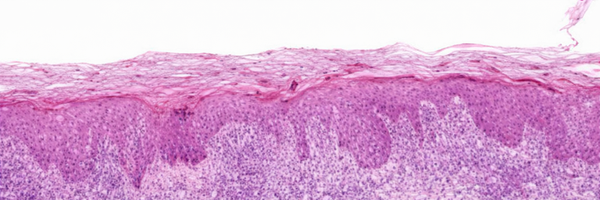
I looked at scientific journals and medical reports to understand the main cause of lichen planus. My research focused on how the immune system, particularly T lymphocytes (a type of white blood cell), contributes to the disease process. Scientific evidence shows that lichen planus is a T-cell–mediated autoimmune condition. CD8⁺ T cells accumulate at the junction between the epidermis and dermis (the skin boundary). These activated T cells release inflammatory signaling proteins called cytokines. Cytokines amplify the immune response and trigger apoptosis (programmed cell death) in epithelial cells, leading to tissue damage and lesions. Research also indicates that the JAK-STAT signaling pathway plays a role in transmitting inflammatory signals inside immune cells. This pathway contributes to sustained inflammation in lichen planus. I additionally examined current treatments, including corticosteroids, which reduce inflammation by broadly suppressing immune activity. Emerging research supports targeted therapies that regulate specific immune pathways rather than suppressing the entire immune system.
Data
The data collected from published research shows that overactive CD8+ T cells release inflammatory cytokines, and these cytokines activate intracellular pathways, including the JAK-STAT pathway. Proteins that already exist in the STAT pathway are called STAT proteins, and when the inflammatory cytokines bind them together to make STAT dimers. When the STAT dimers reach the nucleus, the activate inflammatory genes.
The signaling process increases inflammation and helps damage more tissue. Data from clinical sources show that corticosteroids can reduce inflammation, but restrain the immune system's activity. However, newer studies show that targeted inhibitors for pathways might give more immune control, but long-term safety data is still being evaluated.
Conclusion
In conclusion, my main concept is a two-sided treatment approach for Lichen Planus inflammatory conditions. If inflammation is the main cause because of cytokines such as IL-17, a monoclonal antibody would be used to specifically bind to and target IL-17. If intracellular signaling pathways are more dominant, a JAK-STAT inhibitor (oral or topical) would be used to block enzyme activity and prevent further STAT protein activation. This personalized approach helps reduce inflammatory lesions and provides treatment based on the patient’s specific immune response. Although the design is theoretical, it shows how understanding disease mechanisms can support the development of more effective treatments for autoimmune diseases.
Citations
Chainani-Wu, N., Silverman, S., Jr., Reingold, A., Bostrom, A., Lozada‐Nur, F., & Mayer, P. (2023). Oral lichen planus: Clinical presentation, epidemiology, and associated factors in a large case–control study. Oral Diseases, 29(S1), 143–154. https://doi.org/10.1016/j.medmal.2022.102006
de Carvalho, A. C. F., Setúbal Destro Rodrigues, M. F., Biasoli, É. R., Mazzuchelli-de-Souza, J., Wagner, V. P., & Squarize, C. H. (2020). Oral lichen planus: A chronic inflammatory model to study the regulation of the Toll-like receptor signaling in oral keratinocytes. Journal of Oral Biosciences, 62(3), 226–235. https://doi.org/10.1016/j.job.2020.05.003
Desai, M. (2022, February 28). Oral lichen planus prevalence estimates go global. The Hospitalist. https://blogs.the-hospitalist.org/content/oral-lichen-planus-prevalence-estimates-go-global
International Journal of Molecular Sciences. An Open Access Journal from MDPI. (n.d.). https://www.mdpi.com/journal/ijms
Lander, E. S. (2012). Initial impact of the sequencing of the human genome. Nature Biotechnology, 30(4), 290–292. https://doi.org/10.1038/nbt0612-475
Lodi, G., Franchini, R., Warnakulasuriya, S., Varoni, E. M., Sardella, A., Kerr, A. R., & Carrassi, A. (2021). Oral lichen planus and malignant transformation: A systematic review and meta-analysis. Cancers, 13(16), 4086. https://doi.org/10.3390/cancers13164086
Pathogenesis of oral lichen planus – YouTube. (n.d.). In YouTube. Retrieved February 19, 2026, from https://www.youtube.com/watch?v=9Ln11esYb48
Roopashree, M. R., Gondhalekar, R. V., Shashikanth, M. C., George, J., Thippeswamy, S. H., & Shukla, A. (2010). Pathogenesis of oral lichen planus—A review. Journal of Oral Pathology & Medicine, 39(10), 729–734. https://doi.org/10.1111/j.1600-0714.2010.00946.x
Understanding T cells: T cell types, the T cell receptor and T cell activation, differentiation and functions. Immunology & Microbiology from Technology Networks. (n.d.). https://www.technologynetworks.com/immunology/articles/understanding-t-cells-t-cell-typeS-the-t-cell-receptor-and-t-cell-activation-differentiation-and-394795
Vičić, M., Hlača, N., Kaštelan, M., Brajac, I., Sotošek, V., & Prpić Massari, L. (2023, February 3). Comprehensive insight into Lichen Planus immunopathogenesis. MDPI. https://www.mdpi.com/1422-0067/24/3/3038
Wang, H., Zhang, D., Han, Q., Zhao, C., & Sun, Y. (2019). Immune mechanisms in oral lichen planus: An update. Frontiers in Immunology, 10, 1808. https://doi.org/10.3389/fimmu.2019.01808
Wan, L. S., Pirrone, C., Lee, C., Aguirre, A., & Lalla, R. V. (2025). Oral lichen planus prevalence and incidence: A global systematic review and meta-analysis. Journal of Dental Research. Advance online publication. https://doi.org/10.1177/00220345251385966
Zhou, C., Liu, J., Wang, S., Zhou, Z., & Liu, Y. (2022). The immunopathogenesis of oral lichen planus: A comprehensive review. Frontiers in Immunology, 13, 1023213. https://doi.org/10.3389/fimmu.2022.1023213
Acknowledgement
I would like to thank my science fair coordinator, Ms. Bretner, for her encouragement throughout this project. I am also grateful for my parents and their support when I was working on my research and model development. Their support made this project possible.