
Advancing HVAC Filtration: A Hybrid Acoustic Agglomeration and Porous Sorbent System for Energy-Efficient PM and VOC Capture
Annika Saini
STEM Innovation Academy High School
Grade 10
Presentation
No video provided
Problem
Global Air Pollution Crisis and Public Health Impact
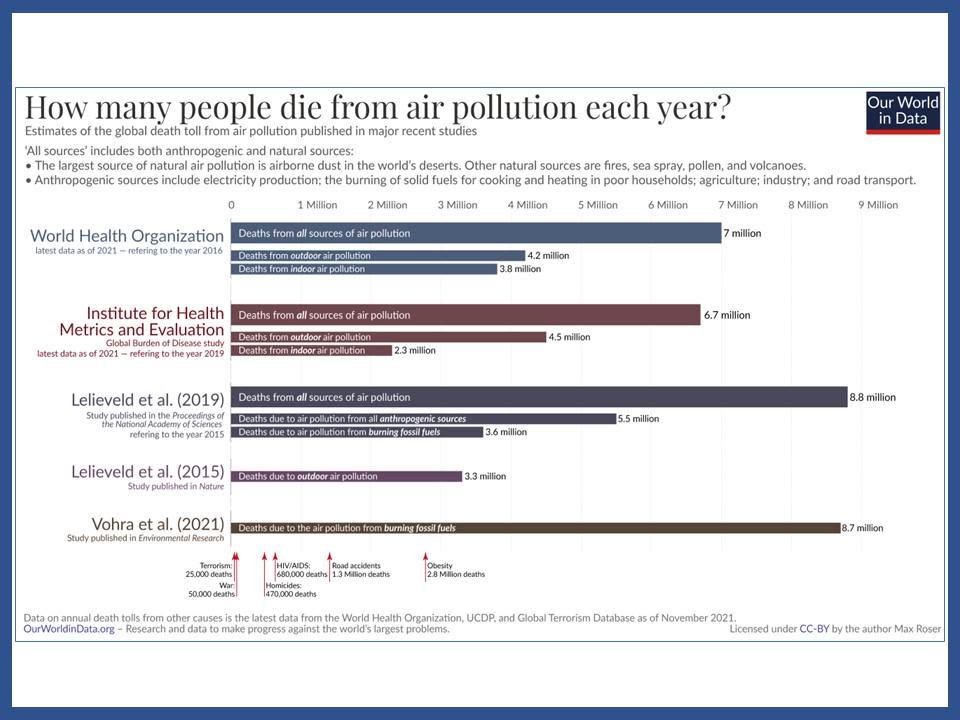
Air pollution remains one of the most significant environmental health risks worldwide. The World Health Organization (WHO) estimates that ambient and household air pollution contribute to approximately 7 million premature deaths annually due to cardiovascular disease, stroke, chronic respiratory illness, lung cancer, and other systemic health complications (WHO, 2021). This burden places air pollution among the leading global risk factors for premature mortality.
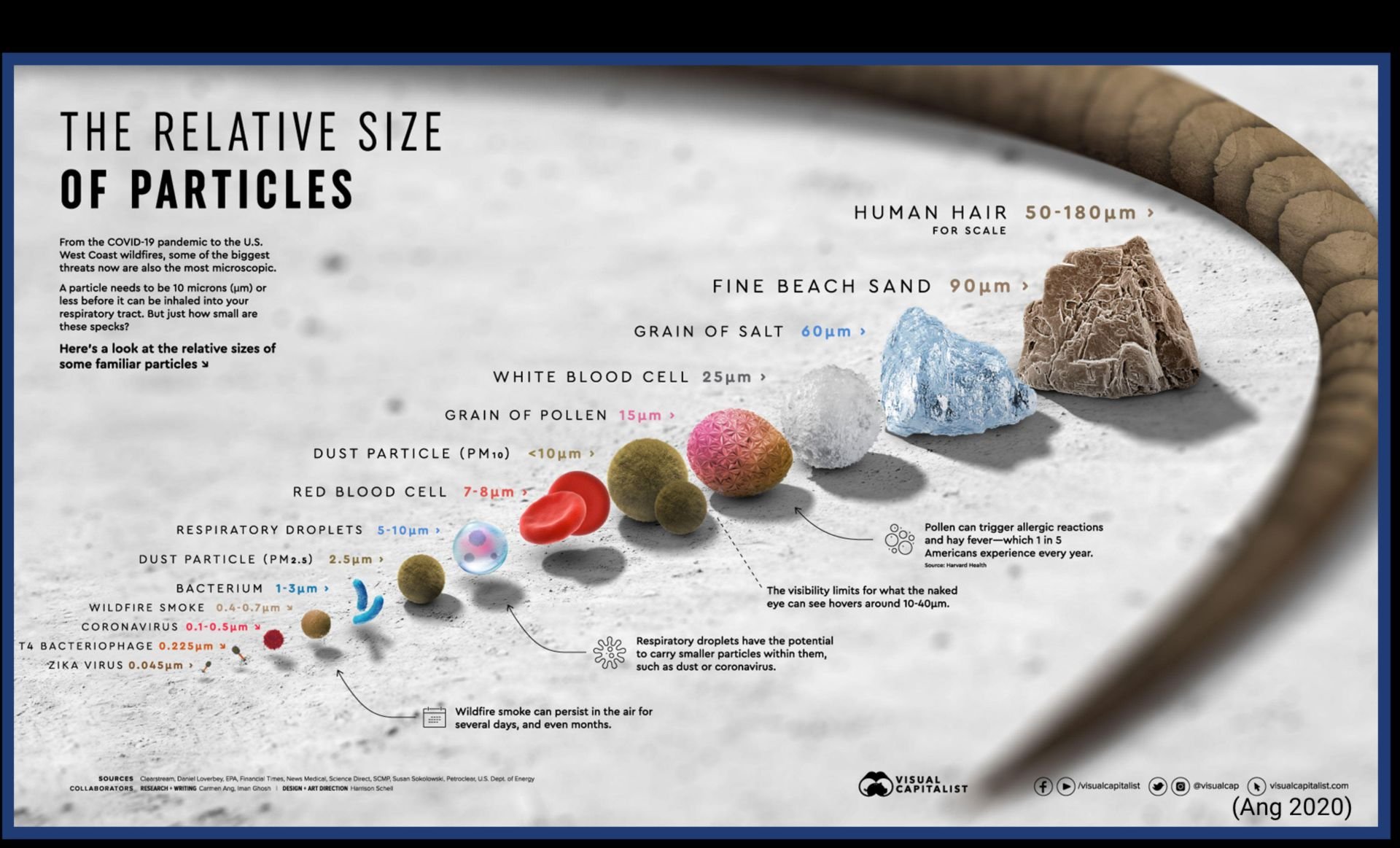
 Fine particulate matter (PM2.5) is particularly dangerous because its small aerodynamic diameter allows particles to penetrate deep into the alveolar region of the lungs and enter systemic circulation. Long-term exposure to PM2.5 has been associated with increased morbidity and mortality even at concentrations below regulatory limits (Pope & Dockery, 2006). Epidemiological studies demonstrate strong correlations between chronic PM2.5 exposure and asthma exacerbation, reduced lung function, cardiovascular disease, and increased hospitalization rates.
Volatile organic compounds (VOCs), especially formaldehyde, further intensify indoor air health risks. Formaldehyde is classified as a Group 1 human carcinogen by the International Agency for Research on Cancer (IARC, 2012) and is emitted from pressed wood products, adhesives, insulation materials, furnishings, building materials, combustion processes, and consumer products. Chronic exposure contributes to respiratory irritation, mucosal inflammation, and long-term carcinogenic risk.
Unlike outdoor environments where pollutants disperse, indoor pollutants accumulate within enclosed spaces, leading to sustained exposure. Poorly ventilated indoor environments can result in pollutant concentrations that equal or exceed outdoor levels.
Indoor Air Exposure and Infrastructure Challenge: A critical factor amplifying this issue is human behavior and built environment design. Research indicates that individuals spend approximately 80–90% of their time indoors (WHO, 2021).
Due to exposure duration being prolonged, indoor air quality becomes a dominant determinant of overall pollution-related health risk. Modern buildings increasingly rely on HVAC systems to regulate temperature and air exchange. However, standard HVAC filtration typically focuses on particle removal and does not adequately address gaseous pollutants such as VOCs.
High-efficiency particulate air (HEPA) filters remove ≥99.97% of particles ≥0.3 μm. Although highly effective for particle filtration, they present several limitations:
- They do not remove VOCs without additional sorbent integration
- Increased filtration density increases pressure drop
- Higher pressure drop increases blower energy consumption
- Energy penalties conflict with sustainability objectives
- Filter replacement creates operational cost and supply chain dependency
Studies show that excessive filtration resistance significantly increases HVAC energy demand in large-scale buildings (Zhang et al., 2017). Thus, while mechanical filtration improves particle control, it does not provide a comprehensive solution for simultaneous particulate and gaseous pollutant removal.
Air Quality and the United Nations Sustainable Development Goals:
Access to clean air is directly aligned with global sustainability frameworks.
This research contributes to multiple United Nations Sustainable Development Goals (SDGs):
SDG 3 – Good Health and Well-Being
Reducing exposure to PM2.5 and carcinogenic VOCs decreases respiratory disease prevalence, cancer risk, and pollution-related mortality.
SDG 7 – Affordable and Clean Energy
Improving air purification without significantly increasing pressure drop or energy demand supports energy-efficient building infrastructure. Technologies that enhance air quality while minimizing operational energy consumption contribute to sustainable building systems.
SDG 11 – Sustainable Cities and Communities
Urban environments experience elevated pollutant exposure due to traffic emissions, dense infrastructure, and high building occupancy. Improving indoor air treatment strengthens public infrastructure resilience and community health. Despite the importance of clean air for achieving these sustainability targets, mainstream HVAC systems have not integrated advanced hybrid purification technologies that simultaneously address both particulate and gaseous pollutants in an energy-conscious manner.
Alternative Technologies and Research Gap:
Acoustic Particle Agglomeration
Acoustic particle agglomeration utilizes high-frequency sound waves to induce oscillatory motion in airborne particles. Due to inertia differences between particles of varying sizes, relative motion increases collision probability. Collisions lead to the formation of larger agglomerates that are easier to remove through gravitational settling or downstream filtration.
Advantages:
- No dense mechanical filtration required
- Minimal additional pressure drop
- Enhances effective particle size distribution
- Potential pre-treatment for improving filtration efficiency
However:
- Primarily studied in industrial exhaust systems
- Limited evaluation under compact HVAC-scale conditions
- Energy modeling under building airflow constraints remains limited
Sorbent Media for VOC Removal: Sorbent materials such as activated carbon and zeolites remove gaseous pollutants through adsorption mechanisms.
Key advantages:
- High surface area
- Chemical affinity for VOC molecules
- Customizable material composition
- Direct removal of pollutants that filters cannot capture
- Sorbent systems allow customization based on building-specific pollutant profiles, which is not possible with fixed mechanical filters.
Limitations include:
- Saturation over time
- Pressure drop increase with bed thickness
- Performance dependence on humidity and airflow
- Limited mainstream integration into standard HVAC systems
Core Research Gap: Although acoustic particle agglomeration and sorbent-based VOC removal are independently studied technologies, they have not been systematically evaluated as an integrated hybrid system under controlled HVAC-like conditions.
Key gaps in existing research include:
- Lack of experimental evaluation of combined performance
- Absence of energy consumption comparison for hybrid operation
- Limited analysis of pressure drop implications
- No standardized feasibility assessment for building-scale integration
- No unified model evaluating particle + VOC removal together
This creates a technological gap between laboratory-scale research and practical HVAC implementation.
Research Purpose and Hypothesis: The purpose of this study is to investigate whether integrating simulated acoustic particle agglomeration with experimentally tested sorbent-based formaldehyde adsorption can improve overall indoor air purification performance while maintaining energy consumption and pressure drop under HVAC-like airflow conditions.
The central hypothesis of this research is: A hybrid air purification system that combines acoustic particle agglomeration with sorbent-based formaldehyde adsorption will achieve improved simultaneous removal of PM2.5 and VOCs compared to sorbent-only systems, while maintaining acceptable pressure drop and energy consumption under fixed airflow conditions, demonstrating feasibility as a scalable alternative or supplement to conventional HEPA-based filtration.
Method
Experimental Design Overview
This study employs a controlled bench-scale experimental design to evaluate the performance of a hybrid acoustic–sorbent air treatment module under fixed airflow and environmental conditions.
The system is conceptualized as a two-stage configuration:
- An acoustically modeled duct chamber used for theoretical simulation of particle agglomeration
- A physically constructed sorbent test duct used for experimental evaluation of formaldehyde adsorption
Only the sorbent subsystem is physically tested. The acoustic subsystem is evaluated through computational modeling based on the governing equations defined in the theoretical framework.
Each experimental condition is repeated a minimum of three independent trials to ensure repeatability, reduce random error, and improve statistical reliability.
Controlled Variables... To isolate the effect of the independent variables, the following parameters remain constant throughout testing:
- Duct geometry (fixed cross-sectional area and length)
- Airflow velocity (maintained at a predetermined constant value)
- Ambient temperature (maintained approximately at room temperature, \~22°C)
- Initial airflow conditions
- Sorbent bed thickness for each material
- Formaldehyde generation method and exposure time
Fixing these variables ensures that performance differences can be attributed to changes in sorbent material configuration or modeled acoustic parameters rather than environmental fluctuations.
Independent Variables... The independent variables evaluated in this study include:
Sorbent Configuration
Three material configurations are tested:
- Activated carbon
- Zeolite
- Hybrid (activated carbon combined with zeolite)
These configurations are compared based on formaldehyde removal efficiency, adsorption capacity, and pressure drop.
Acoustic Frequency (Simulation-Based Only)
Three theoretical frequency cases are modeled:
- \~10 kHz
- \~20 kHz
- \~40 kHz
These acoustic cases are evaluated using simulation based on the standing wave condition and Stokes number relationships defined in the theoretical section. No physical transducers are implemented in the experimental setup.
Dependent Variables...
The measured dependent variables include...
For Sorbent Testing:
- Formaldehyde concentration reduction (%)
- Breakthrough time
- Adsorption capacity estimation
- Pressure drop across the sorbent bed
- Airflow resistance
Formaldehyde concentration is measured upstream and downstream of the sorbent chamber to calculate removal efficiency.
For Acoustic Modeling:
- Simulated particle size distribution shift
- Stokes number variation
- Collision enhancement trends
- Estimated acoustic energy requirement
These values are calculated using the mathematical relationships defined in the theoretical modeling section.
Summary Table of Key/Main Variables:
| Variable Type | Variable | Symbol | How It Is Controlled / Measured | Purpose |
|---|---|---|---|---|
| Independent Variable | Sorbent Material Type | — | Activated carbon, zeolite, hybrid | To compare adsorption performance across materials |
| Independent Variable | Acoustic Frequency (Simulation Only) | f | 10 kHz, 20 kHz, 40 kHz | To evaluate theoretical particle agglomeration behavior |
| Dependent Variable | Formaldehyde Removal Efficiency | η | Measured via inlet/outlet concentration difference | Primary performance metric for adsorption |
| Dependent Variable | PM Concentration Reduction (Simulation) | — | Particle size distribution change | Measures acoustic effect on particulate behavior |
| Dependent Variable | Pressure Drop | ΔP | Measured using differential pressure sensor | Evaluates energy impact of sorbent configurations |
| Controlled Variable | Airflow Rate | Q | Fixed via blower control | Ensures consistent transport conditions |
| Controlled Variable | Duct Geometry | L, D | Fixed physical setup | Maintains consistent flow regime |
| Controlled Variable | Sorbent Mass & Packing Density | — | Fixed per cartridge | Ensures fair comparison between materials |
| Controlled Variable | Temperature & Humidity | T, RH | Monitored but kept constant | Controls environmental effect on adsorption |
Experimental Setup and Apparatus
Hybrid Duct Construction
A custom bench-scale duct was constructed to simulate a simplified HVAC airflow environment. The duct geometry was fixed throughout all experiments to maintain consistent airflow behavior and pressure conditions.
The duct system consists of:
- Rigid airtight ducting with a fixed length of approximately 0.5 m for the interaction chamber
- A modular sorbent cartridge section installed downstream of the mixing zone
- Sealed joints to prevent air leakage
- Ports for sensor insertion upstream and downstream of the sorbent bed
The geometry remains constant for all sorbent trials to ensure controlled comparison between material configurations.
Airflow Generation and Control
Airflow is generated using a variable-speed blower capable of maintaining a constant volumetric flow rate during experiments.
Flow rate is monitored using:
- An inline flow meter
- Real-time monitoring to ensure steady-state conditions
The airflow velocity is kept constant across all trials to eliminate flow rate as a confounding variable affecting formaldehyde transport and adsorption kinetics.
Formaldehyde Generation (Controlled Source Model):
Formaldehyde is generated using a controlled emission simulation method designed to mimic household-level VOC release. Instead of synthesizing pure gas, formaldehyde is produced through a controlled emission approach using household products known to release formaldehyde.
The generation method includes:
- Placement of selected formaldehyde-emitting household materials inside a sealed chamber
- Allowing concentration to reach a measurable steady-state level
- Injecting contaminated air into the duct system
Concentration is stabilized before introducing the air stream into the sorbent chamber to ensure consistent initial conditions across trials.
Safety precautions are implemented to prevent operator exposure and uncontrolled gas leakage.
Sorbent Cartridge Design:
Sorbent materials are packed into identical cartridges to ensure consistent flow resistance and geometry across configurations.
Each cartridge contains:
- A fixed mass of sorbent material
- Identical packing density
- Identical thickness
- Uniform airflow distribution
The three configurations tested are:
- Activated carbon
- Zeolite
- Hybrid (physical mixture of both materials at fixed ratio)
Cartridges are replaced between experimental runs to prevent cross-contamination.
Instrumentation and Measurement Tools...
Formaldehyde Concentration Measurement
Formaldehyde concentration is measured using:
- Temptop LKC-1000s+ 2nd
Data is recorded before and after the sorbent bed to calculate removal efficiency.
Pressure Measurement
Pressure drop across the sorbent bed may be measured using:
- Differential pressure sensor
- Pressure ports located upstream and downstream of the cartridge
This determines the energy impact of each sorbent configuration.
Temperature and Environmental Monitoring
Ambient temperature and humidity are monitored because adsorption performance can vary with environmental conditions. Measurements are recorded using:
- Temptop LKC-1000s+ 2nd
Environmental variables are kept as constant as possible during testing.
Experimental Procedure...
Each sorbent configuration follows the same procedure:
- Install sorbent cartridge into the duct system.
- Activate airflow and allow the system to reach steady-state conditions.
- Introduce formaldehyde-containing air into the inlet chamber.
- Record inlet and outlet concentrations.
- Measure pressure drop across the sorbent bed.
- Continue monitoring until concentration stabilizes or breakthrough occurs.
- Repeat experiment at least three times per configuration.
Between trials, the system is flushed with clean air to reset baseline conditions of HCHO within the 0-0.1 mg/m3 range.

Data Collection and Processing
All experimental trials are conducted under steady-state airflow conditions to ensure consistency between measurements. For each sorbent configuration, raw data is collected from inlet and outlet sensors and processed to quantify performance metrics.
Replication and Averaging
Each test condition is repeated for a minimum of three independent trials.
For each trial:
- Inlet and outlet formaldehyde concentrations are recorded
- Pressure drop across the sorbent bed is measured
- Environmental temperature and humidity are logged
The mean value and standard deviation are calculated for all measured parameters to quantify variability and measurement uncertainty.
Removal Efficiency Calculation...
Formaldehyde removal efficiency is calculated using:
η = (C_in − C_out) / C_in × 100%
Where:
C_in = inlet concentration
C_out = outlet concentration
η = removal efficiency
The average efficiency across three trials is reported for each sorbent configuration.
Breakthrough Time Determination...
Breakthrough time is defined as the time at which the outlet concentration reaches a predefined percentage of the inlet concentration (e.g., 5–10% threshold depending on stability of measurement).
Breakthrough behavior is plotted as:
Concentration vs. Time
This allows comparison of adsorption capacity and saturation dynamics between sorbent materials.
Adsorption Capacity Estimation...
Adsorption capacity is estimated using:
q = (Q × ∫(C_in − C_out) dt) / m_sorbent
Where:
Q = airflow rate
m_sorbent = mass of material in cartridge
Time integration is performed numerically using recorded concentration data.
Pressure Drop Analysis (Potentially)...
Pressure drop (if determined) can be calculated as:
ΔP = P_upstream − P_downstream
Might be measured using differential pressure sensors (not yet confirmed though).
Pressure drop values are averaged over steady-state periods and compared across sorbent configurations to evaluate energy penalty.
Statistical Analysis...
Statistical significance between sorbent configurations is evaluated using:
- One-way ANOVA (if normal distribution assumption holds)
OR
- Non-parametric equivalent if data distribution deviates from normality
A p-value < 0.05 is considered statistically significant.
Standard deviation and coefficient of variation are reported to quantify experimental uncertainty.
System Performance Evaluation and Energy Assessment...
To determine the overall feasibility of the hybrid system, performance metrics from both the sorbent experiments and acoustic simulations are integrated to evaluate combined system effectiveness.
Hybrid Performance Metric
The optimal system configuration is determined by evaluating:
- Highest formaldehyde removal efficiency
- Longest breakthrough time
- Lowest pressure drop
- Best simulated particle agglomeration improvement
- Lowest estimated energy consumption
A normalized scoring approach may be applied where each metric is scaled between 0 and 1 to allow direct comparison between configurations.
The hybrid system performance index (HSPI) can be expressed as:
HSPI = w₁η + w₂(BT_norm) − w₃(ΔP_norm) + w₄(Acoustic_Efficiency)
Where:
η = removal efficiency
BT_norm = normalized breakthrough time
ΔP_norm = normalized pressure drop
Acoustic_Efficiency = simulated particle improvement metric
w₁–w₄ = weighting factors reflecting system priorities
Weights are assigned based on system design goals (e.g., energy efficiency prioritized over maximum removal).
Energy Consumption Estimation....
Total system energy consumption is estimated as the sum of:
- Blower power requirement:
P_blower = ΔP × Q
- Acoustic power consumption (simulation-based estimate):
P_acoustic = Transducer Power Rating × Operating Time (theoretical estimate)
Total Energy:
E_total = P_blower + P_acoustic
For the experimental system, acoustic energy is modeled only and not physically implemented.
This allows comparison between:
- Sorbent-only system
- Hybrid (best acoustic + best sorbent) configuration
Selection of Optimal Configuration...
The optimal configuration is identified by:
- Selecting the sorbent material with highest efficiency and acceptable pressure drop
- Selecting the acoustic frequency that maximizes simulated agglomeration while minimizing energy cost
- Combining both to calculate overall system performance
This combined evaluation determines whether integration of acoustic pre-conditioning provides measurable improvement over sorbent-only operation.
Safety Considerations
Because this study involves controlled formaldehyde exposure and experimental airflow manipulation, safety protocols are implemented to minimize exposure risk and prevent uncontrolled gas release.
Formaldehyde Handling:
- Formaldehyde is generated through controlled emission of formaldehyde-releasing materials inside a sealed chamber.
- Experiments are conducted in a well-ventilated laboratory space.
- Concentration levels are monitored continuously to ensure they remain within controlled experimental thresholds.
- After each trial, the system is flushed with clean air to remove residual contaminants before cartridge replacement or system maintenance.
Personal Protective Equipment (PPE):
Operator (me) wear appropriate protective equipment during experimental setup and material handling, including:
- Gloves when handling sorbent materials and emitting products
- Protective eyewear
- Laboratory mask or respirator when necessary depending on measured concentration levels
System Safety:
- The duct system is sealed to prevent leakage of contaminated air.
- Pressure conditions are monitored to avoid structural failure or unexpected backflow.
- Electrical components (blower, sensors, data acquisition systems) are properly insulated and grounded to reduce electrical hazards.
Material Safety:
- Sorbent cartridges are handled carefully to prevent dust release during packing or replacement.
- Used sorbent materials that may contain adsorbed formaldehyde are stored in sealed containers before disposal according to laboratory waste protocols.
Risk Mitigation:
If measured formaldehyde concentrations exceed predetermined safe operational thresholds (mentioned previously), experiments are immediately paused and ventilation is increased to restore baseline conditions.
These precautions ensure safe execution of the experimental procedures while maintaining controlled and reproducible testing conditions.
Simulation Methodology (Acoustic Subsystem Modeling)
The acoustic subsystem is evaluated through computational modeling rather than physical implementation. Since no ultrasonic transducers are installed in the experimental duct, acoustic performance is assessed using theoretical calculations derived from the governing equations presented in the theoretical framework.
The purpose of the simulation is to determine the feasibility and relative effectiveness of selected acoustic frequencies for inducing particle agglomeration under fixed geometric and airflow conditions.
Simulation Objectives...
The simulation is conducted to estimate:
- Feasibility of standing wave formation within the 0.5 m interaction duct
- Particle relaxation behavior under different frequency cases
- Stokes number variation for representative particle diameters
- Relative collision and agglomeration enhancement potential
- Approximate acoustic energy requirements for each frequency scenario
The results allow comparison between the three modeled frequencies to identify the most physically plausible and energetically efficient operating condition.
Modeling Inputs...
The simulation uses fixed parameters derived from the constructed duct system and experimental conditions.
Fixed Geometric Inputs:
- Duct interaction length = 0.5 m
- Measured duct cross-sectional area
- Hydraulic diameter calculated from geometry
Fixed Fluid Properties:
- Air density (ρ) at \~22°C
- Air dynamic viscosity (μ)
- Speed of sound in air (c ≈ 343 m/s)
Fixed Flow Conditions:
- Air velocity (measured experimentally via flow meter)
- Reynolds number calculated from measured flow rate
Acoustic Input Parameters:
- Frequency cases: 10 kHz, 20 kHz, 40 kHz
- Interaction length = 0.5 m
Summary Table for Key Parameters:
| Parameter | Symbol | Value | Unit | Source |
|---|---|---|---|---|
| Duct Length | L | 0.5 | m | Experimental design |
| Speed of Sound | c | 343 | m/s | Standard room temp assumption |
| Air Density | ρ | \~1.2 | kg/m³ | Room condition |
| Air Viscosity | μ | Defined constant | Pa·s | Standard property table |
| Frequencies Modeled | f | 10, 20, 40 | kHz | Theoretical selection |
Computational Procedure...
The simulation can be implemented using a computational tool such as:
- Python (numerical calculation + parameter sweep)
- MATLAB
- Spreadsheet-based calculation for verification
The calculations follow a structured sequence for each frequency case.
Step 1 — Wavelength Calculation
Wavelength is calculated using:
λ = c / f
Where:
c = speed of sound
f = acoustic frequency
This determines whether the selected frequency can physically support a standing wave within the duct length.
Step 2 — Standing Wave Feasibility Check
The standing wave condition is evaluated using:
λ / 2 ≤ L_duct
If satisfied, theoretical pressure nodes and antinodes can form inside the interaction chamber. If not satisfied, the frequency case is considered physically incompatible with the duct geometry.
Step 3 — Particle Relaxation Time Calculation
Particle response to oscillatory acoustic motion is evaluated using the relaxation time:
τₚ = (ρₚ dₚ²) / (18 μ)
Where:
ρₚ = particle density
dₚ = representative particle diameter
μ = air dynamic viscosity
Representative particle diameters are selected based on typical indoor PM2.5 distributions.
Step 4 — Stokes Number Calculation
The Stokes number is calculated as:
St = (τₚ U) / L
Where:
U = mean airflow velocity
L = interaction length
Interpretation:
- St ≪ 1 → particles follow airflow, weak agglomeration potential
- St ≈ 1 → optimal coupling and collision probability
- St ≫ 1 → particles decouple from flow, inertial behavior dominates
Higher St values near unity indicate stronger acoustic-induced collision enhancement.
Step 5 — Agglomeration Performance Estimation...
For each frequency case, the simulation estimates:
- Relative increase in effective particle diameter
- Change in theoretical settling velocity (v_s ∝ d_p²)
- Estimated enhancement in downstream capture probability
These outputs are normalized to create a comparative acoustic performance index.
Step 6 — Acoustic Energy Requirement Estimation...
Acoustic energy consumption is estimated assuming a theoretical transducer operating at a defined power rating:
E_acoustic = P_rating × t
Where:
P_rating = assumed transducer power
t = operational time
This calculation provides an energy benchmark for comparison against blower energy consumption and sorbent pressure penalties.
Output Parameters...
The simulation produces the following results for each frequency case:
- Standing wave feasibility (Yes/No)
- Wavelength and λ/2 comparison
- Stokes number values for selected particle diameters
- Estimated particle collision enhancement trend
- Normalized agglomeration performance score
- Estimated acoustic power consumption
The results are compared across frequency cases to determine which configuration provides the most favorable balance between physical feasibility and energy efficiency.
Assumptions and Limitations
The simulation is based on first-order analytical modeling and includes the following assumptions:
- Acoustic field is spatially uniform
- Ideal standing wave formation
- No complex turbulence–acoustic coupling
- Simplified particle size distribution
- No CFD-based flow-acoustic interaction modeling
Therefore, the simulation represents a theoretical feasibility analysis rather than a full multiphysics simulation. The purpose is to evaluate design viability and inform future experimental or advanced numerical studies.
Analysis
Conclusion
This study evaluates the feasibility of integrating acoustic particle agglomeration with sorbent-based adsorption as a hybrid air purification framework for HVAC-like systems. By experimentally testing sorbent materials and computationally modeling acoustic performance, the project assesses whether combining these independent technologies improves formaldehyde removal, particulate modification potential, and overall energy efficiency compared to conventional approaches.
The findings will determine whether the hybrid system demonstrates measurable performance benefits while maintaining acceptable pressure drop and energy consumption. If successful, this framework provides a scalable alternative to traditional high-resistance filtration systems and contributes to advancing cleaner and more energy-efficient indoor air purification strategies.
Looking forward, the long-term goal of this work is to design and construct a fully functioning integrated hybrid module that physically combines optimized acoustic excitation with tailored sorbent media into a compact system suitable for real-world HVAC implementation. Future development will focus on prototype fabrication, real acoustic transducer integration, long-term durability testing, and performance validation at larger airflow scales.
Citations
- Activated Carbon Adsorbent—An overview | ScienceDirect Topics. (n.d.). Retrieved March 4, 2026, from https://www.sciencedirect.com/topics/chemical-engineering/activated-carbon-adsorbent
- Adziima, A. F., Febrianto, D., Ardiatmajaya, E., Putri Susanto, A. B., Susanti, M. D., & Fauzi, E. R. (2021). Prototype Design of Automatic Switching Speed of Exhaust Fan For Air Quality Control Based On IoT. 2021 International Conference on Advanced Mechatronics, Intelligent Manufacture and Industrial Automation (ICAMIMIA), 114–119. https://doi.org/10.1109/ICAMIMIA54022.2021.9809416
- Air pollution. (n.d.-a). Retrieved March 4, 2026, from https://www.who.int/health-topics/air-pollution
- Air pollution. (n.d.-b). Retrieved February 7, 2026, from https://www.who.int/health-topics/air-pollution
- An adaptable direct simulation Monte Carlo method for simulating acoustic agglomeration of solid particles—ScienceDirect. (n.d.). Retrieved March 1, 2026, from https://www.sciencedirect.com/science/article/abs/pii/S0009250921008630
- Application of Acoustic Agglomeration to Reduce Fine Particle Emissions from Coal Combustion Plants | Environmental Science & Technology. (n.d.). Retrieved March 4, 2026, from https://pubs.acs.org/doi/abs/10.1021/es990002n
- Applied Sciences | Free Full-Text | Influence of Acoustic Streams on the Efficiency of Ultrasonic Particle Agglomeration. (n.d.). Retrieved March 1, 2026, from https://www.mdpi.com/2076-3417/14/2/559/review_report
- By. (2023, December 31). 3D Printing Your Own Triboelectric Generators. Hackaday. https://hackaday.com/2023/12/31/3d-printing-your-own-triboelectric-generators/
- Canada, H. (2012, March 29). Formaldehyde in your home [Education and awareness]. https://www.canada.ca/en/health-canada/services/environmental-workplace-health/reports-publications/air-quality/formaldehyde-indoor-air-environment-workplace-health.html
- Classification and Comparative Analysis of Acoustic Agglomeration Systems for Fine Particle Removal. (n.d.). Retrieved March 4, 2026, from https://www.mdpi.com/2571-5577/8/4/116
- Experimental results on the effect of acoustic agglomeration on... (n.d.). ResearchGate. Retrieved March 1, 2026, from https://www.researchgate.net/figure/Experimental-results-on-the-effect-of-acoustic-agglomeration-on-particle-size_fig7_317417116
- Formaldehyde and Cancer Risk—NCI. (2011, June 10). [cgvArticle]. (nciglobal,ncienterprise). https://www.cancer.gov/about-cancer/causes-prevention/risk/substances/formaldehyde/formaldehyde-fact-sheet
- Formaldehyde in the Indoor Environment | Chemical Reviews. (n.d.). Retrieved March 4, 2026, from https://pubs.acs.org/doi/full/10.1021/cr800399g
- Formaldehyde—CAREX Canada. (n.d.). Retrieved March 4, 2026, from https://www.carexcanada.ca/profile/formaldehyde/
- Ganiyu, S. A. (2025). Review of zeolitic-based sorbents for CO2 capture: Insights into functional modifications, economic feasibility and machine learning-enhanced strategies. Chemical Engineering Journal Advances, 23, 100818. https://doi.org/10.1016/j.ceja.2025.100818
- Guidelines for the use and interpretation of adsorption isotherm models: A review—ScienceDirect. (n.d.). Retrieved March 4, 2026, from https://www.sciencedirect.com/science/article/abs/pii/S030438942030371X
- HEPA Air Purifiers: Their Environmental Impact and Alts. (n.d.). Retrieved September 2, 2025, from https://www.bioteos.com/en/blog/the-disadvantages-of-hepa-filter-air-purifiers
- Hoffmann, T. L., & Koopmann, G. H. (1997). Visualization of acoustic particle interaction and agglomeration: Theory evaluation. Journal of the Acoustical Society of America, 101(6). https://doi.org/10.1121/1.418352
- IARC. (n.d.). Chemical Agents and Related Occupations. Retrieved March 4, 2026, from https://publications.iarc.who.int/Book-And-Report-Series/Iarc-Monographs-On-The-Identification-Of-Carcinogenic-Hazards-To-Humans/Chemical-Agents-And-Related-Occupations-2012
- Ibrahim, M. Y., El-Khazali, R., Francis, D., & Nelli, N. (2024). Effects of multi-frequency acoustic waves on the agglomeration of fog droplets. Research Square. https://doi.org/10.21203/rs.3.rs-4835869/v1
- Improving agglomeration efficiency of aerosols... : Ultrasonics. (n.d.). Retrieved March 1, 2026, from https://www.ovid.com/journals/ultras/abstract/10.1016/j.ultras.2024.107376~improving-agglomeration-efficiency-of-aerosols-with-sizes?redirectionsource=fulltextview
- Jiang, H., & Zhao, X. (2024). Numerical simulation of sound attenuation in an acoustically lined duct in high-temperature air flows. AIP Advances, 14(3), 035152. https://doi.org/10.1063/5.0200172
- Khmelev, V. N., Shalunov, A. V., Nesterov, V. A., Terentiev, S. A., & Golykh, R. N. (2024). Improving agglomeration efficiency of aerosols with sizes less than 2.5 µm by generation of vortex streams in inhomogeneous ultrasonic field. Ultrasonics, 142, 107376. https://doi.org/10.1016/j.ultras.2024.107376
- Kilikevičienė, K., Kačianauskas, R., Rimša, V., & Kilikevičius, A. (2024). Agglomeration of particulate matter in chimneys using acoustic flow. Heliyon, 10(3), e25306. https://doi.org/10.1016/j.heliyon.2024.e25306
- Liu, P., Zhang, X., Liu, G., Hao Lim, S., Pun Wan, M., Lisak, G., & Feng Ng, B. (2024). Ultrasonic aerosol agglomeration: Manipulation of particle deposition and its impact on air filter pressure drop. Ultrasonics Sonochemistry, 103, 106774. https://doi.org/10.1016/j.ultsonch.2024.106774
- Mobasser, S., Wager, Y., & Dittrich, T. M. (2022). Indoor Air Purification of Volatile Organic Compounds (VOCs) Using Activated Carbon, Zeolite, and Organosilica Sorbents. Industrial & Engineering Chemistry Research, 61(20), 6791–6801. https://doi.org/10.1021/acs.iecr.1c04732
- Ng, B. F., Xiong, J. W., & Wan, M. P. (2017). Application of acoustic agglomeration to enhance air filtration efficiency in air-conditioning and mechanical ventilation (ACMV) systems. PloS One, 12(6), e0178851. https://doi.org/10.1371/journal.pone.0178851
- Particulate Matter (PM) Basics | US EPA. (n.d.). Retrieved September 2, 2025, from https://www.epa.gov/pm-pollution/particulate-matter-pm-basics
- Physisorption—An overview | ScienceDirect Topics. (n.d.). Retrieved March 4, 2026, from https://www.sciencedirect.com/topics/engineering/physisorption
- Poor Countries: Reducing Pollution\, Improving Lives | ShunWaste. (n.d.). Retrieved September 2, 2025, from https://shunwaste.com/article/how-to-reduce-pollution-in-poor-countries
- Pope, C. A., & Dockery, D. W. (2006). Health effects of fine particulate air pollution: Lines that connect. Journal of the Air & Waste Management Association, 56(6), 709–742. https://doi.org/10.1080/10473289.2006.10464485
- Rubinetti, D., & Weiss, D. (2018). Acoustically Triggered Harvesting of Nanometer Airborne Particles – A Numerical Model for the Ultrasonic Manipulation. International Journal of Multiphysics, 12, 413–425. https://doi.org/10.21152/1750-9548.12.4.413
- Simulation Software for Analyzing Acoustics and Vibrations. (n.d.). COMSOL. Retrieved January 5, 2026, from https://www.comsol.com/acoustics-module
- Thompson, A. (2025, April 19). Understanding the Limitations of Air Purifiers—Best Vacuum Expert. https://bestvacuumexpert.com/air-purifiers/understanding-the-limitations-of-air-purifiers/
- US EPA, O. (2016, April 19). Particulate Matter (PM) Basics [Overviews and Factsheets]. https://www.epa.gov/pm-pollution/particulate-matter-pm-basics
- US EPA, O. (2019a, February 19). What are volatile organic compounds (VOCs)? [Overviews and Factsheets]. https://www.epa.gov/indoor-air-quality-iaq/what-are-volatile-organic-compounds-vocs
- US EPA, O. (2019b, February 19). What are volatile organic compounds (VOCs)? [Overviews and Factsheets]. https://www.epa.gov/indoor-air-quality-iaq/what-are-volatile-organic-compounds-vocs
- US EPA, O. (2025, June 30). Factsheet: What is Indoor Air Quality? [Overviews and Factsheets]. https://www.epa.gov/indoor-air-quality-iaq/factsheet-what-indoor-air-quality
- WHO global air quality guidelines: Particulate matter (PM2.5 and PM10), ozone, nitrogen dioxide, sulfur dioxide and carbon monoxide. (n.d.). Retrieved March 4, 2026, from https://www.who.int/publications/i/item/9789240034228
- Zhai, Z. (John), & Nathaniel Johnson, S. (2017). Full-Scale Laboratory Test on Energy Dependence on Pressure Drops in HVAC Systems. Procedia Engineering, 10th International Symposium on Heating, Ventilation and Air Conditioning, ISHVAC2017, 19-22 October 2017, Jinan, China, 205, 2133–2140. https://doi.org/10.1016/j.proeng.2017.10.138
- Zhang, D., Su, X., Sun, Y., Chen, C., & Sun, X. (2024). Numerical simulation and experimental study of a broadband acoustic metamaterial duct muffler considering thermal-viscous loss. Journal of Mechanical Science and Technology, 38(3), 1039–1049. https://doi.org/10.1007/s12206-024-0202-1
- Zhang, L. (2021). Theoretical and physical insights of acoustic radiation forces beyond Gor’kov potential. The Journal of the Acoustical Society of America, 150(4_Supplement), A36. https://doi.org/10.1121/10.0007540
- Zhang, Y., Lai, S.-K., Wang, C., Ho, K.-F., & Wang, C. H. (2025). Acoustic energy boosts air purification: A novel sound-wave drive TENG for filterless particulate capturing. Nano Energy, 135, 110674. https://doi.org/10.1016/j.nanoen.2025.110674
- Zhang, Z., Deng, Z., Luo, P., Shen, G., & Zhang, S. (2024). Review of Acoustic Agglomeration Technology Research. ACS Omega, 9(20), 21690–21705. https://doi.org/10.1021/acsomega.3c08815
- Zhu, J., Zhu, M., Shi, Q., Wen, F., Liu, L., Dong, B., Haroun, A., Yang, Y., Vachon, P., Guo, X., He, T., & Lee, C. (2020). Progress in TENG technology—A journey from energy harvesting to nanoenergy and nanosystem. EcoMat, 2(4), e12058. https://doi.org/10.1002/eom2.12058
Acknowledgement
I would like to sincerely thank everyone who supported me throughout my science fair project.
First, I want to thank my science fair coordinator, Ms. O'Keefe, for her guidance, encouragement, and dedication. Her support and helpful feedback made a big difference in helping me stay motivated and improve my project.
I would also like to thank my family for always encouraging me and supporting me throughout this process. Their patience, advice, and belief in me helped me continue working hard even when things were challenging.
Finally, I am very grateful for the opportunity to participate in the Calgary Youth Science Fair (CYSF). It is an incredible experience to share my work with others and learn from so many talented students. I truly appreciate being part of such an inspiring event.
Thank you to everyone who helped make this experience possible!