
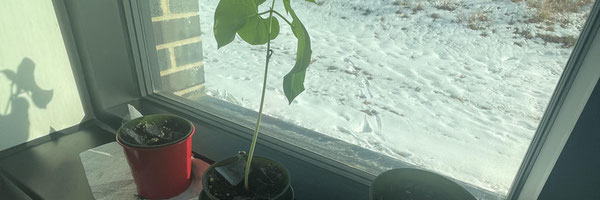
How Do Microplastics Affect Plant Growth and Soil Health?
Navehya Lalani, Sara Venkat
FFCA High School Campus
Grade 9
Presentation
No video provided
Hypothesis
If the concentration of microplastics in our soil increases from 0% to 5%, the growth of our Contender bush bean plant will decrease because the microplastics may restrict the plant from absorbing water and other nutrients. Plants need water and sunlight to produce there own nutrients by photosynthesis, so the microplastics might alter the water absorption in the plants
Plant with no Microplastics: the platnt growill grow to be the tallest and have the strongest leaf number and overall health. This is because we aren't altering anything in the plant. So it should just grow naturally.
Plant with 1% Microplastics: If you add 1% microplastic to a plant, it will decrease in growth compared to a controlled plant , but not tremendously. It will only have a small amount of plastic so it will have some tiny changes with the soil structure and health.
Plant with 5% Microplastics: The plant grown with 5% of microplastics will show the lowest growth and least height because of the higher concentrations of microplastics. This one will grow the least nw and healthy because of how much it may interfere with the plant absorbing water and nutrients.
Research
What are microplastics?
Plastics are very popular and common materials to use worldwide because of their durability and lightweight nature. The characteristics of plastic depend on the chemical manufacturing process. These plastics contain a variety of known and unknown chemicals. Some chemicals present in plastic are known to have adverse impacts on humans, such as impacting hormones and causing cancer. However, there is still a lot we still do not know since many of these chemicals have not been properly studied for their toxicity.
How are microplastics affecting plants and aquatic species?
Scientists have been recently motivated in studying the toxicity of plastic as well as the effects of plastic on other living things. An example of this is plants, as they affect many animals and ecosystems. Scientists recently found that plants exposed to microplastic particles were found to have reduced growth. The study concluded that there are four effects microplastics have on plant growth:
-
- Increased production of reactive oxygen species (ROS), which stunts growth of plants and increases its stress.
- Changes in the chemical composition in the leaf and roots systems, which are important for obtaining nutrients from the surrounding environment.
- Plant hormones became imbalanced, which can stop physical growth and disrupt the overall health and maturity of the plant.
-
Reduction in photosynthesis through chlorophyll modifications, which are the pigments that give plants their green color and are vital for providing nutrients for the plants by converting sunlight into energy.
Fate and pathways of microplastics in soil Once introduced into the soil environment, microplastics persist due to their durable physical and chemical nature. MPs disrupt soil structure, affecting important properties such as porosity, water retention, and nutrients. This can hinder root growth, decrease the efficiency of nutrient absorption. Plastic additives can alter the soil's chemical profile, which can change the rate of the plant's growth, and how it grows.
.
-
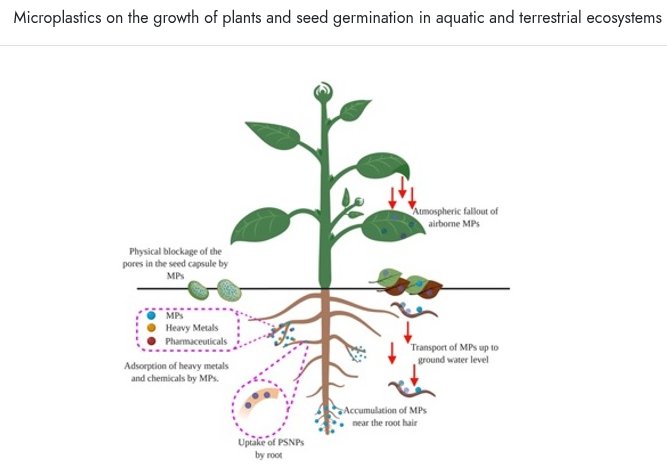
The effect of microplastics on plant growth and seed germination depends on the ratio of microplastics compared to the soil.
- Microplastics accumulate near the root hair, which stunts and slows down growth.
- Microplastics can act as a medium for chemical transportation, and they can also absorb chemicals such as heavy metals.
Microplastics fall into two main categories:
- Primary microplastics: intentionally manufactured small plastics, such as small beads or pellets.
- Secondary microplastics: They form when larger plastics break down due to harsh conditions or environments.
Ziploc bags are primarily made from polyethylene, a type of plastic widely used in food storage bags across the world. The manufacturing process involves melting these polyethylene resins and then forming thin sheets or films that are sealed at the edges. Ziploc bags have a zipper seal with interlocking grooves that allow easy opening and closing. This seal is also made from polyethylene but sometimes uses slightly different grades or additives to improve locking strength.
Studies show that polyethylene bags can release microplastics, under certain conditions. Most of this microplastic release happens because of breakdown and wear rather than microplastics being part of the material from the start. Research on microplastic contamination from plastic bags suggests: Microplastic shedding increases with stress, such as wear and tear on the Ziploc bag, or scrunching it repeatedly. Heat and temperature changes increase the release of microplastics. Everyday use, without harsh or extreme conditions, results in minimal shedding of microplastics.
Variables
| Variable Type | What is Included |
|---|---|
| Constant |
|
| Manipulated |
|
| Responding |
|
Procedure
Procedure- Step by step instructions
1. Three identical pots were labeled 0% microplastics\, 1% microplastics\, and 5% microplastics.
2. 400g of the same potting soil was measured and put into 3 separate containers .
3. Microplastics were prepared by gathering gallon sized zip-loc bags and cutting them into small and similar sized pieces.
4. The amount of microplastics for each condition were measured: 0% - 400g of soil with 0g of microplastics 1% - 400g of soil with 4g of microplastics 5% - 400g of soil with 20g of microplastics
5. Once the microplastics are cut into the same sized pieces\, the plastic is then mixed thoroughly into the 1% and 5% containers of soil to ensure each piece was distributed evenly.
6. The prepared soil mixtures were then carefully placed into their assigned pots\, ensuring nothing fell out during this transfer.
7. After\, one contender bush bean seed was placed in each pot\, right in the middle approximately 2-3cm deep.
8.The seed is then covered with some more potting soil and all hands that dealt with the soil will be washed again.
9. All of the pots were placed in the same location to hopefully receive the same amount of light each.
10. Then using one of the school beakers, each plant was watered 100mL and almost every 2-3 days after that, which were recorded.
11. Once the plants started to gain height, the height and leaf growth was recorded everyday over the month-long period.
12. Analyze the results of the experiment.
Observations
During the one-month experimental period, visible differences were observed between the three treatments (0%, 1%, and 5% microplastic concentrations).
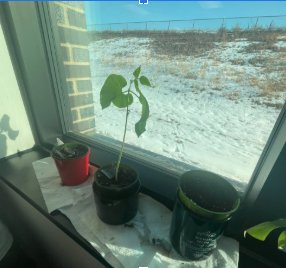
The plant that had the 5% microplastics ended up growing the tallest and germinated successfully. We noticed that around a week or two into planting it absorbed water the fastest and was growing at a very fast pace. It also had a lot more yellow fungus growing on the soil than the other two. In a month, this plant grew to 26cm. The soil was kept very nice and absorbent throughout the month and could drain water easily.
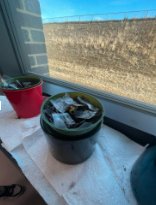
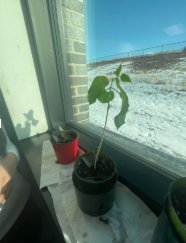
Our 1% microplastic soil germinated successfully and sprouted a bit, just peaking over the soil. However, after it sprouted it's growth slowed down significantly and the stem started curling around the seed. After this, it did not continue to increase in height. It had a bit of yellow fungus, but not nearly as much as the 5%. The soil was kept in good condition but was very wet all the time and couldn't absorb water as quick
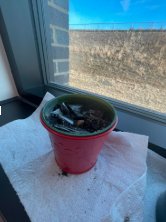
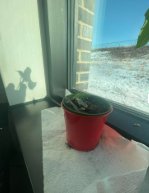 The 0% plant didn't germinate at all or show any visible plant growth during this month. No fungal or any growth happened in the pot. The soil was continuously very moist and wet, and didn't suck up the water well.
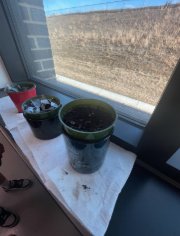
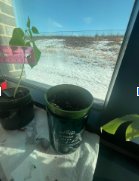 half way through the month - End of month
We observed a lot of different things like, fungal growth, absorption rate, plant height, and soil structure.
Analysis
After carefully looking through the observations, we analyzed the work and noted the following:
Our hypothesis was wrong, and was the complete opposite of what we thought would happen. We predicted that increasing the amount of microplastics concentration would decrease the growth of our plants. But, the 5% microplastics plant ended up showing the greatest and only height (26cm) and healthiest leaf growth (11.9cm). The controlled plant (0%) didn't grow or sprout at all and the 1% plant sprouted but didn't progress after that. The 5% plant absorbed the water the fastest, making it more efficient than the other plants. There were some sources of error that contributed to this unexpected result but there are some theories to why this happened.
- One possible explanation is that microplastics changed the structure of the soil physically. The plastic wasn't cut up very small. They were cut to about the size of a small rectangular eraser. Since they were not too small, the plastic pieces may have created small air pockets within the soil, which in turn makes for better aeration and drainage of water. Bean plants prefer soil that is drained well, as seen in our research, so more air flow to the roots may have produced faster growth in the 5% plant.
- There was also quite a large presence of yellow fungus on the 5% microplastic, which suggests that those soil conditions were good at producing fungus. The increase of moisture and fast absorption of water, could have encouraged organisms, such as fungi to grow. The fungus is created to break down organic matter in the potting soil, so the microplastics may have added to that.
- The controlled plant may not have grown for a number of reasons that aren't related to the microplastics at all. Some of these reasons are seed viability, soil compaction, and difference in moisture retention. We only planted one plant for every condition we were testing so these natural effects could have influenced the results
- The 1% microplastics plant did germinate and started to sprout around the same time as the 5%, but its growth slowed down significantly after the sprouting stage. This shows us that little amounts of microplastics won't prevent a seed from germinating , but might prevent the later stages of growth. It is still possible that small changes in watering or soil structure could have affected the roots from growing.
- Overall, the observations that were made show that microplastics may not directly harm plant growth but may alter the soil structure and how it affects the plant. To be able to determine if these observations are consistent, we would need to have more trials.
Conclusion
The purpose of this experiment was to determine how different concentrations of microplastics (0%, 1%, and 5%) affect the growth of Contender bush bean plants over one month. For this, bean seeds were planted in pots with different levels of microplastics to see if it affected the overall health and growth of the plant. At the start the predicted outcome was increasing the microplastic concentration meant that it would decrease the plant growth because of the plastic interfering with the nutrient absorption. The data did not support the hypothesis. The plant grown in 5% microplastic soil ended up showing the greatest and only height and absorbing water the fastest. The 1% plant, germinated and sprouted but was restricted from growing after the sprouting stage. The 0% plastic plant or our controlled plant didn't show any growth or sprouting through out the month. These findings show that microplastics may have only interfered with the properties of the soil structure, like how much air, how well it drains, and how easily oxygen can get to the roots. Since the plastics used were pretty big pieces, it could have helped the 5% plant increase drainage and create conditions for a faster growth. There was also a huge presence of yellow fungus in the 5% plant, which displays evidence that the soil conditions were different then the other two plants. Something to take into consideration is that only one plant was grown per condition, so with more trials and multiple plants per group we could determine if these effects are consistent.
Application
This experiment we tested is relevant in the real-world because of how many microplastics are found in soil and the land from plastic waste and pollution. Understanding how the materials in plastics affect the composition and structure of soil can help scientists in the future determine the impacts of certain plants that we use on a daily basis. Food is a huge resource for humans, but if microplastics affect the drainage and other parts of soil, it could affect how crops grow when near areas with high numbers of microplastics. Even more research could help farmers, environmentalists, and scientists develop ideas to manage the health of plants in areas affected by the huge numbers of plastic waste in the world.
Sources Of Error
Several sources of error may have affected the results of this experiment.
- The first source of error was that we only grew one plant per each concentration (0%, 1%, 5%). We had 3 plants in total. This was an error because one of the reasons our controlled plant didn't grow could be because of the quality of the seed and how compact the soil was when planted. These sources don't have anything to do with the actual microplastic concentration.
- The watering and light exposure, we tried to keep this as consistent as we could but sunlight may have not been perfectly equal for each plant. With watering, we had to leave out a few watering days, because we started putting a bit too much water in our plants. We made a routine to water the plants every 3 days, but we had to make some exceptions because we felt we were drowning our plants. In a perfect scenario we would have put less than 100ml every 3 days so we could actually keep up with the schedule without having to miss any days.
- Finally, the last source of error was mixing our plastic into our soil. Since we did this all by ourselves, some areas of the soil could have contained more plastics then others. It might've not been completely uniform, which could interfere with our data.
With all of these possible errors, the results might not be 100% consistent so more trials would need to be done to confirm these findings.
Citations
Carrington, D. (2025, March 10). Microplastics hinder plant photosynthesis, study finds, threatening millions with starvation. The Guardian; The Guardian. https://www.theguardian.com/environment/2025/mar/10/microplastics-hinder-plant-photosynthesis-study-finds-threatening-millions-with-starvation Chaudhary, H. D., Shah, G., Bhatt, U., Singh, H., & Soni, V. (2025). Microplastics and plant health: a comprehensive review of sources, distribution, toxicity, and remediation. Npj Emerging Contaminants, 1(1). https://doi.org/10.1038/s44454-025-00007-z De Silva, Y., Rajagopalan, U., & Kadono, H. (2021). Global Journal of Environmental Science and Management Microplastics on the growth of plants and seed germination in aquatic and terrestrial ecosystems NUMBER OF REFERENCES 145 NUMBER OF FIGURES 3 NUMBER OF TABLES 4. Global J. Environ. Sci. Manage, 7(3), 347–368. https://doi.org/10.22034/gjesm.2021.03.03 Do Ziploc Bags Contain Microplastics Risks And Safety Explained | Food Storage & Kitchen Products Manufacturer | OEM/ODM Services | Artfullife®. (2025\, August 12). Food Storage & Kitchen Products Manufacturer | OEM/ODM Services | Artfullife®. https://www.ecoartfullife.com/news/do-ziploc-bags-have-microplastics/ Plastic Pollution Hits the Root: Microplastics Disrupt Plant Growth. (2025, April 22). Rti.org. https://www.rti.org/insights/microplastics-plant-growth-effects School Manager by Family Zone. (2025). Scientificamerican.com. https://www.scientificamerican.com/article/microplastic-pollution-is-messing-with-photosynthesis-in-plants/
Acknowledgement
We would like to give a huge amount of thanks to Ms. Fan for her guidance throughout this process and letting us use her room to keep our plants in the same and controlled environment. She gave us great advice when starting our experiment and was always checking in on us to make sure we didn't fall too far behind. We both would also like to thank our parents who supported us this whole process and buying all the necessary supplies we needed to carry out this entire project. Lastly, we would like to thank the staff in our school, FFCA NHS, for coming together and bringing CYSF to our school. It was an honor getting the opportunity to participate in the 2025-26 Calgary Youth Science Fair.