
InfraSolar
Milo Palmer-Weight
Queen Elizabeth High School
Grade 10
Presentation
Problem
Introduction:
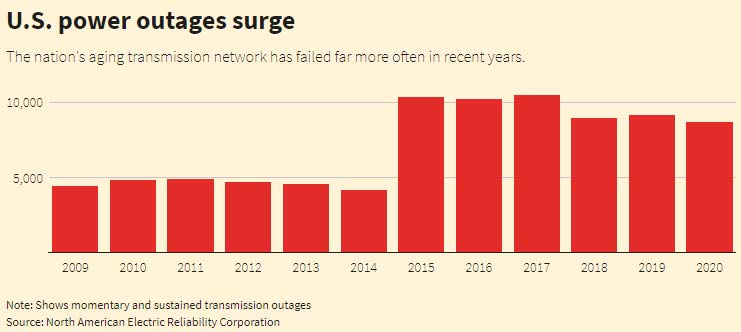
When I first began searching for a science fair project, I became interested in how often power outages affect daily life. Through further research, I learned that many power lines and power grids are outdated specifically transformers (an aspect of power grids) and how they were not designed to handle modern energy demands when faced with natures wrath. Transformers are a critical part of infrastructure, and when they fail, essential services such as hospitals, emergency responders, and communication systems experience stress. Despite how important these systems are, power outages are not stopping and are occurring more frequently due to aging equipment and overloads. This led me to question why more preventative technologies are not used to reduce strain on transformers and lower the risk of outages. As a result, I chose this project to explore ways power grid reliability could be improved and the impact of outages on essential services could be reduced.
What are transformers?
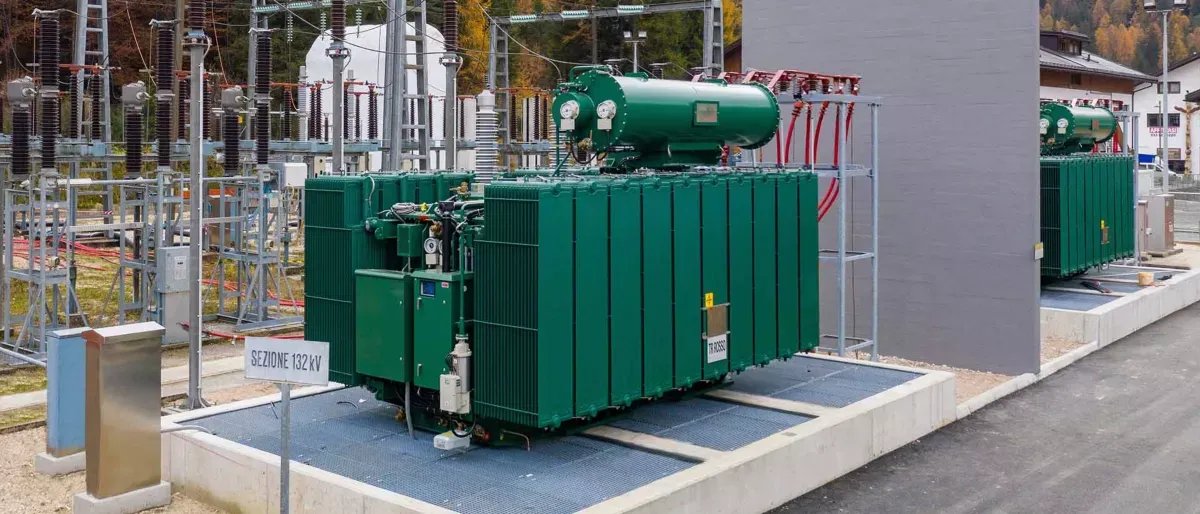
Distribution transformers are critical components of power grids that reduce high-voltage electricity from transmission lines to lower voltages suitable for residential, commercial, and industrial use. Inside the transformers, lies oil that is supposed to both cool internal components and electrically insulate them.
Intro to problem
However, in cold climates, transformer oil can become highly viscous, reducing its ability to circulate. This increased viscosity places mechanical and electrical stress on internal components and can contribute to insulation degradation and cause leaks, or transformer failure. These failures can result in costly repairs, environmental damage, and in severe cases, power outages that cost utilities thousands to millions of dollars. A more common cause of failure is lack of care caused by multiple summers and winters in which dust, rain, snow and even hail can cause immense damage and corrosion that piles up over the years making the transformers more susceptible to failure and or irreparable damage.
Context and relevance
Power grid failures are extremely costly, with estimates suggesting they cost the Canadian government approximately CAD 12 billion annually and the United States around USD 60 billion. Transformers, being one of the most critical components of the grid, are particularly prone to failure, with a study conducted with over 612 transformers over a 2 year period in that localized sample gave an average of 17.97% failure rate.
This information is a Nigerian study with a different climate. There is not a wide scale transformer test done similar to this in Canada though small scale averages suggest lower failure rates.
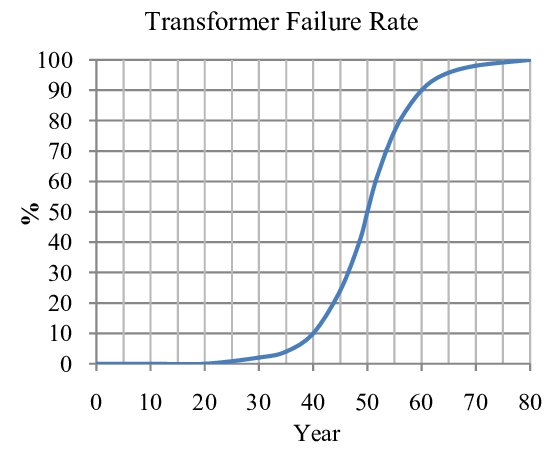 The average transformer will work for roughly 50 years in ideal conditions. However, study shows that average infrastructure in Canada specifically can only last 16.3 years. This demonstrates how Canadas' climate is unlike others and needs extra attention when regarding critical infrastructure further proving a need for innovation.
Mechanism of failure
How conditions affect the transformer: Cold temperatures cause the transformer metal to turn brittle and deformed as well as causing the oil to become highly viscous. Hot temperatures cause the metal to warp and cause the transformer to experience corrosion and damage due to the sun. These are just some of the many reasons which make covers or shields a necessity.
Systemic level consequences of transformer problems
Voltage instability being a main factor which can lead to: Loss of load in an area meaning tripping of lines. Grid instability Widespread outages
Current solutions against this problem
Currently, there are some solutions against this problem, the most common existing solutions rely on oil-fired heaters or grid-powered heating systems to prevent transformer freezing.
These approaches have significant drawbacks that introduce: ongoing fuel costs (Constant buying of oil) grid dependency (monitored and reliant by grid energy and sources) maintenance requirements (Oil fired heaters in all aspects of its use on average need service once a year) environmental impacts All these problems are why it is currently being proven to not be a plausible option as it is unreliable causing drastic repair costs and ongoing maintenance.
Further detail
In detail to keep a medium sized transformer warm in the winter you need approximately 100 watts of continuous energy equivalent to 2.4 kWh per day put into a heating system.
List of problematic and risky factors: Now whilst oil fired heaters are capable of emitting this power in perfect conditions. The existing products are not a reliable purchase for these reasons oil is not a safe bet on a long-term scale as price is highly driven by global relations as well as oil being dictated by inflation. Another problematic factor is the dependency on oil imports these systems can be problematic if temperature drops as the system will need to burn more oil to maintain adequate temperatures. If a system is relying on your grid for energy and an outage occurs not only will your transformers suffer but so will the product that is protecting it. Finally, grid dependency introduces ongoing operational costs and exposure to price fluctuations and policy changes. Finally, and most importantly they don't work as being proved by numerous statistics and websites.
Gap between this system and existing
Environmental difference
A small 100 W transformer heater running 2.4 kWh per day over a 180-day winter consumes 432 kWh of energy, which is equivalent to roughly 51 liters of heating oil per winter. Burning 1 liter of oil produces about 2.75 kg of CO₂, so an oil-fired system would emit approximately 137–140 kg of CO₂ per winter, or around 4,110 kg over 30 years, not including additional emissions from NOx, SOx,.
In contrast, a 700 W solar panel generating 2.45 kWh/day in winter produces 0 kg of operational CO₂ (dependent on technology and location can emit CO₂) Oil heating also carries the risk of soil and water contamination from fuel spills. Even a small leak of 10 liters can pollute up to 1,000 liters of groundwater, while solar panels and polycarbonate sheets pose minimal chemical hazard. Oil is a non-renewable fossil fuel, whereas solar energy is entirely renewable and abundant. Maintenance and material waste for oil systems—such as replacing burners, pipes, or tanks—typically occur every 5–10 years, adding to the environmental burden. In comparison, polycarbonate sheets last 10–20 years, LIFE PO₄ batteries last 10–15+ years, and solar panels last 20–25 years, reducing replacement frequency and associated waste. Finally, oil systems require regular fuel transport, contributing additional CO₂. Overall, the solar solution avoids over CO₂ emissions, eliminates air pollutants, reduces spill risk, and relies on renewable energy, making it far more environmentally sustainable than oil heating.
Physical differences
Difference in needed maintenance/inspection: For solar panels professional inspections are recommended every 2–5 years. Whilst oil fired heaters "If you happen to live in a very cold climate, then you might need to service the furnace twice a year." This difference in reliability and need for frequent maintenance illustrates the reliability contrast between the two energy sources.
Reliability
This existing solution stands out because it is independent of the electrical grid, does not rely on oil, and has a durable base structure with a projected lifespan of over 15 years (estimated due to the lifespan of key components.). The key gap it addresses is the need for a truly self-reliant system that does not require ongoing maintenance, imported oil, or external energy sources to operate effectively.
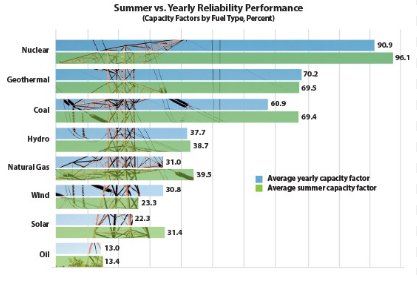
This study represents reliability of energy types. As evident in the picture solar energy is nearly 10 percent more efficient yearly and almost 20 percent in the summer. This further the represents how this system is estimated to be much more efficient.
Who and what are being affected by this problem
Power outages have a significant negative impact on the public. Examples being: Small businesses can experience severe losses (business interruptions, ruined resources as well as affect staff safety) Critical services including but not limited to hospitals, police, and fire departments are heavily affected because communication and operations rely on a stable power supply. Hospitals, for example, can only run on backup power for a limited time, making reliable electricity essential for public safety and the well-being of the community.
Cost effectiveness
When you think about it these transformer covers are extremely justified as: When considering the cost of transformer failures. A single mid-sized transformer replacement can range from $20,000 to over $100,000, and large transformers can cost in the millions. By preventing even one failure, the cost of dozens of these solar cover systems could be justified. Beyond immediate replacement costs, protecting transformers reduces downtime and risks to essential services. Additionally, the long lifespan of the components. Examples being Solar panels, LiFePO₄ batteries, and polycarbonate enclosures ensures decades of reliable protection with minimal maintenance, further enhancing the return on investment.
Scalability
The design is fully functional across all transformer types and sizes because this project's goal is to address a universal requirement: Maintaining safe operating temperatures in cold and hot conditions. This system is designed and optimized for distribution-level transformers operating in cold and variable climates. While my analysis focuses on medium-sized transformers, the underlying architecture including solar generation, battery as a backup, insulated enclosure, and controlled heating is scalable. By adjusting solar capacity, battery size, heater power, and enclosure dimensions, the same design principles can be applied to larger or smaller transformer installations without changing the core operating concept. Making the design not limited.
Hypothesis
A solar-powered, insulated transformer cover equipped with a LiFePO₄ battery can maintain transformer oil above 0 Celsius in Canadian winter conditions, protecting the transformer from freezing and mechanical stress, while reducing CO₂ emissions and eliminating reliance on oil-fired heating systems and ensuring a more reliable and environmentally friendly solution.
Final Project question
How can a solar-powered, insulated cover maintain safe operating temperatures for transformers?
Method
Materials and specifications
Materials For my project to be different and a viable option I needed a self-reliant energy source that isn't limited and very safe. As well as not being likely to encounter implications through short life expectancy. There was only really one option that being the solar panels to be the primary energy source that had a dual benefit as it is strong and provides a barrier protecting the transformer.
The system was designed to maintain transformer oil above 0 °C during Canadian winter conditions while eliminating dependence on oil-fired or grid-powered heating systems. Based on existing infrastructure data, a continuous heating element requirement of 100 W (2.4 kWh per day) was established as the minimum energy input necessary to prevent oil viscosity increase and mechanical stress.
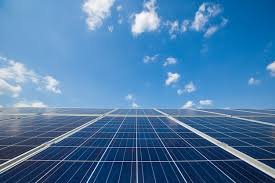
Energy generation 2 Maple Leaf 700W Bifacial N‑Type HJT Solar Panel $314.99 CAD To meet the 2.4 kWh/day heating demand and provide battery charging capacity, two 700 W bifacial N-Type HJT solar panels (1400 W total) were selected. These panels were chosen due to: High winter efficiency Long lifespan (25–30 years) Weather resistance Structural rigidity (dual function as protective cover)
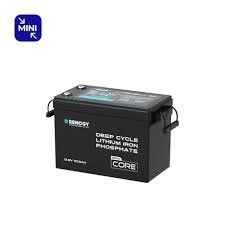
 Battery
Renogy 12V 200Ah LiFePO₄ Battery
This battery was selected to:
Provide overnight heating
Buffer multi-day low-sun events
Maintain system operation during cloudy conditions
Battery lifespan was estimated at 10–15 years
Battery
Renogy 12V 200Ah LiFePO₄ Battery
This battery was selected to:
Provide overnight heating
Buffer multi-day low-sun events
Maintain system operation during cloudy conditions
Battery lifespan was estimated at 10–15 years
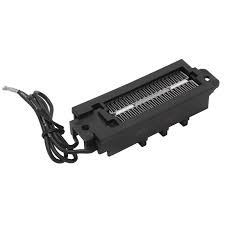
Heating element A 100 W PTC ceramic air heater was selected to: Deliver continuous controlled heat Automatically regulate temperature Prevent overheating risks
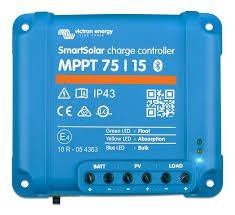
Charge controller MPPT controller 75/15 Functions Regulates voltage and current from the solar panels Prevents battery overcharging and over-discharging Directs energy safely between solar panels, battery, and heater Optimizes power flow during low sunlight conditions
Heat trapping shield
Polycarbonate
250 times more impact resistance than clear glass
A 6 mm multiwall polycarbonate enclosure was selected for:
Wind shielding
Thermal insulation
Structural durability (15–25-year lifespan)

Small specifics and explanation
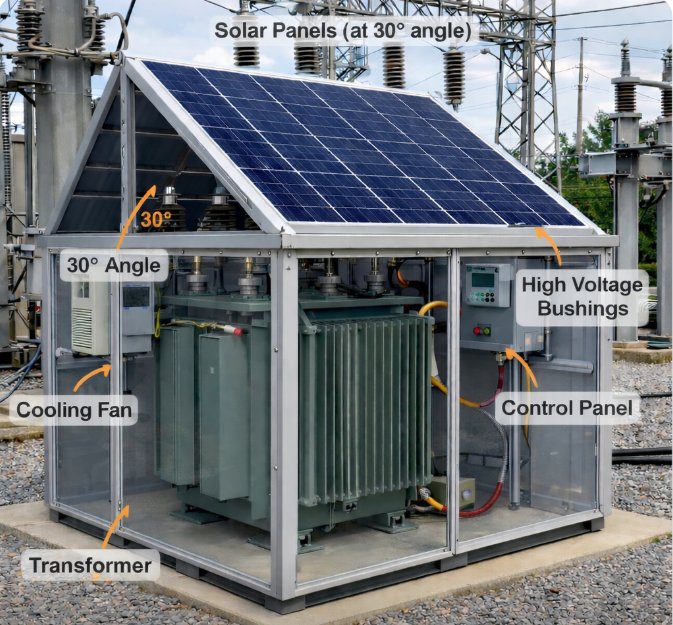
For this project to be viable I had to meet an equilibrium that being between angle for solar panels and angle for durability. The solar panels will be mounted at a 30° angle to balance efficiency and durability. This angle helps snow and rain naturally slide off the surface, reducing buildup that could block sunlight and lower energy production. It also prevents standing water, which can damage panels over time. Potentially causing an even longer lifespan. Furthermore, this angle for solar panels will not hinder efficiency.
Math Standpoint on how it will keep a transformer warm.
Daily Peak Sun Hours (example for Alberta) ----------------------------------------- | Location | Lowest winter | Highest winter | Avg annual | |-----------|---------------|----------------|------------| | Calgary | 1.7 h | 6.9 h | 4.2 h | 1400 watts x 4.2h =5\,880 watts | Med Hat | 1.6 h | 7.2h | 4.3h | 1400 watts x 4.3h =6\,020 watts | Lethbridge| 1.8 h | 7.2 h | 4.4 h | 1400 watts x 4.4 hours= 6\,160 watts
How the system is prepared
On an average winter day, the solar panels can generate sufficient energy to meet the heater’s daily demand(2400 watts) and recharge the LiFePo4 battery(2560 watts), with typical winter PSH conditions. This system on the worst day of the winters in Calgary can produce 2380 watts. The system is designed to tolerate several day low-sun periods by relying on battery buffering and oversized solar panels.
Explanation on how the system works from a technical sense
The 2 Solar Panels during the day absorb the sunlight and turn it into DC (Direct Current) which flows into the charge controller which ensures the battery charge is safe and not overcharging. The charge controller will also optimize electricity flow, so the transformer gets power reliably even when the sunlight is weak. The excess solar energy is stored in the battery. This allows the system to provide heat even at night and really cloudy days. When heating is needed it flows from either the battery or the solar panels to heating element. Finally, the heat warms the transformer oils and keeps the transformer safe.
Existing safety features created through my material choices
The system specifically charge controller will automatically disconnect load if battery voltage becomes too low Will also automatically reconnects system when sufficient energy returns As well as maintain stable and reliable power delivery to the heating system
Design
A square bottom to match the transformers shape and provide a shield from wind and hail. A triangle at the top with solar panels creating a 30-degree angle for snow and rain to fall off whilst being efficient for the solar panels. The heating element is interchangeable with fan through summer and winter. The control panel is the fancy name for charge controller (MPPT controller).
This is the design for the solar power insulated cover to ensure safety.
Potential Polycarbonate/enclosure testing
There is a chance I bring in testing for my enclosure.
Some tests being: Heat retention Snow load mitigation Structural integrity Heat loss evaluations
Analysis
Total price of estimated system comparison
Solar panels (full name listed in materials section) Price 630$ Longevity 25-30 years
Battery (full name listed in materials section) Price:810$ Longevity 10-15 years
Polycarbonate enclosure Estimated: Price 480$ Longevity 15-25 years
Heater (full name listed in materials section) Price 18.99$ Longevity 5,000 to 10,000 hours if running 24/7 Equal to 417 days
Charge controller (full name listed in materials section) Price 100$ Longevity 10+ years
Estimated price for 25 years of service (assuming average lifespan) Solar Panels (no replacement needed) Battery (replacement needed ) + 810$ Polycarbonate (Likely none needed as solar panels act as shield from rain, sun and snow Heater (assume 4 winter months non stop=2,880 hours) (Roughly 9 replacements across 25 years)
Total Price (base cost) = 2038 $ Total Price (25years of service) = 3019$
Comparison
My system
3019 dollars across 25 years = 120.76 a year
Existing systems
Industrial oil-fired heaters used for winterizing power grid infrastructure. Such as keeping substation equipment, control sheds, or critical components warm are typically high-capacity, indirect-fired units. These units often cost between $5,000 and over $30,000 CAD per unit, depending on BTU output and features, with popular/typical 390,000 to 750,000 BTU models often falling in the $10,000–$34,000 range.
While not explicitly mentioned high scale oil fired heaters typically last around a decade or more with maintenance.
Furthermore specific oil fired heaters including some BTU models require up to 5.4 gallons of oil an hour. Whilst this is a much bigger model it shows how oil fired heaters use copious amounts of oil causing serious costs that will also add up significantly over long periods.
Price for BTU smaller model 390 goes for roughly 5,000-10,000 dollars. Oil consumption 13.5 litres per hour Price not including oil = 750 dollars per year (over estimated lifespan/10 years)
Testing
Real world calculations: The data indicates that my solar-powered transformer cover system is capable of maintaining safe oil temperatures during Alberta and in north and south America winters under typical conditions. With a total generation capacity of 1,400 W and average winter peak sun hours ranging from 4.2–4.4 hours, the system produces approximately 5.8–6.1 kWh per day. This exceeds the 2.4 kWh daily heating demand, leaving surplus energy available for battery charging and system buffering. Thermal modeling further supports feasibility. A 100 W heating element can raise transformer oil temperature by approximately 0.6–0.8°C per hour when accounting for environmental heat loss. Estimated cooling rates in −10°C conditions suggest the oil would lose heat slower than the heater can restore it, this means that the system can maintain temperature stability under normal winter conditions.
Absolute worst-case scenario: Worst-case solar input modeling (0.7 peak sun hours) shows reduced daily generation (approximately 980 Wh), but the battery storage system provides short-midterm resilience. The oil’s high thermal mass, combined with enclosure insulation, slows temperature decline, giving the system time to recover once sunlight returns. This indicates that the system is not only functional in ideal conditions but also resilient during temporary low-solar periods. Environmentally, the elimination of oil-based heating prevents approximately 140 kg of CO₂ emissions per winter, totaling over 4,000 kg across a 30-year lifespan. Economically, the annualized system cost is significantly lower than the potential replacement cost of a failed transformer, suggesting strong long-term financial justification.
Overall analysis
Through real world data gathered from weather websites alongside my energy calculations. Demonstrates real world efficiency and likely outcomes to existing problems.
Overall
The research supports the conclusion that the system is thermally sufficient, energetically sustainable, environmentally beneficial, and economically viable for long-term transformer protection.
Conclusion
Conclusion
General conclusion The purpose of my project is to develop a cover for a transformer that can keep oil above critical temperatures and reduce the risk of power outages. After intense research and overall averages of typical components I have developed a theoretical cover that could solve transformer problem and potentially solve all power grid related problems.
Practical applications The practical applications of my system include power grids in Canada and south America as well as neighboring countries with similar climates and PSH. I believe this system has the ability to stop power outages or limit risks of power outages in north and south America at the least geographically speaking.
Citations
The True Cost of Outages in Canada: $12 Billion | S&C Electric file:///C:/Users/1100052832/Downloads/Reliability_and_vulnerability_of_tr%20(2).pdf) , (journal of Polish Safety and Reliability Association Summer Safety and Reliability Seminars, Volume 6, Number 3, 2015 (2025 EF Document.docx) (Emergency Environmental Services Quebec | Enviro Urgence). (Fact Sheet | Climate, Environmental, and Health Impacts of Fossil Fuels (2021) | White Papers | EESI). (Solar, before and after: the life cycle of solar panels - Solar United Neighbors). (Roof Angle for Snow: Optimal Pitch for Snow Loads and Shedding – Rescreening Masters) Peak Sun Hours Canada: (List, and Maps) – Dot Watts® Electricity Reliability in Canada | Electricity Canada Enel to increase grid reliability by deploying digital transformers from Hitachi ABB Power Grids poweroutages.jpg (741×332) https://www150.statcan.gc.ca/n1/pub/11-621-m/11-621-m2008067-eng.htm https://www.sperrs.com/how-often-should-an-oil-furnace-be-serviced/ https://solaryyc.ca/the-ultimate-home-solar-system-maintenance-guide/ https://www.multivu.com/players/English/7279151-nuclear-energy-institute-nei-reliable-energy-source/ https://www.mdpi.com/2076-3417/15/14/8030 https://www.freepik.com/premium-photo/solar-panels-power-station-blue-solar-panels-alternative-source-electricity-solar-farm_8267449.htm https://ca.renogy.com/products/renogy-mounting-brackets-for-12v-200ah-pro-lifepo4-batteries-set-of-4?srsltid=AfmBOorq_NqrlXOqUIdckEmeQQX77-8Ax0OVQzBbv9HP7HdgNo9W4vY1 https://volts.ca/products/smartsolar-mppt-75-15-retail?srsltid=AfmBOorTr51hi1Mi-v9zY69XYdRYhwOQcxA7XdZfw5KhCRm9EgkDYaGg https://cleanflow.net/products/flagro-fvo-750-oil-indirect-fired-heater-750-000-btu-reillo-burner-vfd-ductable-up-to-200-ft-high-static-blower-forklift-pockets-tiger-loop?variant=39267087450173&utm_source=google&utm_medium=cpc&utm_campaign=Google%2520Shopping
Acknowledgement
I would like to express my heartfelt gratitude to everyone who was with me in the making of this science fair product. I would like to give a huge thanks to my friends from school including Mason and Aryan. As well as a huge thanks to my school coordinator for making this possible for me. Finally, a huge thank out to CYSF for enabling me to participate and hosting a well esteemed event.