
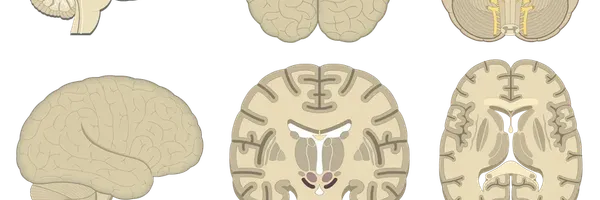
How do various drugs impact brain function and structure, and how does repeated use lead to neuroplastic changes associated with addiction?
Crystal Wu, Mahika Avhad
Westmount Mid/High School
Grade 10
Presentation
Problem
Over the past couple of decades drug and substance abuse has continued to be an increasingly prevalent issue among adolescents, despite the harmful affects of drugs being widely known. Many teenagers are being exposed to drugs at a younger age, a time where the brain is the still developing and drug use can be especially damaging to the brains neuroplasticity. Its important to note that while addiction may be seen as personal failure, the reality is that drug abuse is a serious chronic brain disease that affects an individual's behavior and decision making. The stigma around substance abuse prevents people from seeking help and learning the science behind addiction. During adolescence and early adulthood the brain has high levels of neuroplasticity, or its ability to change, adapt, and form new neural connections. This process is essential for learning and habit formation, and many important parts of the brain (such as the frontal lobe) aren't developed until 25 and over. Due to this it is extremely important that teenagers especially do not mess with this process, as it can impact and damage a persons neuroplasticity for life. Over this project we aim to reduce the stereotypes around drug abuse as well as dive into the consequences of addiction. Within this research project we will dive into how drug use affects the brain, the long term affects, how the different areas of the brain are affected as well as how prolonged use rewires the brain into addiction. Within this, we will focus on studying and classifying specific types of drugs, examining the affect on neurotransmitters (both long and short term) as well as understanding the influence on an adolescent's neuroplasticity. Understanding how drugs influence brain development and mental health is crucial for long term prevention of addiction.
Method
This project used a data analysis and research-based approach. Information was collected from existing academic and scientific sources rather than through experimentation. Laptops were used to access, review, and organize research materials and data. Peer-reviewed university studies and credible reports were examined to identify patterns related to drug classifications, neurological effects, and addiction. Information was compared across multiple sources to draw informed conclusions. Data was collected from government and educational websites to ensure accuracy and reliability. Information was recorded using charts and graphs, and research was conducted three times per week to remain consistent and current. Ethical considerations included ensuring all data was up to date and avoiding stereotypes related to drug use and addiction. All sources were carefully evaluated for credibility and relevance.
1. Research Design
1.1 Type of Study
This project used a secondary research and data analysis–based approach. Rather than conducting laboratory experiments or surveys, the study relied on the analysis of existing scientific literature, academic papers, and government-published data. This approach was selected because it allowed for the examination of large-scale, peer-reviewed findings related to neuroplasticity, addiction, and drug effects on the brain, which cannot be ethically or practically tested through direct experimentation on human subjects, particularly adolescents. Secondary research is especially appropriate for neuroscience-related topics, as it enables the synthesis of established evidence from multiple disciplines including biology, psychology, and public health. This method supports the identification of patterns, trends, and consistencies across studies while minimizing ethical risks.
2. Data Collection
2.1 Sources
Data was collected exclusively from credible government websites, academic institutions, and peer-reviewed scientific publications. These included national health organizations, neuroscience research institutions, and university-published studies. Government and educational sources were prioritized to ensure reliability, scientific accuracy, and relevance. Non-peer-reviewed or opinion-based sources were excluded. Laptops were used to access, review, and organize all research materials. All sources were evaluated for credibility, publication date, and relevance to adolescent brain development and addiction neuroscience.
2.2 Research Focus Areas
The research focused on several core scientific concepts:
- Neuroplasticity, defined as the brain’s ability to change, adapt, and rewire itself through the formation of new neural connections. Particular attention was given to the fact that neuroplasticity is strongest during adolescence and young adulthood, making this developmental period especially sensitive to environmental influences such as drug exposure.
- Addiction, defined as a chronic brain disease involving repetitive drug use, dopamine release, altered reward networks, and persistent drug cravings. Addiction was examined as a neurological condition rather than a moral or behavioral failure.
- Major brain regions affected by drugs, including the basal ganglia, extended amygdala, and prefrontal cortex. These areas were selected due to their roles in reward processing, emotional regulation, stress response, impulse control, and decision-making.
2.3 Drug Classification
Drugs were categorized into major groups to allow for structured comparison. These categories included stimulants, depressants, opioids, cannabis, and related psychoactive substances. For each category, data was collected on:
- Effects on neurotransmitters, particularly dopamine
- Short-term effects on cognition, mood, and behavior
- Long-term effects on brain structure and function
- Addiction risk
- Changes in neuroplasticity
3. Data Analysis
3.1 Comparative Analysis
The collected data was analyzed using comparison and pattern identification across multiple sources. Findings from different studies were compared to identify consistent neurological mechanisms, particularly those related to dopamine signaling, reward circuit activation, and habit formation. Differences between drug categories were also examined to understand how various substances uniquely affect neurotransmitters and brain regions.
3.2 Pattern Recognition
Patterns related to adolescent vulnerability were a central focus of the analysis. Data was examined to determine how drugs affect brain development during adolescence, with particular emphasis on delayed maturation of the prefrontal cortex and heightened sensitivity of the reward system. Patterns linking early substance use to increased addiction risk, poorer mental health outcomes, and long-term cognitive and emotional impairment were identified and recorded. Information was organized using charts and graphs to visually represent relationships between drug categories, brain regions, and neurological outcomes. This supported clearer interpretation of trends and reinforced conclusions drawn from the literature.
4. Accuracy and Reliability
4.1 Verification of Information
Accuracy was ensured through cross-checking information across multiple independent sources. Claims were only included if supported by consistent findings from reputable studies. Priority was given to recent research to ensure that conclusions reflected current scientific understanding. Research was conducted three times per week to maintain consistency and allow for continuous updating as new or more relevant sources were identified.
4.2 Source Evaluation
All sources were carefully evaluated based on publication date, institutional credibility, and relevance to neuroscience and adolescent health. Studies with clear methodologies and transparent data collection were prioritized.
5. Ethical Considerations
5.1 Bias and Stigma
Ethical considerations were central to this project. Drug use and addiction are often associated with stigma and stereotypes, which can distort scientific interpretation. To reduce bias, addiction was consistently framed as a neurological and medical condition, supported by evidence on brain structure and function.
5.2 Responsible Interpretation
Care was taken to avoid stigmatizing language and to present findings objectively. The research emphasized the role of brain development, neuroplasticity, and environmental factors rather than personal blame. This approach aligns with ethical research principles and supports a more accurate and compassionate understanding of addiction, particularly among teenagers.
Research
The human brain is composed of billions of neurons organized into complex circuits that communicate through chemical messengers called neurotransmitters. These neural networks control functions in the human brain, such as movement, memory, emotion, decision-making, and motivation. Under normal conditions, neurotransmitters are released in small, controlled amounts to allow safe communication between neurons. However, drugs interfere with this process by altering how transmitters are released and received, leading to abnormal signalling through the brain. Many psychoactive substances resemble a brains natural chemicals, allowing them to bind to receptors, mimicking real neurotransmitters and disturbing brain function.
The main system that is affected by drugs is the brain's reward circuit, which primarily involves the basal ganglia, extended amygdala, and prefrontal cortex. The basal ganglia plays the central role in motivation and pleasure, which in turn is connected to habit formation. The brain's reward system was initially created to distinguish between what was necessary for human survival and what was not. The basal ganglia would reward the brain with small doses of dopamine, signalling a "good" habit, and the brain would keep the habit for its survival. Drugs overstimulate the basal ganglia, producing intense euphoria in a short amount of time, and reinforcing the idea that this is a good habit. The brain, from the intense rush of dopamine, believes the drug is necessary for survival, and continues to take it. Over time, the brain adapts by reducing sensitivity to natural rewards and making everyday activities less pleasurable. The extended amygdala is involved in stress and negative emotions such as anxiety and irritability. As drug use continues in the user, the region becomes increasingly active during times of withdrawal, and encourages continued use as a way to relieve the discomfort rather than to experience pleasure.
The prefrontal cortex is responsible for decision-making, impulse control, and long-term planning. This region is still developing during adolescence, which is why teenagers lack certain decision-making skills. However, because it is still developing, it makes teenagers more susceptible to drug abuse and substance use. Drug exposure weakens the prefrontal cortex's ability to regulate impulses and make responsible decisions, while encouraging the damaging habits that appear during abuse. This imbalance contributes to compulsive drug-seeking behaviour, even when an individual may be aware of negative consequences. Certain drugs (such as opioids) also affect the brain stem, which is responsible for vital functions such as breathing and heart rate, increasing the risk of overdose and death.
Because addiction is caused by chemical imbalances, it's defined as a chronic brain disease characterized by compulsive substance use. Repeated drug use alters brain chemistry by reducing natural dopamine production or decreasing the number of available receptors, resulting in dangerous dopamine production. This leads to a build-up of tolerance, where large amounts of a substance are required in order to achieve a similar effect. Due to tolerance, individuals may experience symptoms such as depression, low motivation, and numbness from the lack of natural dopamine being present. Wanting to chase the high causes individuals to return to drugs and reinforces dangerous, continued use. Neural changes in the brain, and recent scans, demonstrate that addiction is not simply a lack of control but rather a condition caused by changes in a brain structure and chemical function.
All drugs can be classified into major categories based on their effects on the central nervous system. These categories include stimulants, depressants, opioids, hallucinogens, dissociatives, inhalants, and cannabis. Every type of drug affects neurotransmitters differently and carries both short and long-term risks for an individual. Depressants slow brain function and impair memory and coordination. Opioids activate pain and pleasure receptors, leading to rapid tolerance and severe withdrawal. Cannabis affects memory, attention, and motivation. Nicotine, delivered through smoking or vaping, is highly addictive and particularly harmful to teenage brains, increasing the likelihood of long-term dependence.
Adolescence is a critical period of neuroplasticity, during which the brain undergoes extensive restructuring. The limbic system is responsible for reward and emotions, and matures a lot earlier than the prefrontal cortex, creating a developmental imbalance in teenagers that increases risk-taking behaviour. Research consistently shows that earlier exposure to drugs is associated with higher rates of addiction and greater long-term cognitive impairment. Animal and human studies have shown that substance use during adolescence can cause lasting permanent damage to brain regions that are crucial for memory, learning, and decision-making, reinforcing the importance of prevention during this stage.
Data
Statistics found that impact our research
Here are some of the statistics we found that reinforce the issue of substance abuse in today's society.
 Addiction alters the brain’s chemistry, especially in regions controlling pleasure, motivation, reasoning, and self-control. Before addiction, these areas regulate rewards and decision-making effectively. However, after addiction, chemical changes hijack this reward system, reducing executive function, impairing inhibitory control, and making it difficult to resist substance use.
 In 2021, the majority of global drug use disorders occurred among people aged 15–39. Young and early-middle-aged adults are most affected, addressing both the vulnerability of this age group to substance abuse and dependence and the socio-economic and health challenges linked to early drug use.
 Between 2001 and 2021, deaths from opioids, synthetic opioids, natural and semi-synthetic opioids, heroin, and methadone had risen per 200,000 population. This trend demonstrated the growing public health crisis of opioid misuse, with synthetic opioids like fentanyl driving the most recent increases.
 In 2023, 16.7% of Americans aged 12 and older(about 48.5 million people)met the criteria for a substance use disorder. This emphasizes the widespread impact of addiction, showing that a significant portion of the population struggles with drug or alcohol dependence, highlighting the need for prevention, treatment, and mental health support where required.
Conclusion
Conclusion:
Addiction is a chronic brain disease caused by changes in neurotransmitters and neural pathways, rather than a lack of willpower in an individual. Teenagers are particularly vulnerable because their brains are still developing, with high neuroplasticity and an underdeveloped prefrontal cortex, making them more vulnerable to the long-term cognitive, emotional, behavioural, and physical effects of substance abuse. Drugs such as nicotine, alcohol, opioids, and cannabis can hijack the brain’s reward system, reinforcing addictive behaviours and making everyday pleasures feel less satisfying. In the real world, it is incredibly important to focus on the importance of early education, awareness campaigns, and reducing stigma to prevent substance misuse among youth. Awareness is also necessary to ensure fewer teenagers fall victim to drug abuse. Teens struggling with addiction can seek help through school counsellors, healthcare providers, family support, and evidence-based therapy programs such as cognitive behavioural therapy or relapse prevention programs. Access to mental health resources and supportive communities is critical for recovery and long-term well-being.
Analysis:
Analysis of our research shows that neuroplasticity is strongest during adolescence, making teenage brains more sensitive to substances that alter neural connections. Drugs interfere with neuron communication by mimicking natural neurotransmitters or causing excessive neurotransmitter release, leading to abnormal signaling in the brain. All psychoactive drugs activate the brain’s reward circuit by increasing dopamine, which reinforces repeated use through habit formation rather than conscious decision-making. Repeated exposure to drugs causes the basal ganglia to adapt, reducing sensitivity to pleasure from everyday activities and increasing tolerance. The extended amygdala becomes more reactive with continued use, contributing to stress, anxiety, and withdrawal symptoms that motivate further drug use in addicts. Drugs also impair the prefrontal cortex, reducing impulse control, judgment, and decision-making, which is especially concerning since this region matures last in adolescents. While different drug categories affect neurotransmitters in distinct ways, all carry risks of long-term cognitive, emotional, and behavioral impairment. Early substance use is associated with higher addiction risk, poorer mental health outcomes, and lasting changes in brain structure and function.
Limitations:
Our project relied primarily on secondary sources and research papers from universities, and academic studies done in the past. This meant that findings were limited by accuracy and availability based on existing data. Addictive substances (such as opioids), despite being around since the 1980's, have only recently started to be researched in depth. Newer substances such as vaping devices and synthetic drugs currently lack long-term neurological research, especially in adolescent populations. Many conclusions about teenage brain development are based on animal studies rather than direct human experimentation due to current ethical constraints. Individual differences such as genetics (certain genes have been linked to substance abuse), mental health conditions, social environments, and other external factors were not directly measured, and are things that may influence addiction risk.
Future Study:
If we were to continue research in the future, we would expand on this project by incorporating primary data collection, such as anonymous surveys or interviews with adolescents, to better grasp an understanding of real-life impacts and exposure. Currently, our research is theoretically based, and our ideas are based on academic papers. In the future, we would love to connect these ideas to real life. additionally long term studies following individuals over time would provide deeper insight into the long-term cognitive, mental, and emotional effects of adolescent substance use. Further investigation into the benefits and effectiveness of early education and school-based prevention and counselling programs could help identify strategies that reduce addiction risk. Studying the relationship between mental health and substances will support more targeted interventions for adolescents.
Citations
National Institute on Drug Abuse. (2020, July). Drugs and the Brain. National Institute on Drug Abuse. https://nida.nih.gov/publications/drugs-brains-behavior-science-addiction/drugs-brain
25, May. “How an Addicted Brain Works.” Yale Medicine, Yale Medicine, 25 May 2022, www.yalemedicine.org/news/how-an-addicted-brain-works.
“How Do Drugs and Alcohol Affect the Brain and Central Nervous System?” Edited by Linda Armstrong, American Addiction Centers, 17 Dec. 2024, americanaddictioncenters.org/health-complications-addiction/central-nervous-system.
IACP. “7 Drug Categories.” Theiacp, 2019, www.theiacp.org/7-drug-categories.
Bazan, Christy, et al. “How Drugs Work in the Body and the Brain.” Illinois Open Publishing Network, Windsor & Downs Press, 2021, iopn.library.illinois.edu/pressbooks/druguseandmisuse/chapter/how-drugs-work-in-the-body-and-the-brain/.
Samra, Joti. “ What Is the Bio-Psycho-Social Model?” YouTube, 2020, youtu.be/R8ljOrYPrcw?si=_ltLN9wtYruYaoeR.
Show\, Sci. “ Why Our Brains Want to Be Addicted | The Chemistry of Addiction.” YouTube\, YouTube\, 2012\,
Understanding the Brain Affected by Addiction - Bradford Health Services. (2021, April 20). Drug and Alcohol Rehab - Bradford Health Services. https://bradfordhealth.com/understanding-the-brain-affected-by-addiction/
| Psychoactive Drugs: 3. How does drug addiction affect the functioning of the brain? (n.d.). Www.greenfacts.org. https://www.greenfacts.org/en/psychoactive-drugs/l-2/3-drug-addiction-brain.htm |
|---|
Winters, K. C., & Arria, A. (2024). Adolescent Brain Development and Drugs. Nih.gov. https://pmc.ncbi.nlm.nih.gov/articles/PMC3399589/
In a Nutshell, Kurzegesagt. “Why Does Fentanyl Feel So Good.” YouTube, YouTube, May 2025, www.youtube.com/watch_videos?video_ids=kP15q815Saw%2Cm6KnVTYtSc0%2CcHEOsKddURQ%2Cu4LUix-BU0s%2CaOwmt39L2IQ%2CqBRaI0ZeAf8%2CBrm71uCWr-I%2C_rBPwu2uS-w&type=0&title=Drugs%2B%E2%80%A2%2BTop%2Bepisodes%2Bfor%2Byou.
In a Nutshell, Kurzegesagt. “ Vaping Is Too Good To Be True.” YouTube, YouTube, 2024, www.youtube.com/watch?v=cHEOsKddURQ&list=TLGGLWOZrISYBn0xNjAxMjAyNg&index=3.
In a Nutshell, Kurzegesagt. “ 3 Arguments Why Marijuana Should Stay Illegal Reviewed.” YouTube, YouTube, 2019, www.youtube.com/watch?v=kP15q815Saw&list=TLGGd0yFzfHkXFQyMDAxMjAyNg.
In a Nutshell, Kurzegesagt. “ We Have To Talk About Weed.” YouTube, YouTube, 2025, www.youtube.com/watch?v=qBRaI0ZeAf8&list=TLGGd0yFzfHkXFQyMDAxMjAyNg&index=7.
In a Nutshell, Kurzegesagt. “ Smoking Is Awesome.” YouTube, YouTube, 2025, www.youtube.com/watch?v=_rBPwu2uS-w&list=TLGGd0yFzfHkXFQyMDAxMjAyNg&index=6
https://pmc.ncbi.nlm.nih.gov/articles/PMC3399589/
https://www.samhsa.gov/data/data-we-collect/nsduh-national-survey-drug-use-and-health/national-releases/2023
https://www.cdc.gov/nchs/data/databriefs/db394-H.pdf
https://ourworldindata.org/illicit-drug-use
https://www.boardpreprecovery.com/rehab-blog/fsphp-2018-conference/
Acknowledgement
We would like to acknowledge Ms. Lai for all her hard work, and our parents for driving us and supporting us throughout this project. This project was a culmination of both our and their hard work, and would not have been possible without their help.